
Search Results
Keyword:Unit 4
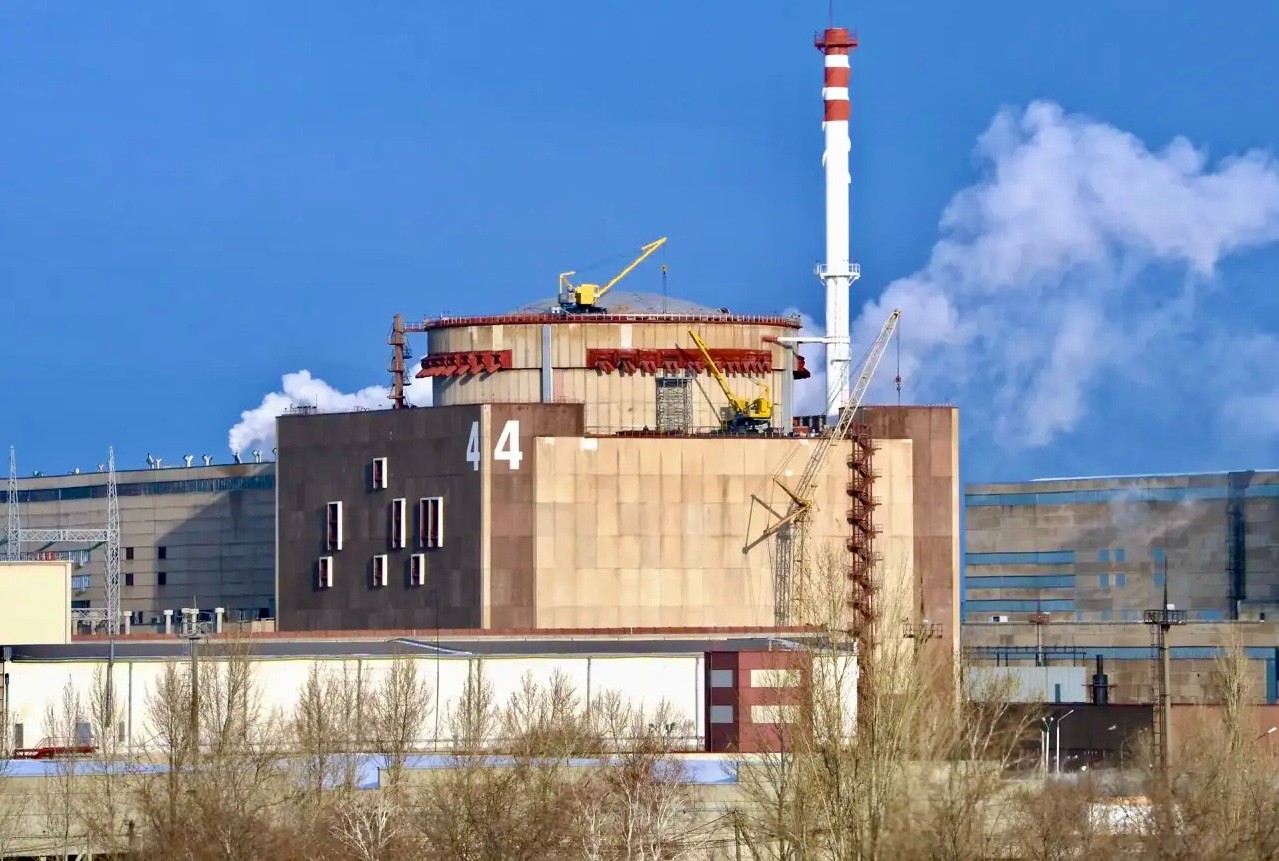
Unit 4 of Russia's Balakovo Nuclear Power Plant Shut Down for Planned Major Overhaul
On September 26, 2026, Unit 4 of the Balakovo Nuclear Power Plant, which is part of the Electric Power Division of Rosatom State Atomic Energy Corporation, was formally disconnected from the grid and entered the stage of preventive major overhaul and modernization upgrade in accordance with the established approved plan. Conducting preventive maintenance on a regular basis is a core routine measure for Russian nuclear power plants to maintain a high level of safety margin for equipment and ensure continuous and stable power grid supply. Alexey Portnov, Head of the Maintenance Management Department of the Balakovo Nuclear Power Plant, stated that as a key battle in the final stage of the plant's 2026 major overhaul, this overhaul round has planned multiple major equipment upgrade projects, with key scope covering the comprehensive replacement of valves and piping components in the spray pond, as well as the comprehensive replacement of the original lens-type expansion joints with new bellows expansion joints in the service water system, thereby enhancing the system's pressure-bearing capacity and fatigue resistance life.
2026-09-27
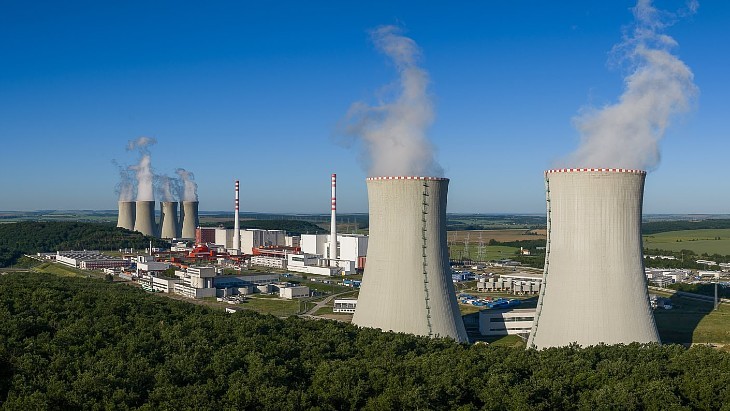
Mochovce Nuclear Power Plant Unit 4 Officially Connected to the Grid
According to the operator Slovenské elektrárne, Unit 4 of the Mochovce Nuclear Power Plant in Slovakia officially began generating electricity at 15:33 on Monday. This marks the last major stage before the unit enters commercial operation. The unit reached criticality and minimum controlled power in early August. Before approving entry into the latest stage of trial operation, the Nuclear Regulatory Authority of the Slovak Republic conducted a comprehensive inspection and assessed the relevant documents. The transition from physical startup to energy startup means that the heat generated by the reactor will be used to heat water and produce steam, thereby driving the turbine to generate electricity. Next, the reactor's output power will be gradually increased in stages—5%, 20%, 35%, 55%, 75% and 90%—with inspections and tests at each power level before further increases. When power reaches 20%, the unit will be officially connected to the Slovak power system. The final test will be continuous operation at 100% full power for 144 hours. Branislav Strýček, Chairman of the Board and CEO of Slovenské elektrárne, said: "With the successful completion of this stage, Slovakia will gain a new stable source of electricity. In the coming decades, it will make an important contribution to the country's energy security and the achievement of climate goals." Martin Mráz, Director of the Mochovce Completion Project, said: "We have successfully completed the fuel loading and physical startup stages... The achievement of this milestone is a recognition of the high level of professionalism of the Slovenské elektrárne project team and the quality of work of all those involved in the completion."
2026-09-23
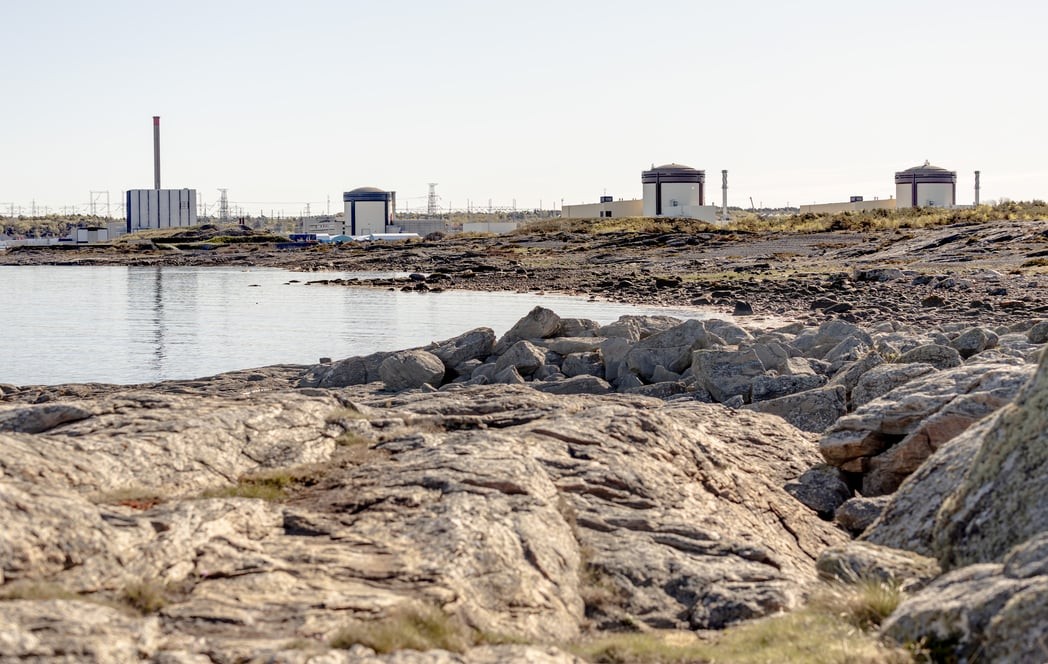
Planned outage at Sweden's Ringhals Unit 4 extended to November 30
The planned maintenance outage at Unit 4 of Sweden's Ringhals nuclear power plant will be extended to November 30 due to the need for additional cleaning work on site. During the planned maintenance outage at Ringhals Unit 3, inspectors discovered rubber residue in parts of the component cooling system. The rubber residue originated from leaking valves within the system. The cleaning work is a preventive measure aimed at avoiding reduced cooling performance or component damage. Sven-Anders Andersson stated that the valve replacement work had originally been scheduled for the coming years, but the rubber degradation exceeded expectations. He said: "We deeply regret the extended outage, but safety and equipment condition remain our top priorities."
2026-09-09
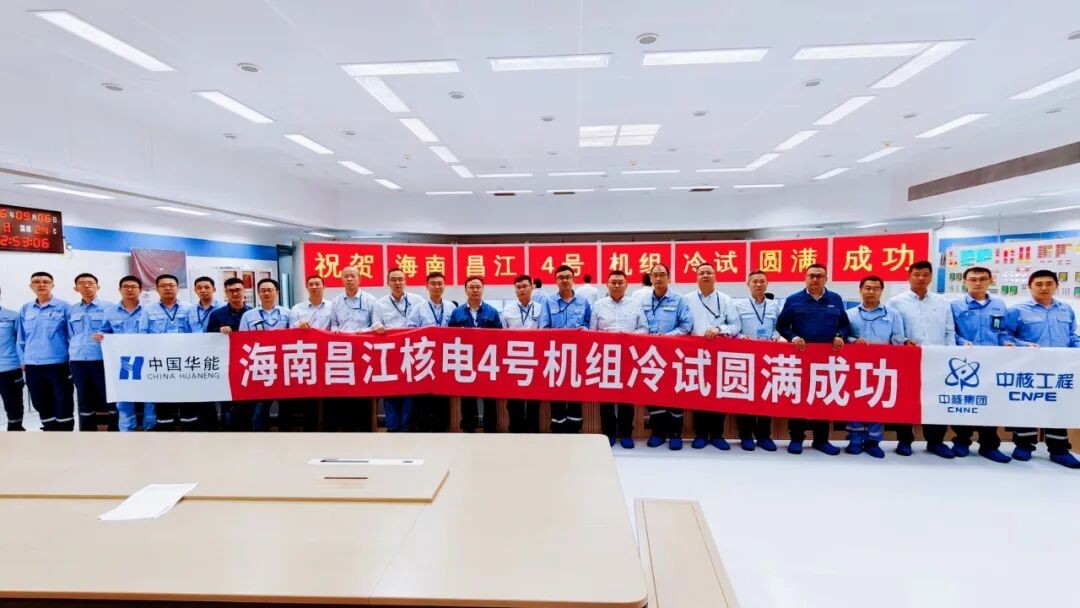
Huaneng Hainan Changjiang Nuclear Power Unit 4 Completes Cold Functional Test
At 12:50 on September 6, the cold functional test of Unit 4 at Huaneng Hainan Changjiang Nuclear Power was successfully completed, marking the unit's official full entry into the commissioning phase and laying the foundation for subsequent high-quality power generation and grid connection. This project is the first large-scale pressurized water reactor nuclear power project constructed under majority ownership by China Huaneng Group Co., Ltd., and also the first Hualong One nuclear power project in Hainan Province. The cold functional test, also known as the cold hydrostatic test of the primary circuit in a nuclear power plant, is an important milestone in nuclear power engineering construction. It is primarily used to comprehensively verify the integrity and leak-tightness of pressure boundaries, including primary circuit pipeline welds, equipment, and high-pressure sections of connected systems, ensuring the safety and stability of the primary circuit during subsequent operation...
2026-09-08
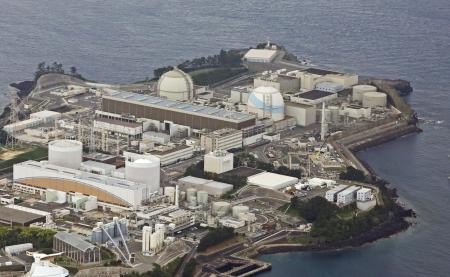
Unit 4 of Japan's Genkai Nuclear Power Plant Receives 72 New Fuel Assemblies
Kyushu Electric Power Co. announced on September 1, 2026, that Unit 4 of the Genkai Nuclear Power Plant has completed the receipt of a batch of new fuel. The new fuel was processed and shipped by Mitsubishi Nuclear Fuel Co., Ltd., with transportation carried out from August 27 to September 1, 2026. According to Kyushu Electric Power, the new fuel delivered to Unit 4 of the Genkai Nuclear Power Plant consists of 72 fuel assemblies, transported in 36 shipping containers via both land and sea routes. Two control rod assemblies were also transported along with this batch of fuel. Fuel used in nuclear power plants...
2026-09-02
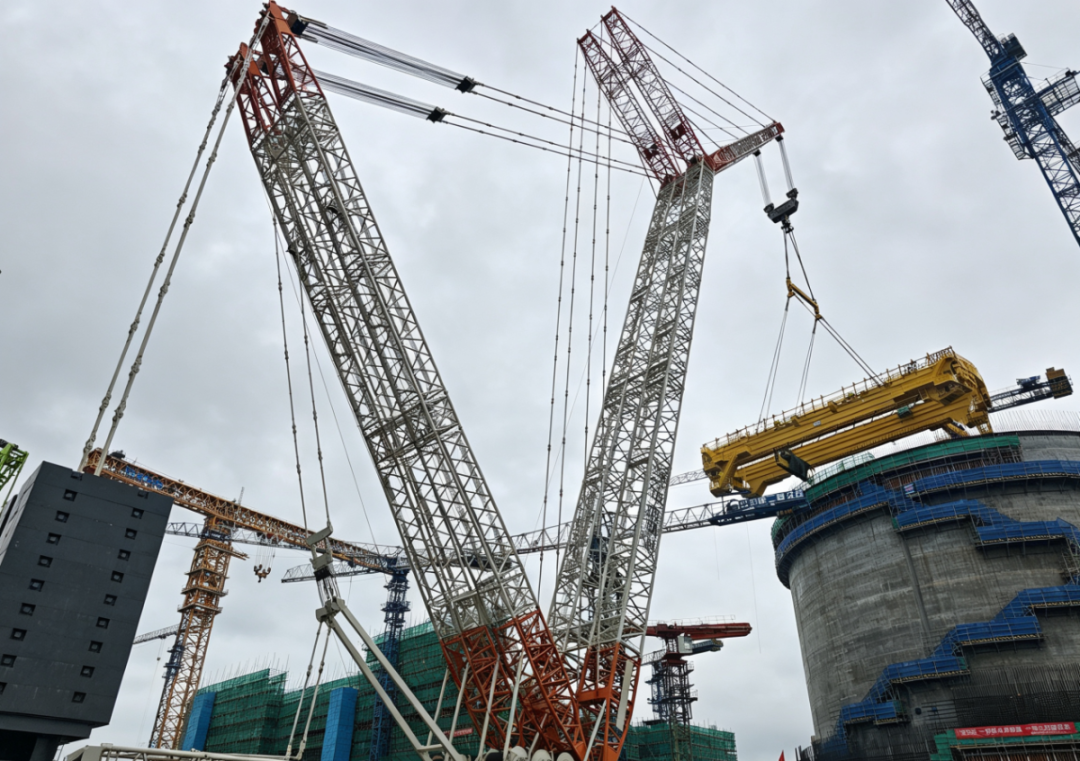
Completion of Polar Crane Bridge Lifting for Unit 4 of Zhangzhou Nuclear Power Plant
On September 1, the lifting operation of the polar crane bridge for Unit 4 of the Zhangzhou Nuclear Power Project was successfully completed. The equipment was smoothly positioned under the traction of a 3200-ton crawler crane, with the entire process lasting 2 hours and 5 minutes, creating conditions for subsequent nuclear island plant construction and equipment installation. The polar crane bridge is a core component of the polar crane, installed at the top of the nuclear island plant, and serves as an important structure of the key lifting equipment within the nuclear island plant. Once put into operation, it will provide support for various lifting operations during the installation and operation phases of the nuclear power plant. The total weight of this lifting exceeded 420 tons, with a lifting height of over 100 meters. The project team selected a 3200-ton crawler crane and used a dedicated spreader beam for the operation. In response to challenges such as wind disturbance during high-altitude slewing, limited clearance between the bridge and plant structures, and high load-bearing requirements for the large crawler crane positioning, the construction team conducted simulation rehearsals in advance, optimized lifting condition parameters, verified the stress conditions of the crane, spreader beam, and lifting points, and refined control requirements for key operations.
2026-09-02
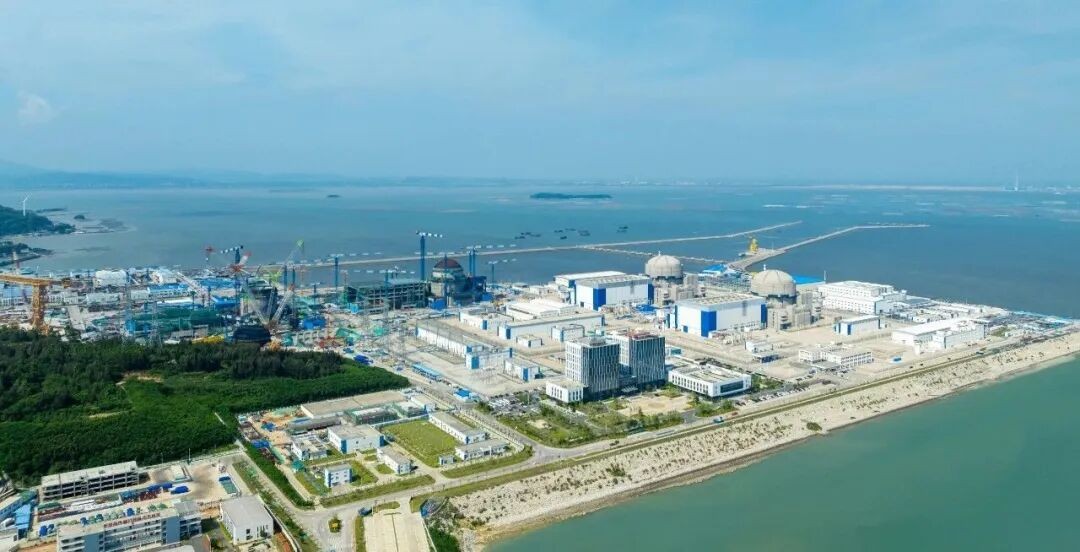
Zhangzhou Nuclear Power Units 3 and 4 Trench Civil Engineering Completes Milestone Phase
On August 27, with the final cubic meter of concrete poured into place, the B1 and B6 sections of the GS and GB trench civil engineering works for Zhangzhou Nuclear Power Units 3 and 4, undertaken by CNNC Huachen, along with the No. 4 overflow well, successfully completed their milestone phase. This phase involved multi-disciplinary cross-operations spanning civil works, installation, electrical, and piping, characterized by complex construction conditions and significant coordination challenges. Among these, Section B1, as the project's main critical path, featured narrow working areas, difficult access for large equipment, and intensive vertical and horizontal cross-operations among multiple units. Seven days before commencement, the project department established a dedicated planning team to verify site conditions, material routes, and cross-operation scopes drawing by drawing, identifying key difficulties such as foundation pouring, equipment positioning, and material supply, and conducting multiple rounds of discussions to optimize the construction plan. The construction period coincided with the rainy season, and Section B1, situated in a low-lying area, faced a high risk of rainwater backflow. The project department implemented measures including full-coverage rain shelters over the base slab, water-retaining curbs at passage openings, and round-the-clock pumping in two shifts, securing dry working areas amid accumulated water; simultaneously, discarded waterproof membranes were collected and reused to cover rebar cages and scaffolding, preventing corrosion and slippery conditions. On-site daily meetings were held, management personnel maintained 24-hour duty, and verbal confirmation with signed handovers was practiced, ensuring issues were resolved the same day, with no plan failures, rain-related stoppages, or process disconnections throughout the period. Facing the immense scheduling pressure from multi-process cross-operations, the project department established a dynamic scheduling system. In terms of manpower loading, fixed posts and personnel quotas were implemented, with zonal responsibility and flexible reinforcement; during peak periods, core work crews were consolidated and work areas were precisely delineated. For machinery, a dynamic scheduling ledger was established, with tower cranes, excavators, and lifting equipment staggered and cross-utilized. Material coordination was also optimized through advance stocking, zoned storage, dedicated management, and emergency replenishment. During the campaign, when the transport of main materials was obstructed, the project department organized management staff and labor crews to manually carry rebar, pipes, and auxiliary materials point-to-point to the working areas, effectively safeguarding project progress. Currently, the main structure construction of the GS and GB trenches by the Zhangzhou Nuclear Power Project Department has achieved phased results, with the GB trench completing 74 sections cumulatively, an 82% completion rate, and the GS trench exceeding 1,160 meters, accounting for 72% of the total length. The company will further strengthen construction organization, optimize construction logic, and continue to advance the remaining sections of the Zhangzhou Nuclear Power Project Department, fully ensuring high-quality performance of the contracted projects.
2026-08-29
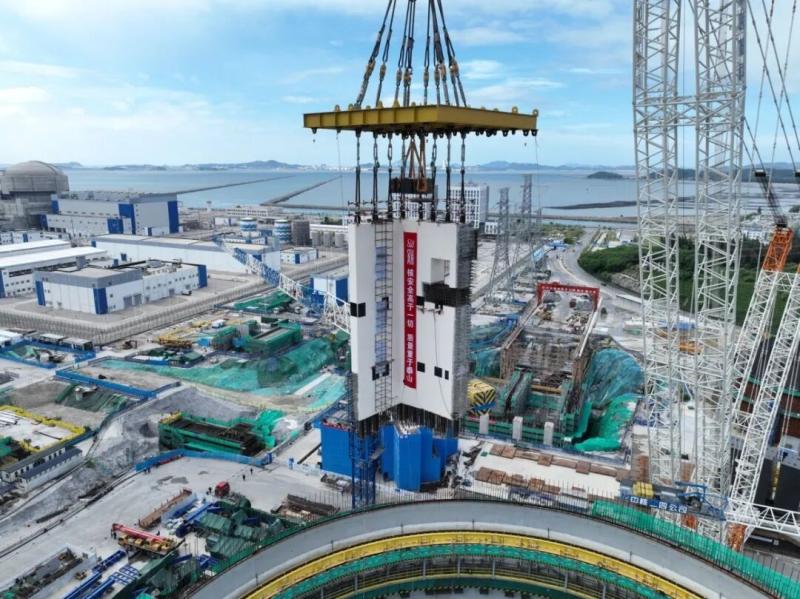
Zhangzhou Nuclear Power Unit 4 Completes Hoisting of Four Internal Structure Modules
From August 18 to 27, CNNC 24 completed the hoisting of four concrete modules for the internal structure of Zhangzhou Nuclear Power Unit 4 within 10 consecutive days, covering the evaporator compartments of Loops 3, 2, and 1 as well as the pressurizer compartment, creating conditions for subsequent loop installation and commissioning work. The evaporator and pressurizer are key equipment in the nuclear island loops. The corresponding compartment concrete modules serve both load-bearing fixation and protection functions, representing an important embodiment of the "Hualong One" defense-in-depth safety philosophy at the civil construction stage. The four modules hoisted this time are all irregularly shaped structures, all adopting the "off-site prefabrication + integral modular hoisting" process, with a total hoisting weight of approximately 2,400 tons. Compared with Unit 3, Unit 4 achieved 3...
2026-08-28
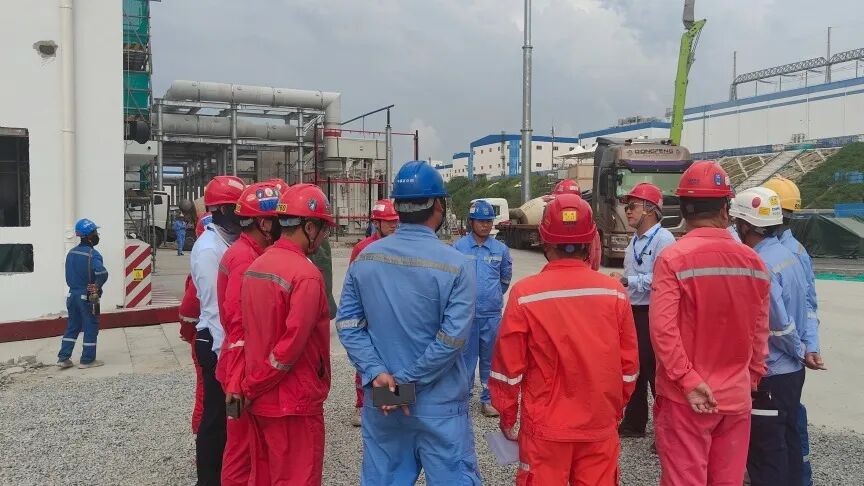
Huaneng Hainan Changjiang Nuclear Power Unit 4 Standardized Demonstration Zone Construction Achieves Phased Progress
To thoroughly implement the safety production directives from higher authorities and effectively enhance the visual management level of safe and civilized construction at Changjiang Nuclear Power Unit 4, on August 16, 2026, the special working group for the safe and civilized construction standardization demonstration zone of Huaneng Hainan Changjiang Nuclear Power Unit 4 went deep into the construction site to conduct a comprehensive inspection and guidance on the creation of the standardized demonstration zone for Unit 4. The inspection was led by company leaders, with the participation of relevant responsible persons from the Engineering Management Department, Safety and Quality Assurance Department, as well as major construction participating units including CNNC 22 and CNNC 5. The working group strictly followed the implementation plan, verifying item by item the setting of signage and labels in the demonstration zone, material fixed-position management, safety protection facilities, environmental sanitation...
2026-08-22
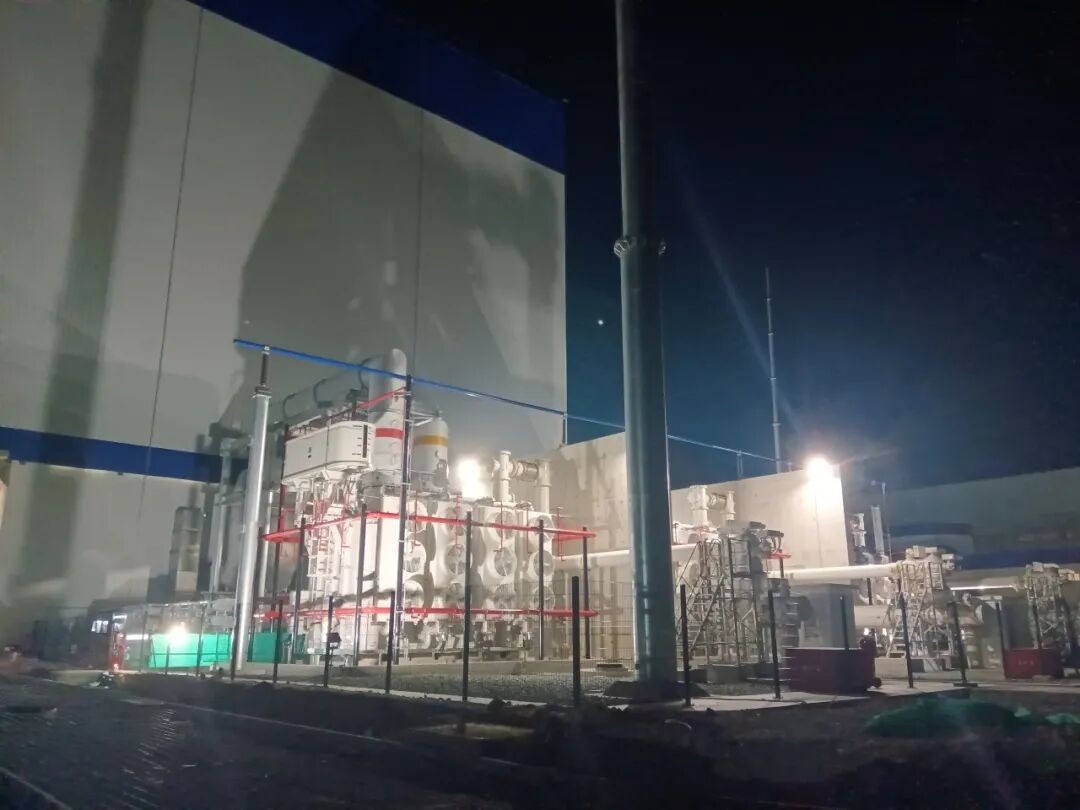
Hainan Changjiang Nuclear Power Unit 4 500kV Reverse Power Transmission Successfully Completed
On August 19, 2026, the 500kV reverse power transmission of Unit 4 of the Hainan Changjiang Nuclear Power Phase II Project was successfully completed, marking another major milestone in the engineering construction of the unit. The 500kV reverse power transmission operation lasted approximately 15 hours. Throughout the power receiving process, equipment operated stably, all parameter indicators were excellent, protection devices acted accurately without error, and system live switching proceeded smoothly, fully achieving the established goal of successful power reception on the first attempt. The realization of this milestone fully verified that the design, manufacturing, and installation quality of the 500kV main switchyard, main transformers, high-voltage auxiliary transformers, and related auxiliary systems of Unit 4 all met the required standards. The Hainan Project Department of CNNC Engineering coordinated design, procurement, construction,...
2026-08-21
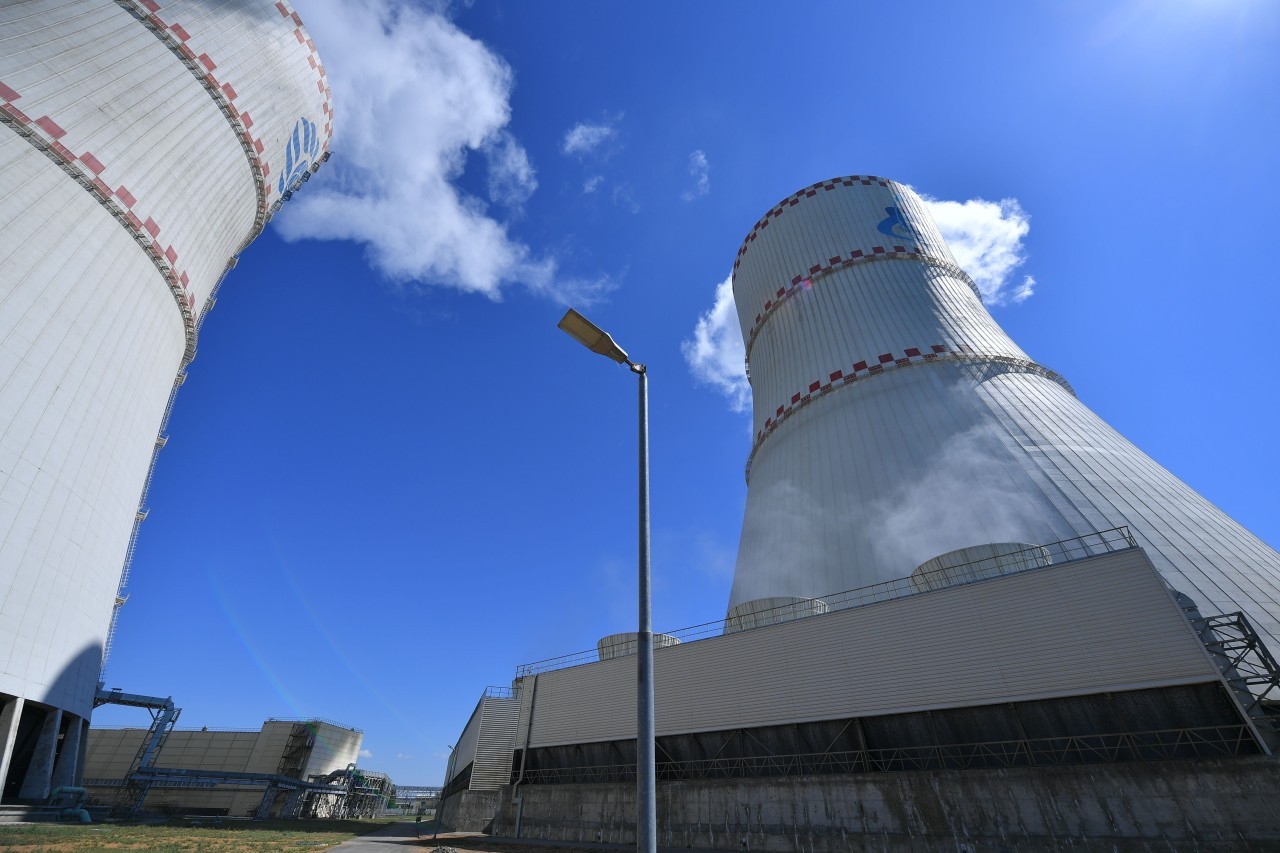
Installation of Cooling Tower Basins Completed at Rostov NPP Unit 4
The mechanical draft cooling tower project at Unit 4 of Russia's Rostov Nuclear Power Plant has recently completed the installation of all four basins, bringing the overall civil and installation readiness of the project to 80%. The facility will provide supplementary cooling capacity for Unit 4 during summer high temperatures and peak electricity demand in southern Russia. Rostov NPP is part of Rosenergoatom, the operator of Russian nuclear power plants, which is a member of the electric power division of Rosatom, Russia's state atomic energy corporation. Under the project plan, the new mechanical draft cooling tower will operate in conjunction with the existing natural draft evaporative cooling towers to enhance the unit's operational stability under high-temperature conditions. Rostov NPP's capital construction...
2026-08-20
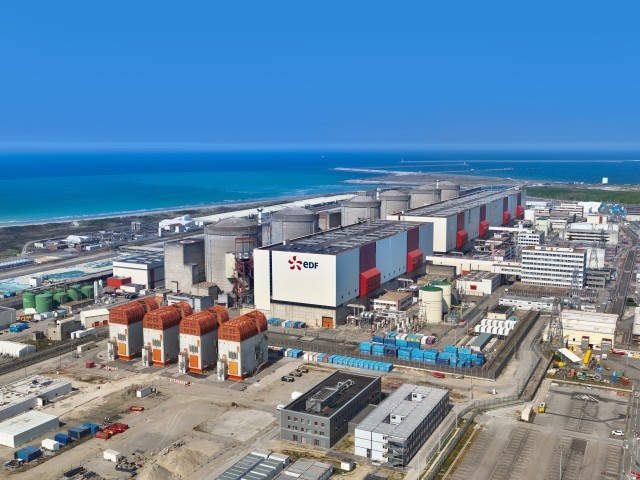
Unit 3 of France's Gravelines Nuclear Power Plant Reconnected to Grid, Unit 4 Remains Shut Down
According to EDF on August 18, Unit 3 of the Gravelines Nuclear Power Plant in northern France was reconnected to the national grid at 3:55 a.m. local time on August 18. The unit had been automatically shut down at 7:43 p.m. on August 10 in accordance with established safety protection procedures due to a large influx of jellyfish into the seawater pump station filtration system. The Gravelines Nuclear Power Plant has a total of six units. On August 10, a large number of jellyfish entered the pump station used to draw seawater for cooling nuclear facilities, affecting equipment such as pre-filters and filter drums. In accordance with operating procedures, Units 3 and 4 were automatically shut down; the operating team also shut down Unit 2 and reduced Unit 1's power to 50% to adapt to changing site conditions. Unit 5 was...
2026-08-20
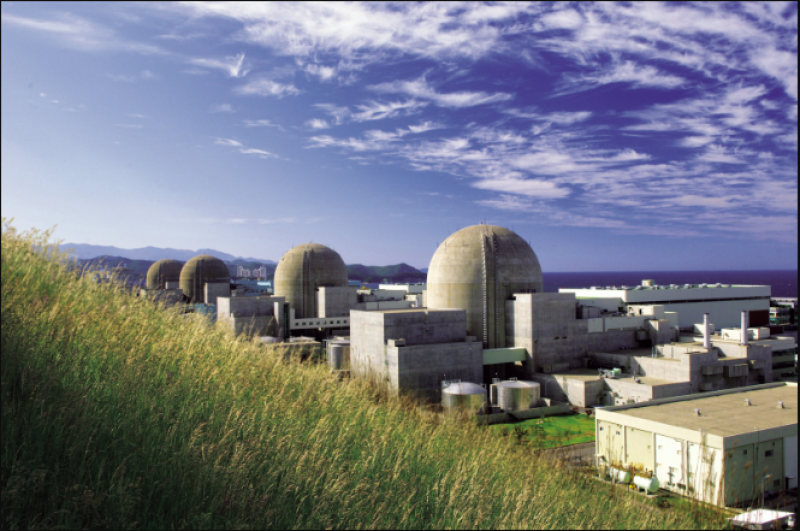
Automatic Shutdown of Unit 4 at South Korea's Hanul Nuclear Power Plant, Regulator Launches Investigation
The Nuclear Safety and Security Commission (NSSC) of South Korea reported on August 19 that Korea Hydro & Nuclear Power Co., Ltd. (KHNP) had reported the same day that Unit 4 of the Hanul Nuclear Power Plant, located in Uljin County, North Gyeongsang Province, automatically shut down at approximately 8:50 a.m. The NSSC stated that Unit 4 of the Hanul Nuclear Power Plant is currently in a stable condition. No abnormal alarms were triggered by on-site radiation monitors, and no leakage of radioactive materials to the outside environment has been detected. According to the notification, the NSSC's regional office for the Hanul Nuclear Power Plant is conducting inspections of on-site safety conditions. The regulatory body also plans to dispatch an investigation team comprising experts from the Korea Institute of Nuclear Safety (KINS) to the site to further confirm the cause of the automatic shutdown and related safety conditions.
2026-08-19
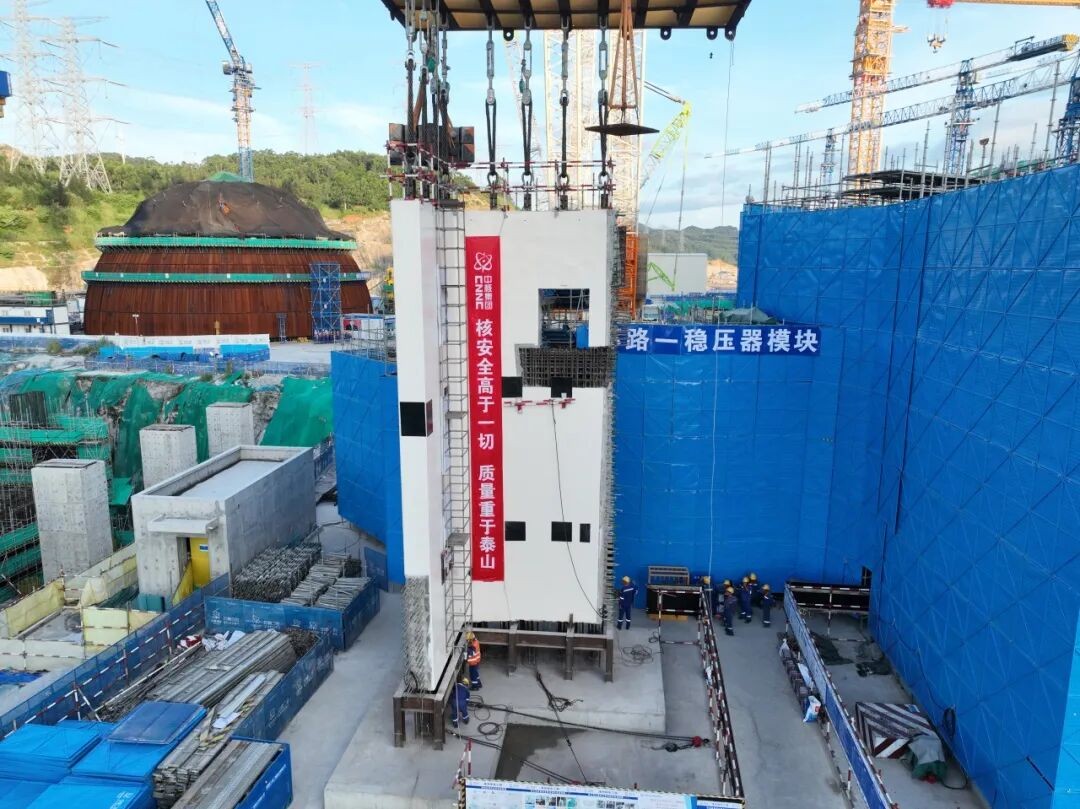
Prefabricated Module for Evaporator Compartment of Loop 3 in Internal Structure of Unit 4 at Zhangzhou Nuclear Power Plant Successfully Hoisted
At 10:18 on August 18, the prefabricated module for the evaporator compartment of Loop 3 in the internal structure of the reactor building of Unit 4 at Zhangzhou Nuclear Power Plant was hoisted into place, with safety and quality under control throughout the entire process. The structures above elevation 16.5 meters in the internal structure of the reactor building of Unit 4 at Zhangzhou Nuclear Power Plant, including the evaporator compartments, pressurizer compartment, and the roof slab of the passive reactor cavity injection tank, adopt a modular construction process featuring off-site prefabrication, integral hoisting, and precise positioning, divided into five concrete modules. The evaporator compartment module of Loop 3 hoisted this time is the first module to be lifted for Unit 4, weighing 454.289 tons, with an overall special L-shaped structure, lifted using a 3200-ton crawler crane. The hoisting operation lasted 3 hours, and Zhangzhou Nuclear Power...
2026-08-19
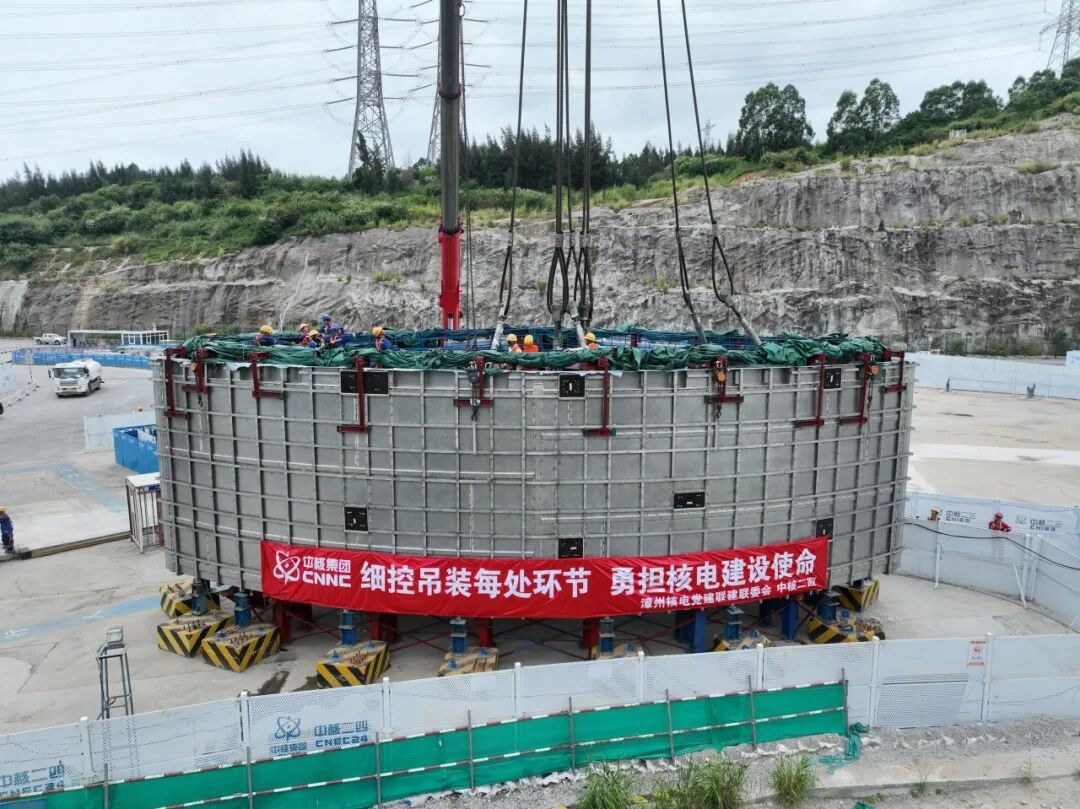
Successful Hoisting of Module 3 of the Passive Containment Cooling Water Tank for Unit 4 of Zhangzhou Nuclear Power Plant
On August 15, the hoisting of Module 3 of the passive containment cooling water tank in the reactor building of the nuclear island of Unit 4 at Zhangzhou Nuclear Power Plant was successfully completed, with the entire hoisting process being safe and quality-controlled. The passive containment cooling water tank is an important component of the passive part of the containment cooling water injection system. With a total height of 22.02 meters, it features a non-uniform cross-section in an approximately fan-shaped structure and is planned as three integral modules. Module 3, hoisted this time, had a total lifting weight of approximately 132.8 tons and a height of 5.84 meters, and was positioned using a 2000-ton-class crawler crane. As the crane slowly lifted the module, through a series of precise operations including hook lifting, boom slewing, crane traveling, and luffing, Module 3 was smoothly placed onto Module 2 of the passive containment cooling water tank, with the entire process proceeding seamlessly...
2026-08-17