
Search Results
Keyword:VVER
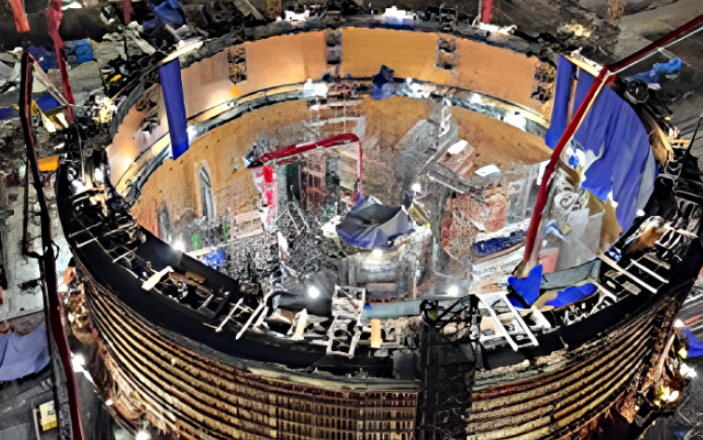
New Progress in Containment Construction of Unit 1 at Egypt's El Dabaa Nuclear Power Plant
The Egyptian Nuclear Power Plants Authority announced that the fourth-layer concrete pouring of the containment inside the reactor building of Unit 1 at the El Dabaa Nuclear Power Plant has been completed. This construction milestone raised the reactor building height from 24.4 meters to 34.0 meters above ground level, marking continued progress of Egypt's first nuclear power plant toward the key equipment installation phase. The pouring operation lasted 30 consecutive hours, utilizing 5 concrete pump trucks with placing booms and pouring approximately 1,608 cubic meters of concrete. During construction, about 80 professionals participated in each of the day and night shifts, with an additional 20 personnel ensuring round-the-clock stable operation of construction equipment and machinery, demonstrating the high-intensity advancement of the project in organizational scheduling and on-site coordination...
2026-08-12
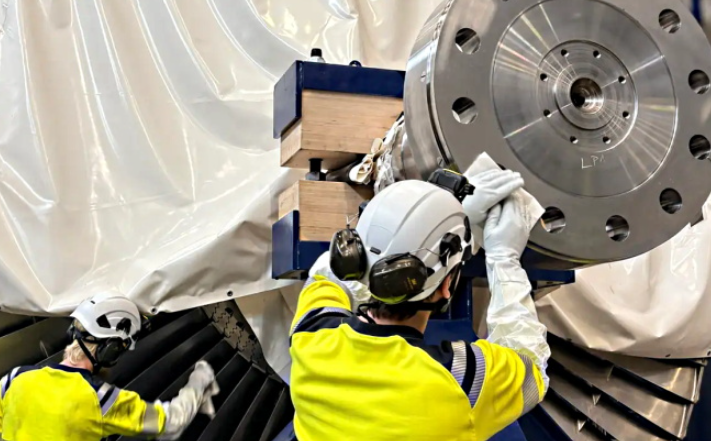
Finland's Loviisa Nuclear Power Plant Launches Turbine Island Upgrade to Support Operation Until 2050
Finnish utility Fortum has launched a large-scale modernization project for the turbine island at the Loviisa Nuclear Power Plant. The project aims to increase the plant's electrical output and ensure the continued, safe, and reliable operation of both units through the end of 2050 under the new operating licenses. The Loviisa plant consists of two VVER-440 pressurized water reactor units and is Finland's first nuclear power plant, currently supplying more than 10% of the country's electricity. Unit 1 entered commercial operation in 1977, followed by Unit 2 in 1981, and the Finnish government approved the extended operating licenses in February 2023. The core of this upgrade is the modernization of the low-pressure turbines, which is the largest single undertaking in the Loviisa turbine island upgrade...
2026-08-12
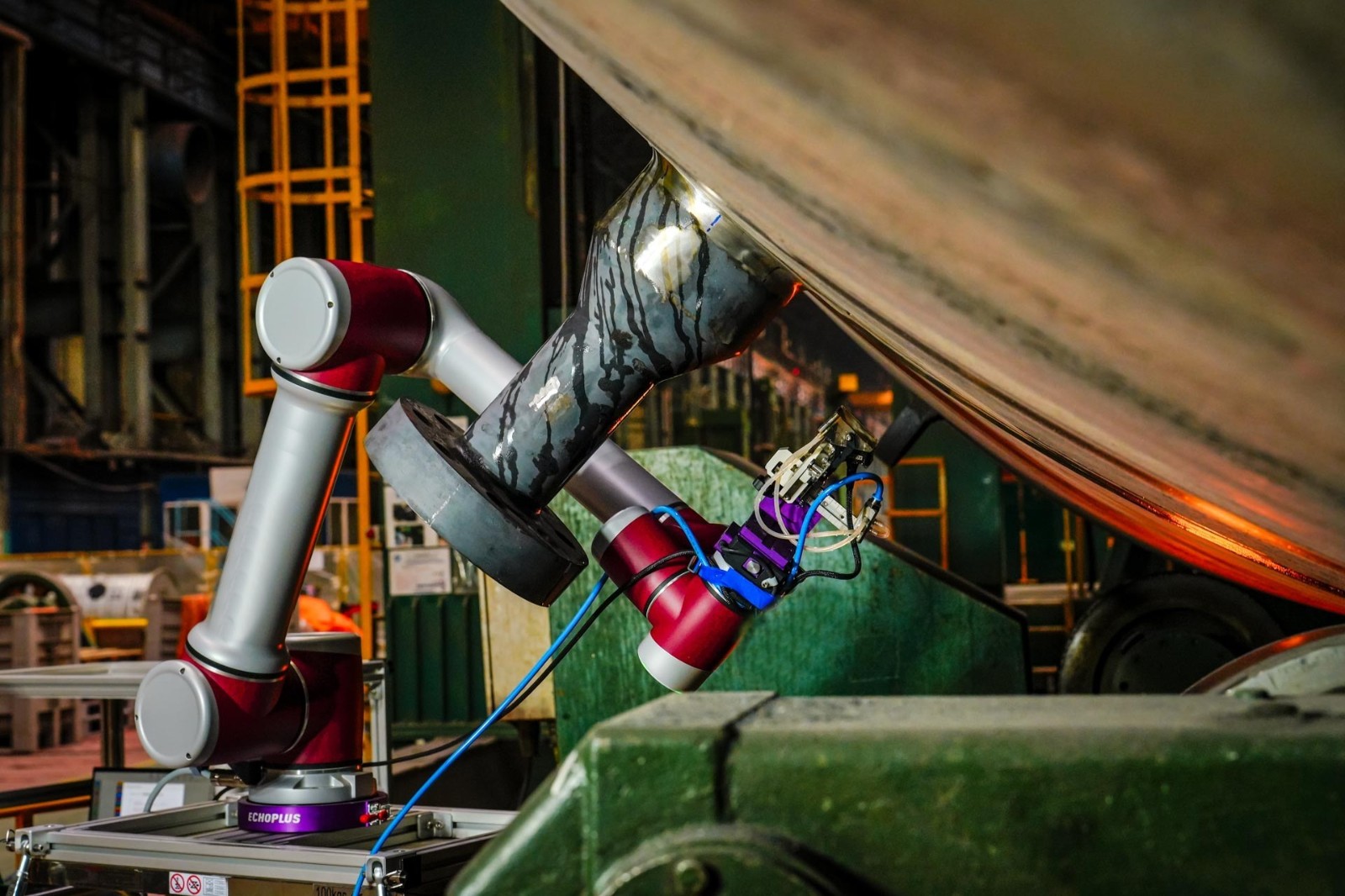
Russia's Atommash Commissions Ultrasonic Weld Inspection Robot to Boost NPP Equipment Testing Efficiency
Atommash, a plant under the mechanical engineering division of Russia's State Atomic Energy Corporation (Rosatom), has recently commissioned a new ultrasonic inspection robot for welded joints, used for weld quality checks on large nuclear power equipment such as nuclear reactors and steam generators. The plant is located in Rostov Oblast, Russia. The new equipment employs two scanning modes and can identify weld defect types and locate defect coordinates. Compared with traditional inspection methods involving manual probe movement, the robot can automatically perform scanning on components with complex geometries, increasing inspection speed by approximately 30% while reducing the need for manual work in hard-to-reach areas. At present, Atommash already operates...
2026-08-11
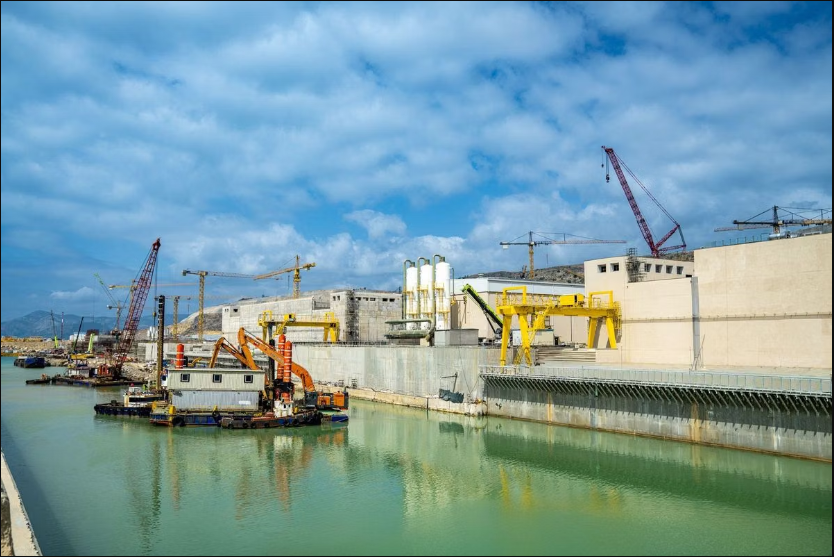
Installation of Passive Heat Removal System Completed for Unit 1 of Turkey's Akkuyu Nuclear Power Plant
Rosatom recently announced that the installation of the Passive Heat Removal System (PHRS) for Unit 1 of Turkey's Akkuyu Nuclear Power Plant has been completed. This means the unit is now equipped with a critical safety system and is ready for the commissioning phase. According to reports, the installed equipment includes approximately 90 components such as heat exchangers, guide vanes, air ducts, and electromagnetic devices, which were installed in stages in the reactor building dome area. The Passive Heat Removal System is one of the key safety systems of a nuclear power unit, designed to remove residual heat from the reactor core under specific operating conditions. The system consists of four independent channels, each corresponding to one steam generator...
2026-08-10
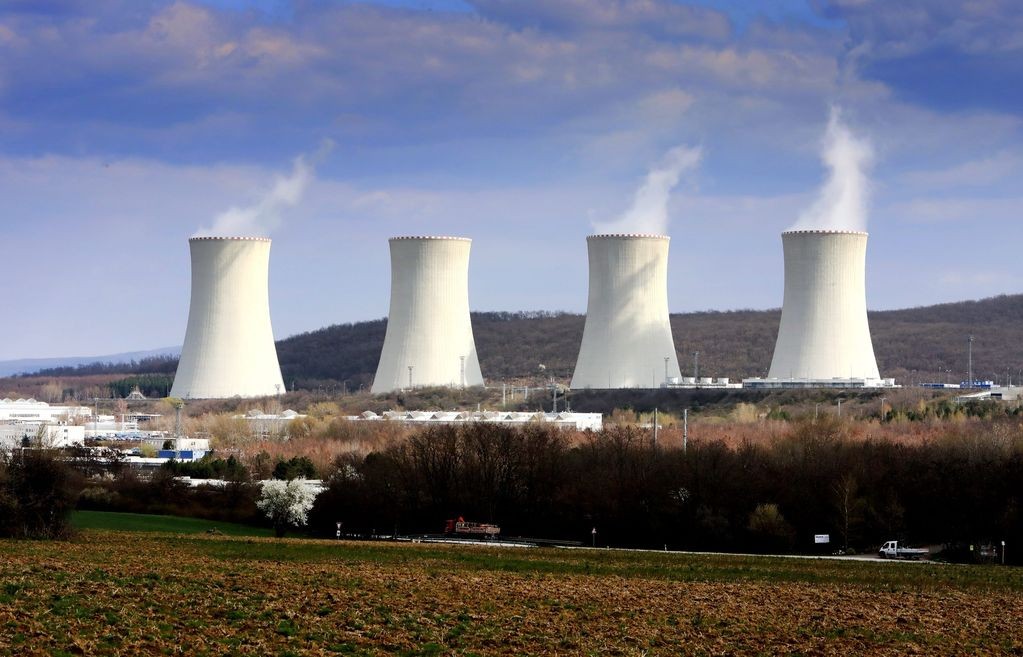
Unit 4 of Slovakia's Mochovce Nuclear Power Plant Reaches First Criticality
Slovenské Elektrárne stated that Unit 4 of the Mochovce Nuclear Power Plant reached first reactor criticality at 22:10 local time on August 6, and achieved minimum controllable power at 22:31. This is a key milestone in the pre-commissioning work of the unit, indicating that the reactor is ready for subsequent testing. First criticality refers to the first time the nuclear fuel in the core achieves a self-sustaining fission chain reaction. Slovenské Elektrárne stated that first criticality and reaching minimum controllable power are important steps in the commissioning process of a nuclear power plant, used to confirm the unit's readiness to enter the next phase of testing...
2026-08-08
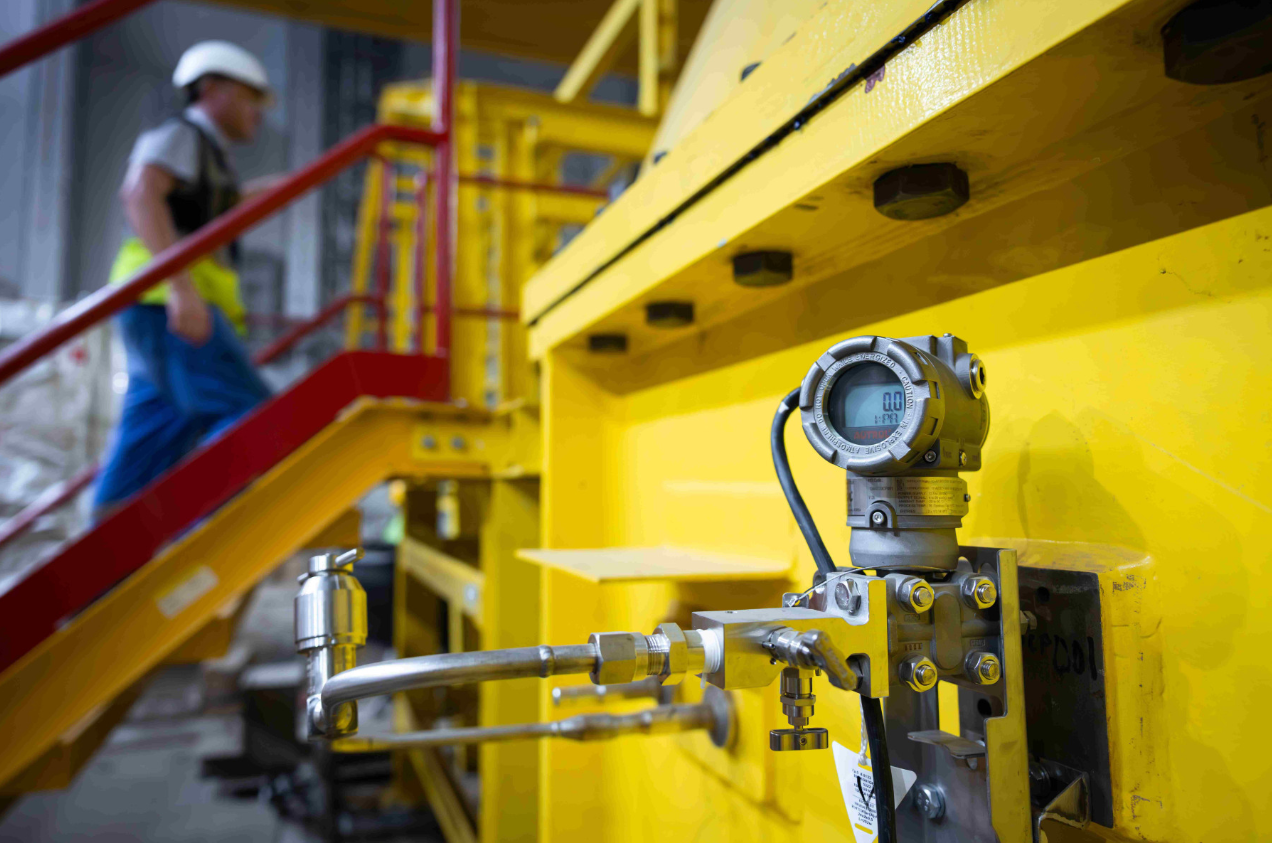
Vacuum test of the turbine condenser at Unit 1 of Akkuyu NPP successfully completed
The vacuum test of the turbine condenser at Unit 1 of Turkey's Akkuyu NPP, built by Rosatom, has been completed. The operation confirmed that the main systems of the turbine unit are ready for the next stage of commissioning. During the test, technicians established the required negative pressure in the condenser, checked the tightness of the vacuum system and the thermomechanical condition of the turbine, while monitoring parameters such as condenser vacuum, steam pressure, bearing temperatures, and thermal expansion of the casing and rotor. During the turning gear rotation of the turbine, the proper operation of the flow path (blades) was confirmed. Systems involved in the operation included: start-up boiler house boilers, vacuum system, bearing lubrication system, hydraulic jacking oil system, main turning gear, steam supply and extraction systems, as well as the equipment thermomechanical condition monitoring system.
2026-08-08
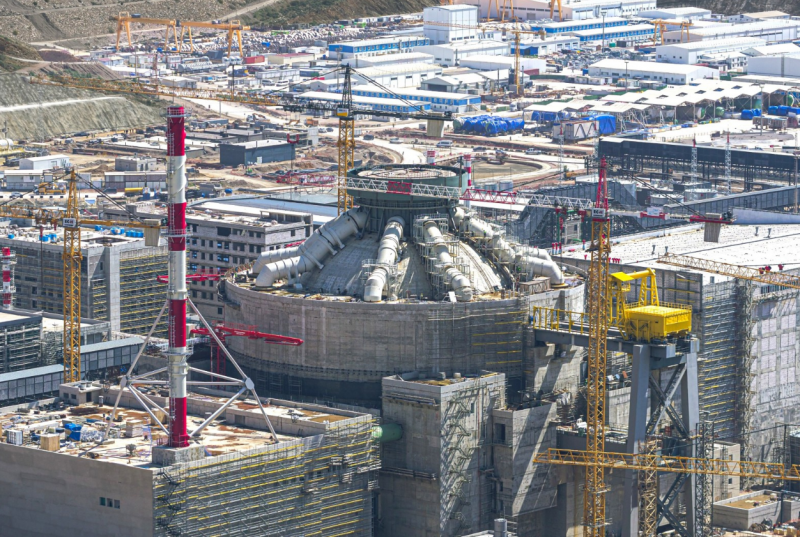
Türkiye plans to commission subsequent Akkuyu nuclear power plant units at one-year intervals
Turkish Energy Minister Alparslan Bayraktar said on August 6 that Türkiye plans to commission subsequent units of the Akkuyu Nuclear Power Plant (NPP) at one-year intervals after the first unit goes into operation. Bayraktar stated that Unit 1 of the Akkuyu NPP is scheduled to begin generating electricity by the end of the year, with work on the first reactor's commissioning currently progressing at full speed. According to Türkiye's plan, after Unit 1 enters service, the remaining units will successively enter the commissioning phase. The Akkuyu NPP is Türkiye's first nuclear power plant, constructed by Russia's State Atomic Energy Corporation (Rosatom). The project plans four units, all using Russia-designed Generation III+...
2026-08-07
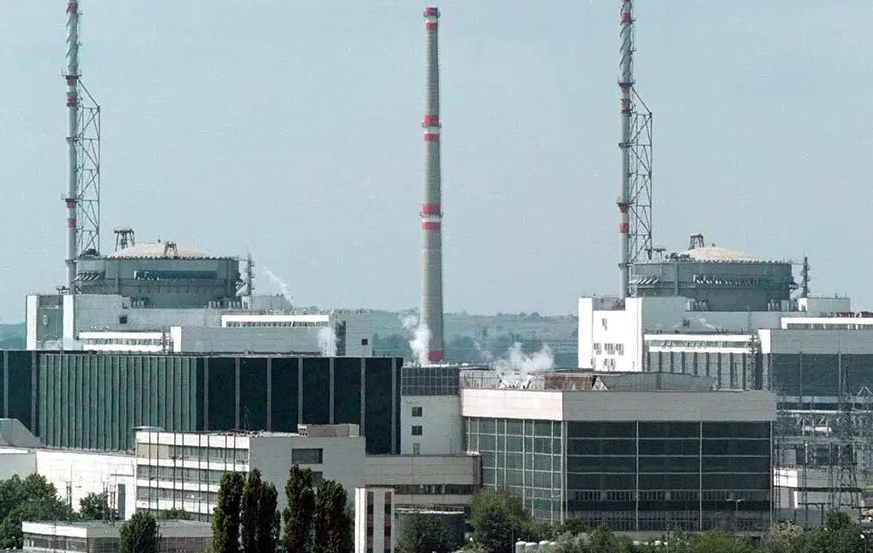
Bulgaria's Kozloduy Units 5 and 6 VVER-1000 Continue Stable Power Generation
Bulgaria's Ministry of Energy confirmed on August 4 that Units 5 and 6 (both VVER-1000) at the Kozloduy Nuclear Power Plant remain stably connected to the grid despite record-low Danube River water levels and an ongoing heatwave. Professional assessments indicate that even if the river level continues to decline at the current rate, no power reduction will be required for the next three weeks. Bulgarian authorities have confirmed that they maintain continuous contact with relevant institutions in Serbia and Romania to coordinate and monitor the situation on the Danube waterway. The stable operation of the Kozloduy Nuclear Power Plant comes at a time when neighboring operators along the Danube have been forced to reduce output or cease operations. Due to the sharp drop in water levels and rising river water temperatures, Hungary has had to significantly reduce power output and shut down the Paks Nuclear Power Plant, which supplies more than 40% of the country's electricity.
2026-08-06
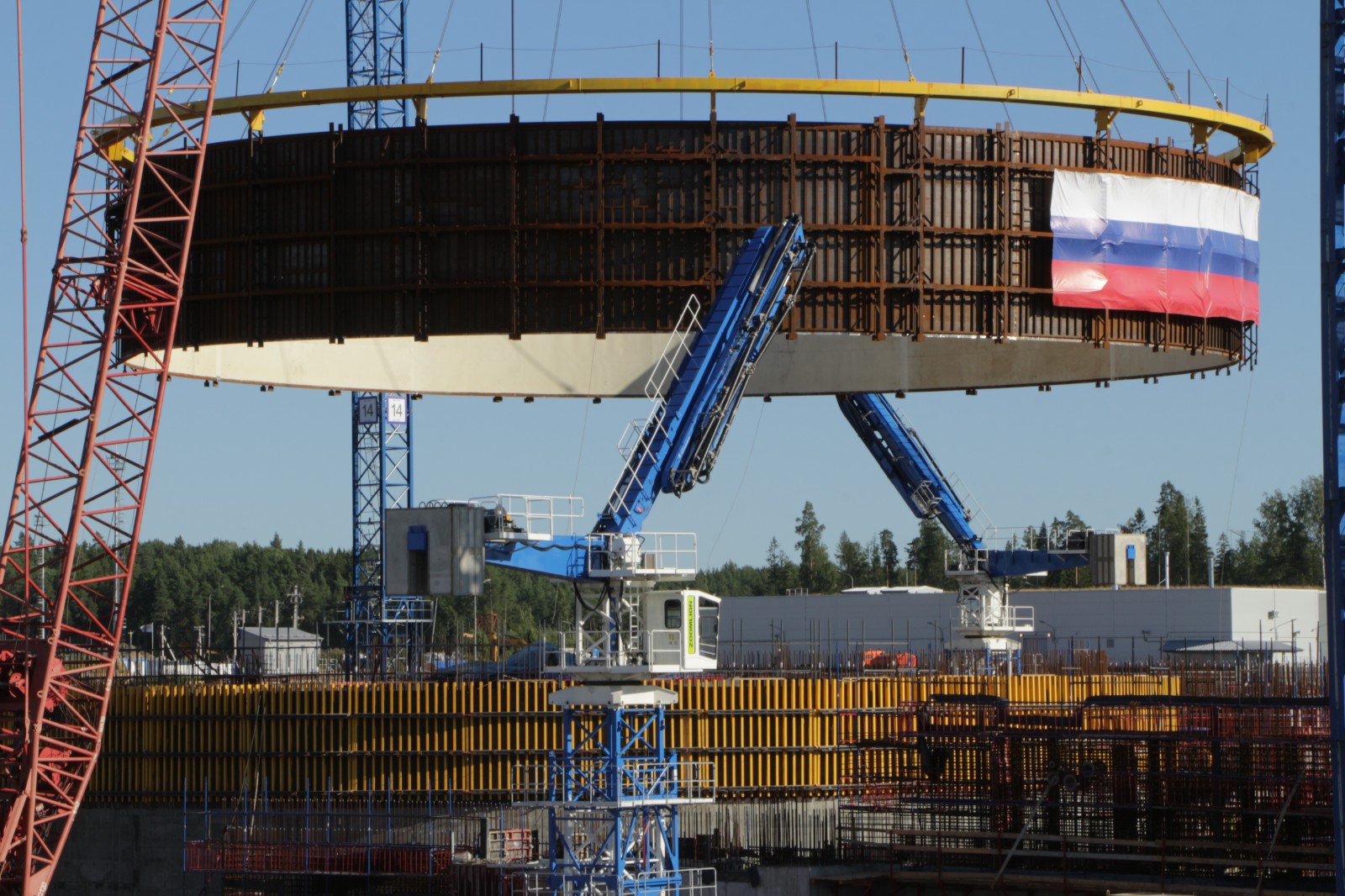
Construction of inner containment begins at Unit 4 of Leningrad Nuclear Power Plant II
Construction of the inner containment of the reactor building at Unit 4 of the Leningrad Nuclear Power Plant II in Russia has commenced. The unit features a VVER-1200 reactor, and the inner containment is a key component of the unit's passive safety system, as well as part of the plant's confinement safety system. Construction workers have installed the first tier of vertical sealed steel liner to its design position. The steel structure weighs approximately 97 tonnes, and the lifting and positioning operations were carried out using a heavy crawler crane, with the entire installation process lasting about 7 hours. The contractor, TITAN-2 Holding Company, stated that the preparatory work took several months, including component fabrication, protective coating application, on-site assembly and welding, and structural quality inspection...
2026-08-06
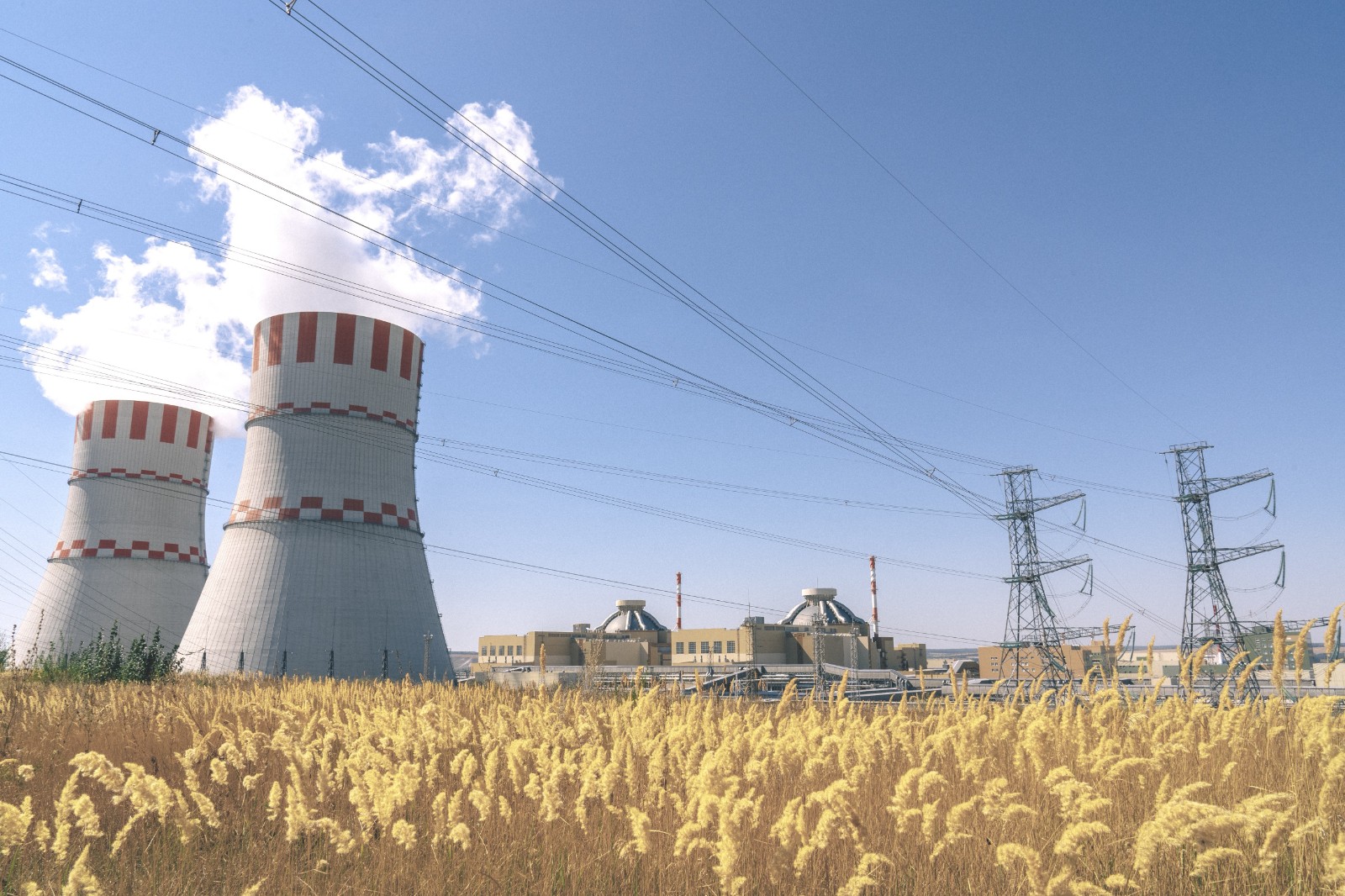
Novovoronezh NPP Unit 6 Exceeds 79 Billion kWh in a Decade of Operation
Since Unit 6 of Russia's Novovoronezh Nuclear Power Plant was first connected to the grid in 2016, it has delivered over 79 billion kWh of electricity to the Unified Energy System of Russia. The unit is the world's first Generation III+ nuclear power unit equipped with a VVER-1200 reactor, and also the first new nuclear unit built from scratch in Russia under the NPP-2006 project. The Novovoronezh NPP currently operates four units, namely Units 4, 5, 6, and 7. Unit 6 accounts for 31.2% of the plant's total electricity generation from operating units. The unit entered commercial operation in February 2017. Its construction began in 2007, with about 200 contracting organizations involved in the project. Russia...
2026-08-06
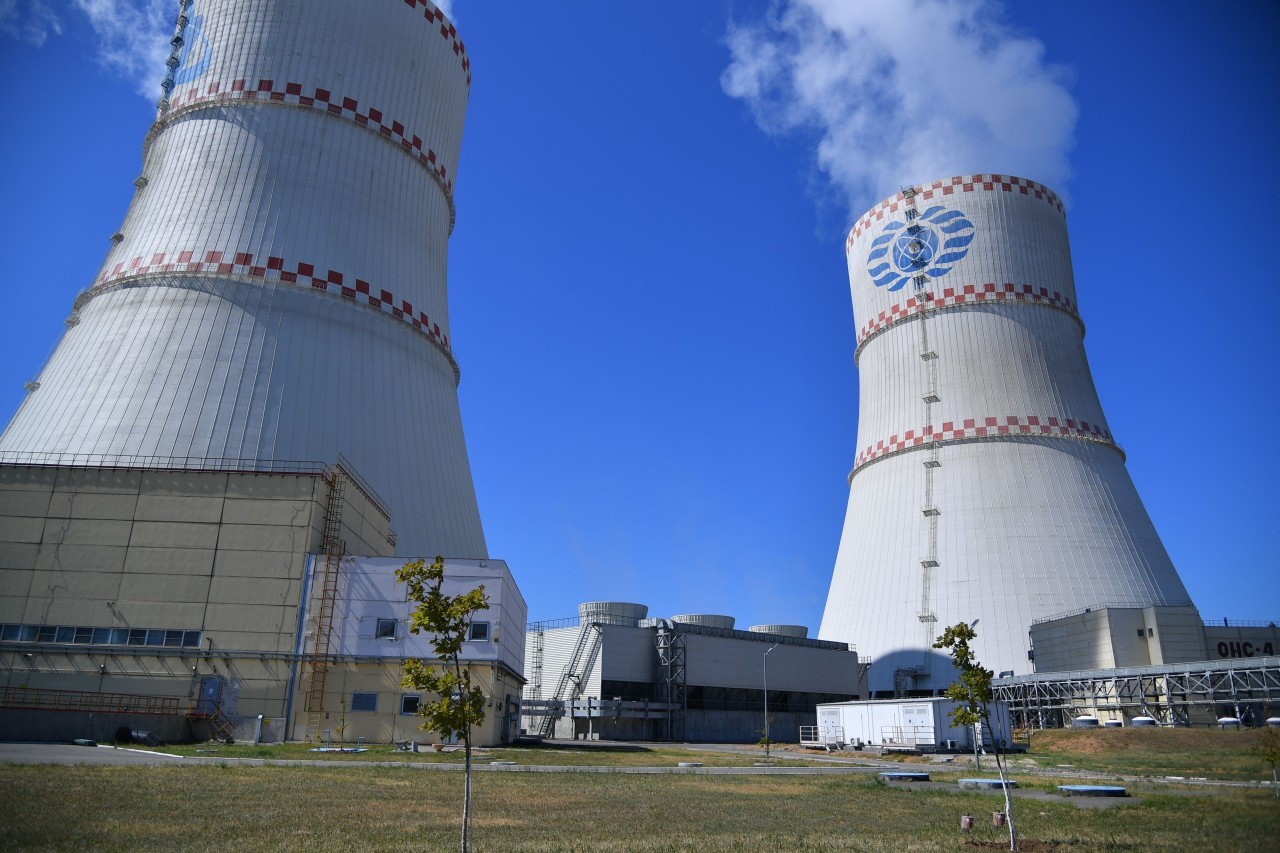
Rostov NPP Completes Preparations for Summer Peak Load
Russia's Rostov NPP has completed a series of preparations for the summer peak load period to cope with abnormally high temperatures in southern Russia and the growth in summer electricity demand, ensuring stable power supply. Located on the shore of the Tsimlyansk Reservoir, Rostov NPP is one of Russia's southernmost nuclear power plants and is part of the power division of Rosatom. The plant operates four VVER-1000 pressurized water reactor units, with each unit generating approximately 25 million kWh of electricity per day. Nuclear power accounts for more than 70% of electricity production in Rostov Oblast and approximately 30% of the unified power system of southern Russia. To cope with the high temperatures...
2026-08-05
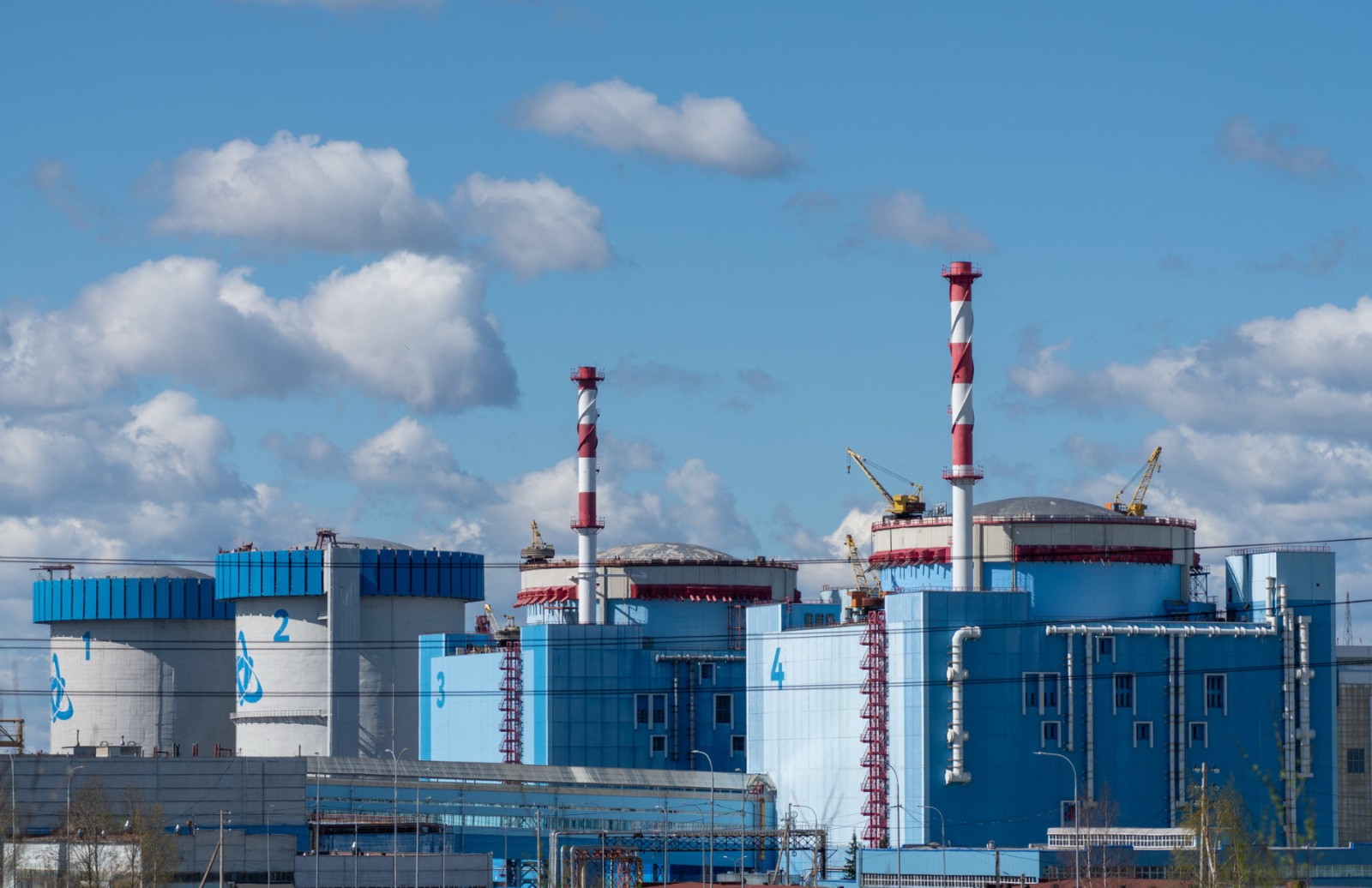
Kalinin NPP Reaches 850 Billion kWh of Cumulative Power Generation
On August 4, Russia's Kalinin NPP reported that since the commissioning of its first unit, the plant has generated a cumulative total of 850 billion kWh of low-carbon electricity. This output is equivalent to approximately 3.5 years of electricity demand in Russia's Central Federal District. Kalinin NPP is part of the power division of Rosatom. Viktor Ignatov, the plant's director, stated that the cumulative generation of 850 billion kWh is the result of the long-term dedication and professional commitment of several generations of nuclear workers, built upon the expertise of the operating team, reliable unit performance, and the consistent prioritization of safety...
2026-08-05
Czech Republic Leads EU Project to Assess Application of Commercial-Grade Items in VVER Nuclear Power Plants
The Czech State Office for Nuclear Safety (SÚJB) has launched a two-year EU project focused on assessment methodologies for the application of high-quality commercial-grade items in nuclear power plants equipped with VVER reactors. The project aims to establish a unified, expert-judgment-based evaluation process that provides methodological support for nuclear facilities when introducing relevant items, while ensuring that nuclear safety requirements are not compromised. As the nuclear power supply chain landscape evolves, certain plant-specific components may face the need to be replaced by commercial-grade products. In response, regulatory authorities need to establish clear rules to review the suitability, quality assurance, and safety implications of substitute items. The project will focus on evaluating...
2026-08-04
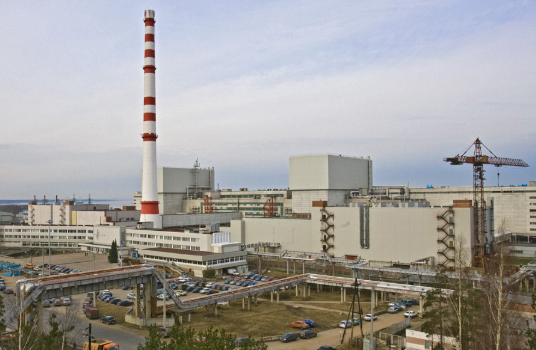
Moscow Cable Company Shield to Supply 4 km of Busbar Trunking for Units 3 and 4 of Leningrad NPP Phase II
Moscow Cable Company (Shield) will supply four kilometers of transmission lines for the Leningrad Nuclear Power Plant. The company will manufacture 10 kV and 24 kV generator voltage transmission lines for Units 3 and 4 of Leningrad NPP Phase II. These transmission lines meet the highest reliability and safety requirements of the nuclear industry and are equipped with current transformers and voltage transformers produced by Cable Shield Company. The transmission lines will be manufactured at the enterprise in the city of Kovrov, where new production capacity for cable trays was built last year. Currently, the plant's annual production capacity reaches 12,000 meters of cable trays. According to statistics, over 400,000 meters of transmission lines produced by the company have been put into operation...
2026-08-04
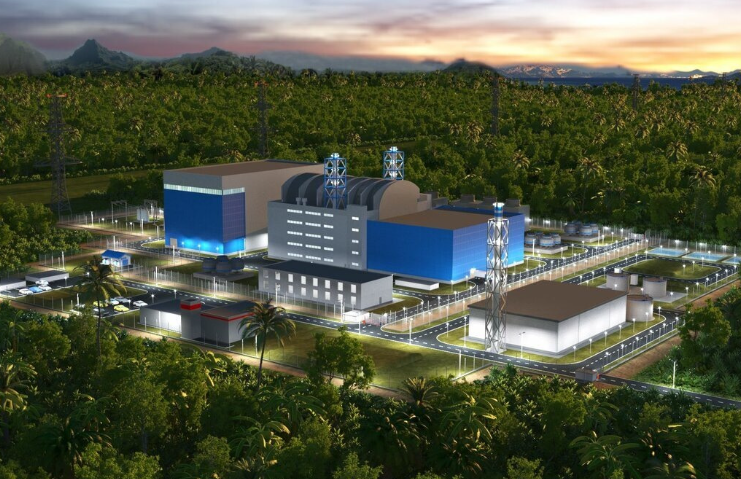
Russia-Brazil Uranium Conversion Cooperation Upgraded, Uranium Processing at Angra NPP Increased by 25%
In June 2026, Russia and Brazil signed an agreement to increase uranium conversion volumes for the Angra nuclear power plant in the South American country by 25%. This move is of strategic significance, as Russian fuel fully guarantees the operation of the country's only nuclear power plant. Russia is a key economic partner of Brazil, a Latin American nation, and one of the five historical founding members of the BRICS group. Brazil accounts for more than 50% of Russia's trade with the region, with bilateral trade volume reaching $10.9 billion by the end of 2025. The two countries are developing technical cooperation, particularly in the nuclear field. In December 2022, they signed a five-year contract to supply...
2026-08-01