
Search Results
Keyword:electrification

World Nuclear Association Calls for Inclusion of Nuclear Energy in COP31 Electrification Target
Recently, during the 31st Conference of the Parties to the United Nations Framework Convention on Climate Change (COP31) held in Türkiye, the World Nuclear Association, together with more than 150 industry associations worldwide, formally issued a joint initiative, strongly urging the global climate governance framework to explicitly incorporate nuclear energy into the electrification initiative proposed at the conference to raise the share of electricity in final energy consumption to 35% by 2035 (the 35-by-35 target). As global nuclear construction reaches its highest level in four decades, industry leaders pointed out that all clean energy technology pathways should receive equal policy treatment. In the latest "...
2026-11-14
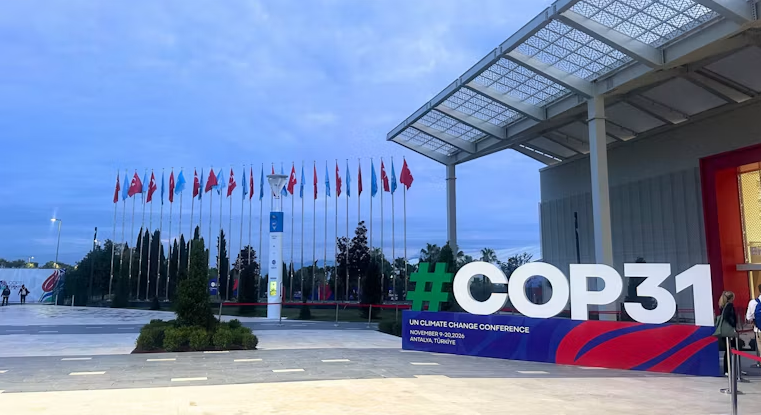
The 31st UN Climate Conference Focuses on Nuclear Energy Electrification Goals
Recently, the 31st Conference of the Parties to the United Nations Framework Convention on Climate Change (COP31) was held in Antalya, Türkiye. During the conference, the International Atomic Energy Agency (IAEA), together with the U.S. Clean Air Task Force (CATF) and other think tanks, launched a call to explicitly incorporate nuclear energy as a core clean energy form into the "35 by 35" global voluntary electrification target system promoted by Türkiye, the host country of this conference, so as to accelerate the implementation of the global climate governance vision under the Paris Agreement. The 35 by 35 goal aims to advocate raising the share of electricity in total final energy consumption to 35% globally by 2035. Representatives of the Clean Air Task Force (CATF) stated at a conference seminar...
2026-11-12
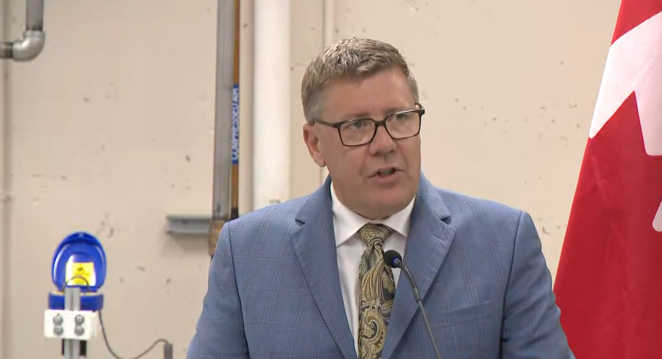
Saskatchewan, Canada Releases Long-Term Nuclear Energy Strategy: Plans to Build 2,600 MW of Nuclear Power by 2050
Scott Moe, Premier of Saskatchewan, Canada, officially announced the province's long-term nuclear energy development plan in Saskatoon on September 29, establishing a strategic goal of building at least 2,600 megawatts (MW) of nuclear power capacity by 2050. Moe emphasized that nuclear energy is not only a zero-carbon clean baseload power source, but also a "nation-building opportunity" that empowers economic growth for generations, will create high-end jobs across the province, attract multinational capital, and ensure long-term electricity stability for households and industry. According to the plan, four core pillars have been established: 1. Build a highly resilient power foundation supporting long-term economic growth: Rely on non-intermittent zero-carbon nuclear energy to address the electricity load gap brought about by society-wide electrification...
2026-09-30