
Search Results
Keyword:funding
After the Fusion Temperature Record: How Does General Fusion Turn Compression Experiments into Bankable Engineering?
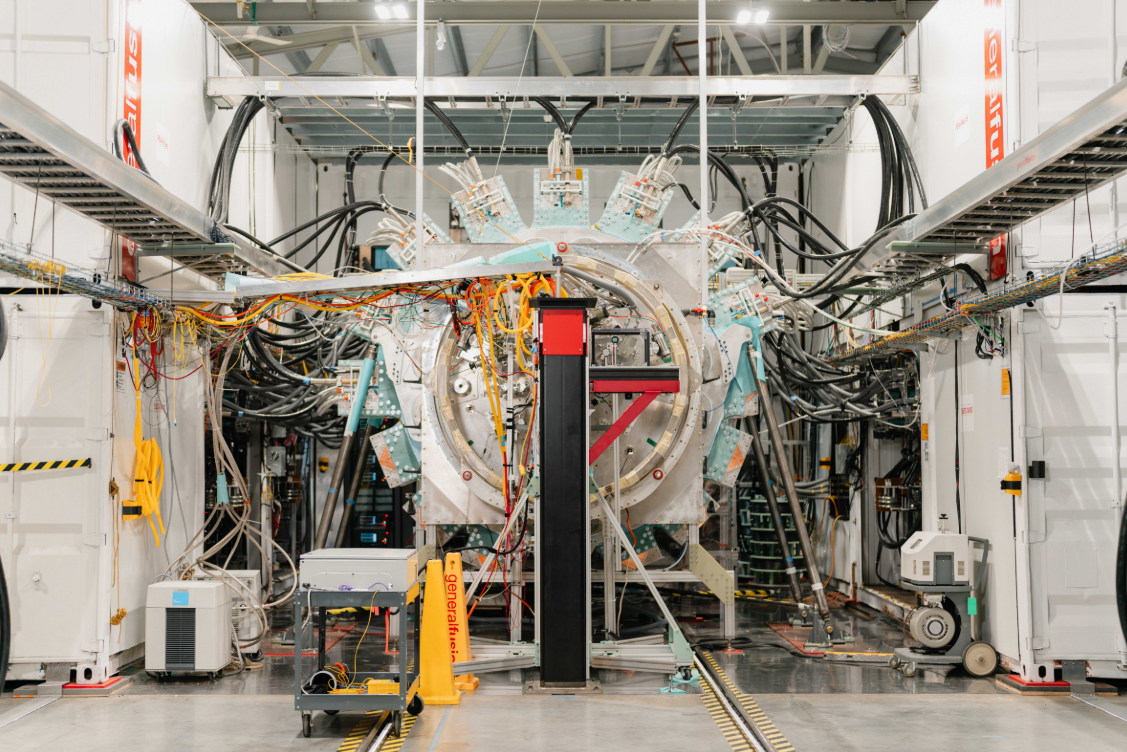
A fusion device has achieved a higher temperature—how much work remains before it becomes a power plant? In the quarterly business information released by General Fusion on November 16, the progress of the LM26 compression experiment, the funding status, and subsequent R&D targets were presented together. The company previously announced that the experiment achieved an electron temperature exceeding 1 keV. This is progress on a specific measurement subject and cannot yet be equated with fuel ions reaching the same temperature, let alone interpreted as net electrical output to the grid. Observing this temperature news alongside the company's R&D arrangements makes the true cost of fusion entrepreneurship clearer: every step forward requires physical evidence and equipment capability to be established in tandem. 1. Compression...
2026-11-23
Tennessee Awarded $12 Million in Nuclear Energy Workforce Funding
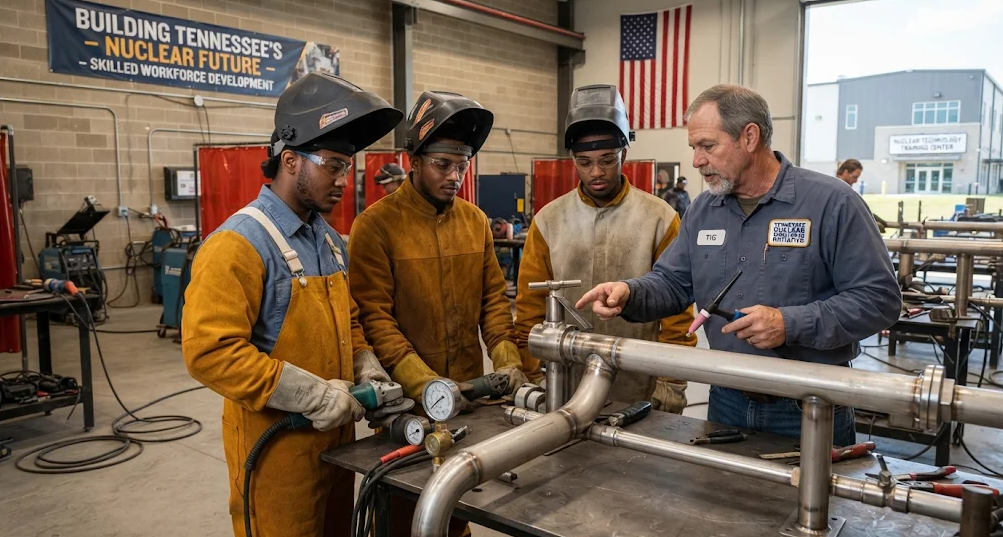
Recently, the U.S. state of Tennessee is working with the federal government to advance the state's nuclear-skilled workforce. The Tennessee Department of Labor and Workforce Development (TDLWD) and the U.S. Department of Commerce have reached a partnership under which $12 million in funding will be provided to the state to help recruit, train, and retain skilled workers to advance nuclear energy programs in the state; however, officials said the specific impact of this funding on Northeast Tennessee remains unclear, and the funds have not yet been designated for any...
2026-11-20

Canada's Federal Budget Earmarks Dedicated Funding to Advance Nuclear Energy Strategy
Recently, the Government of Canada officially released the 2026 federal budget, committing more than CAD 518.5 million (approximately EUR 329 million, USD 536 million) to the national nuclear energy strategy, establishing nuclear technology as a core cornerstone for achieving the nationwide clean electricity plan. Under the leadership of Prime Minister Mark Carney, Canada is committed to consolidating its position as a global clean energy superpower through comprehensive support for reactor deployment and supply chain development. This newly announced nuclear development plan builds upon the national nuclear energy strategy released by the government in June this year and is part of the overall capital expenditure of up to CAD 8 billion for electricity-related projects over the next five years...
2026-11-07
France's Calogena Receives EU Funding to Build First SMR
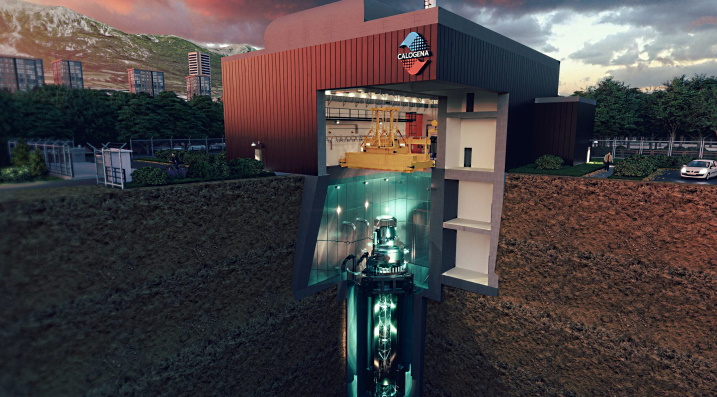
Recently, French small modular reactor developer Calogena has secured €40 million (US$44.6 million) in funding through the European Commission's Innovation Fund to support the construction of its first commercial nuclear reactor in Pierrelatte, southern France. As a subsidiary of France's Gorgé Group, Calogena has been committed since its founding in 2021 to developing the CAL30 water-cooled small modular reactor, designed specifically to provide carbon-free energy for urban district heating networks. The reactor has a thermal power of 30 MWth and adopts a simple design based on a low-temperature, low-pressure pool-type reactor, offering extremely high safety and the ability to be reliably deployed near district heating networks...
2026-11-07

Texas A&M Engineering Experiment Station Receives $5.4 Million in Nuclear Energy Funding
Recently, the Texas A&M Engineering Experiment Station announced that it has received a total of $5.4 million in nuclear energy research funding to support multiple innovative projects aimed at advancing next-generation nuclear reactor technologies and advanced nuclear materials research and development. It is reported that the funding primarily comes from official agencies such as the U.S. Department of Energy (DOE) Office of Nuclear Energy. The research funding will focus on supporting the university's breakthrough research in frontier fields including accident-tolerant fuel (ATF), irradiation resistance testing of advanced reactor core structural materials, high-temperature heat transfer mechanisms, and safety monitoring and digital control of nuclear facilities. As one of the top...
2026-10-31
U.S. Plans Massive Funding to Restart Three Decommissioned Nuclear Power Plants to Meet AI Computing Demand
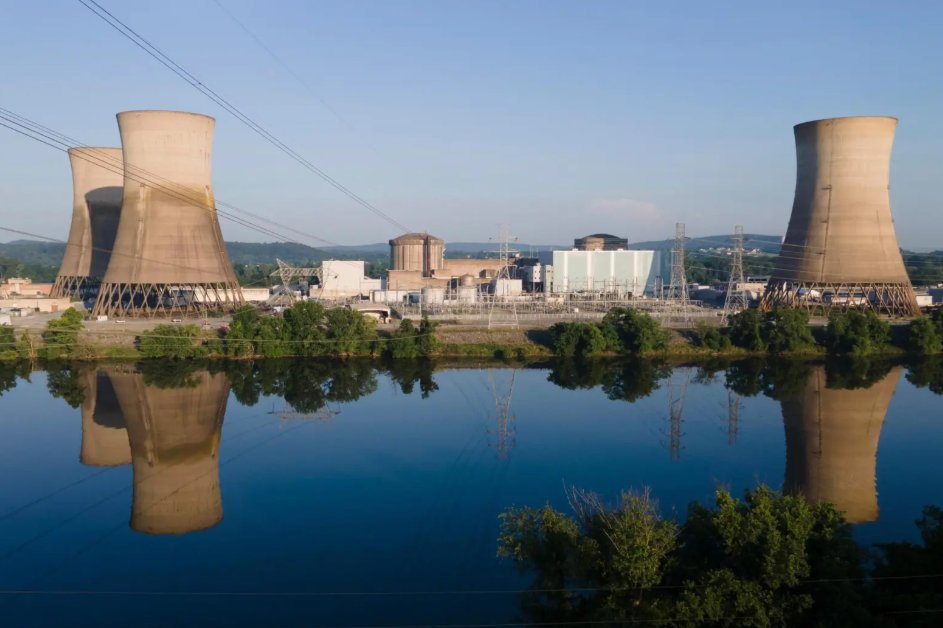
Recently, the United States is experiencing an unprecedented wave of nuclear power restarts, with plans to revive three commercial nuclear power plants that have been shut down, in order to meet surging electricity demand and the computing power needs of large data centers. The three nuclear power plants are the Palisades Nuclear Plant in Michigan, the Crane Clean Energy Center at Three Mile Island in Pennsylvania, and the Duane Arnold Energy Center in Iowa. The U.S. Department of Energy (DOE) will provide up to $4.4 billion in loan guarantees to restore a total of 2.25...
2026-10-17
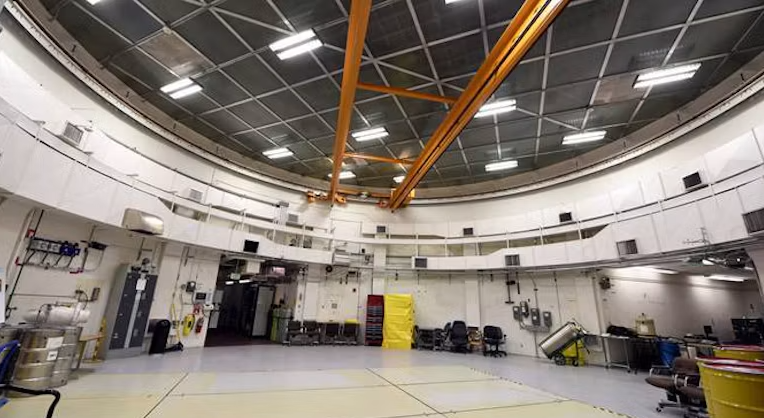
US Approves Funding for Final Phase of Molten Chloride Reactor Experiment, Accelerating Validation of Next-Generation Nuclear Energy Technology
Recently, the U.S. Department of Energy (DOE) has formally approved cost-shared funding for the accelerated final phase of the Molten Chloride Reactor Experiment (MCRE). The funded project will focus on supporting the joint research and development efforts of Southern Company, Idaho National Laboratory (INL), and Core Power, aiming to deepen scientific understanding of liquid chloride salt fuel and molten salt reactor technology and to lay a solid foundation for the development of subsequent commercial reactors. It is understood that the Molten Chloride Reactor Experiment (MCRE) is currently being conducted at Idaho National Laboratory (INL)'s Materials and Fuels Complex ...
2026-10-15
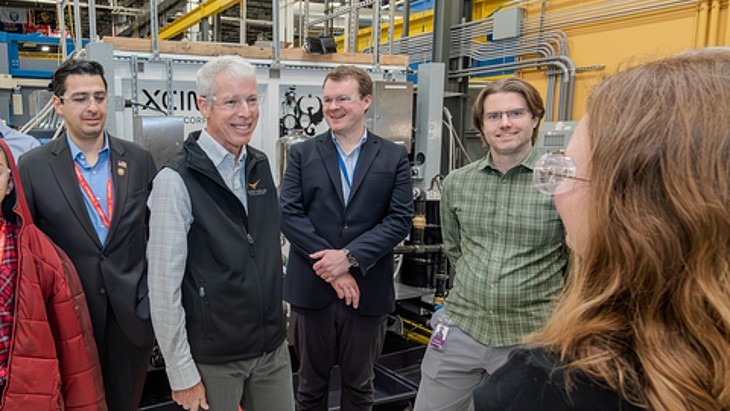
Laser Fusion Startup Xcimer Receives Up to $30.5 Million in Milestone-Based Funding from U.S. Department of Energy
U.S. excimer laser inertial confinement fusion company Xcimer Energy recently announced that it has reached an agreement with the U.S. Department of Energy (DOE) to receive up to $30.5 million in funding support through the DOE's Milestone-based Fusion Development Program. The funds will be disbursed in installments based on the progress achieved toward predetermined R&D milestones. Previously, in June 2026, the U.S. Department of Energy formally approved the preliminary conceptual design and technology development roadmap milestones for Xcimer's fusion power plant architecture, Athena. The Athena architecture is specifically designed for continuous operation, industrial-scale capacity, and a self-sustaining fuel cycle...
2026-10-08
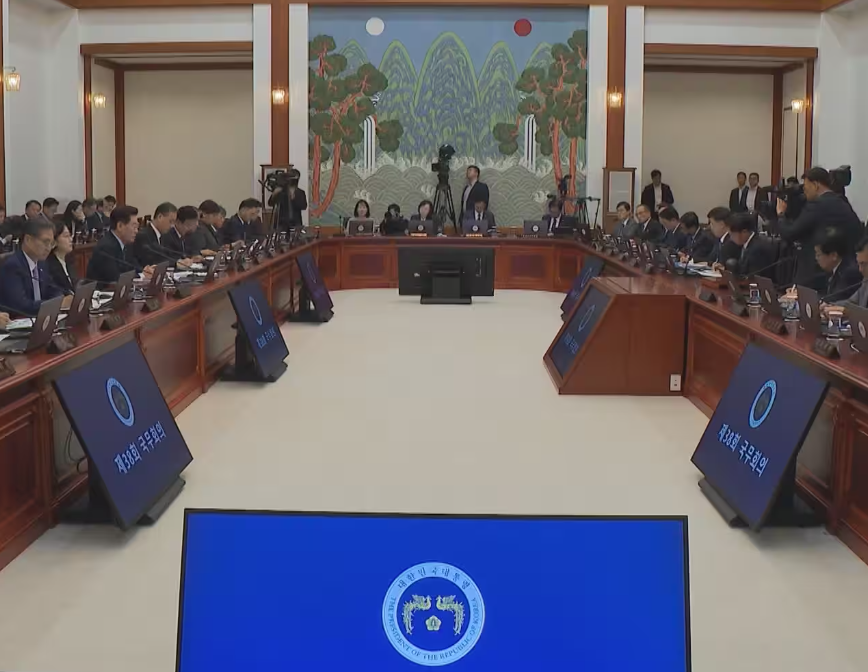
South Korea's 2027 Budget Proposal Includes First-Ever Funding for Domestic Nuclear Submarine Development
The South Korean government approved its 2027 budget proposal, with total government spending reaching 820.9 trillion won, approximately 95.6 trillion yen, marking a 12.8% increase from the previous year and setting a record high. The budget proposal has been submitted to the National Assembly for review. President Lee Jae-myung presided over a cabinet meeting at the presidential office on September 1, where the budget proposal was reviewed and approved. Under the plan, the South Korean government intends to increase investment in growth-oriented industries, with approximately 2.5 trillion yen allocated to infrastructure development related to semiconductor manufacturing and artificial intelligence, nearly doubling the scale of the previous year. On the revenue side, the South Korean government expects that as AI demand continues to grow and major semiconductor companies see improved performance, corporate income tax and personal income tax revenues will increase significantly.
2026-09-02
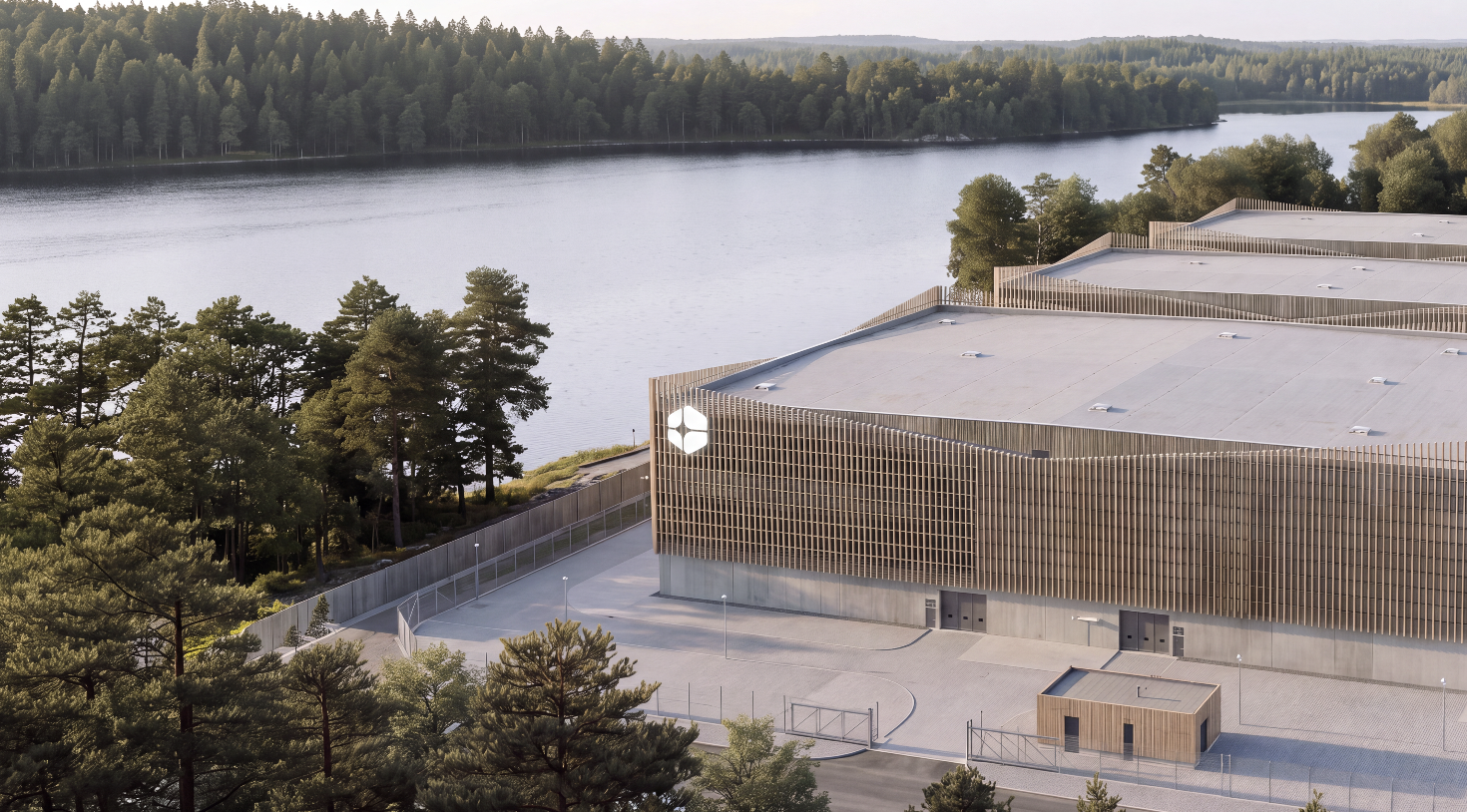
Sweden's Blykalla applies for government funding for advanced reactor park at Tierp
Untra Nuclear Power AB, a wholly owned project company of Swedish advanced nuclear energy firm Blykalla Group, submitted an application on August 31 seeking state support for investment in a new nuclear power plant. The project plans to build an advanced reactor park in the Untra area of Tierp municipality, Uppsala County, Sweden, with 6 to 8 SEALER-55 units planned. According to the project plan, if 8 units are built, the plant's total installed capacity would reach 440 MW, with an estimated annual generation of 3.68 TWh. Blykalla Group had previously submitted a government approval application for the project on August 25. Sweden's new nuclear financing model has...
2026-09-01
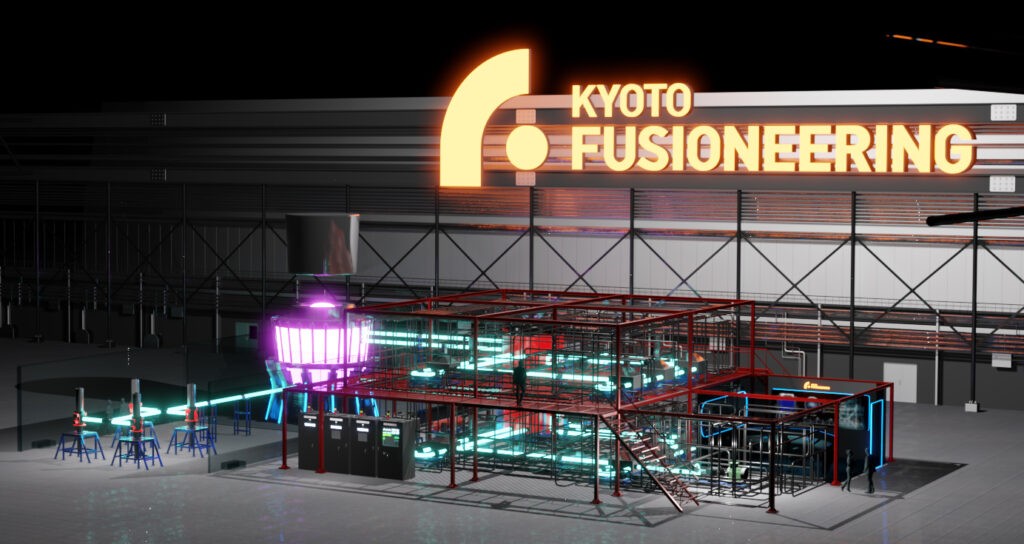
Japan's Kyoto Fusioneering Secures Series D Funding Led by Korea-Japan Fusion Fund
IMM Investment Japan (IMMJ) announced on September 1 that it has led the Series D funding round for Kyoto Fusioneering, a Japanese fusion energy company. The investment was made through the Korea-Japan Fusion Fund, established jointly by Korean and Japanese investors. The fund, initiated by IMMJ, is positioned as a cross-border project fund designed to connect the capital and industrial networks of major Korean corporations with Japan's cutting-edge technology companies. Investors participating in the fund include POSCO Holdings, POSCO International, Doosan, Hyundai Motor, and GS...
2026-09-01
U.S. Molten Salt Solutions Completes $7 Million Seed Funding Round
On August 31, Molten Salt Solutions (MSS), headquartered in New Mexico, U.S., announced that it had completed an oversubscribed $7 million seed funding round. The round was led by Dolby Family Ventures (DFV), with participation from Vanedge Capital Partners, Alumni Ventures, Gaingels, True Ventures, and Future Ventures. MSS primarily develops enriched stable isotopes for the fusion and advanced nuclear energy markets...
2026-09-01
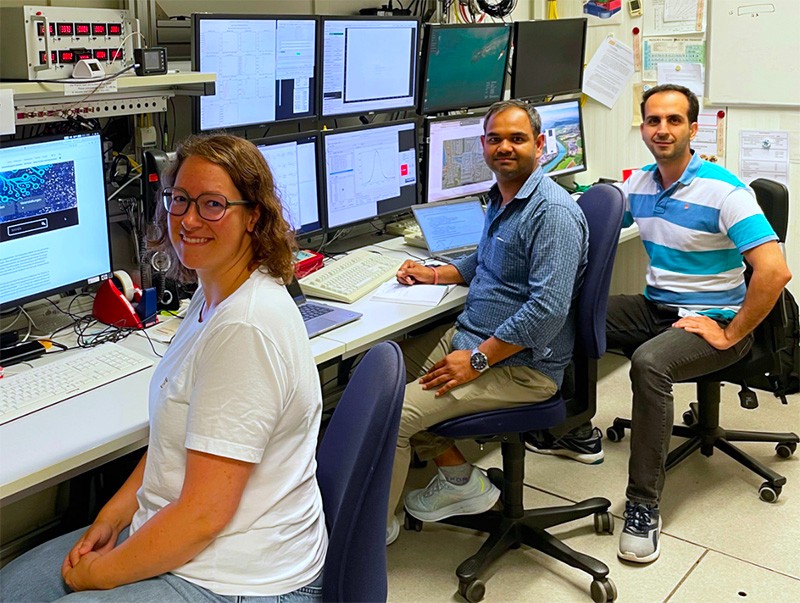
German Photon and Neutron Research Data Alliance Receives €8.3 Million in Second-Phase Funding
The German National Research Data Infrastructure consortium for photon and neutron experimental data (DAPHNE4NFDI) will enter its second funding phase, receiving initial funding of €8.3 million, with the funding period running until the end of 2028. Since 2021, the consortium has been working to improve the management of research data from photon and neutron experiments, making the data easier to find, access, and reuse over the long term. DAPHNE4NFDI is one of the disciplinary consortia under the German National Research Data Infrastructure (NFDI), with members including the German Electron Synchrotron (DESY), Kiel University (CAU), and other universities and research institutions. The funding decision is based on a recommendation from the German Research Foundation (DFG). Since January 2026...
2026-08-31
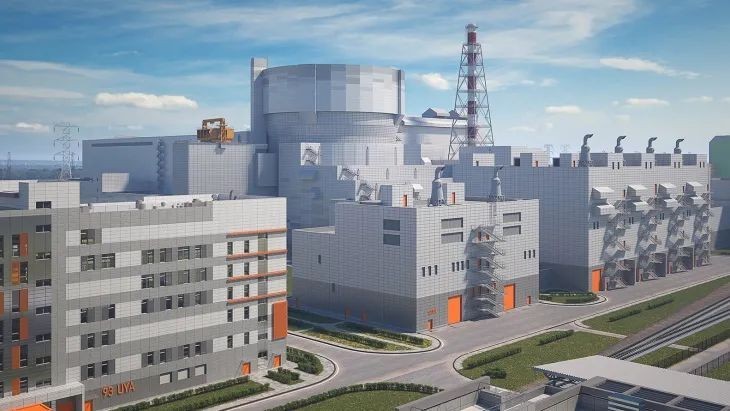
Hungary Plans Additional ~EUR 300 Million in Funding for Paks II Nuclear Power Plant
The Hungarian government plans to allocate an additional HUF 111.6 billion, equivalent to approximately EUR 305.5 million, to the Paks II nuclear power plant project. The funds have been included in the draft amendment to the 2026 budget, which is expected to be submitted to the Hungarian Parliament for review. According to the budget document, financial support for the Paks II project through the end of 2026 will increase from HUF 95 billion to HUF 206.6 billion, approximately EUR 565.5 million. Based on relevant calculations, over the past 12 years, the Hungarian government has directly allocated HUF 628.7 billion, exceeding EUR 1.7 billion, to the project; with the inclusion of this budget arrangement, cumulative financial support will exceed EUR 2.2 billion. The Paks II nuclear power plant involves the participation of Russia's State Atomic Energy Corporation (Rosatom)...
2026-08-31
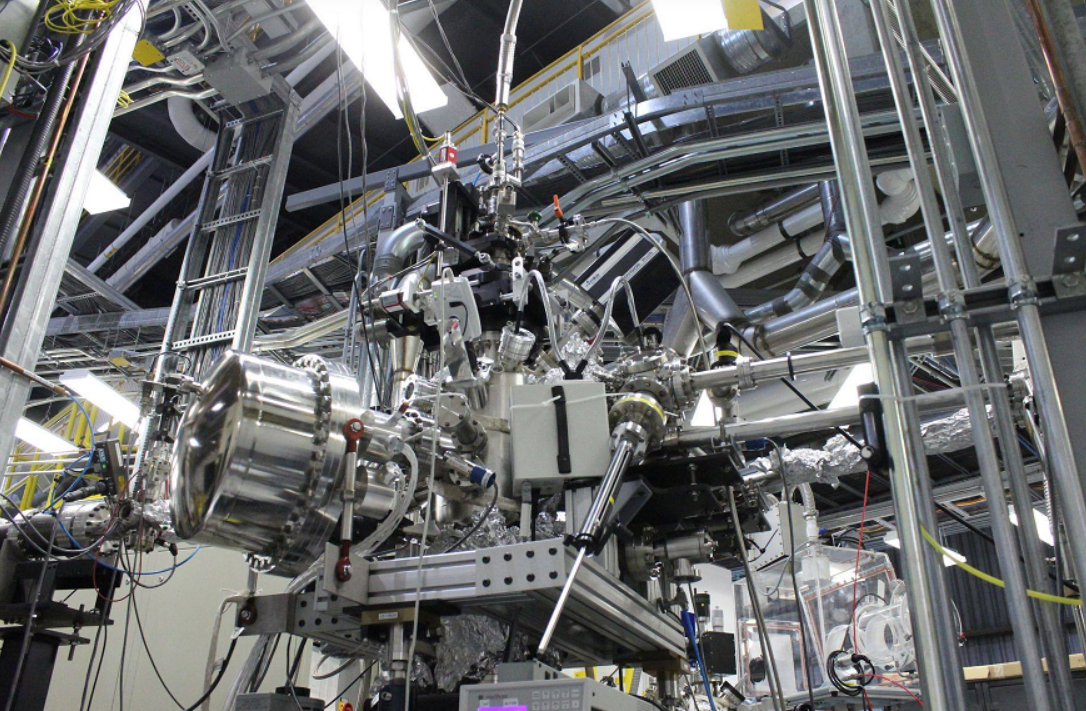
Canadian Light Source Synchrotron at University of Saskatchewan Receives $3 Million CAD in Upgrade Funding
On August 26, Innovation Saskatchewan announced that it will provide $3 million CAD in funding to the Canadian Light Source synchrotron at the University of Saskatchewan to support the installation of an advanced solid-state amplifier, advancing the facility's upgrade efforts. According to reports, this solid-state amplifier is a key component of the Canadian Light Source's core particle accelerator and will support the operation of its 22 synchrotron radiation beamlines. The upgrade is expected to enhance facility performance, operational reliability, and energy efficiency, further strengthening its capacity for cutting-edge scientific research. The Canadian Light Source is Canada's only synchrotron facility. Synchrotrons use electromagnetic fields and radiofrequency waves to accelerate electrons to near the speed of light, keeping them in a circular orbit; as electrons move, they generate high-brightness, highly focused synchrotron radiation beams, which are directed to different experimental beamlines to help researchers study material structures and properties at the atomic scale.
2026-08-27