
Search Results
Keyword:inspection
South China Regional Office Conducts Special Nuclear Safety Inspection on Fangchenggang Nuclear Power Plant in Response to Extreme Weather
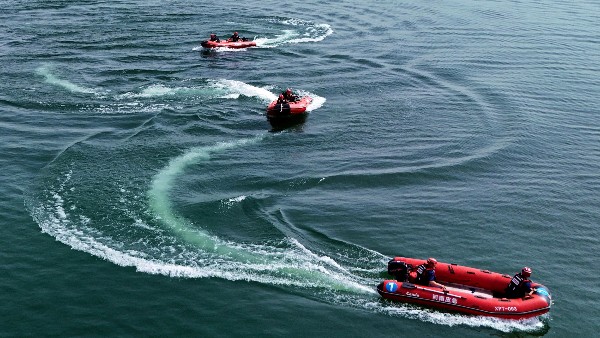
Since 2026, the coastal area where Fangchenggang City, Guangxi Zhuang Autonomous Region, is located has experienced frequent extreme weather events. During the passage of Typhoon Maysak in July, the maximum gust measured on site at the Fangchenggang Nuclear Power Plant reached Force 9, with cumulative rainfall during the event reaching as high as 424.2 mm; in August, affected by the peripheral circulation of Typhoon Zitan, the area once again suffered sustained heavy wind and rain, with localized cumulative rainfall exceeding 300 mm. In response to the severe climatic situation of superimposed strong typhoons and short-duration heavy rainfall, the South China Regional Office of Nuclear and Radiation Safety Inspection of the Ministry of Ecology and Environment (hereinafter referred to as the South China Regional Office) recently took the initiative to...
2026-09-27
South China Regional Office completes pre-critical nuclear safety inspection for Yangjiang Nuclear Power Plant overhaul
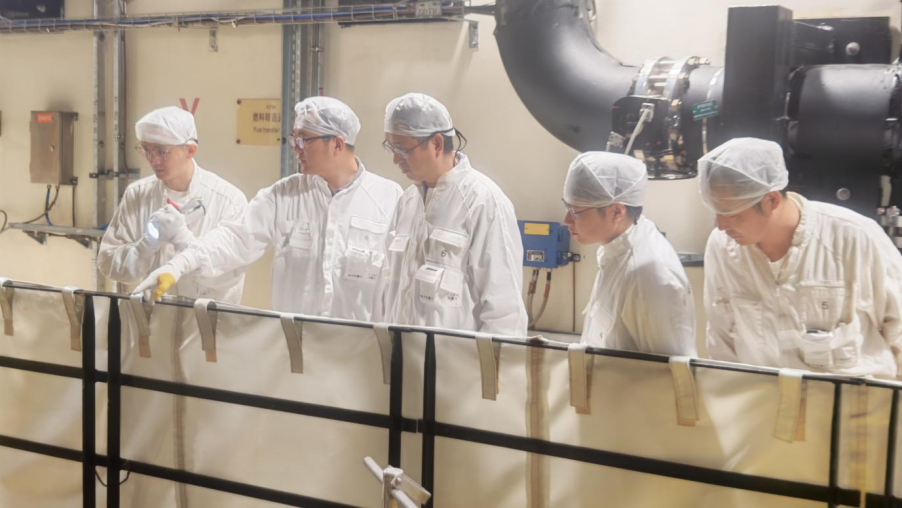
From September 14 to 17, the South China Regional Office of Nuclear and Radiation Safety Supervision of the Ministry of Ecology and Environment (hereinafter referred to as the South China Regional Office) organized an inspection team to conduct a pre-critical nuclear safety inspection of Unit 5 of Yangjiang Nuclear Power Plant for its sixth refueling overhaul (Y506 overhaul). This inspection was jointly carried out by the Nuclear Facility Business Division and the newly established Operation Special Division, adopting an organizational model of two-division coordination and complementary expertise to systematically verify the safety status of the unit after refueling and before criticality, thereby safeguarding the critical juncture for the safe startup of the unit. The criticality of the unit after overhaul is a link in the nuclear safety management chain where risks are highly concentrated. With core refueling and loading completed, and maintenance, modification, and periodic testing items concluding in a concentrated manner, equipment status, personnel operations, and operational decisions converge at this point. The South China Regional Office closely focused on the core proposition of "whether the unit truly possesses the conditions for safe operation," concentrating on key contents such as operating limits and conditions, availability of safety-important items, confirmation of post-maintenance equipment status and periodic test results, closed-loop rectification of outstanding issues from the previous overhaul, and handling of abnormal conditions, insisting on item-by-item verification and one-by-one clearance to ensure that no doubts are carried forward and no loose ends are left.
2026-09-27
Unit 2 of Japan's Shimane Nuclear Power Plant Completes Periodic Inspection and Resumes Commercial Operation After About 7 Months
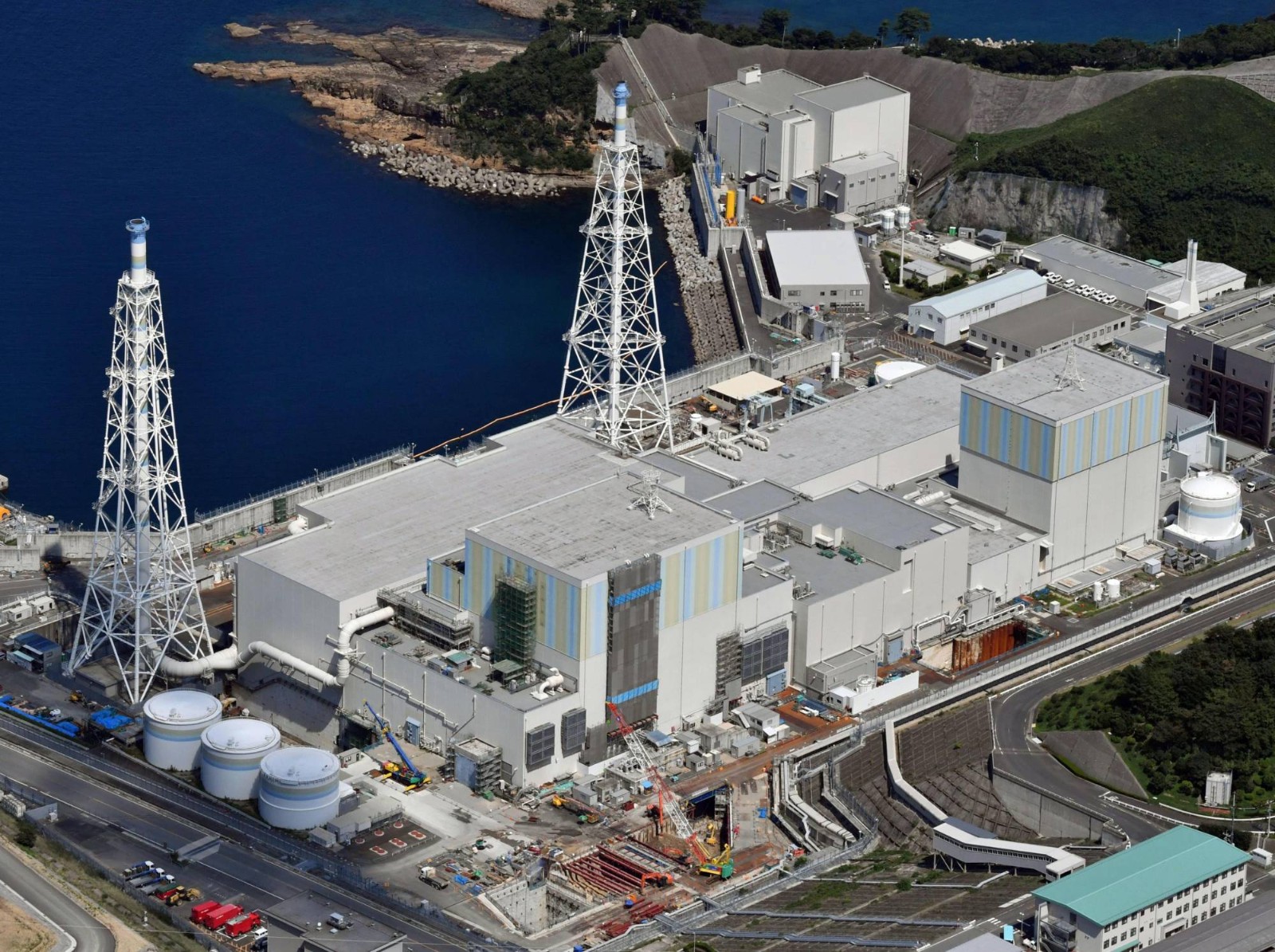
The Chugoku Electric Power Company (Japanese: 中国電力株式会社), a large integrated electric power company responsible for supplying electricity to 5 prefectures in the Chugoku region of western Honshu, Japan, announced on September 16 that Unit 2 of the Shimane Nuclear Power Plant has successfully completed the periodic inspection that began in February this year and officially resumed commercial operation on the 16th, returning to power supply after about 7 months. According to Chugoku Electric Power's estimate, in the overall power source mix, nuclear power generation will account for about 15% of the company's total power generation for this fiscal year, and this level of generation is expected to meet about 60% of the electricity demand of the two San'in prefectures. In addition, since Unit 2 of the Shimane Nuclear Power Plant has reached 37 years since it began commercial operation, Chugoku Electric Power also collected, during this periodic inspection, data used as the basis for assessing the "special inspection" required for future extended operation beyond the standard service period (exceeding the 40-year operating limit).
2026-09-17
Gyeongju City Council in South Korea Conducts In-Depth Inspection of Wolsong Nuclear Power Plant and Radioactive Waste Treatment Facilities
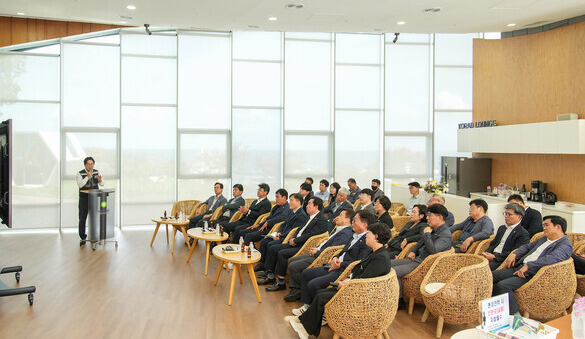
Recently, the Gyeongju City Council of South Korea organized an in-depth on-site inspection, with the focus on the Wolsong Nuclear Power Plant and the Korea Atomic Energy Environment Corporation. The inspection team aimed to gain a comprehensive understanding of the operational safety of the nuclear power plant and the operation of radioactive waste treatment facilities, and to listen to feedback from relevant personnel. The purpose of this action was to conduct an in-depth investigation of core issues closely related to public safety, including the safety management status of the nuclear power plant and the operational model of radioactive waste treatment facilities. The council members hoped that through this inspection, they could gain a more intuitive understanding of the actual situation and provide reference for formulating more comprehensive policies. At the beginning of the inspection, the council members went to Wolsong...
2026-09-14
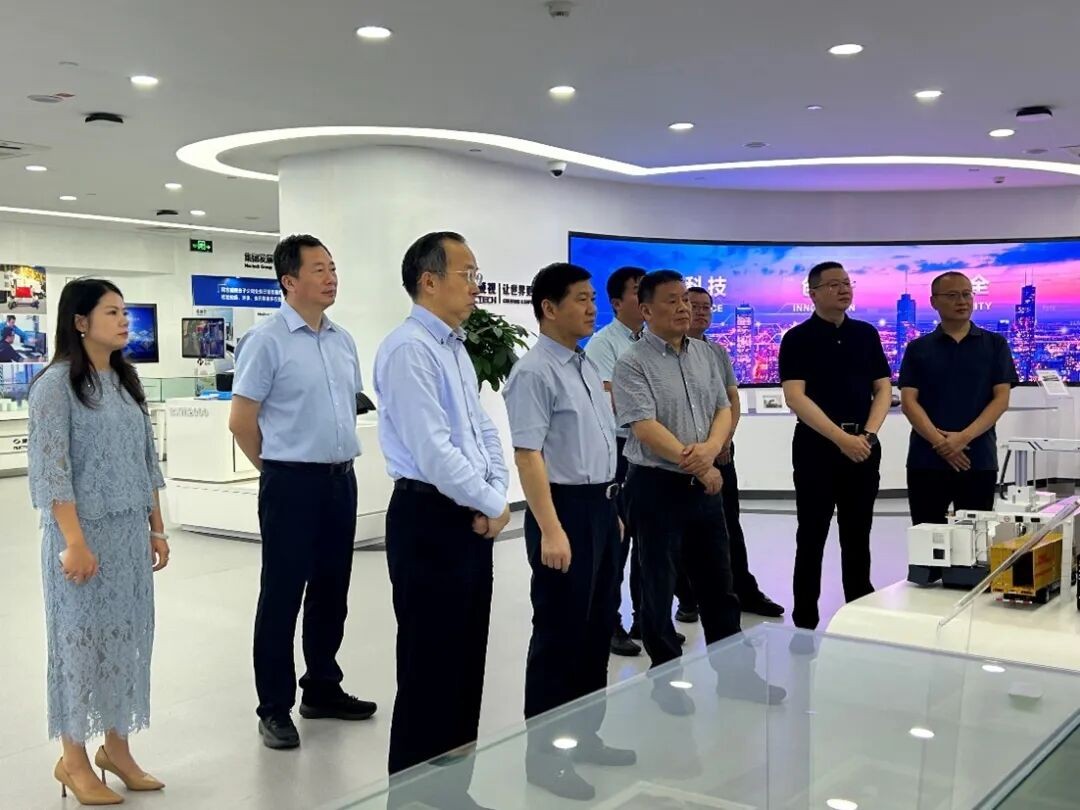
China Ports Association Visits Nuctech to Discuss Smart Port and Security Inspection Cooperation
On September 2, Xie Jun and Han Jian, Vice Presidents of the China Ports Association, led a delegation to Nuctech for a special visit and research. Chen Zhiqiang, Chief Scientist and Chairman of Nuctech, received the delegation. The two sides held discussions on topics including government-enterprise collaboration, smart port upgrading, industry standard development, and industrial innovation, reaching multiple consensuses on future cooperation directions. Prior to the discussions, Chen Zhiqiang accompanied the China Ports Association delegation on a tour of the Nuctech New Vision Exhibition Hall, presenting the company's development history, core business, proprietary key technology systems, and related product applications in the port and customs sectors. The exhibition content covered port security inspection, smart customs clearance, intelligent...
2026-09-09
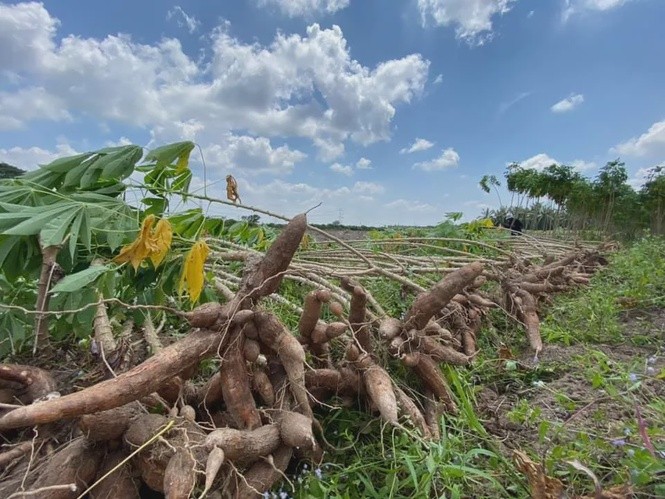
Malaysia Expands Nuclear Radiation Mutation Breeding Applications to Bolster Food Security and Industrial Inspection
Malaysia's nuclear technology applications are extending from traditional fields such as medicine and industry further into agricultural production and food security. Dr. Sukri, Senior Director of Project Management at the Malaysian Nuclear Agency, stated that through research and development using nuclear radiation mutation breeding technology, the agency has shortened the maturation period of cassava from the original 10 to 12 months down to 6 months. Sukri noted that this technological application helps reduce farmers' production costs, improve land use efficiency, and cultivate larger cassava varieties. In addition to cassava, the Malaysian Nuclear Agency, in collaboration with the Ministry of Agriculture and Food Security and the Department of Agriculture, has successfully developed two new rice varieties, NMR 151 and NMR 152. These new varieties feature higher yields and demonstrate strong resistance to diseases, extreme weather conditions such as prolonged drought, and flooding.
2026-09-07
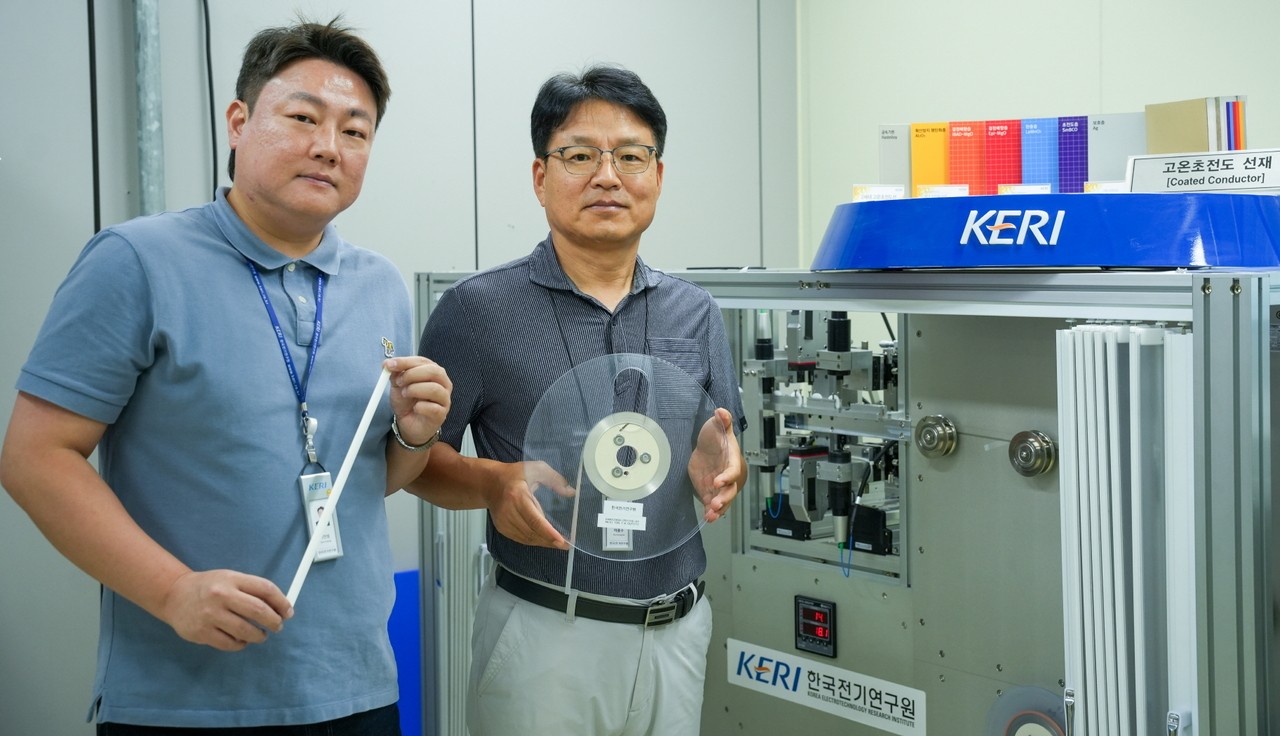
South Korea Develops 3D Non-Contact Inspection System for High-Temperature Superconducting Wire
The Korea Electrotechnology Research Institute (KERI) recently announced that a research team led by Ha Hong-su and Park In-sung at its Low-Temperature Device Research Center has developed a three-dimensional non-contact ultra-precision inspection system capable of continuously measuring the thickness and width of high-temperature superconducting (HTS) wire. The institute stated that this is the world's first such inspection system for HTS wire. KERI researchers Ha Hong-su and Park In-sung pose with a high-temperature superconducting wire beside the 3D non-contact ultra-precision inspection system. [Korea Electrotechnology Research Institute] HTS wire exhibits near-zero electrical resistance below a specific temperature, enabling high-current, low-loss transmission,...
2026-09-07

Qinshan Nuclear Power Completes Overhaul Validation of Grille Cleaning Robotic Arm
The grille cleaning robotic arm, an integrated system of UAV-based intelligent inspection and robotic arm automatic cleaning independently developed by the Mechanical Team of the Fourth Maintenance Division at Qinshan Nuclear Power, recently completed on-site validation during the Unit 2 312 overhaul at Qinshan Phase II. Designed for seawater system intake grille cleaning scenarios, this equipment transforms the original manual operation requiring entry into deep wells into an unmanned operation conducted under ground-based remote monitoring. The intake grille serves as a critical barrier for the cooling water system of a nuclear power plant, and its unobstructed condition is directly related to the stable operation of the unit. In traditional cleaning methods, workers were required to enter narrow shafts more than twenty meters underground to perform inspection and cleaning in confined spaces, which involved high labor intensity, low efficiency, and safety risks such as falls from height...
2026-09-03
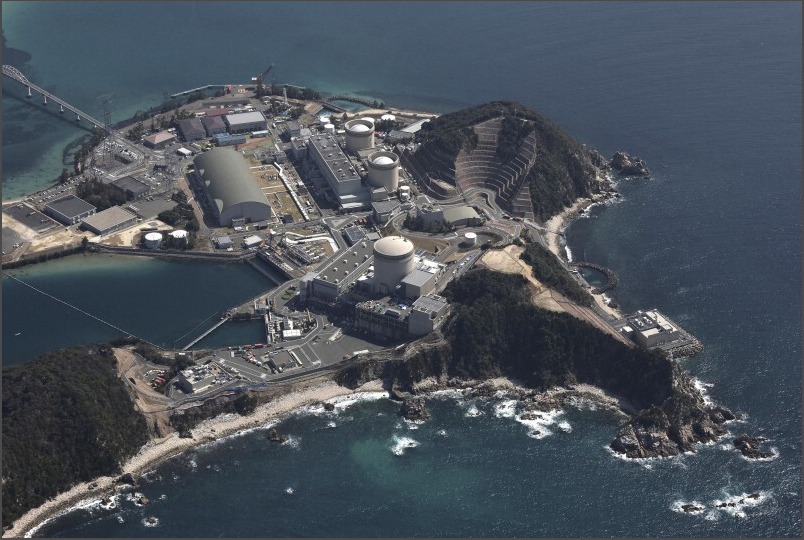
Japan's Mihama Nuclear Power Station Unit 3 Plans Grid Connection on September 15
Kansai Electric Power announced on September 1, 2026, that work related to the periodic inspection of Unit 3 at Japan's Mihama Nuclear Power Station is progressing as planned. Based on the progress of the inspection and the status of corrective measures for the steam leakage issue in the high-pressure turbine, the unit is scheduled to be connected to the grid on September 15. Unit 3 of Mihama Nuclear Power Station is a pressurized water reactor unit with a rated electrical output of 826 MW and a rated thermal output of 2,440 MW. On May 8 this year, the unit underwent a manual reactor shutdown after steam leakage was confirmed in the high-pressure turbine. From June 16, the unit entered its 29th periodic inspection. Kansai Electric Power stated that, in response to the steam leakage in the high-pressure turbine, the upper cylinder sealing cover has been replaced based on the results of the cause investigation, and multiple measures such as the development of relevant guidelines are being advanced.
2026-09-01
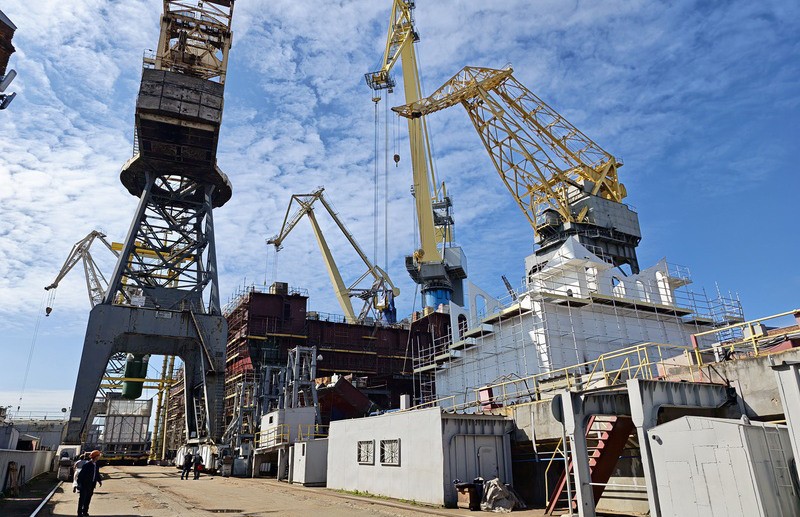
Russia's Leningrad Nuclear-Powered Icebreaker Electrical Distribution Equipment Passes Inspection
The Nuclear-Powered Vessels Division of the Russian Maritime Register of Shipping (RS) has recently completed an inspection of the new electrical distribution equipment for the Project 22220 universal nuclear-powered icebreaker Leningrad. The inspected equipment includes shore power distribution panels and low-voltage distribution panels, manufactured by Novaya ERA company of St. Petersburg. The Leningrad is currently under construction at the Baltic Shipyard, part of the United Shipbuilding Corporation (USC). The inspection was carried out by RS survey engineers upon the enterprise's application. The inspection results confirmed that the relevant equipment meets the requirements of current Russian regulations, and the manufacturer has been issued the corresponding registration certificates. The shore power distribution panel is used for...
2026-09-01
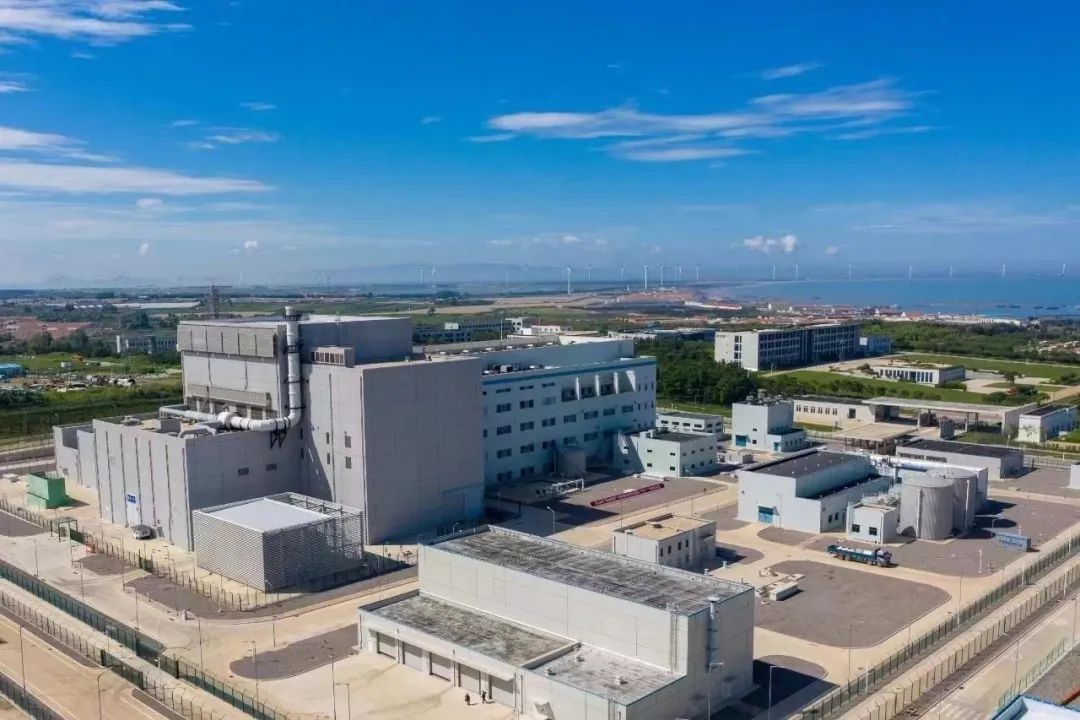
China Unicom Yantai Branch and CNNC Shandong Build 5G Dedicated Network for Nuclear Power
Recently, the 5G dedicated network project jointly built by China Unicom Shandong Yantai Branch and CNNC Shandong was officially deployed and put into operation. Targeting the requirements of nuclear power scenarios for communication network security, reliability, and low latency, the project introduces technologies such as 5G dedicated networks, edge computing, artificial intelligence, and big data to promote the implementation of digital capabilities in nuclear power park construction and production support scenarios. CNNC Shandong, affiliated with China National Nuclear Corporation, undertakes tasks related to nuclear power unit power generation and grid connection. During project construction, China Unicom Shandong Yantai Branch, in collaboration with Huawei, adopted end-to-end domestically produced equipment, achieving independent controllability in both hardware and software, filling the gap in domestic 5G dedicated network construction in the nuclear power sector...
2026-08-28
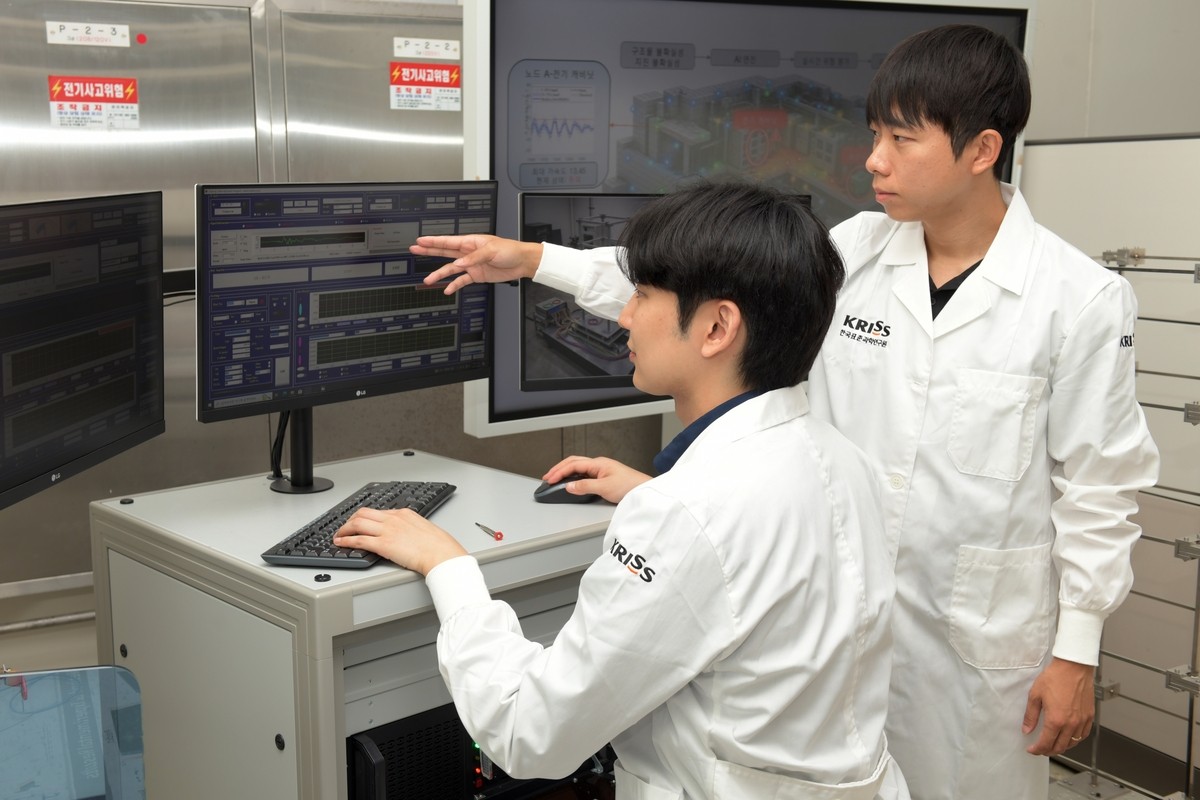
South Korea Develops AI Model for Prioritizing Post-Earthquake Inspections at Nuclear Facilities
A joint research team from the Korea Research Institute of Standards and Science (KRISS) and Ulsan National Institute of Science and Technology (UNIST) has developed a deep learning model that can assist nuclear facilities in rapidly identifying priority inspection areas after an earthquake. The model uses seismic wave signals collected from a single seismometer to predict in real time the vibration responses at multiple locations within a nuclear power plant and quantitatively ranks potential risks. The research was jointly conducted by the team of Jae-Beom Lee, senior researcher at KRISS, and Young-Ju Lee, professor at UNIST. The researchers stated that this technology can, without installing sensors at every critical location...
2026-08-26
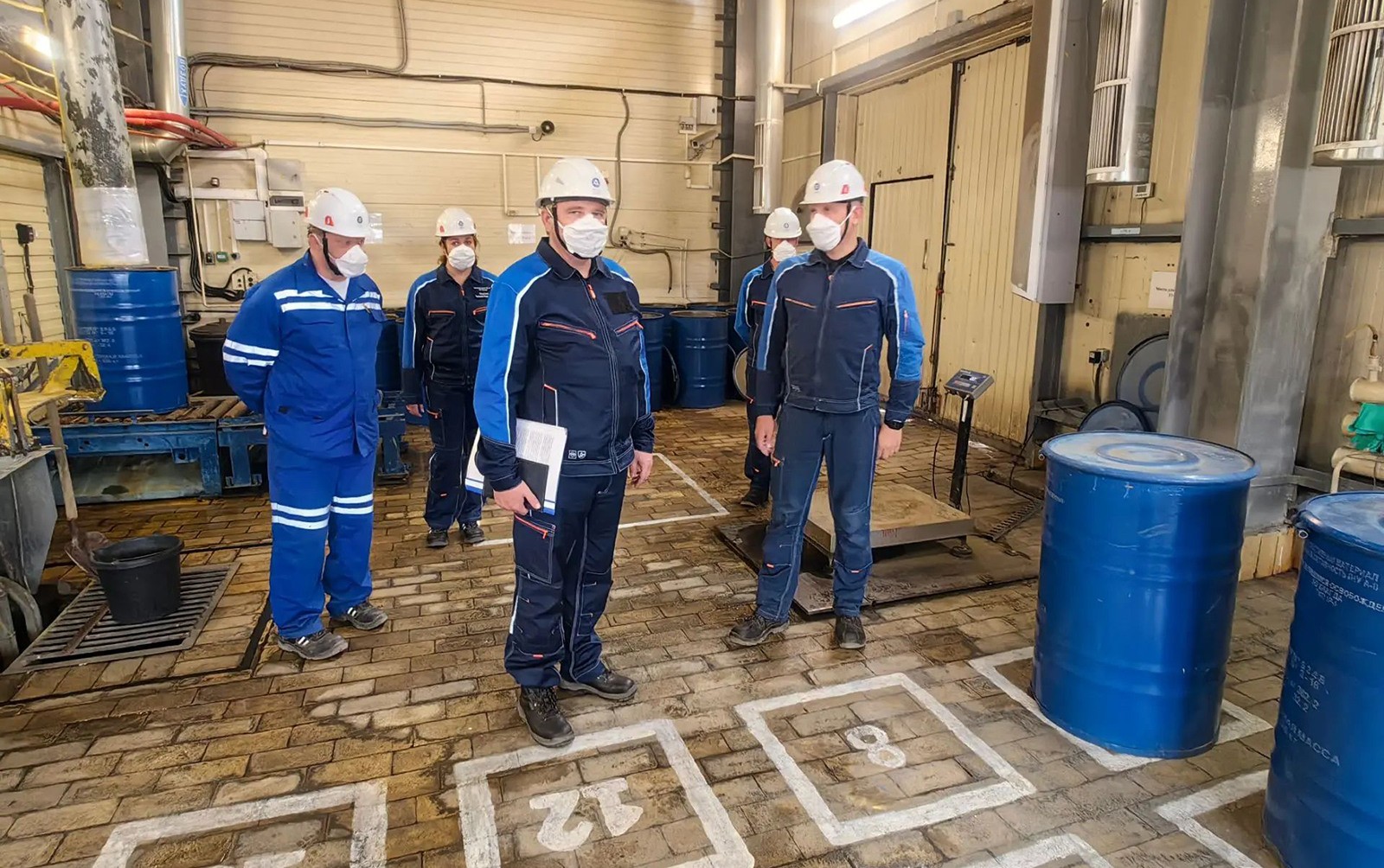
Russia's Khiagda Uranium Enterprise Passes Routine Regulatory Inspection
Khiagda JSC, part of the mining division of Russia's State Atomic Energy Corporation (Rosatom), has completed a routine on-site inspection by the Federal Service for Environmental, Technological and Nuclear Supervision (Rostekhnadzor). The inspection covered the company's uranium mining-related facilities and its nuclear energy utilization activities. The inspection team was led by Mikhail Morev, Head of the Department for Assessment, Licensing and Inspection of Industrial Nuclear Reactors and Spent Nuclear Fuel Management Facilities at Rostekhnadzor. The team inspected the railway freight yard in Chita, as well as the central production site in the Bauntovsky District of the Republic of Buryatia...
2026-08-25
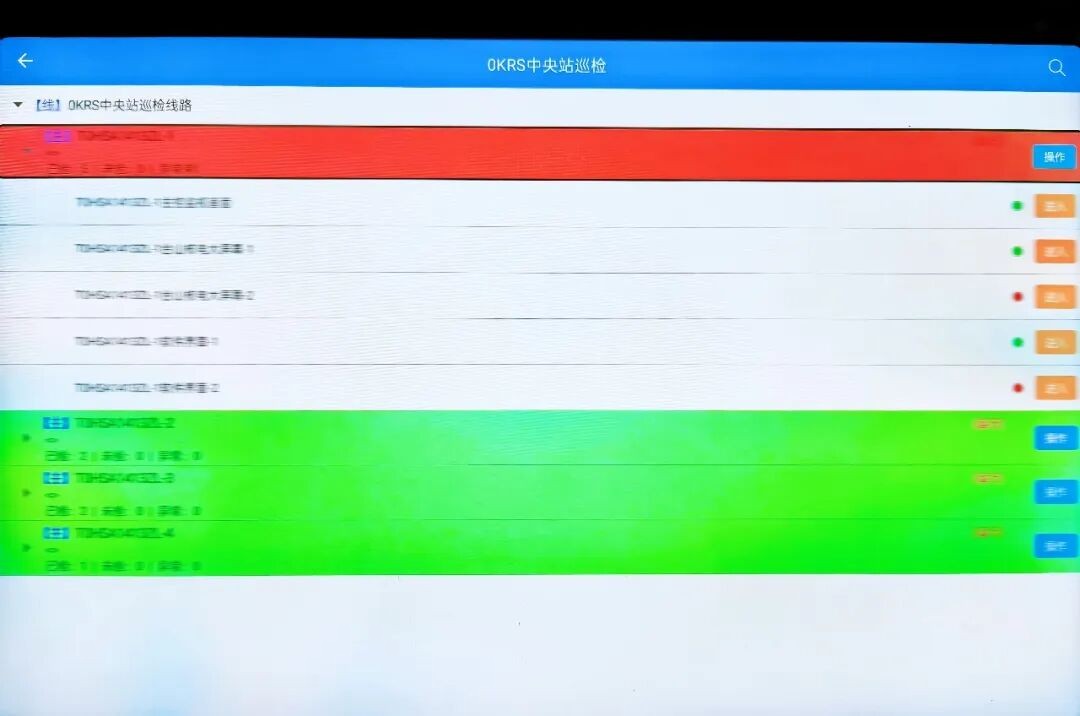
Taishan Nuclear Power Achieves Full-Process Digitalization for Two Major Environmental Monitoring Inspections
Recently, the central station inspections of the Plant Environment and Meteorological Monitoring System (KRS) and the Hydrological and Water Quality Monitoring System (YSI) buoy inspections at Taishan Nuclear Power Plant have officially entered full-process digital operation, with all related inspection tasks integrated into the GFIS (Taishan Inspection Data Monitoring System) for online workflow, marking the end of the paper-based inspection sheet era. In the central station equipment room of the environmental laboratory, inspectors can complete online data entry and upload via mobile office devices after verifying data accuracy. △Inspection interface Previously, these two inspection tasks relied on paper-based recording, with inspection data manually transcribed on site and handed over offline for review, making real-time verification and sharing of information impossible. The mountains of paper forms not only made data retrieval time-consuming and laborious but also hindered equipment operation and maintenance quality assessments. Driven by the company's digital transformation initiative, these two inspection tasks have now embarked on the path of digitalization.
2026-08-24
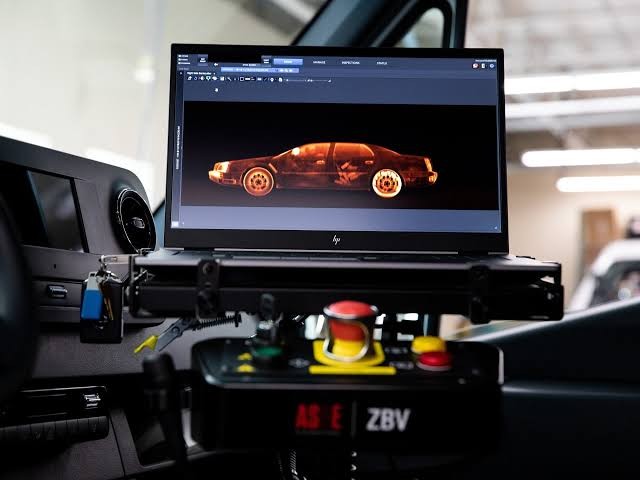
Portal Inspection and Screening System Tested at Chernyshevskoye Border Crossing on Russia-Lithuania Border
On August 20, the customs authorities of the Kaliningrad region of Russia, together with the equipment manufacturer, conducted functional tests of the portal inspection and screening system at the Chernyshevskoye border crossing on the Russia-Lithuania border, focusing on verifying equipment operational status and vehicle inspection capabilities. According to reports, among all Russian border crossings in the Kaliningrad region, only the Chernyshevskoye international road crossing is currently equipped with portal inspection and screening devices. A total of two systems have been installed at this crossing, used respectively for inspecting vehicles entering Russia and those departing, with both units installed and put into operation in December 2025. The inspection and demonstration were carried out with the participation of government regulatory authorities and supplier representatives. The relevant equipment is planned to be...
2026-08-22