
Search Results
Keyword:nuclear
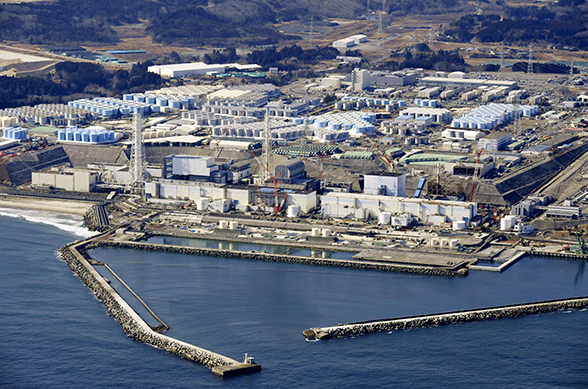
Japan considers expanding reuse of decontaminated soil from Fukushima
Japan's Environment Minister Ishihara stated after a Cabinet meeting on September 1 that the government is considering and coordinating efforts to continue the decontaminated soil reuse project from Fukushima Prefecture at government offices and other locations in other regions, in order to raise public awareness of the relevant systems and safety management approaches. Following the Fukushima Daiichi Nuclear Power Station accident, large volumes of soil removed during decontamination operations in Fukushima Prefecture are currently stored at an interim storage facility within the prefecture. Under Japanese law, this soil must be finally disposed of outside the prefecture by March 2045. To reduce the volume of final disposal, the Japanese government is promoting the reuse of decontaminated soil with lower radiation levels. Late last month, construction work was carried out at national government joint office buildings in Sendai City and Saitama City, with soil for flower beds and other areas delivered to the sites. This marked the first time decontaminated soil was reused at such government facilities outside the Tokyo region.
2026-09-03
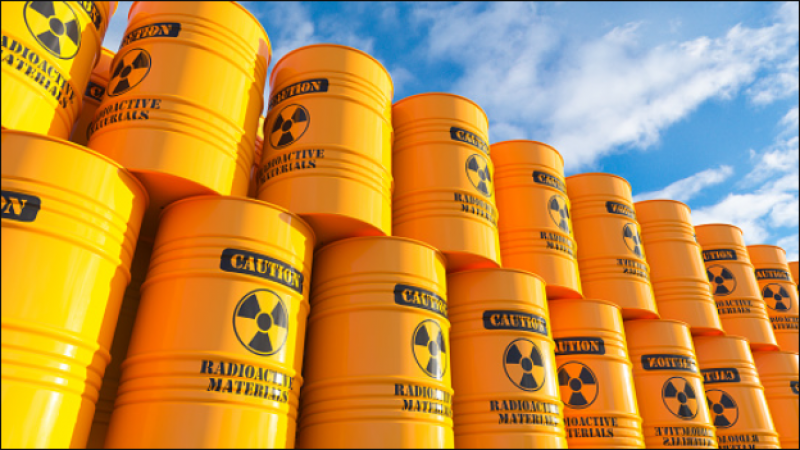
Belarusian Radioactive Waste Disposal Facility Site Selection May Be Determined by Year-End
Belarusian Energy Minister Denis Moroz recently stated that the site selection for Belarus's radioactive waste disposal facility is expected to be determined by the end of this year. The relevant announcement was made during events marking the 25th anniversary of the Belarusian Ministry of Energy. Moroz noted that Belarus began studying radioactive waste management issues before the final commissioning of its nuclear power plant. Following feasibility studies, Belarus decided to construct a radioactive waste disposal facility and established a dedicated Belarusian radioactive waste management organization to oversee the relevant work. Preliminary work on the disposal facility is currently underway. Moroz stated that radiation safety is of paramount importance to Belarus, and International Atomic Energy Agency (IAEA) documents have already...
2026-09-03
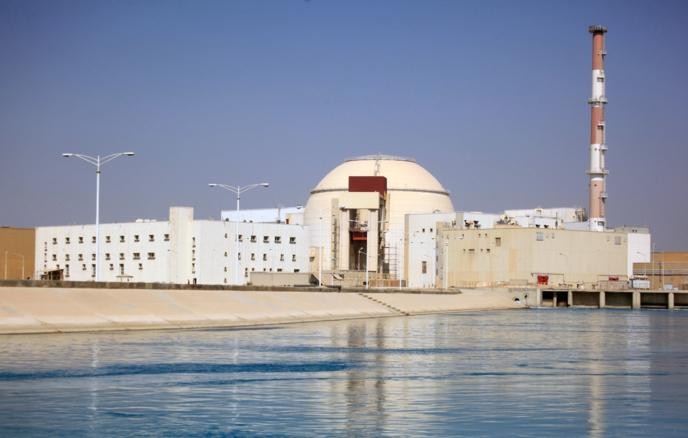
Russian personnel to participate in routine maintenance of Unit 1 at Iran's Bushehr Nuclear Power Plant
Rosatom Director General Alexey Likhachev stated during the Eastern Economic Forum that Russian personnel plan to participate in the routine preventive maintenance work at Unit 1 of Iran's Bushehr Nuclear Power Plant, which is scheduled to begin in mid-September. Likhachev said another group of workers has already arrived at the Unit 1 site of the Bushehr Nuclear Power Plant. Nuclear fuel for replacing some fuel assemblies has also been delivered to Iran. In addition to participating in the construction of Units 2 and 3 at the Bushehr Nuclear Power Plant, Russian personnel will also provide services for the operating unit. According to him, 45 Rosatom employees are currently working at the Bushehr Nuclear Power Plant, with another...
2026-09-03
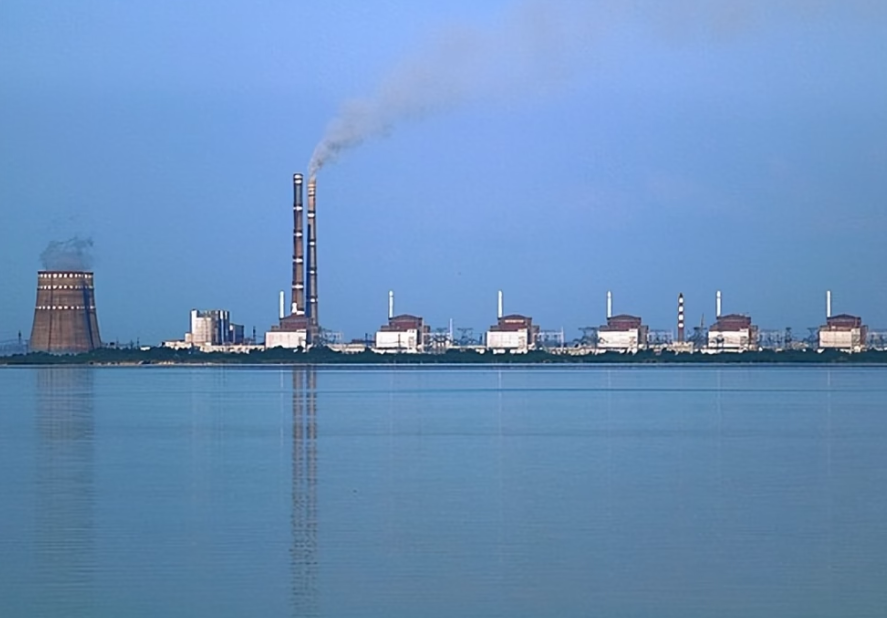
External power supply interruption at Zaporizhzhia Nuclear Power Plant has lasted for 14 days
Yashina, head of communications at the Zaporizhzhia Nuclear Power Plant, stated that the external power supply interruption at the plant has lasted for 14 days, with power currently provided by diesel generators, and that on-site personnel are still able to ensure the safe condition of the plant. According to an earlier statement from the plant, on August 20, the "Ferroalloy-1" power line was damaged, causing the external power supply interruption at the Zaporizhzhia Nuclear Power Plant. The damage site is located in an area where repair work cannot currently be carried out. After the loss of external power, the plant activated its backup power system. Fuel reserves remain available on site, but to conserve these reserves and maintain stable equipment operation, the operating mode of the diesel generators needs to be optimized. Yashina stated that the plant has been powered by diesel generators for 14 consecutive days...
2026-09-03
Uzbekistan Proposes Joint Venture to Manage Nuclear Power Plant Construction Project
The press service of Uzbek President Shavkat Mirziyoyev announced that Uzbekistan has proposed establishing a joint venture to manage the construction of a domestic nuclear power plant with the participation of Russia's State Atomic Energy Corporation (Rosatom). On September 2, Mirziyoyev was briefed on the progress of the comprehensive nuclear power plant in the Jizzakh region and the construction of a supporting modern satellite city. According to the relevant arrangements, to improve project management, strengthen technical control, and conduct independent reviews of technical solutions, Uzbekistan plans to establish a joint venture in cooperation with leading foreign engineering companies. The statement also noted that the project will promote the alignment of relevant standards with Uzbekistan's national system, with plans to introduce approximately 100...
2026-09-03

Qinshan Nuclear Power Completes Overhaul Validation of Grille Cleaning Robotic Arm
The grille cleaning robotic arm, an integrated system of UAV-based intelligent inspection and robotic arm automatic cleaning independently developed by the Mechanical Team of the Fourth Maintenance Division at Qinshan Nuclear Power, recently completed on-site validation during the Unit 2 312 overhaul at Qinshan Phase II. Designed for seawater system intake grille cleaning scenarios, this equipment transforms the original manual operation requiring entry into deep wells into an unmanned operation conducted under ground-based remote monitoring. The intake grille serves as a critical barrier for the cooling water system of a nuclear power plant, and its unobstructed condition is directly related to the stable operation of the unit. In traditional cleaning methods, workers were required to enter narrow shafts more than twenty meters underground to perform inspection and cleaning in confined spaces, which involved high labor intensity, low efficiency, and safety risks such as falls from height...
2026-09-03
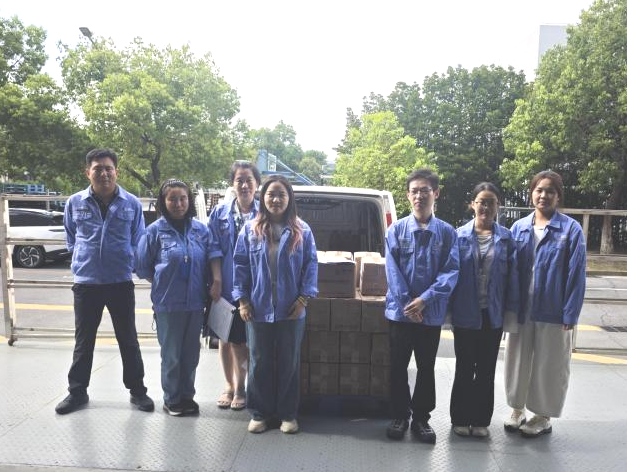
SNPAS Successfully Completes Batch Shipment of 45 Nuclear-Grade Paperless Recorders
On August 27, SNPAS successfully completed factory acceptance and shipment of 45 nuclear-grade paperless recorders. This batch delivery marks that the product has completed full-process technical iteration, with all production links across the entire chain moving toward standardization. Domestic nuclear-grade display and control equipment now possesses sustained and stable batch supply capability, with continuously growing market recognition. The nuclear-grade paperless recorder is a core product of the high-reliability display and control platform based on FPGA (Field Programmable Gate Array) architecture. The entire product operation process involves no CPU or operating system, fundamentally resolving the industry pain points of traditional display and control equipment, namely difficult operating system verification and vulnerability to virus attacks. It inherently features virus resistance, no system freezes, instant startup, and fast response...
2026-09-03

Guangdong Taipingling Nuclear Power Unit 3 Completes Lifting of Reactor Cavity Pool Wall Module
According to CGNPC Huizhou Nuclear Power Co., Ltd., the reactor cavity pool wall module of Unit 3 at the CGN Guangdong Taipingling Nuclear Power Project was recently successfully lifted, creating conditions for the advancement of subsequent engineering construction. The reactor cavity pool wall is a key stainless steel cladding structure within the reactor building and serves as an important safety cooling barrier for the reactor. Following the completion of this lifting, phased progress has been achieved in the construction of key structures related to the reactor building of Unit 3, laying the foundation for the safe operation of the unit after it is put into service...
2026-09-03
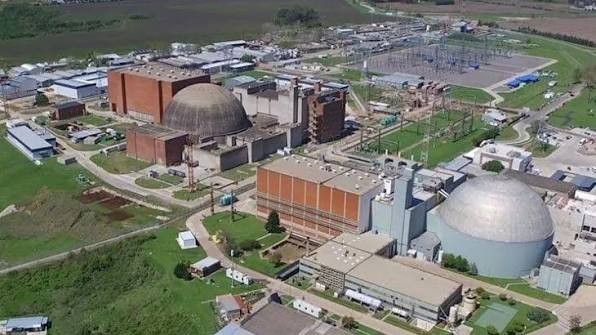
Argentina's Atucha II Nuclear Power Plant Ranks First in National Installed Capacity
Atucha II Nuclear Power Plant is located in Lima, Buenos Aires Province, Argentina, and is part of the Atucha nuclear power plant complex, adjacent to Atucha I, the first nuclear power plant in Latin America. The unit has an installed capacity of 745 megawatts, making it the largest nuclear power unit in Argentina by installed capacity. The recent phase of the Atucha II project's construction process began in 2006, when relevant parties initiated engineering completion work. Unit installation was completed in 2011, followed by a pre-commissioning testing phase during which systems were verified item by item. On June 3, 2014, the Atucha II reactor was first started up. Several weeks later, the plant supplied electricity to Argentina's national grid for the first time, and obtained its commercial operation license in May 2016...
2026-09-02
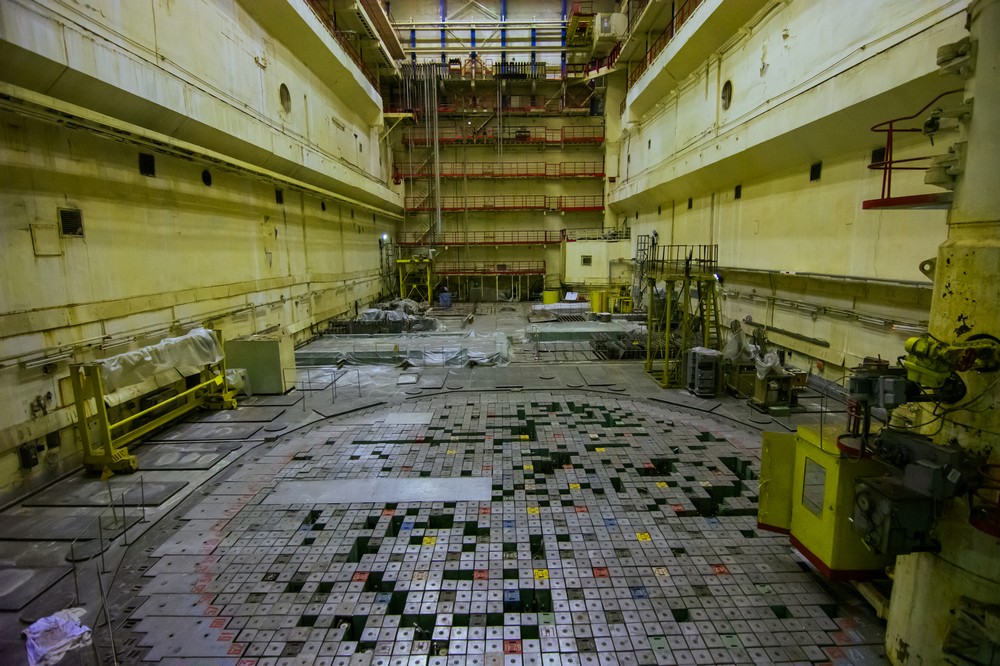
Chornobyl NPP Advances Phase 2 of Decommissioning
The decommissioning of the Chornobyl Nuclear Power Plant (ChNPP) is currently in the second of four phases, with the primary task being the final shutdown and decommissioning preparation of Reactors 1, 2, and 3. To date, ChNPP staff are advancing on-site preparation work within the protected area of the first-stage units. Among these, site preparation for Unit 2 is 94% complete, while Unit 1 stands at 44%. Related work includes dismantling systems and components within the protected area, removing thermal insulation and combustible materials, stripping electrical, signal, and control cables, and sealing wall penetrations, mounting holes, and process openings at the boundary between the protected and controlled areas, as well as installing fire-resistant panels and fire barriers on wall openings and ventilation ducts within the protected area.
2026-09-02
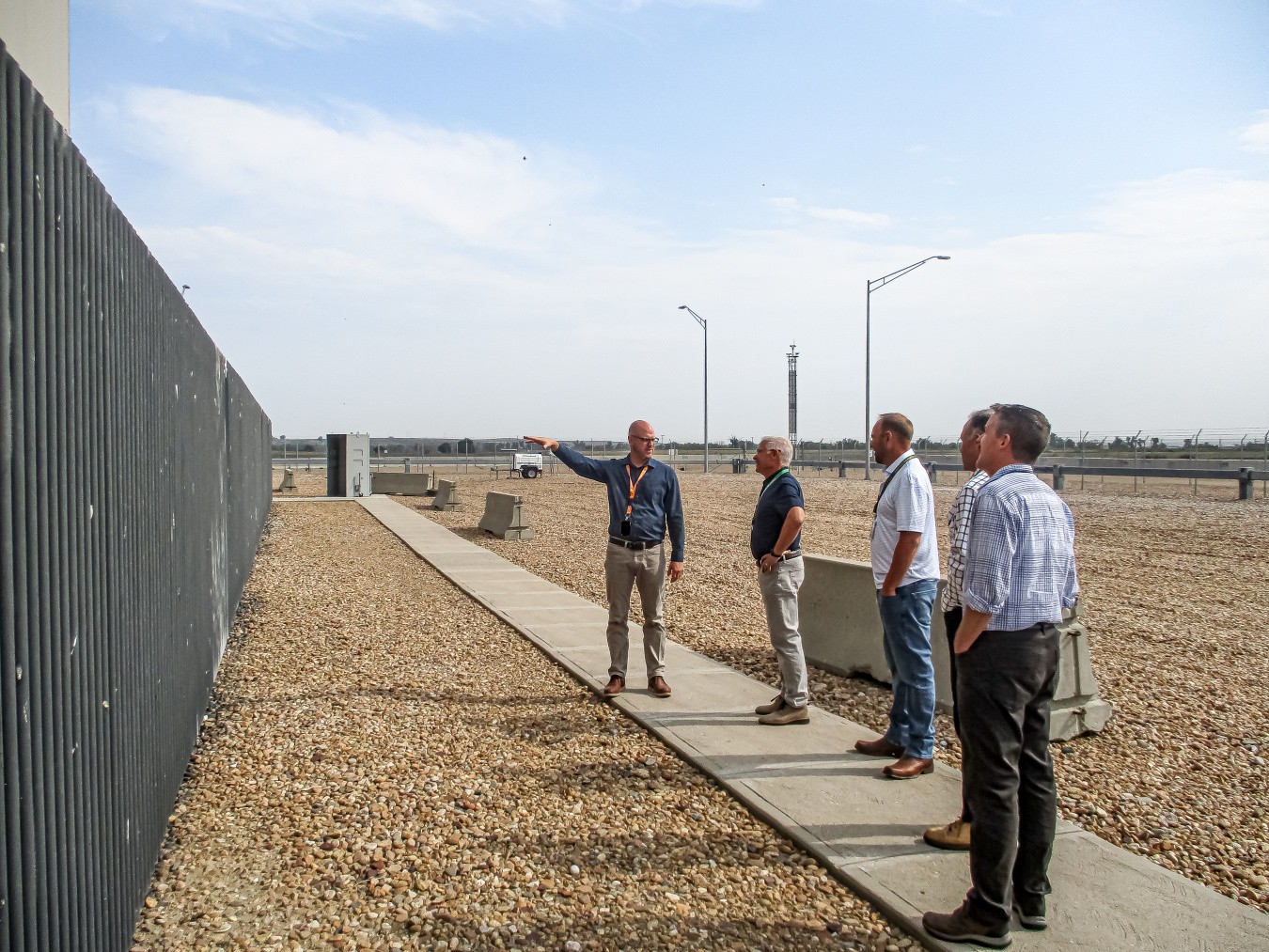
DOE Officials Visit Fort St. Vrain Spent Fuel Storage Facility in Colorado
Tim Walsh, Assistant Secretary of the U.S. Department of Energy's Office of Environmental Management (EM), recently visited the Fort St. Vrain spent nuclear fuel storage facility near Platteville in northern Colorado. The facility is managed by the DOE's Idaho Cleanup Project (ICP) and its contractor, Idaho Environmental Coalition (IEC). During the visit, Walsh inspected the storage facility and multiple supporting buildings to learn about the operational mission and historical background of the Fort St. Vrain facility. The facility currently stores spent nuclear fuel from the former Fort St. Vrain power station, which operated using gas-cooled reactor technology and was shut down in 1979...
2026-09-02

LUX-ZEPLIN Experiment Reports Anomalous Event in Dark Matter Search, More Data Needed for Verification
On September 1, the LUX-ZEPLIN (LZ) dark matter direct detection experiment released a new analysis result: researchers recorded a single-particle interaction event in the data whose characteristics could be interpreted as a Weakly Interacting Massive Particle (WIMP) signal, but the current evidence is insufficient to confirm a dark matter discovery. The LUX-ZEPLIN main detector is shown in a surface laboratory before being installed underground. (Matthew Kapust/Sanford Underground Research Facility) The LZ experiment involves approximately 250 scientists and engineers from 39 institutions, with the detector located nearly one mile underground at the Sanford Underground Research Facility in South Dakota, USA, and managed by the U.S. Department of Energy's Lawrence Berkeley National...
2026-09-02
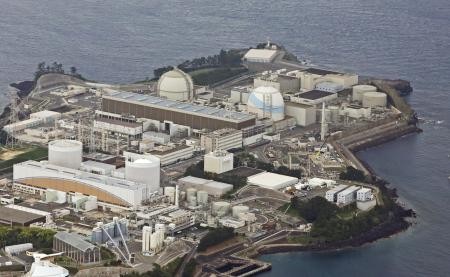
Unit 4 of Japan's Genkai Nuclear Power Plant Receives 72 New Fuel Assemblies
Kyushu Electric Power Co. announced on September 1, 2026, that Unit 4 of the Genkai Nuclear Power Plant has completed the receipt of a batch of new fuel. The new fuel was processed and shipped by Mitsubishi Nuclear Fuel Co., Ltd., with transportation carried out from August 27 to September 1, 2026. According to Kyushu Electric Power, the new fuel delivered to Unit 4 of the Genkai Nuclear Power Plant consists of 72 fuel assemblies, transported in 36 shipping containers via both land and sea routes. Two control rod assemblies were also transported along with this batch of fuel. Fuel used in nuclear power plants...
2026-09-02
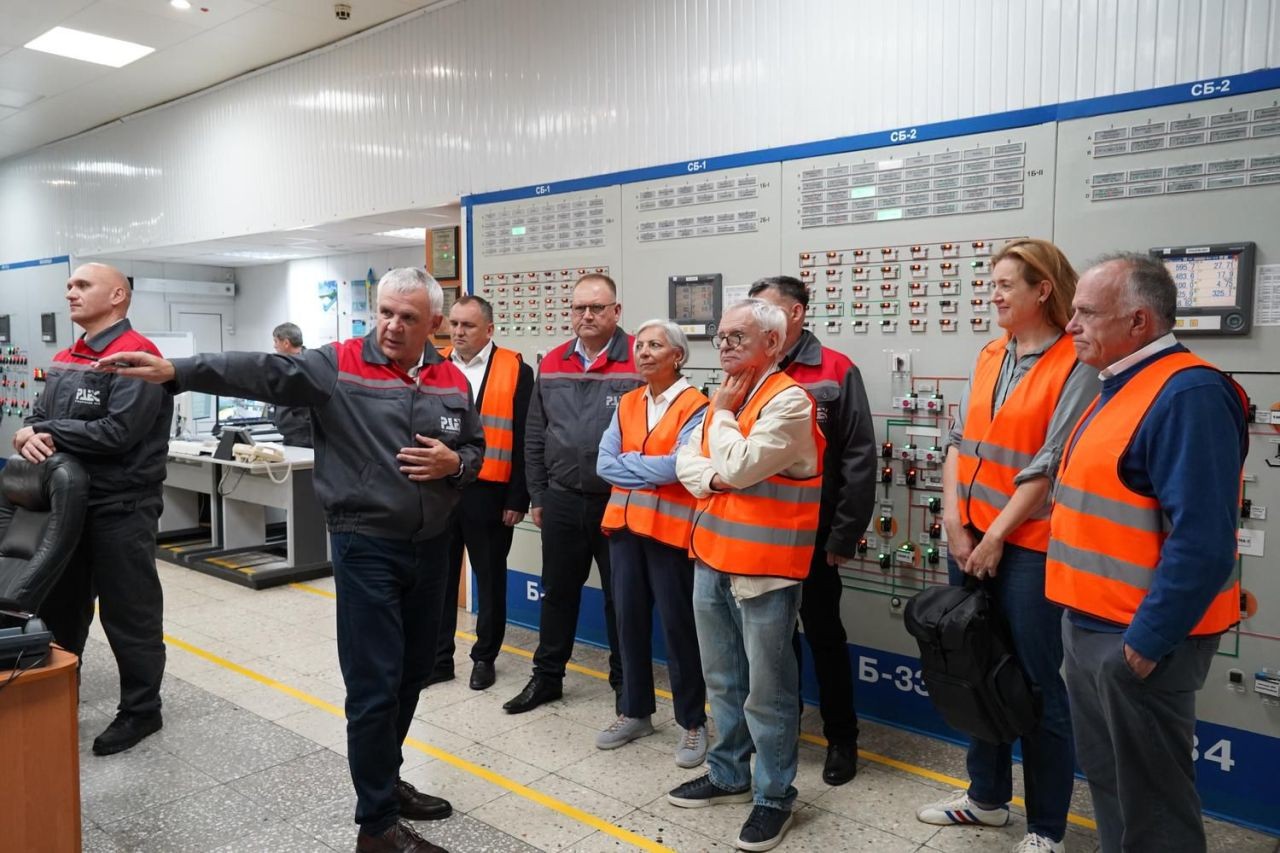
Ukraine's Energoatom Supervisory Board Visits Rivne Nuclear Power Plant
From August 25 to 28, the Supervisory Board of Ukraine's National Nuclear Energy Generating Company (Energoatom) conducted a four-day working visit in Ukraine and inspected the Rivne Nuclear Power Plant. During the visit, the Supervisory Board held meetings with Ukrainian government officials, parliament members, G7 ambassadors, and relevant stakeholders, focusing on the follow-up implementation of corporate governance reforms. The Energoatom Supervisory Board commended the company's preparations for winter operations. Supervisory Board Chair Luminita Vercell stated that Energoatom holds significant strategic importance both now and in the future. She noted that the company has developed a comprehensive winter response plan, with some planned outage maintenance work already completed; upon completion of relevant repairs, the company will be ready for autumn-winter operations. Energoatom has also procured critical spare parts and organized additional emergency preparedness training for its employees.
2026-09-02

U.S. to Conduct Underwater Neutrino Detection Tests in Lake Superior and Vermilion Lake
From October 2026 to approximately April 2027, a team of researchers from U.S. universities and government agencies will conduct underwater neutrino tests in Lake Superior and Vermilion Lake. The project, named the Experimental Neutrino Detector (END), aims to validate a baseline detection system in natural water bodies to identify the NuMI neutrino beam produced by Fermi National Accelerator Laboratory and distinguish it from cosmic-ray backgrounds and other noise in shallow-water environments. END will place underwater neutrino detectors on the lakebed of Lake Superior where the Fermilab neutrino beamline passes through—near Two Harbors, Minnesota. The beamline will continue toward...
2026-09-02