
Search Results
Keyword:nuclear energy cooperation

China-Russia Energy Cooperation Committee Meeting Discusses Cooperation in Nuclear Energy and Other Fields
Ding Xuexiang, Member of the Standing Committee of the Political Bureau of the CPC Central Committee and Vice Premier of the State Council, co-chaired the 23rd meeting of the China-Russia Energy Cooperation Committee with Russian Deputy Prime Minister Novak in Vladivostok on the 4th. Ding Xuexiang stated that President Xi Jinping and President Putin have held multiple meetings this year, conducting in-depth strategic communication and making top-level arrangements, drawing a clear blueprint for upgrading and enhancing China-Russia energy cooperation. Since the 22nd meeting of the China-Russia Energy Cooperation Committee, bilateral energy trade has steadily expanded, landmark major cooperation projects have progressed smoothly, and new progress has been made in clean energy cooperation. China is willing to work with Russia to implement the important consensus of the two heads of state, fully leverage the role of the committee mechanism, and promote...
2026-09-05
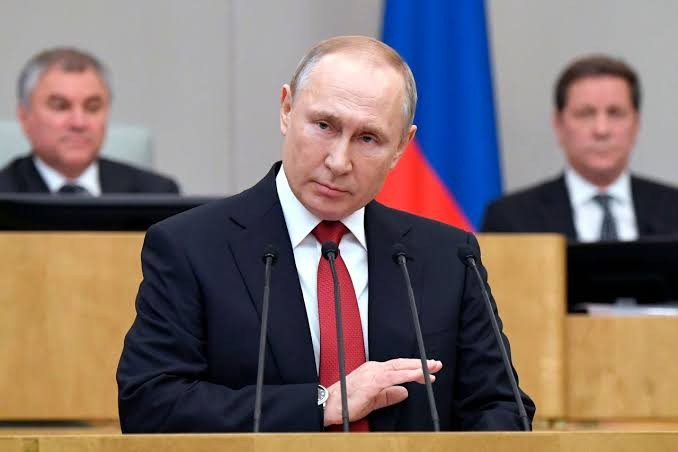
Putin Says Unit 1 of Turkey's Akkuyu Nuclear Power Plant Expected to Start in 2026
Russian President Vladimir Putin stated that he believes Rosatom can start Unit 1 of Turkey's Akkuyu Nuclear Power Plant as scheduled in 2026. According to relevant information, Putin arrived in Kyrgyzstan on August 31 to attend the Shanghai Cooperation Organization summit. On September 1, he held talks with Turkish President Recep Tayyip Erdogan. During the talks, the two sides mentioned cooperation in the energy sector, with the Akkuyu Nuclear Power Plant project being a key focus. Putin stated that the two countries' major joint projects are still progressing, including the well-known Akkuyu Nuclear Power Plant...
2026-09-02
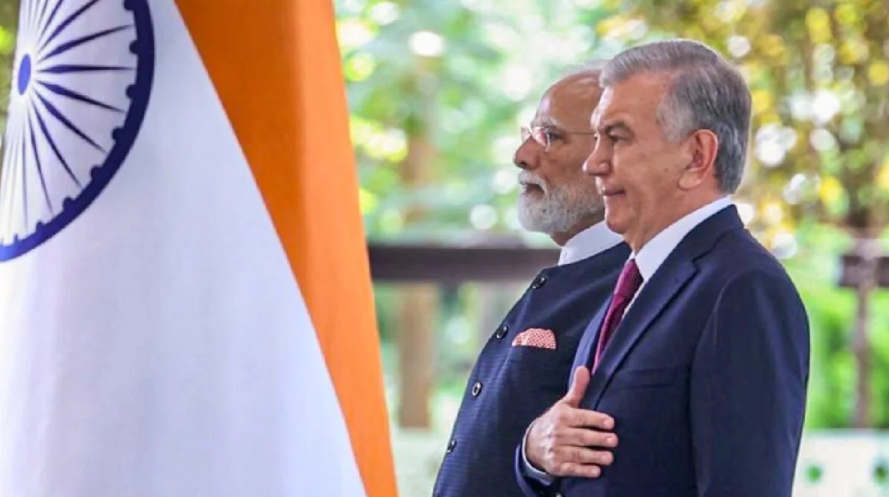
India and Uzbekistan Agree to Establish Long-Term Uranium Supply Arrangement
India and Uzbekistan held leader-level talks in Tashkent on August 30, deciding to elevate bilateral relations to a comprehensive strategic partnership and agreeing to establish an arrangement for long-term uranium supply from Uzbekistan to India, strengthening cooperation between the two countries in the field of civil nuclear energy. Following talks with Uzbek President Shavkat Mirziyoyev, Indian Prime Minister Narendra Modi stated that the two sides would establish a long-term uranium supply arrangement. The specific scale, duration, and implementation mechanism of the arrangement have not yet been announced. India has in recent years continued to diversify its nuclear fuel sources, and Uzbekistan is an important uranium resource country in Central Asia...
2026-08-31
Russia Deepens Nuclear Power Plant Construction Cooperation in Asia and Africa in 2025
Rosatom recently released a report stating that in 2025, the company made progress in cooperation on the construction of large and small nuclear power plants in Asia and Africa, further consolidating its position as a global technology partner. The report noted that by the end of 2025, Rosatom's offerings to partner countries had expanded beyond the energy sector to encompass more comprehensive technological cooperation. Key achievements include advancing cooperation on large nuclear power plants and small modular reactor projects in Central Asia, Africa, and Southeast Asia, as well as expanding exports of non-energy products. In the non-energy sector, the report mentioned that Rosatom has opened an additive manufacturing center in Belarus and plans to...
2026-08-30
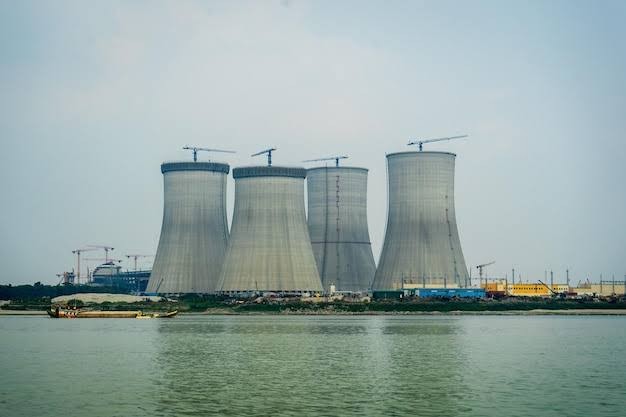
Bangladesh Science and Technology Minister Meets Russian Delegates to Advance Rooppur Nuclear Power Plant Grid Connection
Bangladesh Science and Technology Minister Fakir Mahbub Anam met with Andrey Rozhdestvin, General Director of Rosatom Energy Projects JSC, a subsidiary of Russia's Rosatom, in Washington, D.C., USA, on August 27. The two sides held bilateral talks on the construction progress of the Rooppur Nuclear Power Plant and subsequent grid connection arrangements. The discussions focused on the overall construction progress of the Rooppur Nuclear Power Plant, acceleration of remaining work, and the technical and coordination measures required to deliver power from the unit to Bangladesh's national grid as soon as possible while adhering to established procedures...
2026-08-28
South Korea Joins IAEA-Facilitated International Framework ATLAS for Maritime Nuclear Energy Cooperation
The international cooperation framework for maritime nuclear energy, ATLAS, led by the International Atomic Energy Agency (IAEA), has recently been launched. The framework aims to promote international discussions on safety, security, safeguards, and legal and regulatory standards concerning nuclear applications in the maritime sector, including nuclear-powered ships and floating nuclear power plants. A South Korean government delegation attended the launch event held in Washington, D.C., on August 26-27 (local time). South Korea's Ministry of Science and ICT (MSIT) stated that with the development of next-generation nuclear technologies such as small modular reactors, the international shipping industry is increasingly focusing on utilizing nuclear energy for ship propulsion and offshore power supply, with a view to exploring new technological pathways toward carbon neutrality.
2026-08-27
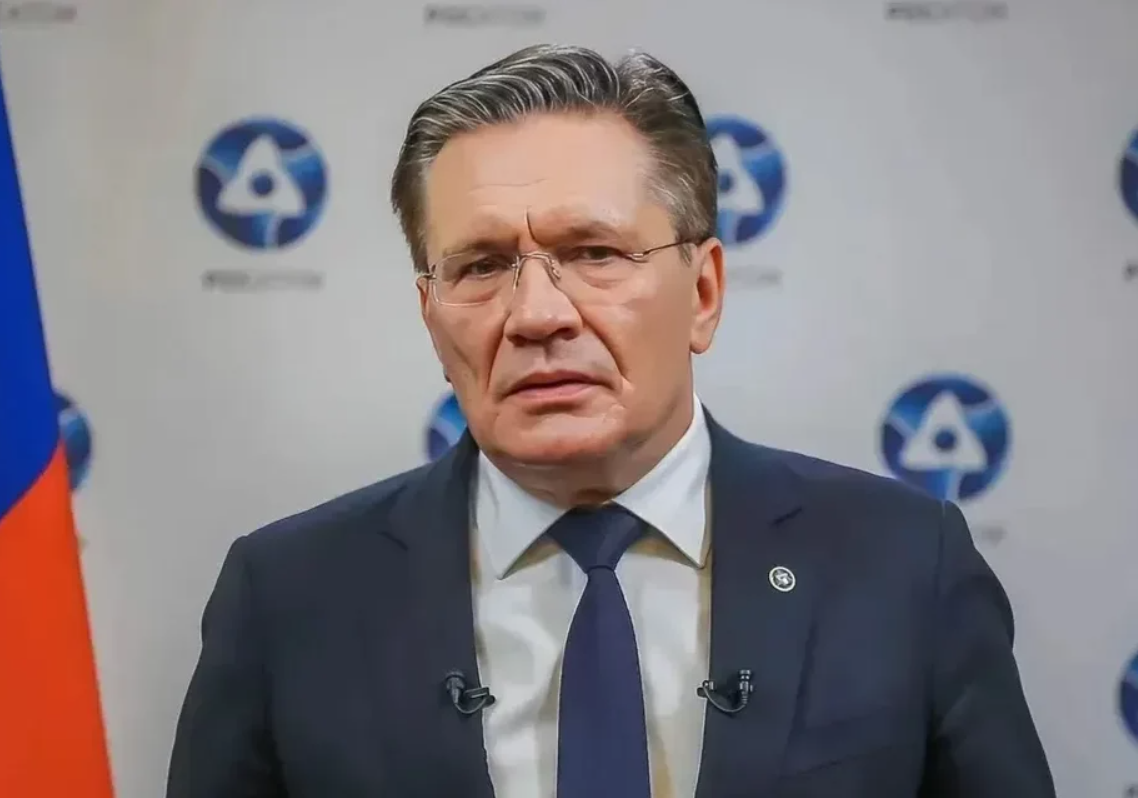
Egypt and Rosatom Consult on Expanding Nuclear Energy Cooperation
Egypt's Minister of Electricity and Renewable Energy, Mahmoud Mostafa Esmat, stated that Egypt will hold regular consultations with Russia's Rosatom on cooperation in nuclear energy and related fields, with meetings potentially taking place in either Egypt or Russia. Esmat said he would maintain regular meetings with Rosatom Director General Alexey Likhachev to exchange updates on the construction and commissioning progress of the El Dabaa nuclear power plant project and discuss directions for expanding cooperation. Currently, both sides are studying the addition of new units at the El Dabaa nuclear power plant, the construction of seawater desalination facilities, and the expansion of other areas of cooperation...
2026-08-26
Russia and India to Advance Cooperation in Nuclear Energy and Other Fields
Russian President Vladimir Putin said at a meeting with Indian Foreign Minister Subrahmanyam Jaishankar in Moscow on August 24 that Russia has identified energy, nuclear energy, and high-tech as key areas of bilateral cooperation with India, with relevant topics steadily advancing on the bilateral agenda. Putin stated that Russia and India maintain cooperation across multiple fields, and bilateral trade volume has grown this year. During the talks, he mentioned that issues such as energy, fertilizer supply, nuclear energy, and high-tech cooperation have been discussed under the India-Russia intergovernmental mechanism. Earlier that day, Jaishankar co-chaired the 27th session of the India-Russia Intergovernmental Commission on Trade, Economic, Scientific, Technological and Cultural Cooperation (IRIGC-TEC) with Russian First Deputy Prime Minister Denis M...
2026-08-25
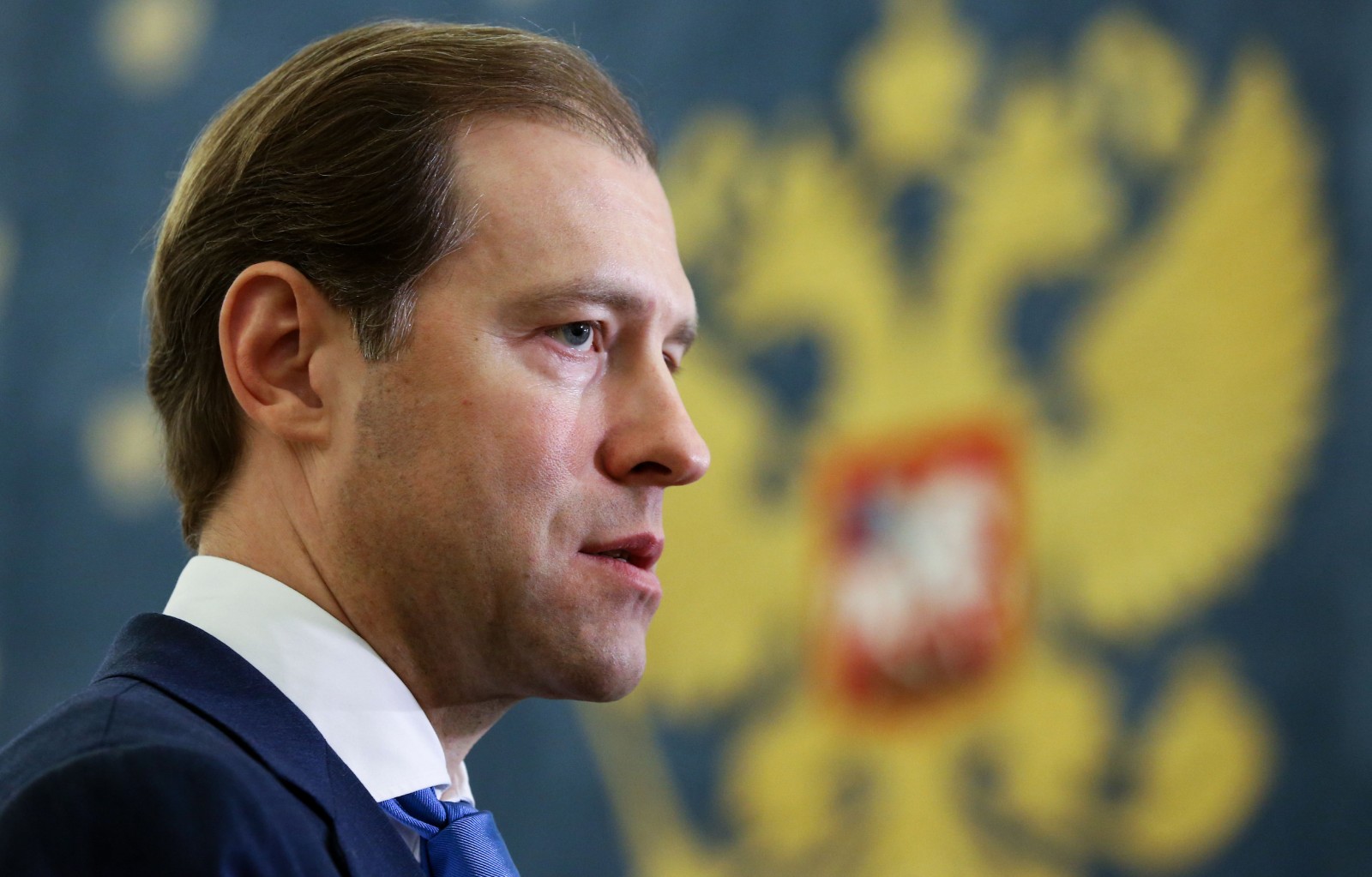
Russia to Expand Nuclear Energy Cooperation with India
Russia's First Deputy Prime Minister Denis Manturov said on August 24 that the cooperation experience of Russia's State Atomic Energy Corporation (Rosatom) in participating in the construction of India's Kudankulam Nuclear Power Plant has laid the foundation for further deepening cooperation between Russia and India in the nuclear energy sector. Manturov stated at a meeting of the Russian-Indian Intergovernmental Commission on Cooperation that the successful cooperation on the Kudankulam Nuclear Power Plant project has created conditions for expanding the scope of bilateral cooperation. Future cooperation directions may include the construction of new power generation facilities in India, including small nuclear power facilities, as well as promoting the localization of equipment and nuclear fuel production in India. The Kudankulam Nuclear Power Plant project...
2026-08-25
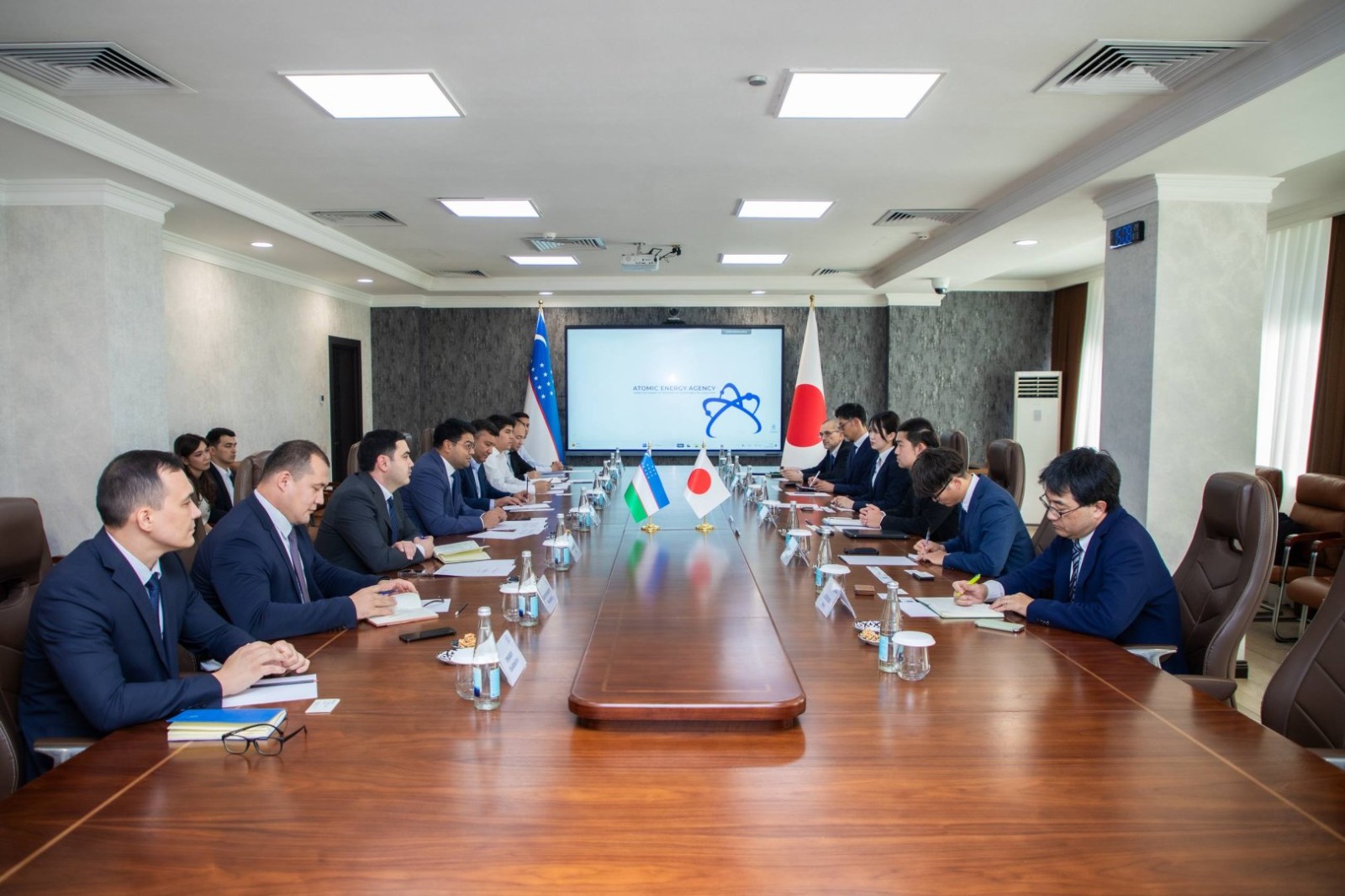
Uzbekistan and Japan Discuss Expanding Cooperation in Peaceful Uses of Nuclear Energy
The Atomic Energy Agency of Uzbekistan recently held talks with a Japanese delegation, with both sides exchanging views on expanding cooperation in the peaceful uses of nuclear energy, focusing on nuclear technology, joint projects in related industries, and energy security cooperation. The Japanese delegation comprised representatives from Japan's Ministry of Economy, Trade and Industry (METI), the Japan Organization for Metals and Energy Security (JOGMEC), and ITOCHU Corporation, led by Abe Yoshimitsu, Deputy Director of the Nuclear Energy International Cooperation Office at METI. During the talks, both sides explored possibilities for advancing cooperation in nuclear technology applications, collaboration in related industries, and experience exchange. The Japanese side expressed its willingness to continue dialogue with Uzbekistan in the peaceful uses of nuclear energy on the basis of mutual respect and common interests, and to promote practical cooperation. The Atomic Energy Agency of Uzbekistan (Uzatom) stated that it would continue to expand international cooperation with countries and organizations possessing experience in the peaceful application of nuclear technology. Uzbekistan and Japan already have a foundation for cooperation in the nuclear energy and uranium resource sectors. ITOCHU Corporation previously signed a uranium concentrate supply agreement with Navoi Mining and Metallurgy Combinat, and JOGMEC has also been involved in the development of uranium deposits in Uzbekistan. In December 2025, during Uzbek President Shavkat Mirziyoyev's visit to Japan, both sides confirmed directions for expanding cooperation, including the export of critical minerals and the introduction of advanced technologies. The current talks continue the momentum of bilateral cooperation in the energy and resource sectors.
2026-08-14
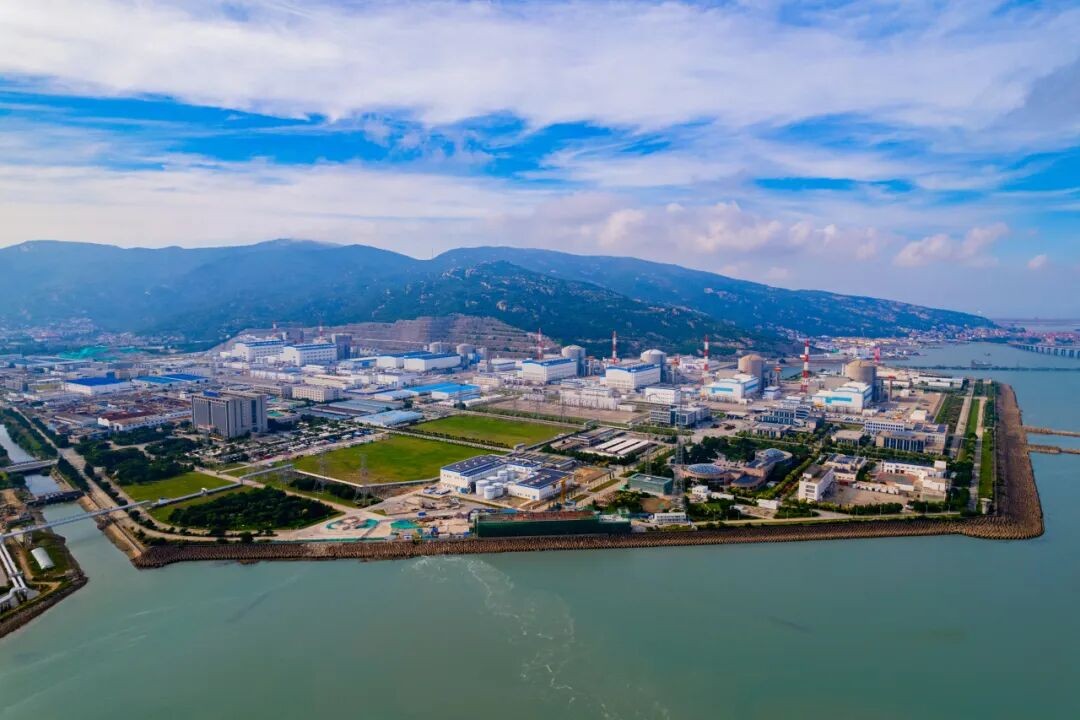
First Fuel Loading Officially Begins at Tianwan Nuclear Power Plant Unit 7
On August 12, as the first fuel assembly was precisely and safely loaded into its designated position in the reactor core, the first fuel loading officially began at Unit 7 of the Tianwan Nuclear Power Plant, which is invested and controlled by China National Nuclear Corporation (CNNC)'s China Nuclear Power. This marks a solid foundation for subsequent reactor criticality and commercial operation. First fuel loading is the core procedure of implanting the "energy heart" into a nuclear reactor. As a key milestone in the full lifecycle of nuclear power construction, it not only serves as a comprehensive test of the unit's years of engineering construction quality, system commissioning level, and safety management capability, but also represents the critical starting point for the unit's nuclear-powered operation. It is understood that this fuel loading is the first-ever loading for a VVER-1200 unit in China, requiring a total of 163 nuclear fuel assemblies to be loaded...
2026-08-12
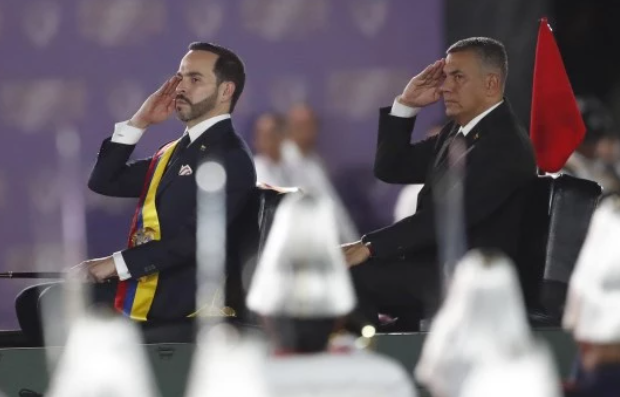
U.S. Plans $1 Billion Security Assistance to Colombia, Civil Nuclear Energy Added to Bilateral Cooperation List
The U.S. Department of State announced on August 8 that it plans to provide $1 billion in security assistance to Colombia to support the security policies of the new administration of President Abelardo de la Espriella. The assistance package is viewed by the Trump administration as a core component of the "renewed alliance" between the U.S. and Colombia, and will be advanced in coordination with Congress. The State Department framed the assistance plan within the context of a "new chapter" in bilateral relations, while also proposing deeper economic cooperation in areas such as energy, critical minerals, infrastructure, technology, and civil nuclear energy. Compared to the previous tensions between Trump and former Colombian President Gustavo Petro over immigration and security issues, de la Espriella's...
2026-08-10
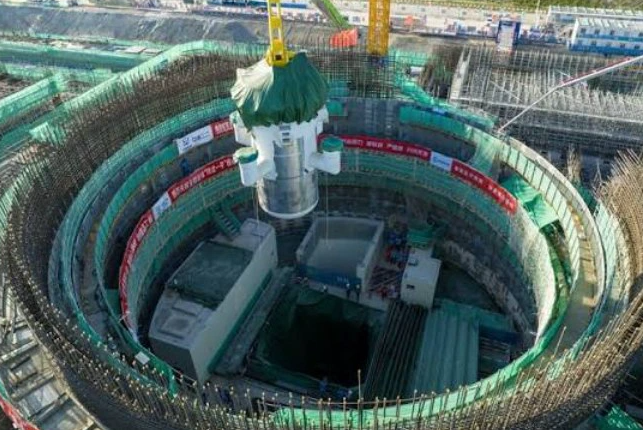
Russia Offers Brazil Nuclear Technology Cooperation and Small Modular Reactor Projects, Including Floating Nuclear Power Plants and Arctic/Antarctic Scientific Research
During his visit to Brazil, Nikolai Patrushev, aide to the Russian President and head of Russia's Maritime Board, proposed cooperation initiatives involving nuclear energy, scientific research, and maritime security to the Lula administration. This agenda indicates that Brazil continues to pursue a relatively autonomous diplomatic approach in its relations with major powers, while seeking to expand external cooperation space in areas such as energy transition, defense technology, and protection of maritime rights. In the nuclear energy sector, the Russian side focused on promoting small nuclear reactors and low-power nuclear technologies, including the Elena-M small nuclear power plant and floating offshore power generation units. The Russian side described these technologies as capable of long-term operation, relatively cost-effective...
2026-08-08

Argentina and Ecuador Sign Six Cooperation Agreements, Including Peaceful Use of Nuclear Energy Cooperation
Argentine President Javier Milei and Ecuadorian President Daniel Noboa held a bilateral meeting at the Carondelet Palace in Quito on August 7, signing six cooperation agreements. The agreements cover trade, nuclear energy, air transportation, judicial cooperation, cyber defense, and marine resource protection, indicating that the two countries are attempting to establish a closer cooperation framework on security and economic issues. Energy and technological cooperation was also a key component of the meeting. The two sides signed a cooperation agreement on the peaceful use of nuclear energy, emphasizing the promotion of nuclear applications in civil fields through exchanges between scientific research institutions, technical cooperation, and joint research and development projects. Such cooperation helps enhance...
2026-08-08
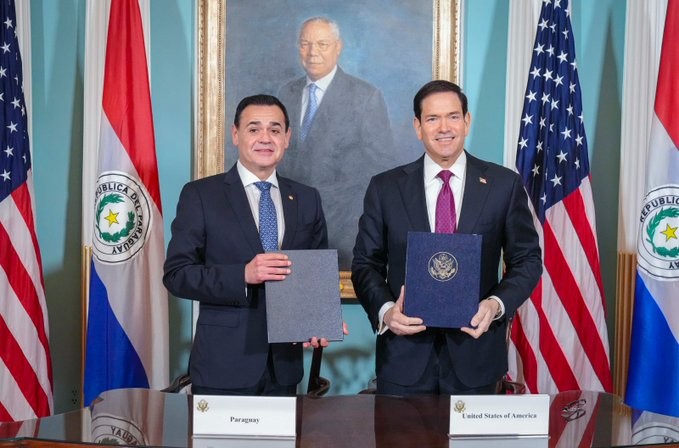
U.S. and Paraguay Sign Civil Nuclear Energy Cooperation Agreement
U.S. Secretary of State Marco Rubio and Paraguayan Foreign Minister Ruben Ramirez Lezcano signed a strategic civil nuclear energy cooperation memorandum of understanding in Washington on August 4. According to relevant information, the two sides signed what is commonly referred to as the "123 Agreement," which establishes the basic framework for bilateral cooperation in the field of civil nuclear energy. The 123 Agreement originates from Section 123 of the U.S. Atomic Energy Act, passed in 1954. This provision authorizes the United States to transfer civil nuclear technology for energy or scientific purposes to partner countries under specific conditions. As a prerequisite, the recipient country must comply with International Atomic Energy...
2026-08-05