
Search Results
Keyword:nuclear power plant operation
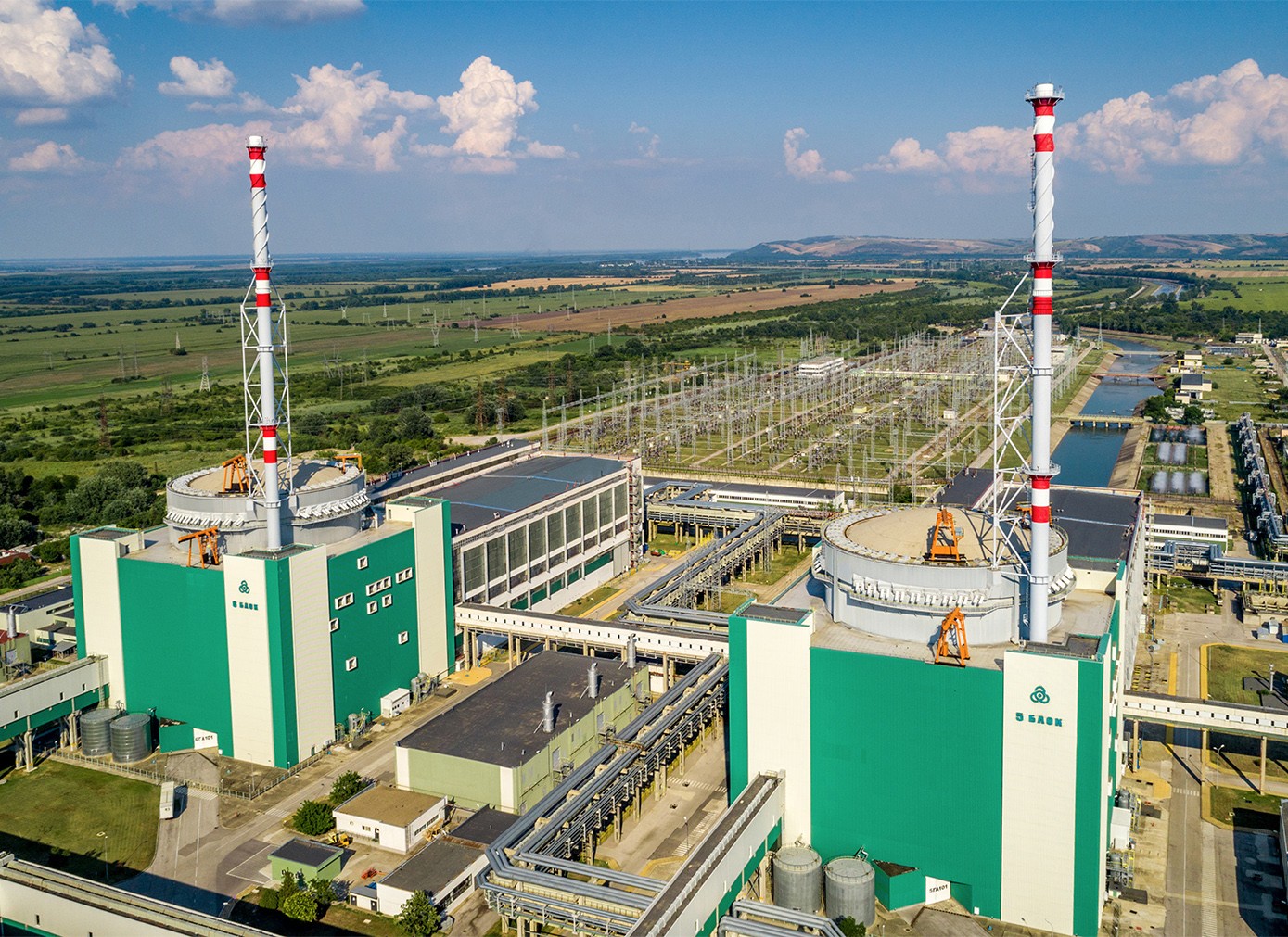
Bulgarian Energy Minister Calls for Coordinated Response to Low Danube Water Levels
Bulgarian Energy Minister Eva Petrova stated at a meeting of the National Assembly's Energy Committee in Sofia on September 2 that persistently low water levels in the Danube River have impacted the operation of nuclear power plants along its banks. While countries have taken individual response measures, there remains a need to strengthen coordination at the regional level. Petrova said the Danube is currently at extremely low water levels, leading to reduced electricity generation at nuclear power plants along the river, including Bulgaria's Kozloduy Nuclear Power Plant. She noted that relevant forecasts indicate such severe conditions may become more frequent in the future. She explained that the Kozloduy Nuclear Power Plant has...
2026-09-03

KHNP Holds Executive Forum to Discuss Future Nuclear Power Strategies
On August 31, Korea Hydro & Nuclear Power (KHNP) held an executive forum at its headquarters, with approximately 50 key executives in attendance to discuss the company's future vision and mid-to-long-term management direction. The meeting was designed to allow KHNP President Kim Hoi-tyun to share insights gained from his recent on-site management and inspections of domestic and international business operations, and to discuss the company's next-phase development priorities based on these findings. Agenda items included the application of artificial intelligence in the nuclear energy sector, enhancement of nuclear power plant operational capabilities, and strategic directions for the future small modular reactor (SMR) market. Participants assessed the company's existing business foundation and internal ca...
2026-09-01

Finland's 2025 Environmental Radiation Monitoring Shows No Harmful Effects from Nuclear Power Plant Operations
The 2025 environmental radiation monitoring results released recently by the Radiation and Nuclear Safety Authority of Finland (STUK) show that radioactive substance levels in the Finnish environment generally remained low, and the operation of the Loviisa and Olkiluoto nuclear power plants has not caused harmful radiation impacts on the public or the environment. STUK continuously tracks Finland's radiation situation through its environmental radiation monitoring program. The monitoring includes continuous measurement of external radiation, as well as monitoring of radioactive substances in air, radioactive fallout, water bodies, food, and the human body, with the aim of promptly detecting changes in radiation levels and confirming the safety of the living environment. Finland's automatic external radiation monitoring network covers essentially the entire country. In 2025, 255 monitoring...
2026-08-31

Qinshan Nuclear Power Receives On-Site Visit for WANO Enhanced Performance Monitoring and Achieves Highest Rating
Recently, experts from the World Association of Nuclear Operators (WANO) Tokyo Center and Shanghai Office visited Qinshan Nuclear Power to conduct an on-site Enhanced Performance Monitoring (ePM) assessment for its nine units. Based on a comprehensive evaluation, the WANO on-site visit team unanimously concluded that Qinshan Nuclear Power has demonstrated steady overall performance improvement in recent years and currently operates at the industry's highest "benchmark" level, with expectations that performance across key areas will remain stable or continue to improve over the next six months. Additionally, WANO experts conducted follow-up evaluations on selected Areas for Improvement (AFIs) and Significant Operating Experience Report (SOER) recommendations arising from the 2025 WANO peer review of Qinshan Nuclear Power's nine units, deeming the overall results satisfactory. At a summary meeting held on August 20...
2026-08-22
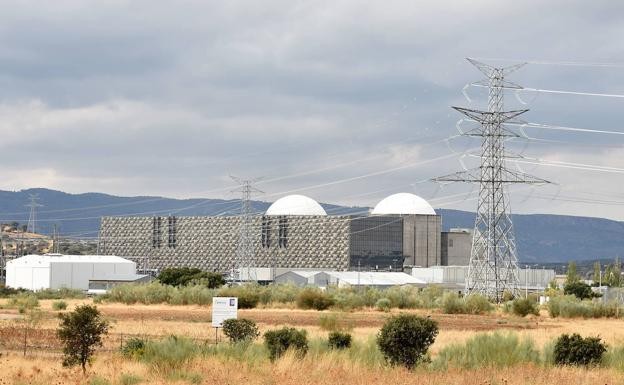
Spain Extends Almaraz Nuclear Power Plant Operation to June 2030
The Spanish government has issued an order in the official gazette extending the operation of the Almaraz nuclear power plant to June 2030. Under Spain's previously established nuclear phase-out schedule, the two units at Almaraz were originally slated to begin decommissioning in 2027 and 2028, respectively. The document indicates that this extension does not alter the decommissioning plans for Spain's other nuclear plants. Spain plans to gradually shut down its five domestic nuclear plants by 2035. However, some analysts believe that, influenced by actual decommissioning arrangements and power system demands, other nuclear plants may also receive life extensions in the future. In April of this year, a large-scale blackout occurred in Spain and Portugal, sparking external...
2026-08-15
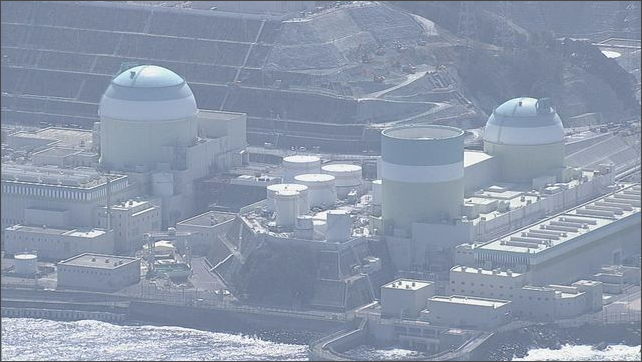
Ikata Nuclear Power Station Reports 5 Notifiable Events in July, None Causing Radiological Environmental Impact
Shikoku Electric Power Co. reported on August 10 that the five events reported to Ehime Prefecture, Ikata Town, and relevant local governments from the Ikata Nuclear Power Station in July 2026 did not fall under legally required reporting events and caused no radiological impact on the environment. The five events were as follows: On July 3, an employee of a partner company at the Ikata Nuclear Power Station experienced physical discomfort at an office location in a non-controlled area and was transported by ambulance at 17:18 that day. The employee was conscious at the time and experienced no radiation exposure or radioactive contamination. On July 16, during the decommissioning process of Unit 2 at the Ikata Nuclear Power Station, seawater leakage was discovered at the flange of the seawater outlet pipe of emergency diesel generator 2B in the reactor auxiliary building. After maintenance personnel determined that a detailed inspection of the flange was required, the leak point was isolated, and the leakage was confirmed to have stopped at 15:38 that day. The maximum estimated volume of leaked seawater was approximately 7 cubic meters, all of which was recovered in the floor drain sump within the building and did not flow outside. Subsequent inspection revealed a through-hole approximately 7 mm in diameter at the flange, and the station replaced the flange and confirmed water flow integrity, restoring normal conditions at 14:05 on July 17. This event did not affect the unit or cause radiological environmental impact, and further investigation into the cause will be conducted.
2026-08-10

Russian nuclear power plants generate 129.6 billion kWh of electricity this year
Alexey Likhachev, CEO of Rosatom, recently stated that since the beginning of this year, Russian nuclear power plants have generated a cumulative total of 129.6 billion kWh of electricity, exceeding the target set by the Federal Antimonopoly Service of the Russian Federation by 7.8%. Likhachev noted that Russia is currently in its summer peak electricity consumption period, and nuclear power plants across the country are operating normally overall, with stable power generation and all safety requirements being met. He stated that hot weather does require operating entities to pay greater attention to cooling and heat reduction measures, but this is a seasonal factor that must be addressed in nuclear power plant operations. He pointed out that Russian nuclear power plants have fully considered different climatic conditions during their design and operation phases...
2026-08-08

Low Danube Water Levels Impact Nuclear Power Plant Operations in Romania and Hungary
On August 4, amid persistently low Danube River water levels, Romania was rushing to build temporary dikes to divert more river water toward the Cernavodă Nuclear Power Plant to secure cooling water for its remaining operational reactor. Meanwhile, Hungary stated that the only still-operating turbine unit at the Paks Nuclear Power Plant was running in a safe condition. Both Hungary's Paks Nuclear Power Plant and Romania's Cernavodă Nuclear Power Plant rely on Danube River water for cooling. Recently, the Danube's water level dropped to historic lows, leading to a significant decline in nuclear power output in both countries. Budapest and Bucharest have had to increase electricity imports and call on residents and businesses to reduce consumption to ease grid pressure...
2026-08-05

Hungary's Paks Nuclear Power Plant may fully resume operations in about a week
Hungarian authorities stated that if weather forecasts hold true, rainfall in the Danube basin areas of Austria and Germany on Thursday will raise river water levels, and the Paks Nuclear Power Plant may fully resume operations in about a week. Hungarian Prime Minister Péter Magyar said on social media that if meteorological and hydrological calculations are accurate and significant precipitation occurs in the relevant Danube basin regions, water levels are expected to rise to the level required for plant operation. At that point, the turbines and units at the Paks Nuclear Power Plant can be restarted. Located along the Danube River in Hungary, the plant's unit operations are closely linked to river hydrological conditions...
2026-08-05
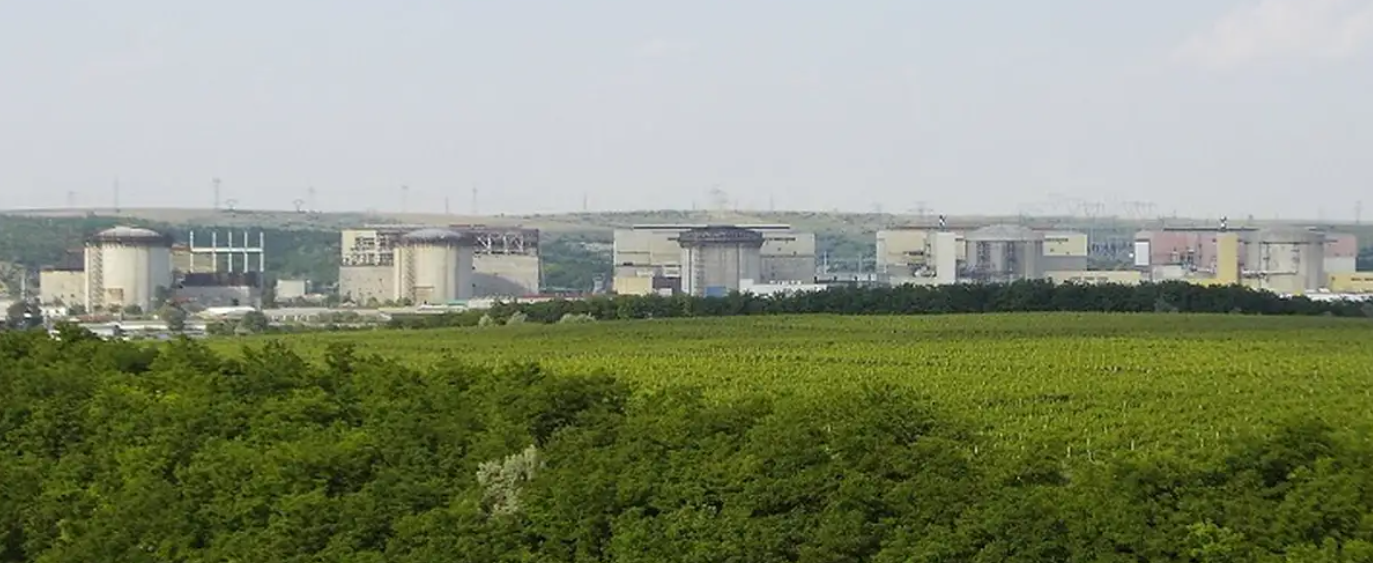
Danube Water Levels Continue to Drop, Putting Pressure on Romania's Cernavodă Nuclear Power Plant Operations
Romanian official Sorin Lindasu said on August 1 that if the Danube River water level continues to decline, the Cernavodă Nuclear Power Plant in Constanța County, southeastern Romania, may only be able to continue operating for 4 to 5 days. To ensure the water level required for continuous plant operation, relevant parties have begun implementing hydraulic engineering works on the Danube. Lindasu stated that the Danube water level is currently dropping at a rate of about 2 to 3 centimeters per day. A flow rate of 1,590 cubic meters per second has been recorded at the Baziaș inlet where the Danube enters Romanian territory, and this figure is expected to continue declining, potentially falling to about 1,450 cubic meters per second by August 7. Under these conditions, Cernavodă...
2026-08-03

Russia Suspends Payments to Nuclear Agency, Redirects Funds to Rosatom
The Russian government has decided to continue suspending membership fee payments to the Nuclear Energy Agency (NEA) under the Organisation for Economic Co-operation and Development (OECD), redirecting the funds to Rosatom, Russia's state atomic energy corporation. According to the latest resolution, approximately 61.3 million rubles (equivalent to nearly $773,500) originally allocated for the 2026 NEA membership fees will be reallocated to Rosatom. This marks the second consecutive year Russia has failed to fulfill its financial obligations to the agency. As early as 2025, Moscow had already ceased paying membership fees, following the suspension of its membership. Russia's membership in the OECD Nuclear Energy Agency was suspended in May 2022, which occurred following the...
2026-08-01
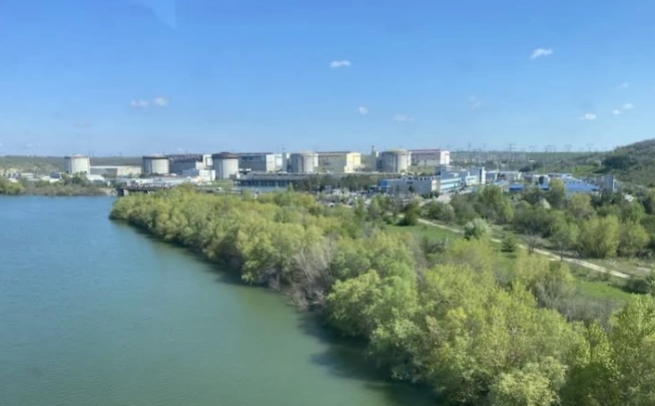
Romanian Army Deploys on the Danube to Protect Nuclear Power Plant Operations
The Romanian Ministry of National Defense announced that the Romanian Army has been mobilized to protect the operation of the Cernavodă Nuclear Power Plant and conduct hydrographic measurements on the Danube River. The Ministry stated that this measure was taken in response to the current critical situation on the Danube to ensure the safe operation of the nuclear power plant. The military action aims to obtain the technical data required for the construction of a mobile weir that will redirect a portion of the Danube's flow into the Old Danube. Naval forces are conducting measurements at kilometers 345 to 346 of the Danube, in the area where the Bala branch converges, to determine the parameters needed for implementing the weir. Military experts are analyzing the riverbed and water depth, and transmitting the collected data to the relevant administrative authorities. The Ministry emphasized that these measures...
2026-08-02