
Search Results
Keyword:nuclear talent development
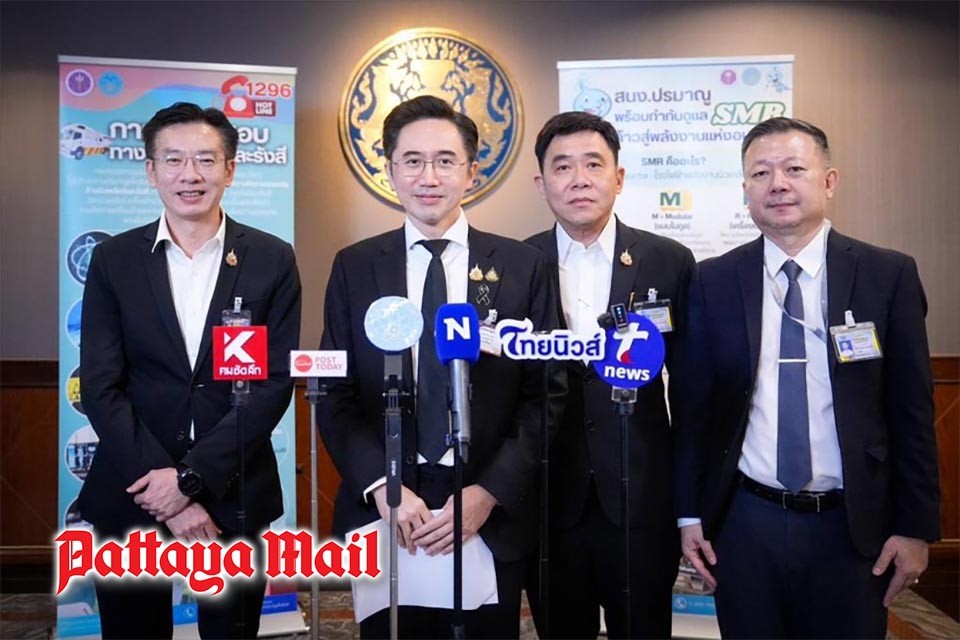
Thailand Advances SMR Regulatory Preparedness to Strengthen Energy Security
On September 8, 2026, Thailand's Deputy Prime Minister and Minister of Higher Education, Science, Research and Innovation, Yodchanan Wongsawat, chaired the second meeting of the Nuclear Energy for Peace Committee in 2026 at Government House. The meeting discussed Thailand's long-term nuclear energy strategy and preparatory work on the regulatory framework, talent development, and industrial supply chain for Small Modular Reactors (SMRs). The Thai government emphasized that these efforts constitute preliminary capacity building and do not imply a decision to construct nuclear power plants. The meeting approved an SMR regulatory policy framework, which draws on relevant standards of the International Atomic Energy Agency (IAEA)...
2026-09-09
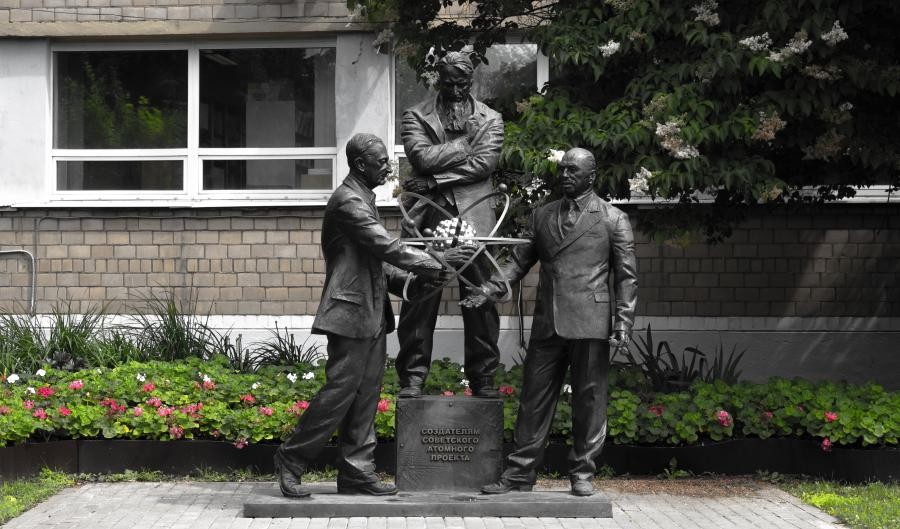
Russia Marks 81 Years Since the Birth of Its Nuclear Industry: From the Soviet Nuclear Program to Modern Nuclear Talent Development
On August 20, 1945, the founding documents establishing the Special Committee and the First Main Directorate under the Council of People's Commissars of the USSR were officially signed, generally regarded as the starting point of the Soviet nuclear industry system. Eighty-one years later, Russia's nuclear energy community once again looks back at this historical milestone, linking it to nuclear science and technology development and talent cultivation. In August of that year, after the United States used atomic bombs on Hiroshima and Nagasaki, the Soviet Union accelerated the establishment of its own nuclear research and industrial system. On August 29, 1949, the Soviet Union completed the RDS-1 nuclear test. Thereafter, Soviet nuclear science gradually extended from military applications to peaceful uses, building the world's first grid-connected nuclear power plant and developing a fleet of nuclear-powered icebreakers. The establishment of the nuclear industry system also drove...
2026-08-21
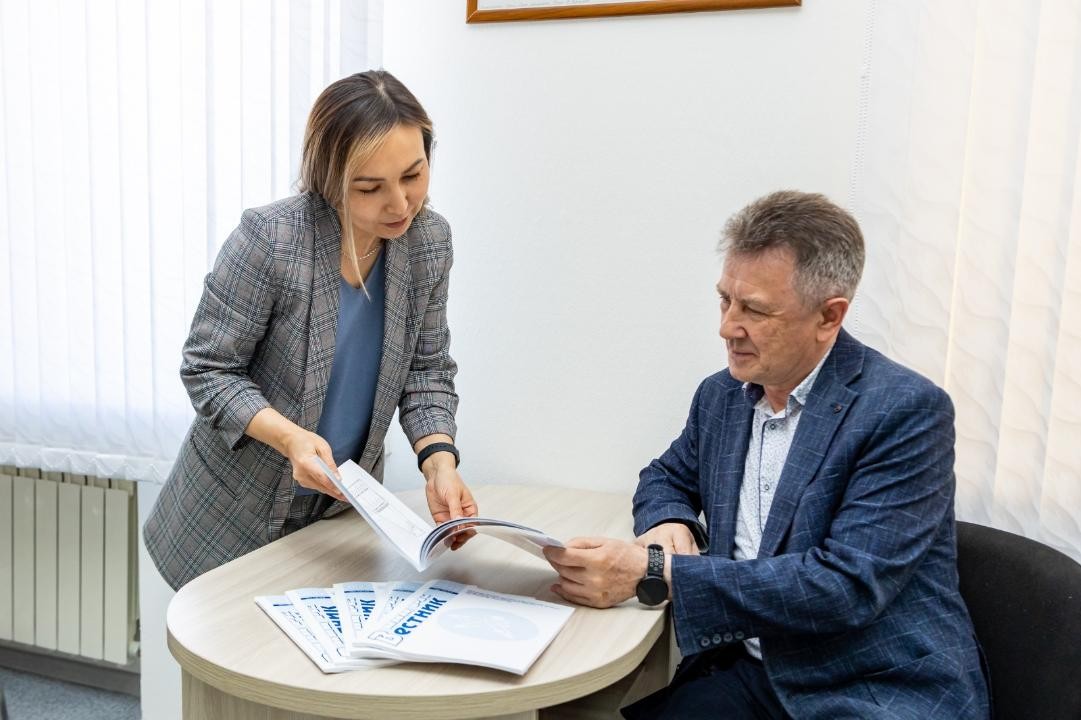
Kazakhstan's National Nuclear Center Advances Full-Chain Nuclear Talent Development
On August 7, the National Nuclear Center of the Republic of Kazakhstan (NNC RK) presented the status of its human resource development system in the field of atomic energy. Alua Mirzagazkyzy Kabdrakhova, scientific secretary of the center, stated that the modern nuclear energy industry is highly dependent on scientific research and engineering capabilities, and that talent development must begin with early career guidance and continue throughout higher education, research practice, and professional career development. According to the center's plan, nuclear talent development is first directed at secondary school students. The National Nuclear Center holds an annual summer school for young physicists and organizes student visits to research and technical facilities, helping high school students understand modern science,...
2026-08-09
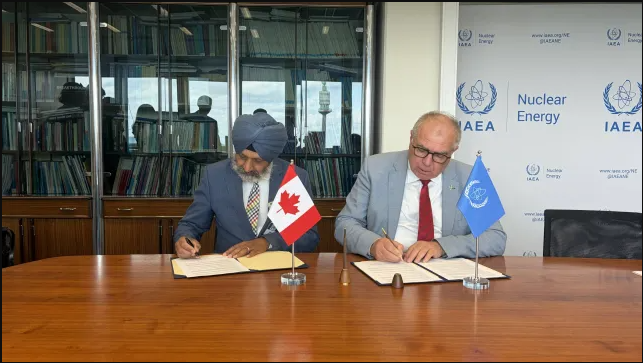
IAEA and University of Saskatchewan Sign Agreement to Strengthen Nuclear Talent Development
The International Atomic Energy Agency (IAEA) and the University of Saskatchewan recently signed a "Practical Arrangement" to enhance cooperation in nuclear knowledge management, nuclear energy education, research support, and talent development. The agreement was signed on July 24 at IAEA headquarters. Baljit Singh, Vice-President of the University of Saskatchewan, and Mikhail Chudakov, IAEA Deputy Director General and Head of the Department of Nuclear Energy, signed the "Practical Arrangement" on July 24 at IAEA headquarters. (Photo: IAEA) Under the agreement, the two parties will collaborate through training workshops, expert missions, and educational material development...
2026-07-30