
Search Results
Keyword:radioactive waste
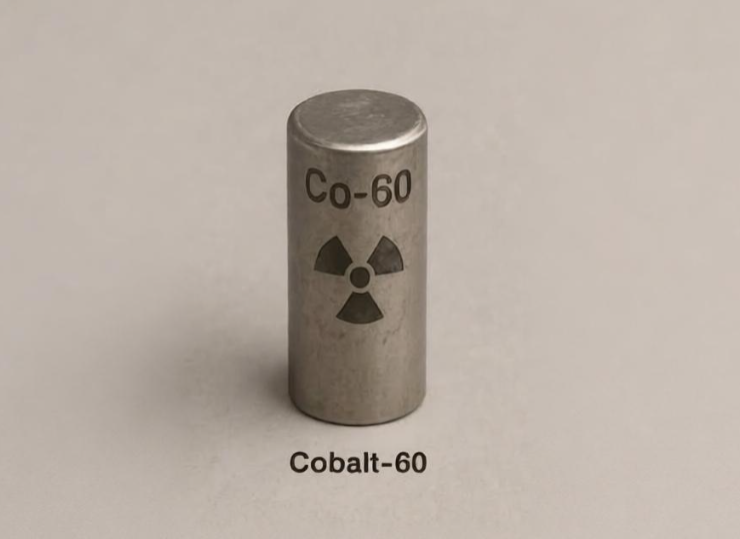
A Category IV Cobalt-60 (Co-60) radioactive source retired in Huangshi
Recently, under the coordinated deployment and on-site supervision of the Huangshi Municipal Ecological Environment Bureau in Hubei Province, a retired Category IV Cobalt-60 (Co-60) radioactive source was transported in a closed loop by a professionally qualified vehicle and safely delivered to the Hubei Provincial Urban Radioactive Waste Repository, where it was permanently sealed in a standardized manner. The collection and storage process for this waste source followed standard procedures with meticulous control, and no readings exceeding limits, equipment loosening, or other safety anomalies occurred throughout the entire transport process. It is understood that this Cobalt-60 radioactive source was originally the core component of a level gauge supporting an enterprise's kiln production line. As the production line was dismantled and scrapped, the related equipment ceased operation, increasing the safety management pressure of the idle radioactive source. Upon receiving the enterprise's disposal application, the Huangshi Municipal Ecological Environment Bureau...
2026-08-21
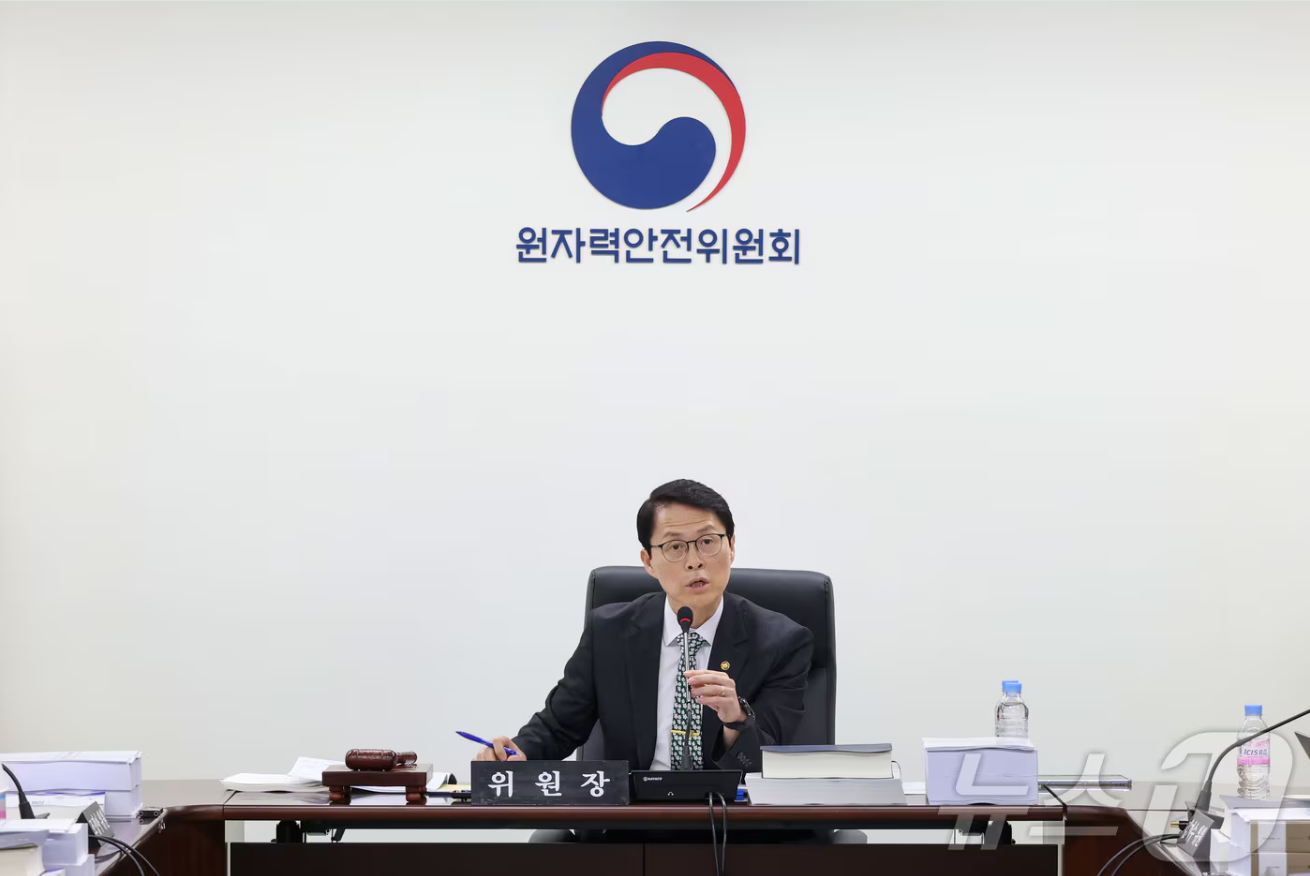
South Korea Approves License Amendment for Gyeongju Low- and Intermediate-Level Radioactive Waste Disposal Facility
The Nuclear Safety and Security Commission (NSSC) of South Korea announced on August 21 that it held its 12th meeting of 2026 in written form on August 20, reviewing and approving the license amendment for the construction and operation of the near-surface disposal facility for low- and intermediate-level radioactive waste operated by the Korea Radioactive Waste Agency (KORAD). The near-surface disposal facility is located in Munmu-daewang-myeon, Gyeongju-si, Gyeongsangbuk-do, and is the second-phase project of the Gyeongju low- and intermediate-level radioactive waste disposal facility. Near-surface disposal refers to the disposal of low- and intermediate-level radioactive waste in near-surface facilities, rather than in deep underground caverns. The facility completed its pre-operational inspection in March this year. This license amendment is primarily intended to update the safety analysis report...
2026-08-21
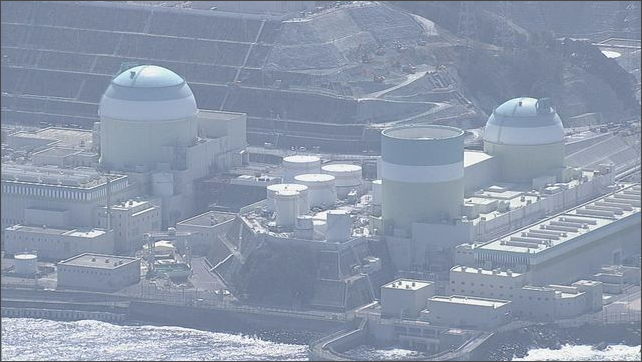
Ikata Nuclear Power Station's miscellaneous solid waste incineration facility returns to normal operation
Shikoku Electric Power Co. reported on August 20 that the miscellaneous solid waste incineration facility at Ikata Nuclear Power Station returned to normal operation at 12:15 p.m. that day after inspections and component replacements. Previously, a small amount of ash leakage had occurred beneath the ceramic filter of the facility. According to the report, at approximately 10:25 a.m. on August 13, operating personnel from a partner company discovered ash-like material beneath the ceramic filter of the operating incineration facility in the miscellaneous solid waste incinerator building of Ikata Nuclear Power Station. On-site investigation confirmed that the fallen material was ash, and the leakage had stopped. The leaked ash remained within the building and was fully recovered, amounting to 0.3 grams with a radioactivity of 8...
2026-08-20
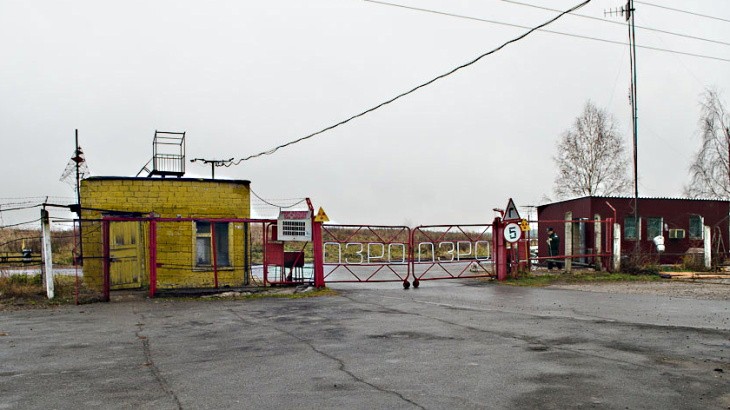
Ukraine Approves Expansion of Buryakivka Radioactive Waste Disposal Facility
The State Nuclear Regulatory Inspectorate of Ukraine (SNRIU) has approved the construction of a new disposal facility at the Buryakivka radioactive waste disposal site for the disposal of low- and intermediate-level radioactive waste generated during the cleanup of the Chernobyl nuclear accident. The Buryakivka radioactive waste disposal facility is located within the Chernobyl Exclusion Zone and is one of Ukraine's key facilities for managing radioactive waste associated with the Chernobyl accident. Built as part of priority emergency measures following the accident, the facility was commissioned in 1987 and primarily receives low- and intermediate-level radioactive waste from the Chernobyl region. Currently, the facility is operated by the Central...
2026-08-20
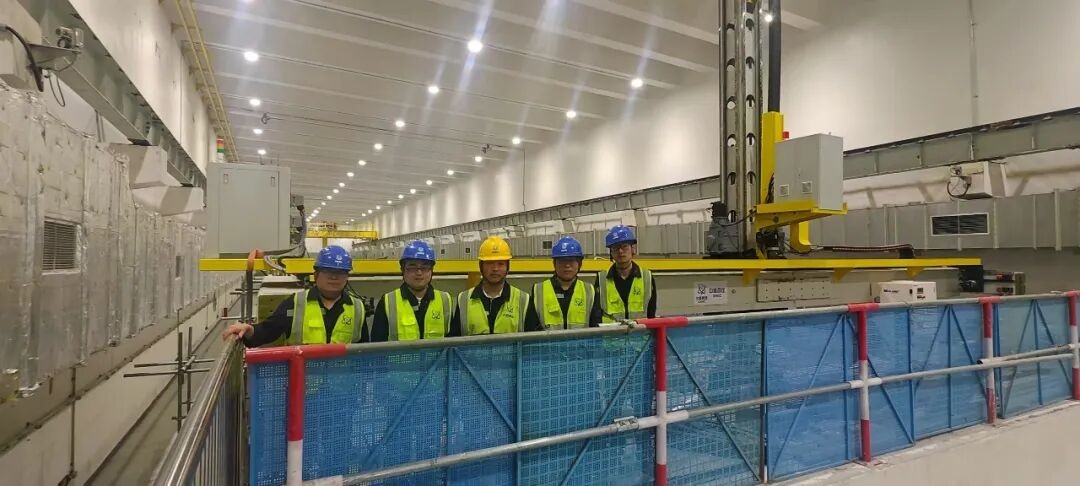
CNNC Xiyi Waste Barrel Storage Well Grinding Robot Completes On-Site Testing
Recently, the waste barrel storage well grinding robot developed by CNNC Xiyi officially completed on-site testing in the grinding project of the process BOP (three wastes) storage wells of Units 3 and 4 at Xudabao, marking a substantial breakthrough in the field of automated construction in confined deep-well spaces within the nuclear industry. Waste barrel storage wells feature great depth, small openings, high verticality requirements, and high dust concentrations. Traditional manual grinding requires multiple workers to take turns entering the confined space, resulting in long construction cycles and high risks. The grinding robot developed by CNNC Xiyi is equipped with an XYZ three-axis movement mechanism and a multi-degree-of-freedom motion system with R rotation and W width adjustment, covering a working width of 12 meters with a maximum grinding depth of 5 meters, applicable to the construction of standard waste barrel storage wells across various reactor types...
2026-08-20
Ikata Nuclear Power Station Unit 1 Decommissioning Phase 2 Plan Approved by Experts
An expert organization in Ehime Prefecture, Japan, regarding safety management at the Ikata Nuclear Power Station recently held a meeting to discuss the decommissioning plan for Unit 1 of the station. The report formed at the meeting deemed it appropriate for the unit to enter the second phase of decommissioning in fiscal year 2027. The meeting was convened by the Nuclear Safety Expert Subcommittee under the Ikata Nuclear Power Station Environmental Safety Management Committee. This committee is responsible for providing advice to the Governor of Ehime Prefecture on safety management at the Ikata Nuclear Power Station. At the meeting, eight academic experts reviewed the decommissioning plan for Unit 1. The decommissioning of Unit 1 at the Ikata Nuclear Power Station began in 2017 and is divided into four phases overall, planned to last approximately 40 years. Currently, the decommissioning work...
2026-08-19
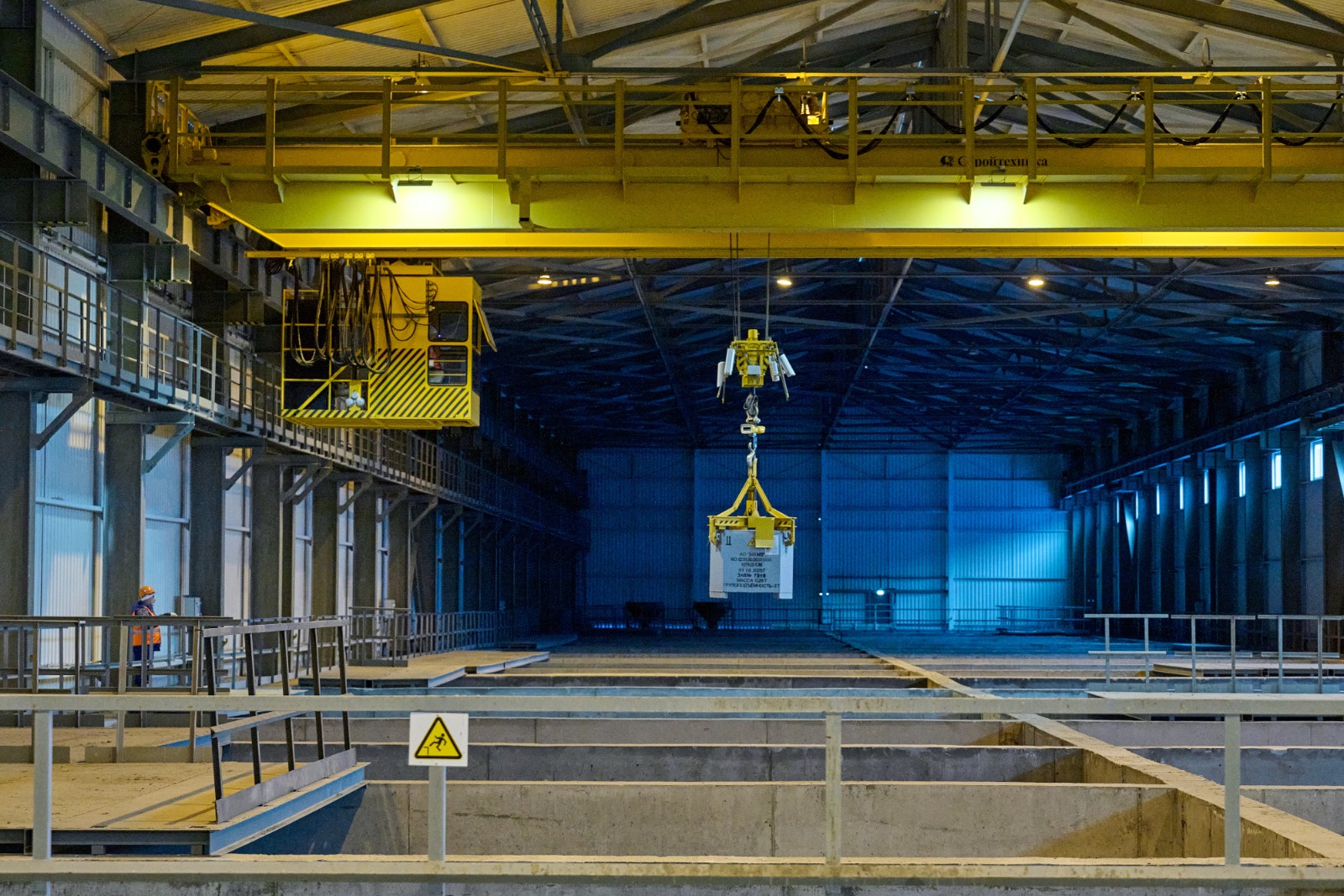
Rosatom and Lomonosov Moscow State University to Co-Host Seminar on Radioactive Waste Safety Barriers
From October 19 to 22, 2026, Lomonosov Moscow State University will host a scientific and technical seminar on the creation and monitoring of safety barriers at its sports complex. The event is jointly organized by Lomonosov Moscow State University, the Russian National Operator for Radioactive Waste Management (FSUE NO RAO), a subsidiary of Rosatom, and the Pilot Demonstration Center for Decommissioning of Uranium-Graphite Nuclear Reactors (JSC PDC UGR). The seminar focuses on the development of technologies for the creation, reconstruction, and control of engineered safety barriers. Topics include the evolution of design concepts for engineered safety barriers, selection and justification of barriers for special radioactive waste disposal and storage facilities, patterns of clay barrier material transformation and their role in safety justification for long-term radioactive waste disposal, incoming inspection of clay barrier materials during nuclear facility decommissioning, and surveys of completed barriers using various geophysical methods. Experts will also exchange views on new technologies and materials required for safety barrier construction.
2026-08-14
U.S. Poll Shows Majority of Respondents Support Prioritizing Permanent Disposal of High-Level Waste
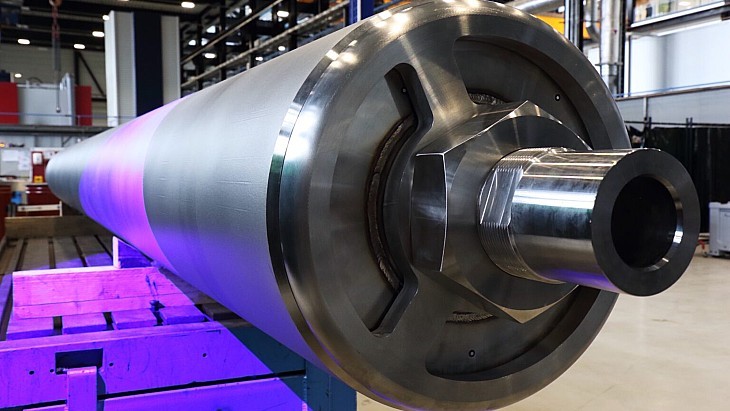
A recent survey conducted by market research and data analysis company YouGov shows that more than 80 percent of U.S. respondents believe finding a permanent disposal solution for high-level radioactive waste should be a national priority; after learning about relevant technical information, a significant number of respondents viewed deep geological disposal as a credible option. Prototype canister for borehole disposal (Image: Deep Isolation) The survey was commissioned by nuclear waste disposal technology company Deep Isolation Inc. and conducted in April this year among 1,000 U.S. adults with a nationally representative sample. The survey covered public attitudes toward nuclear energy, concerns about radioactive waste management...
2026-08-14
Nuclea Energy to Acquire Moltex Advanced Nuclear Technology Portfolio
Moltex Energy announced on August 13 that Nuclea Energy Inc. has signed a definitive agreement to acquire its advanced nuclear technology portfolio. The transaction was concluded following a competitive bidding process, with the relevant technologies and company assets having attracted interest from multiple parties earlier. The proposed technology platform, developed over more than a decade, encompasses the Waste-to-Stable Salt (WATSS) spent fuel recycling process, the Stable Salt Reactor – Wasteburner (SSR-W), and FLEX reactor technology. The portfolio includes 80 granted patents across 9 patent families, as well as 9 pending patents related to the WATSS recycling process...
2026-08-14
Finland's Onkalo Spent Nuclear Fuel Final Disposal Facility Expected to Receive Operating License by Year-End
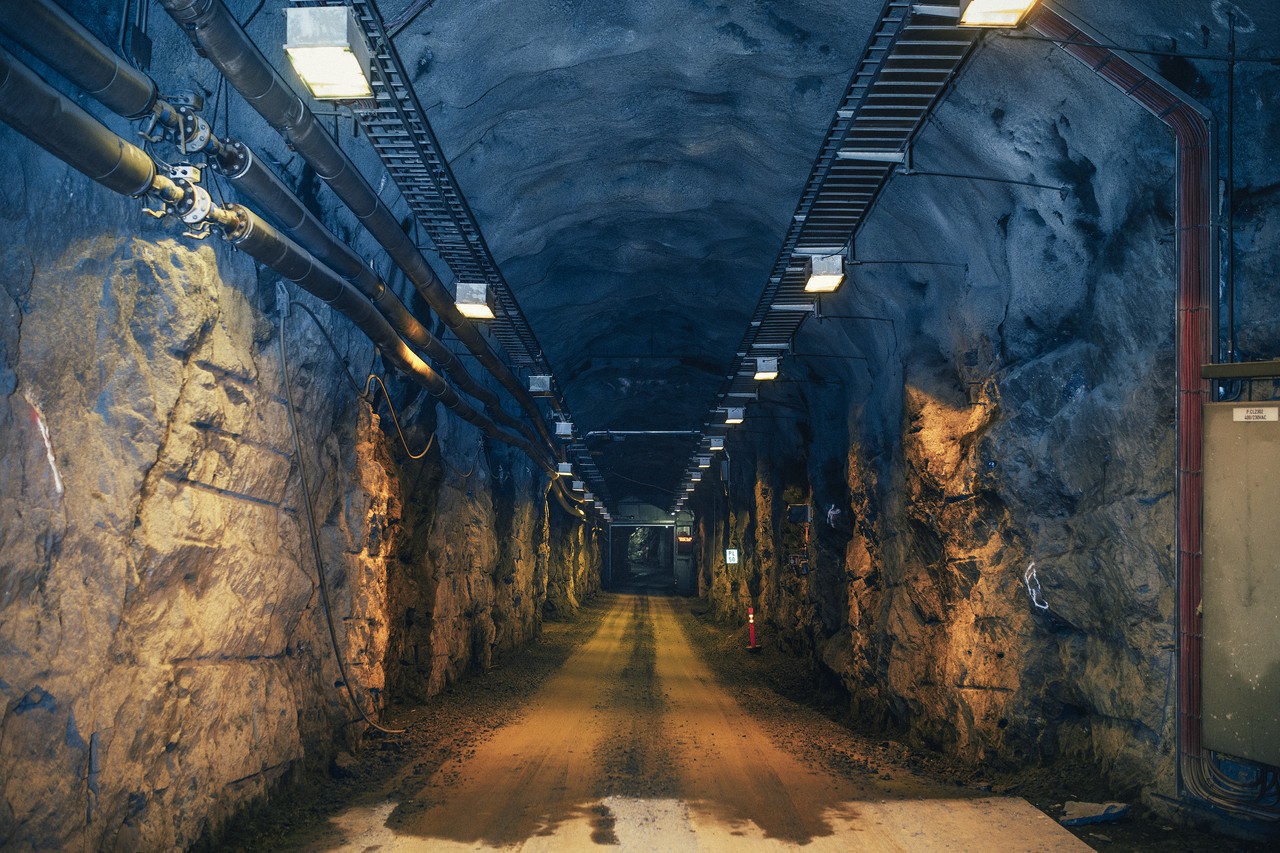
Finland's spent nuclear fuel final disposal project has entered the critical stage of operating license review. The Radiation and Nuclear Safety Authority of Finland (STUK) issued a statement saying that the design and emergency response procedures of the Onkalo final disposal facility meet the safety requirements for granting an operating license. The Finnish government is expected to decide whether to approve the facility's operation before the end of the year. Onkalo is located on Olkiluoto Island in southwestern Finland. "Onkalo" means "cave" in Finnish. If licensed and operational, the facility will become the world's first deep geological final disposal facility for spent nuclear fuel from nuclear power plants, serving as a reference for other countries considering similar facilities...
2026-08-14
Small Amount of Ash Leakage from Miscellaneous Solid Waste Incineration Equipment at Japan's Ikata Nuclear Power Plant
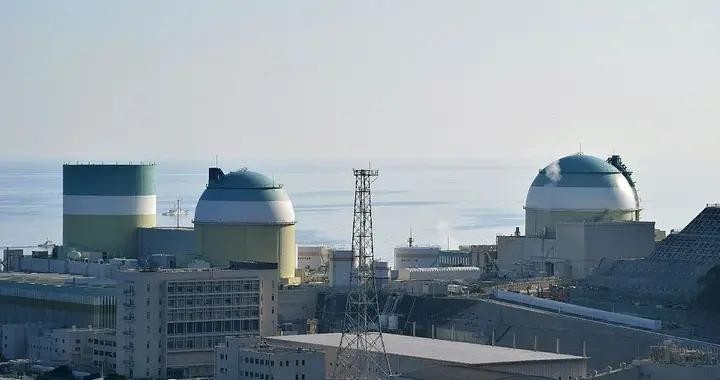
Shikoku Electric Power Co. reported on August 13 that at approximately 10:25 a.m. that day, an operator from a partner company discovered ash-like material beneath the ceramic filter of the operating miscellaneous solid waste incineration equipment inside the miscellaneous solid waste incinerator building at Ikata Nuclear Power Plant. The area is a controlled zone. On-site investigation confirmed that the fallen material was incineration ash, and the leakage was confirmed to have stopped. Workers also found localized cracks in the rubber components of the glove box beneath the ceramic filter. Temporary sealing measures were taken to prevent further leakage. According to the report, the leaked incineration ash remained within the building and was fully recovered. The leakage amount was 0.3 grams, with a radioactivity...
2026-08-13
Spanish ENRESA visits CIEMAT to advance safety research on radioactive waste covers
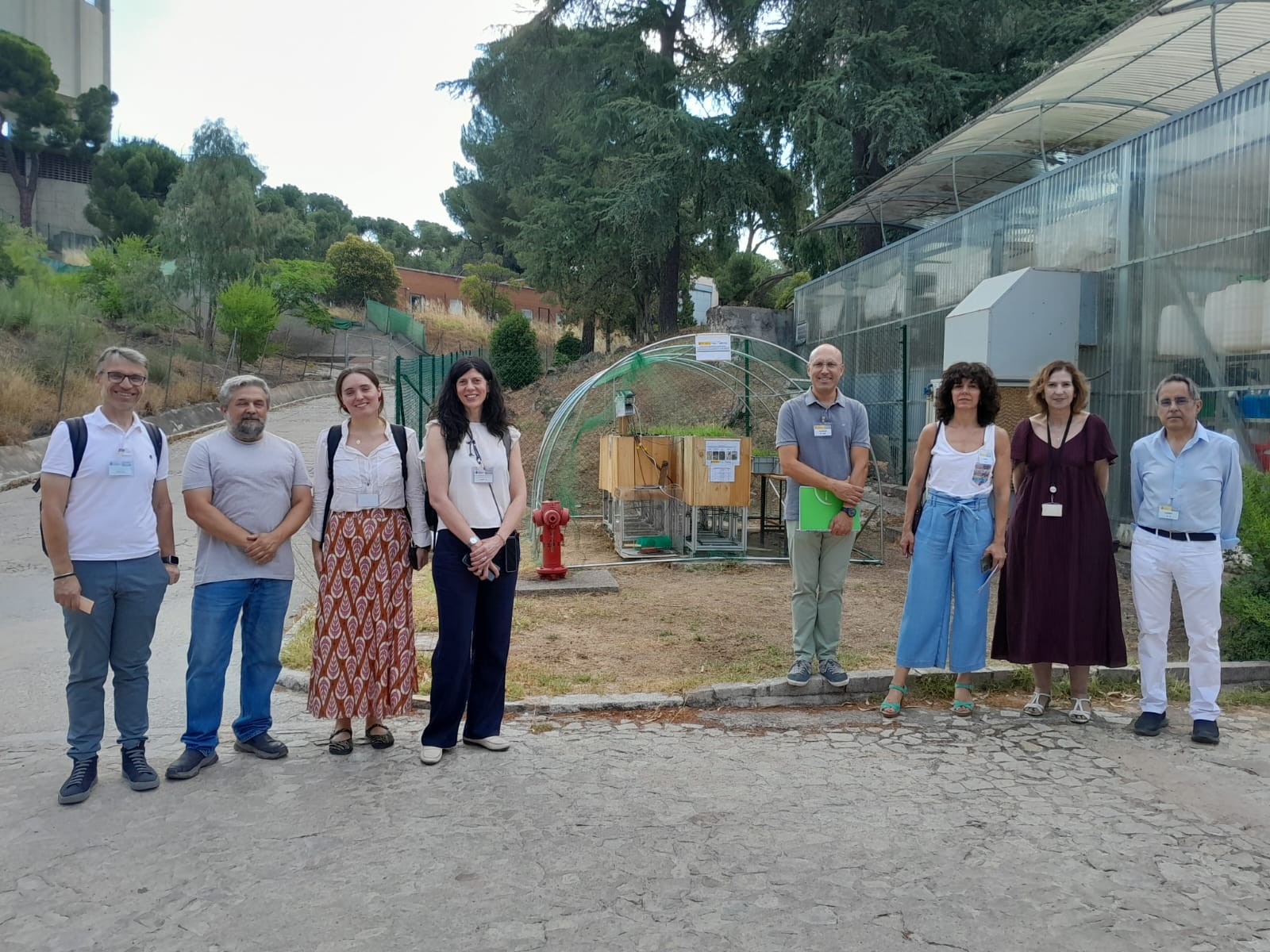
Technical staff from the Spanish National Radioactive Waste Company (ENRESA) recently visited facilities of the Environmental Department at the Spanish Research Centre for Energy, Environment and Technology (CIEMAT) to review the progress of joint research projects in the field of radioactive waste safety management. The visit focused on two projects, VEBIOCA and CARCOB, whose research supports the optimization of the safety cover system and long-term environmental protection at the El Cabril waste storage facility in the province of Córdoba. During the visit, ENRESA technical staff first toured CIEMAT's Soil Conservation and Remediation Department. The research team presented the progress of the VEBIOCA project, which primarily analyzes the influence of vegetation on the behavior of the bio-intrusion layer within the pilot vegetation cover at the El Cabril waste storage facility. Researchers are conducting plant species identification and assessment at two locations, Madrid and Córdoba, with particular focus on the growth characteristics of different plants at the site and in the surrounding environment, as well as their interactions with the vegetation cover system. The results will provide a basis for ENRESA's selection of plant species in subsequent pilot trials.
2026-08-13
Southwest University of Science and Technology Releases Medical Radioactive Waste Treatment Technology Covering Liquid, Gas, and Solid Waste Management
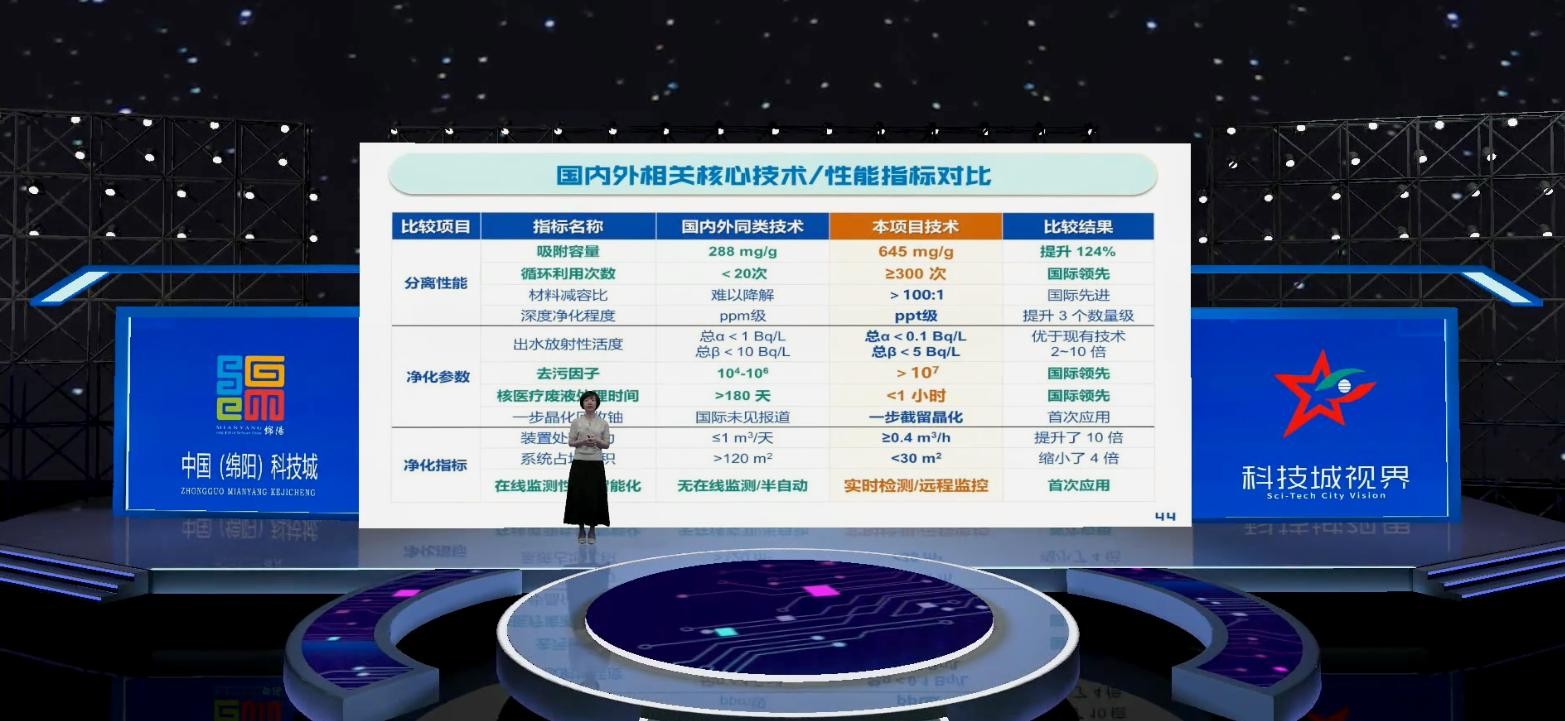
On August 10, the Mianyang Science and Technology City Strategic Development Research Center held an online innovation achievement release conference, unveiling a medical radioactive waste treatment technology developed by the School of National Defense Science and Technology / School of Nuclear Science and Technology at Southwest University of Science and Technology. The technology targets radioactive contaminants including liquid waste, off-gas, and solid waste generated during nuclear medicine diagnosis and treatment, offering a full-chain comprehensive treatment solution. The conference attracted 87,000 experts in the nuclear medicine field, departmental representatives, and enterprise users. With the rapid development of the domestic nuclear medicine industry, insufficient radioactive waste disposal capacity has gradually become a key issue facing the industry's safe expansion. Relevant data show that over 96% of nuclear medicine departments nationwide are constrained by decay tank capacity...
2026-08-13

Strengthen Flood Season Self-Inspection and Prevention, Safeguard Radiation Safety of Radioactive Waste Storage
As the southwestern region enters the main flood season, multiple rounds of heavy rainfall have frequently occurred across Sichuan, Chongqing, Yunnan, and Guizhou, with continuously escalating risks of flooding and waterlogging backflow, putting the radiation safety of urban radioactive waste temporary storage facilities to the test. The Ministry of Ecology and Environment's Southwest Regional Office of Nuclear and Radiation Safety Supervision (hereinafter referred to as the Southwest Office) has focused on advance warning and source prevention, urging urban radioactive waste temporary storage facilities in the southwestern region (hereinafter referred to as waste storage facilities) to conduct flood season self-inspections and proactively identify and rectify safety hazards through on-site inspections, online coordination, and work reminders. The Southwest Office has adhered to early planning, early deployment, and early action, conducting special pre-flood-season studies to arrange flood prevention work and urging all waste storage facilities to firmly establish bottom-line and extreme thinking...
2026-08-13
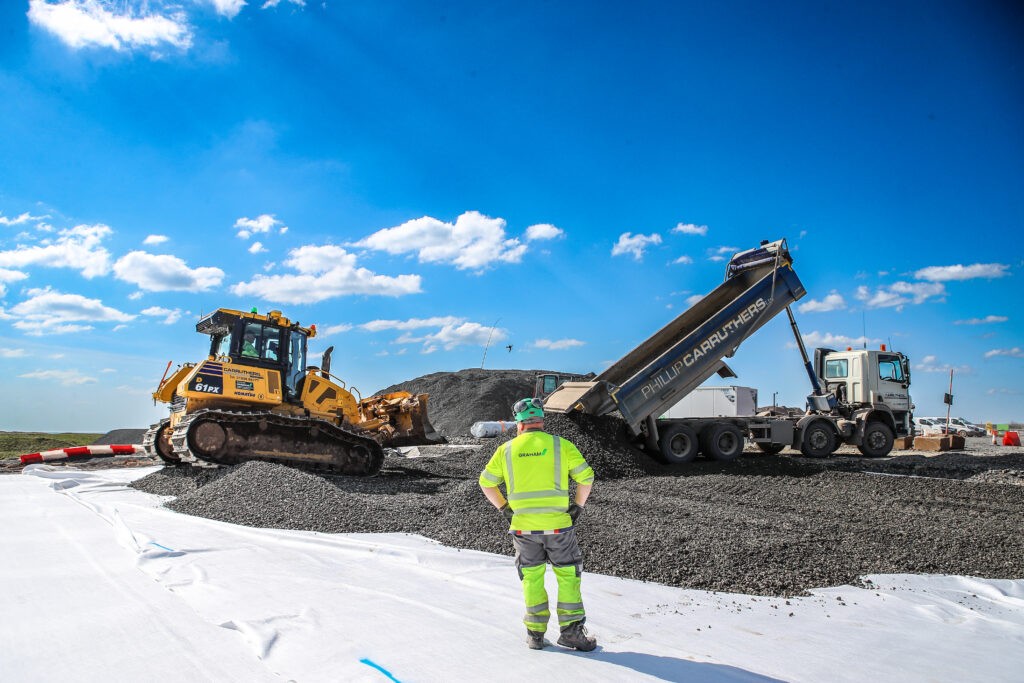
UK Low-Level Waste Repository Advances Capping Project, Rail-Transported Aggregate Exceeds 285,000 Tonnes
Nuclear Waste Services (NWS) is advancing capping-related works at the Low-Level Waste Repository on the west coast of Cumbria, UK, to strengthen long-term protection of existing disposal trenches and vaults. Since the repository began operations in 1959, it has supported the safe disposal of approximately 1 million cubic metres of low-level radioactive waste, making it a key facility in the UK's radioactive waste management system. NWS, part of the Nuclear Decommissioning Authority (NDA), is primarily responsible for consolidating the UK's radioactive waste management capabilities, providing management solutions for legacy wastes from civil and defence sectors as well as wastes arising from future new-build nuclear projects...
2026-08-12