
Search Results
Keyword:radioactive waste
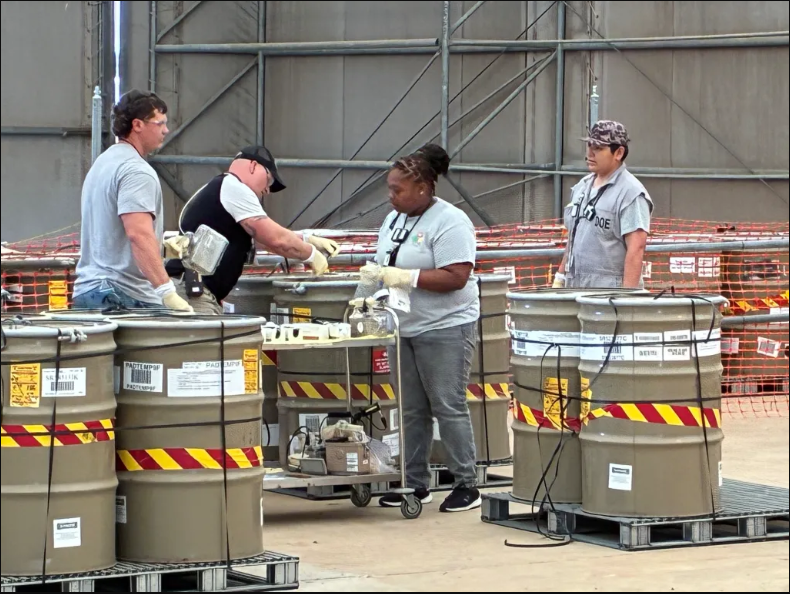
Flammable Gas Analysis Completed for Legacy Transuranic Waste Containers at U.S. Savannah River Site
AIKEN, South Carolina — The Solid Waste and Deactivation and Decommissioning team at Savannah River Nuclear Solutions (SRNS) recently completed a critical task, performing flammable gas analysis on multiple legacy high-dose-rate transuranic (TRU) waste containers. The results confirmed that these containers meet safety requirements for shipment to an underground waste disposal facility. Following this analysis, the U.S. Department of Energy Office of Environmental Management will resume shipments of remote-handled transuranic waste drums from the Savannah River Site (SRS) to the Waste Isolation Pilot Plant (WIPP) in New Mexico for permanent disposal. Flammable gas sampling is an important safety step prior to the transportation and disposal of transuranic waste. Workers...
2026-08-11
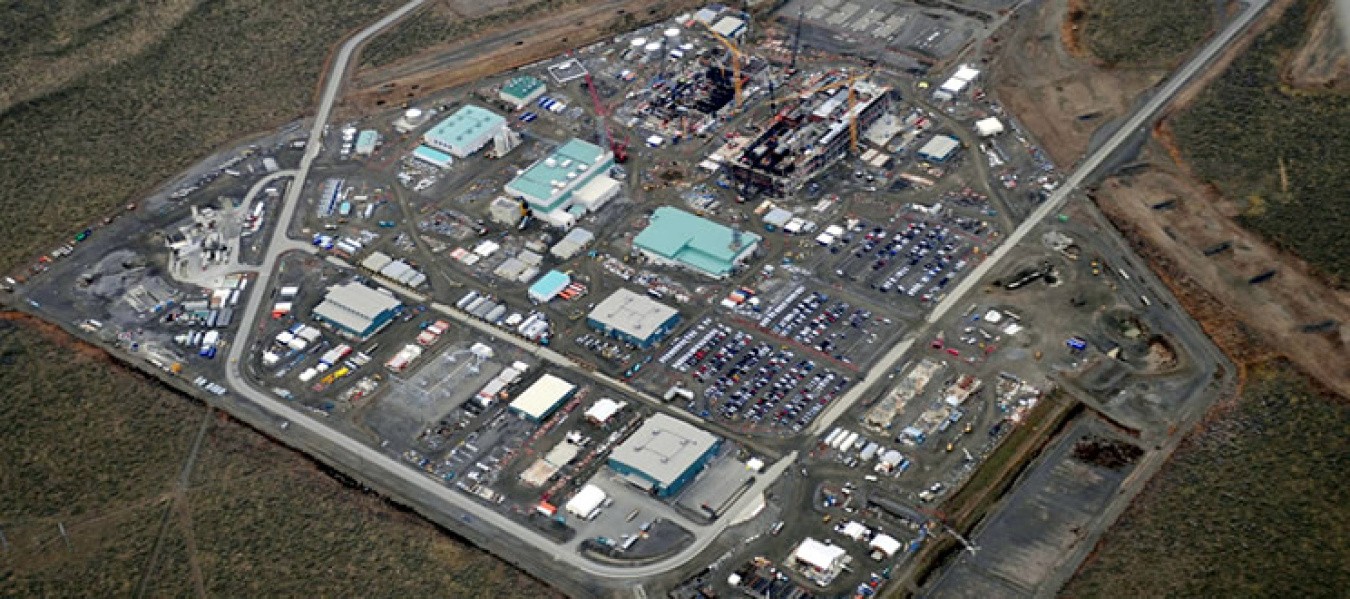
US Hanford Submits Permit Modification Applications to Accelerate Tank Waste Cleanup via "Vitrification + Grouting"
The U.S. Department of Energy's Hanford Field Office recently submitted two permit modification applications to the Washington State Department of Ecology, planning to accelerate the cleanup of radioactive waste in tanks at the Hanford site through a dual-track treatment strategy of "vitrification + grouting." The DOE stated that this approach is expected to reduce risks from aging tanks and save taxpayers billions of dollars. The waste primarily targeted by these applications is low-activity liquid waste processed through the Tank-Side Cesium Removal system, which removes more than 99.9% of radioactive materials from the treated waste. The DOE stated that the proposed permit changes would integrate tank-side treatment, grout solidification, and out-of-state disposal into a standardized process to continue advancing the treatment and transfer of some waste beyond the capacity of the Waste Treatment and Immobilization Plant.
2026-08-11
U.S. National Nuclear Security Administration Extends Savannah River Site Management and Operating Contract to September 2027
The U.S. Department of Energy's National Nuclear Security Administration (DOE/NNSA) announced on August 10 that it has exercised the remaining option on the Savannah River Site (SRS) Management and Operating contract with Savannah River Nuclear Solutions, LLC, extending contract performance through September 30, 2027, with an estimated contract value of $2.3 billion. NNSA stated that exercising this remaining option will help maintain continuity and stability of the contractor workforce, allowing related work to continue advancing around the agency's critical missions. The current SRS Management and Operating contract was originally scheduled to expire on September 30, 2026...
2026-08-11
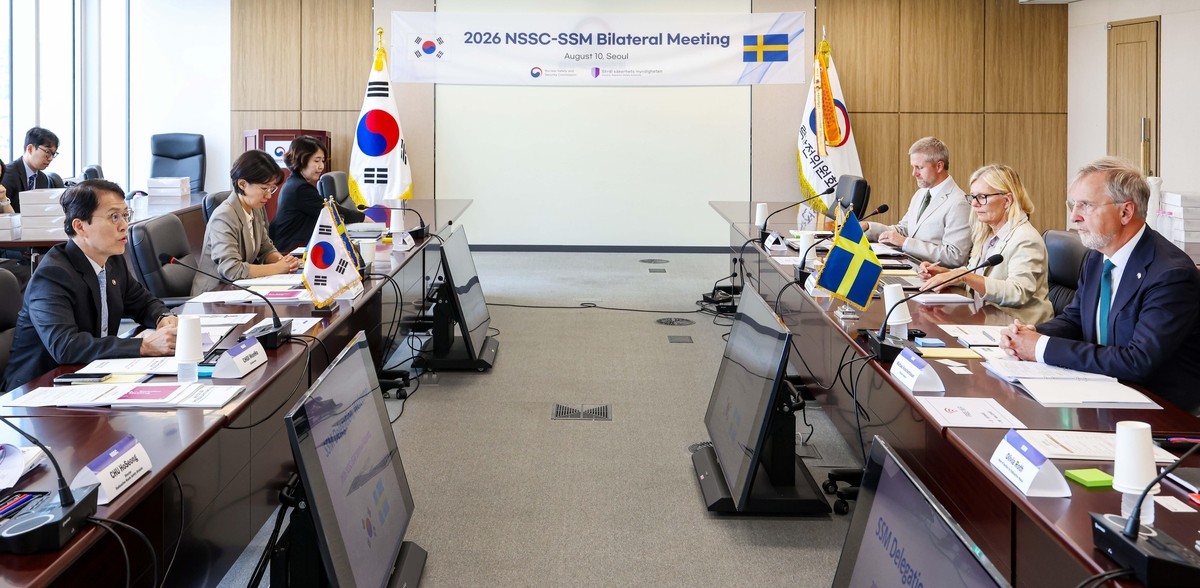
South Korea and Sweden Discuss Cooperation on High-Level Waste Disposal and SMR Regulation
The Nuclear Safety and Security Commission (NSSC) of South Korea announced on August 10 that it held a bilateral meeting with the Swedish Radiation Safety Authority (SSM) in Seoul, during which the two sides exchanged views on topics including high-level radioactive waste management, nuclear safety regulation, and the development of small modular reactors (SMRs). Sweden has accumulated strong technical expertise in the field of radioactive waste management and has developed a relatively mature technical system for high-level radioactive waste disposal. Currently, Sweden has 6 operating nuclear power units and 7 permanently shut down units, 6 of which are in the decommissioning phase. Following Finland, Sweden is constructing the world's second deep geological disposal facility for high-level radioactive waste. The NSSC of South Korea...
2026-08-10
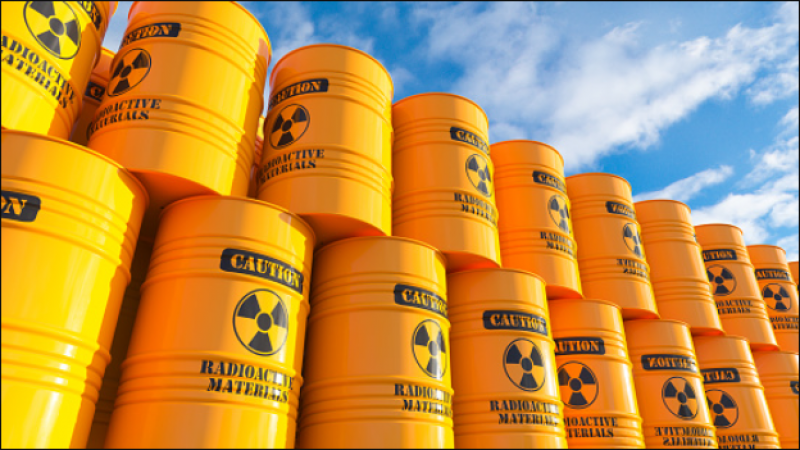
Hanford Site Completes Radioactive Waste Removal from 24th Underground Tank
The Hanford team under the U.S. Department of Energy Office of Environmental Management recently continued its tank cleanup mission, removing radioactive waste from the 24th underground single-shell tank. The cleanup targeted the A-106 single-shell tank. In less than seven months, Hanford Tank Waste Treatment and Storage Project workers transferred approximately 79,000 gallons of waste that had been stored for decades into a double-shell tank for continued safe storage. During operations, the contractor first used water to dissolve salt-based waste on the tank surfaces, then reused the transferred liquid waste to mobilize sludge. This method had last been used nearly a decade ago. The Hanford Site produced plutonium for U.S. nuclear weapons programs between 1944 and 1989...
2026-08-10
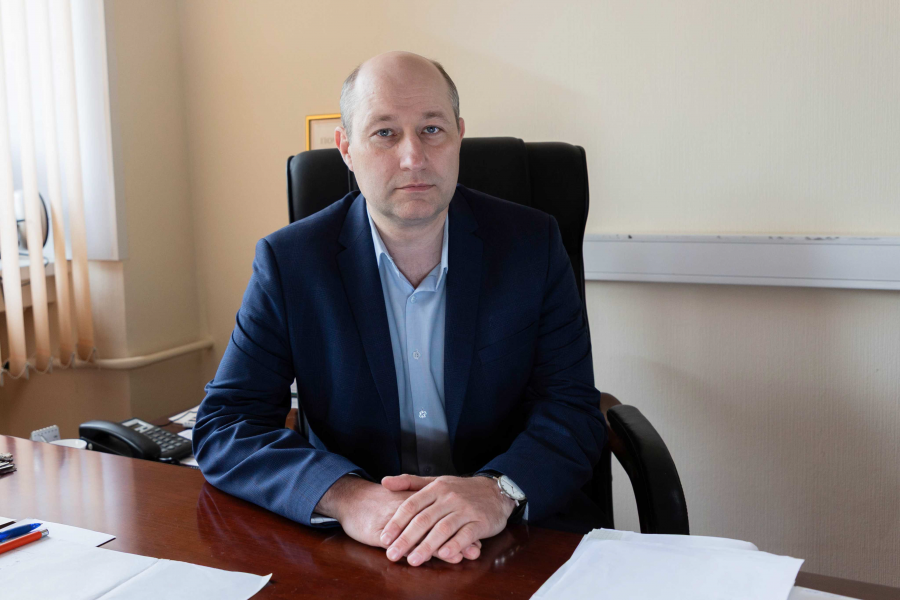
Finland's Onkalo Repository to Be Commissioned, Experts Say 100,000-Year Safety Assessment Still Faces Uncertainties
Finland's Olkiluoto is about to commission the world's first permanent deep geological repository for spent nuclear fuel — Onkalo. The facility is designed for long-term underground containment of spent fuel, with a design safety period of up to 100,000 years. There remains debate within the nuclear industry over whether such facilities can remain safe over such an immense timescale. Dmitry Pripachkin, head of the Department of Radiation Physics and Nuclear Technology Safety at the National Research Nuclear University MEPhI (Moscow Engineering Physics Institute), stated that modern science does not yet possess tools capable of reliably predicting the state of such facilities after 100,000 years. Science can study the evolution of geological formations over long historical periods, but...
2026-08-09
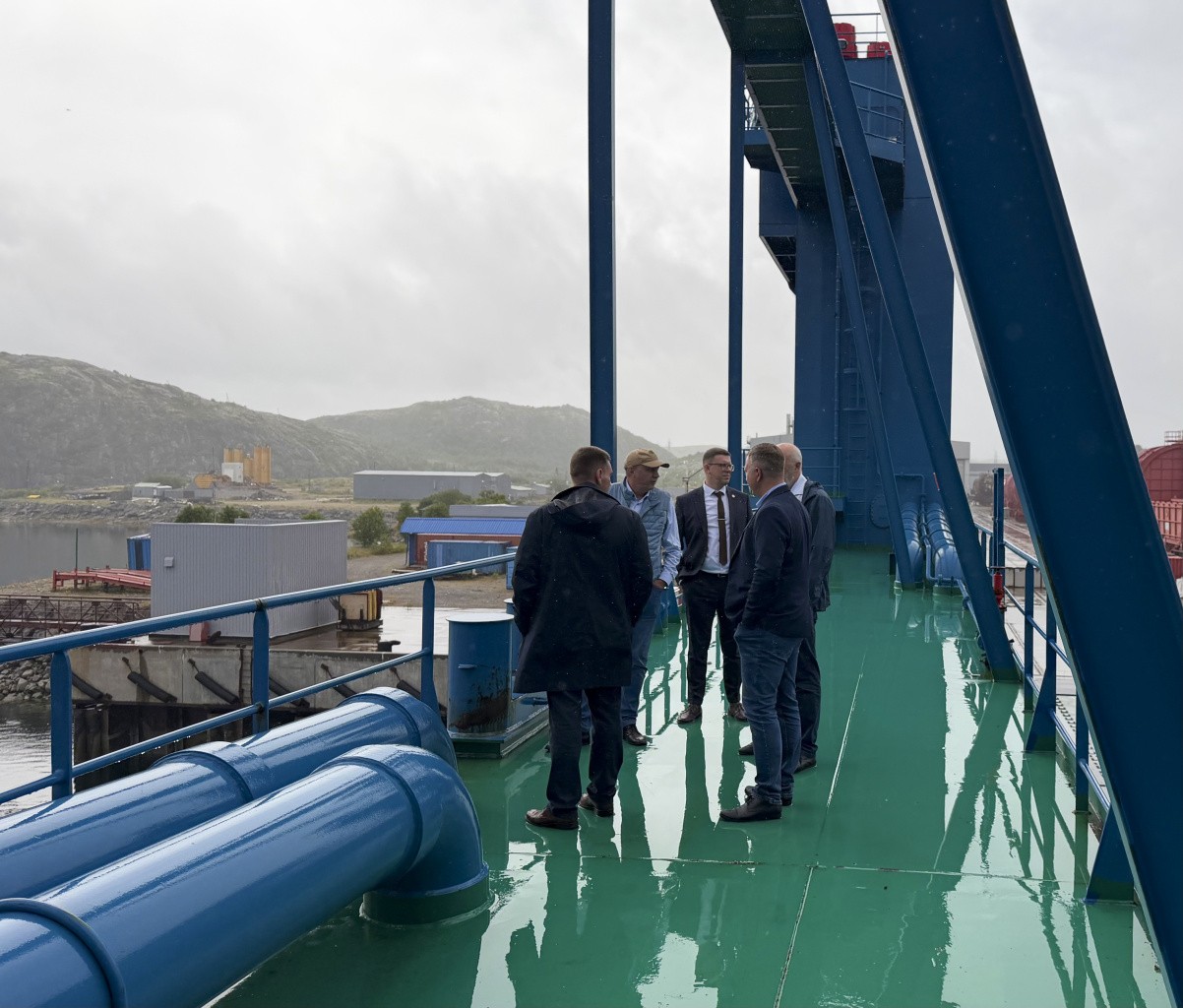
Rosatom Delegation Visits SevRAO Radioactive Waste Management Facilities
A delegation from Rosatom recently inspected the production facilities of the Northwestern Center - SevRAO, a branch of the Federal State Unitary Enterprise RADON (FSUE RADON). The delegation included Vasily Tinin, responsible for state policy on radioactive waste, spent nuclear fuel, and nuclear and radiation safety, as well as Sergey Martynenko, head of the Integrated Nuclear Submarine Decommissioning Program Office. The host side was represented by Igor Pron, Acting General Director of FSUE RADON, Dmitry Drozhilkin, Acting Director of SevRAO, and Yuri Shokhin,...
2026-08-07
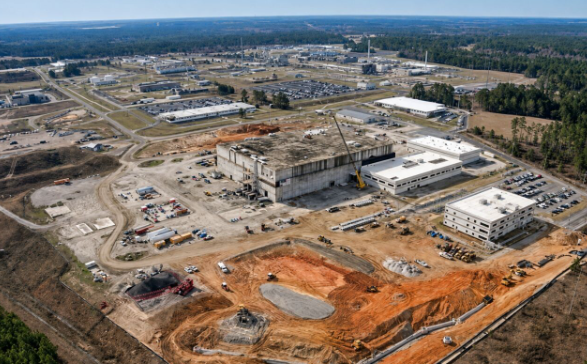
Newcleo Initiates U.S. Regulatory Pre-Application Engagement for MOX Fuel Facility, Accelerating Advanced Reactor Fuel Supply Chain Development
Advanced reactor and nuclear fuel company Newcleo has initiated regulatory pre-application engagement with the U.S. Nuclear Regulatory Commission (NRC) for a mixed oxide (MOX) fuel fabrication facility, with plans to advance construction at the Savannah River Site in South Carolina. This move indicates that the company is not only advancing the licensing of its advanced reactor itself but also seeking to establish supporting fuel supply capabilities in parallel, aiming to mitigate fuel bottlenecks in future commercial deployment. The submitted regulatory engagement plan represents a key step prior to formal license application, with the core objective of communicating with regulators in advance on facility design, safety standards, review scope, and key technical issues. Newcleo previously submitted its regulatory engagement plan for the LFR-AS-200 lead-cooled fast reactor to the NRC in July...
2026-08-07
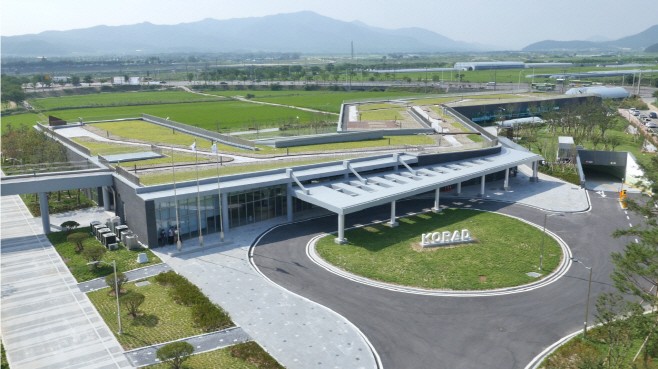
South Korea to Investigate Seawater Radioactivity Levels Along Maritime Transport Routes for Radioactive Waste
The Korea Atomic Energy Environment Corporation (KAEEC) will conduct an investigation this year into seawater radioactivity levels along the maritime transport routes for radioactive waste from nuclear power plants, in order to assess the radiological environmental impact during the transport of radioactive waste to the Gyeongju low- and intermediate-level radioactive waste disposal facility. According to information released on August 6 by the Korea National Electronic Procurement System, KAEEC recently published a public notice regarding radiation analysis services for seawater samples collected along the maritime transport routes for low- and intermediate-level radioactive waste. Once the contractor is selected, the investigation is scheduled to be completed by the end of this year. Under the arrangement, KAEEC will conduct three maritime transport operations of radioactive waste this year, one each from the Gori, Hanul, and Hanbit nuclear power plants to the Gyeongju disposal facility...
2026-08-07
Clobot Signs MOU with Korea Atomic Energy Environment Corporation and Others to Demonstrate Multi-Robot System for Safe Radioactive Waste Management
Clobot, a specialized enterprise in intelligent robot services and integrated control of heterogeneous robots, announced on August 6 that it will apply its multi-robot integrated control system to radioactive waste safety management sites. On August 3, the company signed a business agreement at the headquarters of the Korea Atomic Energy Environment Corporation, with partners including T-Robotics, the Gyeongbuk ICT Convergence Industry Promotion Association, and the Korea Atomic Energy Environment Corporation, under the project name "Demonstration Project for Multi-Robot Operation in High-Risk Radioactive Waste Safety Management." The collaboration is based on the selection through the public call for proposals for the "Large-Scale Converged Robot Demonstration Project: Social Problem-Solving Type" hosted by the Korea Institute for Robot Industry Advancement in 2026, with Clobot serving as the lead organization.
2026-08-06
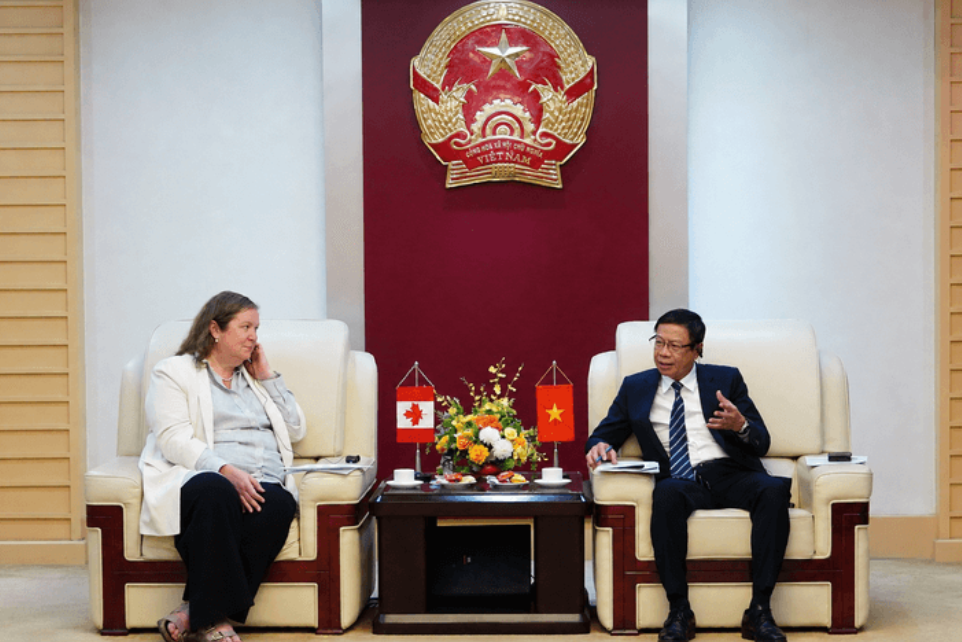
Vietnam's Ministry of Science and Technology and Canada's Saskatchewan Province Strengthen Cooperation on Peaceful Use of Nuclear Technology
Vietnam and Canada's Saskatchewan Province are cooperating on the peaceful use of nuclear technology. Officials from both sides met in Hanoi on August 5, 2026, to discuss directions for cooperation in science, technology, and innovation, particularly in advanced nuclear technology. The Vietnamese side stated that as Vietnam's energy demand grows, ensuring a stable, green, and clean energy supply is of paramount importance, expressing strong interest in research on small modular reactors (SMRs) as well as CANDU reactor technology. During the meeting, both sides discussed strengthening cooperation among regulatory agencies, legal departments, and research organizations in the nuclear technology field, covering legal framework development, technical standards, nuclear safety and safeguards assessment licensing, accident response, and...
2026-08-06
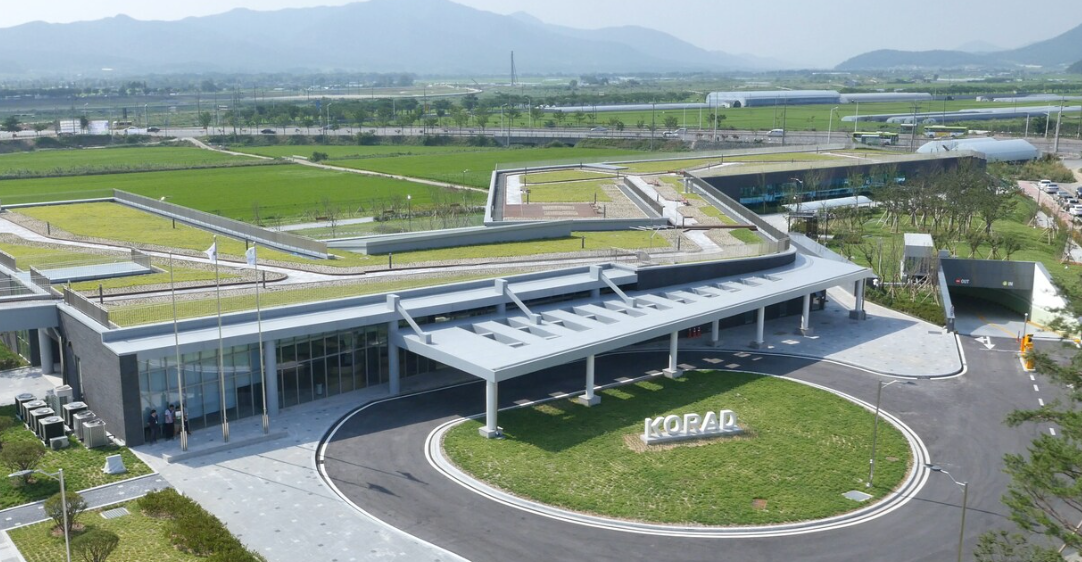
A batch of radioactive waste from the Korea Atomic Energy Research Institute deemed unsuitable for disposal due to documentation discrepancies
According to disclosures by relevant parties on August 5, a batch of radioactive waste shipped last year by the Korea Atomic Energy Research Institute (KAERI) to the low- and intermediate-level radioactive waste disposal facility (RWDF) in Gyeongju, North Gyeongsang Province, was deemed unsuitable for batch disposal due to inconsistencies between the declared documentation and actual contents. The Korea Radioactive Waste Agency (KORAD) conducted inspections after receiving the waste. KAERI shipped a total of 694 drums of radioactive waste to the disposal facility last year, of which 69 drums were inspected, and 32 were found to be non-compliant. The primary reason for non-compliance was discrepancies between the contents of the documents submitted by the institute and the actual inspection results after receipt. As a result, this batch of waste from the Korea Atomic Energy Research Institute...
2026-08-06
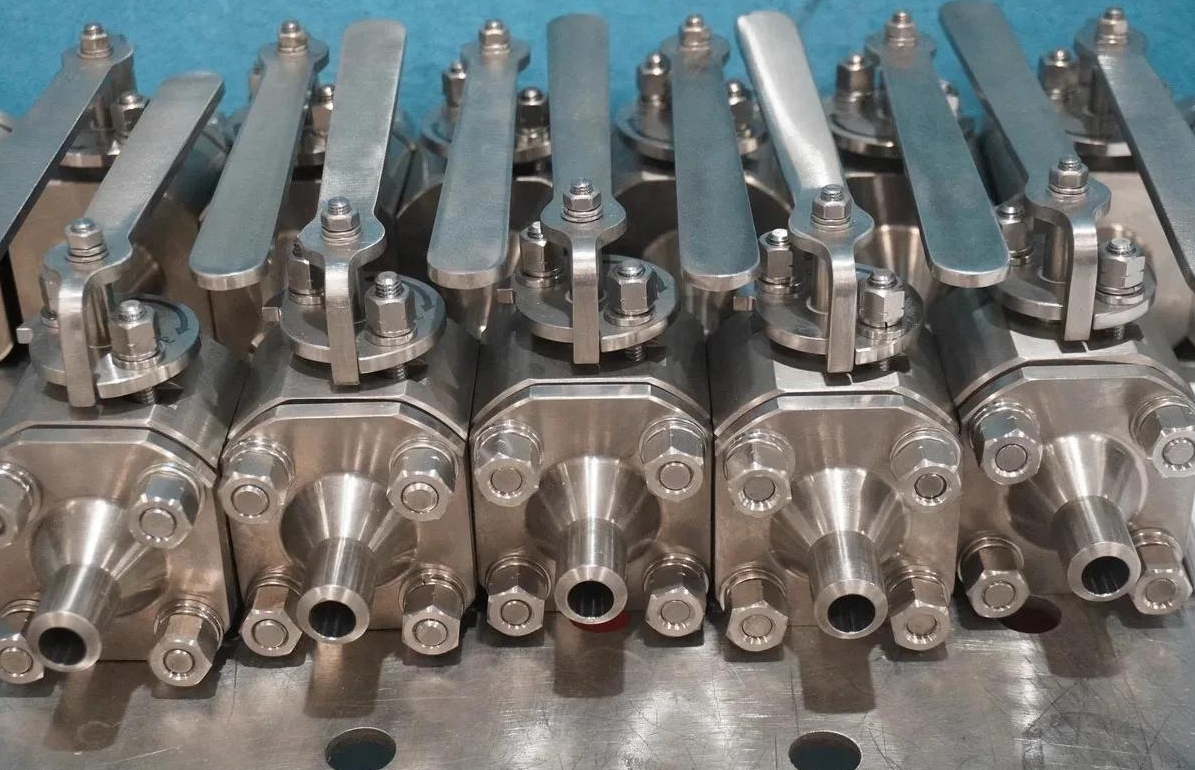
Russia's InterPolyaris Company Supplies Ball Valves for Nuclear Power Plants to Turkey
Russia's InterPolyaris Company is preparing a batch of equipment for overseas nuclear power plant projects, including various types of valves used for deep evaporation in liquid radioactive waste concentration systems and a type of steam disperser. This shipment is about to be delivered, aiming to ensure the safe operation and maintenance of nuclear power plants. Among the goods to be shipped to customers, ball valves are an important component. The main function of this type of valve is to partially or completely shut off pipelines, thereby achieving precise control and conveyance of the working medium flow. They will be used in a nuclear power plant project in the coastal region of Turkey as key components for regulating processes within the system. These ball...
2026-08-05
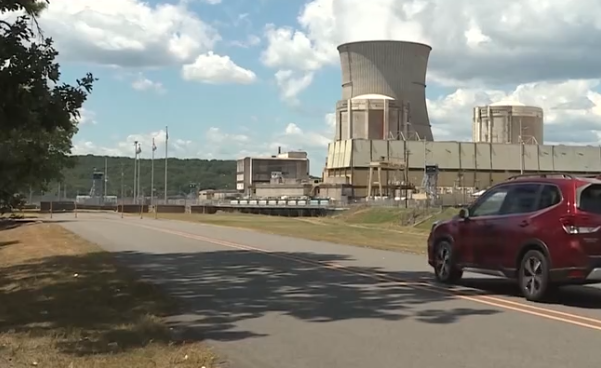
Oklahoma Strives to Build the Nation's First Nuclear Energy Innovation Hub
Oklahoma is actively competing to become the first nuclear energy innovation hub in the United States, having submitted a detailed 31-page proposal. The plan aims to cover the entire nuclear fuel lifecycle management, encompassing fuel fabrication, advanced reactor construction, spent fuel recycling, and permanent disposal of high-level radioactive waste. Oklahoma's goal is to establish the first permanent waste disposal solution in the U.S., achieving this before commercial nuclear power deployment. In the proposal, deep borehole drilling for radioactive waste disposal emerges as a key component. This method involves drilling thousands of feet deep and placing radioactive waste sealed in specially designed containers into the subsurface, followed by sealing the borehole.
2026-08-05
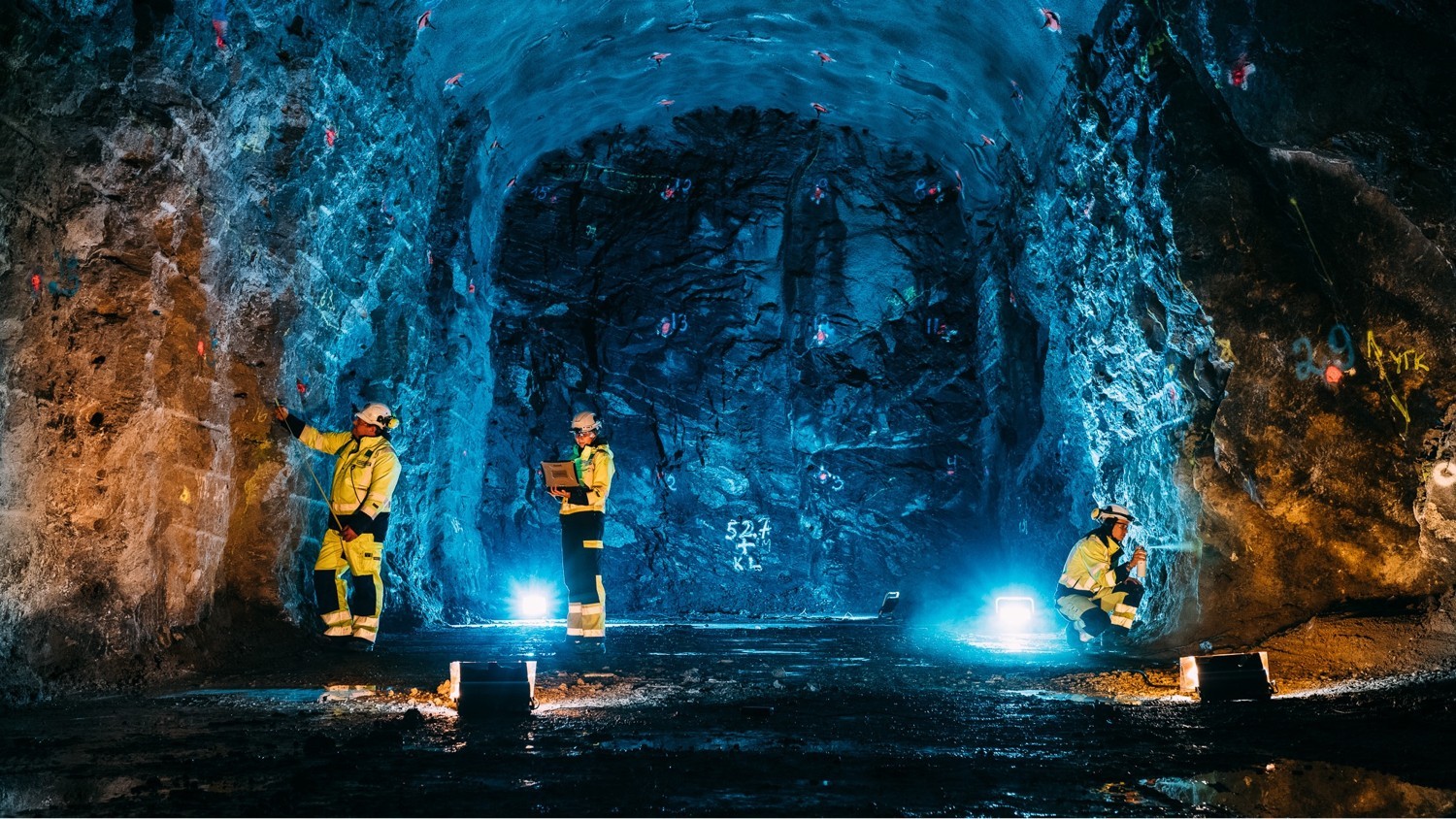
Finland's Olkiluoto Spent Nuclear Fuel Final Disposal Facility Passes Regulatory Safety Assessment
The Radiation and Nuclear Safety Authority of Finland (STUK) released a safety assessment report on August 4, concluding that Posiva's spent nuclear fuel encapsulation plant and final disposal facility at Olkiluoto, Finland, meets the safety requirements for an operating license. This conclusion brings the project, regarded as the world's first industrial-scale geological final disposal facility for spent nuclear fuel, one step closer to obtaining government approval for operation. The facility is located on Olkiluoto Island in the municipality of Eurajoki, southwestern Finland, and is designed to dispose of spent nuclear fuel generated by the Olkiluoto nuclear power plant units of Teollisuuden Voima Oyj (TVO) and the Loviisa nuclear power plant units of Fortum. Posiva submitted its operating license application in December 2021...
2026-08-05