
Search Results
Keyword:succès
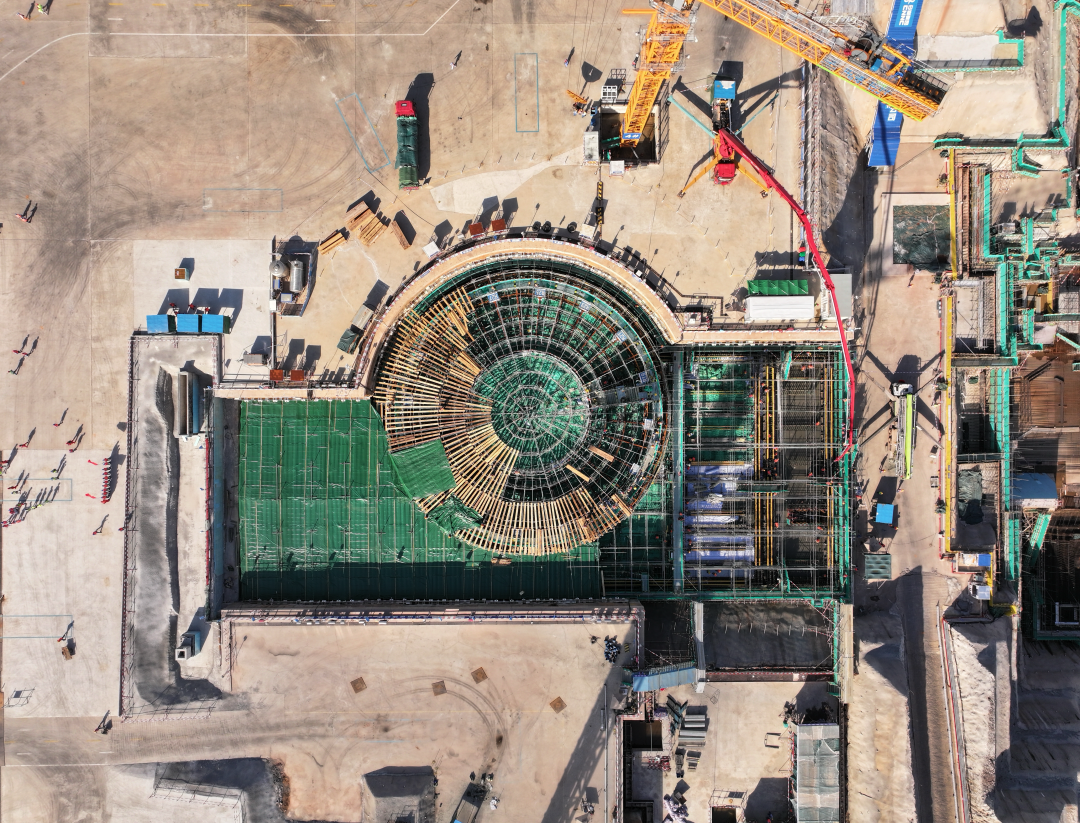
The first concrete pouring for the nuclear island of Unit 2 of State Power Investment Corporation (SPIC) Guangxi Bailong Nuclear Power Project was successfully completed.
The first concrete pouring for the nuclear island of Unit 2 of SPIC Guangxi Bailong Nuclear Power Project was completed at 16:07 on September 30, after 69 hours and 40 minutes of continuous work. A total of 6,732.5 cubic meters of concrete was used for this pouring, marking another important milestone for the project after the FCD achievement for the nuclear island of Unit 1. Phase I of the Bailong Nuclear Power Project plans to build two CAP1000 nuclear power units. These two units adopt independently designed and domestically manufactured Generation III passive nuclear power technology, with each unit having a capacity of up to 1.25 million kilowatts. At present, Unit 1 has entered the construction and installation stage, and the steel containment vessel bottom head, CA20, CV1R, CA01...
2026-09-30
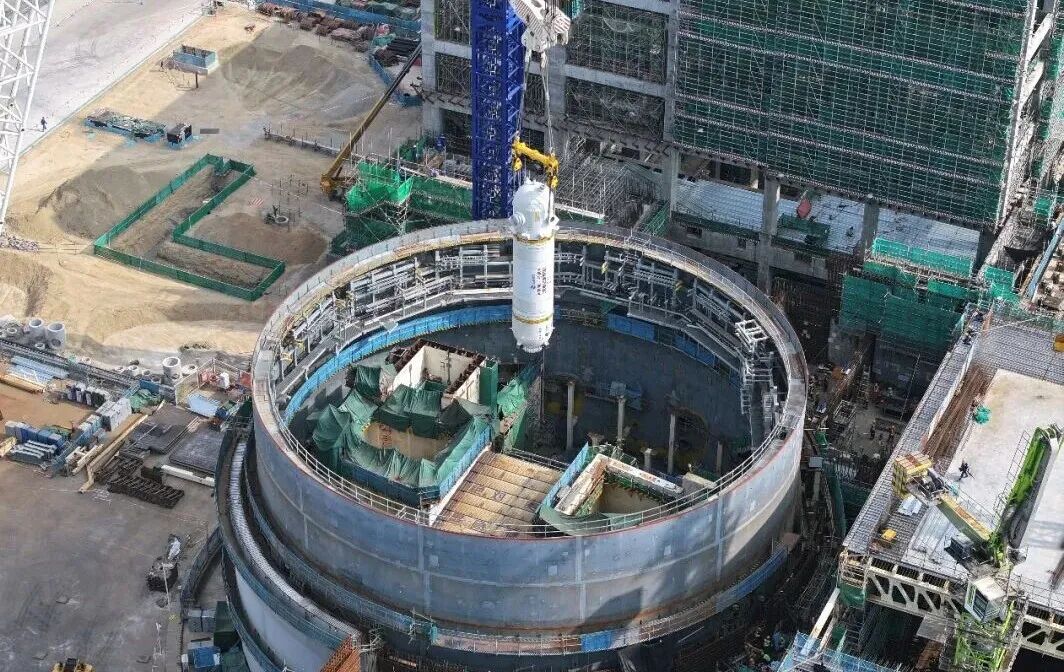
Pressurizer of Lufeng Nuclear Power Unit 1 Successfully Hoisted into Place
On September 30, the pressurizer of Lufeng Nuclear Power Unit 1, constructed by China Nuclear Industry 23 Construction Co., Ltd., was successfully hoisted into place. The success of this hoisting marks major progress in the installation of the primary circuit main equipment in the nuclear island of Lufeng Nuclear Power Unit 1, laying a solid foundation for the subsequent surge line welding, system equipment installation, and commissioning work. The pressurizer is a core main equipment of the nuclear island reactor coolant system and a Class 1 nuclear safety equipment. It undertakes the tasks of pressure regulation and overpressure protection for the primary circuit system and is key equipment for ensuring the safe and stable operation of the reactor. This equipment is a vertical cylindrical pressure vessel with a body height of more than ten meters and a total hoisting weight of over one hundred tons. It is installed in the pressurizer compartment of the CA01 module, with stringent design and manufacturing standards...
2026-09-30
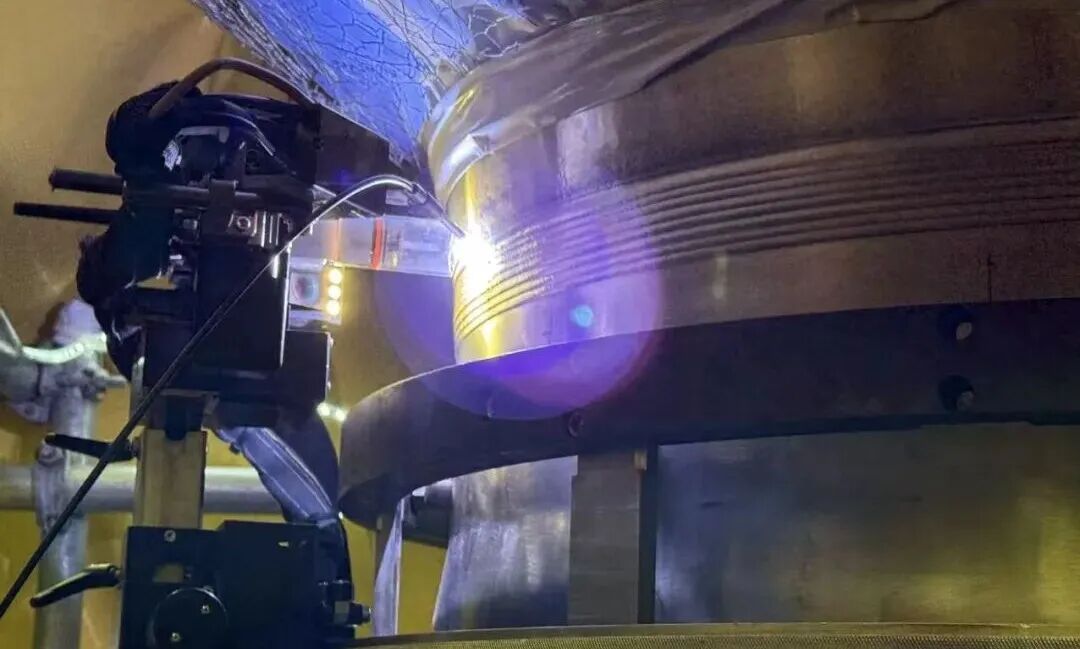
Main Coolant Piping Welding of Lufeng Nuclear Power Unit 6 Successfully Completed
On September 28, the main coolant piping welding of the nuclear island of Lufeng Nuclear Power Unit 6 was successfully completed. All non-destructive testing of the main coolant piping was finished, with the first-pass qualification rate of radiographic testing (RT)/ultrasonic testing (UT) reaching 100%, laying a solid foundation for subsequent key milestones such as nuclear loop flushing and cold functional testing. Facing the high standards of main coolant piping welding, the project department strictly implemented nuclear safety supervision and control requirements, carried out precondition verification across all dimensions of personnel, machines, materials, methods, and environment, established a main coolant piping welding control zone, strictly controlled the working environment including temperature, humidity, and cleanliness, and ensured stable and controllable welding conditions. The project team fully drew on the main coolant piping welding experience of Unit 5, formulated a special plan and implemented full-process management, and through digital monitoring means throughout the entire welding process, tracked key parameters such as welding deformation and temperature in real time, refined the process disclosure, in-process inspection, and quality acceptance procedures for each weld joint, and applied the work style of "strict, cautious, meticulous, and pragmatic" to every welding operation and every weld seam, ensuring the successful completion of the main coolant piping welding of Unit 6.
2026-09-30
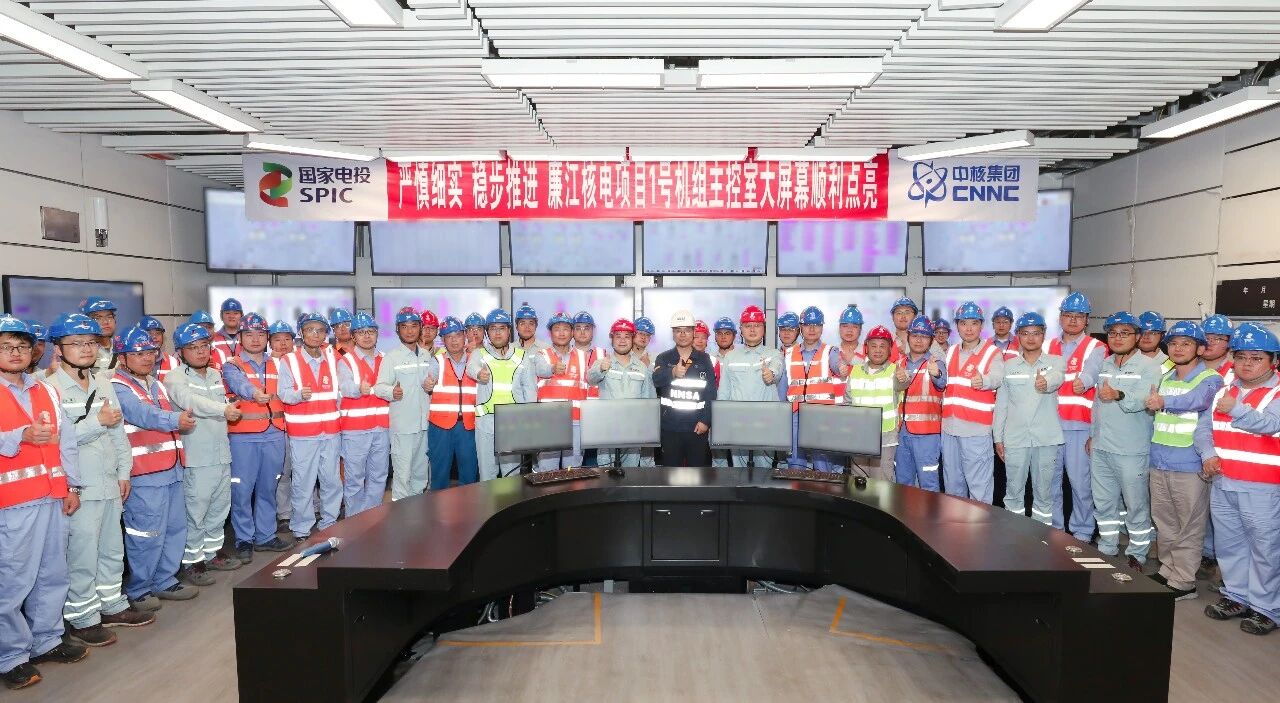
The main control room large screen of Unit 1 of SPIC Lianjiang Nuclear Power Project was successfully lit up
On September 28, the main control room large screen of Unit 1 of SPIC Lianjiang Nuclear Power Project was successfully lit up, marking that the unit construction has entered a new stage and laying a solid foundation for the subsequent cold test, hot test, and high-quality commissioning. The main control room is the control center of a nuclear power plant, mainly including important equipment such as the unit operation operator workstations and related control panels. It is the "brain" of the nuclear power plant and undertakes the core functions of unit operation monitoring, organization, and command.
2026-09-29
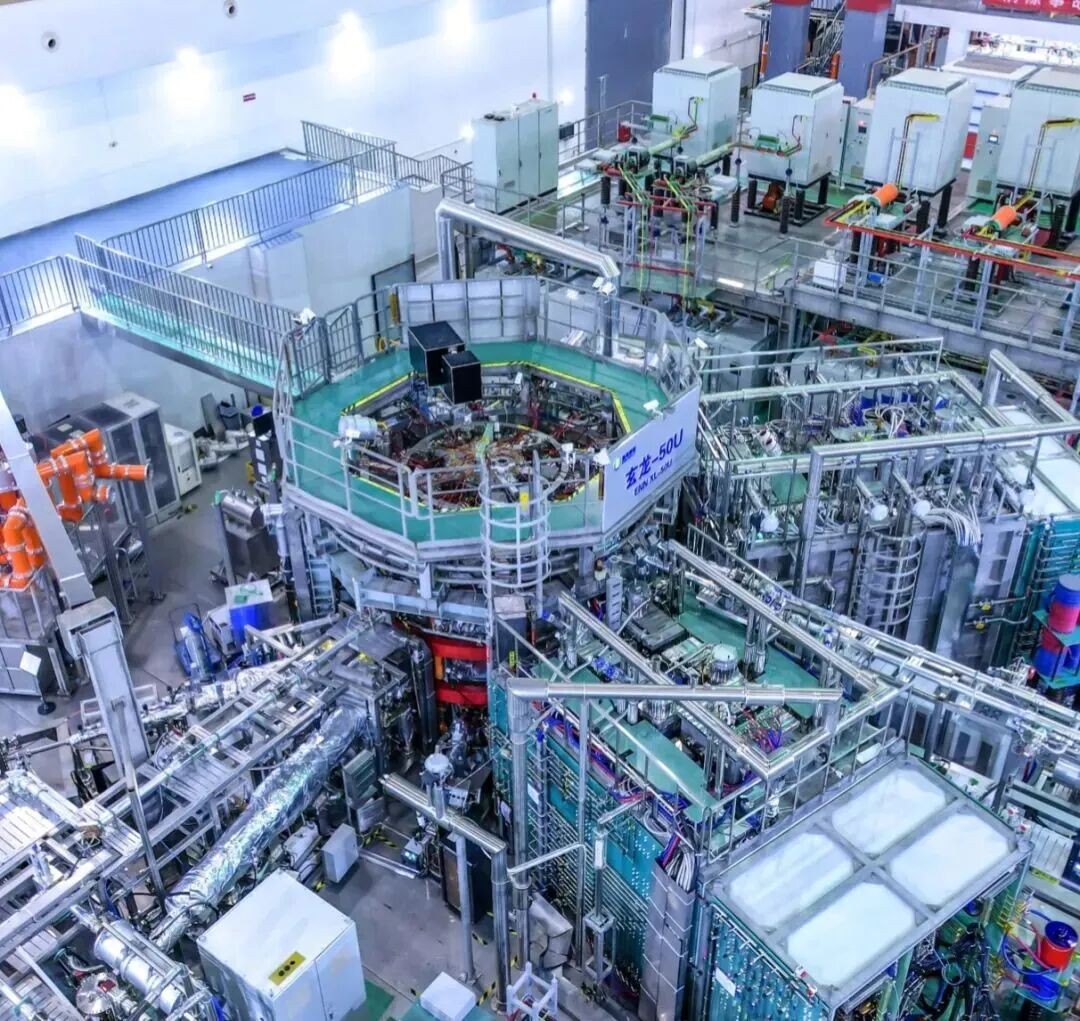
ENN's "Xuanlong-50U" Device Successfully Achieves Hydrogen-Boron Fusion Reaction
In late September 2026, ENN achieved a major breakthrough in the commercialization of hydrogen-boron fusion: the Xuanlong-50U device achieved a hydrogen-boron fusion reaction. This is the first time a global commercial fusion company has achieved a hydrogen-boron fusion reaction on its own device, and also the first time China's magnetic confinement fusion device has achieved a clean neutron-free fusion reaction with advanced fuels (hydrogen-boron, deuterium-helium-3). Hydrogen-boron fusion has commercialization advantages such as being neutron-free, having abundant and easily accessible fuel, and low cost. Its product is helium (α particles), but compared with deuterium-tritium fusion, it requires higher reaction temperature and triple product, and more demanding reaction conditions. In this experiment, the ENN fusion team, through the synergy of high-energy neutral beam injection and radio-frequency waves, greatly increased the non-thermal equilibrium fast proton fraction at the first resonance peak of the hydrogen-boron reaction...
2026-09-28
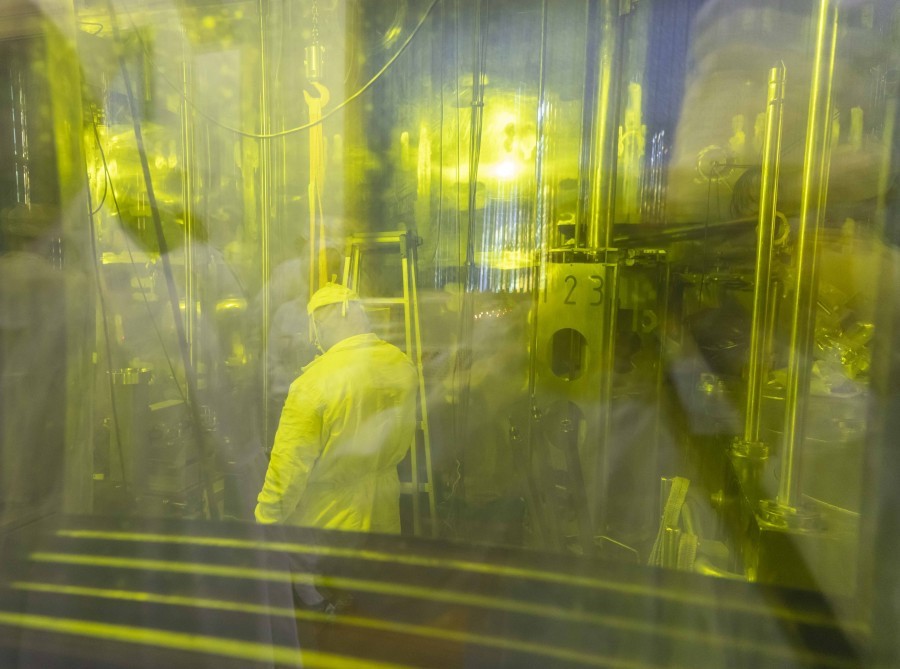
Rosatom has developed the first batch of nuclear fuel assemblies for the MBIR multi-purpose fast reactor, successfully passing factory acceptance testing
At the site of the Fuel Technology Division of the State Scientific Center — Research Institute of Atomic Reactors (NIIAR, Dimitrovgrad), under the Scientific Division of Rosatom, the first batch of 3 pilot nuclear fuel assemblies (Fuel assemblies / ТВС) for the multi-purpose sodium-cooled fast neutron research reactor (MBIR) successfully completed comprehensive factory acceptance tests. The professional acceptance committee conducted a thorough review of the maturity and completeness of the fuel production process line for this batch as well as all technical performance parameters of the trial-manufactured assemblies, and completed high-precision geometric dimension and quality re-verification measurements item by item. This acceptance review brought together the expertise of multiple core research and manufacturing institutions in the Russian nuclear industry, including the Dollezhal Research and Development Institute of Power Engineering (NIKIET), the Institute of Physics and Power Engineering (IPPE), and the Machine-Building Plant Joint Stock Company (MSZ, Elemash).
2026-09-27
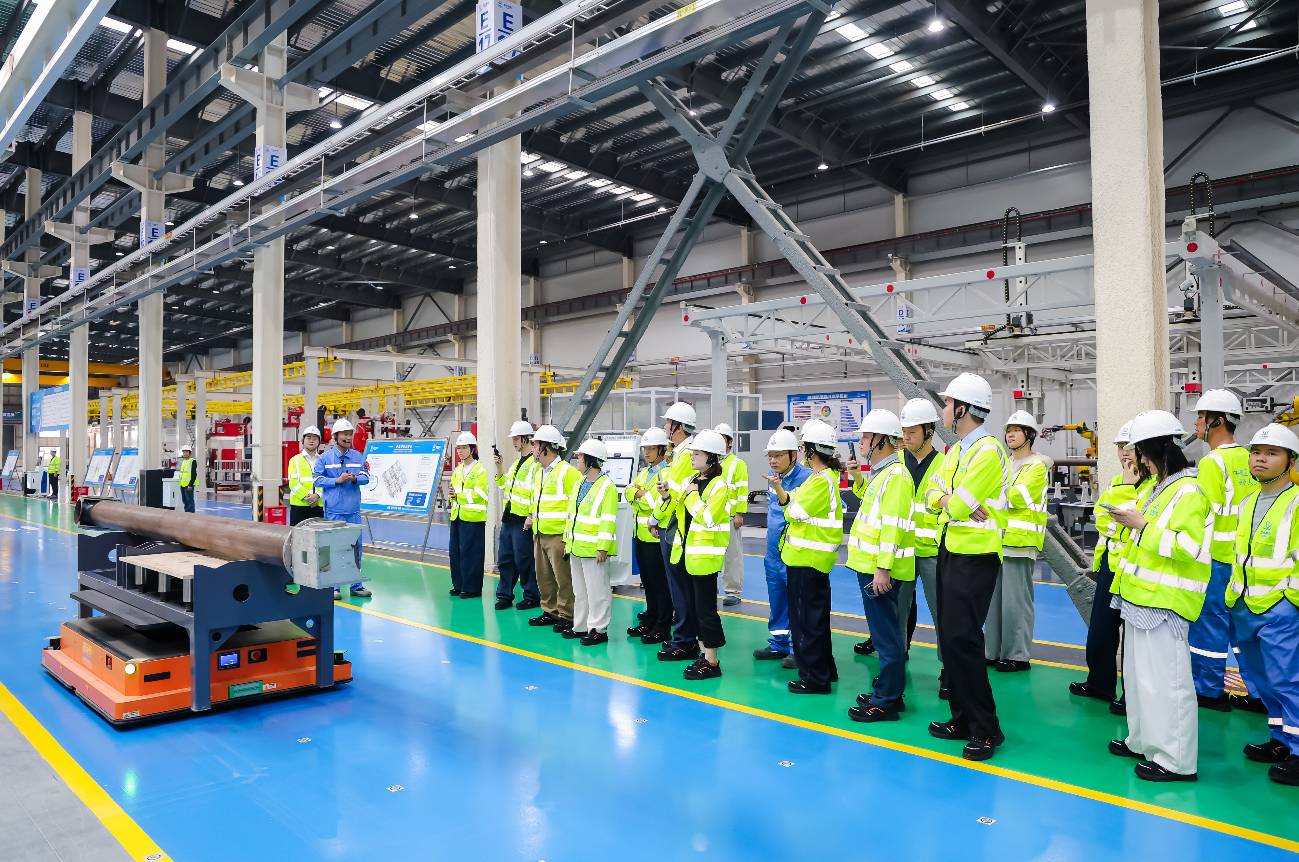
The "Hualong One Independent Innovation Journey" themed interview event was successfully held in Lüsigang, Qidong, Jiangsu
On September 14, the "Hualong One Independent Innovation Journey" themed interview event was held in Lüsigang, Qidong, Jiangsu. Hualong One is China's third-generation pressurized water reactor nuclear power technology with fully independent intellectual property rights. It is known as the "national calling card" of nuclear power and a major national heavy equipment, marking that China's nuclear power technology has entered the world's first tier. As one of the important industrial platforms of CNNC for laying out intelligent manufacturing and cultivating new quality productive forces, the Heneng Intelligent Manufacturing Qidong Intelligent Manufacturing Base carries the important mission of transforming the nuclear industry's cutting-edge manufacturing capabilities into the field of high-end civil equipment. The base covers an area of approximately 311 mu, with plans to build 7 core production lines, supported by intelligent unmanned warehousing, and can provide intelligent inspection...
2026-09-17

The Nuclear Medicine Full-Chain High-Quality Development Empowerment Training Program Was Successfully Held in Mianyang, Sichuan
From September 6 to 11, the Nuclear Medicine Full-Chain High-Quality Development Empowerment Training Program, hosted by the Department of Human Resources and Social Security of Sichuan Province and organized by Mianyang Central Hospital, was successfully held in Mianyang, Sichuan. Hundreds of nuclear medicine peers from all over the country, including Beijing, Shanghai, Guangzhou, Tianjin, Chongqing, and Chengdu, completed all course studies and returned to their posts fully loaded with training results. This training was hosted by the Department of Human Resources and Social Security of Sichuan Province, organized by Mianyang Central Hospital, and co-organized by multiple departments including the Mianyang Municipal Human Resources and Social Security Bureau and the Fourth Division of Science and Technology Innovation and Industrial Innovation Integration Development of Mianyang Science and Technology City. The training content focused on nuclear medicine from laboratory research and development to clinical application...
2026-09-14

First Supercapacitor Pulsed Power Supply System of the HL-3 Upgrade Project Successfully Handed Over
On September 10, the 300MVA/3000MJ supercapacitor pulsed power supply system of the HL-3 upgrade project was successfully handed over. This is the first system of the project to complete handover, marking that the project construction is gradually transitioning from the equipment installation and subsystem static commissioning stage to the system joint commissioning stage, providing support for advancing fusion engineering. Zhang Libo, President and Deputy Secretary of the Party Committee of the Southwestern Institute of Physics, and Chen Qingchuan, Vice President, attended the handover ceremony. Zhang Libo stated at the ceremony that the completion of the handover of the first system is the result of collaborative efforts by all participating units, accumulating experience and creating conditions for subsequent system joint commissioning. All parties will continue to consolidate responsibilities and advance key milestones on schedule....
2026-09-12
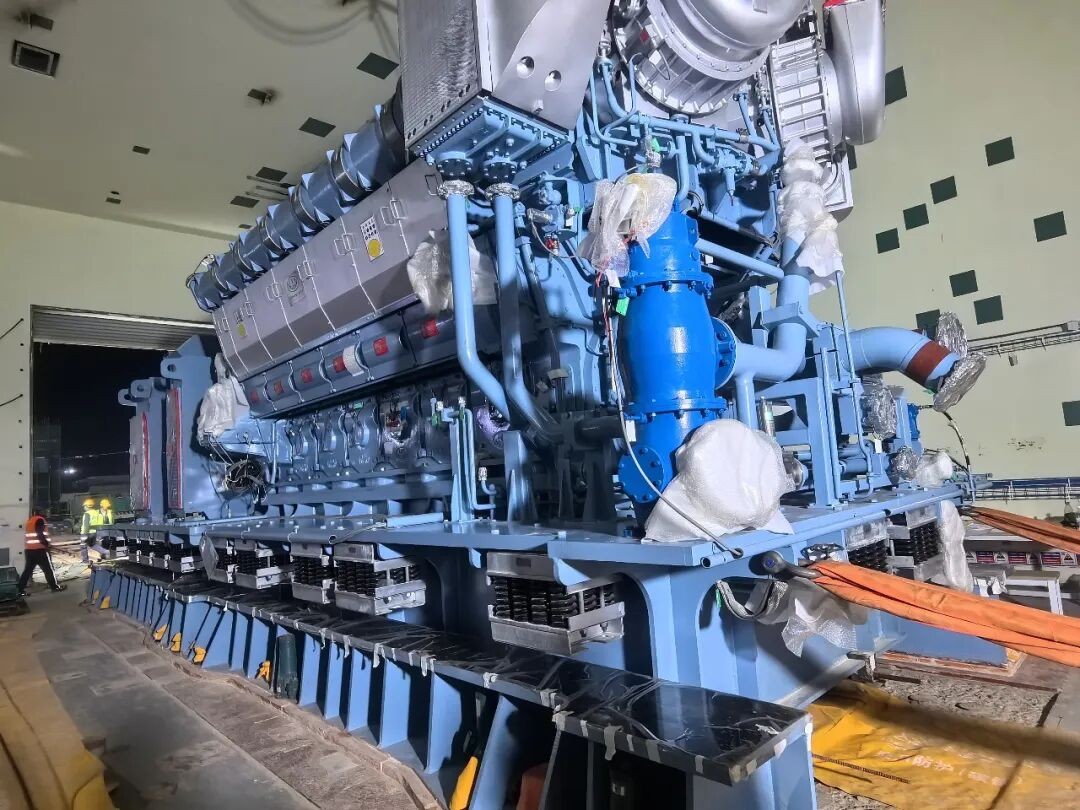
First Emergency Diesel Generator Successfully Introduced at Unit 6 of Lufeng Nuclear Power Plant
On September 4, 2026, the first emergency diesel generator for Unit 6 of Lufeng Nuclear Power Plant was successfully introduced into the diesel generator building. The emergency diesel generator is a critical required power source during the cold test phase of a nuclear power unit. The successful introduction of this equipment ensured the availability of emergency power during the cold test period, providing a solid power guarantee for the smooth execution of subsequent cold test work for Unit 6. The Installation Management Section of Lufeng Nuclear Power shifted from passive waiting to proactive action, planning the diesel generator introduction route in advance. The greatest challenge of this introduction task was the deep pit backfill adjacent to the main area of the siphon well on the west side of the diesel generator building, with a backfill depth exceeding 20 meters, a wide coverage area, and a graded aggregate demand of up to approximately 80,000 cubic meters. During construction...
2026-09-08
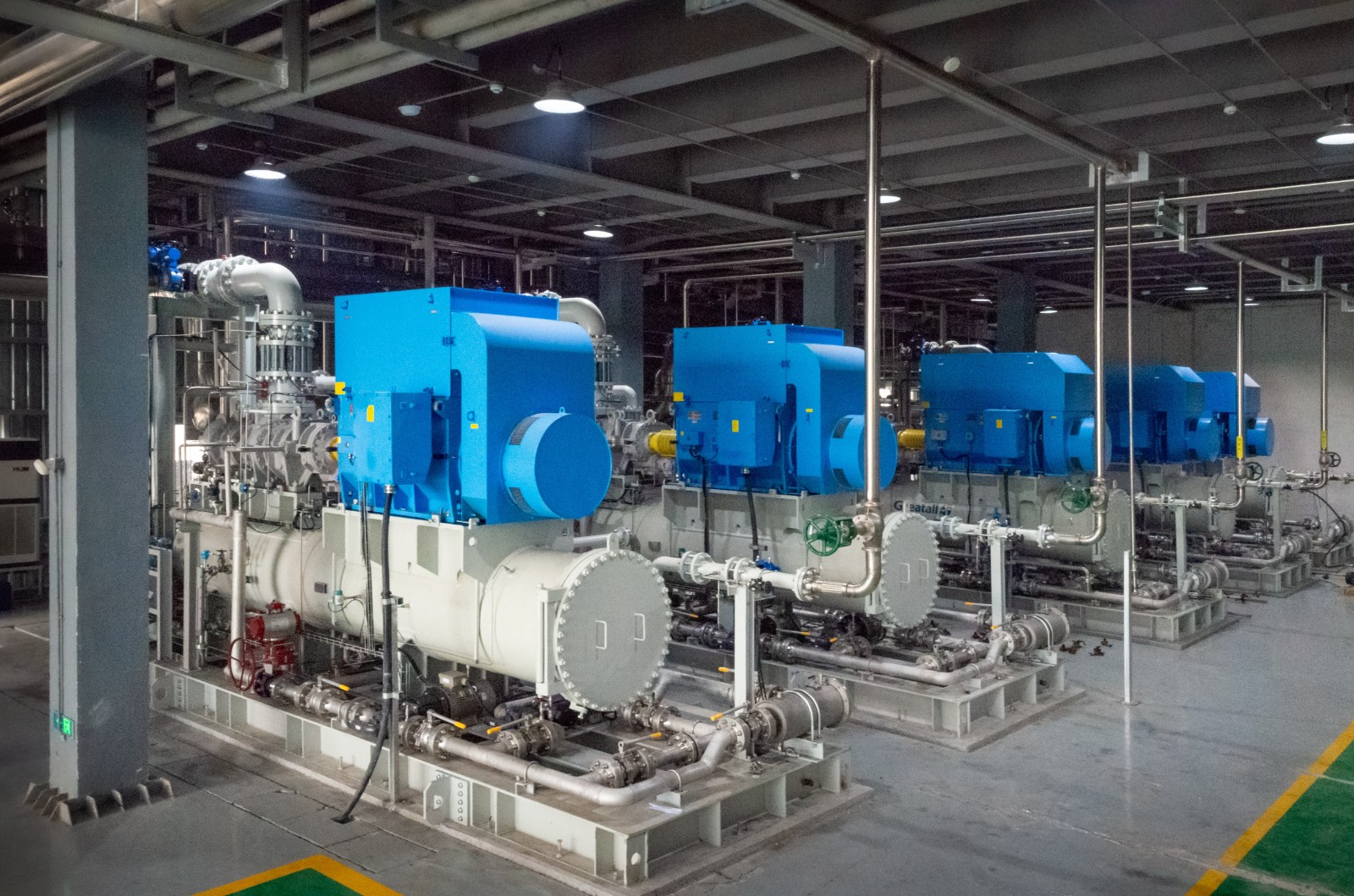
Commissioning of the CRAFT Cryogenic System 6 kW@4.5 K Helium Refrigerator Successfully Completed
Recently, significant progress has been made in the construction of the helium refrigeration system on the CRAFT magnet platform. The on-site commissioning and performance testing of the main body of the CRAFT cryogenic system 6 kW@4.5 K helium refrigerator have been successfully completed, with all indicators meeting the design acceptance requirements. The commissioning work focused on systematic verification of the cold box refrigeration performance, liquefaction capacity, control system, safety interlocks, and the operating status of key cryogenic equipment. During the acceptance tests, the helium refrigerator completed 12 hours of continuous stable operation under design conditions, achieving a refrigeration capacity of 6 kW@4.5 K + 50 K@GHe. In addition to design conditions, the project team also conducted performance tests under helium liquefaction conditions, with relevant temperature, pressure,...
2026-09-03
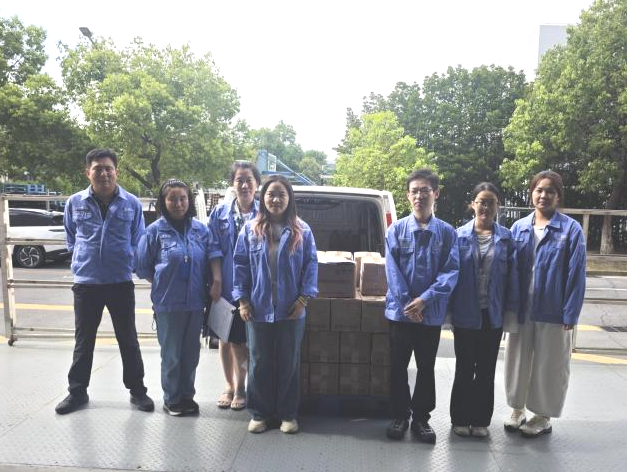
SNPAS Successfully Completes Batch Shipment of 45 Nuclear-Grade Paperless Recorders
On August 27, SNPAS successfully completed factory acceptance and shipment of 45 nuclear-grade paperless recorders. This batch delivery marks that the product has completed full-process technical iteration, with all production links across the entire chain moving toward standardization. Domestic nuclear-grade display and control equipment now possesses sustained and stable batch supply capability, with continuously growing market recognition. The nuclear-grade paperless recorder is a core product of the high-reliability display and control platform based on FPGA (Field Programmable Gate Array) architecture. The entire product operation process involves no CPU or operating system, fundamentally resolving the industry pain points of traditional display and control equipment, namely difficult operating system verification and vulnerability to virus attacks. It inherently features virus resistance, no system freezes, instant startup, and fast response...
2026-09-03
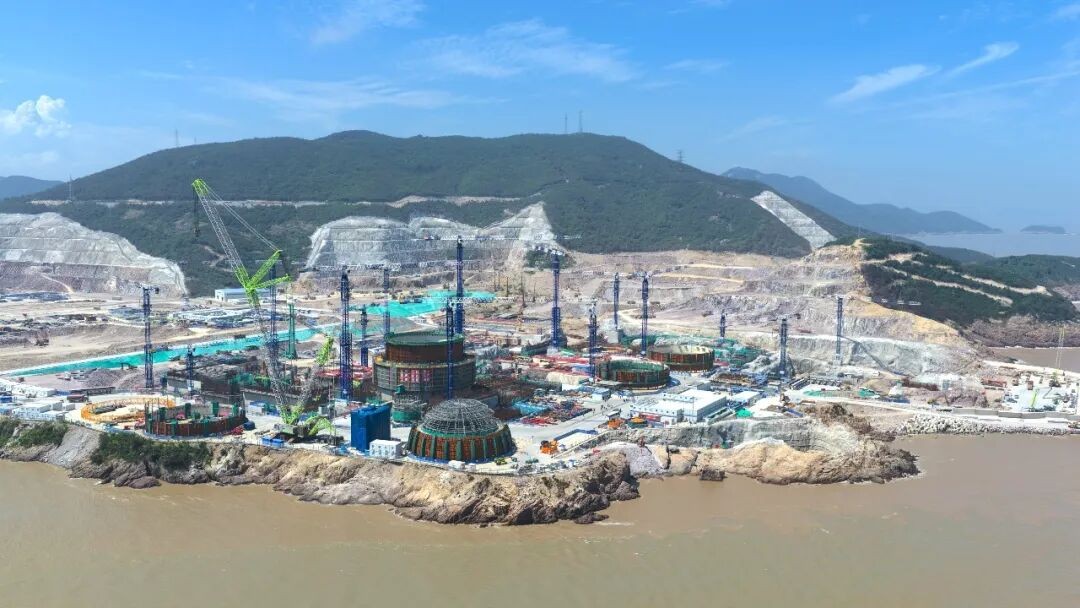
Zhejiang Jinqimen Nuclear Power Unit 1 Pressurizer Relief Tank Successfully Hoisted into Place
On August 30, the pressurizer relief tank, a major nuclear island equipment item of Unit 1 at Zhejiang Jinqimen Nuclear Power Plant, contracted by China Nuclear Industry Fifth Construction Co., Ltd. (CNF), was successfully hoisted into place. The entire hoisting process was smooth and orderly, with overall safety and quality under control. This hoisting has laid a solid foundation for the subsequent installation of main nuclear island equipment and the construction of the primary loop system. The pressurizer relief tank is an important auxiliary equipment of the reactor coolant system in a nuclear power plant. Its main function is to collect and condense the high-temperature and high-pressure steam discharged from the pressurizer safety valves, ensuring the safe and stable operation of the reactor system. The relief tank hoisted this time is pre-installed equipment in the nuclear island. The main body of the equipment is heavy in weight and large in size, with limited hoisting workspace. After being hoisted into place, it needs to be placed in the nuclear island building for a long period, and subsequent construction will be constrained by space, making it necessary to introduce the equipment precisely within the civil construction window period.
2026-09-02
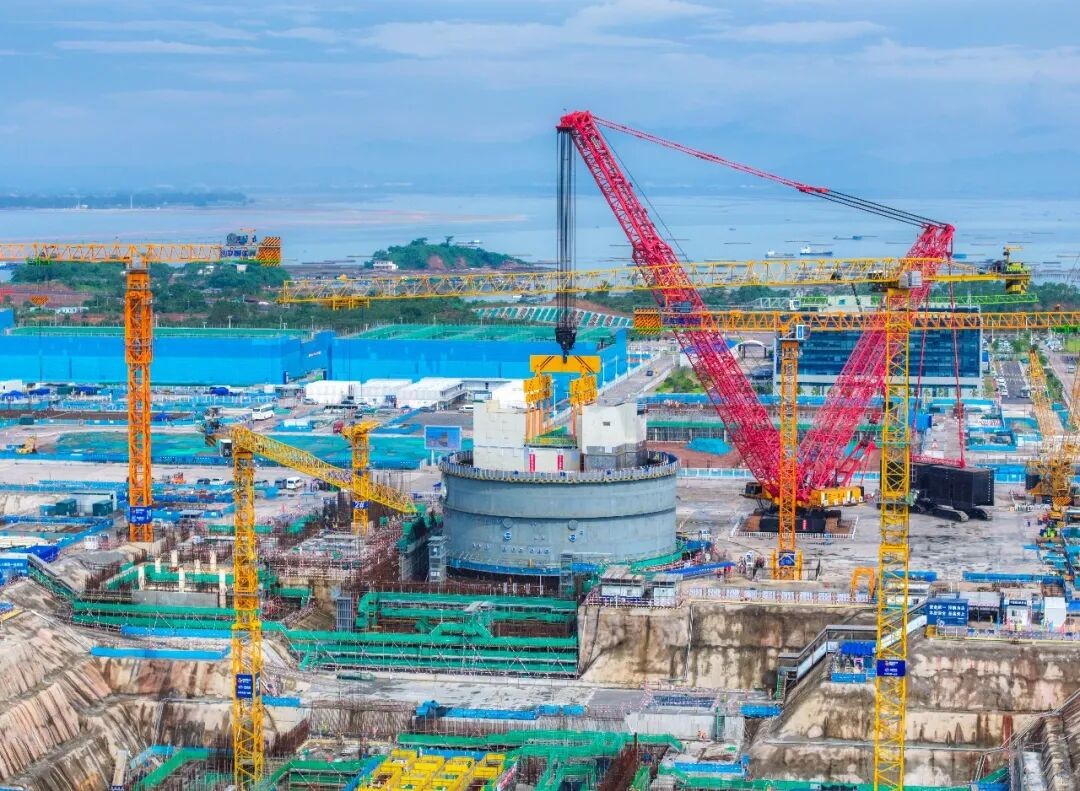
CA01 Module of Unit 1 at Guangxi Bailong Nuclear Power Plant Successfully Hoisted into Position in the Nuclear Island
On August 29, the CA01 module of Unit 1 at the Bailong Nuclear Power Plant of SPIC Guangxi Nuclear Power was precisely positioned, marking a new phase of parallel civil construction and installation in the nuclear island. ▲On August 29, the hoisting operation of the CA01 module of Unit 1 at the Guangxi Bailong Nuclear Power Plant of SPIC was proceeding in an orderly manner. The CA01 module is located in the reactor building of the nuclear island and serves as the installation room for main equipment such as the reactor pressure vessel, steam generators, and pressurizer. The module is T-shaped in overall form, with external dimensions of 28 meters in length, 29 meters in width, and 24 meters in height. It consists of 47 sub-modules, with a total lifting weight of approximately 1,167 tons, making it the largest and heaviest structural module in the nuclear island. The hoisting operation commenced at 8:07 a.m. and, after a series of maneuvers including lifting, hovering, slewing, lowering, and adjustment, was successfully positioned at 12:58 p.m., with the entire process being safe, controllable, stable, and orderly.
2026-08-31
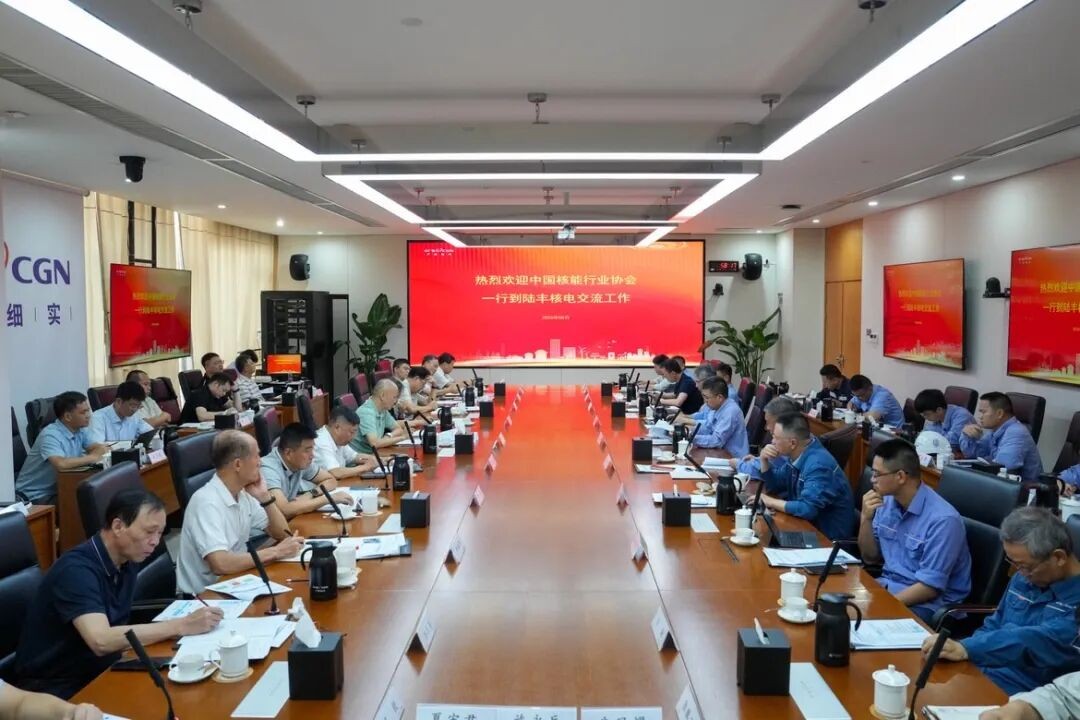
Lufeng Nuclear Power Unit 1 Nuclear Island Installation and High-Quality Cold Test Sand Table Exercise Successfully Concluded
From August 18 to August 21, 2026, the China Nuclear Energy Association (hereinafter referred to as the Association) organized relevant experts to successfully carry out the sand table exercise for the nuclear island installation and high-quality cold test of Lufeng Nuclear Power Unit 1. The sand table exercise was led by Hu Guofeng, former Director of Shanghai Nuclear Engineering Research and Design Institute Co., Ltd. and Deputy Director of the Science, Technology and Development Expert Committee, with Li Jingxi, former Director of the South China Nuclear and Radiation Safety Supervision Station of the Ministry of Ecology and Environment, Li Qibin, former Chairman of China Nuclear Industry 23 Construction Co., Ltd., Zeng Hao, former Chairman of CNNC Maintenance Co., Ltd., and Wang Mingliang, former Deputy General Manager of China Nuclear Industry Fifth Construction Co., Ltd., serving as advisors. A total of 24 external experts participated...
2026-08-28