
Search Results
Keyword:uranium
Study Reveals Three-Dimensional Pore Networks Inside Uranium-Zirconium Metallic Nuclear Fuel
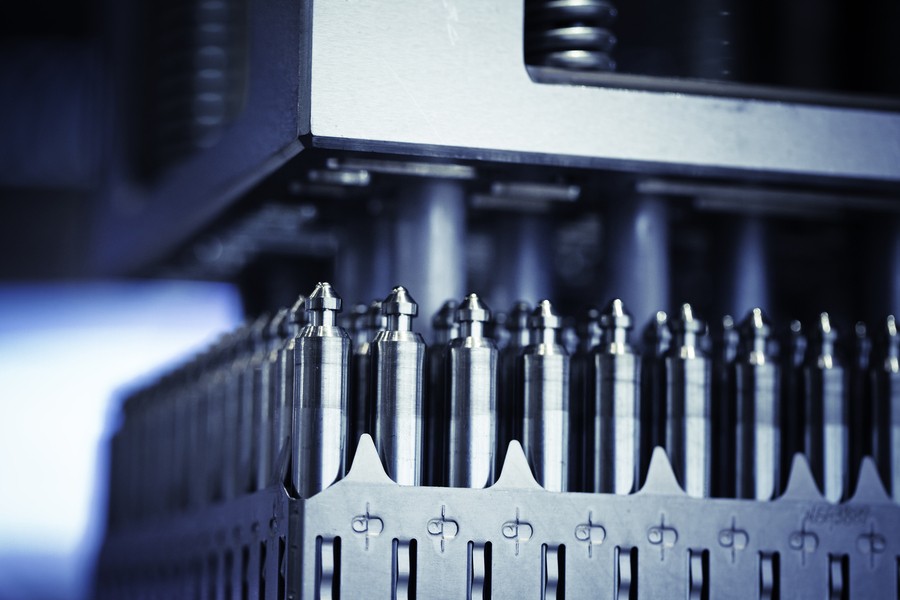
Researchers at the Massachusetts Institute of Technology (MIT), in collaboration with Idaho National Laboratory (INL), conducted three-dimensional imaging studies on irradiated uranium-10 zirconium metallic fuel, revealing the internal pore networks within the fuel and their relationship with chemical changes and fuel-cladding interactions. The researchers believe these results will help improve metallic fuel performance models, providing references for extending the operating cycles of certain reactors and for the design of next-generation sodium-cooled fast reactor fuel systems. Uranium-10 zirconium (U-10Zr) is a uranium-zirconium alloy metallic fuel containing 10% zirconium, which has been extensively tested in sodium-cooled fast reactors such as Experimental Breeder Reactor II (EBR-II) and the Fast Flux Test Facility (FFTF). As advanced reactor research and development progresses, this type of metallic fuel has regained attention, but the details of pore formation, swelling, heat transfer, and interactions with cladding materials under reactor irradiation conditions still require further clarification.
2026-08-13
Cameco says it can ramp up core uranium asset production when demand recovers
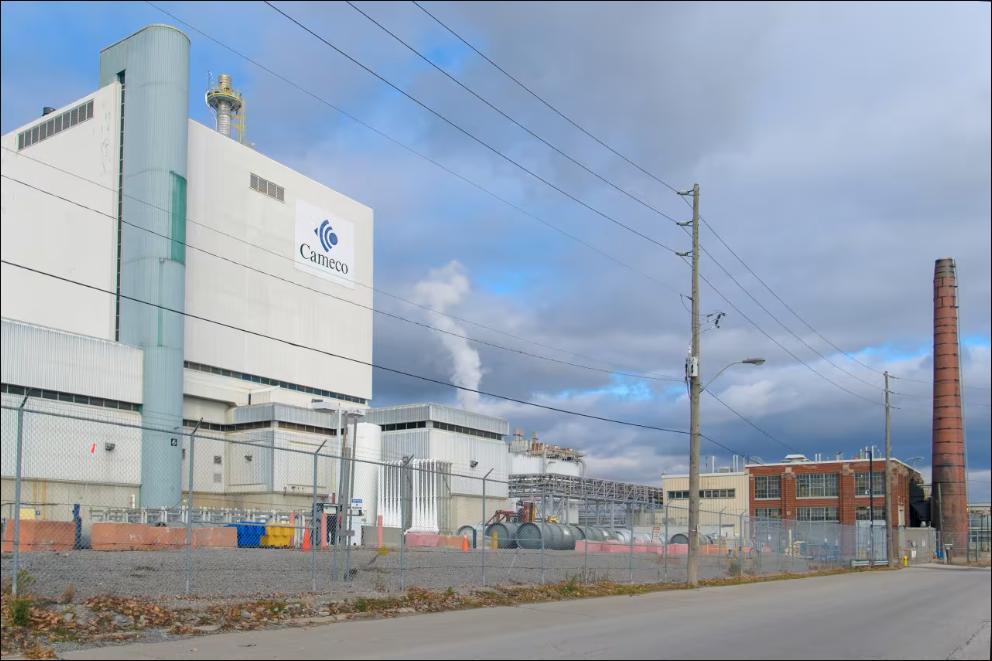
Canadian uranium producer Cameco has said it is well positioned to respond to rising market demand, and will prioritize increasing output from its core assets if demand becomes clearer. Grant Isaac, Cameco's President and Chief Operating Officer, said on a company podcast discussing long-term strategy that Cameco remains committed to supply discipline, focusing on meeting customers' actual needs rather than setting overly ambitious growth expectations in the absence of confirmed demand. Isaac said the company is prepared to increase production from Tier 1 assets such as the McArthur River uranium mine and the Key Lake mill when market demand rises, lifting output from the current approximately 10 million to 11.5 million pounds of U3O8 to 25 million pounds.
2026-08-13

TRISO-X and Oak Ridge National Laboratory Extend Advanced Nuclear Fuel R&D Collaboration
TRISO-X announced on August 11 that it has extended its Collaborative Research and Development Agreement with the U.S. Department of Energy's Oak Ridge National Laboratory (ORNL). The newly signed agreement has a term of 30 months and will continue to advance commercial-scale development of TRISO fuel, manufacturing process optimization, and technology transfer, building on the collaboration established since 2016. TRISO-X is a wholly-owned subsidiary of X-energy, primarily engaged in advanced nuclear fuel manufacturing. Under the agreement, TRISO-X will continue to operate its existing pilot-scale facilities at Oak Ridge National Laboratory, with a focus on transitioning TRISO fuel from laboratory R&D to commercial-scale manufacturing. The collaboration includes optimizing fuel...
2026-08-12
Urenco in Almelo, Netherlands accelerates expansion, ninth centrifuge hall enters planning
Urenco in Almelo, the Netherlands, is continuing its large-scale expansion. Before a new large facility has even been completed, the company has already begun advancing its next expansion project, with a ninth production hall housing thousands of centrifuges now in the preparatory stage. This signals a clear acceleration in the pace of the company's uranium enrichment capacity expansion. Urenco's core business is supplying fuel for nuclear power plants, namely enriching uranium through centrifuges. In recent years, tight global energy supply, fluctuating natural gas prices, and heightened energy security concerns have brought nuclear energy back into focus for many countries. As demand for nuclear power rises, the importance of the nuclear fuel supply chain has also grown, and Urenco...
2026-08-12
Brazil's uranium imports from Russia hit highest since 1997 in July, reaching $84.5 million in a single month, a 168-fold surge month-on-month
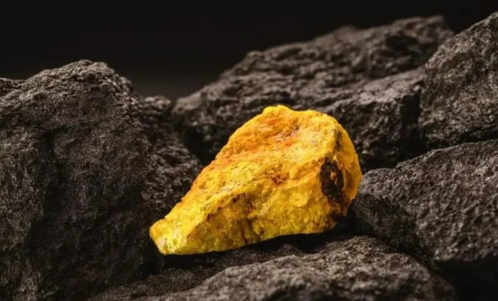
Brazil's uranium imports from Russia in July this year reached $84.5 million, equivalent to approximately 430 million reais, the highest level since 1997. Compared with the import value of only $504,000 in June, the single-month increase was as high as 168-fold, indicating that this transaction was not a general monthly fluctuation but a concentrated procurement of exceptionally large scale. Looking at historical data, Brazil's uranium imports have typically remained at the level of hundreds of thousands of dollars per month, and even previous periodic peaks were far below the scale seen in July. Materials show that there was an import peak exceeding $1 million in August 2025, but it still pales in comparison with this $84.5 million figure. This means that the July data not only changes...
2026-08-12

U.S. and European Nuclear Fuel Markets Accelerate Adjustment, with Canada and Kazakhstan Remaining Leading Uranium Supply Sources
Annual reports recently released by the U.S. Energy Information Administration and the European Supply Agency show that the global nuclear fuel supply landscape in 2025 continues to be shaped by geopolitical and energy security factors. Canada remains the most important source of uranium for utility nuclear power operators in the United States and the European Union, followed closely by Kazakhstan, underscoring the two countries' central role in the Western nuclear fuel supply chain. Meanwhile, both the United States and the European Union are focusing on concerns over supply source concentration, dependence on Russian-related supplies, and security assurance issues arising from future growth in nuclear power demand. In the U.S. market, owners and operators of civilian nuclear power plants procured 46.9 million pounds U3O8e of uranium deliveries from domestic and foreign suppliers in 2025...
2026-08-12

South Korea Establishes New Specialized Agency to Advance Nuclear-Powered Submarine Construction Project
South Korea's Ministry of National Defense stated on the 11th that President Lee Jae-myung presided over a State Council meeting that day, deliberating and approving amendments to the "Enforcement Decree on the Organization of the Ministry of National Defense and Its Affiliated Agencies" and the "Enforcement Decree on the Organization of the Defense Acquisition Program Administration and Its Affiliated Agencies." Under the amendments, South Korea will establish a new specialized agency to advance the nuclear-powered submarine construction project. According to the relevant arrangements, a Nuclear-Powered Submarine Policy Planning Group will be established under the Ministry of National Defense, responsible for coordinating the formulation of policies and systems required for nuclear-powered submarine construction and facilitating cooperation among relevant agencies. On the side of the Defense Acquisition Program Administration, the existing Korean Submarine Project Group is planned to be reorganized and expanded into a Nuclear-Powered Submarine Project Group, with the concurrent establishment of a Nuclear-Powered Submarine Project Team and a Nuclear Power System Project Team...
2026-08-12
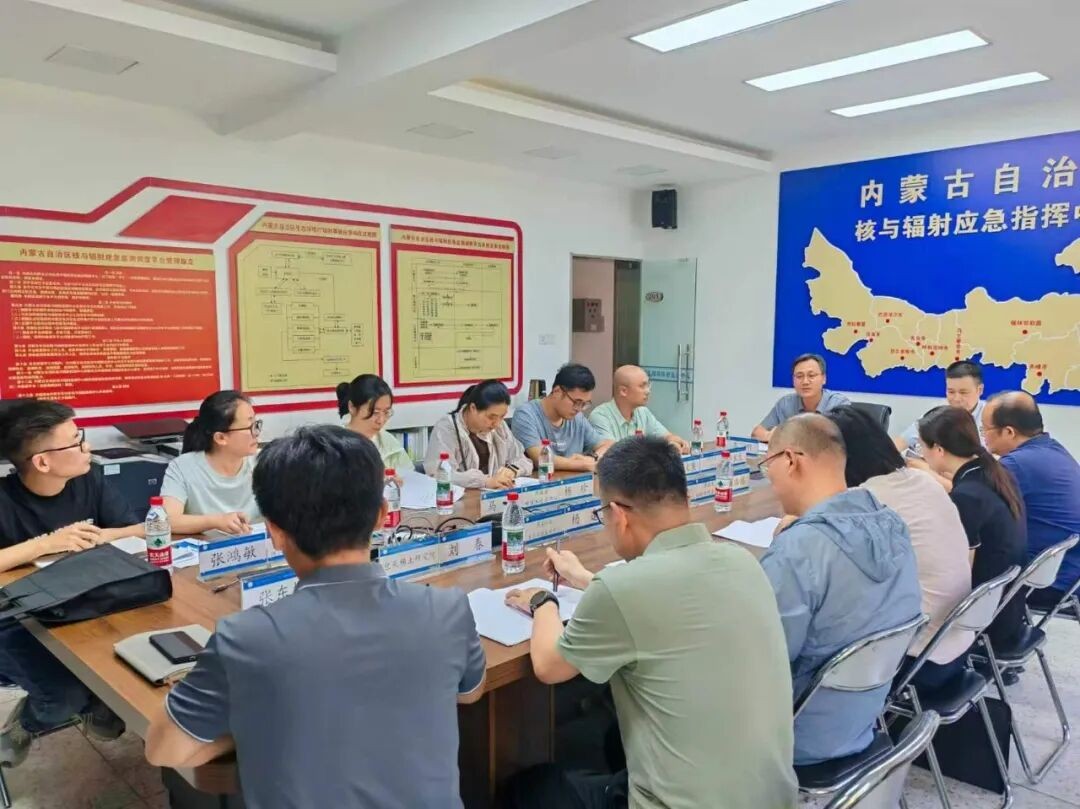
Inner Mongolia Nuclear and Radiation Monitoring Center Organizes Standard Pre-Research Exchange Meeting
In accordance with the arrangement of the radiation monitoring standard pre-research project, the Inner Mongolia Nuclear and Radiation Monitoring Center (hereinafter referred to as the Inner Mongolia Center) undertakes the pre-research task for the standard "Determination of Total Uranium and Thorium in Soil and Sediment - Inductively Coupled Plasma Mass Spectrometry." To standardize the inter-laboratory method validation process and ensure the smooth progress of the validation work, the Inner Mongolia Center recently organized a standard pre-research method validation exchange meeting in Baotou City, attended by experts from the Radiation Environmental Monitoring Technical Center of the Ministry of Ecology and Environment for on-site guidance. Seven laboratories from across the country participated in this validation exchange meeting, including provincial-level radiation environmental monitoring institutions and laboratories in the nuclear industry, nuclear technology applications,...
2026-08-11
India's Nuclear Power Expansion Drives Up Uranium Demand, Annual Demand Could Reach 5,400 Tonnes
India is accelerating its nuclear energy development program, with uranium resource demand rising correspondingly. According to estimates by the Indian Parliament's Committee on Public Undertakings in its follow-up report on NPCIL performance rectification, India will require approximately 5,400 tonnes of uranium annually in the future as nuclear power projects expand. This figure reflects the urgency of India's energy structure adjustment and indicates the rising status of nuclear power in its long-term electricity planning. Currently, domestic uranium production in India can only meet about 30% of demand, with the remainder relying on imports, primarily from countries including Kazakhstan, Russia, Uzbekistan, and Canada. The Parliamentary Committee therefore emphasized...
2026-08-10
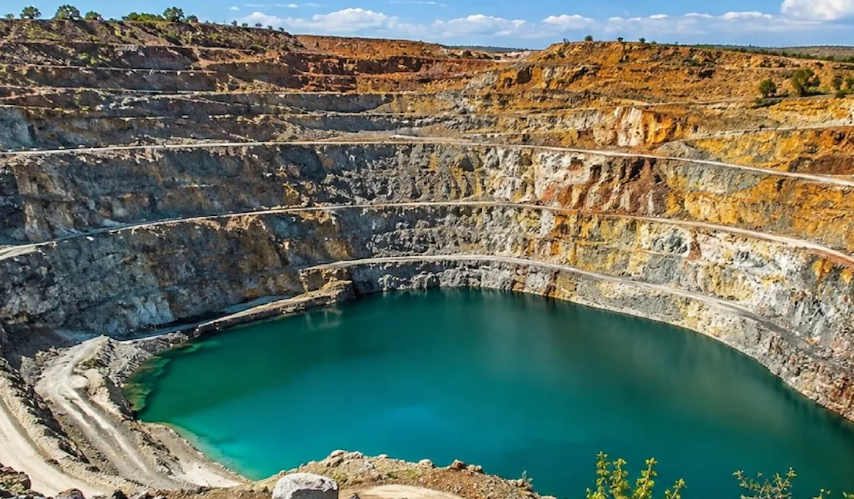
Türkiye Plans 17,000-Ton Uranium Drilling Program, Accelerating Nuclear Energy Autonomy Strategy
Türkiye is advancing a new round of exploration around a uranium deposit reportedly totaling 17,000 tons, planning drilling at 47 different points to further confirm ore body distribution, grade levels, and economic viability for extraction. This move is positioned within the context of Türkiye's energy supply security and nuclear energy development strategy, aiming to provide more domestic resource support for future nuclear fuel assurance. From an energy strategy perspective, uranium resource exploration is not merely a standalone mining project but part of Türkiye's efforts to reduce external energy dependence. Türkiye has long relied on imported energy, with external supplies of natural gas, oil, and other resources impacting its energy costs and macroeconomic performance. Globally...
2026-08-10
Romania in Talks to Purchase 300 Tons of Uranium from Niger, Nuclear Fuel Supply Diversification Faces Legal Uncertainties
Romania's state-owned nuclear power company Nuclearelectrica has initiated negotiations to purchase 300 tons of uranium from Niger, against the backdrop of Romania's push to diversify its external nuclear fuel sources. The talks began on April 13, 2026, with Niger's Minister of Mines Ousmane Abarchi responding positively, after which the Romanian delegation continued engagement with the Nigerien side. The transaction is valued at approximately $40 million, but Nuclearelectrica has emphasized that no final agreement has been reached yet. The potential appeal of this uranium supply lies in Romania's expanding nuclear power development plans, while domestic large-scale uranium mining has ceased. As the operator of the Cernavodă nuclear power plant...
2026-08-10
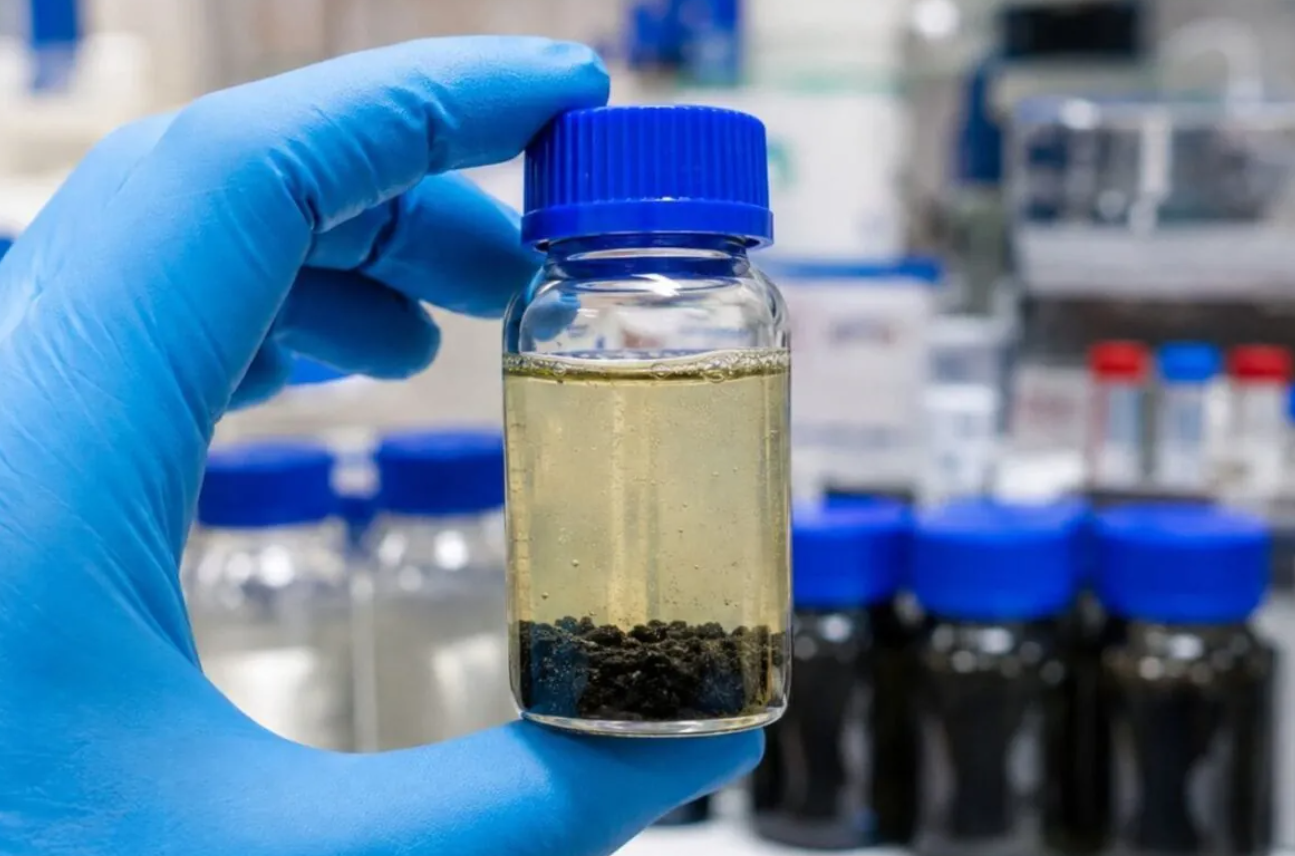
German-Grenoble Joint Experiment: Bacteria Immobilize 96% of Uranium in Mine Water, Offering New Insights for Legacy Uranium Mine Remediation
More than three decades after the closure of the Schlema-Alberoda legacy uranium mine in Saxony, Germany, remediation pressure continues unabated. After the mine workings were flooded, the water still contains approximately 1 milligram of uranium per liter, far exceeding the World Health Organization's provisional guideline value of 0.03 milligrams per liter for drinking water. This means that even though mining has long ceased, contaminated water must still be treated over the long term to prevent radioactive metals from migrating with groundwater into rivers or drinking water sources. A team involving the Helmholtz-Zentrum Dresden-Rossendorf in Germany, the University of Grenoble, and other institutions conducted experiments directly using real water samples from the mine and achieved noteworthy results: after 130...
2026-08-10

DR Congo Government Responds to Research Allegations of "Uranium" in Cobalt Products, Announces Re-Testing and IAEA Consultations
The government of the Democratic Republic of the Congo (DRC) has recently responded to a study suggesting that its cobalt products may contain traces of uranium. The study, published in the journal *Nature Communications* on July 30, 2026, reported the presence of uranium traces in some exported cobalt hydroxide products from the DRC. As cobalt is a critical raw material in the global new energy battery supply chain, this claim quickly drew external attention to mineral product safety, environmental risks, and supply chain credibility. In an official statement released on August 7 by the Ministry of Communication and Media, the DRC government stated that the allegations should be understood within a scientific and geological context. The government emphasized that the natural co-occurrence of uranium in copper-cobalt deposits in Lualaba Province and Haut-Katanga Province is a geological phenomenon known for over a century, and is neither abnormal nor the result of artificial addition or deliberate manipulation. The government also noted that, under relevant International Atomic Energy Agency standards, if uranium exists only in trace amounts in ores or cobalt concentrates and is not specifically processed for uranium extraction, it should generally not be regarded as nuclear material.
2026-08-10
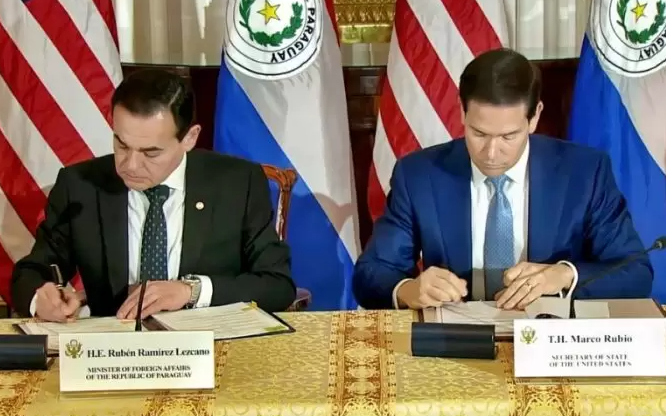
Paraguay says U.S. nuclear memorandum covers uranium exploration, energy cooperation heats up
Paraguayan Vice President Pedro Alliana revealed that the memorandum of understanding on nuclear energy recently signed between Paraguay and the United States involves not only civil nuclear energy development but also cooperation related to uranium exploration. In discussing his meetings with U.S. Secretary of State Marco Rubio and Deputy Secretary of State Christopher Landau, he called the agreement a historic document, reflecting that bilateral relations are at an unprecedented stage of closeness. The recent engagement between Paraguay and the U.S. was not limited to nuclear energy issues but spanned multiple areas including bilateral cooperation, security, investment, and regional politics. Alliana stated that the U.S. side intends to strengthen investment in Paraguay's energy sector, with particular attention to...
2026-08-09
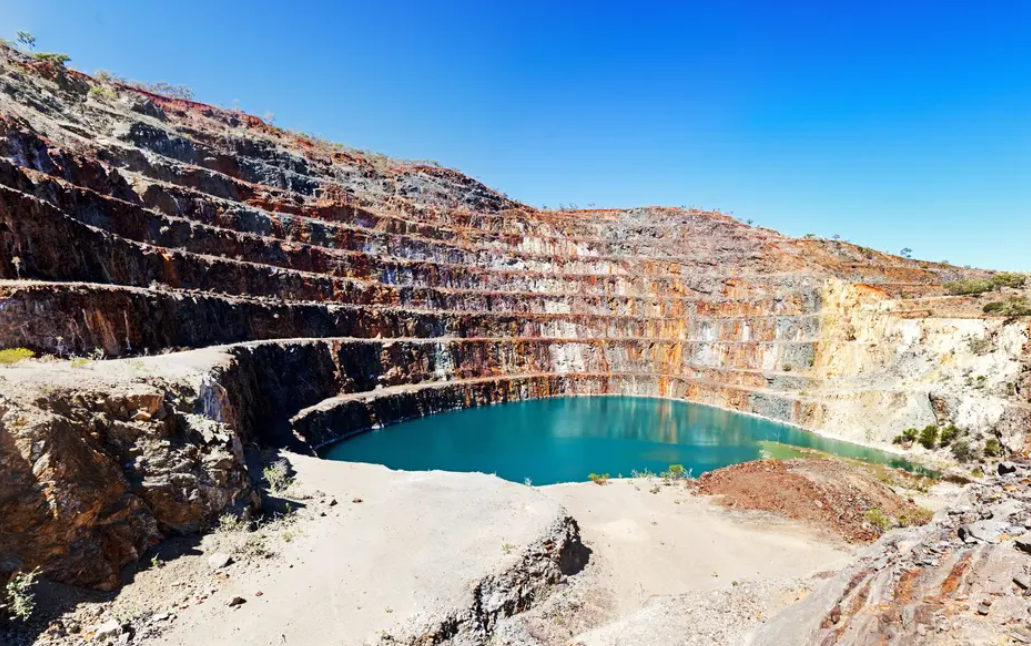
Eagle Nuclear Energy Advances 47-Hole Pre-Feasibility Drilling at Aurora Uranium Project
Against the backdrop of rebuilding a domestic U.S. uranium supply chain, newly listed Eagle Nuclear Energy Corp. has entered the industry spotlight with what it claims to be the largest conventional measured+indicated uranium resource in the country. Its flagship Aurora uranium project, located on the Oregon-Nevada border, contains 32.75 million pounds of indicated resources and 4.98 million pounds of inferred resources under S-K 1300 standards. The company has submitted permit applications for a pre-feasibility drilling program comprising 47 holes totaling approximately 27,000 feet, with work slated to begin upon federal and state approvals and pre-feasibility study completion targeted for the second half of 2027. On the technical front, the company recently added Yukuskokon Professional Services and expanded its collaboration with BBA USA and SLR I...
2026-08-08