
Search Results
Keyword:-
Russia Advances Construction of Fourth-Generation Nuclear Power Projects
Rosatom reports that it is one of the global leaders in the implementation of fourth-generation nuclear energy systems. According to the report, fourth-generation nuclear technologies are designed to minimize the risk of nuclear power accidents and reduce radioactive waste generation through a closed nuclear fuel cycle. As part of the relevant deployment, an innovative power unit featuring the BREST-OD-300 lead-cooled fast neutron reactor is under construction in Seversk, Tomsk Oblast, Russia. The project is regarded as a key component of Russia's efforts to advance the engineering application of fourth-generation nuclear power technologies. The report indicates that in 2025, the installation of the metal cladding for the central cavity of the BREST-OD-300 reactor was completed at the Seversk site, and the cladding for the surrounding cavities has also been installed in the designed positions. Meanwhile, the analytical simulator for the power unit has been put into operation.
2026-08-29
Nuclear energy accounts for about 19% of Russia's energy mix
A public report recently released by Rosatom shows that nuclear energy currently accounts for approximately 19% of the Russian Federation's energy mix. The report states that the total low-carbon electricity produced by Rosatom's enterprises has exceeded 220 billion kWh, including nuclear and wind energy. If all power generation enterprises under the group are included in the calculation, including nuclear power plants, thermal power plants, and wind farms, their total electricity generation accounts for about 20% of Russia's national electricity output. The report also mentions that the floating nuclear power plant in Pevek on the Chukotka Peninsula has been in operation for five years, with cumulative electricity generation reaching 1 billion kWh. This facility is currently the only operating floating nuclear power plant in the world....
2026-08-30
Japan to Establish New Decontamination Base in Okuma, Fukushima
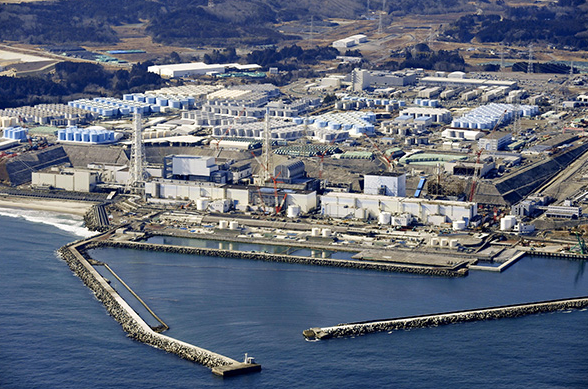
Japan's Ministry of the Environment has decided to establish a new work base in Okuma Town, Fukushima Prefecture, in the next fiscal year to coordinate decontamination and house demolition work in difficult-to-return zones following the accident at Tokyo Electric Power Company (TEPCO)'s Fukushima Daiichi Nuclear Power Station, aiming to accelerate environmental recovery in the affected areas. Within seven municipalities surrounding the Fukushima Daiichi Nuclear Power Station, approximately 309 square kilometers have been designated as difficult-to-return zones. These areas remain under strict control, with restrictions on residential habitation and entry, and evacuation orders remain in effect. Within the difficult-to-return zones, the Japanese government has established "specified return residential areas" and plans to advance decontamination, house demolition, and other measures based on residents' intentions to return. The proposed new base in Okuma Town will be responsible for on-site management and project coordination, with approximately 30 staff members expected to be assigned, and the relevant branch office currently located in Hirono Town will be relocated to Okuma Town.
2026-08-30
Japanese Nuclear Regulator Inspects Horonobe Geological Disposal Research Facility for High-Level Radioactive Waste
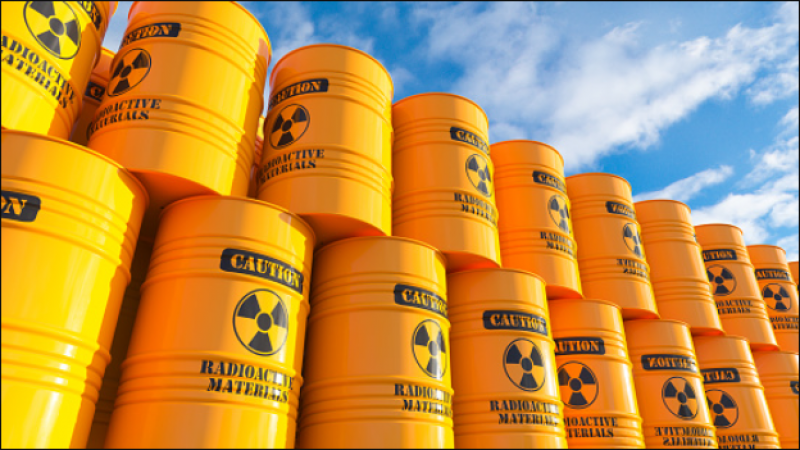
On August 28, Shinya Nagasaki and other members of Japan's Nuclear Regulation Authority (NRA) inspected an underground research facility in Horonobe Town, Japan. The facility, operated by the Japan Atomic Energy Agency (JAEA), conducts technical research on deep geological disposal of high-level radioactive waste. Geological disposal of high-level radioactive waste involves encapsulating the waste and burying it deep underground, achieving long-term isolation through engineered and natural geological barriers. During the inspection, Nagasaki and his delegation examined test facilities used to evaluate the corrosion resistance of iron containers. The tests simulate the environment of containers holding heat-generating radioactive waste after being buried underground...
2026-08-30
CNNC Changchun Nuclear Medicine Base Obtains Production License
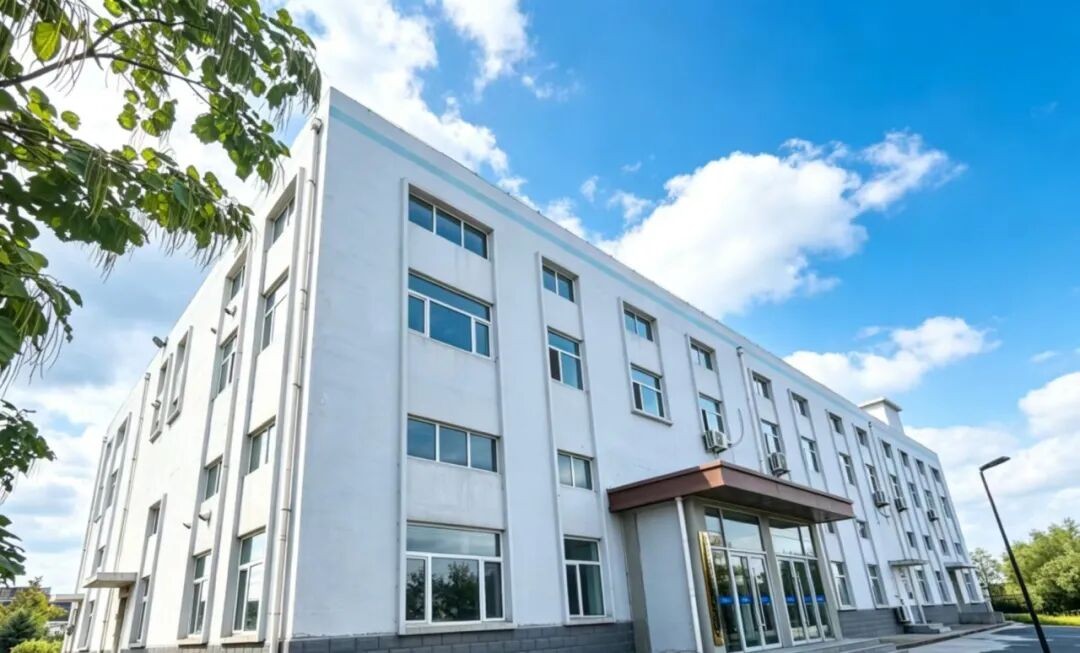
On August 28, the Jilin Provincial Drug Administration approved and issued the "Radiopharmaceutical Production License" to Changchun Atomic Hi-Tech Pharmaceutical Co., Ltd. (hereinafter referred to as "Changchun Hi-Tech"), a subsidiary of Atomic Hi-Tech under China Isotope & Radiation Corporation (CIRC). The acquisition of this license marks that Changchun Hi-Tech is now fully qualified for the production of technetium-labeled drugs. Radiopharmaceuticals are characterized by short half-lives, high transportation requirements, and strict time sensitivity. Long-distance transportation not only increases transportation and time costs but also poses greater challenges to the stability and timeliness of clinical medication. With the production qualification, Changchun Hi-Tech will be able to complete the production and distribution of technetium-labeled drugs locally in Jilin Province, which will help improve the clinical use of nuclear medicine in the Northeast region...
2026-08-29
Lufeng Nuclear Power Achieves Outstanding Results in First Provincial Quality-Trustworthy Team Selection
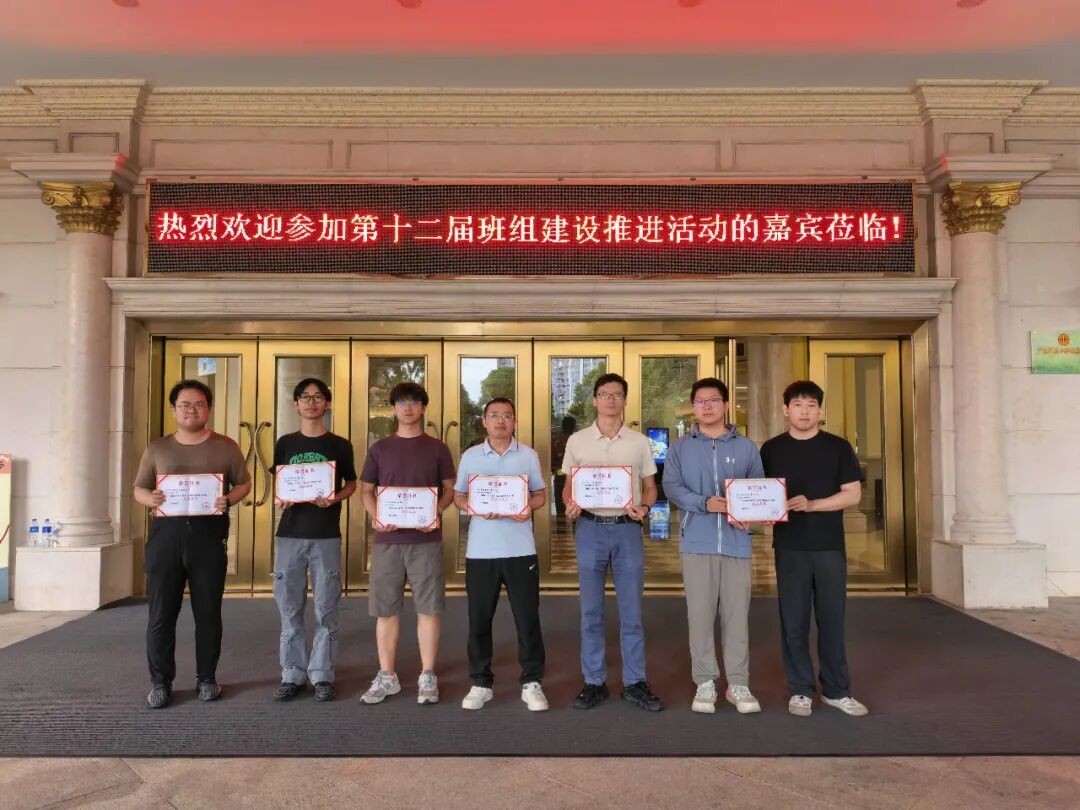
On August 19, the Quality Assurance Department of Lufeng Nuclear Power led multiple teams from the company's Mechanical Department Valve and Pipe Section, Hualong Operation Department Shift 1, Electrical Department Power Distribution Section, Technical Support Department Specification Control Section, Production Service Department Installation Management Section, and Quality Assurance Department Engineering Quality Assurance Section to participate in the 12th Quality-Trustworthy Team Construction Experience Exchange Conference organized by the Guangdong Quality Association. This selection covered a wide scope with stringent review criteria, bringing together outstanding teams from various industries across the province to compete on the same platform. Lufeng Nuclear Power made its debut at this provincial-level quality event, and all participating teams stood out among numerous competitors by leveraging solid foundational management, standardized process control, and well-established improvement mechanisms, achieving impressive overall results.
2026-08-29
UK JET Decommissioning Project to Trial Asset-Based Decommissioning Approach
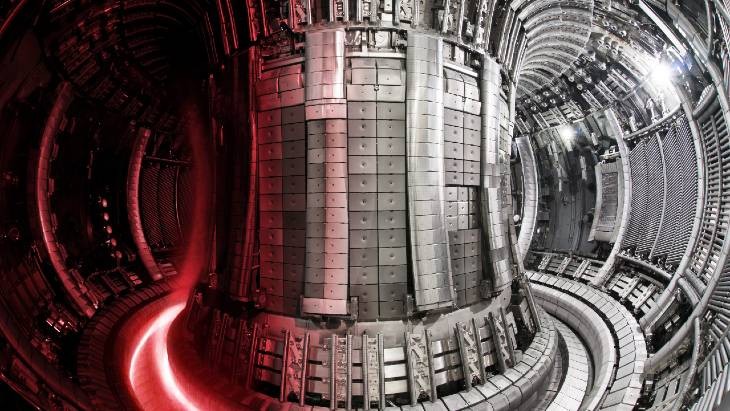
The JET Decommissioning and Repurposing (JDR) project recently announced that it will trial an asset-based decommissioning approach in three areas of the JET facility during the next phase of work. These areas were once part of the power supply infrastructure during JET plasma operations. This trial work will support the overall development of the Culham Campus and, in conjunction with the Strategic Investment and Development for Energy and AI (STRIDE) programme, facilitate land remediation to create conditions for the installation of a fourth supergrid transformer. JDR has signed a contract with Ramco UK to undertake the relevant trial work. JDR Engineering Integration Manager Steve...
2026-08-28
U.S. NNSA and DTRA Remove High-Risk Cobalt-60 Radioactive Source from Guatemala
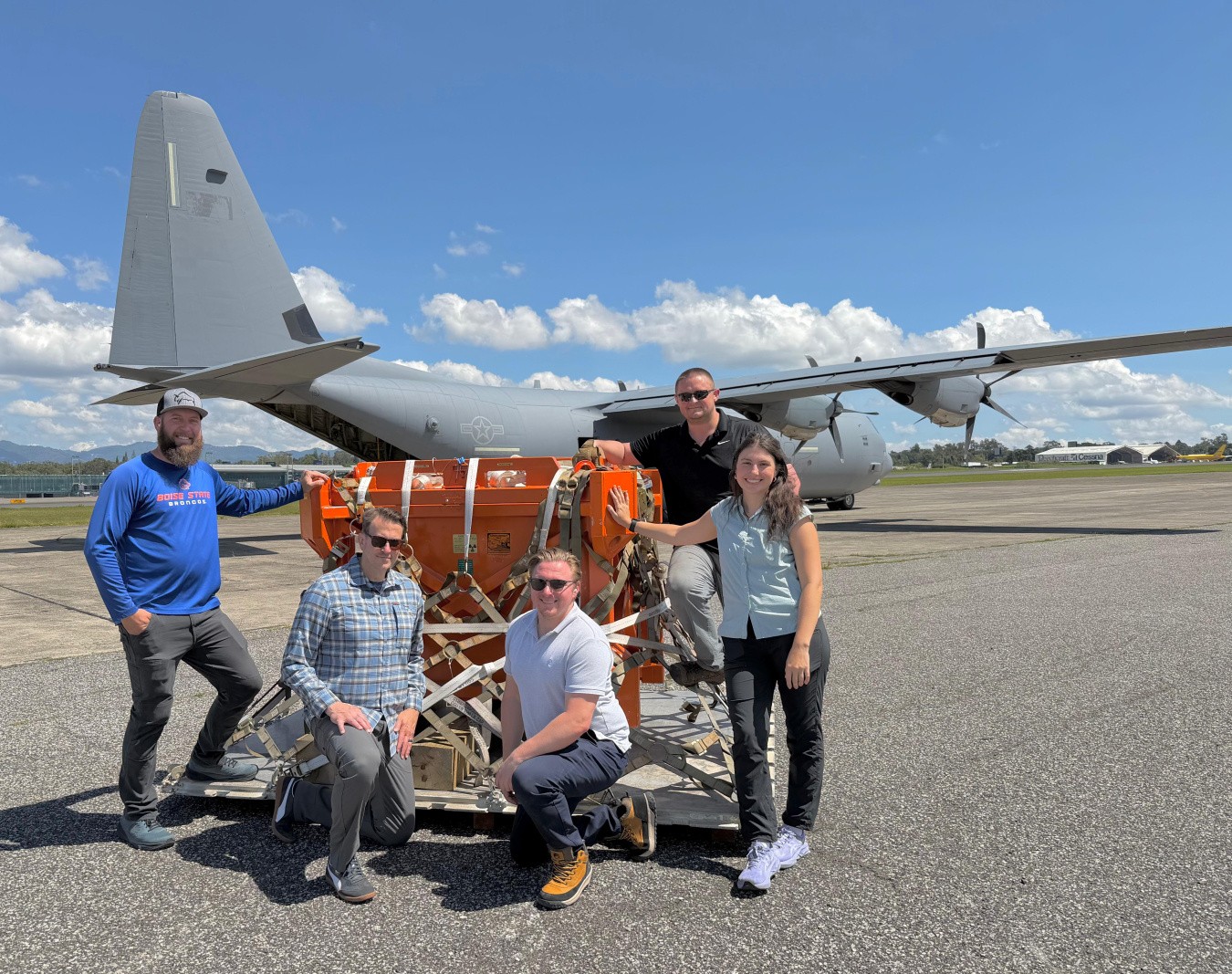
The U.S. National Nuclear Security Administration (NNSA) announced on August 27 that, in cooperation with the U.S. Defense Threat Reduction Agency (DTRA), it has removed a high-risk cobalt-60 radioactive source from a facility in Guatemala and transported the associated components to a secure storage location in the United States. This operation aims to reduce security risks associated with radioactive materials and prevent high-activity radioactive substances from being illegally acquired or misused. According to reports, cobalt-60 can be used in medical equipment for cancer treatment, but high-activity radioactive sources, if improperly managed, may pose radiological safety hazards. In May of this year, an NNSA Los Alamos National Laboratory team, in cooperation with relevant Guatemalan agencies, worked on a decommissioned U.S.-manufactured cobalt-60 teletherapy...
2026-08-28
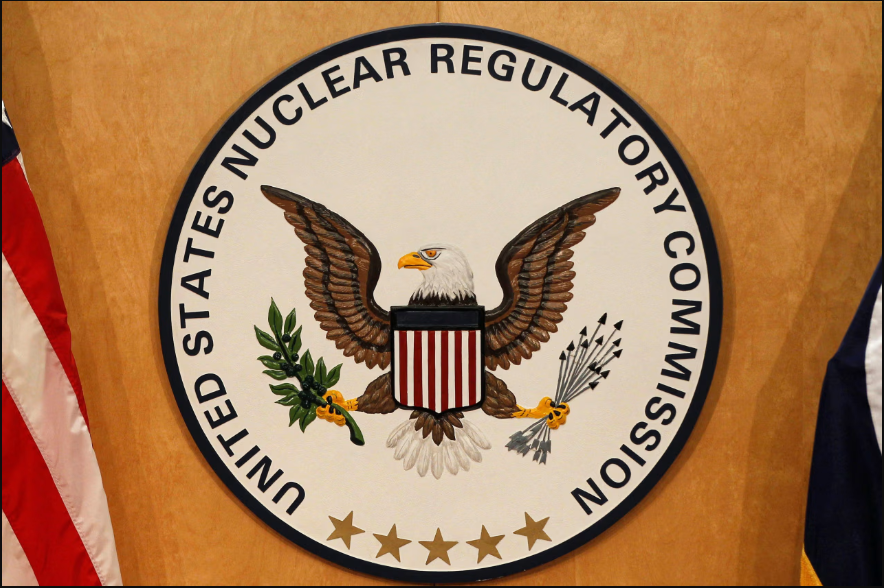
NRC Approves Environmental Assessment for Small Modular Reactor at Texas Industrial Site
The U.S. Nuclear Regulatory Commission (NRC) recently completed the environmental assessment of applications submitted by Long Mott Energy and X-energy, issuing a finding of no significant impact. This conclusion marks a key milestone in the construction permit review process for the advanced reactor project planned for Seadrift, Texas. The project plans to build a 320-megawatt small modular reactor at Dow's industrial manufacturing site in Seadrift to provide electricity and high-temperature industrial steam to the facility. Long Mott Energy is a wholly owned subsidiary of Dow, and the project intends to use X-energy's advanced reactor technology to serve the energy needs of industrial facilities along the Texas Gulf Coast.
2026-08-28
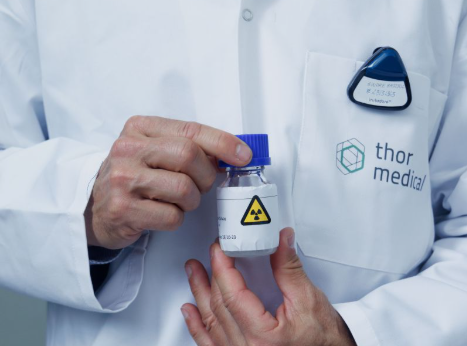
Thor Medical Advances AlphaOne Commercial Production in H1, Completes First Customer Deliveries of Lead-212 Isotope
Thor Medical ASA, a supplier of high-purity isotopes to the radiopharmaceutical industry, announced its H1 2026 results on August 28. The company stated that its AlphaOne facility has completed mechanical construction on time and on budget and has entered commercial production, marking the start of a new phase focused on scaling output, increasing customer deliveries, and growing revenue. Thor Medical CEO Jasper Kurth said that with the completion of the first customer product deliveries from AlphaOne, the company has established a solid commercial foundation in a rapidly growing market, and the next step is to advance the execution plan around capacity expansion, customer deliveries, and revenue growth to support the development of next-generation precision cancer therapies...
2026-08-28
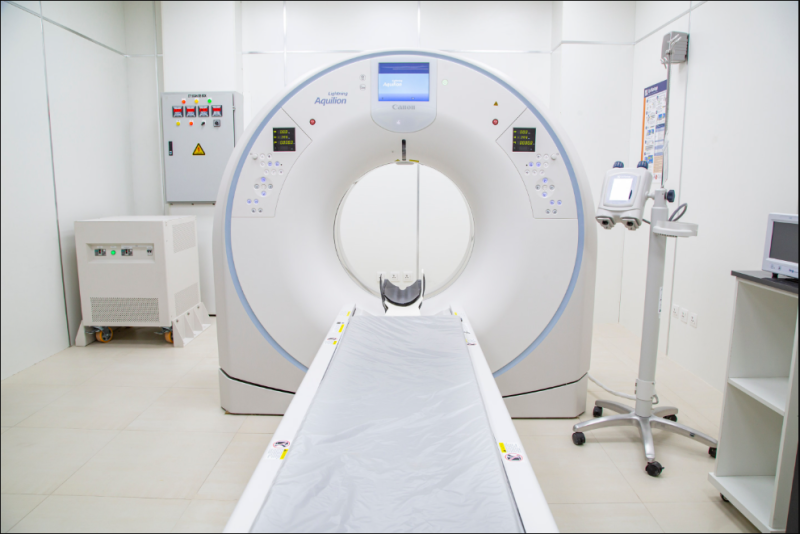
South Korea's Medical Radiation Examinations Exceed 430 Million Annually, with CT Scans Accounting for 67.1% of Radiation Dose
According to the "2025 National Medical Radiation Assessment Yearbook" released by the Korea Disease Control and Prevention Agency on August 28, South Koreans underwent a total of 431.59 million medical radiation examinations last year, averaging 8.4 examinations per person. Over the past five years, the number of medical radiation examinations in South Korea has continued to rise, with last year's figure increasing by 4.6% year-on-year and 29.6% compared to 2021. The report shows that the collective radiation dose from medical radiation examinations in South Korea increased from 136,804.73 person-sieverts in 2021 to 167,659.18 person-sieverts last year, an increase of 22.6%. On a per capita basis, the radiation dose rose from 2.64 millisieverts to 3.24 millisieverts. The Korea Disease Control and Prevention Agency stated that with advances in medical technology, an aging population, and growing demand for health checkups, the use of medical radiation examinations in public healthcare services continues to expand.
2026-08-28

U.S. Fusion Company Advances Deuterium-Helium-3 Fusion Testing
American Fusion Inc. on August 27 announced progress in ongoing testing of the Texatron Fusion Engine and released computational and experimental observations regarding the device's ability to achieve deuterium-helium-3 (D-³He) fusion conditions. The company stated that the test program is evaluating two Texatron configurations at approximately 500 kilowatts and 5 megawatts, with the core technical approach being proprietary pulsed magnetic compression. Texatron's R&D focus is on utilizing short-duration, high-intensity electromagnetic pulses to compress and heat plasma in extremely short timeframes, simultaneously creating the conditions required for fusion, including high temperature, high pressure, high density, and a certain confinement time. American Fusion Inc...
2026-08-28
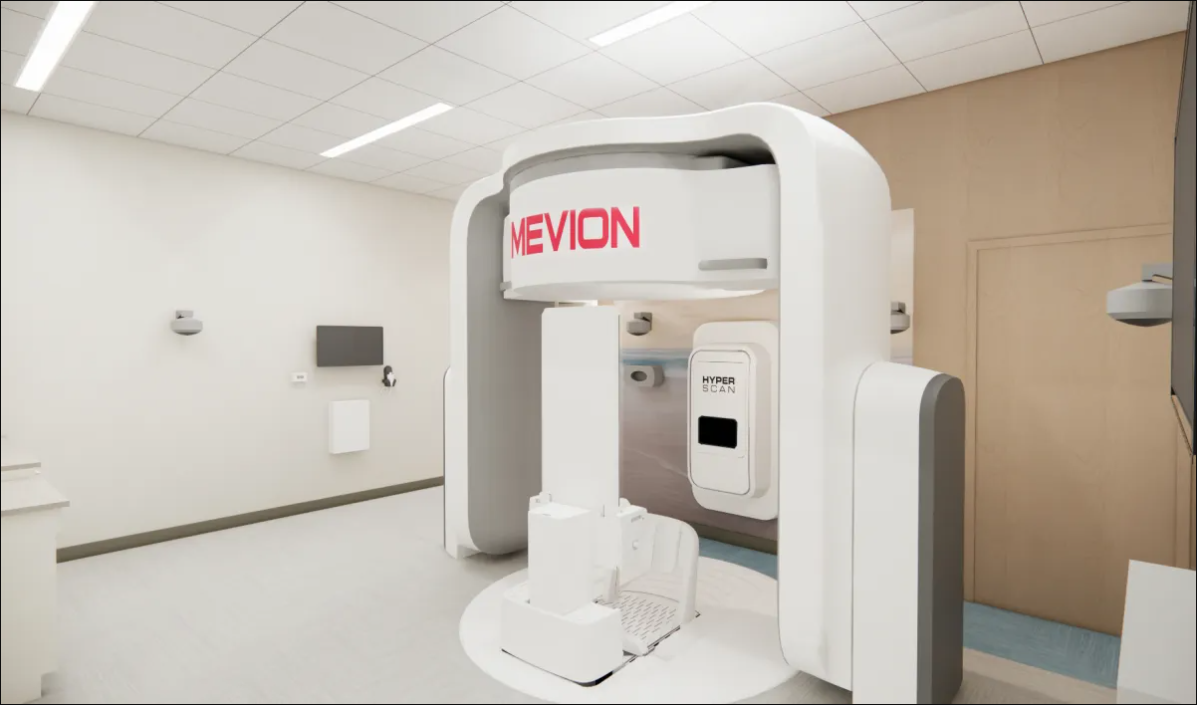
Auburn University Installs 200 MeV Superconducting Proton Accelerator to Build First University-Led Space Electronics Radiation Testing Facility in the U.S.
Auburn University's Applied Research Institute has announced the installation of a new 200 MeV superconducting proton accelerator, advancing the construction of the nation's first university-led proton testing facility dedicated to space electronics qualification. The system, a RAD-FX-200 superconducting synchrocyclotron manufactured and installed by Mevion Medical Systems, serves as the core component of Auburn University's new radiation-hardening facility. According to reports, the facility will help address gaps in U.S. space qualification testing capacity, providing radiation testing services for microelectronics to government agencies, aerospace, and defense-related industries. Systems such as satellites, missile defense interceptors, spacecraft, and launch vehicles rely on microelectronics, which may be affected by proton radiation in orbital environments. A single radiation-induced failure can cause system loss, and such failures are typically difficult to repair once in orbit...
2026-08-28
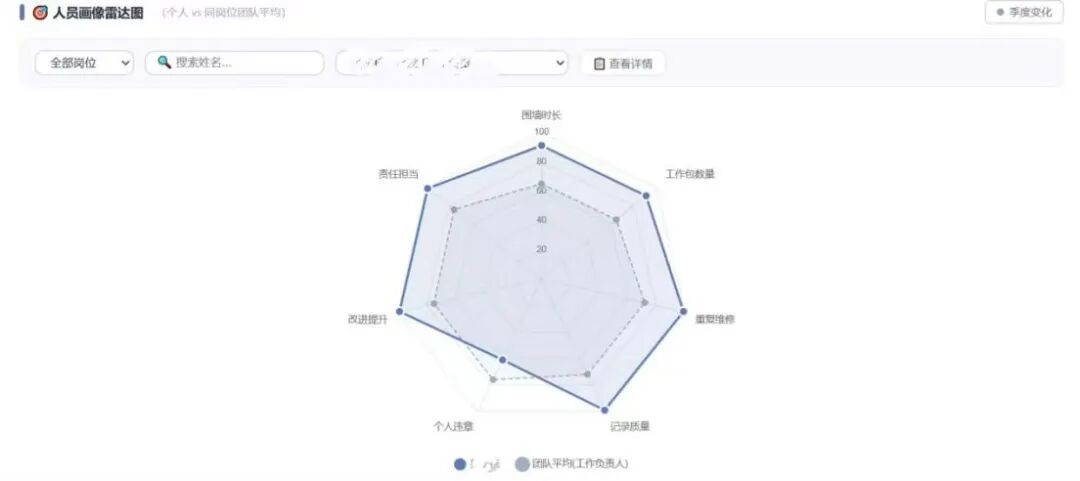
Tianwan Nuclear Power Advances AI-Empowered Intelligent Upgrade of Maintenance Operations
In recent years, the maintenance domain of Tianwan Nuclear Power has relied on platforms such as Hezhi·Longling to address pain points in efficiency, quality, and management across the entire maintenance business chain, promoting the integration of artificial intelligence with nuclear power maintenance scenarios. To date, applications including personnel profiling, work order generation, compliance inspection, and auxiliary generation of electric actuator maintenance plans have achieved phased results, while projects such as the intelligent lifting command platform and marine tunnel cleaning robot are also under development. In personnel management, Tianwan Nuclear Power has established a seven-dimensional personnel capability scoring model, setting differentiated evaluation indicators for different maintenance positions to form position-based, data-driven personnel capability profiles. The system can integrate historical data, support multi-period data retention and trend comparison, and display personnel capability distribution through radar charts, bar charts, and trend graphs. After batch data import, the backend automatically completes normalization calculation, multi-dimensional scoring, and ranking, generating materials that include overall overview, position comparison, special analysis of responsibility performance, and improvement suggestions, providing a basis for training resource allocation, position matching, and differentiated management. To address the issues of time-consuming maintenance work order preparation and reliance on manual experience, the relevant team has developed an intelligent work order preparation assistant based on the Longhuitong intelligent agent platform, forming an application solution of "1 intelligent agent, 1 Skill capability, and 7 categories of professional knowledge bases." The system integrates the historical work order library, maintenance procedure library, equipment ledger library, risk and safety measure library, spare parts and tools library, personnel qualification library, and management procedure library. It can dynamically generate work package catalogs based on historical operation data and procedural requirements, automatically fill in work order business content, and output downloadable Excel work package drafts that can interface with the EPM system. In terms of maintenance quality control, Tianwan Nuclear Power has developed an AI intelligent agent for maintenance compliance inspection. Based on large language models and RAG retrieval-augmented generation technology, this agent can batch receive maintenance procedures, preventive maintenance program lists, and maintenance completion reports, automatically parse document content, and conduct semantic comparison. The system can check item by item the coverage of maintenance procedure implementation steps by the program, while also identifying issues in completion reports such as missing items, omissions, data anomalies, missing signatures, and logical contradictions. The structured inspection reports it outputs can be traced back to specific procedure steps or report entries, and provide rectification suggestions. Intelligent assistance is also being introduced into maintenance of key equipment. Given the large number of electric actuators in nuclear power plants, their complex models, and high maintenance requirements, Tianwan Nuclear Power has developed an auxiliary generation system for electric actuator maintenance plans. After engineering personnel input equipment information and fault descriptions, the system can call upon the electric actuator maintenance knowledge base, historical plans, and equipment data to automatically generate a draft maintenance plan, covering cause analysis, maintenance steps, technical key points, spare parts and tool preparation, and safety precautions. Verified by maintenance engineers, the relevant plans have basically met the conditions for on-site application and can save preparation time for emergency repairs. In addition to applications already deployed, Tianwan Nuclear Power is also advancing the construction of an intelligent lifting command platform. Given the high professionalism and numerous control links involved in crane lifting operations at nuclear power plants, the platform is planned to support both web and API interface usage, and to manage processes such as development, training, and online monitoring through AI models. According to the design, the platform can assist in lifting planning after inputting lifting object parameters and site conditions, recommending equipment and lifting point positions, and alerting to risks such as overload and collision. It can also generate lifting plans based on cargo information, provide handling steps, required materials, and contact person information for emergency situations, and be used for training question bank generation, operation record analysis, and rectification report output. Tianwan Nuclear Power stated that it will continue to expand AI application scenarios in the maintenance domain based on actual production needs, promote the digitalization and intelligent upgrade of maintenance operations, and strengthen network security management while advancing intelligent applications, providing support for the safe and stable operation of the units.
2026-08-28
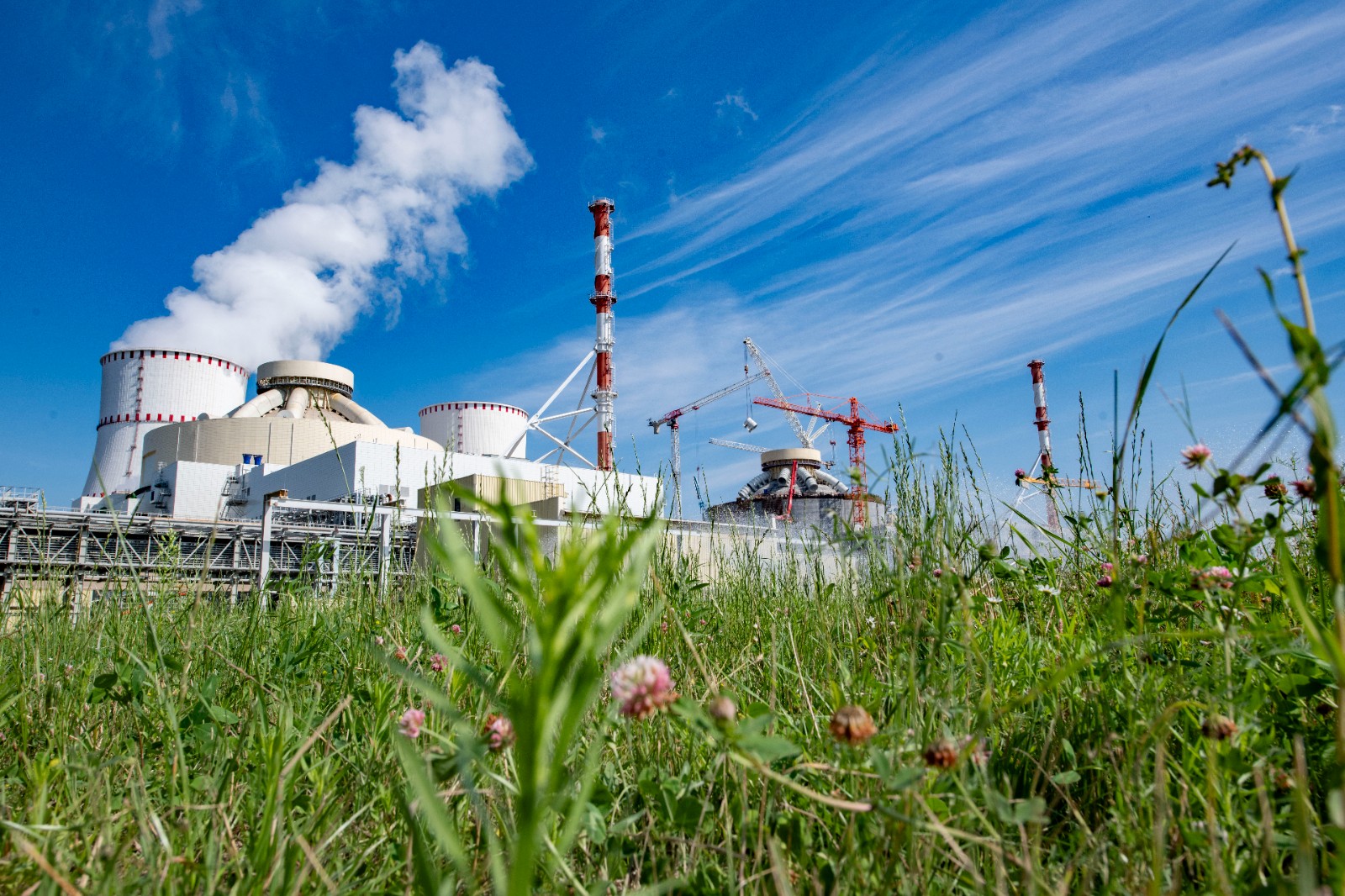
Unit 3 of Russia's Kursk Nuclear Power Plant resumes operation after short-term maintenance
Rosatom reported on August 27 that Unit 3 of the Kursk Nuclear Power Plant has resumed operation after completing short-term unscheduled maintenance. Rosatom stated that Unit 4 of the Kursk Nuclear Power Plant remains under planned preventive maintenance. The announcement did not disclose the specific reasons for or the duration of the maintenance on Unit 3. Meanwhile, construction of new units at the Kursk Nuclear Power Plant continues to progress. The new units employ modern VVER-TOI reactor technology, with the first unit already commissioned and generating electricity...
2026-08-28