
Search Results
Keyword:-

Europe Advances Space Nuclear Power Research, Targeting Lunar and Mars Missions
The European Space Agency (ESA) is accelerating its assessment of nuclear energy applications in deep-space missions, focusing on using small nuclear reactors to power spacecraft electric propulsion systems, as well as providing stable energy for future fixed lunar surface facilities and subsequent Mars missions. Existing space missions primarily rely on chemical fuels and solar panels. The former is limited by the amount of propellant that can be carried, while the latter suffers from declining power generation efficiency as spacecraft move farther from the Sun. ESA believes that nuclear power systems could compensate for the shortcomings of both approaches, particularly in long-duration lunar operations and deeper space exploration. ESA completed a nuclear thermal propulsion study last year. In March this year, the agency...
2026-08-27

South Korea's Daewoong Pharmaceutical Partners with Promedius to Promote AI Osteoporosis Screening Solution Using Chest X-rays
Daewoong Pharmaceutical announced on August 27 that it has signed a sales, distribution, and joint promotion agreement with Promedius, a medical imaging AI company, to promote Osteo Signal, an AI-based osteoporosis risk screening solution using chest X-rays, in South Korea. This partnership also marks Daewoong Pharmaceutical's expansion from its existing osteoporosis treatment business into the AI-assisted diagnostics field. Under the agreement, Daewoong Pharmaceutical will leverage its business network covering medical institutions across South Korea, along with its sales and marketing capabilities, to bring the solution into more clinical settings. Promedius will provide medical imaging AI technical support to assist in its deployment in real-world medical environments.
2026-08-27
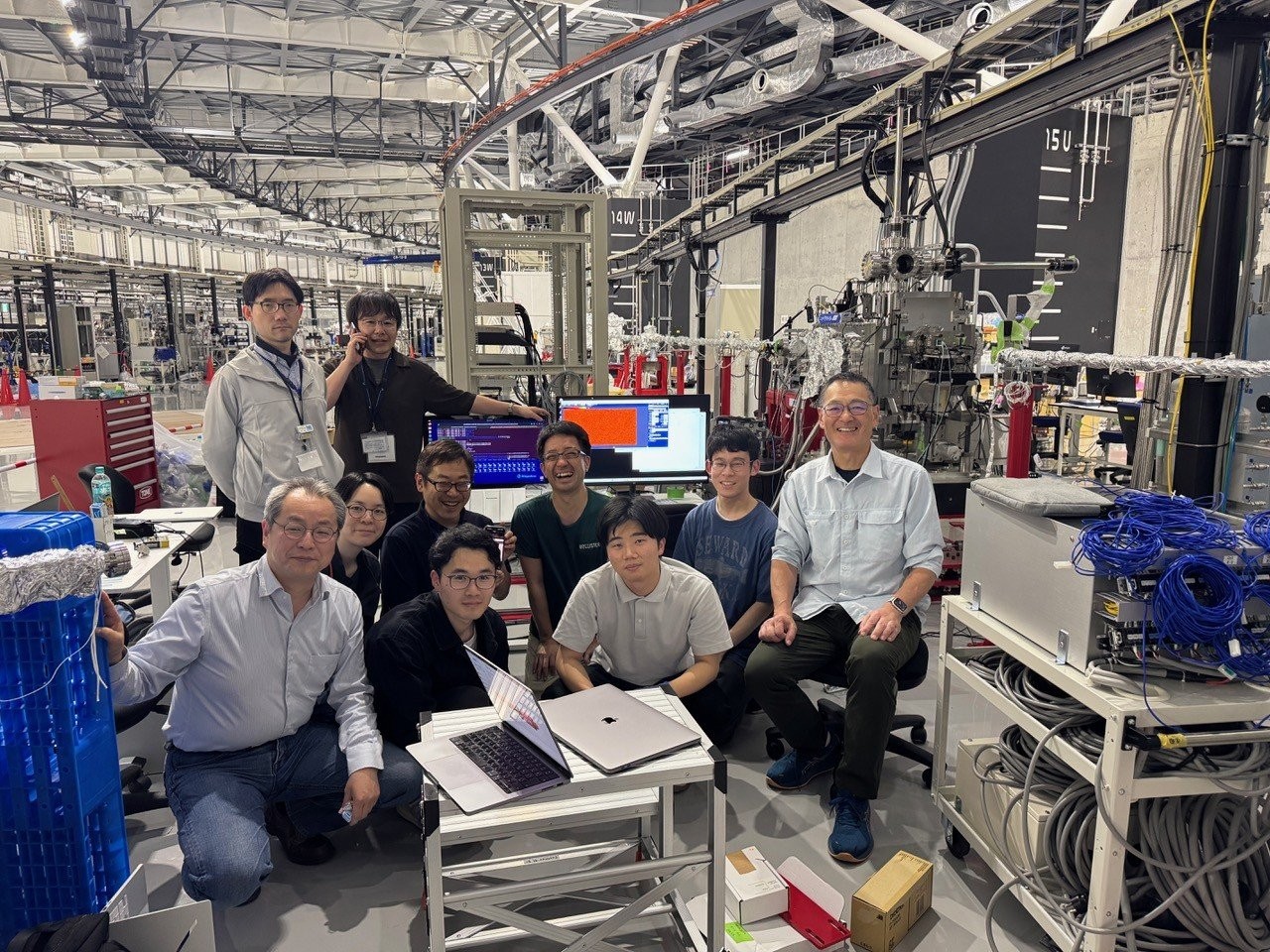
Tohoku University and Rigaku Establish Joint Research Institute for X-ray Metrology
Tohoku University and Rigaku Corporation, a subsidiary of Rigaku Holdings Group, recently announced that they established the "Rigaku-Tohoku University X-ray Metrology Co-Creation Research Institute Beyond The Limits" on August 1, 2026, and commenced joint research. The institute will operate for a period of three years, until July 31, 2029, with the possibility of extension based on research outcomes. According to the announcement, the new institute will focus on upgrading X-ray metrology technologies, establishing new measurement methods, and nurturing the next generation of researchers. As semiconductor devices continue to shrink in size while becoming increasingly multi-layered and multi-material in composition, manufacturing processes are growing more complex, driving rising demand for high-precision, non-destructive evaluation of materials and structures. Existing measurement methods face limitations in evaluating fine structures and precisely analyzing depth-direction structures, making the development of new approaches such as soft X-ray techniques an important direction.
2026-08-27
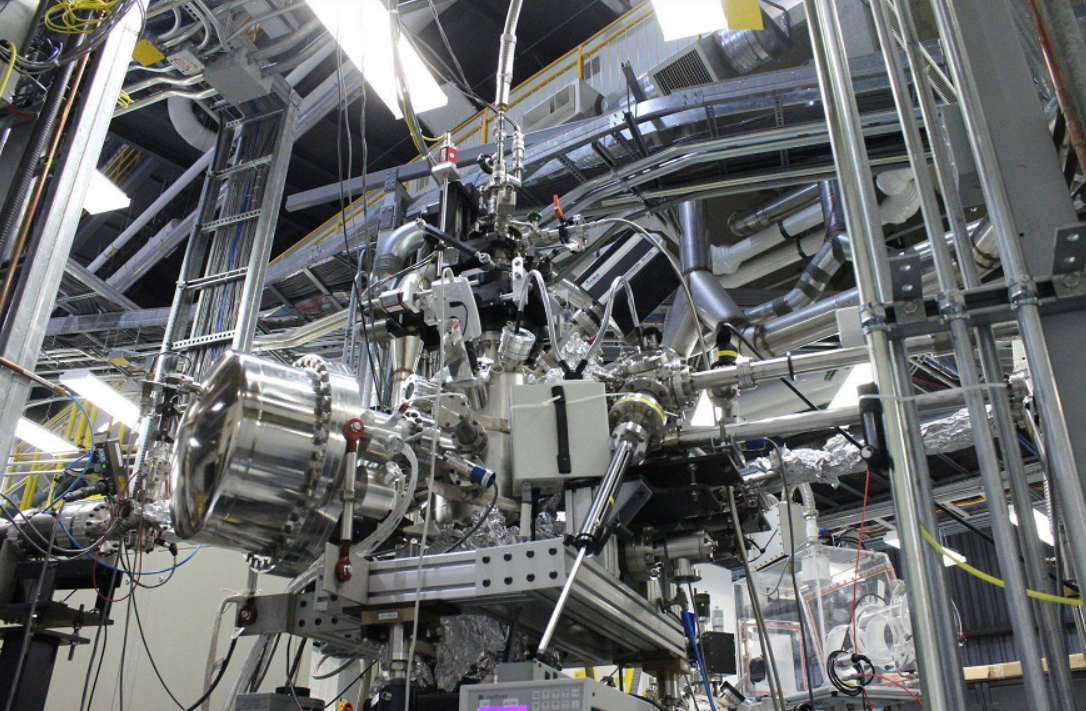
Canadian Light Source Synchrotron at University of Saskatchewan Receives $3 Million CAD in Upgrade Funding
On August 26, Innovation Saskatchewan announced that it will provide $3 million CAD in funding to the Canadian Light Source synchrotron at the University of Saskatchewan to support the installation of an advanced solid-state amplifier, advancing the facility's upgrade efforts. According to reports, this solid-state amplifier is a key component of the Canadian Light Source's core particle accelerator and will support the operation of its 22 synchrotron radiation beamlines. The upgrade is expected to enhance facility performance, operational reliability, and energy efficiency, further strengthening its capacity for cutting-edge scientific research. The Canadian Light Source is Canada's only synchrotron facility. Synchrotrons use electromagnetic fields and radiofrequency waves to accelerate electrons to near the speed of light, keeping them in a circular orbit; as electrons move, they generate high-brightness, highly focused synchrotron radiation beams, which are directed to different experimental beamlines to help researchers study material structures and properties at the atomic scale.
2026-08-27
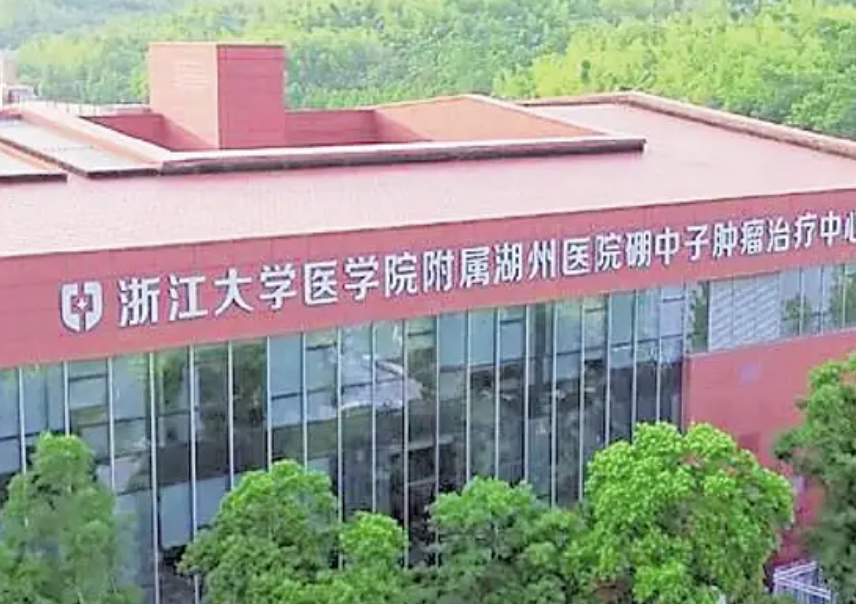
Huzhou, Zhejiang Launches Phase I "Drug-Device Combination" Clinical Trial for the Province's First BNCT System
Recently, the Boron Neutron Tumor Treatment Center at Huzhou Hospital Affiliated to Zhejiang University School of Medicine has drawn attention with the introduction of the province's first Boron Neutron Capture Therapy (BNCT) system. Previously, the system had already initiated a Phase I BNCT drug-device combination clinical trial. According to the system developer, Huapeng Neutron Technology (Hangzhou) Co., Ltd., BNCT is a radiotherapy technique combining drugs and devices, with its core lying in the coordinated use of boron-containing drugs and neutron irradiation. After entering the human body, the boron-containing drug can be absorbed by tumor cells; subsequent neutron beam irradiation triggers a localized reaction to achieve targeted radiotherapy against tumor cells. Unlike conventional radiotherapy, which typically employs fractionated irradiation over a longer treatment course, BNCT emphasizes selective targeting of tumor cells, aiming to reduce damage to surrounding healthy tissues and lower radiotherapy-related side effects such as hair loss and immunosuppression.
2026-08-27
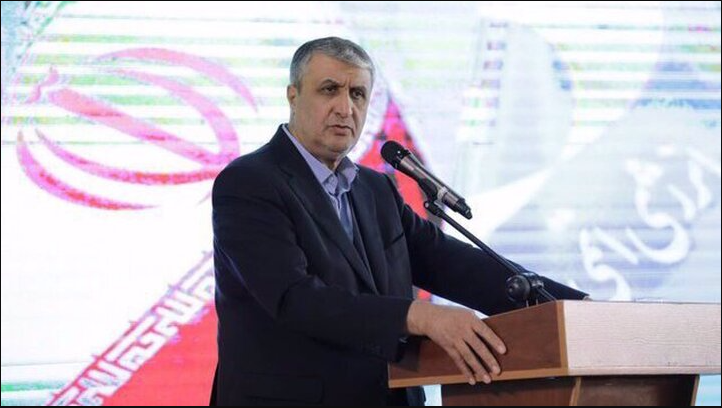
Iran Says Nuclear Fusion to Become Priority in Nuclear Industry Development
At a national Government Week celebration ceremony held in Tehran, Mohammad Eslami stated that developing nuclear fusion is a priority direction for the future of Iran's nuclear industry. Iran needs to rely on its domestic capabilities, knowledge-based enterprises, and universities to drive progress in related fields. Eslami said that the innovation network of the Atomic Energy Organization of Iran (AEOI) is providing support for nuclear fusion activities, shifting related work from the technology demonstration stage further toward system development and capacity building. He also stated that the establishment of the Non-Destructive Testing (NDT) training center is an initiative to enhance industrial quality, promote technological advancement, and cultivate domestic professional expertise...
2026-08-27
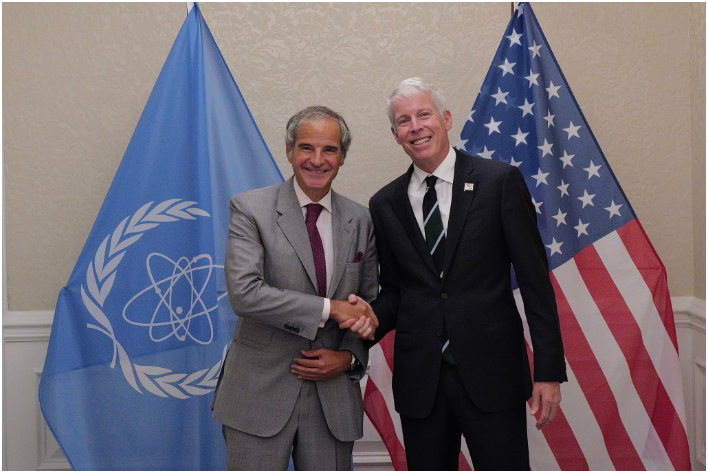
IAEA Launches ATLAS Initiative to Advance Nuclear Energy Maritime Applications
The International Atomic Energy Agency (IAEA) launched the Atomic Technology for Maritime Applications Licensing Scheme (ATLAS) on August 26 in Washington, D.C., United States, aiming to support the safe, reliable, and peaceful use of nuclear energy in civilian vessels and floating nuclear power plants. The two-day ATLAS ministerial launch event, hosted by the United States, attracted approximately 600 delegates from over 50 countries, including international organizations, nuclear and maritime industry enterprises, port authorities, and relevant regulatory and policy departments. The IAEA stated that as nuclear-powered ships and floating nuclear power plants gain increasing attention, closer coordination mechanisms between the nuclear and maritime communities are needed. Maritime shipping carries approximately 80% of global trade volume, and maritime trade demand continues to grow at around 2% annually...
2026-08-27
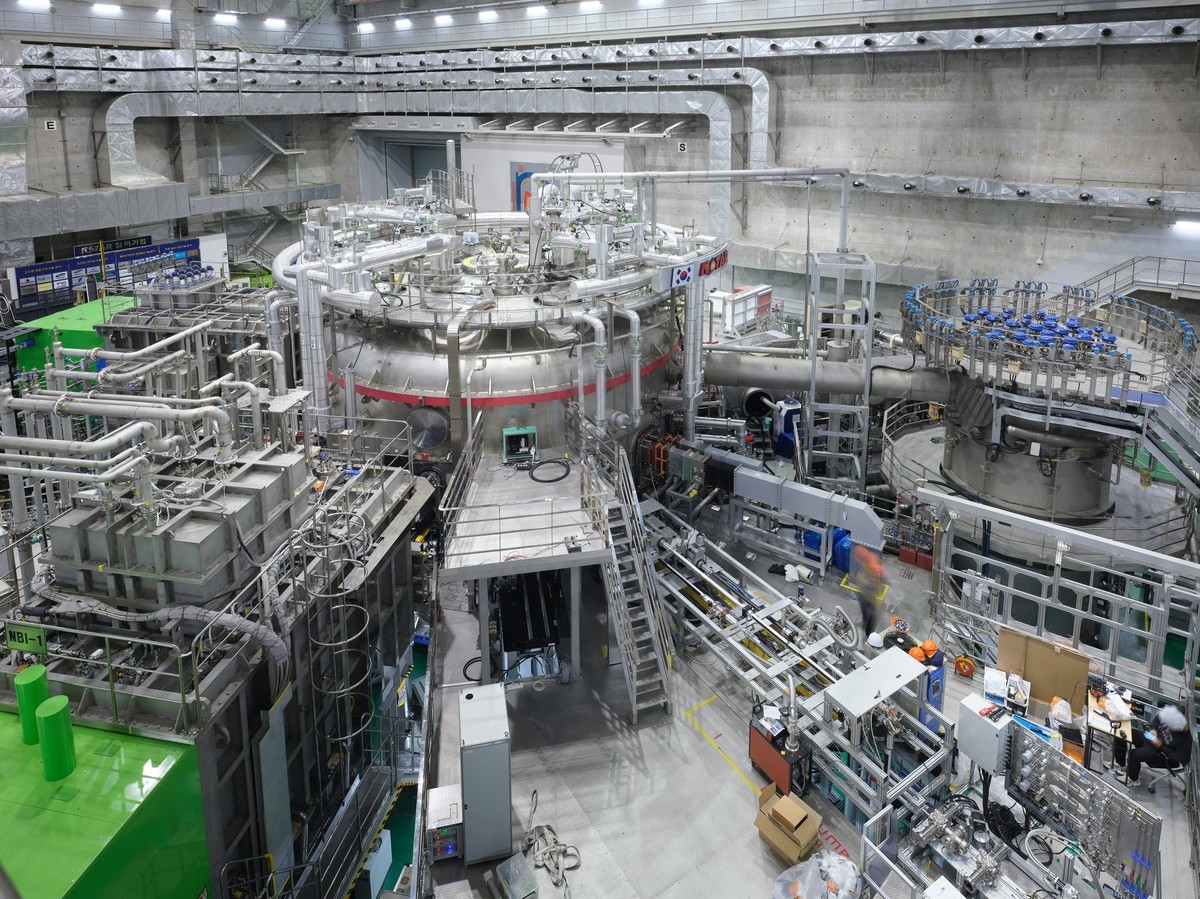
South Korea's KSTAR to Conduct Long-Pulse Fusion Research in Tungsten Environment with European Institutions
The Korea Institute of Fusion Energy (KFE) announced on August 27 that it has signed implementation agreements with multiple fusion research institutions in France, Italy, Germany, and Finland to conduct joint research on long-duration plasma operation in a tungsten environment using the Korea Superconducting Tokamak Advanced Research (KSTAR) device. Partner institutions include the French Alternative Energies and Atomic Energy Commission (CEA), the Italian National Agency for New Technologies, Energy and Sustainable Economic Development (ENEA), the Max Planck Institute for Plasma Physics (IPP) in Germany, and the VTT Technical Research Centre of Finland (VTT). The institutions will focus on key technologies required for long-pulse operation of future fusion reactors...
2026-08-27
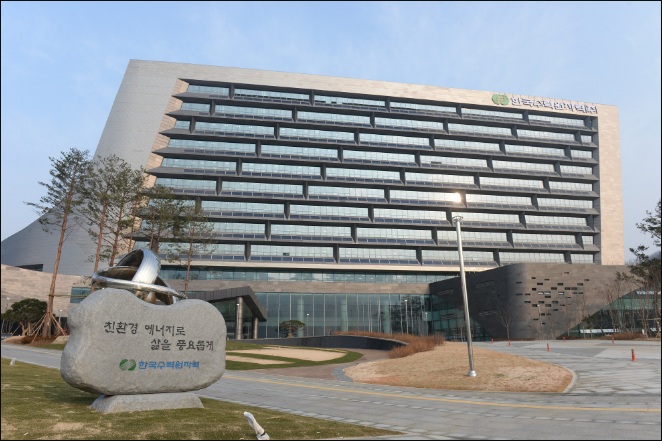
KHNP Advances Nuclear Process Heat-Based Hydrogen Production Ecosystem
Korea Hydro & Nuclear Power (KHNP) held a preparatory meeting in Daejeon on August 26 to establish an advisory body for building the Korean solid oxide cell industrial ecosystem, and discussed R&D strategic alliances and industry-academia-research cooperation frameworks. The collaboration will bring together industry, academia, and research institutions, including the Korea Institute of Ceramic Engineering and Technology (KICET). KHNP plans to use the advisory body as a platform to connect R&D, demonstration, and commercialization, promoting the self-reliance of Korean solid oxide cell (K-SOC) related technologies. According to the meeting agenda, KHNP will serve as the lead enterprise, proposing technology development directions needed for demonstration applications and commercialization; the Korea Institute of Ceramic Engineering and Technology will play a supporting role in supplying core industrial technologies.
2026-08-27
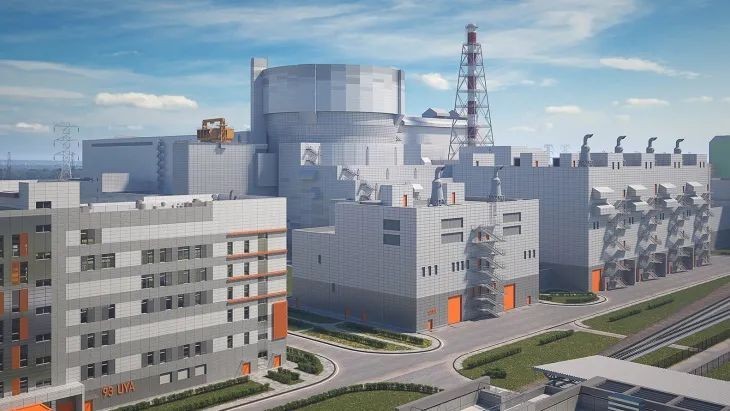
Hungary's Paks Nuclear Power Plant Resumes Full-Capacity Operation
Hungary's Paks Nuclear Power Plant has resumed full-capacity operation. Hungarian authorities announced that the plant, which had previously reduced output due to falling water levels in the Danube River, now has all four reactor units and eight turbines operating normally, with electricity generation restored to maximum levels. Located on the banks of the Danube approximately 100 kilometers south of Budapest, the Paks Nuclear Power Plant is Hungary's only nuclear power station. Previously affected by low water levels in the Danube, the plant's water intake conditions for system cooling were constrained, and three units were temporarily impacted with reduced power output. To improve water intake conditions, dike construction was initiated on the riverbed near the plant, with Hungarian experts using thousands of tons of rock and gravel to advance the work, which was completed ahead of schedule.
2026-08-27
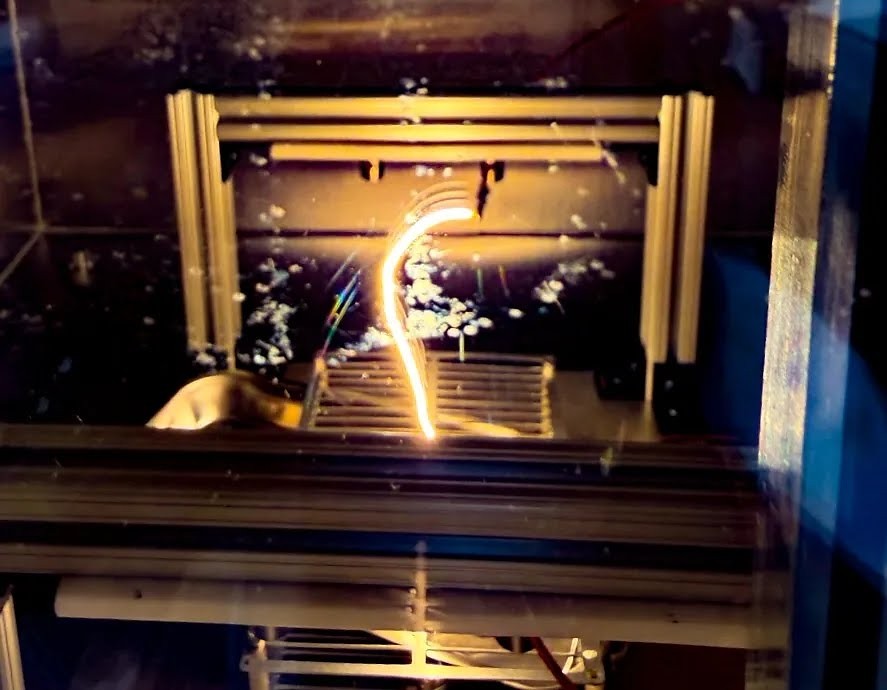
U.S. Interlune injects helium-4 into lunar soil simulant, simulating 15,000 years of solar wind exposure on the Moon in 4 hours
U.S. space infrastructure and resources company Interlune announced on August 26, 2026, that it has successfully injected helium-4 into and released it from simulated lunar soil material, with experimental results consistent with the behavior of real lunar samples collected by the Apollo program. The company stated that this capability can simulate nearly 15,000 years of solar wind exposure on the lunar surface in approximately 4 hours, providing a material basis closer to real conditions for testing lunar resource development equipment on Earth. The experiment focused primarily on ilmenite. According to studies of Apollo mission samples, ilmenite is the main helium-bearing mineral in lunar soil. Interlune formed a plasma by ionizing helium gas in a vacuum environment, then...
2026-08-27
France's n-Floating Floating Nuclear Power Project Receives Nearly One Million Euros in Funding
newcleo announced on August 26 that a consortium led by the company has been selected for a call for projects managed by Bpifrance, the French public investment bank, supporting the decarbonization of France's maritime sector. The consortium will advance research on a floating nuclear power solution called n-Floating, with the project receiving nearly one million euros in funding and an expected duration of approximately 18 months. The n-Floating project aims to validate the relevance and technical feasibility of a new floating nuclear power solution. Under the proposed concept, a non-self-propelled floating unit would carry multiple LFR-AS-200 reactors, each with an electrical output of 200 megawatts. LFR-AS-200 is one of the lead-cooled fast reactor technology lines developed by newcleo.
2026-08-27
Japan to Allocate Funds to Accelerate Preparations for Next-Generation Nuclear Reactor Reviews
The Nuclear Regulation Authority (NRA) of Japan has decided to include funding in its budget request for the next fiscal year to investigate the effectiveness of safety measures for next-generation nuclear reactors and to make advance preparations for future review work. The Japanese government is promoting the development of next-generation nuclear reactors, including innovative light-water reactors that enhance safety design based on existing light-water reactor technology. Since November last year, Kansai Electric Power Co. has been conducting geological surveys at the Mihama Nuclear Power Station in Fukui Prefecture as part of preliminary preparations for potentially replacing existing units with next-generation reactors in the future. It has been reported that the NRA plans to include in its budget request for the next fiscal year...
2026-08-27
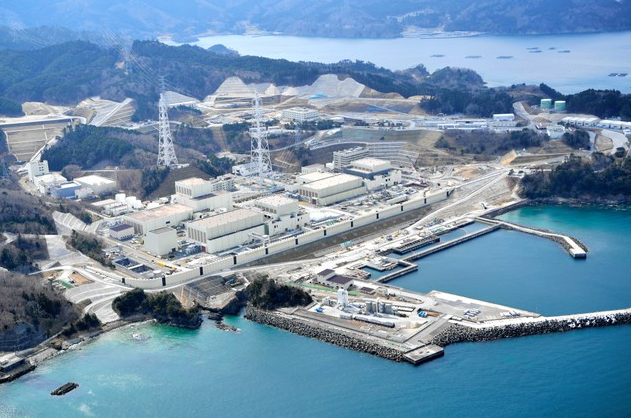
Japan Extends Deadline for Mandatory Anti-Terrorism Facility Installation at Nuclear Power Plants
The Nuclear Regulation Authority (NRA) of Japan formally decided at its regular meeting on August 26 to revise relevant regulations, extending the deadline for the mandatory installation of anti-terrorism facilities at nuclear power plants. The revised system is expected to be implemented in September. Under Japan's current regulatory requirements, nuclear power plants must be equipped with "specified severe accident response facilities" to address serious accidents that could potentially be triggered by extreme scenarios such as terrorist attacks. This revision shifts the starting point of the 5-year grace period from the date of approval of the detailed design and construction plan for the nuclear power plant to the date the plant officially commences commercial operation. This adjustment effectively relaxes the installation deadline requirements. The new rules will apply to nuclear power units that have not yet reached their installation deadlines. East...
2026-08-27

South Korea Joins IAEA-Facilitated International Framework ATLAS for Maritime Nuclear Energy Cooperation
The international cooperation framework for maritime nuclear energy, ATLAS, led by the International Atomic Energy Agency (IAEA), has recently been launched. The framework aims to promote international discussions on safety, security, safeguards, and legal and regulatory standards concerning nuclear applications in the maritime sector, including nuclear-powered ships and floating nuclear power plants. A South Korean government delegation attended the launch event held in Washington, D.C., on August 26-27 (local time). South Korea's Ministry of Science and ICT (MSIT) stated that with the development of next-generation nuclear technologies such as small modular reactors, the international shipping industry is increasingly focusing on utilizing nuclear energy for ship propulsion and offshore power supply, with a view to exploring new technological pathways toward carbon neutrality.
2026-08-27