
Search Results
Keyword:C
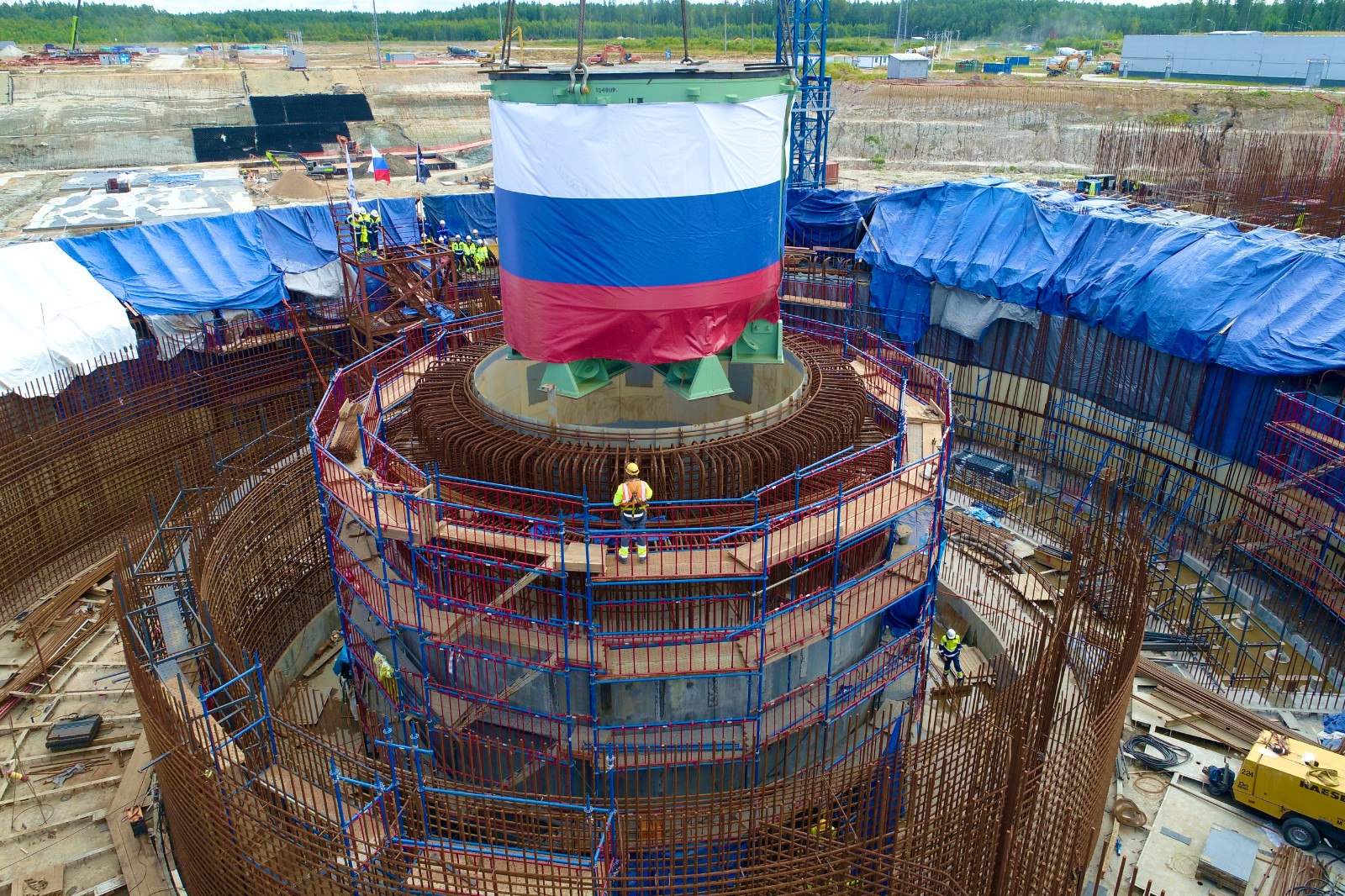
Unit 4 of Leningrad NPP Phase II completes installation of first major equipment
Unit 4 of Russia's Leningrad NPP Phase II recently completed the installation of the core melt catcher vessel. This is the first major equipment of the unit to enter the installation stage, and also the first passive safety system equipment to be installed. The steel structure weighs 157 tonnes, and the installation was carried out using a heavy crawler crane, taking about one work shift of approximately 8 hours, nearly 3 months ahead of the original schedule. Valery Zhemchugov, Acting Director of Leningrad NPP, stated that the installation of the core melt catcher vessel is a key milestone in the construction of Unit 4, a VVER-1200 pressurized water reactor unit, and that the relevant work was completed in accordance with quality requirements, providing more time for subsequent reactor building civil and installation works.
2026-07-31
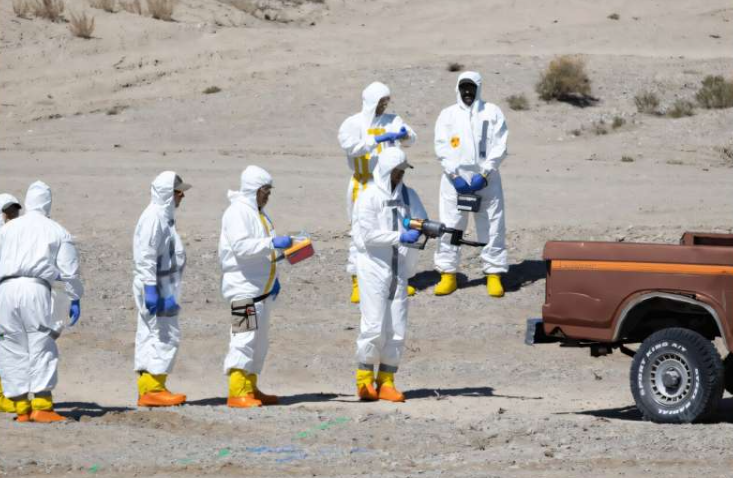
U.S. Idaho National Laboratory (INL) Develops New Vacuum Attachment for Nuclear Fallout Collection
Nuclear nonproliferation researchers at Idaho National Laboratory (INL) have invented a specialized attachment compatible with commercial handheld vacuum cleaners, designed to safely and efficiently collect radioactive fallout generated after a nuclear explosion. The intense heat from a nuclear blast lifts ground debris into the atmosphere, where it melts and cools into radioactive glass beads less than 1 millimeter in diameter that fall back to the ground. In the past, nuclear experts undergoing training could only collect samples using brooms, dustpans, and ordinary household battery-powered vacuum cleaners, making manual containment difficult and posing extremely high radiation exposure risks. The INL team began producing prototypes with a thermoplastic 3D printer in 2017, and after multiple rounds of iteration, has now commissioned a company in American Falls, Idaho, to mass-produce the attachment using industrial-grade 3D printing, significantly improving durability.
2026-07-31

South Korea Confirms Operating Nuclear Power Units Unaffected by Strong Earthquake in Kyushu, Japan
Following the strong earthquake in the Kyushu region of Japan, related aftershock signals have been detected in southern South Korea. The Nuclear Safety and Security Commission (NSSC) of South Korea stated that inspections confirmed all operating nuclear power units within the country remain unaffected. The NSSC noted that after the earthquake, inspections were conducted on all 27 operating nuclear power units, including the Kori Nuclear Power Plant in Busan and the Wolseong Nuclear Power Plant in Gyeongju, with no significant abnormalities or safety issues found. Korea Hydro & Nuclear Power (KHNP) also stated that no reports of damage to nuclear facilities have been received so far. The NSSC will continue to monitor the operational status of nuclear power plants to respond to potential subsequent aftershocks....
2026-07-31

NuAlaska Initiative Launched: Long-Life Nuclear Microreactors Target Remote Alaskan Regions
An initiative in Alaska called NuAlaska is working to bring long-life nuclear microreactors to remote areas. This collaboration, co-launched by NuCube Energy Inc. and the Alaska Fund, aims to develop, finance, own, and operate advanced nuclear energy projects in Alaska. The plan combines NuCube's NuSun-1 micro-modular reactor technology with the Alaska Fund's mission to support projects that meet Alaska's unique energy and infrastructure needs. The initiative targets remote communities, mines, military installations, and other isolated locations where harsh weather, long transportation routes, and reliance on imported diesel fuel...
2026-07-31
UK Interim Report on Fission Materials Roadmap Highlights New-Generation Nuclear R&D Priorities
The UK National Nuclear Laboratory (UKNNL) and the Henry Royce Institute recently released the "UK Fission Materials Roadmap Interim Report." The report states that the UK needs to clarify as soon as possible the priority technology routes and operating environments for next-generation nuclear reactors, so as to concentrate materials research resources on key directions and support future nuclear power development. The report argues that the UK should decide within the next one to two years whether to build a domestic materials test reactor; within the next five years, the government should also establish a national materials archive to preserve irreplaceable irradiated material samples. The report also recommends making long-term funding commitments of at least five years for relevant research projects...
2026-07-31
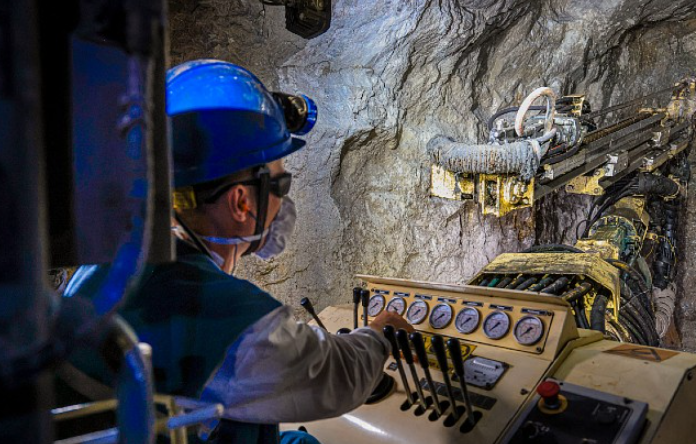
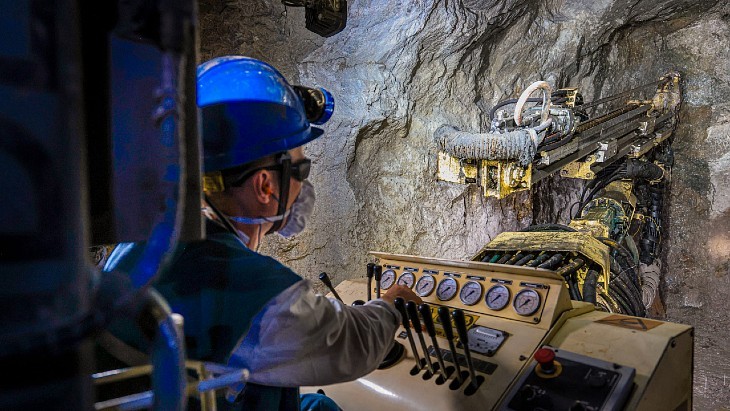
Progress in Russia's Khilonduevskoye Uranium Deposit Development: 3 Kilometers of Mine Workings Completed Ahead of Schedule
The mining division of Russia's Rosatom recently announced that underground mining crews completed three kilometers of mine workings ahead of schedule during the development of the Khilonduevskoye deposit. This milestone, originally planned for completion on August 10, was achieved by a team of workers from the Priargunsky Industrial Mining and Chemical Union (PIMCU), which is part of Rosatom Nedra. According to PIMCU, this mine connection will significantly optimize the ventilation system at the fourth level of the Khilonduevskoye deposit and improve the efficiency of rock block loading, laying the foundation for subsequent development work. The company's CEO, Ivan Kiselev, stated that this connection is of critical importance to the company, as it not only links two sections of the mine but also fundamentally transforms the logistics and safety of fourth-level operations.
2026-07-31
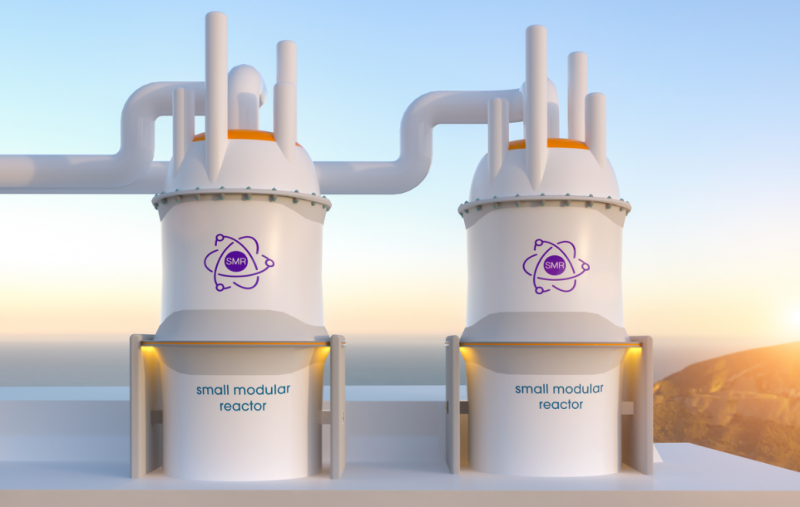
Japan Atomic Industrial Forum Chairman: Overseas SMR Projects Help Sustain Supply Chain, but Japan Still Needs to Build New Nuclear Plants
Hideki Masui, Chairman of the Japan Atomic Industrial Forum (JAIF), stated on May 31 that Japanese companies are playing a significant role in global small modular reactor (SMR) projects through design and equipment supply, but the long-term maintenance and development of Japan's nuclear technology base ultimately requires the construction of new nuclear power plants domestically. At a regular press conference, Masui reviewed international developments in the SMR field. He noted that approximately 30 countries currently use nuclear energy, and about 20 countries are studying the deployment of SMRs in some form. Projects involving Japanese companies include GE Vernova Hitachi Nuclear Energy's BWRX-300 and NuScale Power's VOYGR SMR, whi...
2026-06-06
Russia says its nuclear power plant designs can adapt to construction requirements in seismically active regions
On June 25, Dmitry Ivanov, Chief Engineer of the Atomenergoproekt Integrated Design Institute under the engineering division of Rosatom, stated that Rosatom incorporates seismic requirements into its nuclear power plant designs, enabling relevant units to be constructed and operated in seismically unstable regions. Ivanov noted that Rosatom is currently building or overseeing the construction of nuclear power plants in Russia as well as in India, Bangladesh, Hungary, Egypt, Turkey, and Iran. The seismic impacts faced by different project sites vary, with some regions potentially experiencing higher seismic intensity. Drawing on experience from past projects, the company implements corresponding seismic resistance into nuclear power plant designs in accordance with regulatory document requirements to ensure safe plant operation.
2026-06-26
South Korean Presidential Office: Expanding Renewable Energy Does Not Mean Abandoning Nuclear Power; New Nuclear and SMR Projects Already Decided
On July 3, Kim Woo-chang, Secretary for National AI Policy at the South Korean Presidential Office, responded on a program to external concerns over the power supply capacity of the semiconductor cluster in the Honam region, stating that the southwestern region of South Korea already possesses sufficient renewable energy conditions, with further room for expansion in the future. Kim Woo-chang said that South Korea's power generation resources are generally concentrated in the southwestern region, the Busan–Ulsan–Gyeongnam area, and the vicinity of nuclear power plants in Gangwon-do; the Seoul metropolitan area and central regions such as Chungcheong-do rely primarily on transmission networks for electricity. Therefore, locating large-scale power-consuming projects near power sources is one of the realistic options. In response to whether renewable energy alone is sufficient to support the semiconductor industry...
2026-07-03

Rosatom Says Small Nuclear Power Development Requires Regulatory Reform
Rosatom Director General Alexey Likhachev said on July 5 that if Russia hopes to maintain its global leadership in the small nuclear power market, nuclear regulations and standards also need to keep pace with technological changes, particularly by revisiting the licensing and approval process for small nuclear power plants. In an article published in the Rosatom Corporate Newspaper, Likhachev stated that small nuclear power plants are expected to become a significant new form of energy in the coming decades, but their deployment still faces considerable regulatory challenges. Due to the relative novelty of such facilities to regulators, approval approaches tend to be cautious. He believes that accelerating the licensing and construction process while ensuring safety has become a task of national importance.
2026-07-06
Chinese Jinshui River study reveals seasonal variations affect nitrogen removal capacity of forest streams
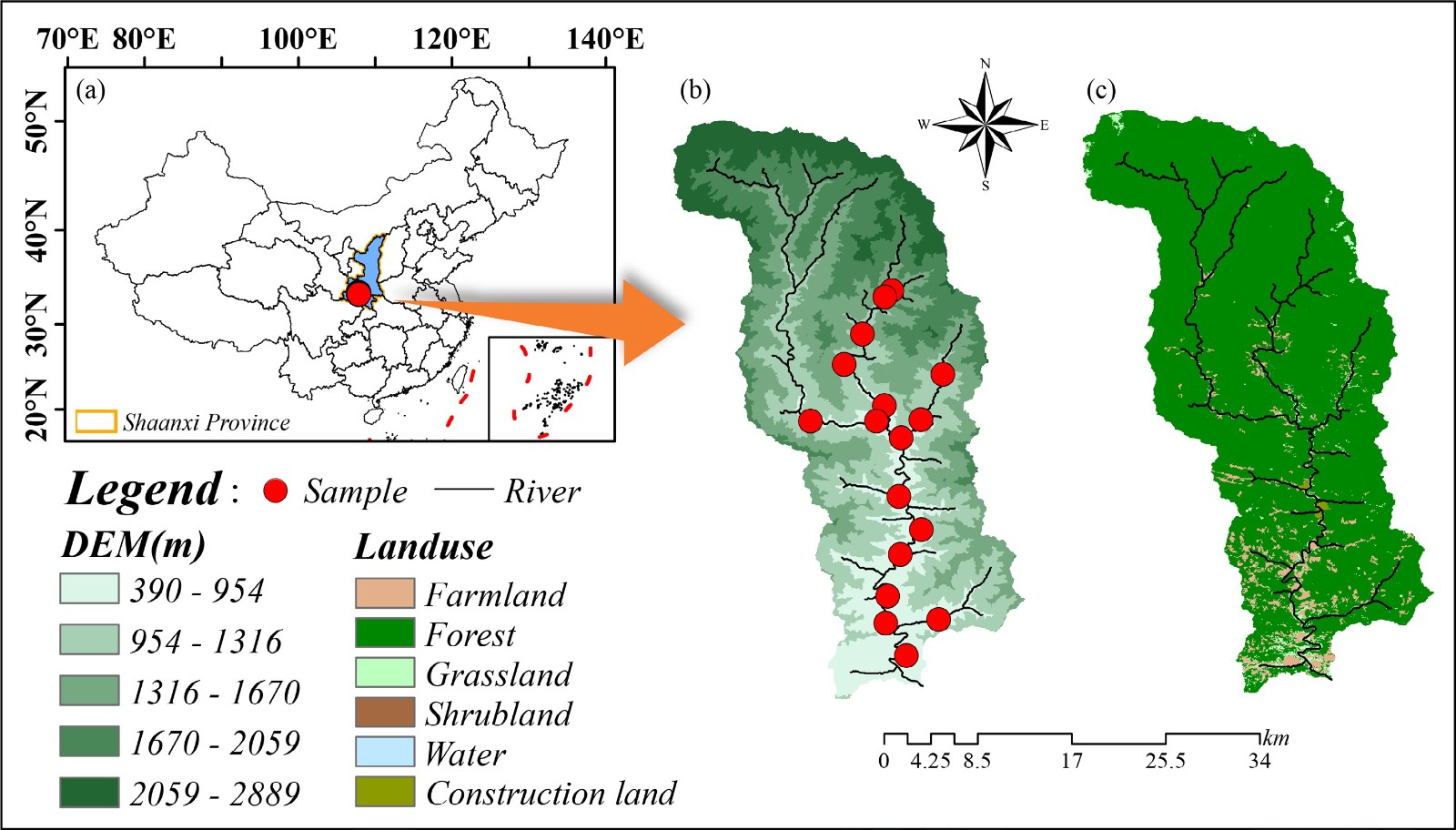
A new study shows that the capacity of forest streams to remove excess nitrogen varies with the seasons, influenced by different environmental factors in summer and winter respectively. This finding suggests that water quality management in forest watersheds needs to give greater consideration to seasonal differences. Figure 1. Location of study sites along the Jinshui River. (a) Watershed location; (b) Watershed topography and sampling point distribution; (c) Watershed land use types. Researchers focused on the Jinshui River in central China, analyzing water and surface sediment samples from 18 sites along forested riparian zones. The study combined nitrogen-15 isotope tracing, remote sensing monitoring, water and sediment chemical measurements, and microbial-based...
2026-07-31

U.S. Research Team Tracks Main Drivers of Global Methane Rise Using Stable Isotope Analysis
A research team from the U.S. National Oceanic and Atmospheric Administration Global Monitoring Laboratory and the University of Colorado has recently traced the sources of the rapid rise in global atmospheric methane since 2007 through high-precision methane concentration measurements and carbon and hydrogen stable isotope analysis. The findings show that over the past two decades, microbial emissions have been the primary factor driving the increase in methane concentrations, while fossil fuel-related methane emissions may have remained relatively stable overall. A methane molecule consists of one carbon atom and four hydrogen atoms, and methane from different sources differs in its carbon and hydrogen isotope composition. Researchers used this chemical fingerprint to distinguish methane sources: fossil fuel methane such as natural gas typically contains a relatively higher proportion of carbon-13, while methane produced by microbial processes in wetlands, landfills, livestock, and agricultural environments has a lower carbon-13 proportion, exhibiting a "lighter" isotopic signature. The proportion of deuterium in hydrogen isotopes also varies with the way methane is formed, providing a further basis for source identification.
2026-07-31
Mangoceuticals to Merge with Nuclea to Advance Morpheus Microreactor to Market
Mangoceuticals announced on July 30 that it has signed a definitive business combination agreement with advanced nuclear technology company Nuclea Energy Inc., aiming to bring the latter's Morpheus microreactor to the public capital markets. Nuclea was founded in August 2023 and is headquartered in Mississauga, Ontario, Canada, focusing on the development of lead-cooled, factory-fabricated micro-modular reactors. Under the agreement, a newly formed subsidiary of Mangoceuticals will merge with Nuclea, and the combined company will operate as an indirect wholly owned subsidiary of Mangoceuticals. Upon completion of the transaction, holders of Nuclea common shares will receive...
2026-07-31
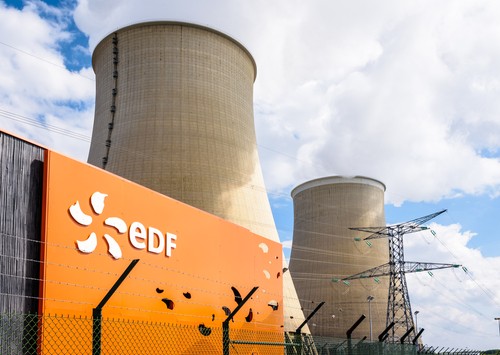
EDF plans to bring in investors for Nuward small modular reactor project by end of 2026
French utility EDF said on July 30 that it plans to bring in investors for its Nuward small modular reactor project by the end of 2026. The company stated that the related financing arrangements will be centered around European customers and industrial partners to support the development of a batch of initial reactors better aligned with user needs. Small modular reactors have not yet entered large-scale commercial production, but multiple companies worldwide are advancing the deployment of related technologies. Supporters believe that compared with traditional large nuclear power units, small modular reactors offer greater flexibility in deployment methods, application scenarios, and low-carbon energy supply. EDF is a state-owned French power company operating 57...
2026-07-31

Masayoshi Son: Nuclear Fusion Could Become Key to Powering Future AI Data Centers
SoftBank Group founder Masayoshi Son said at the SoftBank World annual event in Tokyo on July 14 that as electricity demand from AI data centers continues to rise, nuclear fusion technology is expected to become one of the most realistic power solutions in the near future. Son believes that most of the current electricity demand from data centers will still be met by natural gas, but this landscape could change over the next 15 years. He predicted that by 2040, global data center capacity demand will reach 3 terawatts, with nuclear fusion playing a significant role. He said at the event that fusion will become a major source of a cheaper, cleaner, and safer new form of energy on Earth, and asked rhetorically: Now...
2026-07-15