
Search Results
Keyword:CA
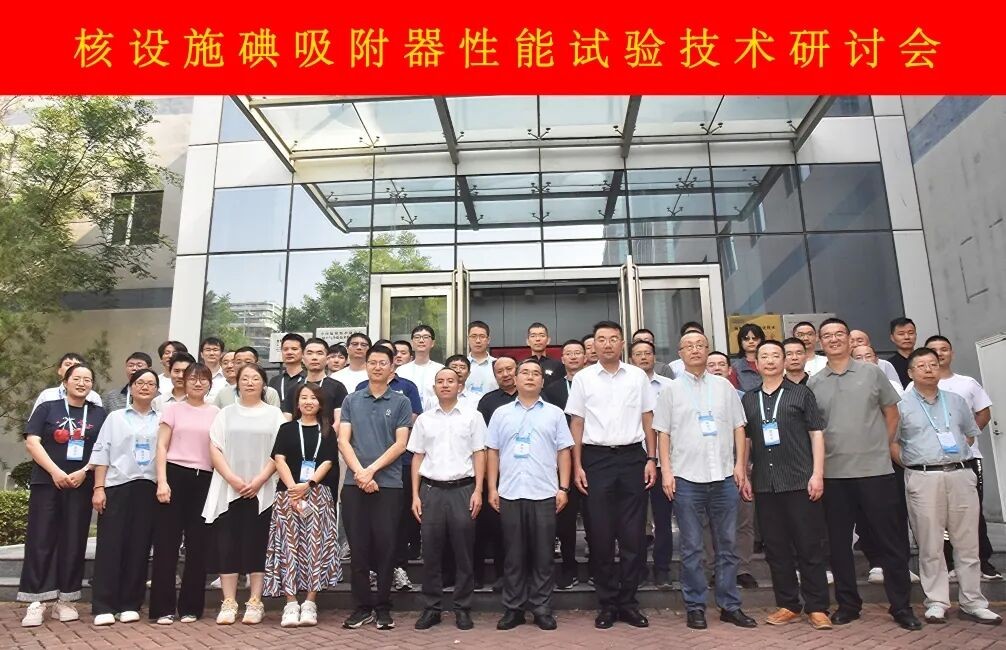
The Nuclear and Radiation Safety Center of the Ministry of Ecology and Environment Successfully Held a Technical Seminar on Performance Testing of Iodine Adsorbers in Nuclear Facilities
Recently, the technical seminar on performance testing of iodine adsorbers in nuclear facilities, hosted by the Nuclear and Radiation Safety Center of the Ministry of Ecology and Environment (hereinafter referred to as "the Center") and organized by the Key Laboratory of Radioactive Gas Purification Technology of CNNC, was held in Taiyuan, Shanxi Province. Representatives from domestic nuclear facility operation, design, testing and inspection organizations, as well as relevant personnel from the Center's Reactor Department, Event Assessment Department, and General Operations Department attended the meeting. The seminar focused on core topics such as periodic testing methods for iodine adsorbers in ventilation systems of nuclear facilities, acceptance criteria, and test cycle requirements under long-term operation. Participants conducted in-depth exchanges on the advantages and disadvantages of radioactive versus non-radioactive test methods for iodine adsorber adsorption efficiency, 2-inch...
2026-08-01
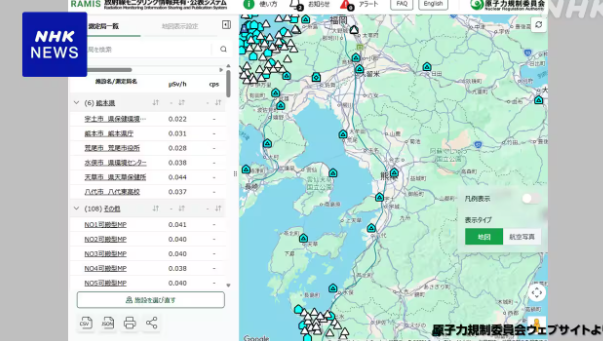
Six radiation monitoring posts in Kumamoto Prefecture, Japan, resumed transmission on the morning of the 30th after being interrupted by power outages caused by the earthquake
Radiation monitoring stations in Kumamoto Prefecture, Japan, have resumed operations after data interruptions caused by the earthquake. On the morning of July 30, data transmission at all monitoring stations returned to normal. The initial cause of the malfunction is believed to be power outages resulting from the earthquake, and the Nuclear Regulation Authority of Japan will conduct further investigations into the matter. A total of six radiation monitoring stations are located in Kumamoto Prefecture, distributed across Kumamoto City, Uto City, and other areas, used for real-time measurement of radiation levels in the environment. Starting around 11 p.m. on July 28, data transmission from these stations was suddenly interrupted, making it impossible to assess local radiation levels. This situation drew significant attention from relevant authorities. According to the Nuclear Regulation Authority of Japan...
2026-07-31

Siemens Healthineers and Cleveland Clinic Launch 10-Year Strategic Alliance to Advance Innovation in Advanced Imaging and Radiation Oncology
On July 30, Siemens Healthineers and Cleveland Clinic announced the launch of a 10-year strategic alliance, building on their 35-year partnership to further drive clinical and workflow innovation, enhance patient care quality, and improve healthcare operational efficiency. Under the collaboration arrangement, Siemens Healthineers will provide Cleveland Clinic with a range of diagnostic imaging and treatment-related technologies, covering magnetic resonance imaging, computed tomography, radiation oncology, interventional radiology, and X-ray. Both parties stated that the alliance will focus on areas such as diagnostic imaging, cardiology, and radiation oncology, providing clinical teams with new tools and training support, and offering patients more...
2026-07-31
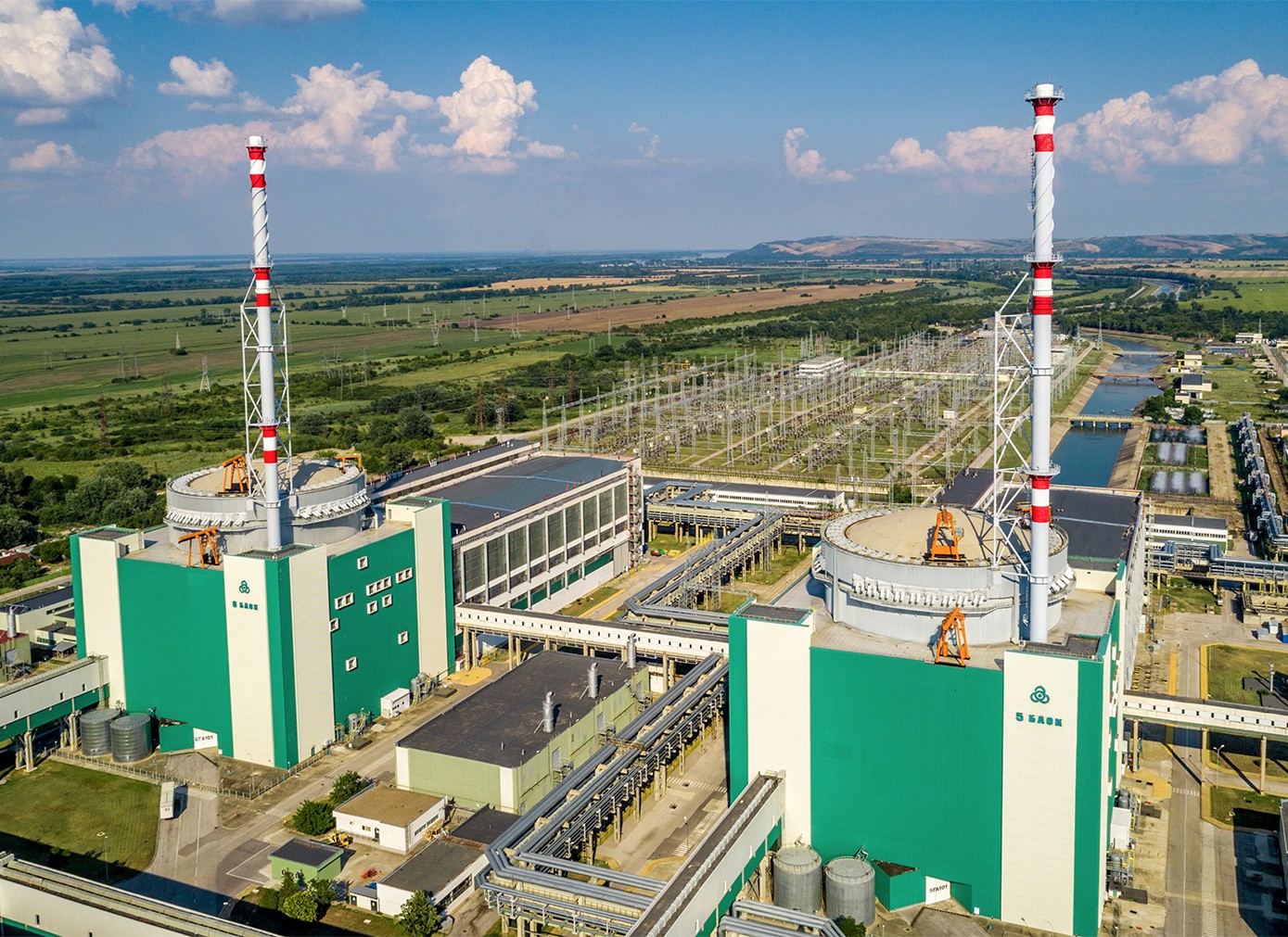
Two Units of Kozloduy NPP Operating at Full Capacity as Scheduled
On July 30, Kozloduy NPP stated that its two units are currently operating at full capacity in accordance with the power generation plan. Affected by the persistently low water level of the Danube River, the plant established a special working group in early July and activated relevant response measures to ensure the safe and reliable operation of the units under conditions of prolonged river water level decline. Kozloduy NPP is maintaining close communication with the Executive Agency for Exploration and Maintenance of the Danube River to continuously track water level trends. Monitoring data from recent days show that the Danube River water level has dropped to its lowest in recent decades...
2026-07-31

IAEA Launches ATLAS Initiative: Building a New International Governance Framework for Maritime Nuclear Applications
As global shipping demand for alternative fuels continues to grow and small modular reactor technology matures, nuclear applications in the maritime sector are accelerating from concept to reality. However, offshore nuclear deployment involves a complex set of issues including safety, security, safeguards, legal liability, insurance, and jurisdiction. The existing international regulatory framework is fragmented and ill-suited to the deployment needs of modern reactor designs. Against this backdrop, the International Atomic Energy Agency (IAEA) has officially launched the Atomic Technologies Licensed for Applications at Sea (ATLAS) initiative, aiming to establish an integrated framework encompassing nuclear saf...
2026-07-31
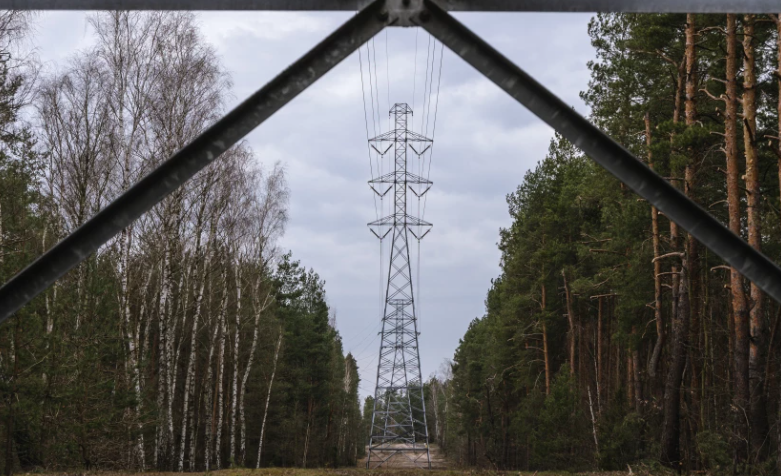
Polish cable manufacturer FPE secures PSE framework contract to support national grid infrastructure for nuclear power
Energy Cable Factory (FPE) in Będzin has signed a framework agreement with Polish Power Grid Company (PSE) for the supply of cables used in the construction and upgrade of high-voltage transmission lines. The contract is valued at PLN 362.1 million net, equivalent to PLN 445.4 million gross. Under the agreement, FPE plans to expand the production capacity of its Będzin plant. This cooperation is not merely a commercial contract but also a vote of confidence in and recognition of Poland's industrial capabilities, proving its ability to undertake the modernization of national strategic infrastructure. The company emphasizes that it can deliver not only cables but also ensure the secure transmission of tomorrow's energy. The agreement covers the supply of phase conductors from 2026 to 2031, with a total length of...
2026-07-31
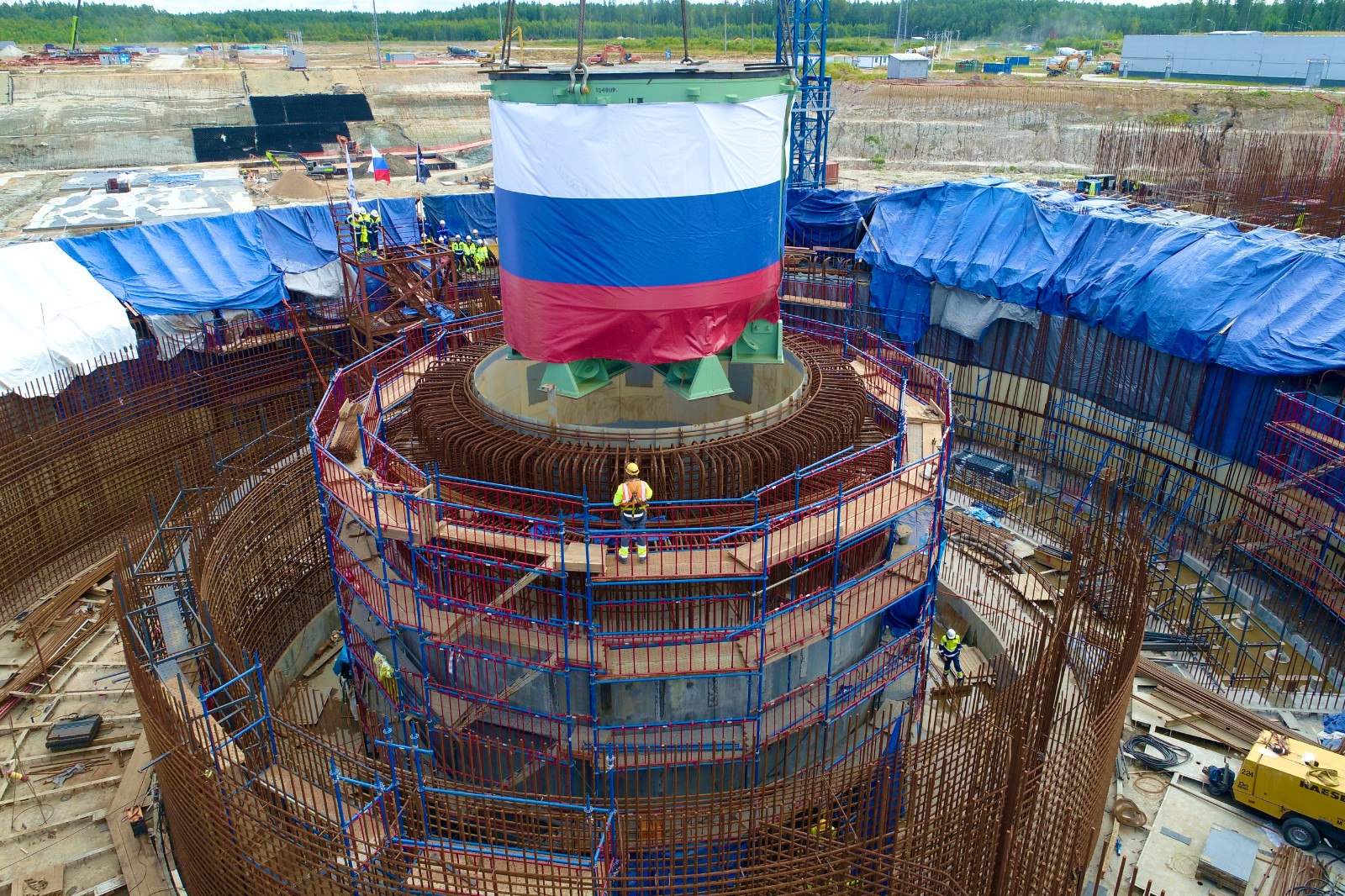
Unit 4 of Leningrad NPP Phase II completes installation of first major equipment
Unit 4 of Russia's Leningrad NPP Phase II recently completed the installation of the core melt catcher vessel. This is the first major equipment of the unit to enter the installation stage, and also the first passive safety system equipment to be installed. The steel structure weighs 157 tonnes, and the installation was carried out using a heavy crawler crane, taking about one work shift of approximately 8 hours, nearly 3 months ahead of the original schedule. Valery Zhemchugov, Acting Director of Leningrad NPP, stated that the installation of the core melt catcher vessel is a key milestone in the construction of Unit 4, a VVER-1200 pressurized water reactor unit, and that the relevant work was completed in accordance with quality requirements, providing more time for subsequent reactor building civil and installation works.
2026-07-31
Russia says its nuclear power plant designs can adapt to construction requirements in seismically active regions
On June 25, Dmitry Ivanov, Chief Engineer of the Atomenergoproekt Integrated Design Institute under the engineering division of Rosatom, stated that Rosatom incorporates seismic requirements into its nuclear power plant designs, enabling relevant units to be constructed and operated in seismically unstable regions. Ivanov noted that Rosatom is currently building or overseeing the construction of nuclear power plants in Russia as well as in India, Bangladesh, Hungary, Egypt, Turkey, and Iran. The seismic impacts faced by different project sites vary, with some regions potentially experiencing higher seismic intensity. Drawing on experience from past projects, the company implements corresponding seismic resistance into nuclear power plant designs in accordance with regulatory document requirements to ensure safe plant operation.
2026-06-26
Chinese Jinshui River study reveals seasonal variations affect nitrogen removal capacity of forest streams
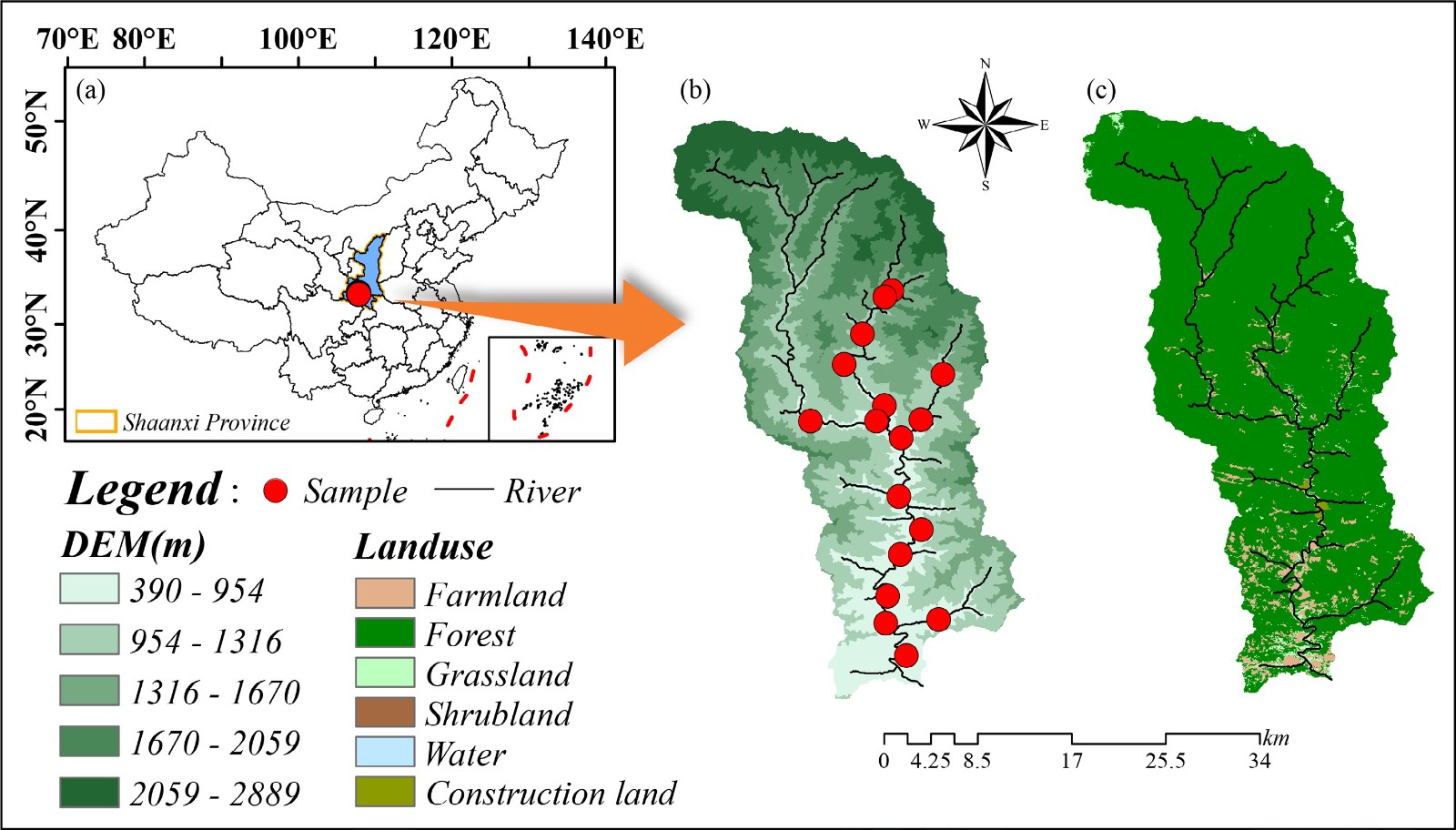
A new study shows that the capacity of forest streams to remove excess nitrogen varies with the seasons, influenced by different environmental factors in summer and winter respectively. This finding suggests that water quality management in forest watersheds needs to give greater consideration to seasonal differences. Figure 1. Location of study sites along the Jinshui River. (a) Watershed location; (b) Watershed topography and sampling point distribution; (c) Watershed land use types. Researchers focused on the Jinshui River in central China, analyzing water and surface sediment samples from 18 sites along forested riparian zones. The study combined nitrogen-15 isotope tracing, remote sensing monitoring, water and sediment chemical measurements, and microbial-based...
2026-07-31
Mangoceuticals to Merge with Nuclea to Advance Morpheus Microreactor to Market
Mangoceuticals announced on July 30 that it has signed a definitive business combination agreement with advanced nuclear technology company Nuclea Energy Inc., aiming to bring the latter's Morpheus microreactor to the public capital markets. Nuclea was founded in August 2023 and is headquartered in Mississauga, Ontario, Canada, focusing on the development of lead-cooled, factory-fabricated micro-modular reactors. Under the agreement, a newly formed subsidiary of Mangoceuticals will merge with Nuclea, and the combined company will operate as an indirect wholly owned subsidiary of Mangoceuticals. Upon completion of the transaction, holders of Nuclea common shares will receive...
2026-07-31
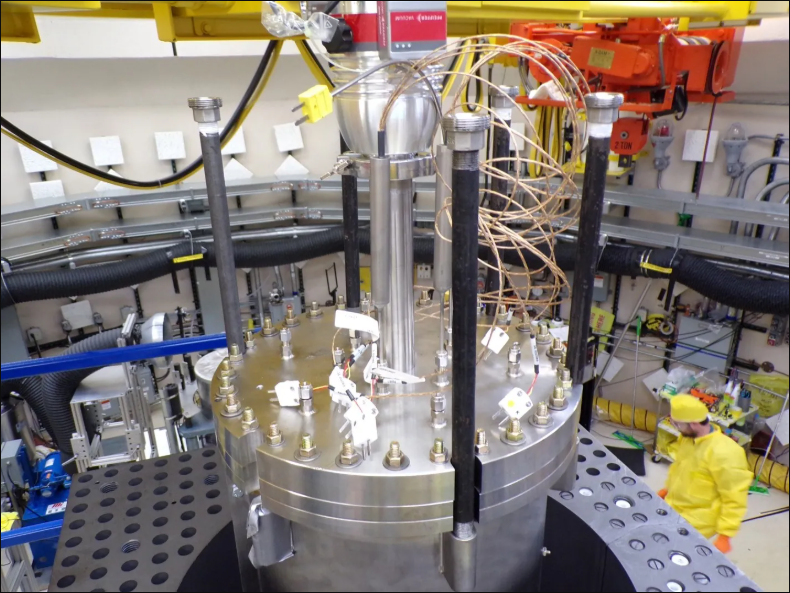
ZiaCore Microreactor Achieves Criticality in High-Temperature Zero-Power Experiment
Los Alamos National Laboratory announced on July 30 that its ZiaCore microreactor design has completed a high-temperature zero-power criticality proof-of-principle experiment at the National Criticality Experiments Research Center (NCERC) in Nevada, successfully achieving initial criticality. ZiaCore is an advanced nuclear energy microreactor design that uses low-enriched uranium dioxide fuel. The experiment lasted approximately four weeks from April to May this year, advancing the ZiaCore system to zero-power criticality under high-temperature conditions. According to the reactor design and verification process, zero-power criticality experiments can be used to validate the effectiveness of reactor physics designs, providing key benchmark data for subsequent engineering development.
2026-07-31
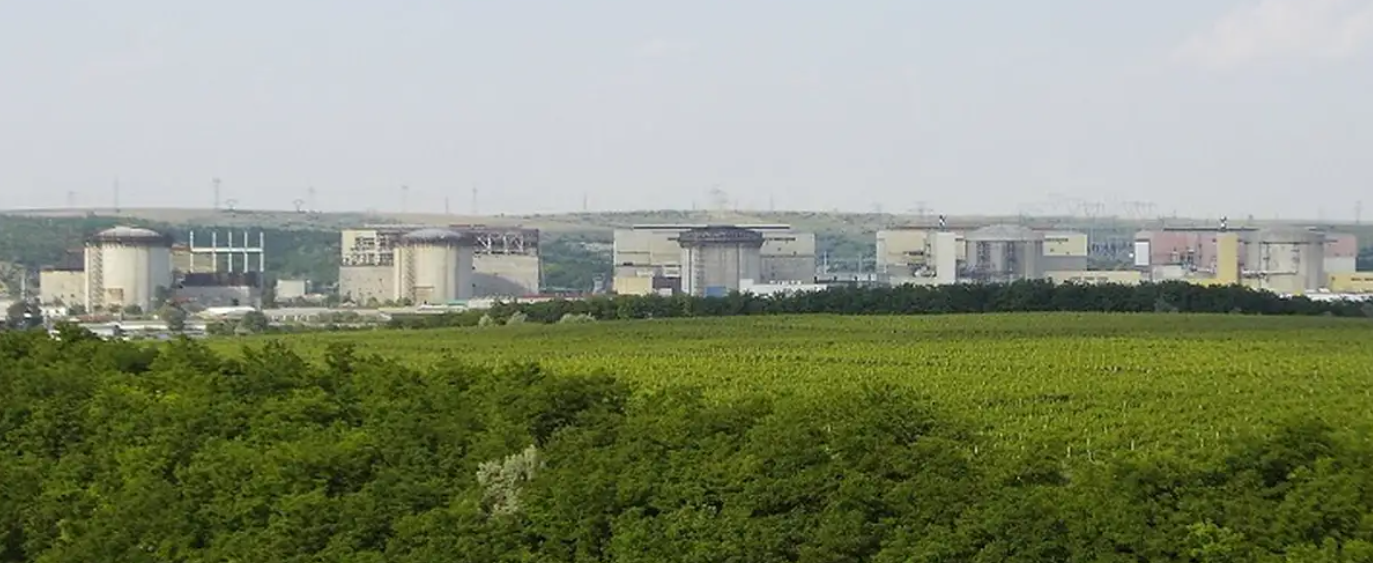
Unit 2 of Romania's Cernavoda Nuclear Power Plant not to shut down temporarily due to low Danube water level
Romania's National Nuclear Power Company (Nuclearelectrica) stated on July 30 that Unit 2 of the Cernavoda Nuclear Power Plant will continue to operate connected to the grid. Previously, the company had warned that the unit, located in Constanța County in southeastern Romania, might need to shut down due to the low water level of the Danube River. The company said that based on an operational analysis completed the previous night, experts believe the currently obtained relevant parameters allow Unit 2 to continue operating under safe conditions. Therefore, the unit will remain connected to Romania's national power system. Nuclearelectrica also stated that technical personnel will continuously monitor and analyze the plant's operating parameters. Given the subsequent hydrological forecasts for the Danube water level...
2026-07-31

Bulgarian Expert Says Belene NPP Restart Technically Feasible
Bulgarian energy expert Bogomil Manchev recently stated that the long-dormant Belene NPP project remains technically viable for restart. If Bulgaria and Ukraine jointly participate in financing and establish a co-ownership mechanism, the project could become a new nuclear power project built through bilateral cooperation. Manchev believes that Ukraine will still face significant electricity demand for a long period in the future. If funding can be secured for the project, Bulgaria could proceed with nuclear power plant construction at the original Belene site. His proposed options include joint financing and co-ownership by both countries, or Ukraine signing a long-term power purchase agreement to support project financing...
2026-07-23

Xinhua Exclusive Interview | China Makes Significant Contributions to the "Artificial Sun" Project — Interview with Alain Bécoulet, Deputy Director-General and Chief Scientist of the International Thermonuclear Experimental Reactor Organization
On July 26, 2027, Xinhua News Agency published an exclusive interview with Alain Bécoulet, Deputy Director-General and Chief Scientist of the International Thermonuclear Experimental Reactor (ITER) Organization, on China's significant contributions to the "Artificial Sun" project and its role in accelerating global fusion research. Bécoulet noted that China plays a fundamental role in supplying ITER components (superconducting technology, cables, magnet manufacturing, cryostats, etc.), and that the tokamak installation work undertaken by the Chinese consortium "exceeded expectations in terms of time and cost." He also stated that facilities such as EAST, HL-3, and BEST provide ITER with experimental predictions, component testing, and technical twin validation. He believes that through sustained investment and international cooperation, China has begun to play a leading role in the global fusion field.
2026-07-27
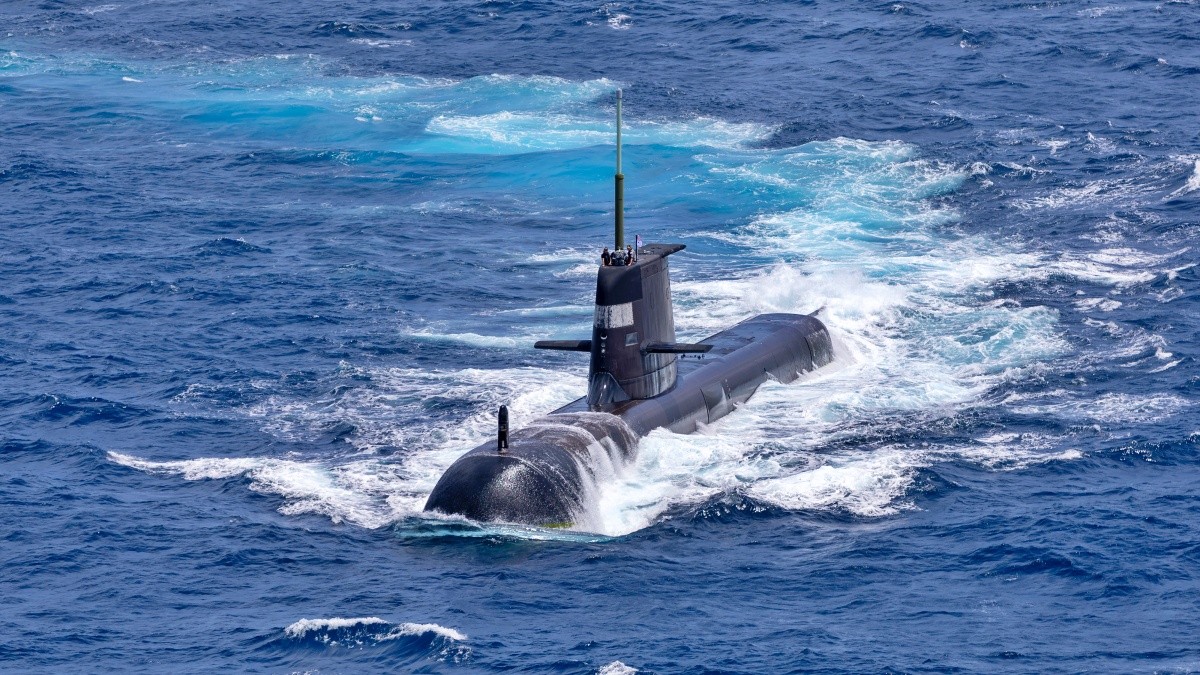
UK to Invest £8.4 Billion in Dreadnought-Class Nuclear Submarine Program
The UK Prime Minister's Office stated that the UK will announce an investment of £8.4 billion (over $11 billion) for the construction of four Dreadnought-class nuclear submarines, thereby launching the fourth phase of this submarine program. According to the relevant press release, this investment will be used to strengthen the UK's nuclear capability building and advance the continued implementation of the Dreadnought-class submarine project. Under the framework of the new phase, the first of the four nuclear submarines is expected to complete sea trials in the early 2030s and enter service with the Royal Navy. The UK Ministry of Defence previously released a long-term defense budget for the next four years at the end of June, planning to invest nearly £300 billion (approximately $400 billion) in various areas of the military-industrial complex. Data shows that £4.7 billion of this funding has yet to be secured, with specific funding sources to be determined in the autumn budget.
2026-07-31