
Search Results
Keyword:EJ
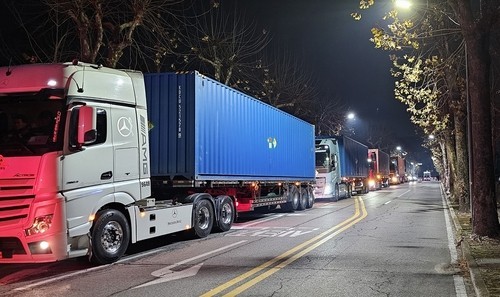
Daejeon, South Korea Ranks Second Nationwide in Low- and Intermediate-Level Radioactive Waste Storage, Spent Fuel Transfer Plan Still Not Implemented
According to data released on September 12 by South Korea's Integrated Radioactive Waste Safety Management Information System, two nuclear-related facilities in Daejeon——the Korea Atomic Energy Research Institute and Korea Hydro & Nuclear Power's Nuclear Fuel Company——currently store a total of 29,587 drums of low- and intermediate-level radioactive waste, with each drum having a capacity of 200 liters. This storage volume ranks second in South Korea, surpassed only by the Gori Nuclear Power Plant's 40,087 drums. Transportation of low- and intermediate-level radioactive waste Daejeon provides The low- and intermediate-level radioactive waste stored by the Korea Atomic Energy Research Institute mainly comes from the operation of the Hanaro research reactor, as well as waste generated during the decommissioning of an experimental reactor in Seoul in the mid-2000s. Nuclear-related facilities in Daejeon...
2026-09-13
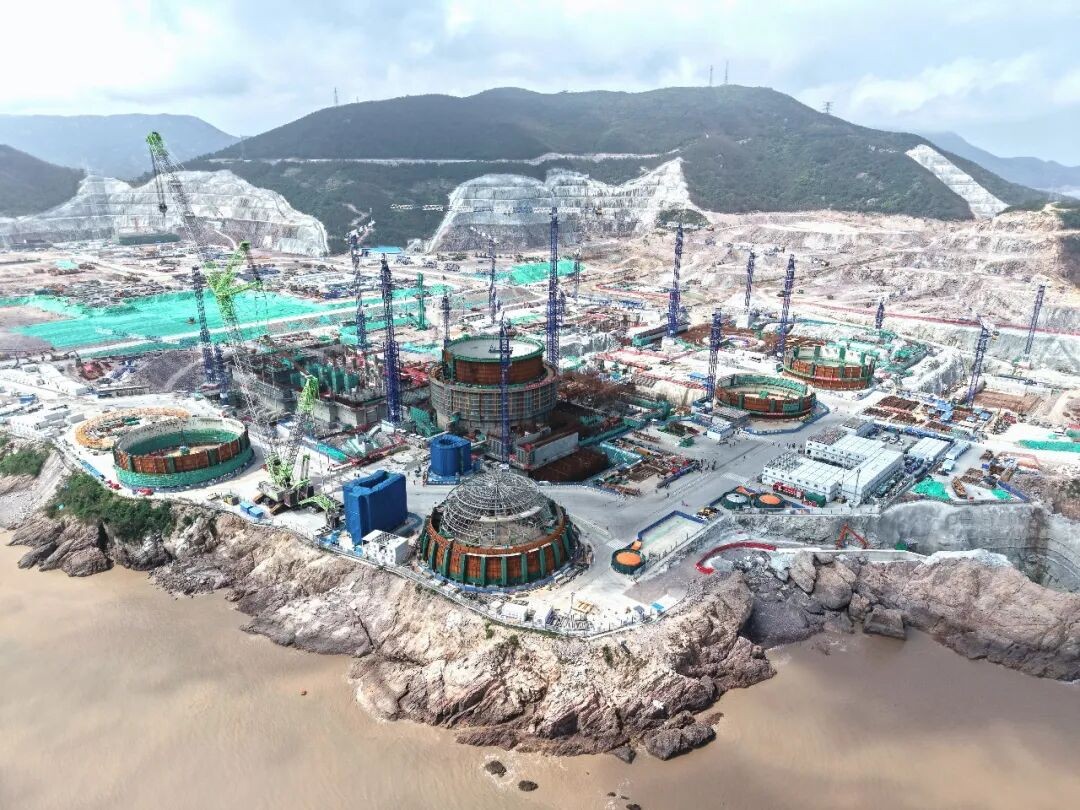
Construction Site Leveling and Excavation Kicks Off for Hualong One Version 2.0 Demonstration Project of Zhejiang Jinqimen Nuclear Power Phase II
On the morning of September 9, Zhejiang Jinqimen Nuclear Power held a mobilization meeting for high-quality construction of the Hualong One Version 2.0 demonstration project of Phase II, marking the full launch of site leveling and excavation work for Phase II. At the event, Yao Zhaohong, General Manager of Jinqimen Nuclear Power, presented the flag to the Party Member Commando Team for High-Quality Commencement of the Demonstration Project. Zhong Hua, Party Secretary and Chairman of Jinqimen Nuclear Power, delivered a mobilization speech and announced the start of site leveling and excavation work. At 11:11, the first blast for the main excavation of Phase II was successfully detonated, marking that the project construction has entered a stage of accelerated advancement. The mobilization meeting stated that Jinqimen Nuclear Power undertakes the task of constructing the Hualong One Version 2.0 demonstration project, and all participating units and builders must fulfill safety and quality responsibilities, adhere to safety first and quality first, steadily advance project construction, and build a high-standard "New Quality Hualong Demonstration Project."
2026-09-10
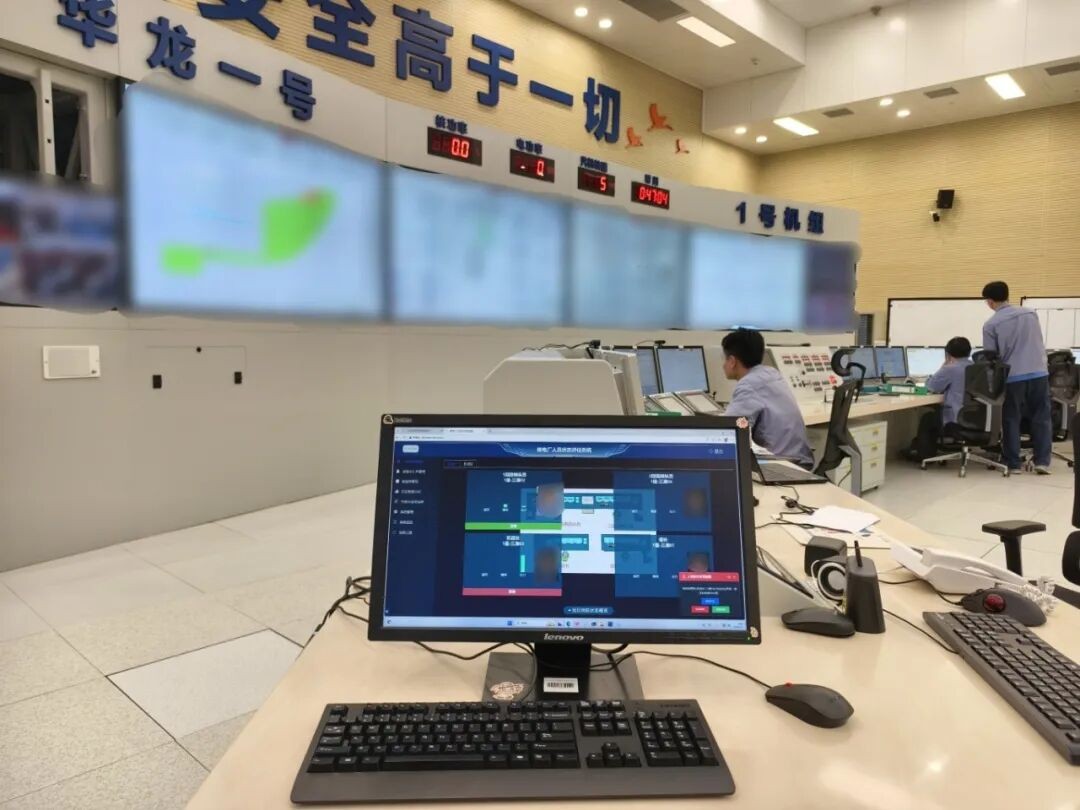
First Application and Verification of Intelligent Monitoring and Adjustment System for Nuclear Power Plant Personnel Status at "Hualong One" Nuclear Power Plant
On September 4, CGN Engineering, in collaboration with Cangnan Nuclear Power, successfully completed the testing, verification, and on-site data collection of the Intelligent Monitoring and Adjustment System for Nuclear Power Plant Personnel Status at the San'ao Nuclear Power Base. The CGN Engineering departments participating in this testing and verification included CGN Design Institute, the National Key Laboratory of Nuclear Power Safety Technology and Equipment (hereinafter referred to as the National Key Laboratory), CGN Engineering Cangnan Project Department, and Huasheng Technology. This joint test marks an important milestone in the project's transition from technology research and development to engineering application, providing key technical support for the quantitative analysis transformation of human factors safety management in China's nuclear power industry. The system, built upon the personnel fatigue status monitoring principle prototype developed under the Intelligent Nuclear Power strategic special project, has been iteratively improved with continuous support from the Yangjiang Chuangbao High-tech Research Project and the National Key Laboratory research projects, and has now evolved into a mature product suitable for engineering and large-scale application. Previously, relevant functional modules of the system had been deployed and data collected in applications such as human factors verification in the main control room of Yangjiang Nuclear Power Base and simulator training at Taishan Nuclear Power Base. The on-site testing and data collection at the San'ao Nuclear Power Base further verified the system's environmental adaptability and reliability across multiple nuclear power base scenarios, laying a solid foundation for subsequent industry-wide promotion and application.
2026-09-05

Qinshan Nuclear Power Completes Overhaul Validation of Grille Cleaning Robotic Arm
The grille cleaning robotic arm, an integrated system of UAV-based intelligent inspection and robotic arm automatic cleaning independently developed by the Mechanical Team of the Fourth Maintenance Division at Qinshan Nuclear Power, recently completed on-site validation during the Unit 2 312 overhaul at Qinshan Phase II. Designed for seawater system intake grille cleaning scenarios, this equipment transforms the original manual operation requiring entry into deep wells into an unmanned operation conducted under ground-based remote monitoring. The intake grille serves as a critical barrier for the cooling water system of a nuclear power plant, and its unobstructed condition is directly related to the stable operation of the unit. In traditional cleaning methods, workers were required to enter narrow shafts more than twenty meters underground to perform inspection and cleaning in confined spaces, which involved high labor intensity, low efficiency, and safety risks such as falls from height...
2026-09-03
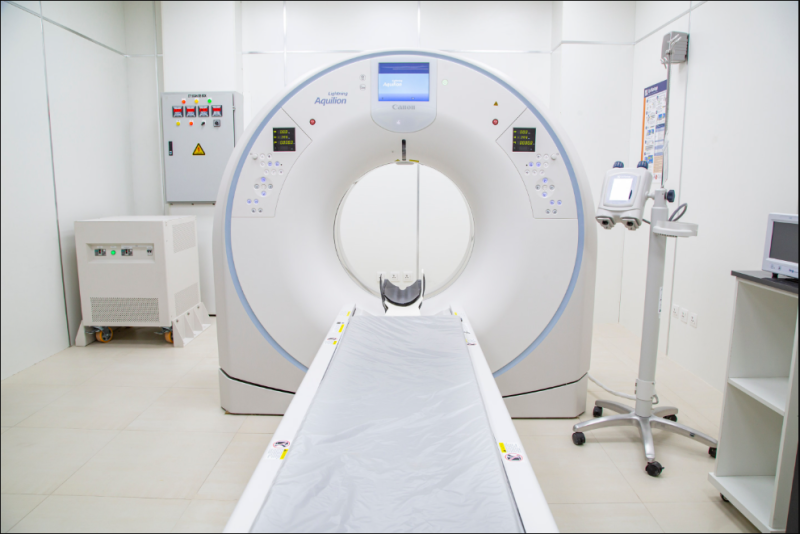
Sejong City Requests National Support for Proton Cancer Therapy Center Budget
On September 2, 2026, the Democratic Party of Korea and Sejong City held their first budget policy consultation meeting at the Sejong City Government to discuss key agenda items and budget support for the city. At the meeting, Sejong City Mayor Cho Sang-ho requested the Democratic Party's attention to several issues, including securing national funding for the construction of a cancer proton therapy center, improving the general grant system for Sejong City, and promoting the passage of the Special Act on the Administrative Capital within the year. After the closed-door consultation, a relevant spokesperson stated in a briefing that the meeting proposed allocating 300 million KRW each in the next year's national budget for a feasibility study on the construction of the cancer proton therapy center and for the formulation of the basic plan for the National Central Bioresource Center.
2026-09-02
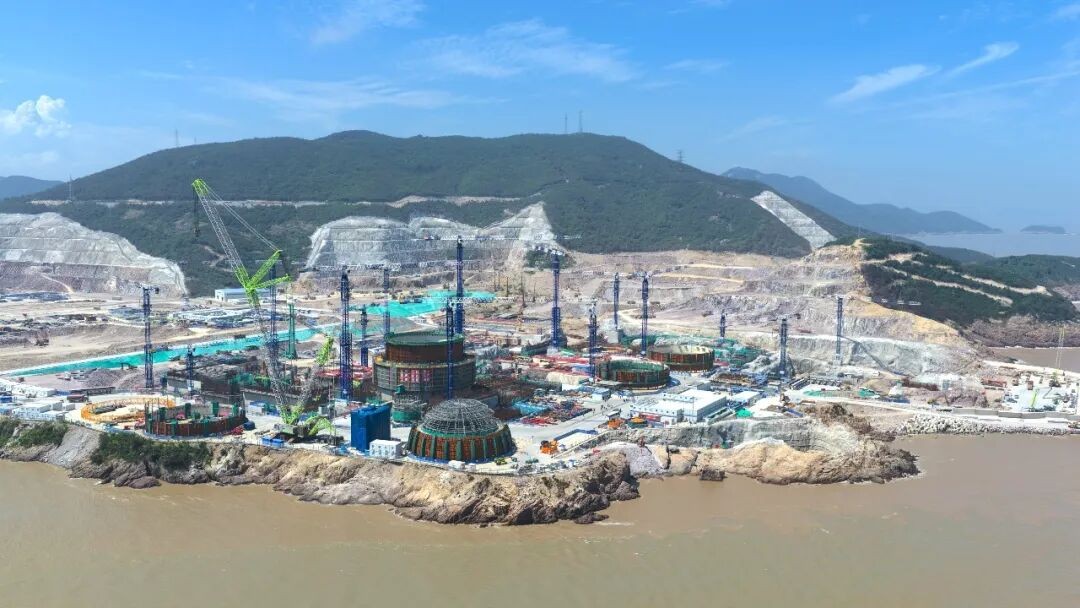
Zhejiang Jinqimen Nuclear Power Unit 1 Pressurizer Relief Tank Successfully Hoisted into Place
On August 30, the pressurizer relief tank, a major nuclear island equipment item of Unit 1 at Zhejiang Jinqimen Nuclear Power Plant, contracted by China Nuclear Industry Fifth Construction Co., Ltd. (CNF), was successfully hoisted into place. The entire hoisting process was smooth and orderly, with overall safety and quality under control. This hoisting has laid a solid foundation for the subsequent installation of main nuclear island equipment and the construction of the primary loop system. The pressurizer relief tank is an important auxiliary equipment of the reactor coolant system in a nuclear power plant. Its main function is to collect and condense the high-temperature and high-pressure steam discharged from the pressurizer safety valves, ensuring the safe and stable operation of the reactor system. The relief tank hoisted this time is pre-installed equipment in the nuclear island. The main body of the equipment is heavy in weight and large in size, with limited hoisting workspace. After being hoisted into place, it needs to be placed in the nuclear island building for a long period, and subsequent construction will be constrained by space, making it necessary to introduce the equipment precisely within the civil construction window period.
2026-09-02
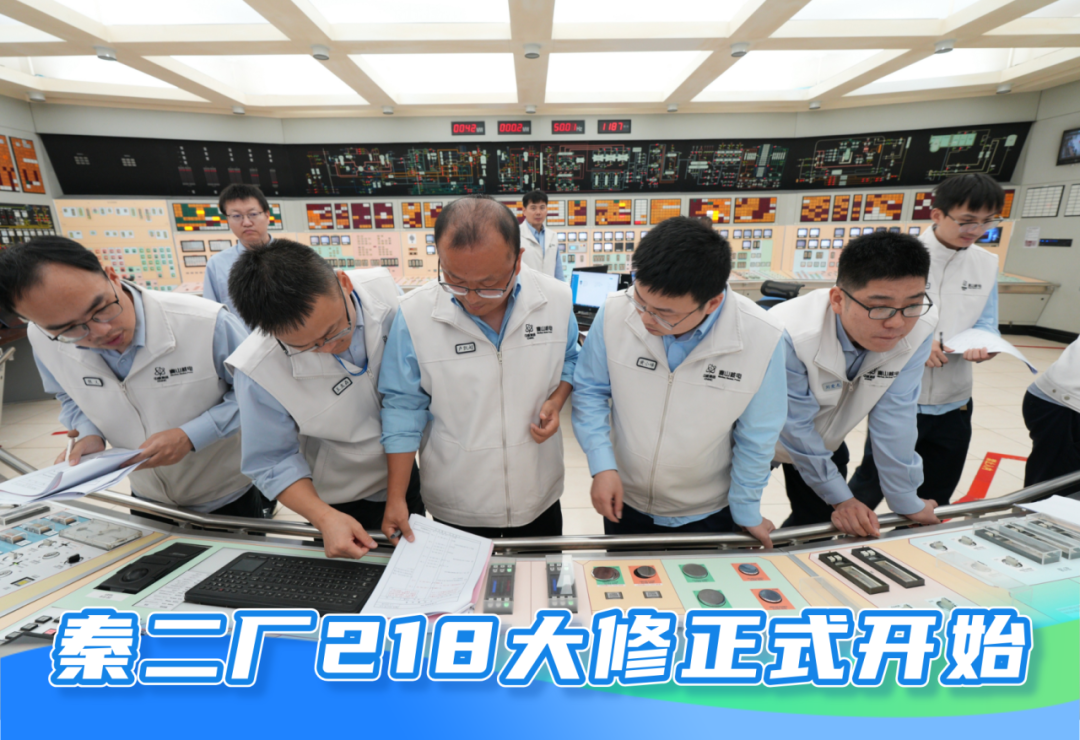
Qinshan Nuclear Power Plant Unit 2 Outage 218 Officially Commences
At 2:20 AM on September 1, Unit 2 of Qinshan Phase II was disconnected from the East China Power Grid, marking the official commencement of Outage 218. This outage is a Category C overhaul for Unit 2 of Qinshan Phase II. In addition to the routine annual overhaul items such as reactor coolant system head removal and installation, fuel handling, SG eddy current inspection and flushing, it also includes important special tasks such as generator rotor removal, insertion and inspection, diesel generator excitation system renovation, PSR weakness anti-boron dilution modification, reactor coolant system automatic makeup and residual heat removal eddy current detection function, and nuclear island low-voltage switchgear renovation. The planned items for this outage total 6,119: including 3,764 preventive items, 171 strategic maintenance items, 789 periodic tests, 133 modification work orders, and 1,262 other types of work.
2026-09-01
China Isotope & Radiation Plans to Invest RMB 400 Million in Zhejiang Nuclear Technology Application Industry Fund
China Isotope & Radiation Corporation announced on August 28 that its board of directors has approved entering into a partnership agreement with CNNC, CNNC Capital, CNNC Fund, National Industry Investment Fund, Zhejiang Venture Capital Guidance Fund, Jiaxing Changchuang Industrial Investment, and Haiyan County State-owned Capital Investment to jointly establish CNNC (Zhejiang) Nuclear Technology Application Industry Investment Fund Partnership (Limited Partnership). According to the announcement, the fund will be registered in Jiaxing City, Zhejiang Province, with partners intending to subscribe to a total capital contribution of RMB 3 billion. Among them, China Isotope & Radiation plans to contribute RMB 400 million from internal resources, accounting for 13.33% of the fund's total subscribed capital; CNNC Fund, as the general partner, plans to contribute RMB 30 million, accounting for 1%; the National...
2026-08-29
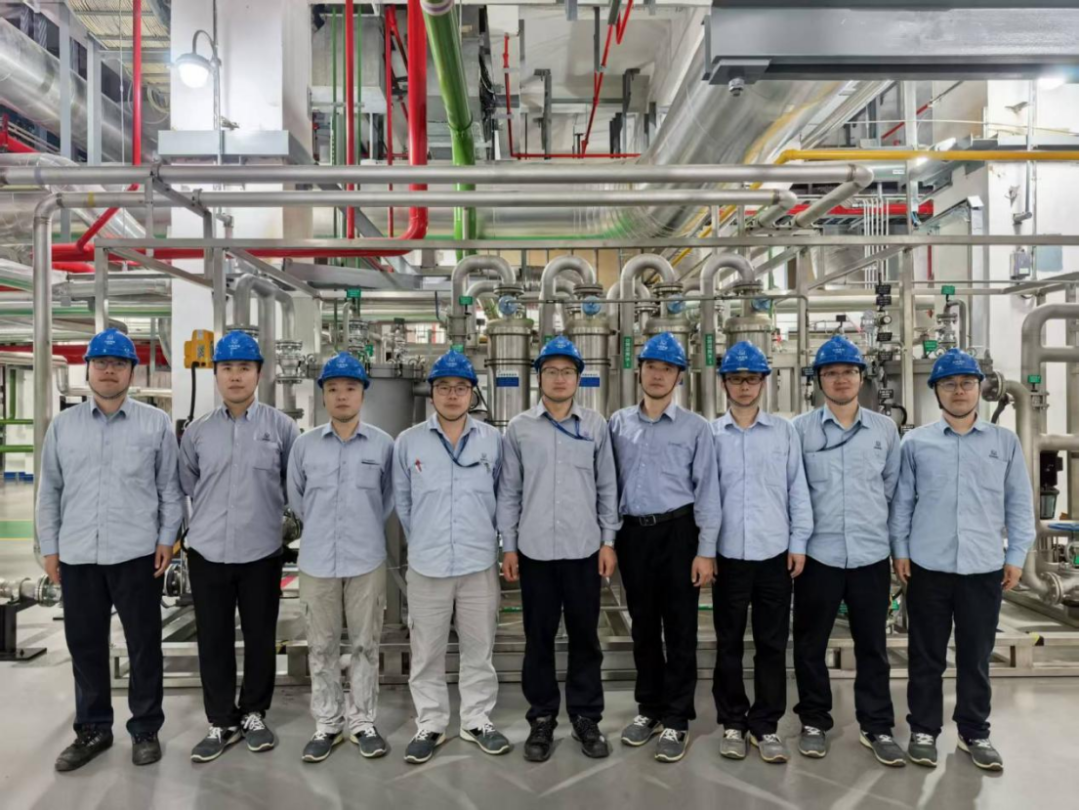
Qinshan Nuclear Power Membrane Deoxygenation Retrofit Project Put into Operation
Recently, the membrane deoxygenation retrofit project at Qinshan Nuclear Power completed commissioning and was put into operation. The project applies membrane deoxygenation technology to the auxiliary feedwater system (ASG) and reactor boron and water makeup system (REA) of Units 1 and 2 at Qinshan Nuclear Power Plant Phase II, optimizing and upgrading the original deoxygenation process. Units 1 and 2 of Qinshan Phase II originally adopted thermal deoxygenation. During long-term operation, this method presented issues such as insufficient redundancy in single-train equipment operation, high temperature and humidity on site, and potential exceedance of auxiliary feedwater tank temperature limits during summer peak temperature periods. To enhance system operational reliability, Qinshan Nuclear Power initiated relevant technical retrofits, introducing membrane separation packaged units to form a parallel standby configuration with the original thermal deoxygenation system, allowing flexible switching...
2026-08-28
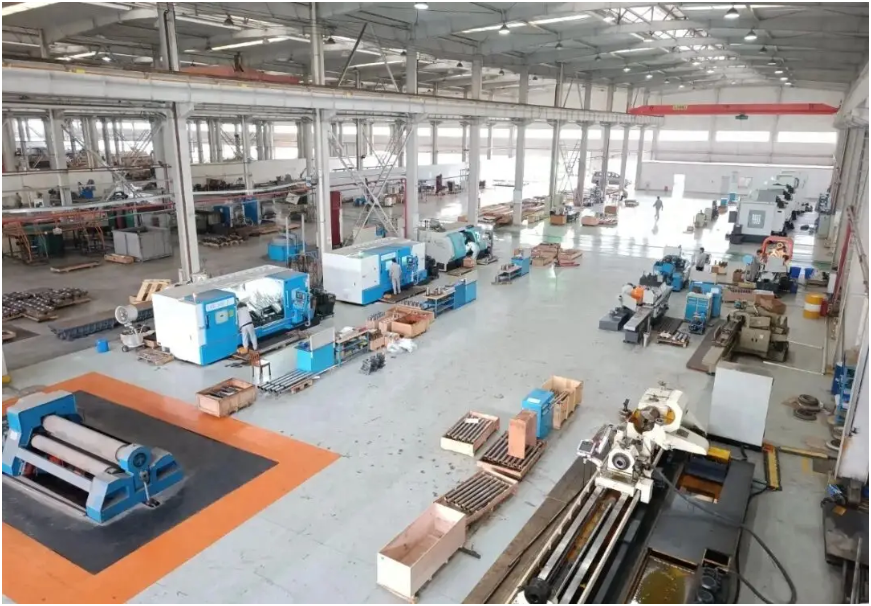
Sichuan Huadu Nuclear Energy Wins Control Rod Drive Mechanism Orders for 4 Nuclear Power Units
On August 24, news came from Sichuan Huadu Nuclear Equipment Manufacturing Co., Ltd., located in Dujiangyan, Chengdu, Sichuan, that the company has won the orders for control rod drive mechanisms for 4 units among the first batch of nuclear power units approved for construction during the 15th Five-Year Plan period in China, with a total new contract value of 504 million yuan. The winning projects include Units 3 and 4 of Zhejiang Jinqimen Nuclear Power Plant, as well as Units 1 and 2 of Phase I of Liaoning Zhuanghe Nuclear Power. According to the previous approval arrangement by the State Council Executive Meeting, the new batch of nuclear power projects involves a total of 4 projects and 8 units, including Phase II of Zhejiang Jinqimen Nuclear Power, Phase III of Guangdong Taipingling Nuclear Power, Phase I of Liaoning Zhuanghe Nuclear Power, and Phase I of Shandong Laiyang Nuclear Power, all adopting China's self-developed third-generation nuclear power technology...
2026-08-27
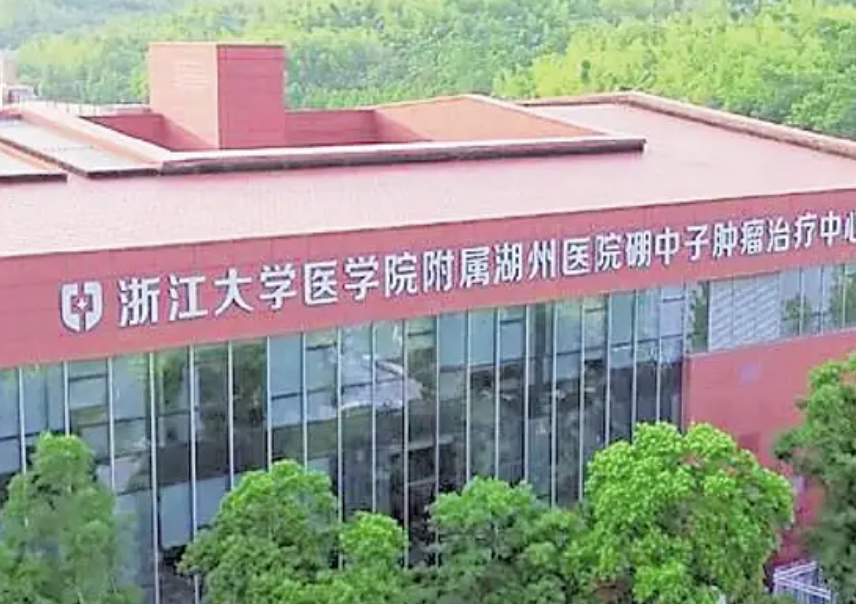
Huzhou, Zhejiang Launches Phase I "Drug-Device Combination" Clinical Trial for the Province's First BNCT System
Recently, the Boron Neutron Tumor Treatment Center at Huzhou Hospital Affiliated to Zhejiang University School of Medicine has drawn attention with the introduction of the province's first Boron Neutron Capture Therapy (BNCT) system. Previously, the system had already initiated a Phase I BNCT drug-device combination clinical trial. According to the system developer, Huapeng Neutron Technology (Hangzhou) Co., Ltd., BNCT is a radiotherapy technique combining drugs and devices, with its core lying in the coordinated use of boron-containing drugs and neutron irradiation. After entering the human body, the boron-containing drug can be absorbed by tumor cells; subsequent neutron beam irradiation triggers a localized reaction to achieve targeted radiotherapy against tumor cells. Unlike conventional radiotherapy, which typically employs fractionated irradiation over a longer treatment course, BNCT emphasizes selective targeting of tumor cells, aiming to reduce damage to surrounding healthy tissues and lower radiotherapy-related side effects such as hair loss and immunosuppression.
2026-08-27
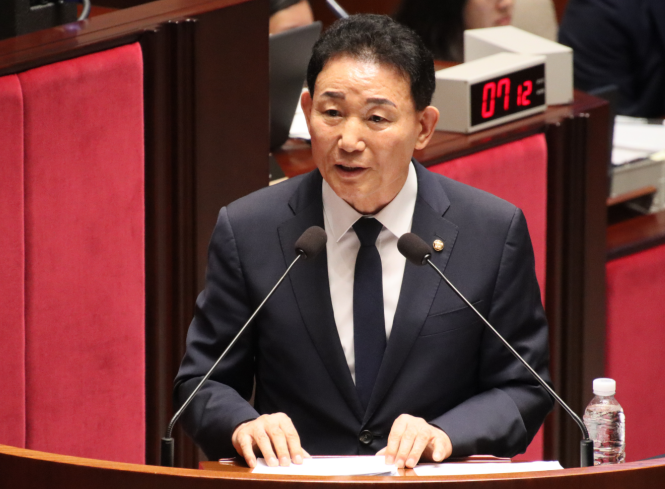
South Korean lawmaker calls for heavy ion therapy center in Daejeon to ease regional cancer treatment disparities
South Korean lawmaker Park Yong-gap recently called on the government to support the construction of a heavy ion therapy center in the central region of Daejeon, aiming to improve access to advanced radiation therapy for cancer patients outside the capital area and promote a balanced distribution of regional medical resources. Park stated that heavy ion therapy centers are often referred to as "dream cancer treatment centers." Compared with conventional radiation therapy, heavy ion therapy and proton therapy can target cancer cells more precisely while minimizing impact on surrounding normal tissues, making them advanced particle therapy technologies drawing attention in the current cancer treatment field. According to him, the relevant treatment centers currently in operation in South Korea are mainly concentrated in the capital area, including the heavy ion therapy center at Sinchon Severance Hospital of Yonsei University...
2026-08-26
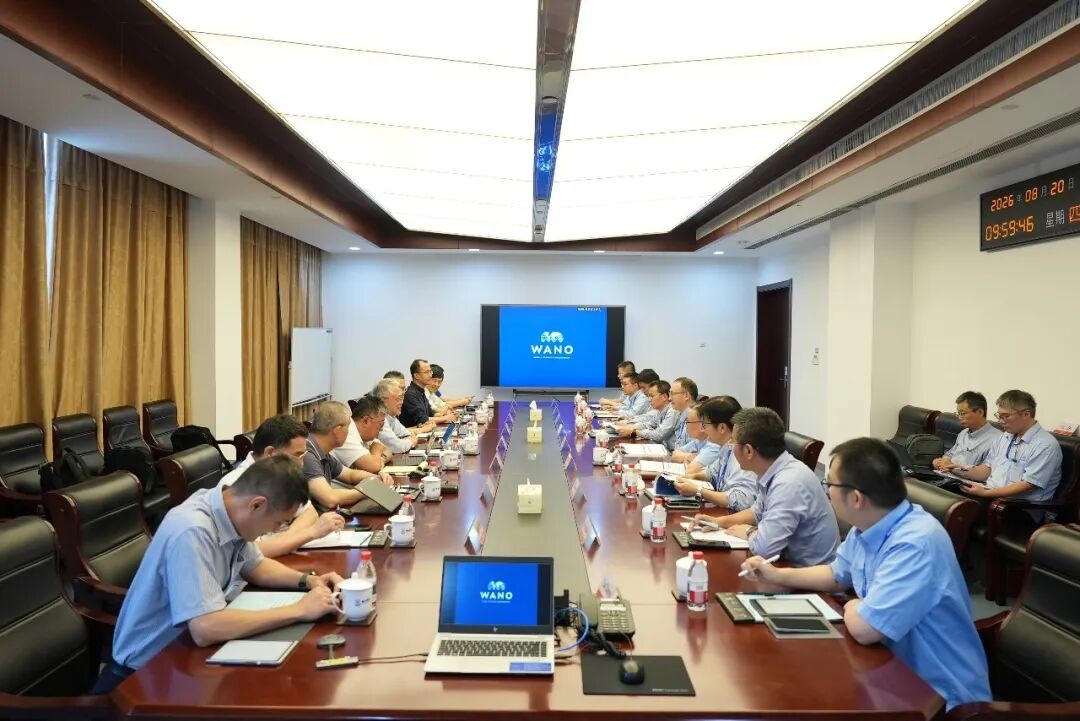
Qinshan Nuclear Power Receives On-Site Visit for WANO Enhanced Performance Monitoring and Achieves Highest Rating
Recently, experts from the World Association of Nuclear Operators (WANO) Tokyo Center and Shanghai Office visited Qinshan Nuclear Power to conduct an on-site Enhanced Performance Monitoring (ePM) assessment for its nine units. Based on a comprehensive evaluation, the WANO on-site visit team unanimously concluded that Qinshan Nuclear Power has demonstrated steady overall performance improvement in recent years and currently operates at the industry's highest "benchmark" level, with expectations that performance across key areas will remain stable or continue to improve over the next six months. Additionally, WANO experts conducted follow-up evaluations on selected Areas for Improvement (AFIs) and Significant Operating Experience Report (SOER) recommendations arising from the 2025 WANO peer review of Qinshan Nuclear Power's nine units, deeming the overall results satisfactory. At a summary meeting held on August 20...
2026-08-22
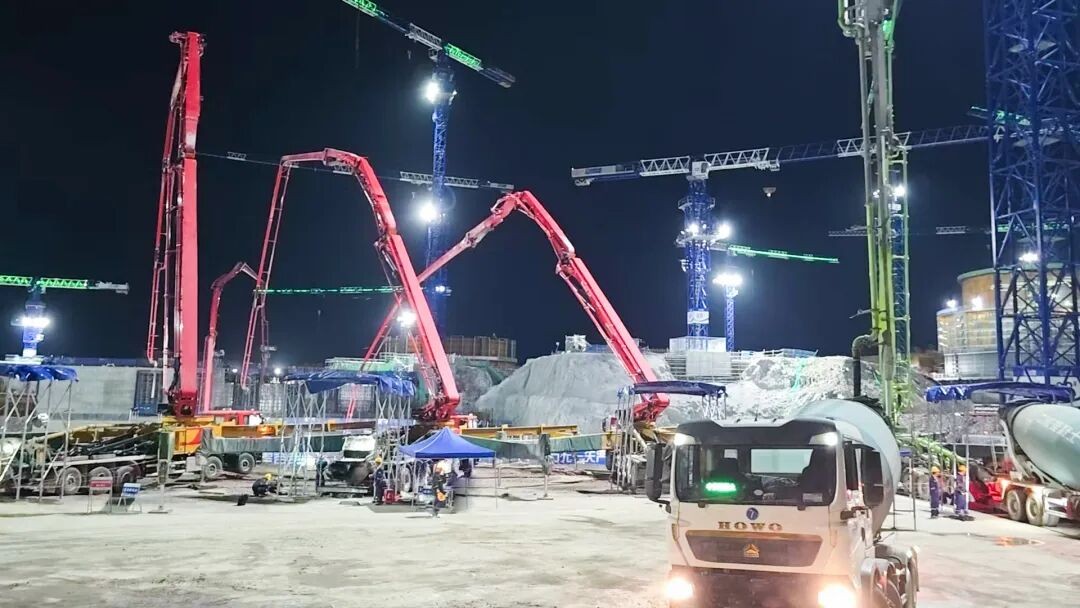
Construction of the conventional island raft foundation slab for Unit 2 of Zhejiang Jinqimen Nuclear Power Plant completed
At 3:36 on August 20, the raft foundation slab pouring for the conventional island of Unit 2 at Zhejiang Jinqimen Nuclear Power Plant was successfully completed. With the final batch of concrete precisely placed into the formwork, the main structure construction of the conventional island for this unit was officially initiated. The concrete supply for this pouring operation was provided by CNNC Concrete Xiangshan Branch. The operation lasted 29 hours and 20 minutes, with a cumulative supply of over 4,000 cubic meters of concrete, achieving continuous and stable material delivery. The maximum pouring thickness at this section was 3 meters, with a height difference of 7 meters at the variable cross-section locations, and the structural design service life is 60 years. The project features large-volume, high-intensity construction characteristics, compounded by the rainy climate conditions on site, imposing stringent requirements on concrete supply continuity, delivery stability, and temperature control precision.
2026-08-21
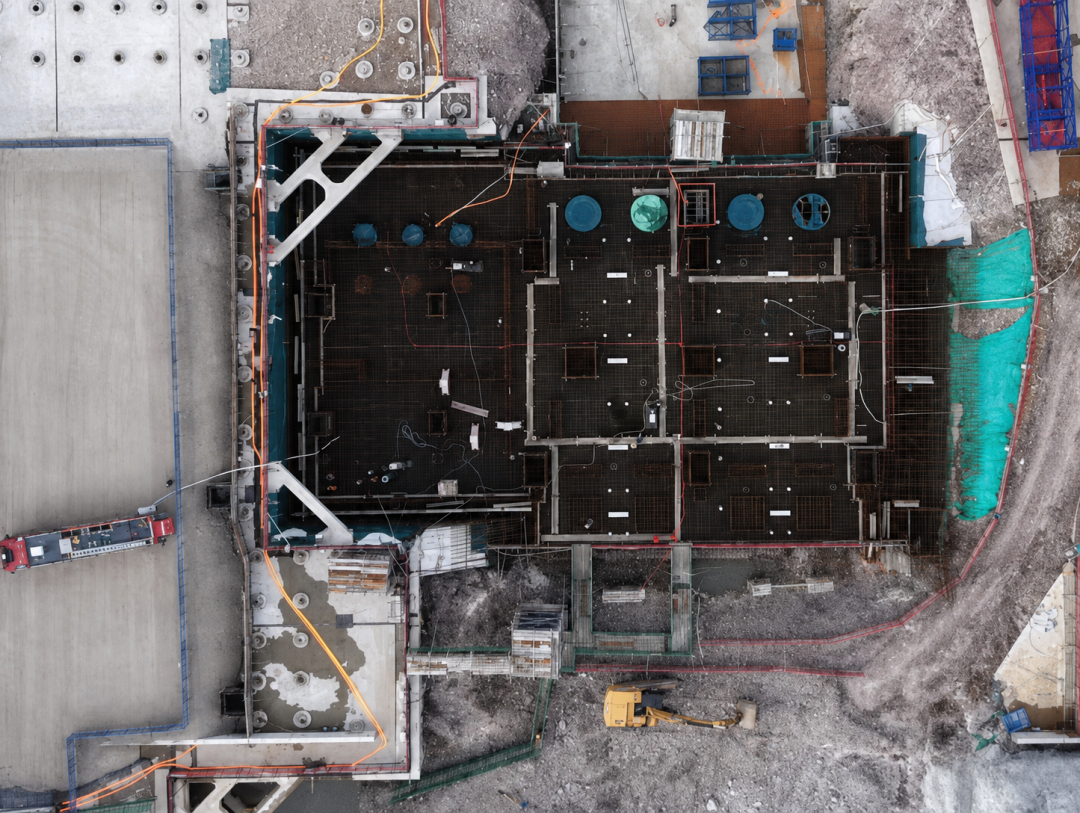
First Concrete Pour Launched for Conventional Island of Jinqimen Nuclear Power Unit 2
At 22:16 on August 18, Zhejiang Jinqimen Nuclear Power construction reached another key milestone as the first concrete pour (FCD) for the raft foundation slab of the turbine generator building in the conventional island of Unit 2 was officially launched, marking the full commencement of the main construction of the conventional island of Jinqimen Nuclear Power Unit 2 and the project's official entry into the civil construction phase. The raft foundation slab being poured, as the core load-bearing structure of the conventional island, is a variable-cross-section, super-large-volume, waterproof and impermeable special concrete structure, and is the core section with the largest volume, most critical working conditions, and highest precision requirements among the conventional island raft foundation structures. This construction involves long continuous operation hours, stringent temperature control and crack prevention requirements, and significant construction organization challenges. To ensure the safe and high-quality completion of the project, CNNC Zheneng fully demonstrated the "owner" spirit, played the "backbone" role, and shouldered the "main force" responsibility, jointly establishing a dedicated technical task force with construction and supervision units, building on the mature FCD construction experience of Conventional Island Unit 1 to comprehensively optimize the raft construction process for Conventional Island Unit 2, strictly adhering to the highest quality standards and safety regulations for nuclear power construction.
2026-08-20