
Search Results
Keyword:El
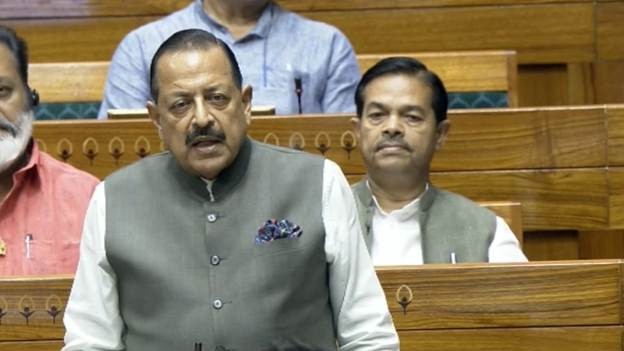
India Unveils Nuclear Energy Self-Reliance Roadmap, Targeting 100 GW Nuclear Capacity by 2047
India's Minister of State for the Prime Minister's Office, Jitendra Singh, recently stated in a written reply to the Lok Sabha that India is accelerating the development of its domestic nuclear energy ecosystem, with key focus areas including advanced reactor technologies, small modular reactors, domestic manufacturing capabilities, private sector participation, and the long-term development and utilization of thorium resources. Singh stated that India's long-term nuclear energy strategy remains based on its three-stage nuclear power program, aiming to gradually utilize the country's relatively abundant thorium resources while ensuring long-term energy security. India proposed a Nuclear Energy Mission in its 2025-2026 federal budget, planning to expand nuclear power capacity to 100 GW by 2047...
2026-08-17
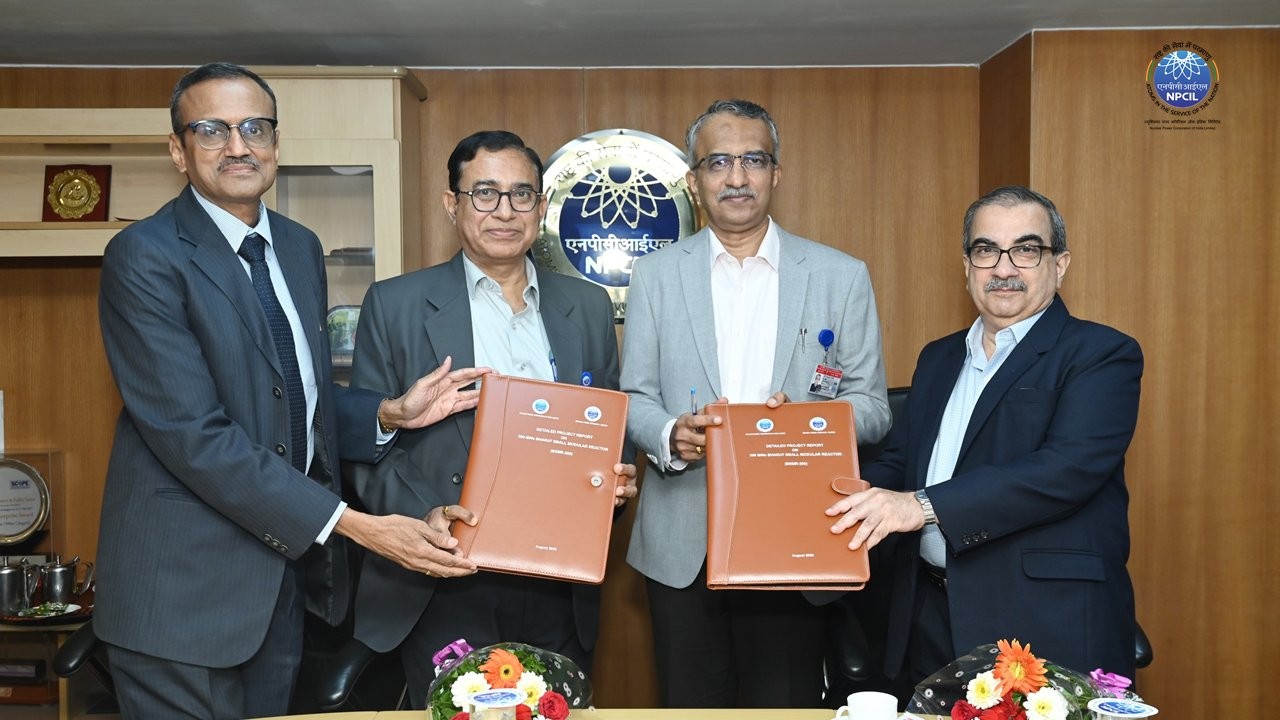
India Releases Detailed Project Report for 300 MWe Bharat Small Modular Reactor
The release of the Detailed Project Report (DPR) for India's 300 MWe Bharat Small Modular Reactor (BSMR-300) marks a new milestone in India's indigenous small modular reactor program. The report was released on August 14, 2026, and was jointly prepared by the Bhabha Atomic Research Centre (BARC) and the Nuclear Power Corporation of India Limited (NPCIL). The project falls under the indigenous Small Modular Reactor (SMR) program advanced by India's Department of Atomic Energy (DAE), positioned as a complement to India's existing large-scale nuclear power construction projects and offering captive nuclear power solutions. According to the released information, the BSMR-300 is designed as a fully indigenously developed Generation III+ pressurized water reactor with an installed capacity of 300 MWe. The project continues...
2026-08-17

Russia to Develop General Safety Rules for Controlled Thermonuclear Fusion Facilities
The Federal Environmental, Industrial and Nuclear Supervision Service of Russia (Rostekhnadzor) has completed the development of the draft federal norms and rules in the field of atomic energy use, "General Provisions for Ensuring the Safety of Controlled Thermonuclear Fusion Facilities," and has been soliciting comments and suggestions on the results of the draft review since August 17, 2026, with a feedback deadline of September 17, 2026. According to the draft, the document applies to controlled thermonuclear fusion facilities equipped with thermonuclear reactors or thermonuclear devices. The scope of application includes thermonuclear devices with a neutron production intensity exceeding 10²⁰ neutrons per second, or, in pulsed operation with a single pulse of less than 1 second, exceeding 10²⁰ neutrons per pulse, as well as...
2026-08-17

Russian Researchers Develop Highly Sensitive Radio Astronomy Sensor for Axion Dark Matter Detection
Researchers from the Institute for Physics of Microstructures of the Russian Academy of Sciences and Nizhny Novgorod State Technical University have developed a radio astronomy sensor whose sensitivity is reportedly two to three times higher than that of existing international counterparts, and it has been granted a Russian patent. The device is designed for detecting weak electromagnetic radiation signals and can be used in frontier physics experiments such as cosmic microwave background radiation studies and axion dark matter searches. The researchers explain that this type of detector is essentially an electromagnetic radiation receiver. When electromagnetic radiation strikes the sensitive element, the electron temperature rises, thereby altering the recorded signal. To improve detection sensitivity, the research team introduced a thin hafnium layer into the structure, which acts as a thermal...
2026-08-17

U.S. Fusion Company Discloses Texatron Platform Progress and Capital Markets Plans
American Fusion disclosed to shareholders on August 14 the latest developments in the global fusion energy industry, data center electricity demand in Texas, and the company's capital markets arrangements. The company stated that its Texatron fusion engine under development remains in the testing and engineering validation phase, and whether it can be used for commercial power supply in the future depends on multiple conditions, including test plans, regulatory approvals, financing, scaled production, and commercialization progress. American Fusion stated that its long-term goal is to develop the Texatron platform into a scalable distributed power source and explore supplying electricity to data centers, hospitals, defense facilities, industrial facilities, and other customers through a power-as-a-service model.
2026-08-17
Vietnam Electricity Advances Preparatory Work for Ninh Thuan 1 Nuclear Power Plant
Vietnam Electricity (EVN) is advancing preparatory work for the Ninh Thuan 1 Nuclear Power Plant project, focusing on supporting measures in legal framework, financial arrangements, project management, human resource development, and public communication. The project is regarded as Vietnam's first nuclear power plant project and holds significant importance for ensuring energy security, promoting energy structure transition, and reducing carbon emissions. During the 7th National Nuclear Regulatory Conference, EVN Deputy General Director Nguyen Thai Anh stated that the Ninh Thuan 1 Nuclear Power Plant project must meet the highest technical, engineering, and safety requirements currently applicable in Vietnam. In the preparatory phase, EVN is focusing on addressing three categories of challenges while simultaneously advancing five groups of solutions to ensure the project proceeds in accordance with...
2026-08-17

South Korea's domestically developed lunar radiation detector to travel to the Moon aboard NASA commercial lunar lander
The Korea AeroSpace Administration (KASA) announced on August 17 that the Lunar Space Radiation Detector (LVRAD), independently developed by South Korea, will be mounted on a lander under NASA's Commercial Lunar Payload Services (CLPS) program to conduct observations of the radiation environment on the lunar south pole surface. The two sides signed the relevant implementation agreement on August 14. Under the agreement, KASA plans to complete the development of the flight model of the detector by next year and deliver the equipment to the United States in accordance with the NASA lunar lander mission schedule. NASA will be responsible for integrating the Korean-developed detector onto the commercial lunar lander and supporting its operation and data transmission on the lunar surface after launch. LVRAD consists of...
2026-08-17

Korean Hospital Team Develops AI Model to Improve Bone Metastasis Detection Using PET/CT and Other Information
A research team at Seoul Metropolitan Government Seoul National University Boramae Medical Center has recently developed an artificial intelligence model capable of identifying bone metastases that are difficult to detect on CT images. By incorporating MRI and PET/CT information during the training process, the model enables lesions that are inconspicuous on CT and prone to being missed to be included in the training data, thereby enhancing detection capability. Bone metastasis is an important basis for determining cancer staging and formulating treatment plans. If lesions are not clearly visible on CT images, bone metastasis may be detected late and may lead to complications such as pathological fractures and spinal cord compression. Previous related AI studies have largely relied on lesions clearly visible on CT to build training data, and the research team believes that this approach may...
2026-08-17
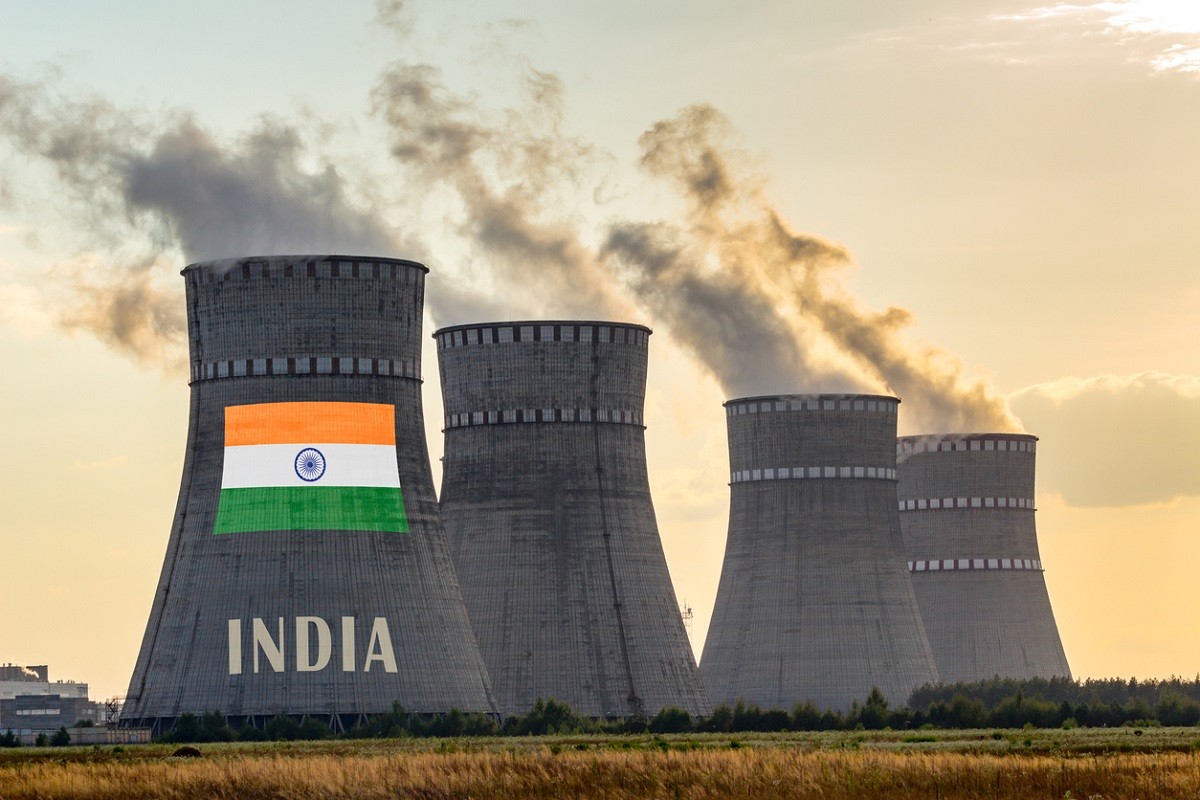
India Releases Draft Rules Accompanying SHANTI Act, Requiring Nuclear Power Operators to Provide Nuclear Damage Insurance or Financial Guarantees
The Department of Atomic Energy (DAE) of India recently released the draft SHANTI Rules 2026 and the draft SHANTI Regulations 2026 for public consultation. The two documents set out provisions on nuclear project licensing, safety authorization, and nuclear damage liability, aiming to provide an institutional framework for India's expansion of nuclear power capacity and the introduction of more market players into nuclear energy development. Under the drafts, operators of nuclear power plants or reactors must purchase insurance, provide financial guarantees, or adopt both approaches for nuclear damage. Such financial security must remain in effect until all spent fuel has been removed from the corresponding storage pools. The drafts also propose the establishment of a nuclear liability fund, with funding sources linked to the civil liability limits borne by operators...
2026-08-17
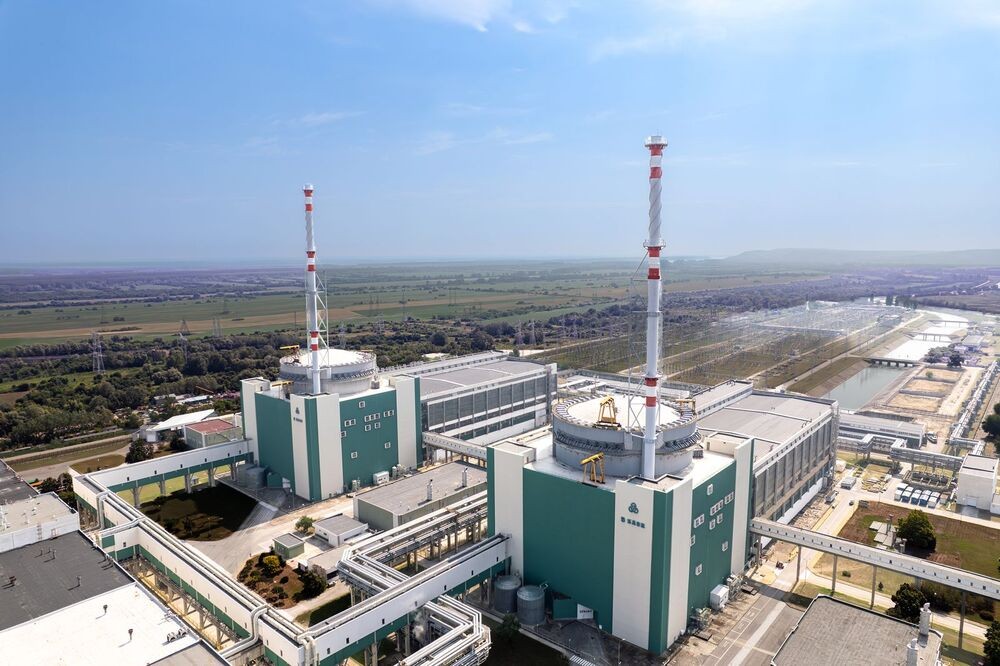
Bulgaria's Kozloduy NPP Addresses Challenges of Low Danube River Water Levels
Bulgaria's Ministry of Energy stated on August 16 that the Kozloduy NPP is currently operating as planned. In response to the persistently rare low water levels in the Danube River, the plant has further studied and implemented preventive arrangements based on existing technical and organizational measures to ensure stable unit operation under complex hydrological conditions. The Bulgarian Ministry of Energy stated that the Kozloduy NPP has established a dedicated working group to evaluate various options for ensuring the plant's normal operation, with a focus on facilities related to the riverbank pumping station. The working group is continuously optimizing the riverbank pumps, reactor unit cooling systems, spent fuel storage facilities, and the overall water...
2026-08-17
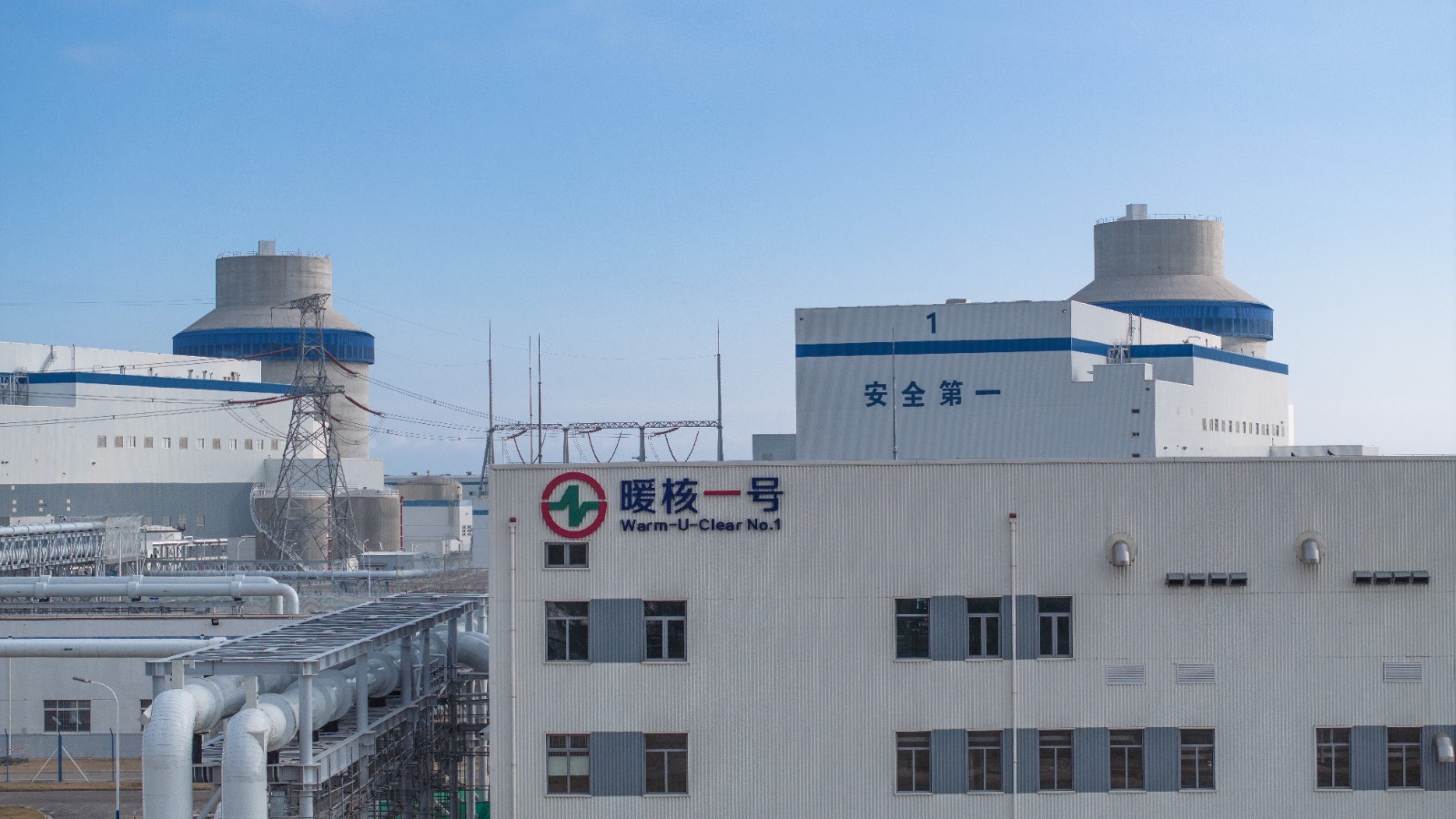
SPIC Shandong Nuclear Power's Total Intellectual Property Achievements Surpass 1,000
Recently, the total intellectual property achievements of SPIC Group Shandong Nuclear Power surpassed 1,000, and the company was also recognized as a "Yantai Intellectual Property Advantage Enterprise." It is reported that these 1,000 achievements include over 800 patents (including 5 international patents), 194 software copyrights and work copyrights, and 3 registered trademarks. Focusing on the new scenario of nuclear energy heating, Shandong Nuclear Power has formed over 100 patent achievements covering key areas such as system design, equipment optimization, and operation control, promoting clean nuclear energy's transition from power generation to heating, and creating China's first nuclear energy comprehensive utilization brand, "Nuanhe No.1." Focusing on the technical breakthrough of reheat control valves in the conventional island under the large-scale heating scenario of AP/CAP1000 pressurized water reactor nuclear power plants, the company has overcome key technical challenges and formed a series of patent achievements, supporting the innovative development of nuclear power equipment. The main pump frequency converter is known as the "heart" of nuclear power operation. Around its technical breakthroughs, the company has established a patent portfolio, driving control optimization and equipment reliability improvement, providing strong support for innovation in nuclear power equipment.
2026-08-17

US experiment reveals diamond melting behavior under high pressure, potentially advancing inertial confinement fusion research
Researchers at Lawrence Livermore National Laboratory published a new study in Nature Physics documenting the melting process of diamond at pressures approximately three times greater than those at Earth's core. The experiments showed that under high-pressure conditions, diamond floats in liquid metallic carbon, similar to how ice floats in water. This finding helps improve inertial confinement fusion experimental models and provides new evidence for understanding the potential "diamond rain" phenomenon inside ice giant planets such as Neptune and Uranus. The latest melting experiments confirmed that under high pressure, diamond floats in liquid metallic carbon, just as ice floats in a glass of water. (Concept image: James Wickboldt/LLNL) The research team stated...
2026-08-17

Installation of the fifth tier of the inner containment shell begins at Unit 1 of Egypt's El Dabaa Nuclear Power Plant
The Egyptian Nuclear Power Plants Authority (NPPA) recently announced that installation of the fifth tier of the inner containment shell in the reactor building of Unit 1 at the El Dabaa Nuclear Power Plant has commenced. This marks a significant milestone in the civil construction and installation work for the unit. The inner containment shell is a cylindrical structure designed to house the nuclear reactor and related primary circuit equipment of the nuclear power plant. The fifth tier being installed consists of 12 components, all prefabricated on-site at the El Dabaa plant. Each component is 7.5 meters high and weighs approximately 40 to 45 tons, depending on its structural configuration. As planned, the installation of the fifth tier is expected to be completed within two weeks. Subsequently, the remaining tiers will continue to be assembled to form the complete annular inner containment structure. A heavy-duty crane with a lifting capacity of 2,200 tons will be used for the lifting operations at the construction site...
2026-08-17
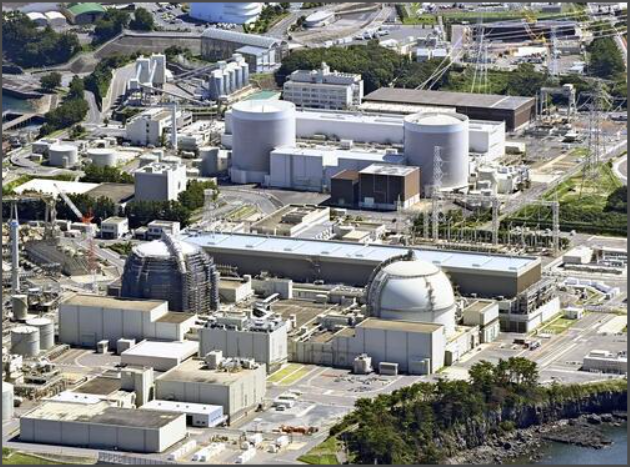
4.4-Magnitude Earthquake Hits Fukuoka Area; Kyushu Electric Says No Abnormalities at Genkai and Sendai Nuclear Plants
At around 6:37 a.m. on August 17, an earthquake struck the Fukuoka area of Fukuoka Prefecture, Japan, with a maximum seismic intensity of 4, a focal depth of approximately 10 kilometers, and a magnitude of 4.4. Kyushu Electric Power Co. (KEPCO) subsequently announced that the operational status of its Genkai and Sendai nuclear power plants was unaffected, with no abnormalities detected in the relevant units. According to Kyushu Electric Power, Unit 4 of the Genkai Nuclear Power Plant in Saga Prefecture continued normal operation, while Unit 3 was undergoing periodic inspection; Units 1 and 2 of the Sendai Nuclear Power Plant in Kagoshima Prefecture continued normal operation. The company stated that no impact on power supply had been confirmed. During the earthquake, Itoshima City in Fukuoka Prefecture...
2026-08-17

Danube Water Levels Continue to Drop, Hungary's Paks Nuclear Power Plant May Reduce Output Again
Hungary's Paks Nuclear Power Plant may reduce its power generation output again early next week due to the continued decline in Danube water levels. Péter Magyar stated on social platform X that Tuesday and Wednesday will be critical periods, with the Danube water level expected to drop by another 14 to 15 centimeters, while the current level is only 9 centimeters away from the threshold that would force the shutdown of the second-to-last turbine at the Paks plant. Magyar noted that this critical phase is expected to end on August 20, when the water level in the Hungarian section of the Danube is expected to recover, influenced by inflows from the Austrian catchment area. Previously, on August 12, Magyar stated that the Hungarian government had decided to build temporary water-retention structures near the Paks Nuclear Power Plant and sink two barges to raise local water levels and ensure the plant's water intake conditions.
2026-08-17