
Search Results
Keyword:El
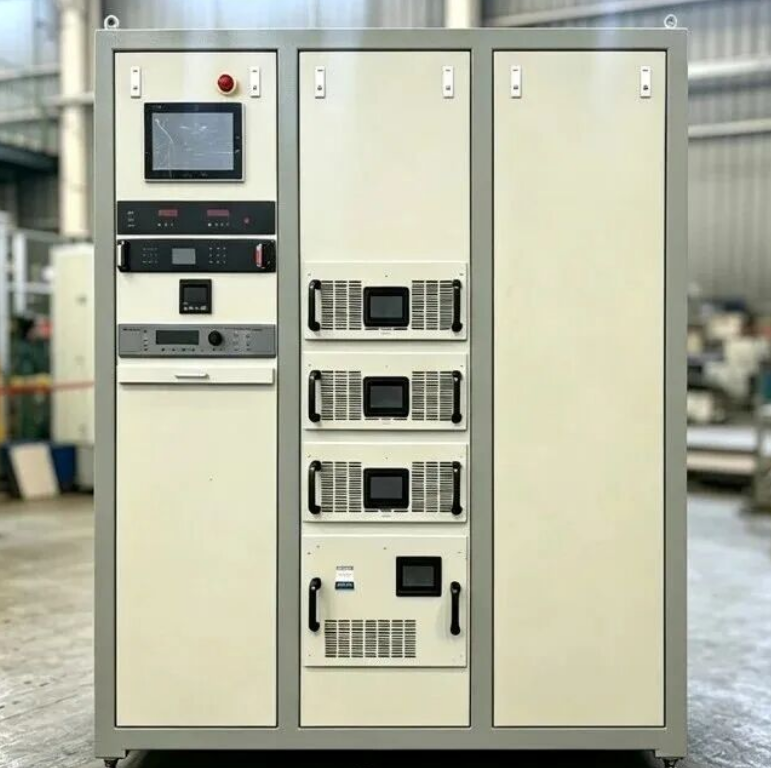
CNNC Innovation Multi-functional Surface Modification Device Shipped and Delivered
On August 14, 2026, the multi-functional surface modification device developed by CNNC Innovation (Chengdu) Technology Co., Ltd. (hereinafter referred to as "CNNC Innovation") was officially shipped and delivered. This multi-functional surface modification device utilizes CNNC Innovation's proprietary high-energy metal ion source, gas ion source, and supporting single-stage pulsed magnetron source power supply and DC-superimposed pulsed bias power supply. It can perform ion implantation surface modification, metal surface alloying, non-metal surface metallization, auxiliary heating, and other process operations. It can simultaneously achieve gas ion source cleaning and auxiliary deposition treatment. Through the DC-superimposed pulsed bias power supply, directional plasma functionality can be realized, which accelerates deposition efficiency while effectively suppressing abnormal arc discharge and improving film quality.
2026-08-15
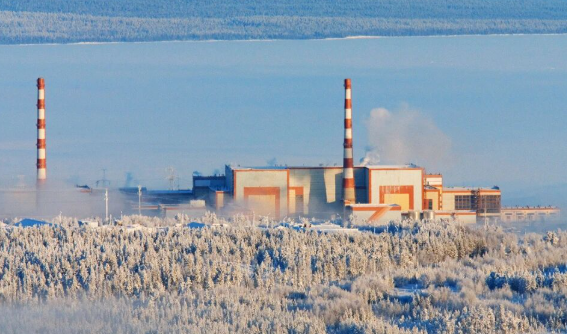
Long-term radiation environment at Kola NPP remains under control: gamma dose rates within natural background levels, 15 permanent observation stations operating since 1972
Long-term monitoring results from the external radiation monitoring group at Russia's Kola Nuclear Power Plant show that gamma radiation dose rates around the plant site have consistently remained within natural background radiation levels, with radionuclide concentrations matching background values, indicating a sound radiation environment with no differences from surrounding areas. The station's radiation safety department collects surface water samples from the discharge canal monthly, with monitoring coverage encompassing all elements including the atmosphere, snow cover, bottom sediments, food products, algae, berries, mushrooms, and caged fish. The monitoring architecture consists of two tiers: 15 permanent environmental observation stations have been in continuous operation since before the commissioning of the first reactor unit in 1972; 13 ASKRO automated radiation environment monitoring system stations provide real-time ground-level gamma dose rate data, which is transmitted directly to the Rosenergoatom crisis center and integrated into the national unified radiation monitoring network. Approximately 200,000 cubic meters of air are drawn weekly through air filtration units to capture radionuclides, with volumetric activity of radioactive iodine also measured. A mobile radiological laboratory performs on-site spectrometric analysis. Annually, about 1,200 environmental samples are collected from around the plant site and delivered to the Polyarnye Zori laboratory, where well water samples analyzed by Canberra spectrometers yield "zero nuclide" results, with samples retained for one year for potential re-analysis. Biological samples are processed using the ashing method, and instrument sensitivity is sometimes insufficient to even detect any signal from the plant's impact.
2026-08-14
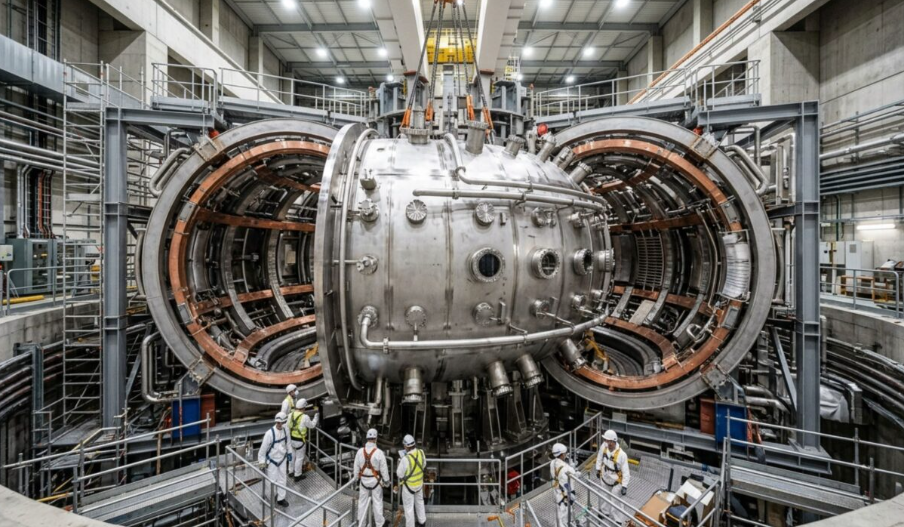
ITER Tokamak Advances Assembly in France, Fusion Experiment Targets 150 Million Degree Celsius Plasma
The ITER tokamak being assembled in southern France is one of the most closely watched large-scale experimental devices in global nuclear fusion research. The machine weighs approximately 23,000 tonnes in total and adopts a donut-shaped toroidal structure, using strong magnetic fields to confine high-temperature plasma, with the goal of replicating on Earth the conditions for fusion reactions that occur inside stars. Its plasma volume is approximately 830 cubic meters, far exceeding previous tokamak devices, and it is therefore expected to validate the key physics and engineering technologies required for future commercial fusion reactors. ITER adopts the toroidal tokamak structure because charged particles can move along toroidal paths under strong magnetic fields, thereby minimizing direct contact with the device's inner walls...
2026-08-14
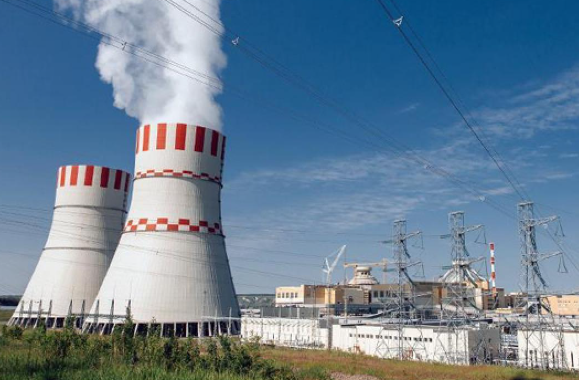
Turkey's Nuclear Regulatory Authority (NDK) Relaxes Certification Requirements for Testing of Short-Cycle Equipment
Turkey's Nuclear Regulatory Authority (NDK) has recently adjusted testing requirements for equipment related to nuclear facilities, providing flexibility for equipment with a production cycle of less than 15 days. According to the decision published in the Official Gazette, under specific conditions, when such equipment undergoes certain tests, testing laboratories will no longer be required to hold specific accreditation for the corresponding test methods. This adjustment applies to the supply chain under the framework of the Regulation on Authorization of Nuclear Facilities. When the NDK, suppliers, or subcontractors are unable to provide a laboratory accredited for the relevant test methods, the original accreditation prerequisite may be waived for the testing of such equipment. This indicates that the regulatory authority, while ensuring quality control of nuclear facility equipment, has also left operational leeway for the testing process of short-cycle production equipment.
2026-08-14
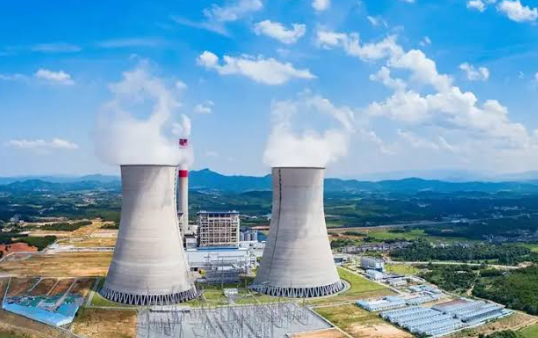
Kazakhstan Enters a New Era of Atomic Energy, with the Institute of Nuclear Physics Viewed as a Key Pillar of the National Nuclear Industry
Kazakhstan is entering a new stage of nuclear energy development. The construction of a nuclear power plant means not only the addition of a major energy project, but also the need for the country to simultaneously establish a complete nuclear industry system, including research support, personnel training, experimental infrastructure, nuclear and radiation safety systems, and indigenous technological capabilities. The article points out that a nuclear power plant can be built using foreign project designs, but true scientific and technological capability cannot be purchased along with the equipment; it is gradually formed through the long-term operation of nuclear facilities, conducting research, training engineering teams, and passing on experience. Against this backdrop, the Institute of Nuclear Physics of Kazakhstan is regarded as an important pillar of the future nuclear energy industry. The institution...
2026-08-14
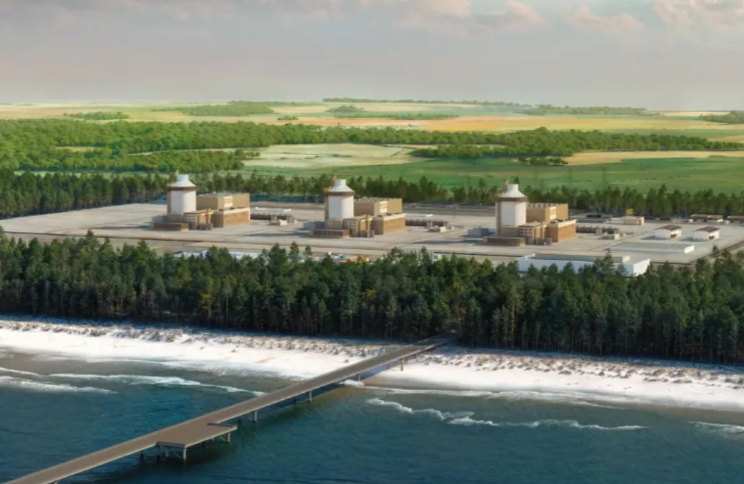
Polish President Signs Key Nuclear Power Bill, Allowing Early Construction Works to Start Ahead of Schedule
Polish President Karol Nawrocki signed an amendment to the Act on the Preparation and Implementation of Nuclear Energy Facilities and Associated Investments on August 14, aiming to accelerate the construction of nuclear power plants in the country. According to information released by the Presidential Chancellery, the core of this legal adjustment is to allow certain preliminary construction and preparation works to proceed before the final construction permit for the entire project is granted, thereby shortening the timeline for large-scale nuclear projects. The amendment concerns Polish laws related to the preparation and implementation of nuclear energy facilities and associated investments. The new regulations introduce a new type of permit, namely the permit for preliminary construction works of nuclear energy facilities. Once this permit is obtained, the investor can carry out some early-stage construction and preparation works before all complete project investment documents have been fully approved.
2026-08-14
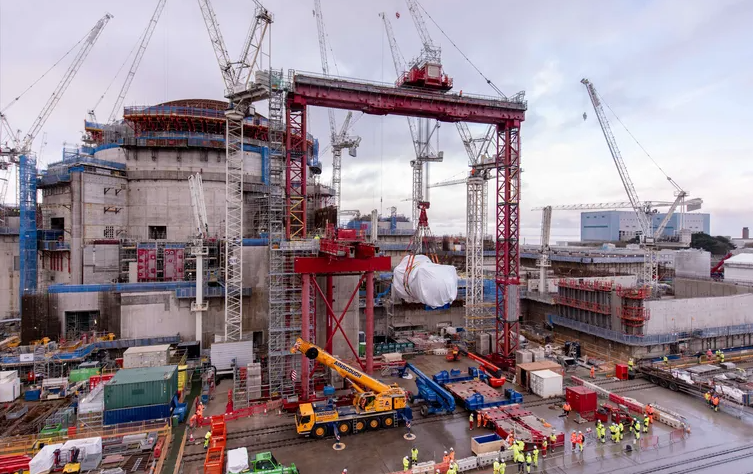
Finnish family-owned company Halton Group secures major order for UK's Sizewell C nuclear power project
Finnish family-owned company Halton Group has secured a significant order for the UK's Sizewell C nuclear power project, and will supply related equipment or systems for the construction of this large-scale nuclear power plant. The project has an installed capacity of 3.2 gigawatts, with the order value reaching the tens of millions of euros level. For an industrial company from Finland, this is not only a major breakthrough in a single project, but also demonstrates its competitiveness in the supply chain of high-demand energy infrastructure. Sizewell C is one of the key projects advancing the UK's new generation of nuclear power construction. Against the backdrop of Europe's energy structure adjustment and rising demand for low-carbon electricity, large-scale nuclear power plants have once again become an option for multiple countries to ensure power security and meet emission reduction targets.
2026-08-14
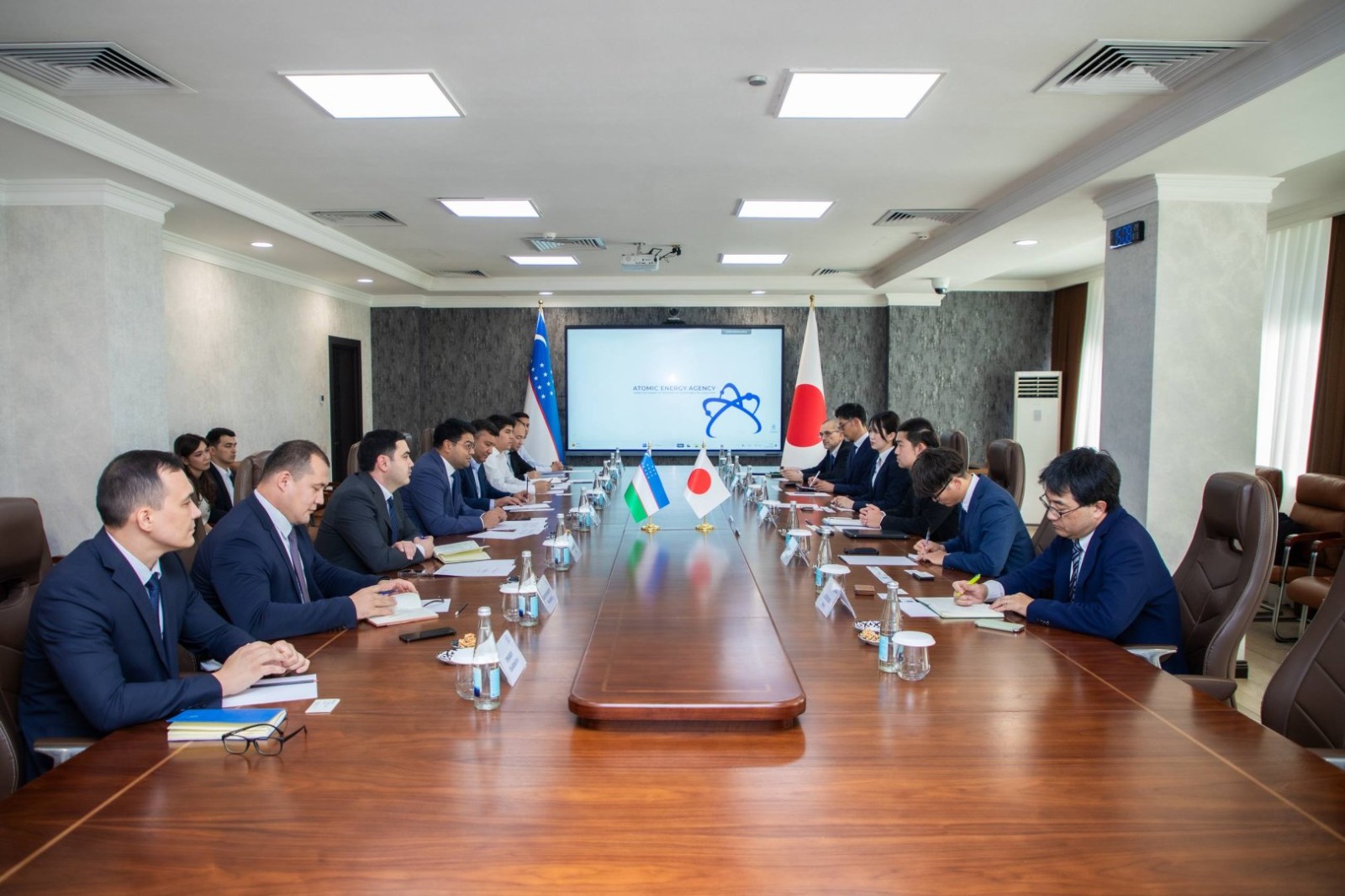
Uzbekistan and Japan Discuss Expanding Cooperation in Peaceful Uses of Nuclear Energy
The Atomic Energy Agency of Uzbekistan recently held talks with a Japanese delegation, with both sides exchanging views on expanding cooperation in the peaceful uses of nuclear energy, focusing on nuclear technology, joint projects in related industries, and energy security cooperation. The Japanese delegation comprised representatives from Japan's Ministry of Economy, Trade and Industry (METI), the Japan Organization for Metals and Energy Security (JOGMEC), and ITOCHU Corporation, led by Abe Yoshimitsu, Deputy Director of the Nuclear Energy International Cooperation Office at METI. During the talks, both sides explored possibilities for advancing cooperation in nuclear technology applications, collaboration in related industries, and experience exchange. The Japanese side expressed its willingness to continue dialogue with Uzbekistan in the peaceful uses of nuclear energy on the basis of mutual respect and common interests, and to promote practical cooperation. The Atomic Energy Agency of Uzbekistan (Uzatom) stated that it would continue to expand international cooperation with countries and organizations possessing experience in the peaceful application of nuclear technology. Uzbekistan and Japan already have a foundation for cooperation in the nuclear energy and uranium resource sectors. ITOCHU Corporation previously signed a uranium concentrate supply agreement with Navoi Mining and Metallurgy Combinat, and JOGMEC has also been involved in the development of uranium deposits in Uzbekistan. In December 2025, during Uzbek President Shavkat Mirziyoyev's visit to Japan, both sides confirmed directions for expanding cooperation, including the export of critical minerals and the introduction of advanced technologies. The current talks continue the momentum of bilateral cooperation in the energy and resource sectors.
2026-08-14

Russian Scientists Develop Bioluminescent Bacterial Bioassay for Screening Safe Low-Dose Radiation Levels in Animals
Russian researchers have developed a rapid bioassay method based on bioluminescent bacteria that can be used to assess safe dose ranges of ionizing radiation for animals, providing an early screening tool for low-dose radiation applications in livestock farming. The study involved researchers from the Institute of Biophysics of the Siberian Branch of the Russian Academy of Sciences, Siberian Federal University, and Krasnoyarsk State Agrarian University. The research team noted that low-dose ionizing radiation ranging from tens to hundreds of milligrays (mGy) may activate a series of physiological processes in animals, including metabolism, growth, and biomass accumulation; however, if the dose exceeds the safe range, it may cause physiological...
2026-08-14

Russian Researchers Find Low-Energy Electron Beam and X-Ray Treatment of Wheat Seeds Can Increase Yields
Researchers from the D.V. Skobeltsyn Institute of Nuclear Physics at Lomonosov Moscow State University, in collaboration with the Faculty of Physics and the Faculty of Chemistry of Lomonosov Moscow State University, as well as the Siberian Federal Scientific Centre of Agro-BioTechnologies of the Russian Academy of Sciences, have found that pre-sowing treatment of wheat seeds with low-energy electron beams and X-rays can help increase crop yields and enhance plant resistance to diseases. The study focused on the wheat variety Novosibirskaya 29 and included laboratory experiments, two consecutive years of field trials, and computer modeling. The results showed that a dose range of 5 to 15 Gy is suitable as a pre-sowing irradiation treatment parameter for wheat seeds. According to Moscow State University...
2026-08-14
Radioactivity Levels in Arctic Archipelagos Within Background Range, Russian Research Team Reports No Anomalies
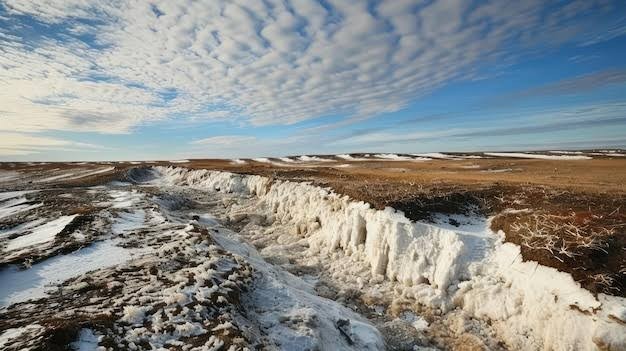
On August 13, Andrei Puchkov, senior researcher at the Environmental Radioactivity Laboratory of the N.P. Laverov Federal Arctic Integrated Research Center, Ural Branch of the Russian Academy of Sciences, stated that measurements taken during the 2026 Arctic Floating University expedition's landings on Novaya Zemlya and Franz Josef Land showed very low radioactivity levels, with no anomalies detected. Puchkov noted that the expedition measured radon concentrations at all landing sites, with radon flux densities ranging from below 1 millibecquerel per square meter per second to 200 millibecquerels per square meter per second, all recorded values remaining within background levels. He indicated that permafrost acts as a barrier and shield in the region, preventing radioactive gases from reaching the surface; relatively higher radon fluxes in some areas may be associated with geological features such as fault zones and fracture zones.
2026-08-14
Module 5 of Containment Steel Liner Successfully Lifted at Unit 3 of Guangdong Taipingling Nuclear Power Plant
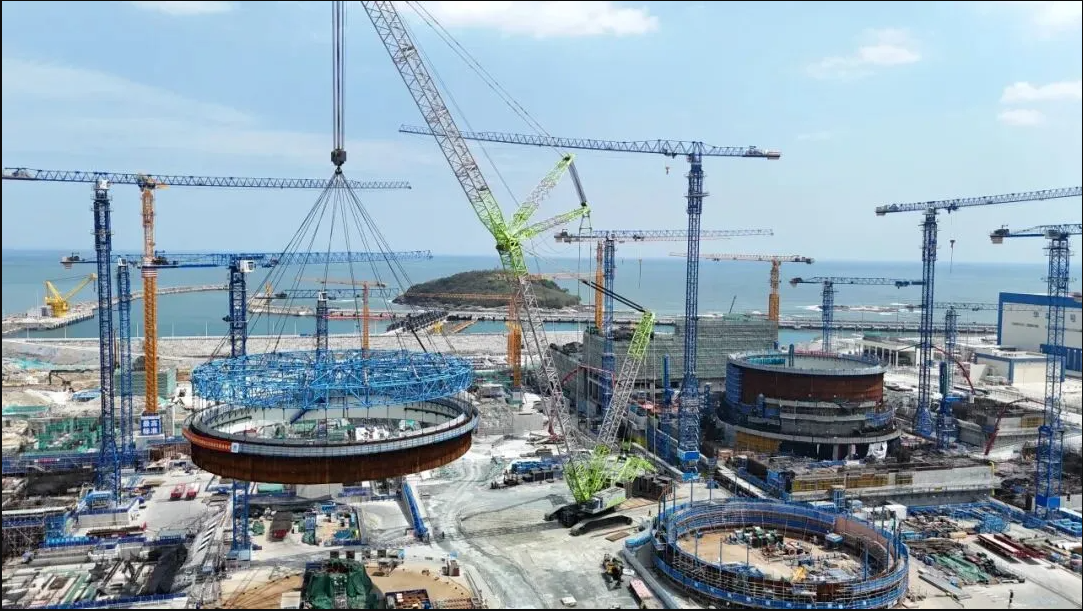
On August 10, the construction of Unit 3 at CGN's Guangdong Taipingling Nuclear Power Plant reached a critical milestone. A Zoomlion 2,000-tonne crawler crane, serving as the core lifting main force, successfully completed the precise positioning of Module 5 of the containment steel liner. This lifting operation involved significant technical challenges and demanding working conditions. The steel liner Module 5 weighed nearly 280 tonnes, with a component diameter of 45 meters, a height of nearly 6 meters, and a wall thickness of only 6 millimeters, making it a typical ultra-large thin-walled flexible component. The module's lateral windward area exceeded 300 square meters, making it susceptible to wind-induced sway during lifting, which imposed extremely high requirements on the crane's operational stability, control precision, and heavy-load adaptability. The Zo...
2026-08-14
Liaoning Zhuanghe Nuclear Power Phase I Project Approved, Zhuanghe Goes All Out to Accelerate Project Implementation
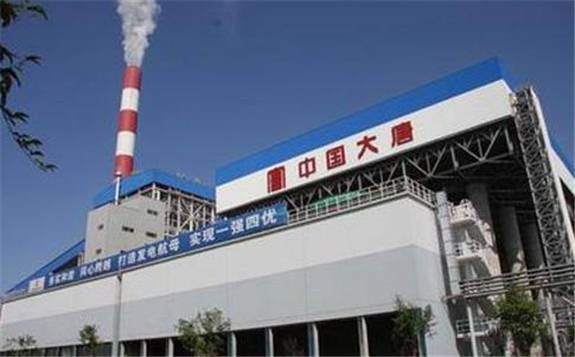
Recently, the State Council held an executive meeting and decided to approve the Liaoning Zhuanghe Nuclear Power Phase I Project. Located in Lizifang Town, Zhuanghe City, Liaoning Province, the Liaoning Zhuanghe Nuclear Power Project is the first nuclear power project in Northeast China to adopt China's self-developed third-generation nuclear power technology, the Hualong One, injecting core momentum into the high-quality development of regional clean energy. The overall plan for the Liaoning Zhuanghe Nuclear Power Project includes the construction of six million-kilowatt-class Hualong One third-generation pressurized water reactor nuclear power units, with unified planning and construction in three phases. The Phase I project approved this time will build two new nuclear power units with a total installed capacity of 2.5 million kilowatts. Upon completion and commissioning, the project will deliver outstanding comprehensive benefits and strong driving effects. In terms of clean energy supply security, each...
2026-08-14
U.S. Poll Shows Majority of Respondents Support Prioritizing Permanent Disposal of High-Level Waste
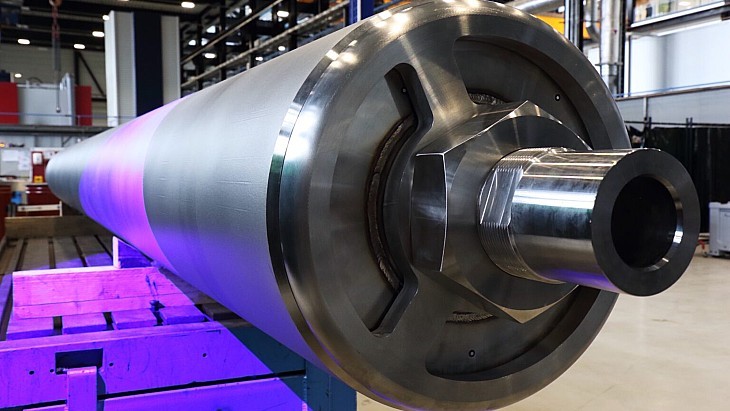
A recent survey conducted by market research and data analysis company YouGov shows that more than 80 percent of U.S. respondents believe finding a permanent disposal solution for high-level radioactive waste should be a national priority; after learning about relevant technical information, a significant number of respondents viewed deep geological disposal as a credible option. Prototype canister for borehole disposal (Image: Deep Isolation) The survey was commissioned by nuclear waste disposal technology company Deep Isolation Inc. and conducted in April this year among 1,000 U.S. adults with a nationally representative sample. The survey covered public attitudes toward nuclear energy, concerns about radioactive waste management...
2026-08-14
Nuclea Energy to Acquire Moltex Advanced Nuclear Technology Portfolio
Moltex Energy announced on August 13 that Nuclea Energy Inc. has signed a definitive agreement to acquire its advanced nuclear technology portfolio. The transaction was concluded following a competitive bidding process, with the relevant technologies and company assets having attracted interest from multiple parties earlier. The proposed technology platform, developed over more than a decade, encompasses the Waste-to-Stable Salt (WATSS) spent fuel recycling process, the Stable Salt Reactor – Wasteburner (SSR-W), and FLEX reactor technology. The portfolio includes 80 granted patents across 9 patent families, as well as 9 pending patents related to the WATSS recycling process...
2026-08-14