
Search Results
Keyword:El

Kansai Electric Power Launches Two Joint Research Projects for Nuclear Power Plant Decommissioning
Kansai Electric Power Co., Inc. announced on August 24 that it has completed the selection of joint research projects related to nuclear power plant decommissioning for fiscal year 2026, choosing two proposals from previously solicited research plans, and signed joint research contracts and commenced research activities on the same day. The projects target research on products and technologies applicable to decommissioning operations at Kansai Electric Power's nuclear power plants. The company solicited research proposals to be implemented from fiscal year 2026 between March 16 and April 30, 2026, with a focus on improving the safety and efficiency of dismantling operations, reducing radioactive waste, and supporting local companies in developing related products and technologies. Selected projects...
2026-08-24
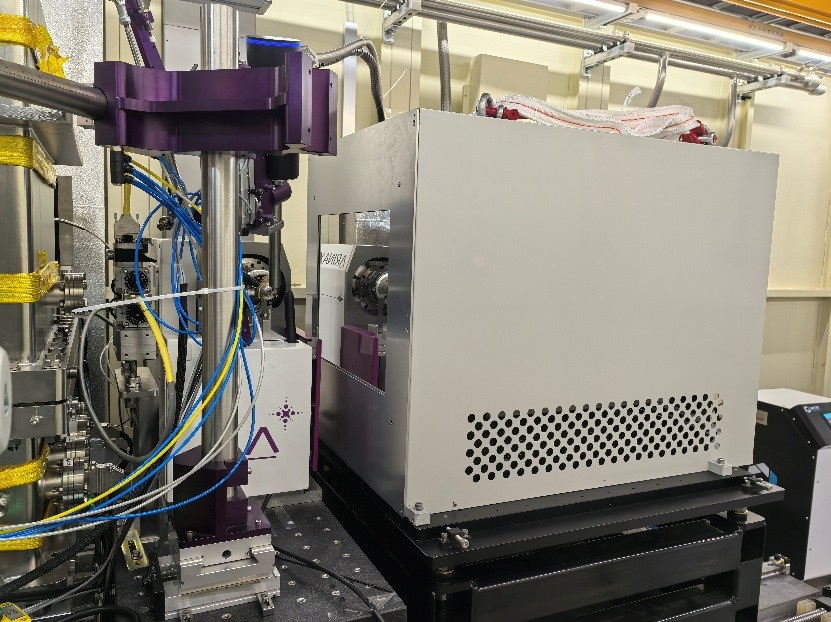
Large-area pixel detector independently developed by the Institute of High Energy Physics, Chinese Academy of Sciences completes long-term online operation validation
Recently, the 6-megapixel large-area two-dimensional pixel array detector independently developed by the detector R&D team of the High Energy Photon Source (HEPS) at the Institute of High Energy Physics, Chinese Academy of Sciences, completed long-term online operation validation. Since its deployment for trial operation at the HEPS Biological Macromolecular Microcrystal Diffraction Beamline in October 2025, it has supported nearly 90 research projects from over 50 research groups as of June 30, 2026. During the trial operation period, the detector accumulated more than 2,000 hours of operation with stable, uninterrupted performance. The beamline and detector teams conducted joint commissioning and optimization, verifying its operational stability and data reliability under complex working conditions. Leveraging the high-quality data collected by this detector, some...
2026-08-24

Japan's TEPCO Receives 4.8 Billion Yen in Nuclear Damage Compensation Funds
Tokyo Electric Power Company Holdings (TEPCO Holdings) announced on August 24 that it received a fund disbursement of 4.8 billion yen from the Nuclear Damage Compensation and Decommissioning Facilitation Corporation (NDF) on the same day. The disbursement was made in accordance with the revised Special Business Plan approved on March 31, 2026. TEPCO stated that, to date, it has received 188.9 billion yen in compensation under the Act on Compensation for Nuclear Damage, and a cumulative total of 11.5524 trillion yen in fund disbursements from the NDF. As the total compensation payments expected by the end of September 2026 are projected to exceed the combined amount of the above funds, the company applied for the 172nd fund disbursement. TEPCO said that while receiving institutional financial support, it will continue to advance compensation efforts for nuclear accident victims and meet related compensation demands. Information on claims and payment status, changes in cumulative total payments, and agreement amounts by category is available through the company's public channels.
2026-08-24

SASAC: Accelerating the Cultivation of Talent for Controlled Nuclear Fusion
The website of the State-owned Assets Supervision and Administration Commission of the State Council (SASAC) released a notice on August 24, stating that on August 19, the Special Training Program for Talent in the Future Energy Sector of Central Enterprises, hosted by SASAC, commenced in a combined online and offline format. Tan Zuojun, Member of the Party Committee and Deputy Director of SASAC, attended the opening ceremony and delivered a speech. The training program focuses on the direction of controlled nuclear fusion within the future energy sector, leveraging the Controlled Nuclear Fusion Innovation Consortium to promote collaborative research among industry chain-related units and accelerate the cultivation of urgently needed talent in the field of controlled nuclear fusion. The opening ceremony emphasized the need to strengthen research and understanding of the development patterns of controlled nuclear fusion, clarify the main technical roadmap directions, drive original innovation and breakthroughs in foundational technologies,...
2026-08-24

Indonesian UGM Student Travels to Canada to Study Nuclear Energy Program Development
Marcchelino Chrisrichy Cosmo Hutama, a nuclear engineering student at Gadjah Mada University (UGM), has been selected for the 2026 Nuclear Innovation Bootcamp (NIB 2026). Organized by the Nuclear Innovation Alliance, the bootcamp will be held from July 26 to August 8, 2026, at McMaster University in Hamilton, Ontario, Canada. Marcchelino is the only Indonesian participant among the 26 trainees from 13 countries in this year's cohort. The bootcamp focuses on nuclear...
2026-08-24
The 10th Batch of Auxiliary Equipment for Shaanxi Zhonghuan's Egypt El Dabaa Nuclear Power Cooperation Project Successfully Loaded and Shipped
Recently, the 10th batch of auxiliary equipment for the Egypt El Dabaa Nuclear Power Plant cooperation project undertaken by Shaanxi Zhonghuan Machinery Co., Ltd. was successfully loaded and shipped. The smooth achievement of this key milestone marks the company's steady progress in fulfilling its obligations on key overseas nuclear power projects, representing an important phased accomplishment. According to Dong Shaohu, Director of the Production Safety and Environmental Protection Department of Shaanxi Zhonghuan: The El Dabaa Nuclear Power Plant in Egypt is not only Egypt's first benchmark nuclear power project, but also an important achievement of Chinese enterprises' deep involvement in energy construction along the Belt and Road countries. The plant is scheduled for full completion and commissioning by 2030. Shaanxi Zhonghuan has undertaken...
2026-08-24
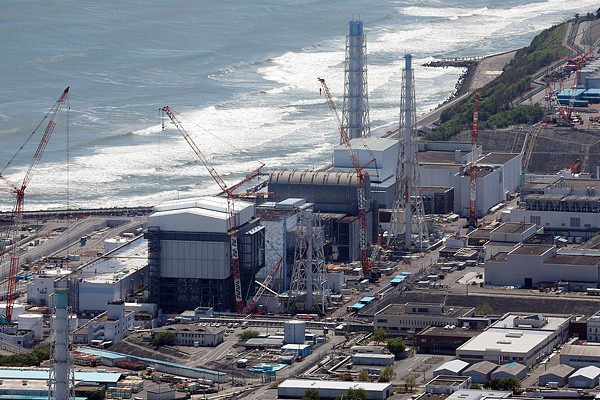
Three Years Since Japan Began Discharging Nuclear-Contaminated Water: Over 170,000 Tons Released Across 22 Rounds
Since August 24, 2023, Japan has been discharging nuclear-contaminated water from the Fukushima Daiichi Nuclear Power Station into the Pacific Ocean. As of August 24, 2026, Japan has completed a total of 22 rounds of discharge, with a cumulative volume of approximately 173,000 tons. It is understood that the volume of water stored in on-site tanks has decreased by about 7% compared to before the discharge began. Tokyo Electric Power Company plans to increase the discharge volume of nuclear-contaminated water starting from the current fiscal year and has set a target to complete the decommissioning of the nuclear power plant by 2051. ...
2026-08-24
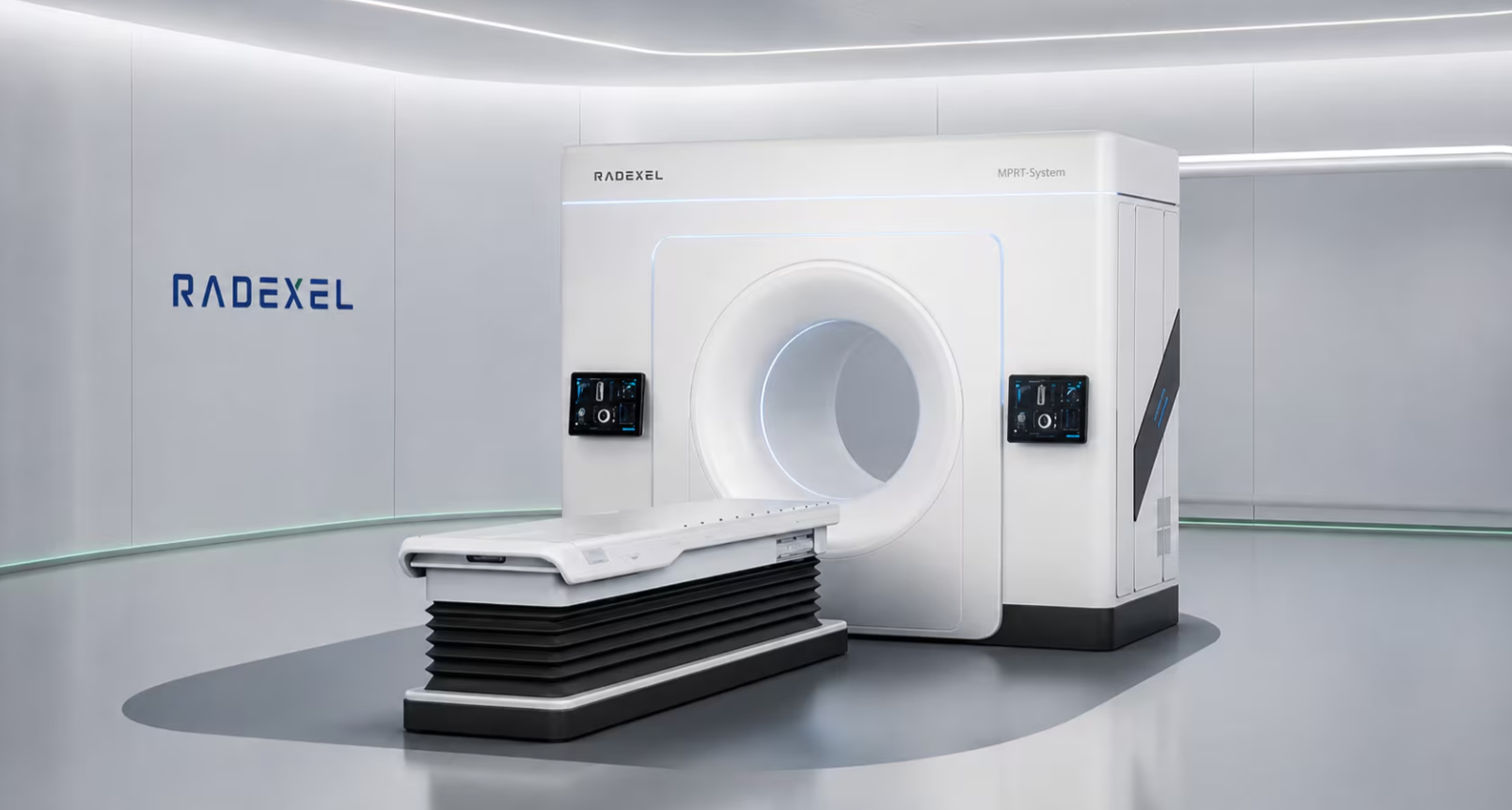
Radexel leads South Korea's KRW 35.2 billion project to develop magnetically controlled radiotherapy equipment
South Korean medical device company Radexel announced on August 24 that it has been selected as the lead institution for a global flagship project, partnering with Asan Medical Center, the Korea Atomic Energy Research Institute (KAERI), and other organizations to develop next-generation radiotherapy equipment based on magnetic field control. The project is a national strategic R&D initiative jointly promoted by the Ministry of Science and ICT, the Ministry of Trade, Industry and Energy, the Ministry of Health and Welfare, and the Ministry of Food and Drug Safety, with a total investment of KRW 35.2 billion, including KRW 27.95 billion in government funding, over a seven-year period. Under the plan, the Radexel consortium will develop a Magnetically Controlled Radiotherapy (MPRT) system. This technology controls secondary...
2026-08-24

World's First Full-Stack MRI Brain-Computer Interface Solution "uMR Shenguan" Officially Released
On August 23, the first National MRI Brain-Computer Interface Conference, themed "Integration · Decoding · Modulation — Ushering in a New Era of Brain-Computer Interaction," was held in Tianjin. At the conference, United Imaging Healthcare and Tianjin University jointly released the world's first full-stack MRI brain-computer interface solution, "uMR Shenguan." uMR Shenguan spans the entire translational chain of brain-computer interfaces from fundamental research to clinical application, advancing the realization of "understanding the brain, precise modulation, and making neural plasticity measurable and controllable." It is understood that uMR Shenguan is built on United Imaging's uMR series equipment as its hardware foundation, addressing key technical challenges in the closed loop of "reading the brain — writing the brain — verification" in brain-computer interfaces, providing a complete technical system that upgrades MRI equipment from a mere "imaging tool for structure" to a "central platform" participating in the entire brain-computer interaction process.
2026-08-24

Ghana Says Nuclear Energy Key to Meeting Future Electricity Demand
Ghana's Minister of Energy and Green Transition, John Abdulai Jinapor, stated that Ghana will diversify its energy mix through nuclear power development, providing affordable, reliable, and low-carbon electricity for industrialization and economic growth. Speaking recently at the opening ceremony of the third U.S.-Africa Nuclear Energy Summit in Accra, Jinapor said that Ghana's electricity demand continues to grow, hydropower development potential is becoming limited, and thermal power generation costs are relatively high, prompting the country to explore other affordable energy options, including nuclear energy. The summit's theme was "Building and Sustaining Africa's Nuclear Workforce." He noted that when the Akosombo Dam was first completed, Ghana's peak electricity demand was approximately 300 megawatts, while the dam's generating capacity exceeded 1,000 megawatts; currently, Ghana's peak electricity demand has risen to about 4,500 megawatts. Rising thermal power generation costs have pushed up overall energy costs, making energy mix diversification a practical necessity.
2026-08-24
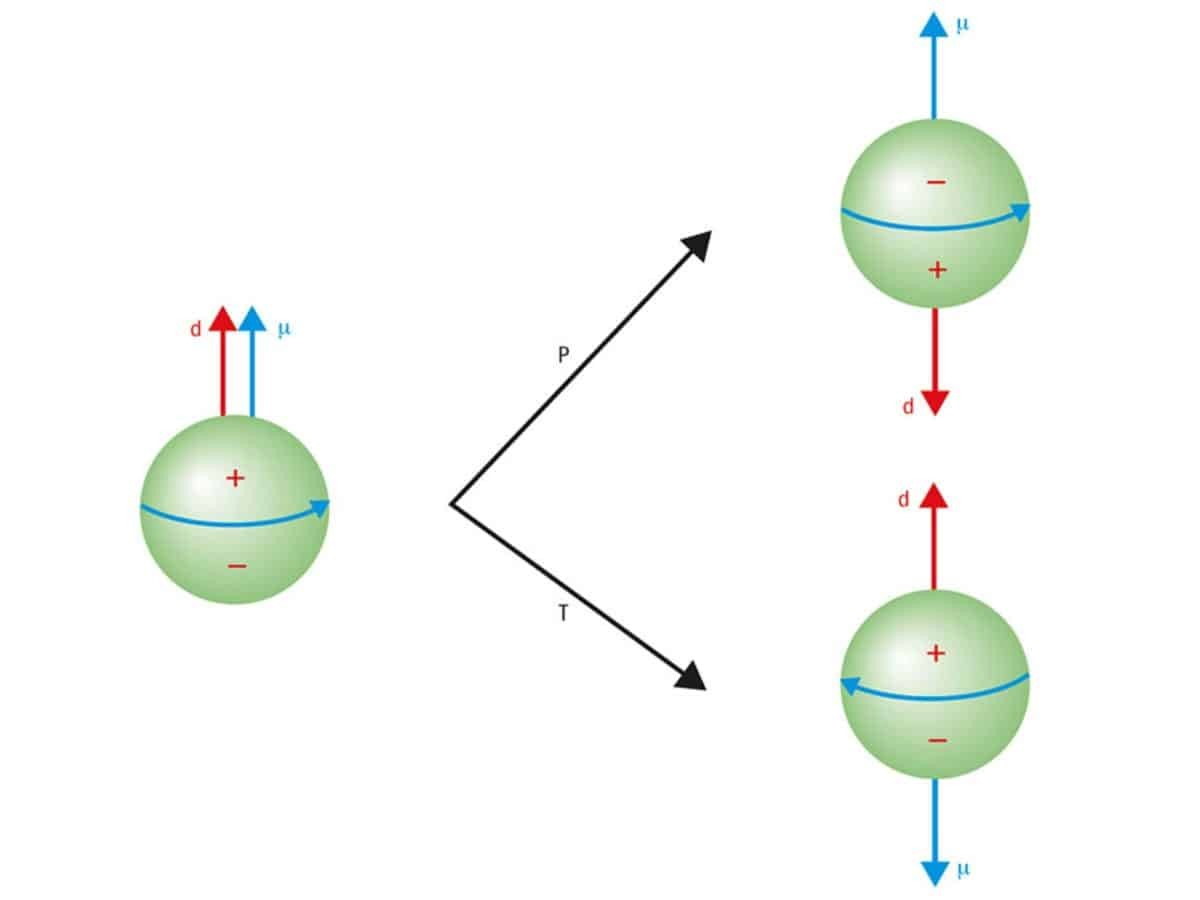
Russian Scientists Propose New Scheme for Measuring Proton and Deuteron Electric Dipole Moments in a Single Storage Ring
August 21 news, researchers from the Moscow Institute of Physics and Technology, the Institute for Nuclear Research of the Russian Academy of Sciences, the National Research Nuclear University MEPhI, and the Landau Institute for Theoretical Physics of the Russian Academy of Sciences have proposed a new experimental scheme to study the electric dipole moments of protons and deuterons in a single storage ring. The scheme can be implemented both in specially constructed new facilities and, potentially, in upgraded existing accelerator complexes. The electric dipole moments of protons and deuterons reflect the asymmetry of the internal charge distribution relative to the spin direction. According to Standard Model predictions, their values are non-zero but extremely small, on the order of 10⁻³¹ e·cm, far below current experimental sensitivity...
2026-08-24
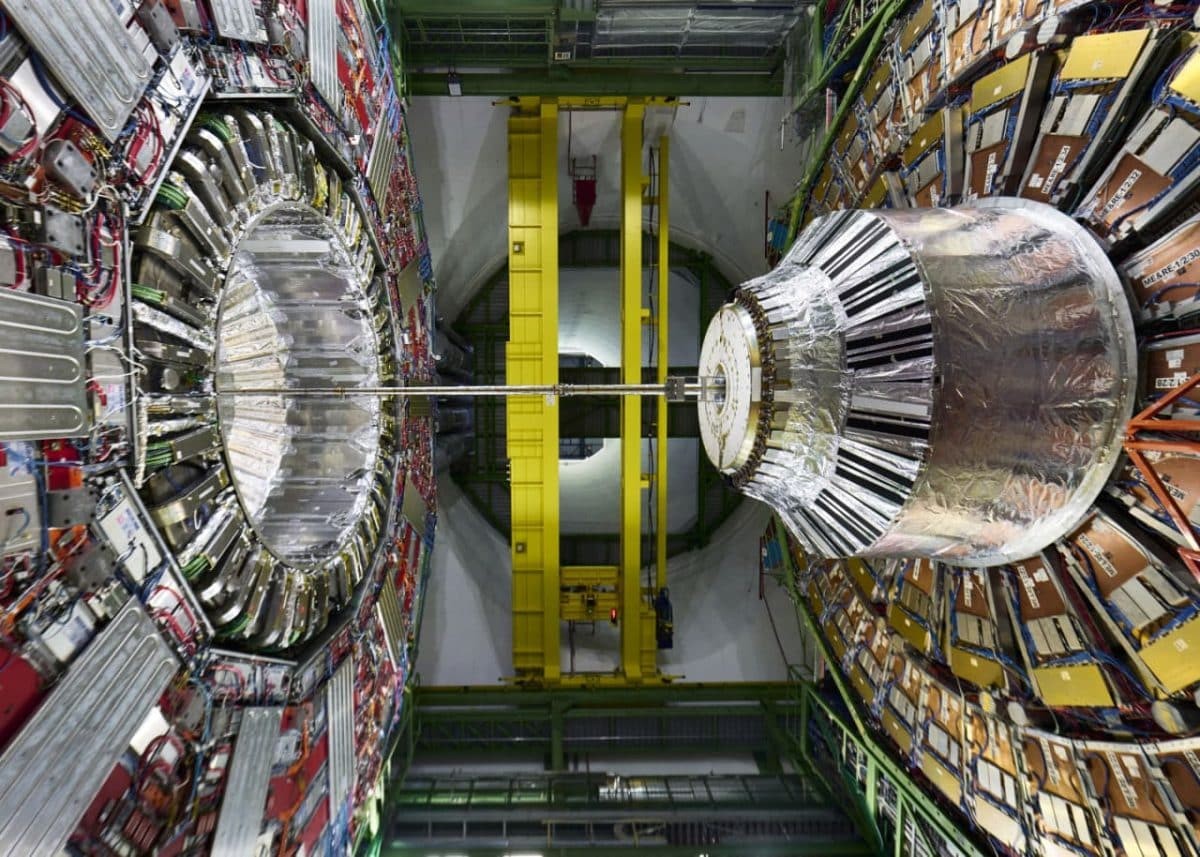
CERN Large Hadron Collider Data Challenge Models of Oxygen and Neon Nucleus Structure
Physicists at the European Organization for Nuclear Research (CERN), analyzing a new batch of collision data from the CMS detector at the Large Hadron Collider, have found that oxygen and neon nuclei do not behave entirely as predicted by existing models in high-energy collisions. This result indicates that the scientific community's understanding of the shapes and internal structures of certain light nuclei still requires further refinement. In high-energy nuclear collisions, a quark-gluon plasma is briefly formed in the collision region. This state of matter decays rapidly, but the collective flow characteristics of its particles can be used to infer the collision geometry and indirectly provide information about nuclear structure. Researchers believe that symmetric collisions of light ions help better control the initial collision conditions, making them suitable for studying collective responses in small systems.
2026-08-24
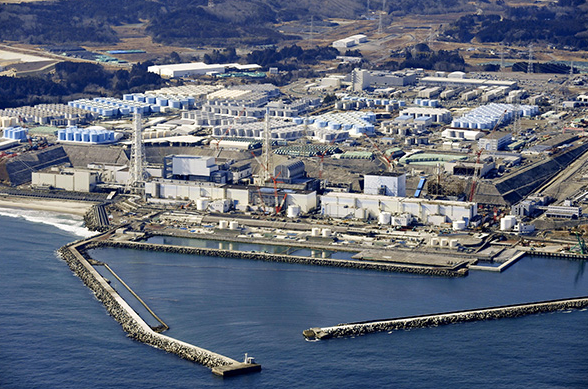
Collective Radiation Dose of Workers at Japan's Fukushima Daiichi Nuclear Power Station Ranks Highest Nationwide
Japanese nuclear power plant operators are required to submit radiation management reports to the Nuclear Regulation Authority (NRA) annually, detailing the exposure status of plant workers. According to the relevant 2025 reports, the collective radiation dose of workers at Tokyo Electric Power Company (TEPCO)'s Fukushima Daiichi Nuclear Power Station remains significantly higher than at other Japanese nuclear plants, indicating that the radiological impact from post-accident on-site decommissioning and management work is still ongoing. By collective dose per plant, Fukushima Daiichi recorded 20.97 person-sieverts, the highest in Japan. This figure is nine times the 2.22 person-sieverts reported at Kansai Electric Power's Takahama Nuclear Power Station...
2026-08-24

Russia Advances Development of Nuclear-Powered Underwater Natural Gas Carriers
Mikhail Kovalchuk, Director of the National Research Center Kurchatov Institute and Chairman of the Scientific Expert Council of the Russian Federation Maritime Board, recently stated that nuclear-powered underwater natural gas carriers could help Russia secure energy exports via the Northern Sea Route. Speaking at a joint meeting of the Ministry of Industry and Trade and the Ministry of Transport, Kovalchuk reported on the project's progress, noting that the first phase of development for this type of gas carrier has been completed, with the second phase currently underway. Gazprom has allocated dedicated funding for the project. Kovalchuk indicated that the development of such vessels holds significant...
2026-08-24

Half of Turbines at Hungary's Paks Nuclear Power Plant Back in Operation
Hungarian Prime Minister Péter Magyar stated that the Paks Nuclear Power Plant has restored approximately half of its generating capacity, with full restoration expected to be completed earlier than originally planned. Four of the plant's eight turbines are currently in operation, and restoration efforts are ongoing. Magyar said on social media that operating conditions at the plant have improved as construction work near the Paks site progresses and the Danube River water level recovers. Based on the current pace, the Paks plant is expected to regain a generating capacity of 2,000 megawatts by Wednesday, which could meet about 35% of Hungary's electricity demand. Earlier, Unit 3 of the Paks plant was announced to resume power generation ahead of schedule on Saturday evening. Magyar noted that the unit's resumption of power generation is linked to on-site engineering measures and changes in the Danube water level.
2026-08-24