
Search Results
Keyword:El

U.S. Department of Energy Selects Fermilab to Lead AI Project to Enhance Superconducting Radio-Frequency Cavity Control in Particle Accelerators
The U.S. Department of Energy's Genesis Program recently selected an artificial intelligence project led by Fermi National Accelerator Laboratory, supporting its collaboration with national laboratories, universities, and industry to use AI and machine learning technologies to improve resonance control in particle accelerators. The project aims to enhance accelerator operational performance and beam stability while reducing energy consumption and operating costs. Superconducting radio-frequency cavities are being assembled and tested, ready for installation on the Proton Improvement Plan-II at the Fermilab Accelerator Complex. By finely tuning the resonant frequency of the cavities, scientists can optimize acc...
2026-08-21
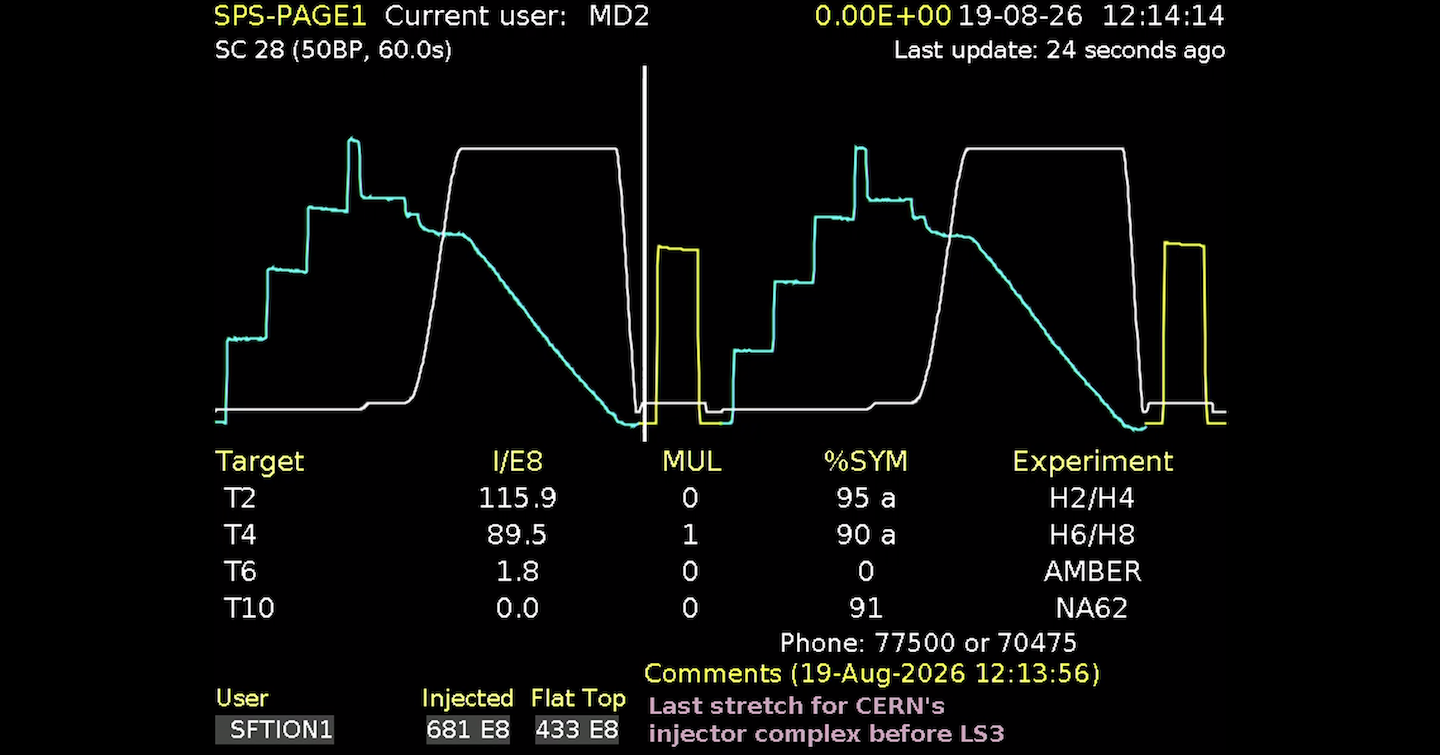
CERN Injector Complex Enters Final Beam Run Phase Before LS3
The CERN accelerator complex is entering its final operational phase before the third Long Shutdown (LS3). With the Large Hadron Collider (LHC) having already entered LS3, the injector complex and associated facilities will continue high-intensity beam operations until 6:00 a.m. on Monday, August 31, after which the operations team will hand over control to the LS3 coordination team, marking the formal transition of the entire accelerator complex into the shutdown maintenance phase. August 19, 2026, page one of the SPS. The third run of the injector complex is drawing to a close. (Image: CERN) During the final week-plus of operations, CERN will continue delivering proton and ion beams to physics experiments.
2026-08-21

Russia Marks 81 Years Since the Birth of Its Nuclear Industry: From the Soviet Nuclear Program to Modern Nuclear Talent Development
On August 20, 1945, the founding documents establishing the Special Committee and the First Main Directorate under the Council of People's Commissars of the USSR were officially signed, generally regarded as the starting point of the Soviet nuclear industry system. Eighty-one years later, Russia's nuclear energy community once again looks back at this historical milestone, linking it to nuclear science and technology development and talent cultivation. In August of that year, after the United States used atomic bombs on Hiroshima and Nagasaki, the Soviet Union accelerated the establishment of its own nuclear research and industrial system. On August 29, 1949, the Soviet Union completed the RDS-1 nuclear test. Thereafter, Soviet nuclear science gradually extended from military applications to peaceful uses, building the world's first grid-connected nuclear power plant and developing a fleet of nuclear-powered icebreakers. The establishment of the nuclear industry system also drove...
2026-08-21
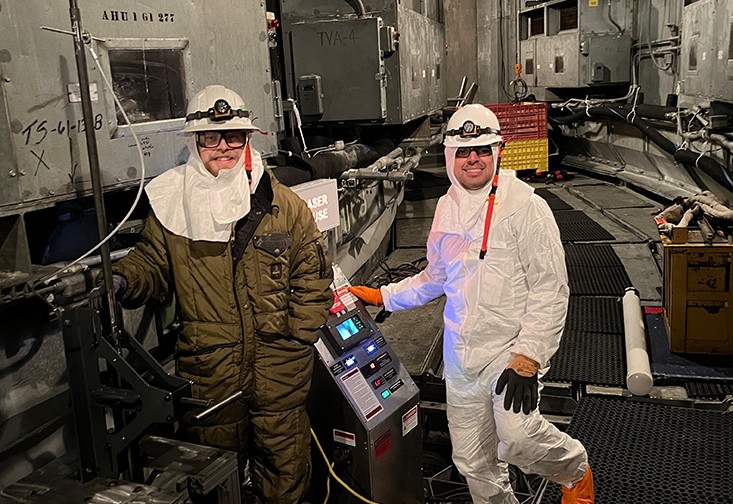
U.S. University Develops Laser De-icing Technology for Nuclear Power Plant Safety System Maintenance
An engineering team at the University of South Florida has developed a customized laser de-icing technology to address the issue of ice basket adhesion in the maintenance of critical safety systems at nuclear power plants. After four years of research, design, and testing, the technology has completed field testing at two nuclear power plants operated by the Tennessee Valley Authority (TVA). Developed jointly by Ahmed Vaselbehagh, Professor of Mechanical and Aerospace Engineering at the University of South Florida, and postdoctoral researcher Ty Hagan, the technology is primarily aimed at ice condenser systems used in certain nuclear power plants in the United States, Japan, and Finland...
2026-08-21
IAEA Launches New Project to Enhance Nuclear Fuel and Materials Testing Capabilities in Research Reactors
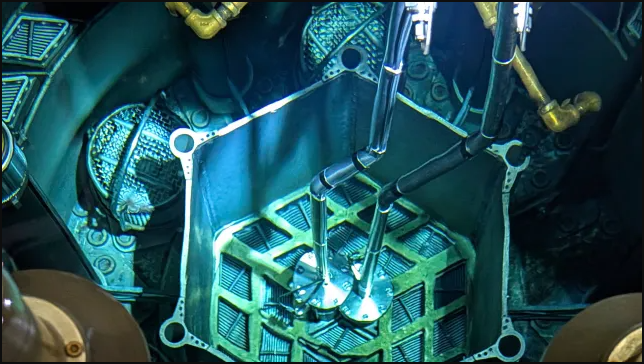
The International Atomic Energy Agency (IAEA) recently launched a four-year coordinated research project aimed at optimizing the experimental design of nuclear fuel and structural materials testing in research reactors, enhancing the safety, effectiveness, and efficiency of irradiation experiments. Top view showing a materials testing reactor core loaded with two in-core materials testing devices. (Photo: Y. Ostrovsky/MIT) With the continued advancement of new nuclear reactor technologies, growing interest in small modular reactors, and existing nuclear power plants seeking long-term operation, the demand for reliable testing of new nuclear fuels and structural materials is increasing. Before being put into use in nuclear reactors, these fuels and materials must be tested and qualified under harsh conditions such as radiation and high temperatures...
2026-08-21
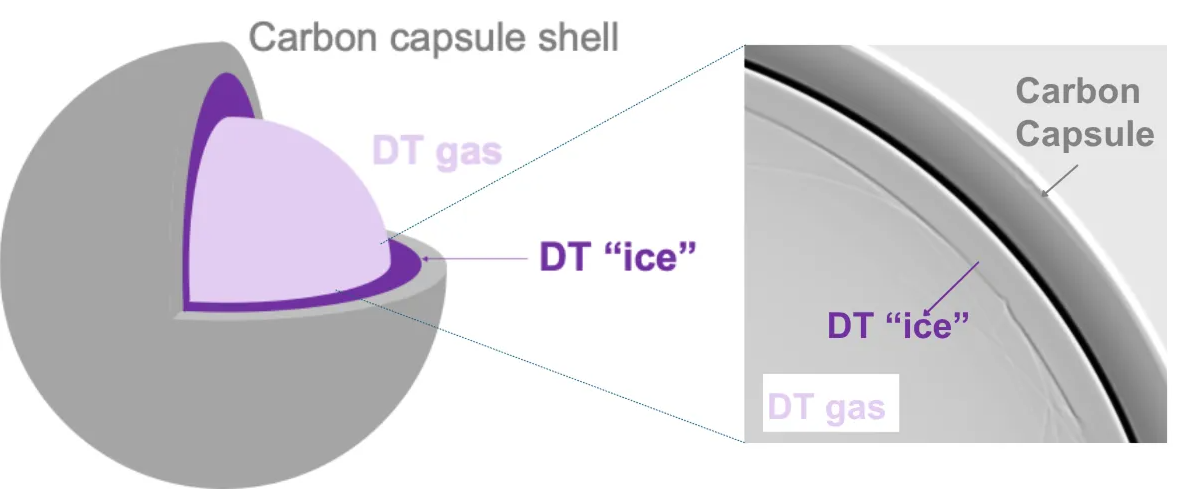
US Inertia Fusion Fuel Preparation Time Significantly Reduced
US fusion startup Inertia Enterprises said it has made progress in inertial fusion energy fuel preparation in collaboration with Lawrence Livermore National Laboratory (LLNL), reducing the time required for the critical step of forming a cryogenic deuterium-tritium fuel layer from potentially several days in the past to tens of minutes. The company said this achievement completes a key task in the first phase of its commercial fusion power plant development goals. The fundamental approach of inertial fusion energy involves using high-energy lasers to compress and heat small targets containing deuterium-tritium fuel, bringing the fuel to ignition conditions and releasing energy. The National Ignition Facility (NIF) has already...
2026-08-21
Two US Companies Partner to Bring AI to Nuclear Power Plant Simulation Training
Nuclearn, a US artificial intelligence solutions company, and GSE Solutions, a supplier of high-fidelity simulation and operator training systems for nuclear power plants, announced a strategic partnership on August 20. The two companies will combine Nuclearn's AI capabilities with GSE Solutions' nuclear power plant simulator technology for applications such as plant simulation, operator training, and engineering analysis. According to information released by the two companies, the collaboration will proceed along two tracks. GSE Solutions plans to integrate Nuclearn's AI features into its simulator products, providing training instructors with tools such as natural language scenario development, automatic performance summaries after training scenarios, adaptive quiz and assessment generation, and plant-specific physics explanations during training...
2026-08-21
South Korea Approves License Amendment for Gyeongju Low- and Intermediate-Level Radioactive Waste Disposal Facility
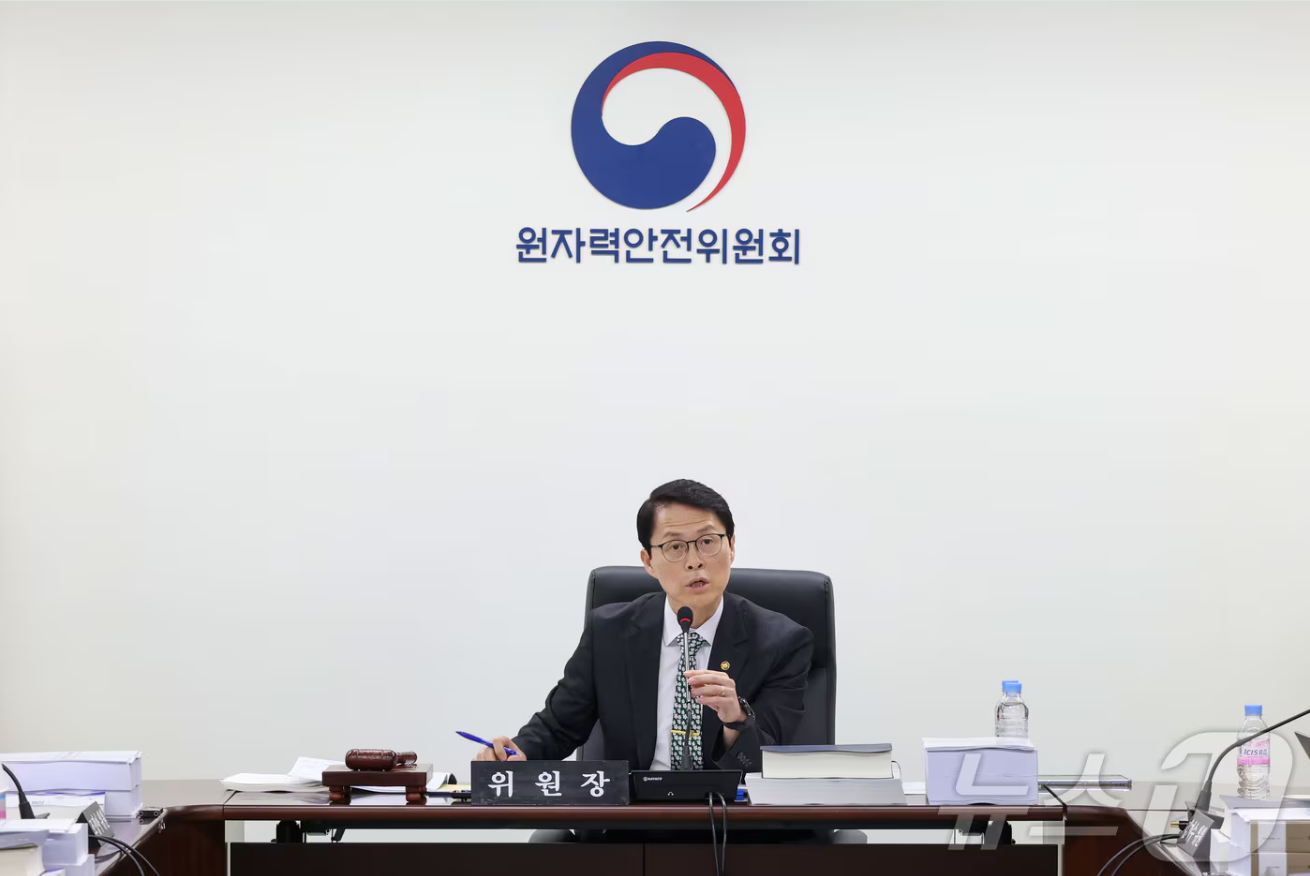
The Nuclear Safety and Security Commission (NSSC) of South Korea announced on August 21 that it held its 12th meeting of 2026 in written form on August 20, reviewing and approving the license amendment for the construction and operation of the near-surface disposal facility for low- and intermediate-level radioactive waste operated by the Korea Radioactive Waste Agency (KORAD). The near-surface disposal facility is located in Munmu-daewang-myeon, Gyeongju-si, Gyeongsangbuk-do, and is the second-phase project of the Gyeongju low- and intermediate-level radioactive waste disposal facility. Near-surface disposal refers to the disposal of low- and intermediate-level radioactive waste in near-surface facilities, rather than in deep underground caverns. The facility completed its pre-operational inspection in March this year. This license amendment is primarily intended to update the safety analysis report...
2026-08-21
South Korea's DaeChang Solution Secures Special Steel Contract for French Nuclear Power Turbines
South Korean steel casting manufacturer DaeChang Solution Co. announced on August 21 that it has signed a special steel supply contract with Arabelle Solutions France, with the products to be used in steam turbines for small modular reactors (SMRs) and large nuclear power plants. According to the announcement, the contract value is EUR 50.7649 million, equivalent to approximately KRW 82.631 billion based on the initial market exchange rate of KRW 1,627.72 per euro on the contract signing date. This amount represents 138% of DaeChang Solution's 2025 consolidated sales of KRW 59.877 billion. Of the contract value, 70% is a fixed amount, i.e., EUR 37.2055 million...
2026-08-21
Bulgaria's Kozloduy NPP Reduces Power Output Due to Falling Danube River Levels
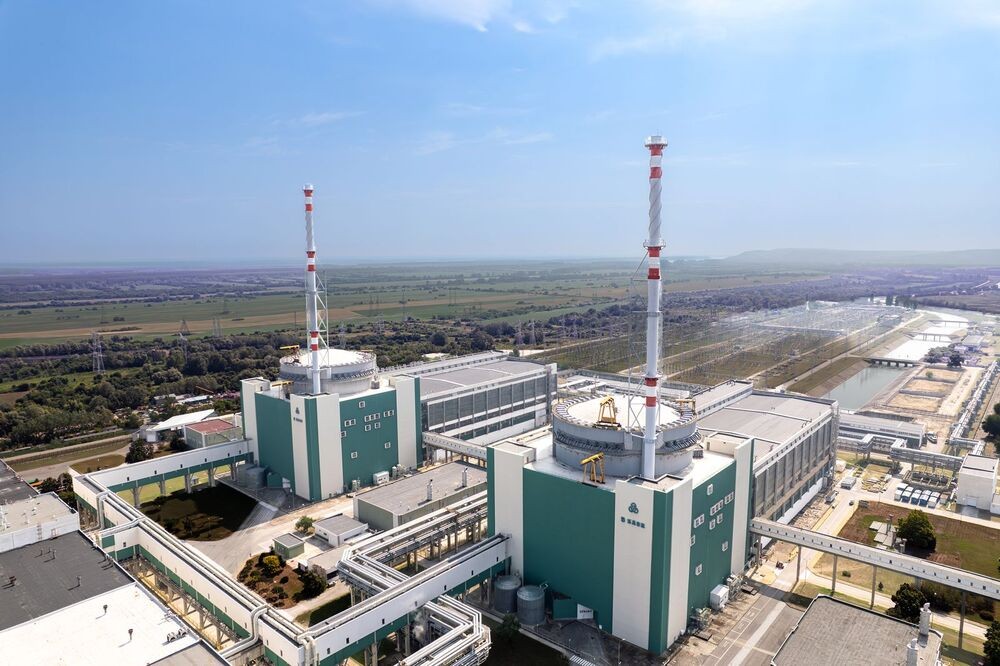
Bulgaria's Ministry of Energy stated that due to the sustained decline in the Danube River water level, Unit 5 of the Kozloduy NPP will reduce its power output by 120 megawatts starting August 21 to mitigate potential operational risks. The Ministry said in a statement that reducing reactor power is one of the measures to ensure the safe operation of the Kozloduy NPP, citing a sustained, abnormal, and rapid decline in the Danube River water level. The Danube River water level within Bulgaria is currently still on a downward trend. It is noted that this is the first time in the 52 years since the Kozloduy NPP was commissioned that its generating capacity has been reduced for such reasons. The plant uses Danube River water to cool the steam in the condensers of the conventional island, with water intake completed by dedicated pump stations located on the riverbank.
2026-08-21
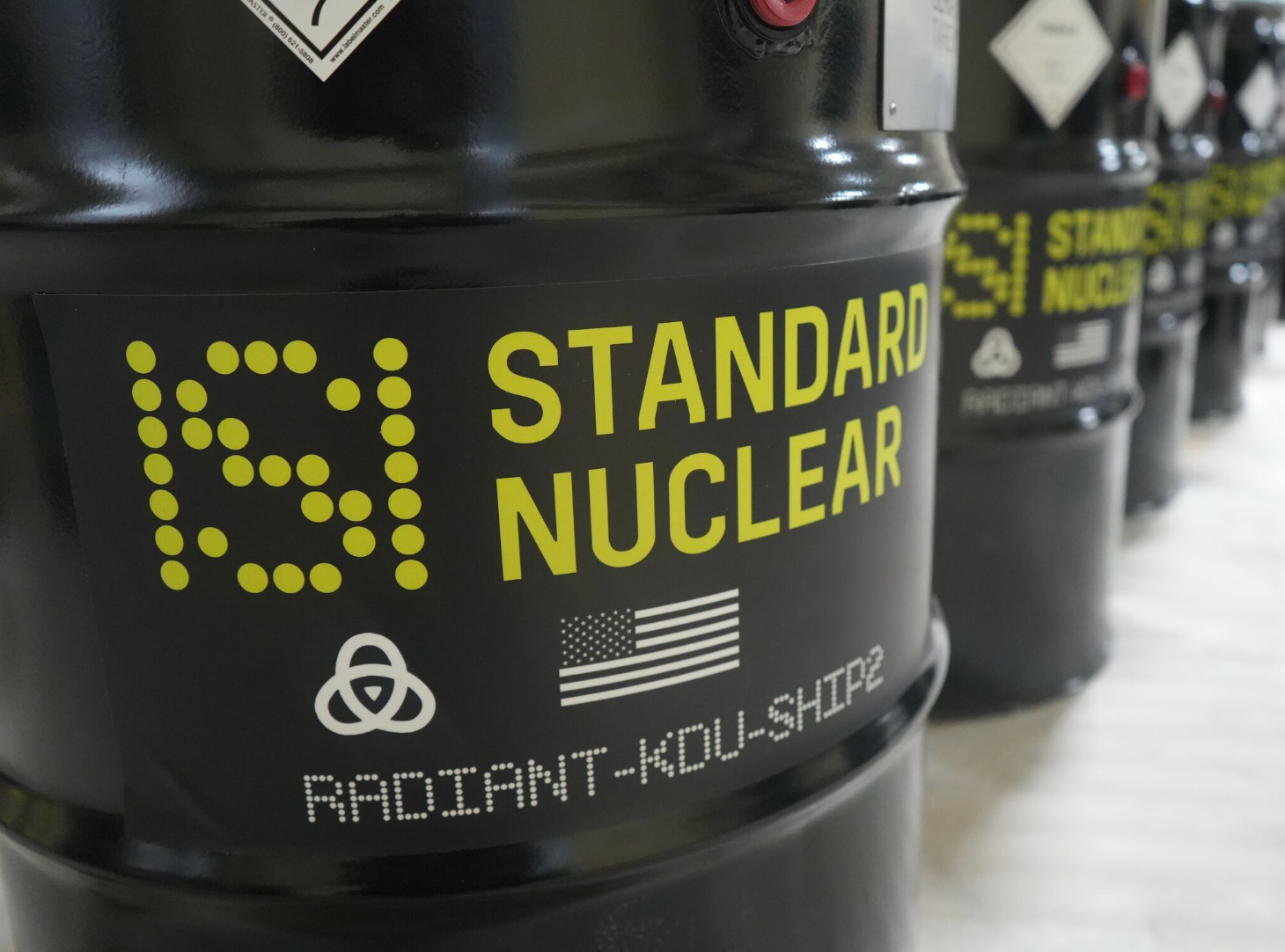
US Standard Nuclear and Radiant Sign TRISO Fuel Supply Agreement
Standard Nuclear announced on August 20 that it has signed a binding TRISO nuclear fuel supply agreement with Radiant Industries, Inc. of the United States. Under the agreement, Radiant will receive a multi-ton supply of TRISO fuel, with deliveries continuing through 2031, to support its microreactor deployment plans. Standard Nuclear, headquartered in Oak Ridge, Tennessee, states that it is currently the only company in the United States with an industrial-scale TRISO fuel manufacturing facility. The agreement is aimed at Radiant's Kaleidos microreactor currently under development. The reactor has a power output of 1 megawatt and is designed to be transportable...
2026-08-21

US LIS Technologies Initiates Site Preparation for Oak Ridge Laser Uranium Enrichment Project
LIS Technologies Inc. (LIST) announced on August 20 that it has initiated preliminary site preparation work on the "LIST Island" parcel at the Heritage Center of the East Tennessee Technology Park in Oak Ridge, Tennessee. The 206-acre parcel is located within the former K-25 gaseous diffusion plant site. This phase of work includes environmental characterization, environmental assessment, and technical feasibility studies tailored to site conditions. These efforts will provide the preliminary basis for the company's planned commercial laser uranium enrichment headquarters and technology campus, LEU-3. Under current plans, the LEU-3 facility will host the company's FUEL project, namely the Future Uranium Enrichment by Laser project, and support its long-term operations and research...
2026-08-21
Takahama Town in Fukui Prefecture, Japan, Plans to Give Prior Consent to Kansai Electric Power's Construction of Spent Fuel Dry Storage Facility
On August 19, Hisakatsu Nishijima, mayor of Takahama Town in Fukui Prefecture, Japan, stated that he would give prior consent to Kansai Electric Power Co.'s plan to construct a spent fuel dry storage facility, in accordance with the safety agreement signed with the company. Following Mihama Town, Takahama Town became the second municipality in Fukui Prefecture hosting nuclear power plants to express its intention to give prior consent to the plan. On the same day, Nishijima explained this decision to council members at a meeting of the town assembly held at the town office, noting that he had already obtained the assembly's understanding in advance. He said the town government made its judgment after confirming relevant issues item by item, including the specific arrangements for transporting spent fuel out of the prefecture...
2026-08-21
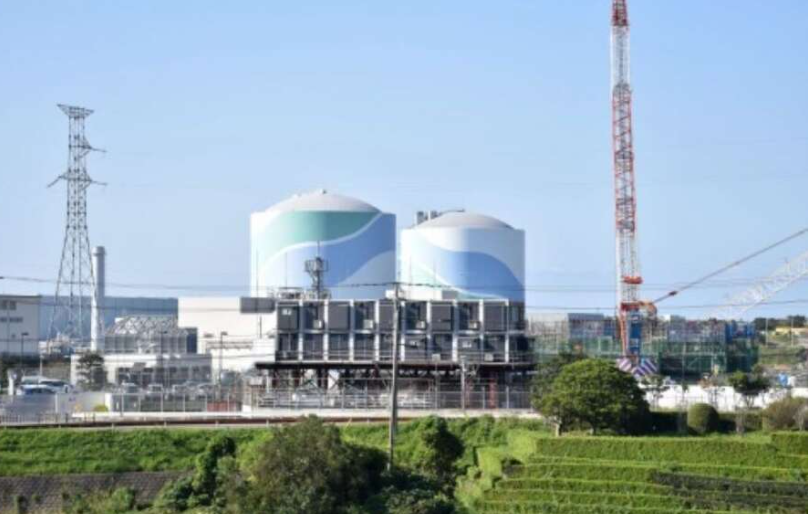
Kyushu Electric Power explains holding company transition to Kagoshima Prefecture; Sendai Nuclear Power Plant business to continue
On August 20, Kyushu Electric Power President Masaru Nishiyama and two others visited the Kagoshima Prefectural Government to explain to Governor Koichi Shiota the company's plan to transition to a holding company structure in October this year. Under the plan, Kyushu Electric Power will establish a new holding company, Kyuden Holdings, as the group's parent company to improve overall group management efficiency. Following the restructuring, relevant subsidiaries under Kyushu Electric Power will continue to undertake nuclear power operations, including the Sendai Nuclear Power Plant. During the meeting, Governor Shiota specifically highlighted the dry storage facility for spent nuclear fuel that Kyushu Electric Power plans to adopt at the Sendai Nuclear Power Plant...
2026-08-21
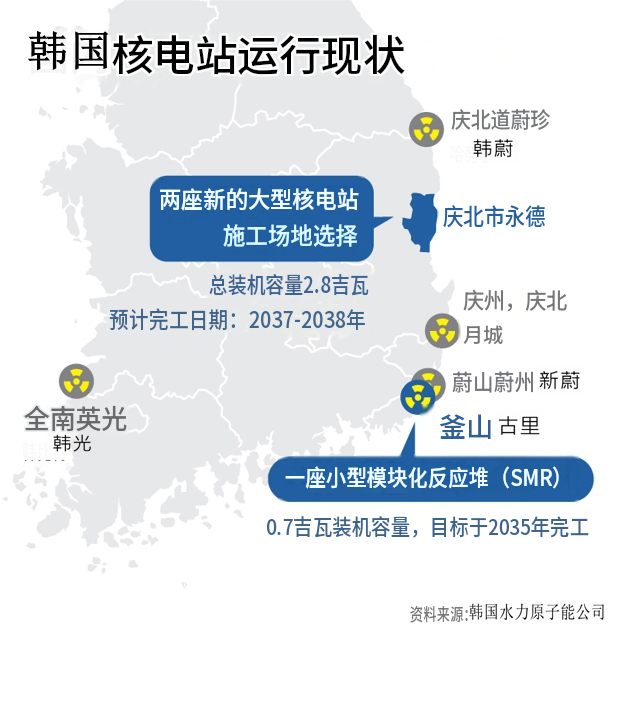
South Korea Raises 2040 Electricity Demand Forecast, Increment Equivalent to 19 Large Nuclear Power Units
A forum on the formulation of South Korea's 12th Basic Plan for Electricity Supply and Demand was held in Seoul on August 20. The new round of electricity demand forecasts submitted at the meeting showed that by 2040, South Korea's annual maximum electricity demand is expected to reach 158.4 GW to 165.0 GW, an upward revision of 26.6 GW to 26.8 GW compared to the forecast proposed in April this year. Based on the 1.4 GW single-unit capacity of the AP1400 large nuclear power unit under construction in South Korea, the increment in electricity demand from this upward revision is equivalent to the electricity provided by approximately 19 large nuclear power units operating at full power. The previous April forecast for the 2040 annual maximum electricity demand was 131.8 GW to 138.2 GW. The new forecast reflects semiconductor industry clusters...
2026-08-21