
Search Results
Keyword:El

Carbon Nanotubes Can "Remember" Their Initial Structure, Isotope Labeling Reveals Dynamic Growth Process
A study released on September 1 shows that carbon nanotubes can maintain their initial atomic structure in dynamically changing growth environments. The research team used digital isotope labeling technology to encode the elongation process of individual carbon nanotubes as sequences of different carbon isotope compositions, and read their growth history through Raman spectroscopy, thereby tracking the structural stability of nanotubes under conditions of temperature variation and catalyst evolution. The properties of carbon nanotubes are highly dependent on their atomic arrangement. The same material may exhibit metallic or semiconducting characteristics due to structural differences, so structural uniformity has always been a key issue for the large-scale application of carbon nanotubes. In floating catalyst chemical vapor deposition and other industrial production routes, catalyst particles experience constantly changing temperatures and gas compositions within the reactor and may undergo irreversible enlargement. Previously, direct evidence was lacking on whether individual carbon nanotubes could maintain their initial structure under such complex conditions.
2026-09-02
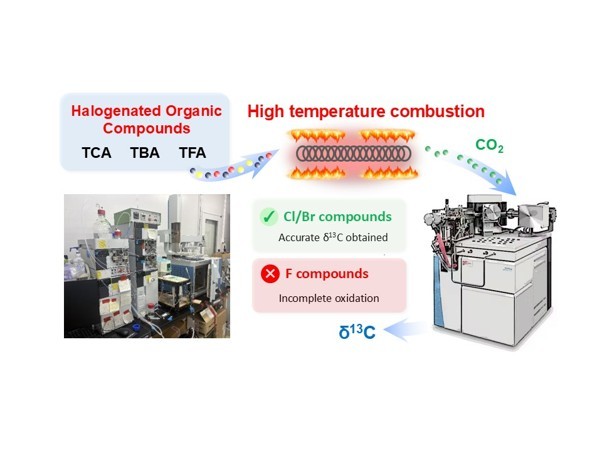
Japanese Team Develops High-Temperature, High-Pressure Isotope Ratio Analysis Method for Tracing Halogenated Pollutants
Researchers from Shibaura Institute of Technology (SIT) and the National Institute of Advanced Industrial Science and Technology (AIST) in Japan have collaboratively developed a customized high-temperature, high-pressure combustion interface for liquid chromatography-isotope ratio mass spectrometry (LC-IRMS), enabling carbon stable isotope ratio (δ¹³C) analysis of various halogenated organic compounds. The research findings were published online on August 2, 2026, and will appear in Volume 1421 of Analytica Chimica Acta, scheduled for release on November 1, 2026. Source of the new high-temperature, high-pressure LC-IRMS system: Professor Hiroto Kawashima, SIT, Japan. Halogenated organic compounds are widely present in disinfection byproducts, pesticides, refrigerants, and industrial chemicals, some of which exhibit persistence, bioaccumulation, and toxicity. Traditional environmental monitoring primarily relies on concentration measurements, which makes it difficult to directly provide information on pollutant sources and environmental transformation processes. δ¹³C analysis can offer clues for studying chemical sources, production processes, and environmental fate, but organic pollutants containing strong carbon—chlorine or carbon—fluorine bonds are difficult to fully oxidize under conventional LC-IRMS combustion conditions, limiting the application of this technique.
2026-09-02
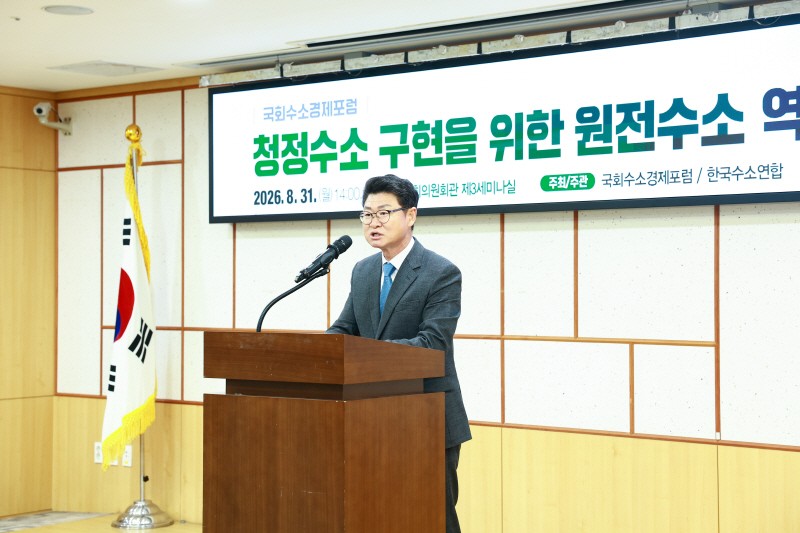
South Korea's Uljin Pushes Forward with Nuclear Hydrogen Industrial Complex Development
Uljin County in North Gyeongsang Province, South Korea, is seeking support from the National Assembly and the government to promote the construction of the Uljin Nuclear Hydrogen National Industrial Complex, with the goal of establishing the region as a clean hydrogen production hub through supporting policies such as stable power supply and hydrogen pipeline networks. On August 31, Uljin County Governor Hwang Ui-jo attended a nuclear hydrogen policy seminar held at the National Assembly Members' Office Building to present the progress of the Uljin Nuclear Hydrogen National Industrial Complex and the policy tasks required for developing the nuclear hydrogen industry. The seminar was hosted by the National Assembly Hydrogen Economy Forum, with participants from the National Assembly, government, local governments, industry, academia, and...
2026-09-02
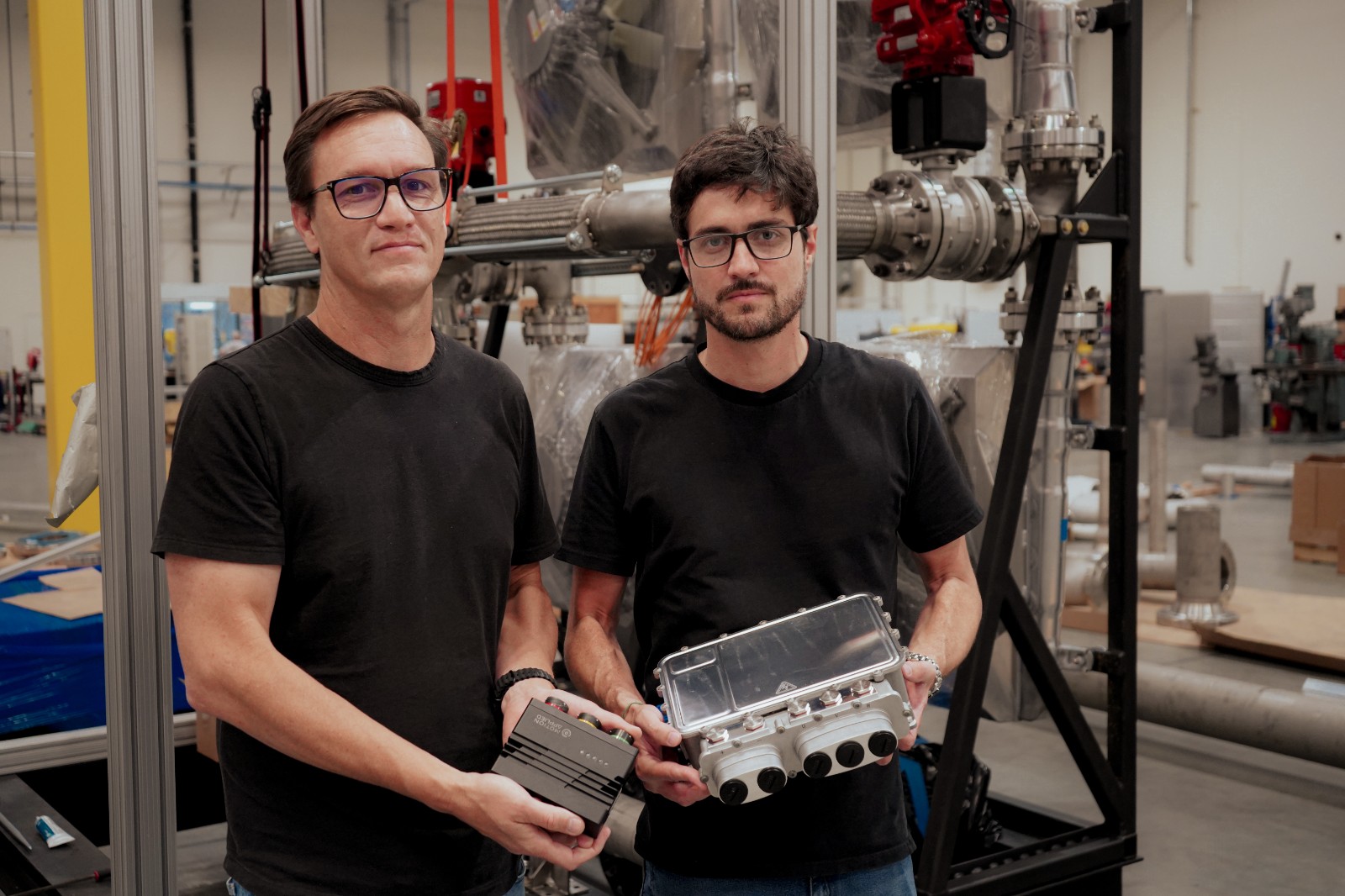
US Antares to Apply Racing Power Electronics to Microreactors
Antares, a US nuclear fission energy company, recently announced a partnership with UK technology supplier Motion Applied to deploy the latter's race-proven power electronics in its microreactor power conversion system. According to Antares, Motion Applied has long served motorsport and other demanding applications, accumulating expertise in high-performance electronics and electrification technologies. This collaboration will enable Antares to use more mature, production-grade hardware in its microreactor program, reducing the time and cost associated with developing dedicated power conversion equipment from scratch. Antares Chief Nuclear Officer Ri...
2026-09-02

US OSC Global and InfraShield Launch Advanced Reactor Cybersecurity Program
OSC Global and InfraShield recently announced the joint launch of the Janus Cyber program to provide cybersecurity support for developers planning to deploy advanced reactors at US military installations. The program will deliver integrated services covering nuclear regulation, US Department of War (DoW) authorization, and operational technology/industrial control system (OT/ICS) cybersecurity requirements. The two companies stated that advanced reactors operating in US military environments must simultaneously meet multiple requirements, including nuclear-sector cybersecurity regulation, military authorization, and industrial control system protection. Janus Cyber will coordinate...
2026-09-02

Amentum Selected for UK Grid Upgrade and Protection Projects
Amentum has announced that it has been selected by SSEN Transmission to undertake strategic roles under two UK energy framework agreements, providing digital and cybersecurity engineering services for UK grid upgrades. Under the arrangements, Amentum will serve as the sole supplier of high-end cybersecurity engineering services, contributing to the digitalization and security capability enhancement of the UK power grid. The services will focus on critical asset protection, digital capability expansion, operational data application, and security architecture development for grid operations. SSEN Transmission is the owner of the high-voltage transmission system in northern Scotland...
2026-09-02

NuScale Completes First Manufacturing of Boron Carbide Pellets for SMR Safety Component in the U.S.
NuScale Power and MillenniTEK recently announced that they have successfully manufactured the first batch of boron carbide pellets for NuScale's passive emergency core cooling system (ECCS). This component will be used in NuScale's small modular reactor (SMR) technology and is one of the dedicated components in its reactor safety system. According to reports, in nuclear power plants employing NuScale technology, when the emergency core cooling system is activated, the boron carbide pellets dissolve into the reactor coolant, helping to control and maintain core reactivity at safe levels without operator intervention. This manufacturing effort is considered a key advancement in NuScale's preparation for commercial deployment, involving the validation of dedicated safety components and associated manufacturing processes.
2026-09-02

Lightbridge Multi-Zone Fuel Element Granted Japanese Patent, Covering Fuel Assemblies and 3D Printing Manufacturing Methods
Advanced nuclear fuel technology company Lightbridge Corporation recently announced that its Japanese patent application for a multi-zone fuel element has been granted by the Japan Patent Office. The patent covers the fuel element design, fuel assemblies incorporating the design, and methods of producing the element via additive manufacturing, i.e., 3D printing. According to the disclosure, the patent involves a fuel rod composed of three layers of different materials. The thickness of the three layers can vary along the length of the fuel rod, thereby regulating fuel performance at different positions in the reactor to enhance reactor operating performance and safety margins. In addition to the fuel rod itself, the patent also covers fuel assemblies for mounting these fuel rods.
2026-09-02

Canada's Devonian Integrates HPLC-MS, NMR, and Cell-Based Potency Assays into Thykamine Quality Control Platform
Devonian Health Group Inc., a Canadian clinical-stage biopharmaceutical company, recently announced that it has completed independent validation of key analytical methods and biological quality control technologies and integrated them into the extraction and production process of Thykamine, the company's lead active pharmaceutical botanical candidate. According to the company, its quality control program includes validated high-performance liquid chromatography-mass spectrometry (HPLC-MS) chemical fingerprinting, nuclear magnetic resonance (NMR) spectroscopy, and cell-based biological potency assays based on the U937 human cell line. The relevant cell-based assays use macrophage inflammatory protein-1β (MIP-1β) as a biomarker of Thykamine's anti-inflammatory activity...
2026-09-02
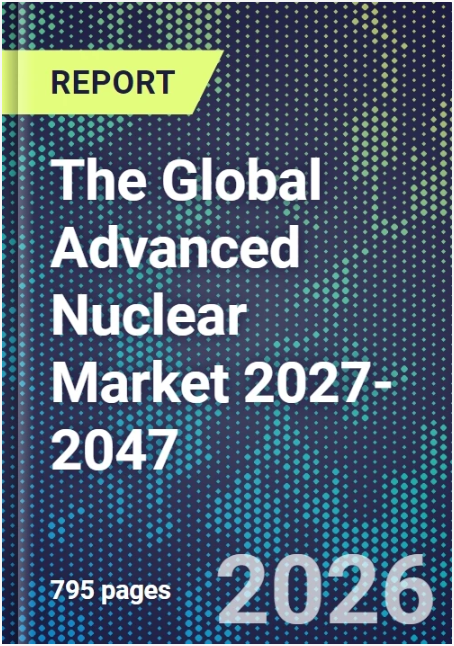
Global Advanced Nuclear Energy Market Report Focuses on SMR and Fusion Development
The recently released "Global Advanced Nuclear Energy Market Report 2027–2047" shows that the global advanced nuclear energy industry is transitioning from concept validation and early-stage R&D to a new phase where project deployment, capital inflow, and supply chain development proceed in parallel. The report uses 2027 as the base year with a two-year baseline period to assess the development trajectory of the advanced nuclear energy market over the next 20 years. It covers small modular reactors (SMRs), nuclear fusion, and a range of emerging advanced nuclear technologies, including molten salt reactors, high-temperature gas-cooled reactors, lead-cooled fast reactors, sodium-cooled fast reactors, microreactors, advanced fuel cycles, integrated nuclear energy systems, and the application of artificial intelligence in nuclear power plant operations...
2026-09-02
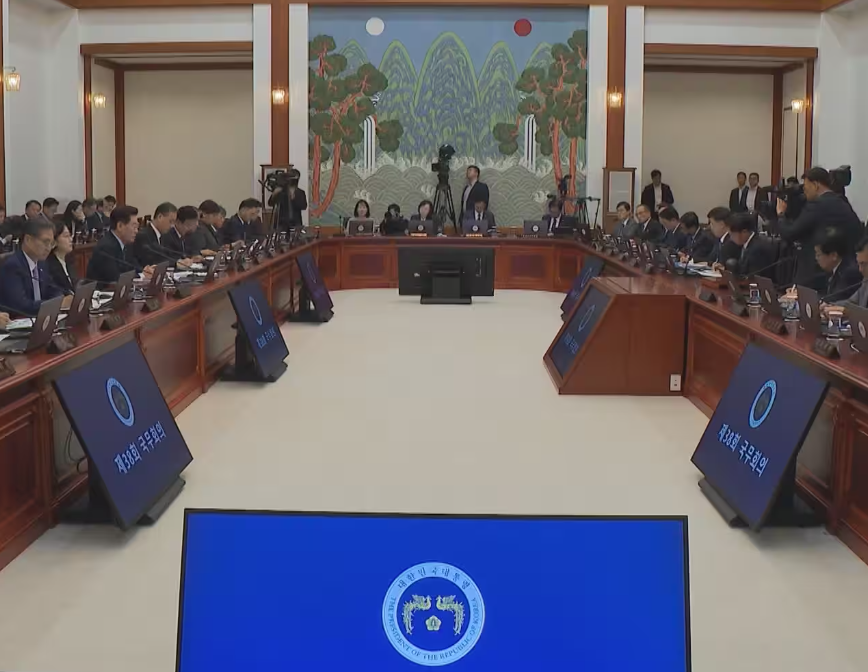
South Korea's 2027 Budget Proposal Includes First-Ever Funding for Domestic Nuclear Submarine Development
The South Korean government approved its 2027 budget proposal, with total government spending reaching 820.9 trillion won, approximately 95.6 trillion yen, marking a 12.8% increase from the previous year and setting a record high. The budget proposal has been submitted to the National Assembly for review. President Lee Jae-myung presided over a cabinet meeting at the presidential office on September 1, where the budget proposal was reviewed and approved. Under the plan, the South Korean government intends to increase investment in growth-oriented industries, with approximately 2.5 trillion yen allocated to infrastructure development related to semiconductor manufacturing and artificial intelligence, nearly doubling the scale of the previous year. On the revenue side, the South Korean government expects that as AI demand continues to grow and major semiconductor companies see improved performance, corporate income tax and personal income tax revenues will increase significantly.
2026-09-02
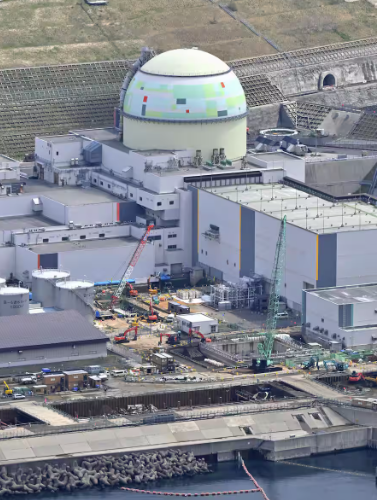
Japan's Tomari Nuclear Power Plant Plans New Low-Level Radioactive Waste Processing Facility
Hokkaido Electric Power Company (HEPCO) recently announced plans to construct a new low-level radioactive waste processing facility within the premises of the Tomari Nuclear Power Plant in Hokkaido, Japan, to handle approximately 12,000 drums of low-level radioactive waste currently stored on site. According to HEPCO, the new facility will sort waste such as paper and metal, reduce its volume through fine shredding or compression, and then solidify it by pouring mortar into the waste drums. After processing, the waste will undergo radioactivity level testing before being transported to the disposal center in Rokkasho Village, Aomori Prefecture. Previously, the Tomari plant had stored this type of waste in 200-liter drums without further processing. The proposed facility will have an annual processing capacity of over 1,000 drums, feature a three-story structure, and cover a total floor area of approximately 4,600 square meters.
2026-09-02
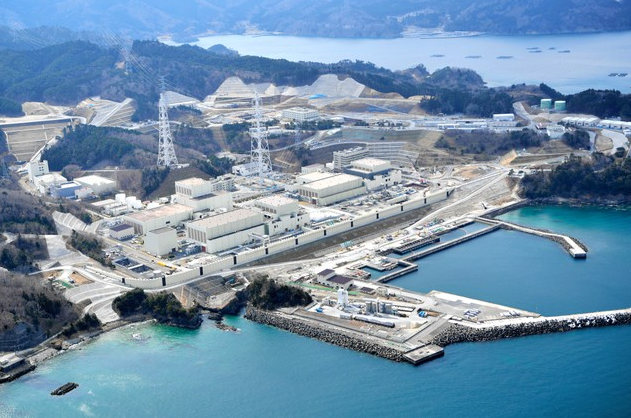
Japan's Onagawa Nuclear Power Station Unit 2 Plans to Replace Hydrogen Concentration Monitoring Equipment
Tohoku Electric Power has consulted with Miyagi Prefecture, Ishinomaki City, and Onagawa Town in advance regarding a change to the method of monitoring hydrogen concentration inside the containment vessel under severe accident conditions at Unit 2 of the Onagawa Nuclear Power Station. The company plans to submit an application to amend the reactor installation license to the Nuclear Regulation Authority (NRA) of Japan on the 2nd. Unit 2 of the Onagawa Nuclear Power Station is located in Onagawa Town and Ishinomaki City, Miyagi Prefecture. Tohoku Electric Power previously installed a total of four hydrogen concentration detectors inside and outside the reactor containment vessel of this unit, intended to monitor changes in hydrogen concentration within the containment vessel in the event of a severe accident. In 2025, some of these detectors experienced malfunctions. In the same year...
2026-09-02
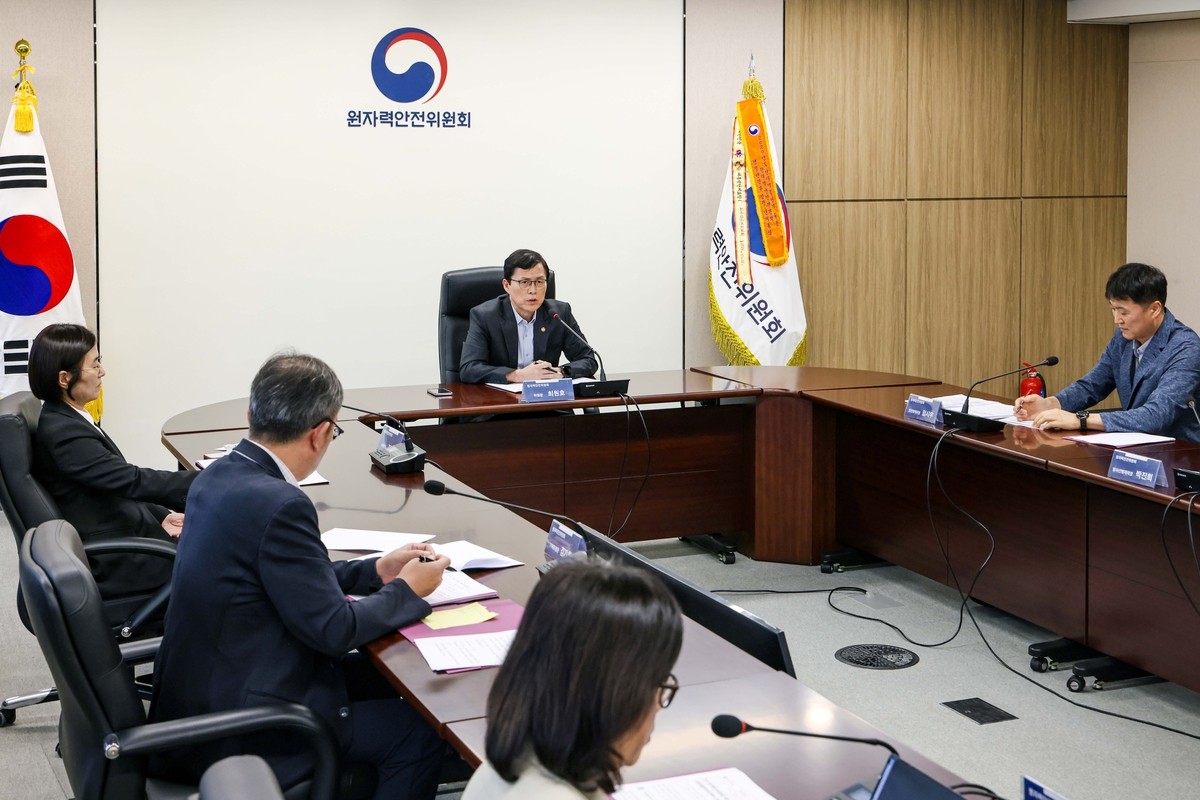
South Korea's Nuclear Safety Regulatory Budget for 2027 Rises to KRW 303 Billion
The Nuclear Safety and Security Commission (NSSC) of South Korea announced on September 1 that it has allocated KRW 303 billion for the 2027 budget, an increase of KRW 10.4 billion from this year. The new budget focuses on areas such as small modular reactor regulation, spent nuclear fuel safety, nuclear facility decommissioning review, environmental radiation monitoring, and nuclear safety information disclosure. Regarding small modular reactors, as non-light water reactor-type small modular reactor development projects aim to obtain licenses by the early 2030s, South Korea will invest KRW 8 billion in R&D to establish a new safety evaluation system. In addition, in line with the preliminary review system set to take effect in November this year, the government has allocated KRW 2.7 billion to conduct preliminary reviews of non-light water reactor-type small modular reactors expected to file applications next year. This system allows applicants to request regulatory review of reactor designs before formally submitting license applications.
2026-09-02

CGN Begoo Empowers Fuzhou Changle Airport T2 Terminal to Pass Provincial Acceptance
Recently, the opening of Terminal T2 at Fuzhou Changle International Airport successfully passed the provincial joint acceptance inspection, laying a solid foundation for the terminal's official operation and supporting the expansion and upgrade of Fujian's aviation ports. Among the achievements, the smart passenger inspection and customs intelligent supervision system constructed by CGN Begoo Technology Co., Ltd. passed comprehensive inspections and received full recognition from the acceptance team. As a core international aviation gateway hub in Fujian, the Phase II expansion project of Fuzhou Changle International Airport is a key infrastructure project for regional opening-up. The commissioning of Terminal T2 will effectively address the shortcomings in Fuzhou's aviation port support capacity, significantly enhancing the port's comprehensive carrying capacity, international service level, and clearance operational efficiency...
2026-09-02