
Search Results
Keyword:El
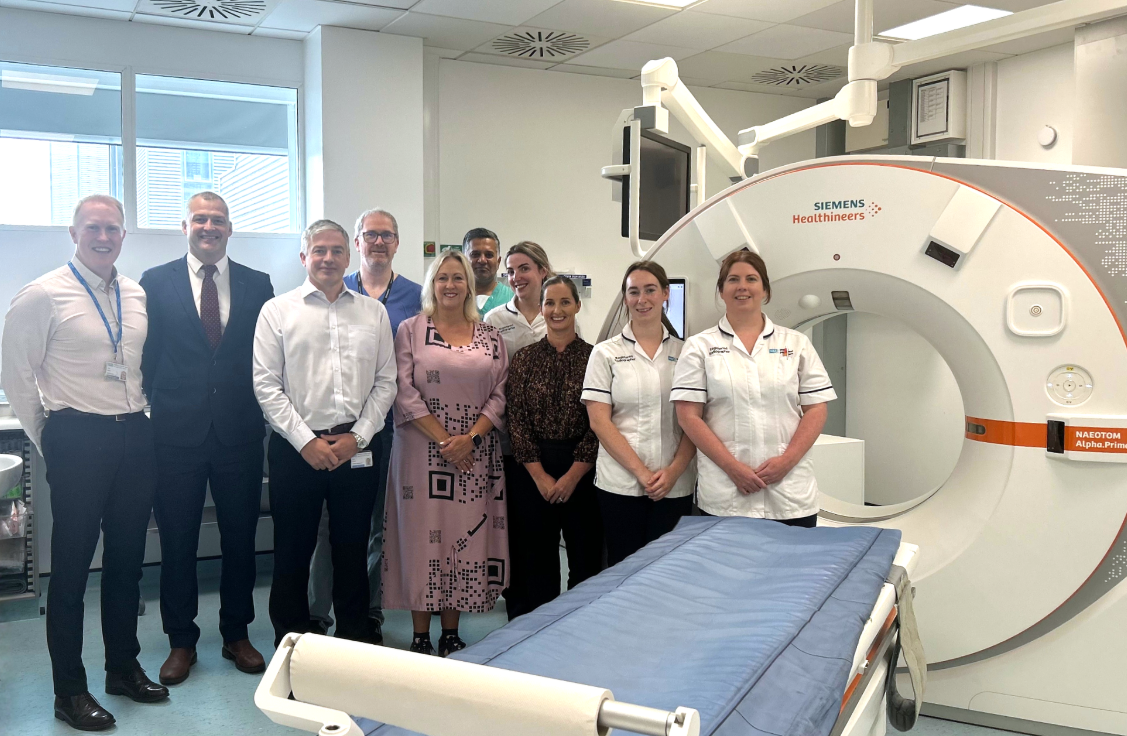
Royal Victoria Hospital Belfast Introduces Photon-Counting CT, Becoming Ireland's First Hospital to Adopt the Technology
Royal Victoria Hospital Belfast recently introduced the Siemens Healthineers NAEOTOM Alpha.Prime photon-counting CT scanner, becoming the first hospital in Ireland to adopt this next-generation CT imaging technology. The hospital is part of the Belfast Health and Social Care Trust, and this installation is part of a long-term value partnership between the hospital and Siemens Healthineers. According to reports, the NAEOTOM Alpha.Prime photon-counting CT delivers ultra-high-resolution images and spectral data at lower radiation doses. Its 0.2 mm slice thickness helps clinicians visualize small blood vessels, fine anatomical structures, and early pathological changes, enabling more diagnostic information to be obtained in a single scan...
2026-09-03
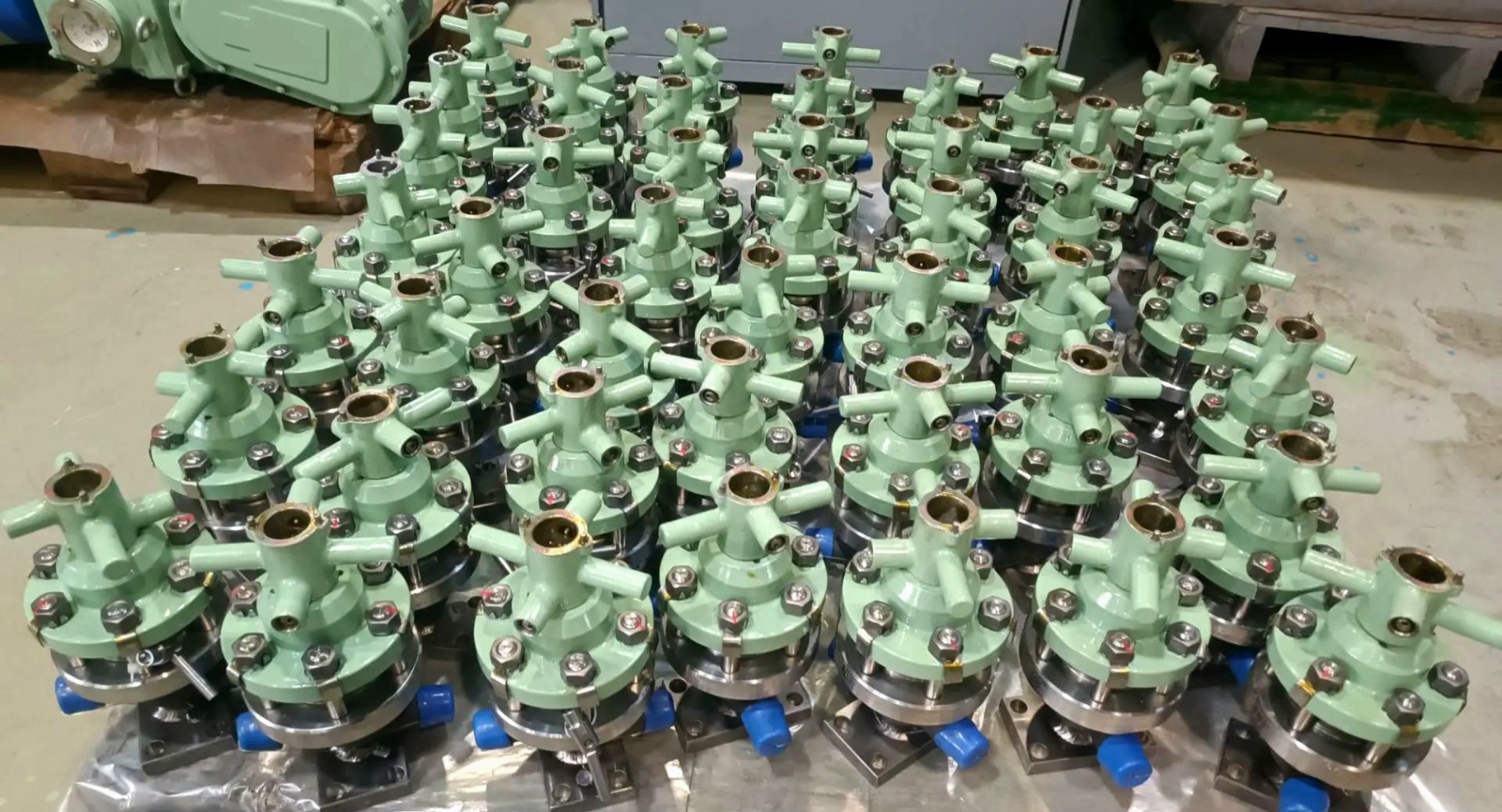
Russian Energopotok Plant Delivers 241 Units of Equipment to Multiple Nuclear Power Plants in August
The Energopotok plant, located in the Sarov Advanced Development Territory (ADT) in Russia, continues to supply equipment to nuclear power projects in Russia and abroad. In August, the company delivered a total of 241 units of equipment to the Akkuyu Nuclear Power Plant, the El-Dabaa Nuclear Power Plant, and the Kursk Nuclear Power Plant. The delivered products include globe valves, bellows-sealed valves, throttling control devices, gate valves, check valves, and non-return valves, primarily used in systems of Russian-designed nuclear power plants. Energopotok has expanded its production footprint to the Sarov ADT, where it is advancing an investment project focused on manufacturing globe valves for Russian-designed nuclear power plants. The Sarov ADT...
2026-09-03
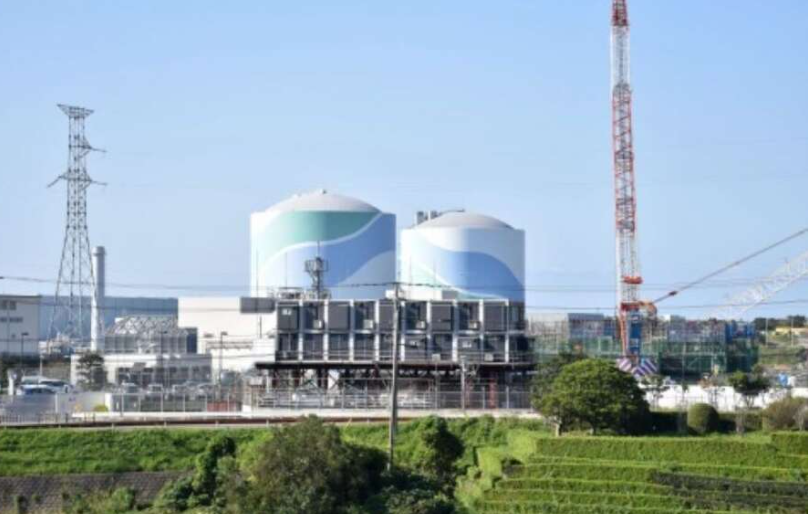
New Fuel Delivery Completed at Japan's Sendai Nuclear Power Plant
Kyushu Electric Power Co. announced on September 2 that new fuel required for Units 1 and 2 of Japan's Sendai Nuclear Power Plant has been delivered. The transport operation began on August 30, 2026, and concluded on September 2. According to information released by Kyushu Electric Power, the new fuel delivered this time was manufactured by Nuclear Fuel Industries, Ltd. Specifically, Unit 1 of the Sendai Nuclear Power Plant received 24 new fuel assemblies transported in 12 shipping containers, while Unit 2 received 28 new fuel assemblies transported in 14 shipping containers. The new fuel transport was carried out using a combination of land and sea routes. Kyushu Electric Power stated...
2026-09-03
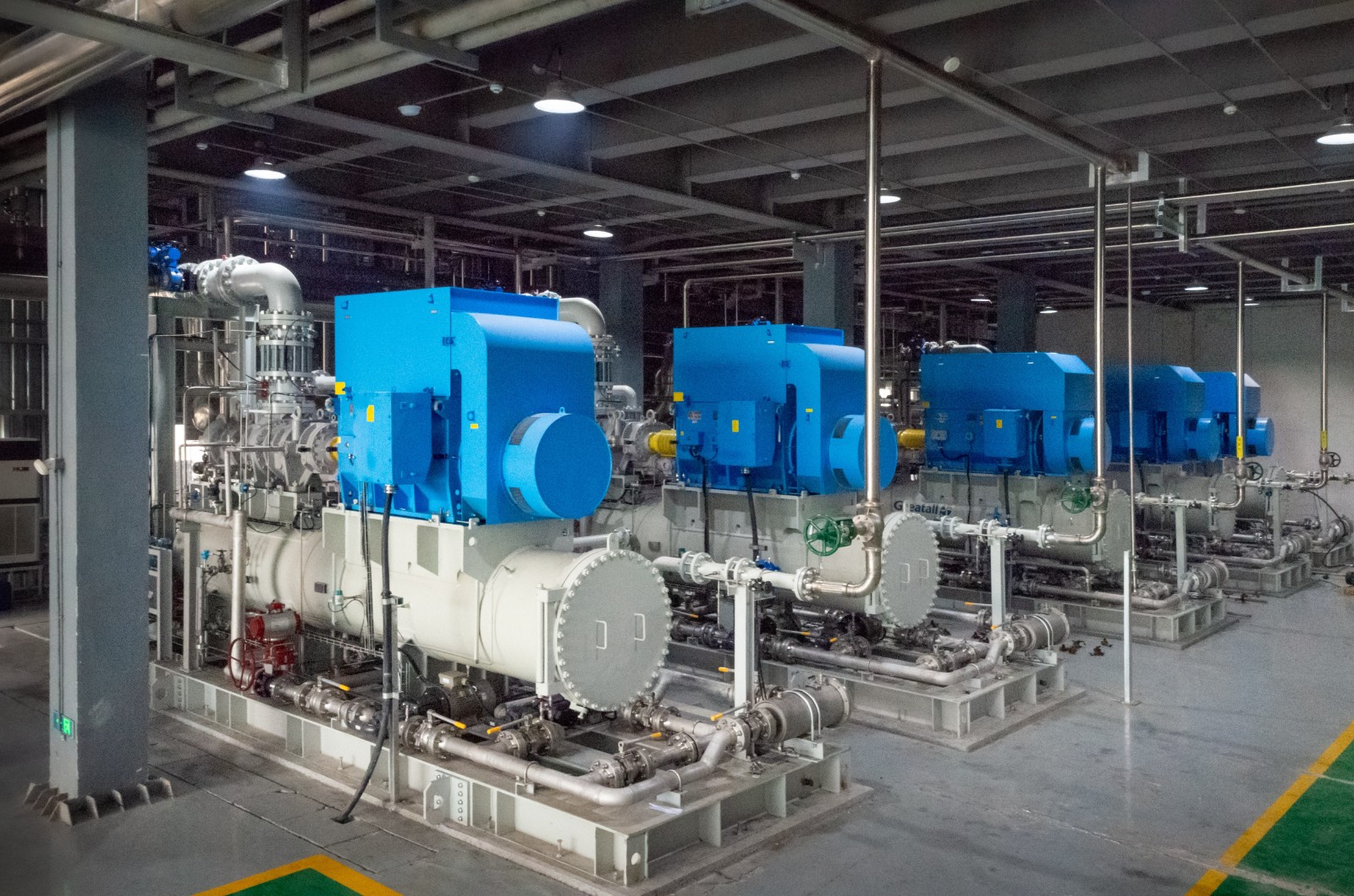
Commissioning of the CRAFT Cryogenic System 6 kW@4.5 K Helium Refrigerator Successfully Completed
Recently, significant progress has been made in the construction of the helium refrigeration system on the CRAFT magnet platform. The on-site commissioning and performance testing of the main body of the CRAFT cryogenic system 6 kW@4.5 K helium refrigerator have been successfully completed, with all indicators meeting the design acceptance requirements. The commissioning work focused on systematic verification of the cold box refrigeration performance, liquefaction capacity, control system, safety interlocks, and the operating status of key cryogenic equipment. During the acceptance tests, the helium refrigerator completed 12 hours of continuous stable operation under design conditions, achieving a refrigeration capacity of 6 kW@4.5 K + 50 K@GHe. In addition to design conditions, the project team also conducted performance tests under helium liquefaction conditions, with relevant temperature, pressure,...
2026-09-03

CERN removes first giant beam absorbers from LHC, making room for High-Luminosity Large Hadron Collider upgrade
CERN recently completed a complex transport operation, moving the first two giant components from the Large Hadron Collider (LHC) tunnel to the surface, making room for the operation and upgrade of the future High-Luminosity Large Hadron Collider (HiLumi LHC). The equipment removed this time consists of two beam absorbers, also known as TAN absorbers. Each absorber is about 5 meters long and weighs about 30 tons, made of iron, copper, and marble, primarily used to protect accelerator magnets from damage caused by neutral particles generated along the beam direction during collisions. A relevant official stated that this type of equipment is among the heaviest and largest devices that need to be removed from the LHC during this shutdown period...
2026-09-03

China's largest single-building oncology nuclear medicine center to be completed and put into operation in Luzhou, Sichuan
On September 2, the "Myriad Weather in Sichuan · Starting Strong for the '15th Five-Year Plan'" Luzhou special press conference was held in Chengdu. The conference disclosed that China's largest single-building oncology nuclear medicine center is about to be completed and put into operation in Luzhou, Sichuan. Construction site of the Oncology Nuclear Medicine Center of the Affiliated Hospital of Southwest Medical University. The center is a key project of Sichuan Province's regional medical centers. The project has a total investment of 310 million yuan, covers an area of approximately 15,000 square meters, and plans more than 160 beds. It will integrate functions including nuclear medicine molecular imaging, nuclear drug R&D and preparation, radionuclide therapy, tumor radiotherapy, and specialized oncology diagnosis and treatment, and will be built into...
2026-09-03
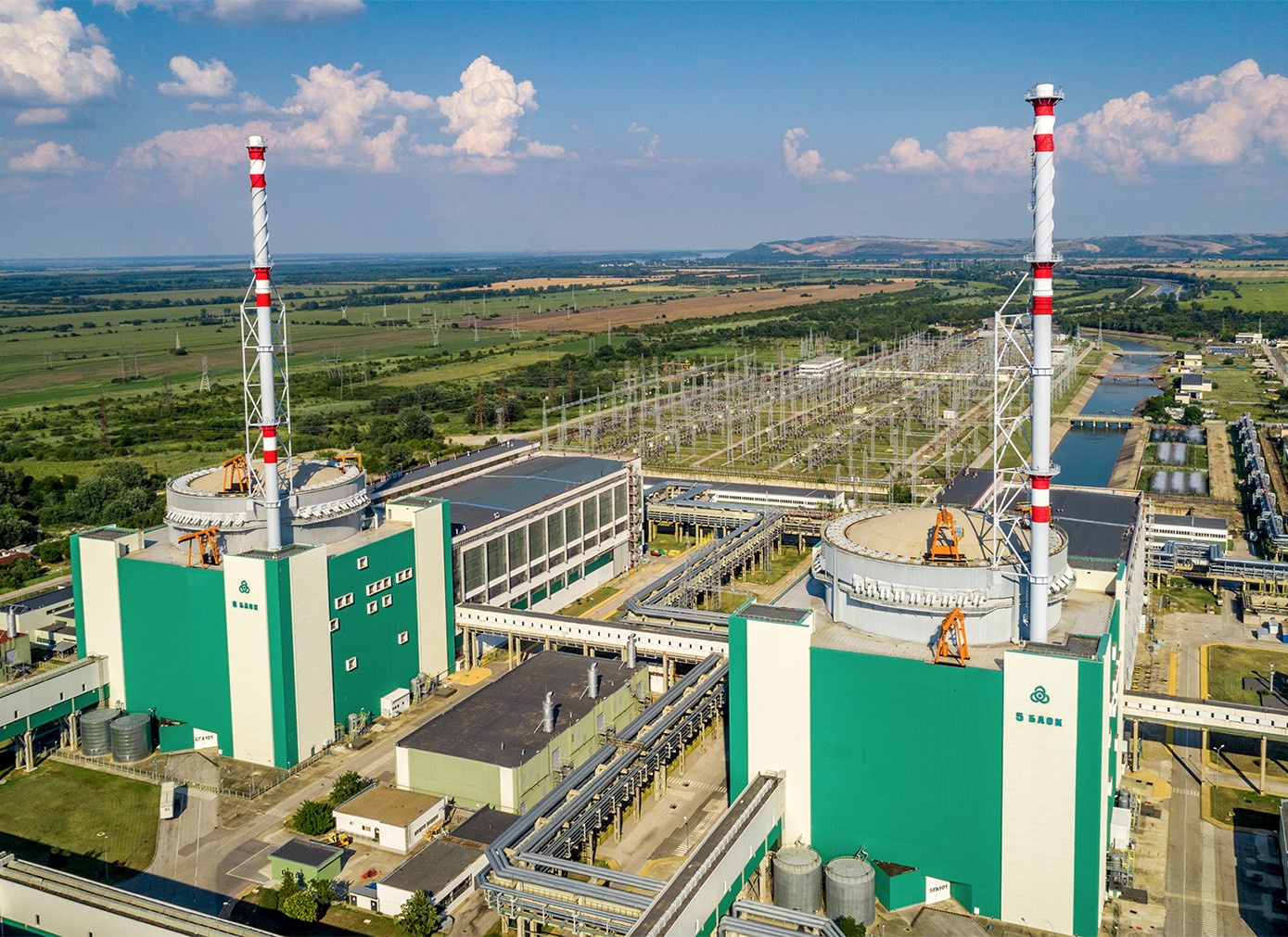
Bulgarian Energy Minister Calls for Coordinated Response to Low Danube Water Levels
Bulgarian Energy Minister Eva Petrova stated at a meeting of the National Assembly's Energy Committee in Sofia on September 2 that persistently low water levels in the Danube River have impacted the operation of nuclear power plants along its banks. While countries have taken individual response measures, there remains a need to strengthen coordination at the regional level. Petrova said the Danube is currently at extremely low water levels, leading to reduced electricity generation at nuclear power plants along the river, including Bulgaria's Kozloduy Nuclear Power Plant. She noted that relevant forecasts indicate such severe conditions may become more frequent in the future. She explained that the Kozloduy Nuclear Power Plant has...
2026-09-03
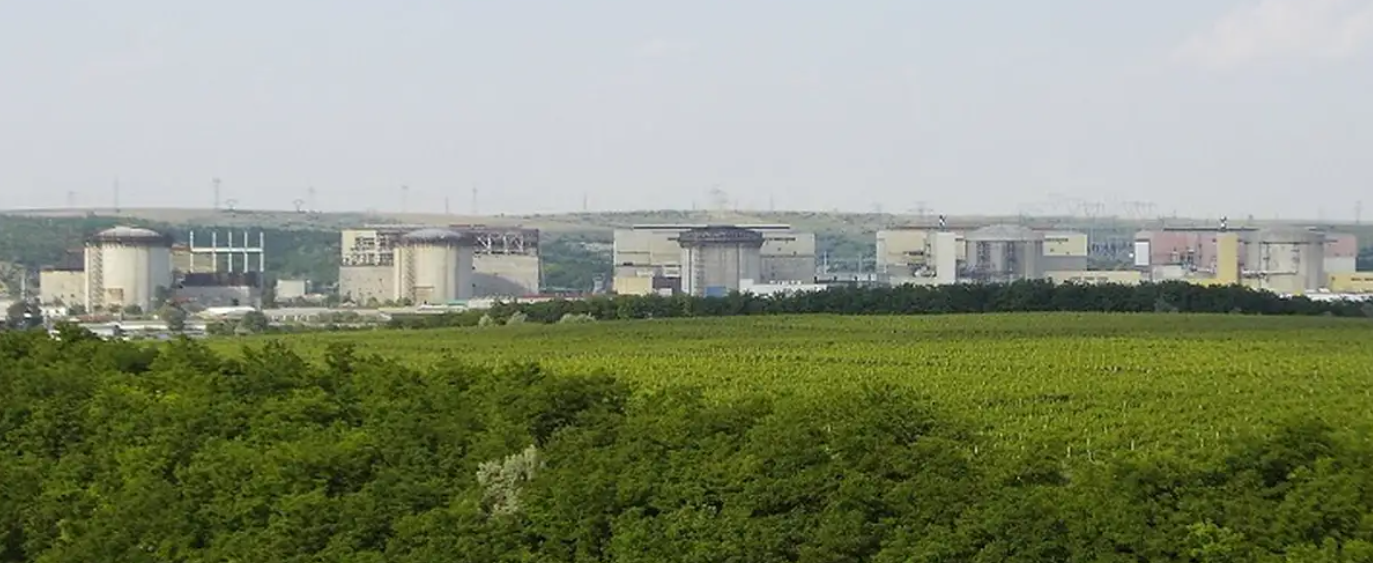
Romania's Cernavodă Nuclear Power Plant unlikely to restart before September 10
Romania's Cernavodă Nuclear Power Plant is expected to be unable to resume operations before September 10. Cristian Bușoi, State Secretary of the Romanian Ministry of Energy, stated that although the Danube River flow is recovering, water levels around the plant have not yet reached the conditions required for a safe and stable restart. In a recent interview, Bușoi said that to avoid creating unrealistic expectations, it can currently be confirmed that the Cernavodă Nuclear Power Plant does not yet meet the conditions for restart before September 10. He explained that the plant's operation depends on a stable water source to ensure the reactor...
2026-09-03

IAEA Launches Research Project on Edible Insects and Novel Food Safety
As demand for alternative protein sources grows, the International Atomic Energy Agency recently launched a five-year coordinated research project focusing on potential safety risks associated with the production, processing, and consumption of edible insects and other novel foods, while promoting the application of nuclear, isotopic, and related analytical techniques in food safety testing. Edible insects are gaining increasing attention. Data show that more than 2,000 species of edible insects are known globally, with approximately 2 billion people regularly consuming insects; at least 113 countries currently consume one or more insect species. In Africa, Asia, the Pacific region, and Latin America, insects have long been part of the diet for certain populations. As...
2026-09-03
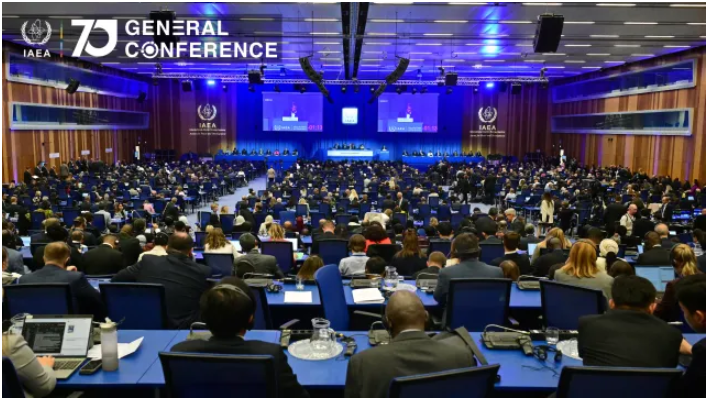
IAEA 70th General Conference to Host Technical Cooperation Side Events Focusing on Radiotherapy Financing and African Nuclear Workforce Development
The 70th Regular Session of the International Atomic Energy Agency General Conference will be held from September 14 to 18, 2026, at the Vienna International Centre in Austria. During the session, delegates and technical experts from various countries will discuss the Agency's ongoing work and topics related to nuclear science and technology. The 70th Regular Session of the IAEA General Conference will take place from September 14 to 18, 2026, at the Vienna International Centre. (IAEA) As part of the arrangements related to the General Conference, the IAEA Department of Technical Cooperation will host two side events during the conference week, highlighting its technical cooperation support to Member States. One event will focus on financing for the expansion of radiotherapy services, while the other will...
2026-09-03
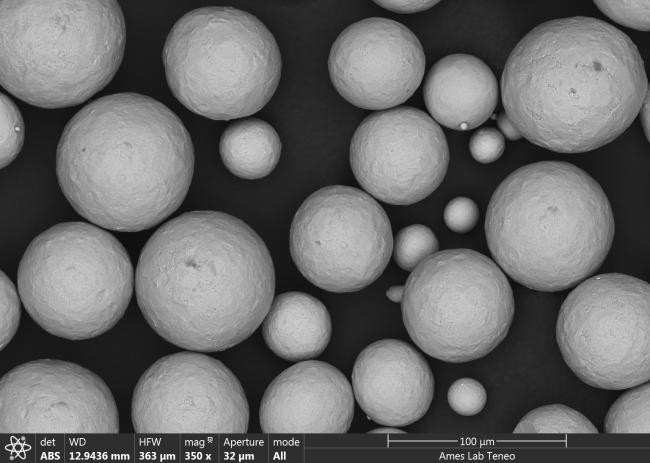
U.S. Develops Refractory Metal Powder Atomization System to Support Fusion Energy Materials Research
U.S. researchers are developing a new refractory metal powder atomization system to produce high-temperature alloy powders for extreme-environment applications. The system will support new materials research in areas such as gas turbines, aerospace equipment, and fusion energy systems. Jordan Tiarks, a scientist at Ames National Laboratory, stated that the laboratory has long been engaged in specialty powder production research, and the new system will expand its materials processing capabilities to higher temperature ranges and more challenging material systems. The research team noted that metal powders are a critical foundation for advanced manufacturing technologies such as powder metallurgy and additive manufacturing...
2026-09-03

U.S. PACMAN AI Framework Achieves Millisecond-Level Control of Fusion Plasma
The PACMAN AI framework, developed by researchers at the U.S. Department of Energy's Princeton Plasma Physics Laboratory (PPPL) and Princeton University, has completed five experimental validations in real fusion experimental systems. The framework can complete data processing, state prediction, and control command output in approximately 20 milliseconds, addressing rapidly developing instabilities in fusion plasma. This is an artist's rendition of the PACMAN AI framework for fusion systems. (Illustration credit: Kyle Palmer / PPPL Communications Department) PACMAN stands for Prediction and Control via Machine Learning. Related design and preliminary experimental results have been published in...
2026-09-03
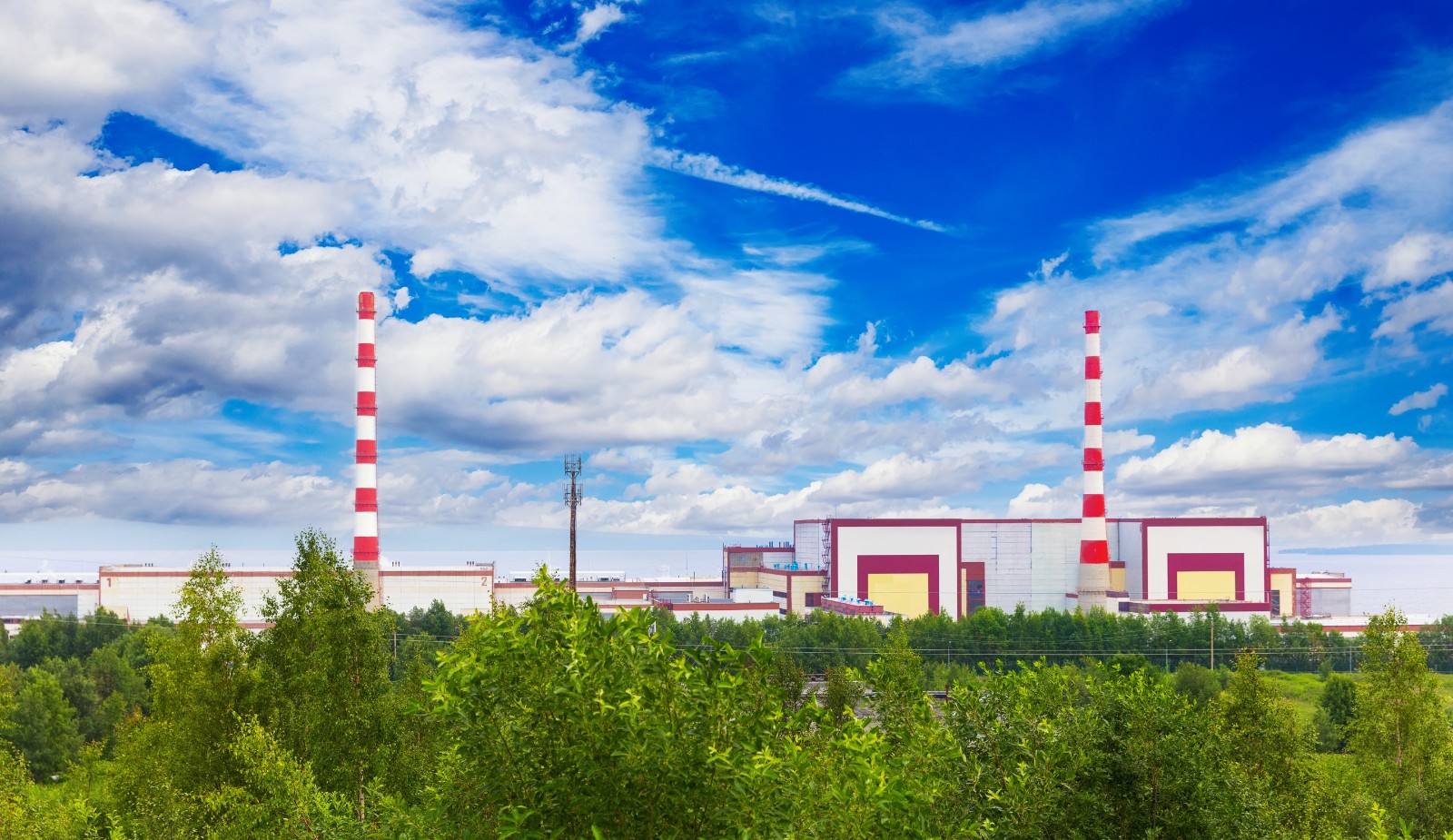
Russia's Kola NPP Launches Construction of Nuclear-Powered Hydrogen Production Pilot Complex
Kola NPP, a subsidiary of Rosatom, has commenced construction of a hydrogen production pilot test complex within its site, with the project scheduled for completion next year. The complex will be used to validate large-scale water electrolysis hydrogen production technology, as well as technical routes related to hydrogen handling, storage, and transportation. A key feature of the project is the use of low-carbon electricity supplied by the nuclear power plant to reduce the dependence of the hydrogen production process on hydrocarbon fuels. According to the design, the pilot test complex will have a hydrogen production capacity of 200 standard cubic meters per hour. The project will be implemented in two phases: the first phase will involve commissioning an electrolysis unit with a capacity of 50 standard cubic meters per hour and constructing hydrogen storage...
2026-09-03

US Realta Fusion and MGE Plan to Jointly Develop 200 MW Fusion Power Plant
Realta Fusion, a company developing magnetic mirror fusion energy technology, announced on September 2 that it has established a strategic partnership with Madison Gas and Electric (MGE) and its parent company MGE Energy, Inc. The two parties will jointly evaluate the feasibility of co-developing a 200 MW electric-class fusion energy power plant in Wisconsin, USA. Under the collaboration arrangement, the first phase includes a direct equity investment by MGE Energy in Realta Fusion. MGE has also agreed to provide equipment, engineering, and technical support to Realta Fusion, as well as assistance in project siting, permitting, grid interconnection, and financing to advance preliminary work for the proposed 200 MW fusion power project.
2026-09-03
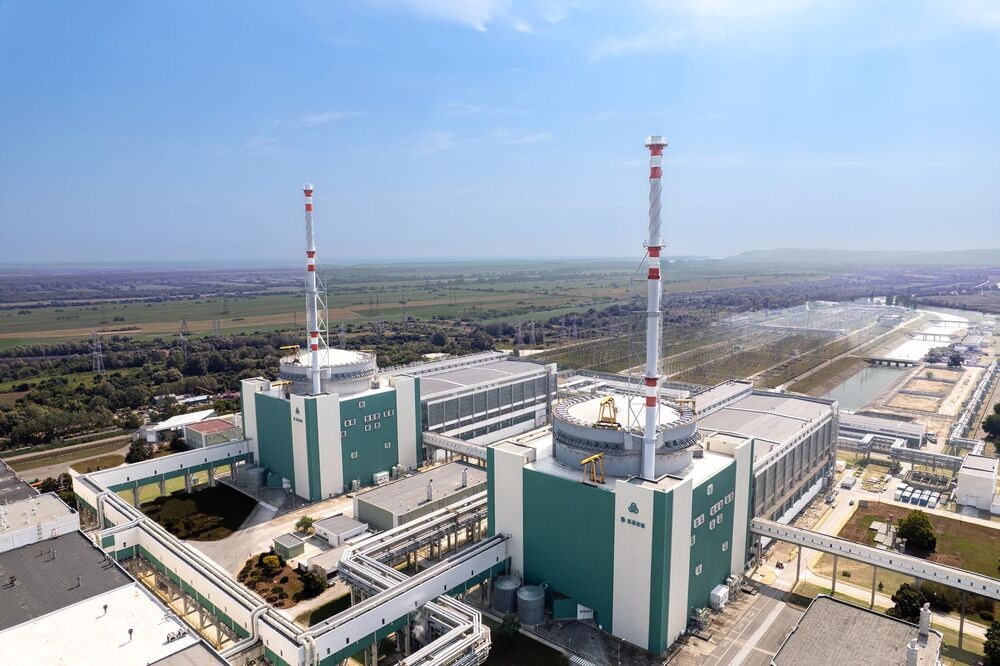
Bulgaria Approves Procurement of Russian-Made Equipment for Kozloduy NPP
Bulgaria's government press office reported on September 2 that the government has issued a special permit to Kozloduy NPP, allowing it to procure equipment and materials from Russia necessary for the continued safe operation of the plant. The Bulgarian government stated that ensuring nuclear safety and accident-free power generation requires regular procurement of spare parts from the designers, engineers, and manufacturers of the plant's equipment. Since most systems and equipment at Kozloduy NPP originate from Russia, multiple contracts concerning the supply of equipment needed for the reliable and safe operation of Units 5 and 6 have been or are about to be signed with Russian suppliers. The government also authorized Bulgaria's National Electric Company to...
2026-09-03