
Search Results
Keyword:El
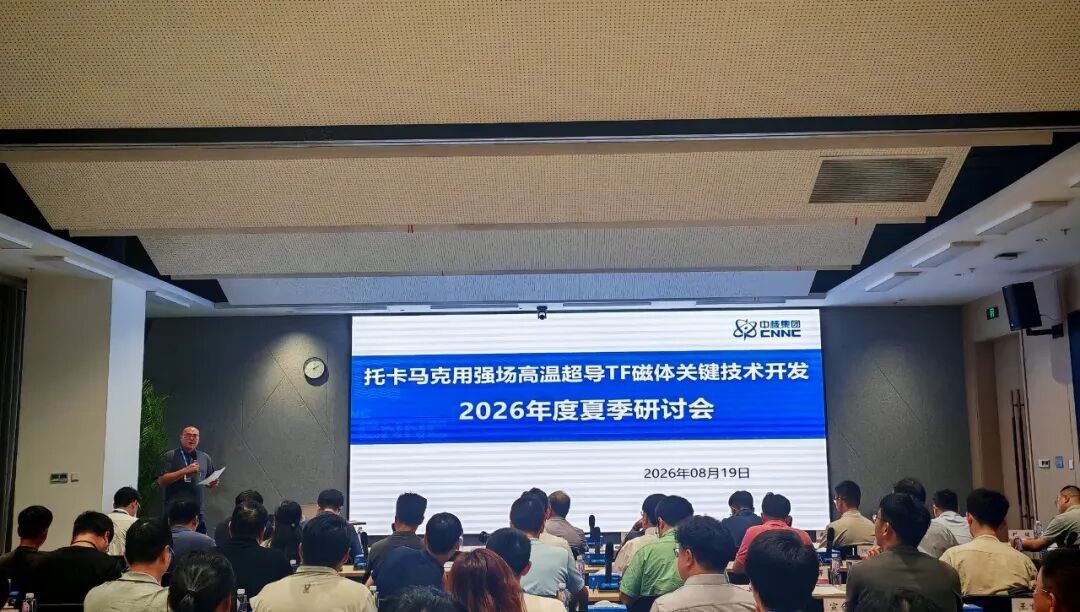
Summer Technical Symposium on High-Temperature Superconducting High-Field Magnets Successfully Held in Shanghai
On August 19, the Summer Technical Symposium on High-Temperature Superconducting High-Field Magnets was successfully held at the China Fusion Shanghai Headquarters. Yu Xuefeng, Deputy Secretary of the Party Committee and Deputy General Manager of China Fusion, and Xue Lei, Deputy Director of the Fusion Engineering Design Institute, attended the meeting. Xue Lei delivered an address on behalf of the Fusion Engineering Design Institute, extending a warm welcome to the experts present for their guidance. The symposium was moderated by Hu Xinbo, Director of the High-Temperature Superconducting Magnet R&D Department of the Fusion Engineering Design Institute. The symposium invited research institutions including the Technical Institute of Physics and Chemistry of the Chinese Academy of Sciences, Shanghai Advanced Research Institute of the Chinese Academy of Sciences, High Magnetic Field Science Center of the Hefei Institutes of Physical Science of the Chinese Academy of Sciences, Zhongshan Advanced Cryogenic Technology Research Institute, and Southwestern Institute of Physics of the Nuclear Industry, as well as universities...
2026-08-20
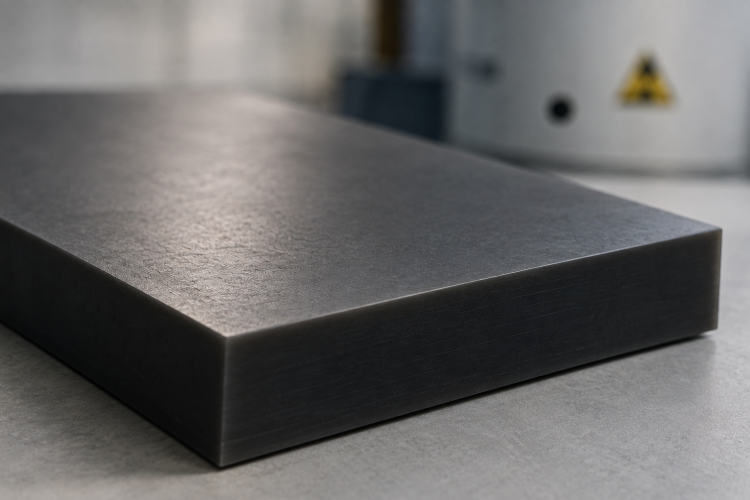
Russian enterprise develops borated polyethylene material for neutron radiation protection
A neutron radiation protection material developed by Russian company NPO Gelar has obtained relevant certification. The material, named Polikeramoplast-PB, is a borated polyethylene that resembles ordinary gray or black plastic sheets in appearance, but its protective performance derives from the combination of hydrogen and boron. According to reports, the hydrogen in the material effectively moderates fast neutrons, reducing the likelihood of subsequent secondary reactions, while the boron helps absorb moderated neutrons. In contrast, traditional heavy metal materials used for gamma-ray shielding are not suitable for standalone neutron protection, as heavy atomic nuclei have limited attenuation effects on neutrons. The material can be used in radiation therapy room protection systems and combined with lead...
2026-08-19

General Fusion Announces Business Update: LM26 Plasma Heated to Approximately 0.72 keV
General Fusion released a business update on August 18, disclosing its latest progress in fusion energy technology validation, commercial partnerships, and financing arrangements. The company went public on Nasdaq in July 2026 under the ticker symbol GFUZ. General Fusion stated that it entered the public market with approximately $150 million in cash following the completion of its business combination with Spring Valley Acquisition Corp. III. The funds include net transaction proceeds from private placement and trust capital, and are planned to support the Lawson Machine 26 (LM26) project and drive the completion of multiple...
2026-08-19

US Oak Ridge National Laboratory Advances Radioisotope Nuclear Battery Development
On August 17, 2026, the US Department of Energy's Oak Ridge National Laboratory stated that its nuclear battery program is advancing the development of radioisotope power systems to meet the demand for stable, long-life power sources in deep space exploration, long-term power supply in remote areas, and national security-related scenarios. NASA's Perseverance Mars rover poses with several of the 10 sample tubes it placed in a sample depot it established in a region of Jezero Crater called "Three Forks." The rover's radioisotope thermoelectric generator is powered by a nuclear battery. Image credit: NASA/JPL-Caltech/MSSS. Nuclear batteries generate electricity from the energy released by the decay of radioisotopes, making them suitable for environments such as the seafloor, remote deserts, and extraterrestrial surfaces where maintenance is difficult and continuous power supply is needed for years or even decades.
2026-08-19
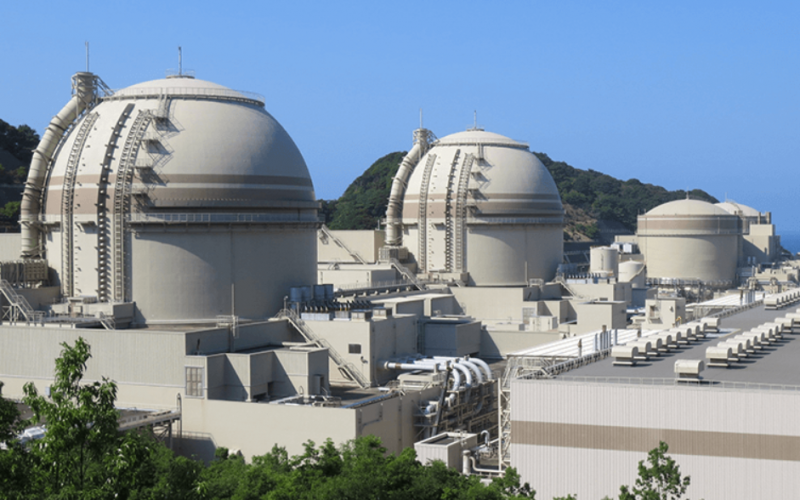
Investigation into Automatic Shutdown of Unit 3 at Japan's Ohi Nuclear Power Plant: Damage Found in Exciter Rotating Rectifier
Kansai Electric Power reported on August 19 that Unit 3 of the Ohi Nuclear Power Plant experienced an automatic generator trip triggered by a generator loss-of-field alarm at 23:56 on August 8, followed by an automatic reactor shutdown. At the time of the event, the unit was operating stably at rated thermal power. The company stated that the event caused no radiological impact on the environment. The loss-of-field alarm is used to indicate an abnormal state in the magnetic field generated inside the generator. Following the incident, Kansai Electric conducted on-site inspections of equipment related to generator magnetic field establishment, including the generator, exciter, and automatic voltage regulator (AVR). Among these, the exciter is used to establish the magnetic field for the generator...
2026-08-19

Thea Energy Completes Series B Extension to Advance Stellarator Fusion Plant Deployment
Thea Energy, Inc. announced on August 18 that it has completed an extension of its Series B financing round, with new investors including Brevan Howard Macro Venture, Aloniq, ALJ Investments, Beyond Earth Ventures, and other global strategic investors. The company stated that the new funds will be used to advance the engineering and commercial deployment of its stellarator fusion technology. Thea Energy had previously announced the completion of a $100 million Series B round, led by the U.S. Innovative Technology Fund (USIT) under Thomas Tull. The funds are primarily intended to expand magnet manufacturing capacity and build a second facility in northern New Jersey.
2026-08-19

Urenco USA Breaks Ground on National Enrichment Facility Expansion, Plans to Add 2.1 Million SWU Capacity
On August 18, local time, Urenco USA held a groundbreaking ceremony in Eunice, New Mexico, United States, to launch the future expansion of its commercial uranium enrichment facility. U.S. Secretary of Energy Chris Wright, Urenco Group Chief Executive Officer Boris Schucht, and company management attended the ceremony. Urenco USA is the only commercial-scale uranium enrichment producer in the United States, operating the National Enrichment Facility (NEF). The company announced in June this year that it would increase the facility's capacity by nearly 50%. This expansion is part of a multi-billion-dollar investment, with plans to build a new...
2026-08-19
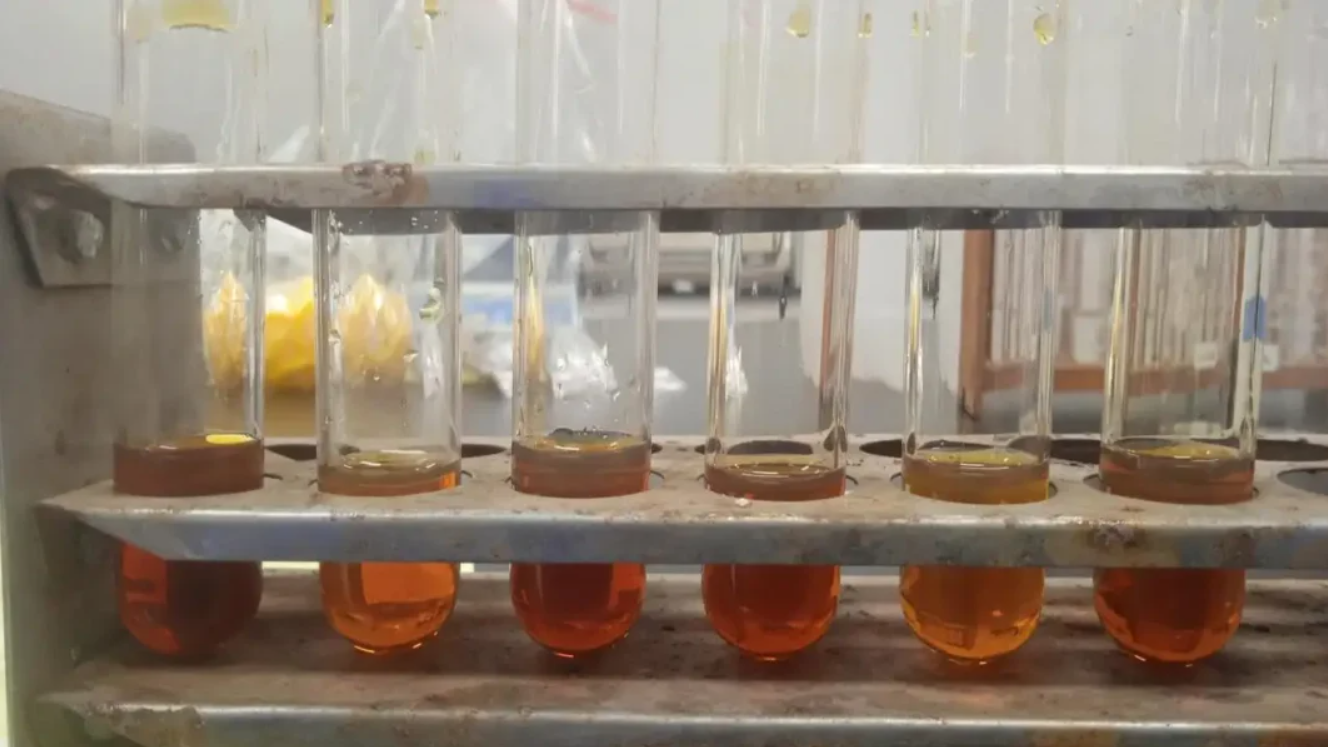
Indonesia Develops Cobalt-60 Gamma Irradiation Technology to Boost Biodiesel Production from Waste Cooking Oil
The Indonesian Nuclear Technology Polytechnic, under the National Research and Innovation Agency (BRIN), has recently successfully developed cobalt-60 (Co-60) gamma irradiation technology and applied it to increase biodiesel production from waste cooking oil. The study aims to explore more efficient pathways for renewable energy production while providing a new solution for the resource utilization of waste cooking oil. Dita Ariyanti, a lecturer at the Indonesian Nuclear Technology Polytechnic, stated that with continued growth in energy consumption and declining fossil fuel reserves, the need to develop alternative energy sources is becoming increasingly urgent. For Indonesia, rising energy demand and dependence on fossil fuels also pose challenges to greenhouse gas emission reduction. Waste cooking oil was previously mostly treated as household waste, and improper disposal could pollute the environment; converting it into biodiesel can reduce waste while obtaining renewable energy.
2026-08-19
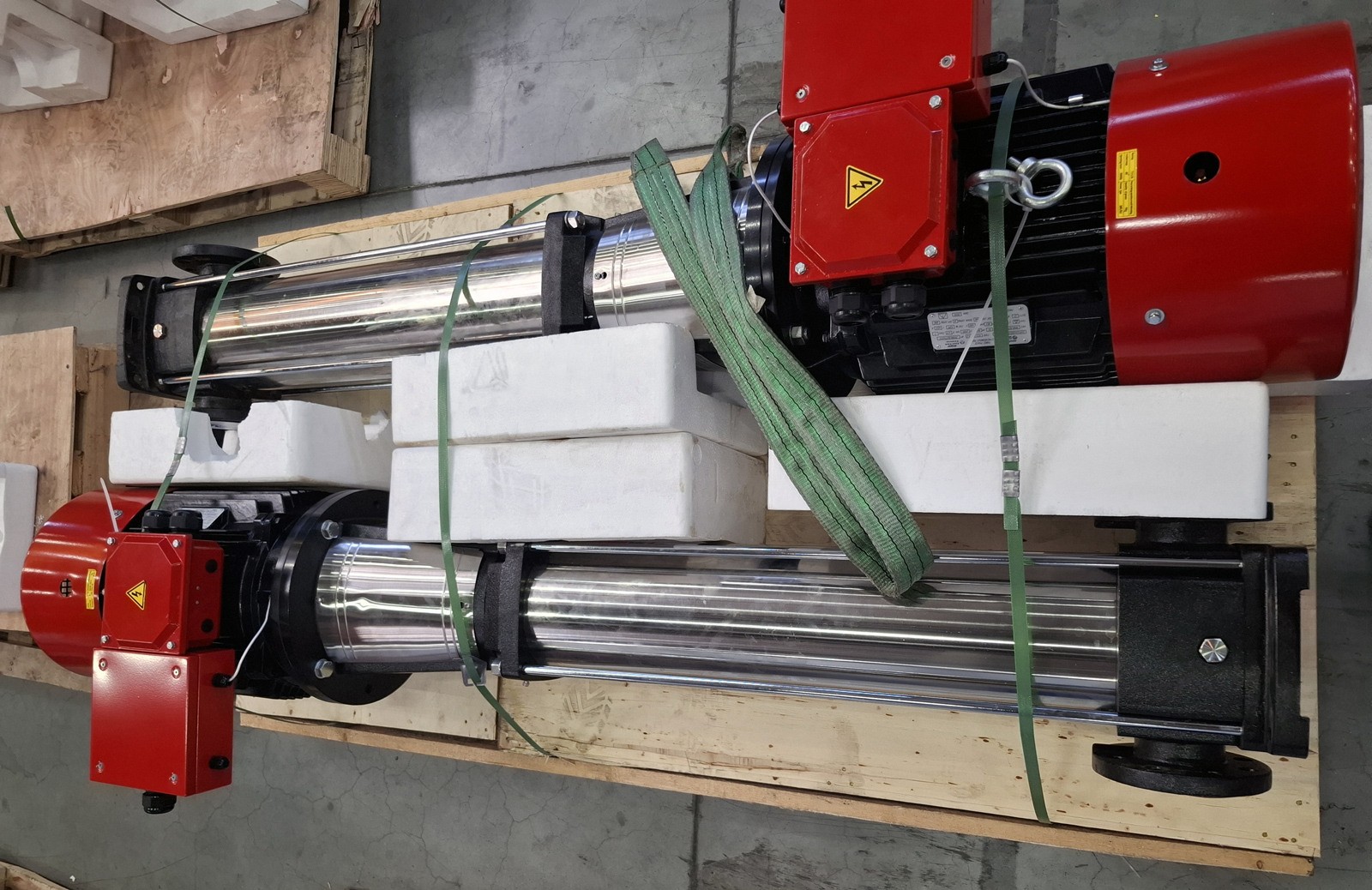
Acceptance Inspection Completed for Auxiliary Pump Equipment at Egypt's El Dabaa Nuclear Power Plant
A milestone in equipment quality control has been achieved at the construction project of the El Dabaa Nuclear Power Plant, Egypt's first nuclear power station. Recently, SpetsAtomResurs LLC, a Russian limited liability company, completed acceptance testing and final acceptance inspection of six auxiliary pump units at its production facility in Moscow, with the relevant equipment having passed pre-delivery quality confirmation. This quality control work was carried out from June 18 to July 21, 2026, fulfilling the supply obligations of SpetsAtomResurs LLC under the agreement concluded with JSC Atomstroyexport, the general contractor for the nuclear power plant construction. The equipment manufacturing and verification work was carried out in accordance with the established quality plan.
2026-08-19
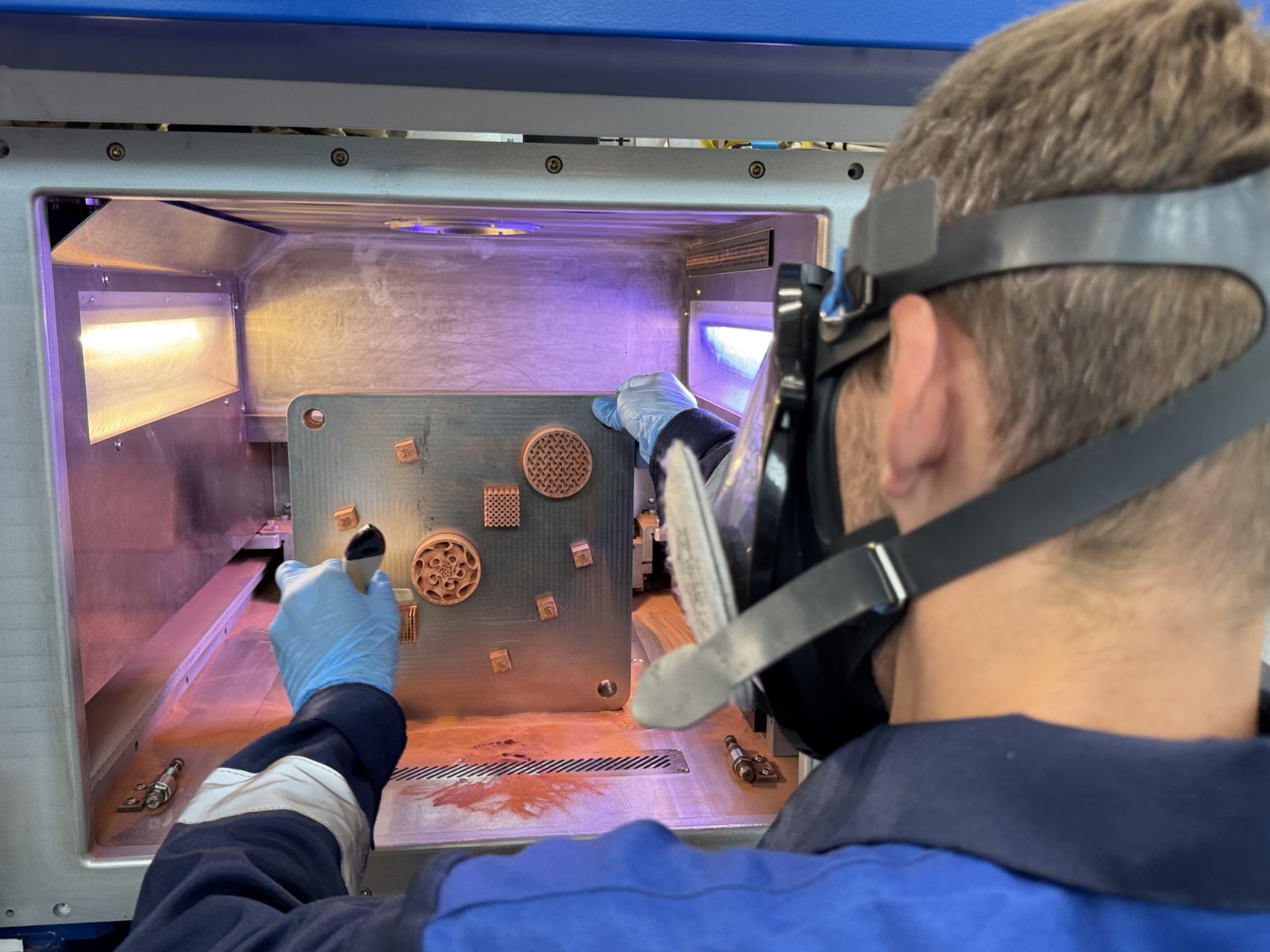
Rosatom masters 3D printing technology for copper and copper alloys
The additive manufacturing technology business division of Rosatom's Fuel Division recently announced that its experts have successfully manufactured products from copper and copper alloys using the RusMelt industrial 3D printer, marking progress in additive manufacturing with copper materials. According to reports, Rosatom had previously used selective laser melting (SLM) technology to produce metal 3D-printed equipment of various sizes, with commonly used materials including stainless steel, heat-resistant materials, and titanium. Due to copper's physical properties such as high thermal conductivity and high electrical conductivity, which also pose technical challenges for laser melting, its application in metal 3D printing has long been limited. The company's additive manufacturing technology center in Moscow...
2026-08-19
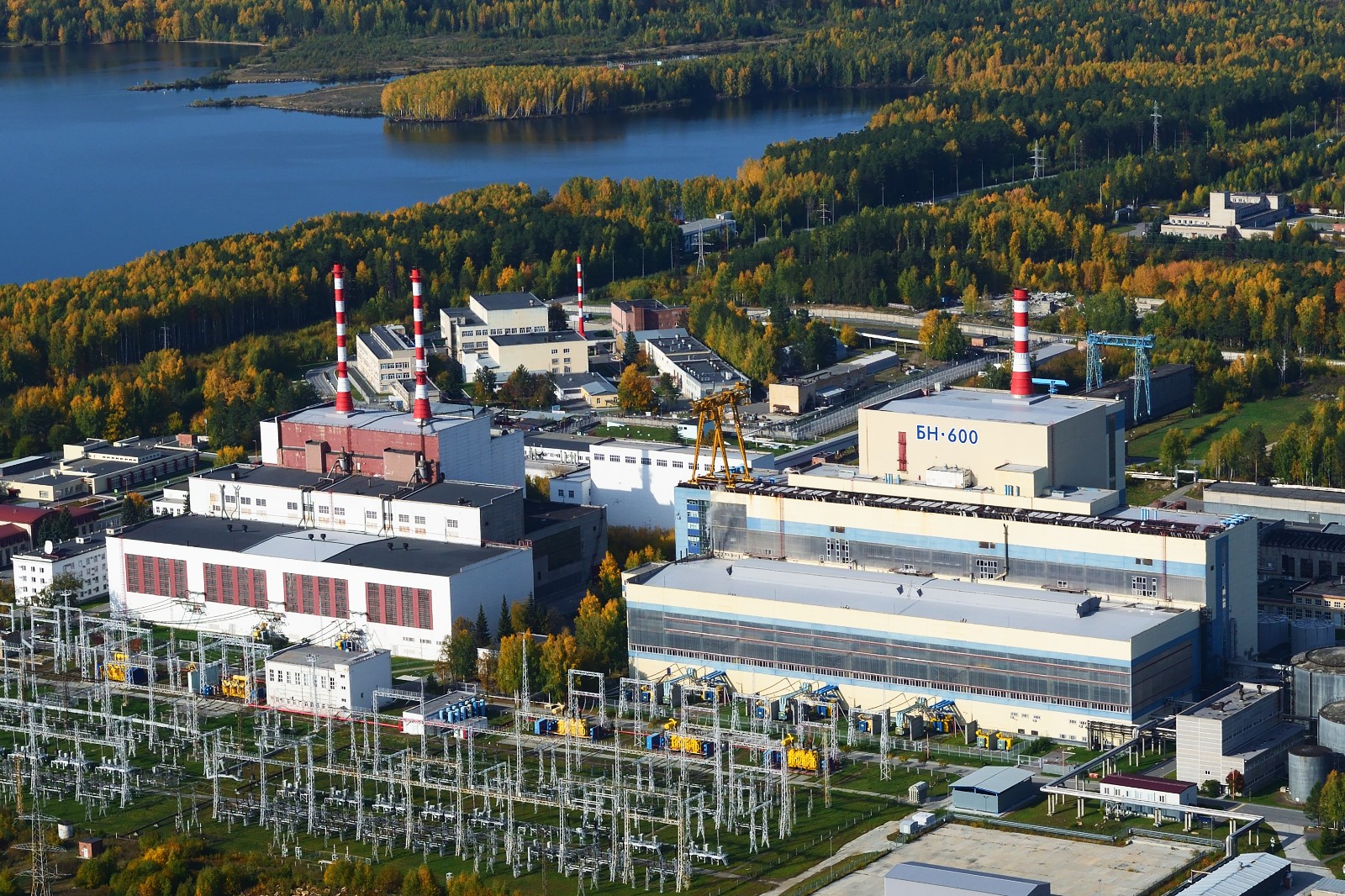
Unit 3 of Beloyarsk NPP begins scheduled maintenance and equipment modernization
Unit 3 of Russia's Beloyarsk NPP entered scheduled preventive maintenance on August 18. This outage maintenance will be used for fuel reloading, equipment maintenance, and preventive repairs, along with partial modernization efforts to maintain reliable unit operation and improve equipment performance. The unit features a BN-600 sodium-cooled fast neutron reactor. During the maintenance period, the plant will carry out major repairs on the BN-600 reactor facility and replace 9 guide tubes in the control and protection system. Such operations are uncommon and are typically performed approximately once every 10 years. According to the maintenance schedule, the plant will also repair the unloading lift device and conduct operational monitoring inspections of the reactor pressure vessel metal...
2026-08-19
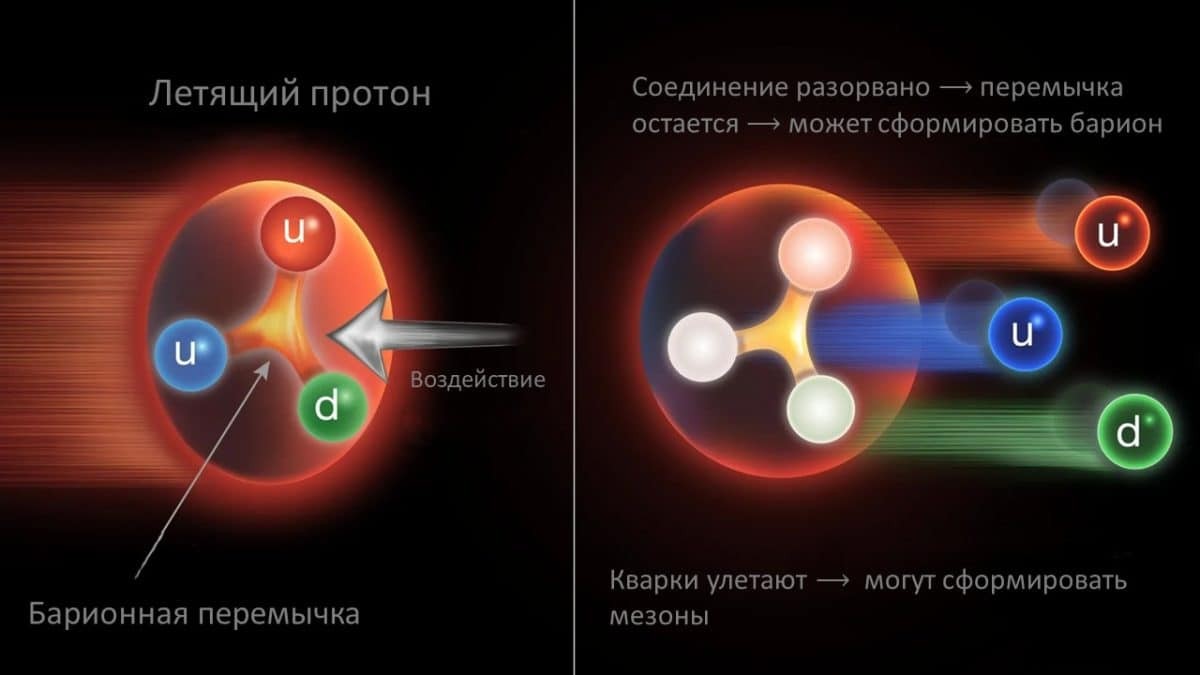
RHIC Collision Data Provides New Evidence for the Existence of the "Baryon Bridge"
August 18 news, an international team of physicists, by analyzing nuclear collision data from the STAR detector at the Relativistic Heavy Ion Collider (RHIC), has presented strong evidence that baryon number may not be carried directly by quarks, but rather transmitted by a baryon bridge formed by gluons inside protons. The related paper has been published in the journal Science. Valerie A. Lentz, Brookhaven National Laboratory Baryons, including protons and neutrons, are generally considered to be composed of three quarks. In the existing understanding, the baryon number is viewed as being uniformly distributed among the three quarks. Meanwhile, gluons also exist inside protons; they are the carriers of the strong interaction. According to the description of quantum chromodynamics, gluons may form a Y-shaped structure known as a "baryon junction" or "gluon bridge" within the proton, but this structure has long lacked direct experimental evidence.
2026-08-19

U.S. Laboratory Advances Nuclear Waste Cleanup Technology R&D with Artificial Intelligence
Researchers in South Carolina, U.S., are leveraging artificial intelligence to develop new tools for tackling complex tasks such as nuclear material disposal, waste management, and environmental cleanup. The relevant projects are being conducted at the Advanced Manufacturing Collaborative (AMC) in Aiken, a facility affiliated with the Savannah River National Laboratory (SRNL), spanning approximately 63,000 square feet, with the project launched on August 7, 2025. The Advanced Manufacturing Collaborative brings together researchers, engineers, students, industry partners, and university teams, with a focus on advancing R&D in artificial intelligence, robotics, additive manufacturing, and advanced materials. Johnny Green, Director of the Savannah River National Laboratory, stated that...
2026-08-19

SHINE Advances Commercial Spent Fuel Recycling Facility Construction
U.S. electricity demand is growing at a rate rarely seen in decades, and nuclear energy is considered one of the key options to meet the incremental demand. Meanwhile, the current open nuclear fuel cycle still treats spent fuel primarily as single-use waste, failing to fully utilize most of the energy potential that remains within it. SHINE Technologies is developing spent fuel recycling technologies and plans to build a facility with spent fuel recycling capabilities. The company stated that multiple collaborations funded by the U.S. Department of Energy's Advanced Research Projects Agency-Energy (ARPA-E) CURIE program are advancing the work from validated laboratory-scale chemical processes toward commercial scale...
2026-08-19

SHINE Joins GE Vernova-Led Project to Modernize Nuclear Fuel Reprocessing Materials Accountability
SHINE Technologies (SHINE) announced on August 18 that it has joined a nuclear fuel reprocessing materials management project led by GE Vernova (GE Vernova), with both parties collaborating on tracking, measurement, and nuclear materials accountability of spent fuel during the reprocessing process. The project is led by GE Vernova's Advanced Research Center and funded by the U.S. Department of Energy's Advanced Research Projects Agency-Energy (ARPA-E), with the goal of introducing artificial intelligence technologies into reprocessing facilities to improve real-time monitoring of spent fuel flow and the efficiency of nuclear materials accounting. As a subcontractor to GE Vernova, SHINE will participate in improving sensor deployment schemes and developing an AI-supported materials tracking system, ensuring that nuclear materials control and accountability requirements are incorporated into the overall design at the early stages of reprocessing facility development.
2026-08-19