
Search Results
Keyword:Japan nuclear power
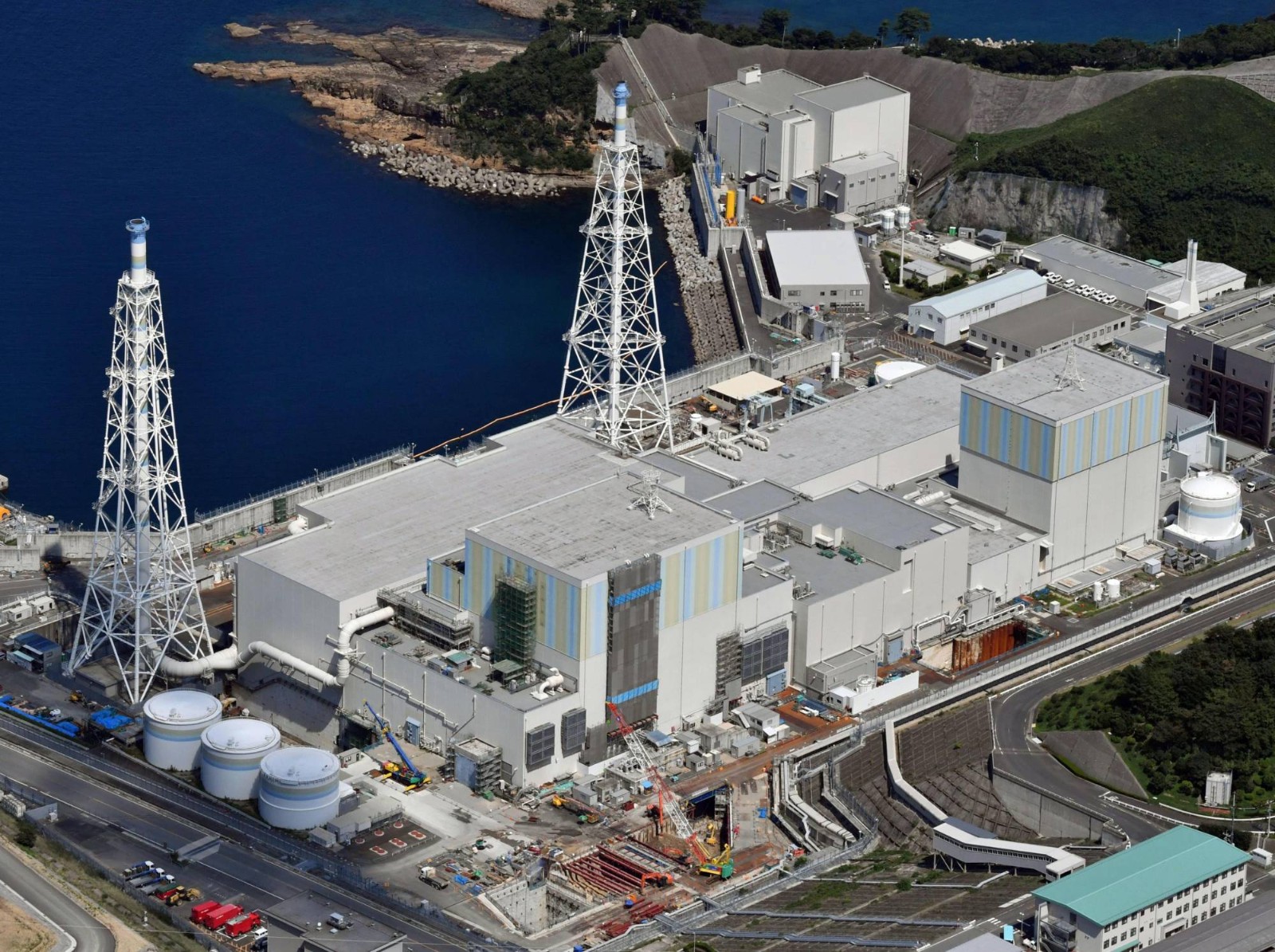
Unit 2 of Japan's Shimane Nuclear Power Plant Completes Periodic Inspection and Resumes Commercial Operation After About 7 Months
The Chugoku Electric Power Company (Japanese: 中国電力株式会社), a large integrated electric power company responsible for supplying electricity to 5 prefectures in the Chugoku region of western Honshu, Japan, announced on September 16 that Unit 2 of the Shimane Nuclear Power Plant has successfully completed the periodic inspection that began in February this year and officially resumed commercial operation on the 16th, returning to power supply after about 7 months. According to Chugoku Electric Power's estimate, in the overall power source mix, nuclear power generation will account for about 15% of the company's total power generation for this fiscal year, and this level of generation is expected to meet about 60% of the electricity demand of the two San'in prefectures. In addition, since Unit 2 of the Shimane Nuclear Power Plant has reached 37 years since it began commercial operation, Chugoku Electric Power also collected, during this periodic inspection, data used as the basis for assessing the "special inspection" required for future extended operation beyond the standard service period (exceeding the 40-year operating limit).
2026-09-17
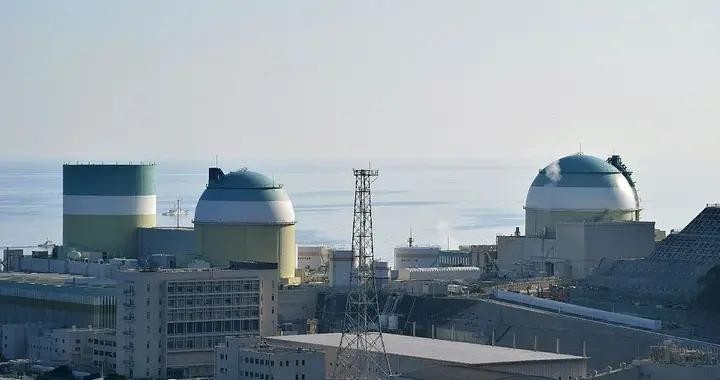
Unit 1 of Japan's Ikata Nuclear Power Plant Enters the Second Phase of Decommissioning
The Ikata Town Assembly formally passed a resolution on September 17, determining that the plan to advance the decommissioning work of Unit 1 to the next phase starting from the next fiscal year is "appropriate." It is understood that Shikoku Electric Power Company has divided the decommissioning work of Unit 1 at the Ikata Nuclear Power Plant into four phased processes to be carried out in an orderly manner. In July of this year, the company obtained official approval from Japan's Nuclear Regulation Authority to commence the second-phase decommissioning plan, which includes the dismantling of equipment surrounding the reactor. According to relevant regulatory and local agreement requirements, the transition of decommissioning work to the second phase must obtain the understanding and consent of the local autonomous body. To this end, the Ikata Town Assembly specifically established a Special Committee on Nuclear Power Generation Countermeasures...
2026-09-17
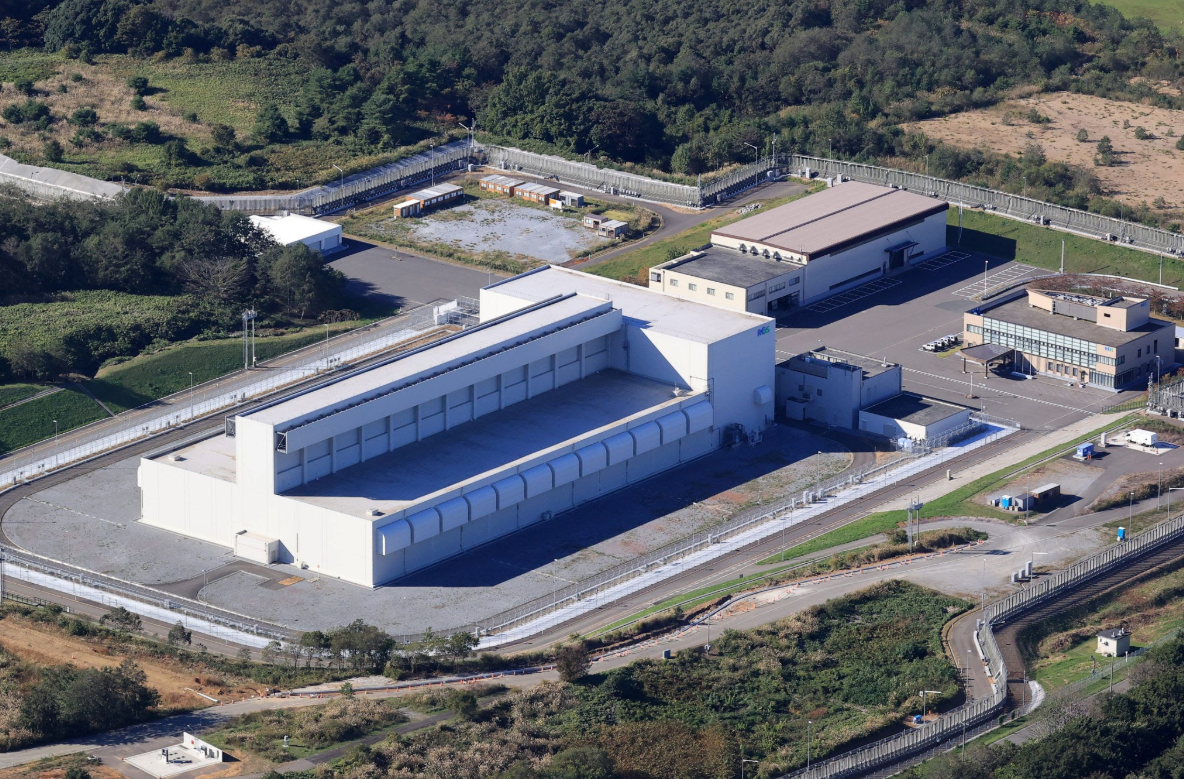
Kansai Electric Power and Tohoku Electric Power Plan to Participate in Spent Fuel Interim Storage Facility in Mutsu, Aomori Prefecture, Japan
Kansai Electric Power Co. and Tohoku Electric Power Co. have expressed their intention to participate in the use of the spent fuel interim storage facility located in Mutsu, Aomori Prefecture, northeastern Japan. Currently, the interim storage facility only accepts spent fuel from nuclear power plants of Tokyo Electric Power Company Holdings (TEPCO) and Japan Atomic Power Co. After the mayor of Mutsu agreed to consider allowing the facility to accept spent fuel from other electric power companies, the situation underwent a major shift. Subsequently, Tokyo Electric Power Company and Japan Atomic Power Co. reached out to the other eight electric power companies in Japan that operate nuclear power plants to solicit their interest in jointly participating in the use of the interim storage facility.
2026-09-16
Fire breaks out at Hamaoka nuclear power plant in Japan
On Tuesday, September 15, Chubu Electric Power Company of Japan stated that a fire broke out that day at the Hamaoka nuclear power plant in Omaezaki City, Shizuoka Prefecture, central Japan, which is currently out of operation. Chubu Electric Power said the fire caused no casualties and had no impact on the safety of the nuclear power plant. At around 10:40 a.m., a worker inspecting the power cut-off and connection control building discovered a small fire in a control cabinet. The worker was inspecting anti-electric shock equipment in the central control room of Unit 3, which had failed to operate properly after installation work. The local fire department confirmed about 30 minutes later that the fire had been completely extinguished.
2026-09-16
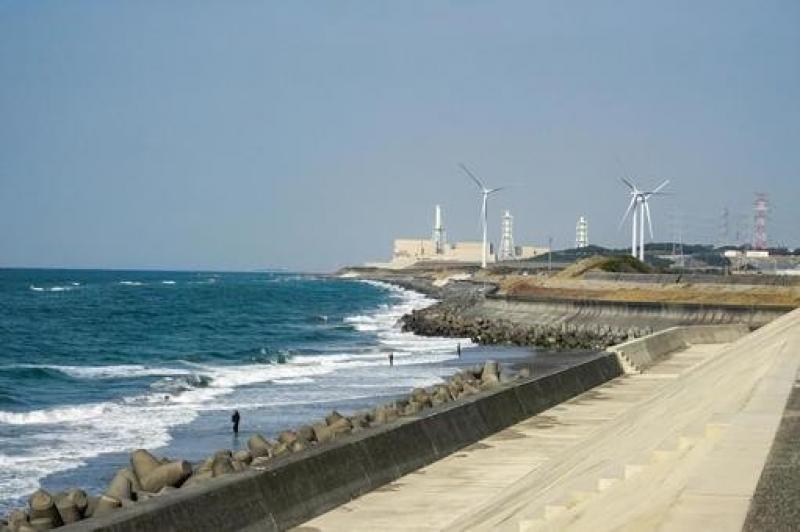
Chubu Electric Power Company withdraws regulatory review application for Hamaoka Nuclear Power Plant reactors
Chubu Electric Power Company said on Monday that it will withdraw its regulatory review application to restart reactors at the Hamaoka Nuclear Power Plant in Shizuoka Prefecture in central Japan. The company also announced the resignation of President Kingo Hayashi and Chairman Satoru Katsuno, who will take responsibility for the company's tampering with seismic data during the restart screening of the plant's Units 3 and 4 reactors.
2026-09-14
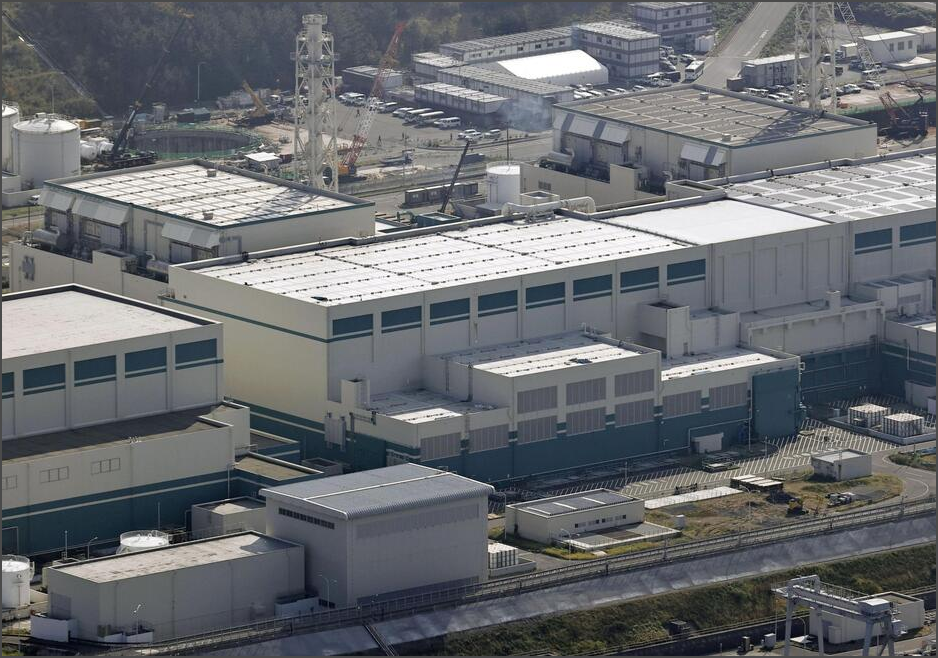
Investigation to Be Conducted into Emergency Diesel Generator Failure at Unit 6 of Japan's Kashiwazaki-Kariwa Nuclear Power Plant
Tokyo Electric Power Company announced that it will investigate the failure of the emergency diesel generator at Unit 6 of the Kashiwazaki-Kariwa Nuclear Power Plant in Niigata Prefecture, Japan. The unit was restarted after 14 years of shutdown and resumed commercial operation in April this year. According to Tokyo Electric Power Company, in July this year, workers discovered that water had mixed into the lubricating oil of the emergency diesel generator at Unit 6. Subsequent inspections confirmed that there was a water leak in the cylinder head, a component of the generator engine. The company therefore determined that the unit currently does not meet the operational safety specification requirements. Tokyo Electric Power Company stated that it plans to complete the relevant repair work by September 19. If the repair cannot be completed by then, the cause of the failure will be further investigated, and measures may include shutting down the reactor for inspection.
2026-09-11
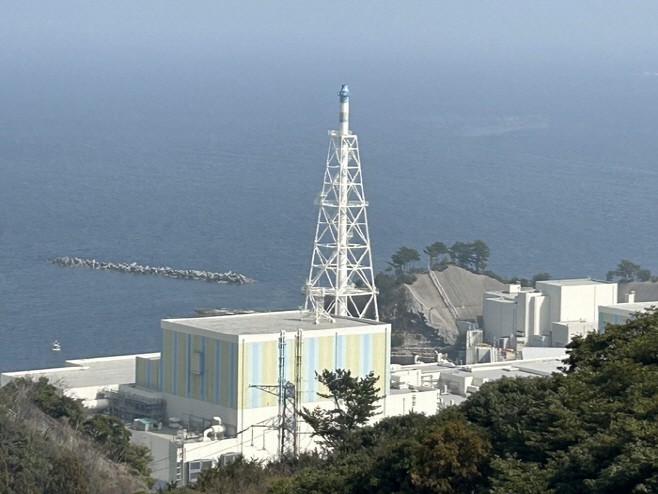
Safety review items for Shimane Nuclear Power Plant Unit 3 confirmed, operation planned for 2030
The Nuclear Regulation Authority (NRA) of Japan conducted a safety review of Shimane Nuclear Power Plant Unit 3 on September 10. This review is a necessary procedure before the unit can be put into operation. Chugoku Electric Power Company of Japan has been constructing Shimane Nuclear Power Plant Unit 3 since 2005 and has been undergoing NRA review since 2018. At the review meeting that day, Chugoku Electric Power Company gave explanations regarding earthquake, tsunami, and severe accident response measures for Unit 3. According to the meeting, all review items were confirmed on September 10. Next, Chugoku Electric Power Company will submit a revised document incorporating the relevant content discussed at previous review meetings. The NRA is expected to prepare a draft review report based on this...
2026-09-11
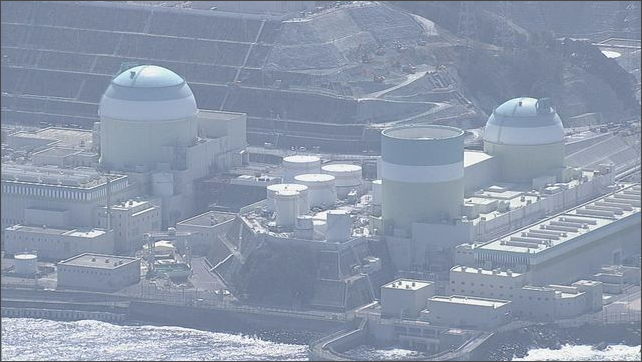
Decommissioning of Unit 1 at Japan's Ikata Nuclear Power Plant Proposed to Move to Phase 2
On the 11th, Ichiro Ogi, Mayor of Yawatahama City in Ehime Prefecture, Japan, reported to the prefectural government that he has agreed to the decommissioning work of Unit 1 at the Ikata Nuclear Power Plant of Shikoku Electric Power Company entering Phase 2. Ichiro Ogi requested that Shikoku Electric Power thoroughly implement relevant measures during the subsequent decommissioning process to prevent the spread of radioactive materials, control the radiation exposure dose of workers, and protect the surrounding environment of the nuclear power plant. Unit 1 at the Ikata Nuclear Power Plant ceased operation in 2016, and since 2017, decommissioning work has been carried out in four phases, with a planned duration of more than 40 years. Currently, the decommissioning work of this unit is still in Phase 1. According to the safety agreement arrangements, Shikoku Electric Power has submitted a prior consultation application to the Ehime Prefectural Government...
2026-09-11
Chubu Electric Power considers withdrawing Hamaoka nuclear plant restart review application
Chubu Electric Power Company (CEPCO) is considering withdrawing its restart review application for Units 3 and 4 of the Hamaoka Nuclear Power Plant. The plant is located in Omaezaki City, Shizuoka Prefecture, Japan, and it was previously revealed that seismic design data related to the restart review was suspected of falsifying "design basis ground motion" data, making the ground motion amplitude in the submitted materials lower than originally expected. On the morning of the 11th, Chubu Electric Power announced that it had received a report submitted by an investigation committee composed of external lawyers. The committee was commissioned by Chubu Electric Power to investigate the causes and process of the seismic design data issue at the Hamaoka Nuclear Power Plant. Chubu Electric Power President Shingo Hayashi and others plan to hold a press...
2026-09-11
Japan's GX investment expands nuclear power supply chain demand, 17 Korean nuclear power-related material and equipment suppliers visit Tokyo for business talks
On September 10, 2026, the Korea Trade-Investment Promotion Agency (KOTRA) announced that, together with Korea Hydro & Nuclear Power and the Korea Nuclear Industry Association, it had dispatched the 2026 Smart Energy Week Climate Technology Market Exploration Delegation to Tokyo, Japan. The delegation consisted of 17 Korean suppliers of materials, parts, and equipment in the new energy and nuclear power sectors. KOTRA stated that the move aims to align with Japan's energy transition and growing electricity demand, and to support Korean suppliers in entering the local Japanese supply chain. The Korean delegation, together with the Japan Electrical Manufacturers' Association (JEMA) and RX Japan, jointly held a Japanese power equipment industry...
2026-09-10
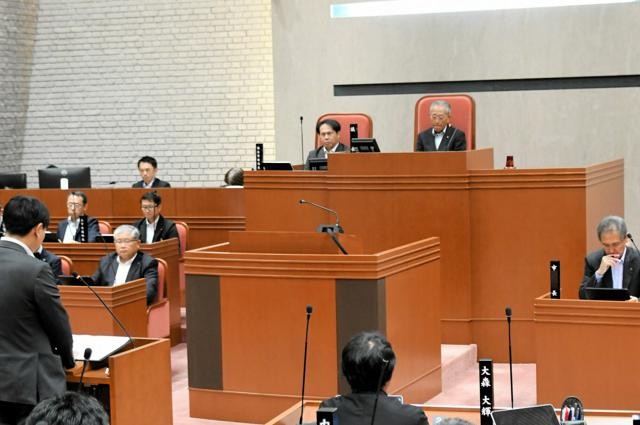
Hitachiota City, Ibaraki Prefecture, Japan to Reconsider Literature Survey for Final Disposal Site of High-Level Radioactive Waste
The Hitachiota City Council in Ibaraki Prefecture, Japan, held a closed-door meeting on September 9 to hear council members' opinions on the Ministry of Economy, Trade and Industry's request for the city to conduct a literature survey for selecting a final disposal site for high-level radioactive waste. After the meeting, sources said that two council members expressed support and two expressed opposition, and the city council failed to reach a consensus, deciding to hold another meeting on September 16 for discussion. The closed-door meeting was initiated by Hitachiota Mayor Sadayuki Suzuki, with the aim of providing reference for the city government to judge whether to accept the literature survey. The Ministry of Economy, Trade and Industry made the request to the city on August 31. Suzuki previously said he would "actively consider" conducting the literature survey and hoped...
2026-09-10
NRA Commissioner Inspects Radiation Management at Shimane Nuclear Power Station
Reiko Kanda, a Commissioner of the Nuclear Regulation Authority (NRA) of Japan, visited Matsue City, Shimane Prefecture, from September 7 to 8 to inspect radiation level management and on-site inspection work at the Shimane Nuclear Power Station. The NRA has a dedicated inspection team stationed at the Shimane Nuclear Power Station and conducts a related inspection once a year to confirm that resident inspectors can properly manage and monitor radiation levels. On September 8, the NRA inspected the emergency response center used by the nuclear power station in the event of a severe accident, focusing on confirming the inspectors' emergency response procedures. Reiko Kanda observed the inspection process on site. Reiko Kanda stated that the inspection work was carried out properly and that this inspection will serve as a reference for the NRA's future work.
2026-09-10
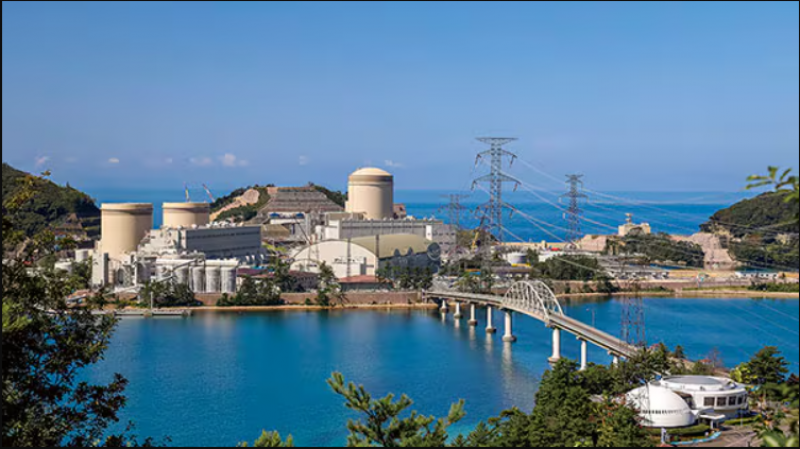
Kansai Electric Revises Site Survey Plan for Additional Units at Mihama Nuclear Power Station
On September 9, 2026, Kansai Electric Power Company (KEPCO) announced a revision to its voluntary site survey plan for additional units at the Mihama Nuclear Power Station, extending the completion of the preliminary survey from March 2027 to March 2028, while the detailed survey remains scheduled for completion in 2030. Kansai Electric stated that it resumed the voluntary site survey, which had been suspended since March 12, 2011, on November 5, 2025, for the potential additional units at the Mihama site. Under the original plan announced on September 17, 2025, Kansai Electric first conducted a broad preliminary survey both inside and outside the plant site, then selected a more advantageous area based on geological conditions, and carried out a detailed survey in that area...
2026-09-09
Toshiba Energy Systems Selected for Next-Generation Innovative Reactor Core Structure R&D and Demonstration Project
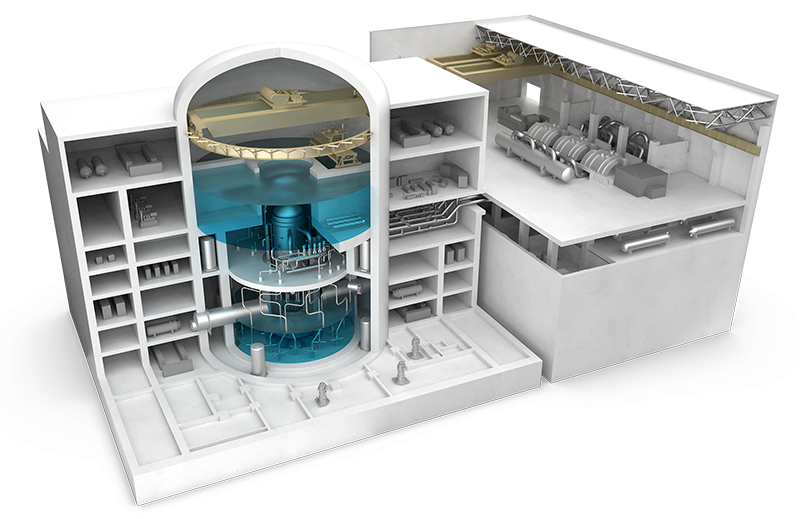
On September 9, 2026, Toshiba Energy Systems & Solutions Corporation (Toshiba ESS) announced that it has been selected for the second round of public solicitation under the Japanese Ministry of Economy, Trade and Industry's FY2025 supplementary budget project "Support Program for Technology Development and Supply Chain Construction for Next-Generation Innovative Reactor Development and Construction," undertaking the "Next-Generation Innovative Reactor Core Structure R&D and Manufacturing Demonstration Project (Phase 2)." Figure: Image of iBR internal structure Following this selection, Toshiba Energy Systems will further expand its R&D efforts in reactor internal structures, building on the six projects previously selected in the first round. The company plans to collaborate with suppliers to...
2026-09-09
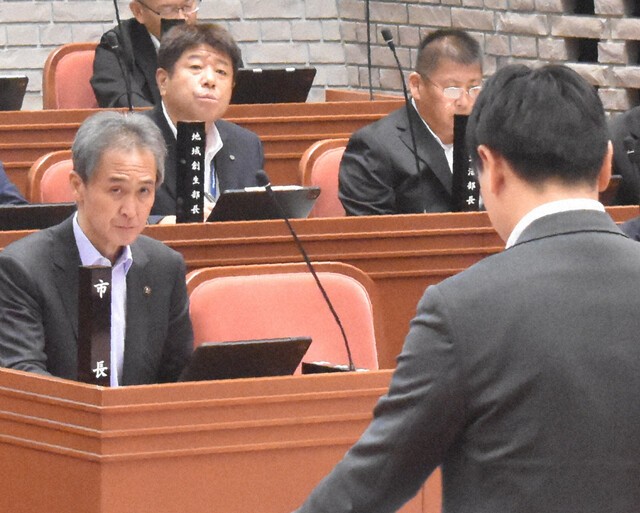
Hitachioomiya City Assembly in Ibaraki Prefecture, Japan, discusses literature survey request for nuclear waste disposal site
Hitachioomiya City in Ibaraki Prefecture, Japan, received a request from Japan's Ministry of Economy, Trade and Industry (METI) asking the city to accept a literature survey for the siting of a final disposal facility for high-level radioactive waste. On September 8, the Hitachioomiya City Assembly held a general question-and-answer session, during which multiple city assembly members expressed their views on whether to accept the survey. Of the five assembly members who filed questions that day, two expressed opposition to accepting the request and one expressed support. The assembly plans to hold a closed-door meeting on September 9, at which each assembly member will state their position, and the relevant content will subsequently be conveyed to Mayor Sadayuki Suzuki for his consideration in formulating the city government's response. Assembly member Toshiyuki Kurata stated that if the literature survey proceeds, it would impact the policies and projects currently being implemented by the city...
2026-09-09