
Search Results
Keyword:MRI

Microstructure Imaging's MICSI-PET Software Receives FDA Clearance to Enhance Neurological PET Imaging Using MRI
Microstructure Imaging's software platform has received 510(k) clearance from the U.S. Food and Drug Administration (FDA). The platform is designed to enhance neurological positron emission tomography (PET) images using structural magnetic resonance imaging (MRI). The software, called MICSI-PET, can denoise and super-resolve PET images using MRI guidance while preserving quantitative PET information. It supports PET exams for amyloid, Tau, and FDG (fluorodeoxyglucose), and can provide automated Centiloid measurements for amyloid imaging and CenTauR measurements for Tau imaging....
2026-09-18

Hyperfine Completes Patient Enrollment in Contrast-Enhanced MRI (Contrast PMR) Study of Swoop MRI System
Hyperfine announced that it has completed patient enrollment in its contrast-enhanced PMR study, which is designed to evaluate the potential of the company's portable Swoop MRI system to use gadolinium-based contrast agents. The study will investigate the contrast-enhancement capability of ultra-low-field magnetic resonance imaging to improve visualization of brain lesions. Hyperfine plans to use the study data to support the first expanded indication application for the Swoop system since it initially received FDA clearance. The focus of this study is on how the Swoop system can use gadolinium-based contrast agents to visualize lesions associated with blood-brain barrier disruption, such as those observed in brain tumors and inflammatory diseases. The study's...
2026-09-17

AI-Enhanced MRI System Deployed at Utah Medical Center for Cardiac and Cancer Imaging
Intermountain Medical Center in Murray, Utah, has begun using a new magnetic resonance (MR) system for imaging cardiac and cancer patients. The facility stated that the GE HealthCare SIGNA Sprint Elite MR system was placed into service earlier this year, making it the first of its kind in Utah and the second in the United States. According to the hospital, the system integrates artificial intelligence software designed to reduce image noise and enhance scan clarity. The facility believes that clearer images will help clinicians assess cardiac tissue and cancer-related conditions, while also potentially reducing the time patients spend undergoing MR exams. Cardiac imaging is one of the system's key application areas.
2026-09-02
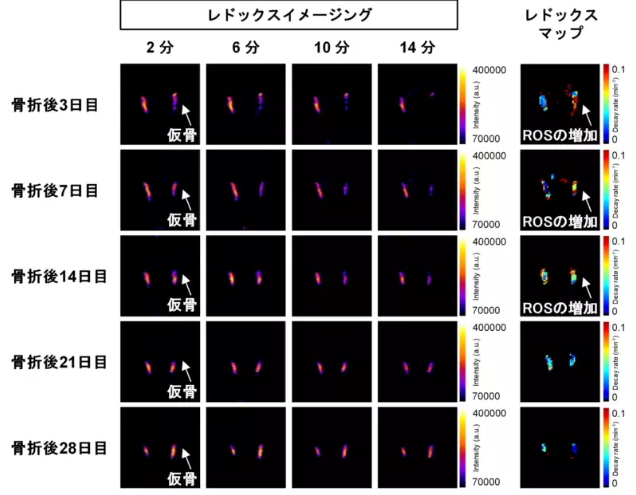
Japanese research team visualizes cellular metabolic changes during fracture healing using hyperpolarized MRI
August 21, 2026, Gifu Pharmaceutical University and Gifu University announced that a multi-institutional Japanese research team successfully visualized changes in the redox state of skeletal progenitor cells during fracture healing in living mice using hyperpolarized magnetic resonance imaging technology. The findings were published online on August 15, 2026, in the British academic journal *npj Imaging*. The study was led by Takuya Kubo, a graduate student in the Department of Pharmacology at Gifu Pharmaceutical University, Professor Eiichi Hinoi, and related research teams at Gifu University, in collaboration with the University of Tokyo, Osaka University, the Research Institute of National Rehabilitation Center for Persons with Disabilities, and other institutions. After a fracture occurs, a tissue called a...
2026-08-31
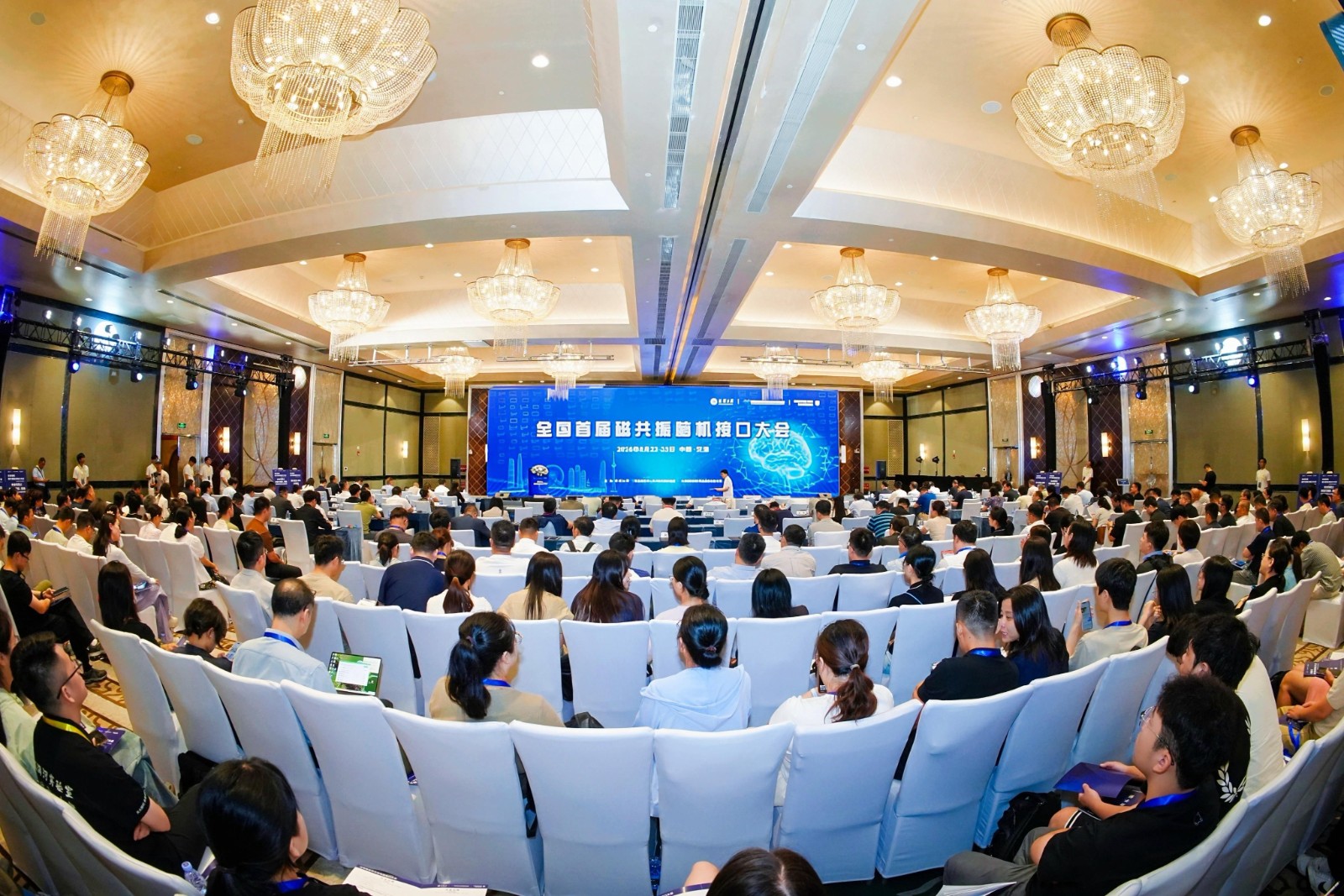
World's First Full-Stack MRI Brain-Computer Interface Solution "uMR Shenguan" Officially Released
On August 23, the first National MRI Brain-Computer Interface Conference, themed "Integration · Decoding · Modulation — Ushering in a New Era of Brain-Computer Interaction," was held in Tianjin. At the conference, United Imaging Healthcare and Tianjin University jointly released the world's first full-stack MRI brain-computer interface solution, "uMR Shenguan." uMR Shenguan spans the entire translational chain of brain-computer interfaces from fundamental research to clinical application, advancing the realization of "understanding the brain, precise modulation, and making neural plasticity measurable and controllable." It is understood that uMR Shenguan is built on United Imaging's uMR series equipment as its hardware foundation, addressing key technical challenges in the closed loop of "reading the brain — writing the brain — verification" in brain-computer interfaces, providing a complete technical system that upgrades MRI equipment from a mere "imaging tool for structure" to a "central platform" participating in the entire brain-computer interaction process.
2026-08-24
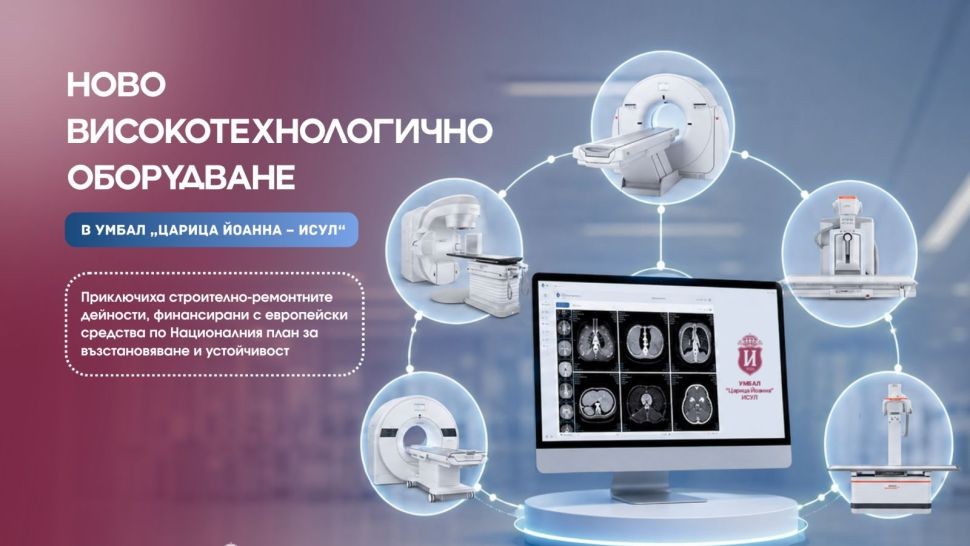
Five New Oncology Diagnostic and Treatment Devices at Bulgaria's ISUL Hospital Expected to Launch This Autumn
Queen Joanna - ISUL University Hospital in Bulgaria expects to begin operating five new devices for imaging diagnosis and treatment of oncological diseases starting early this autumn. The hospital stated that patients will be able to use these high-tech devices after the relevant licensing and approval procedures are completed. Source: Queen Joanna University Hospital - ISULThe newly added equipment is deployed in the imaging diagnostics department and the radiation oncology department. Among them, the radiation therapy department will be equipped with a TrueBeam v4.1 medical linear accelerator, primarily used for radiotherapy and radiosurgery. This device can deliver high-energy radiation to tumor tissue with greater precision, supporting high-precision dose planning to achieve the required therapeutic effect while minimizing radiation exposure to healthy tissues and organs surrounding the tumor.
2026-08-21
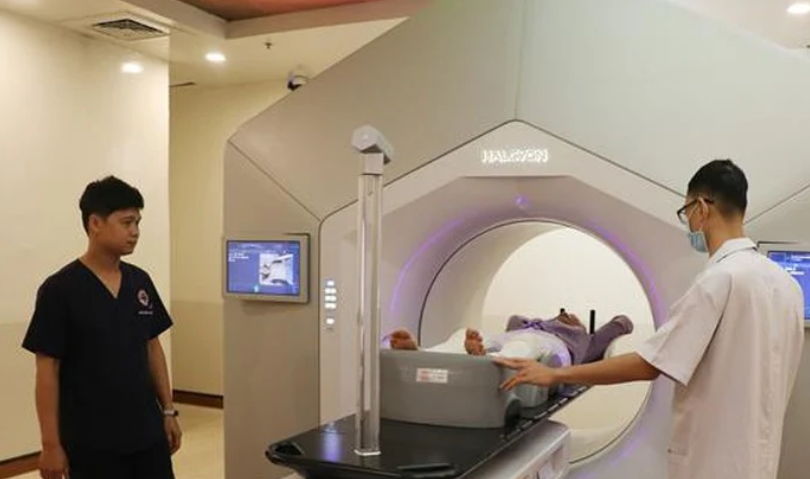
Dong Nai Province, Vietnam: Nuclear Medicine Applications Drive Modern Medical Development, Focusing on Early Cancer Diagnosis and Precision Treatment
In the development of modern medicine, atomic energy technology is moving from the laboratory to the clinical frontline, becoming an important pillar for early disease screening, precise diagnosis, and effective treatment. In recent years, Dong Nai Province has continuously applied nuclear medicine technology to medical examinations and treatments, particularly in areas such as cancer, stroke, traumatic brain injury, cardiovascular diseases, and bone and joint injuries. Through equipment such as X-ray, gamma rays, CT, and MRI, doctors can observe deep structures and lesions of the human body within a relatively short time, giving patients the opportunity for earlier detection and faster intervention. At Dong Nai General Hospital, approximately 500 patients undergo X-ray or related imaging examinations each day, with digital X-ray systems and multi-slice spiral C...
2026-08-12

South Korea to Launch Real-Time Query System for CT and MRI Records in December to Reduce Duplicate Tests for Patients Transferring Hospitals
The Health Insurance Review and Assessment Service (HIRA) of South Korea announced on August 10 that it has established the "Appropriate Medical Utilization Review Committee" and, at its first meeting, included computed tomography (CT) and magnetic resonance imaging (MRI) examinations in the review scope of the real-time medical utilization management program. According to the plan, the program will be managed through the "Medical Care Benefit Details Confirmation System" following approval by the Minister of Health and Welfare. The system, built pursuant to Article 41-6 of the revised National Health Insurance Act, is expected to officially operate starting December 24. Once the system is in place, medical personnel will be able to query in real time the timing and relevant records of patients' CT and MRI examinations at other medical institutions before the patients undergo examinations, thereby reducing...
2026-08-11
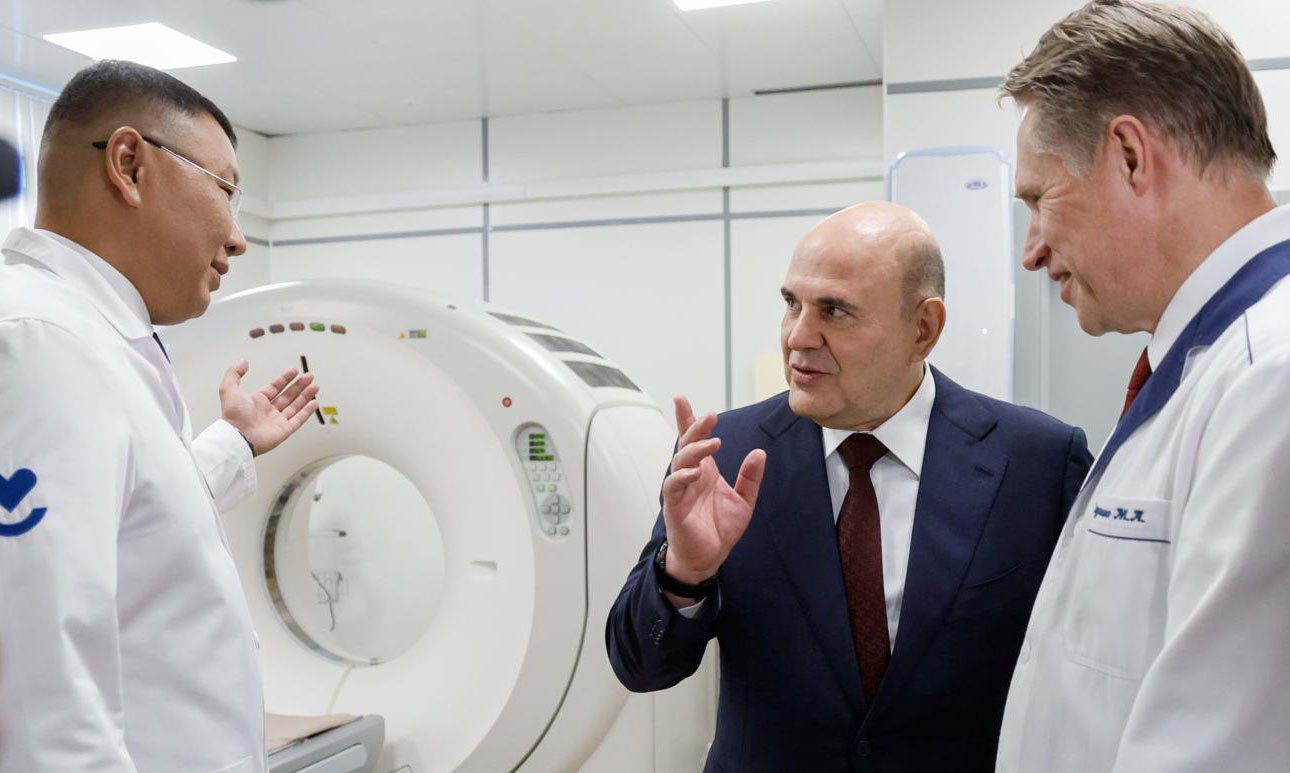
Russia Plans to Complete Domestic MRI Scanner Development by 2027
On August 1, Russian Prime Minister Mikhail Mishustin stated that Russia should complete the development of a domestically produced MRI scanner by 2027. Mishustin learned about the relevant progress during his visit to the Consultative Diagnostic Center in the Republic of Tyva. While inspecting the MRI equipment installed at the center, he asked Russian Health Minister Mikhail Murashko about the development of domestic devices. Murashko stated that the research and development work is being carried out by Rosatom, and noted that the device is expected to be completed next year. Mishustin then expressed hope that Russia would have its own domestically developed MRI scanner next year. If the device is completed as planned, it will be used in the field of medical imaging diagnostics.
2026-08-05
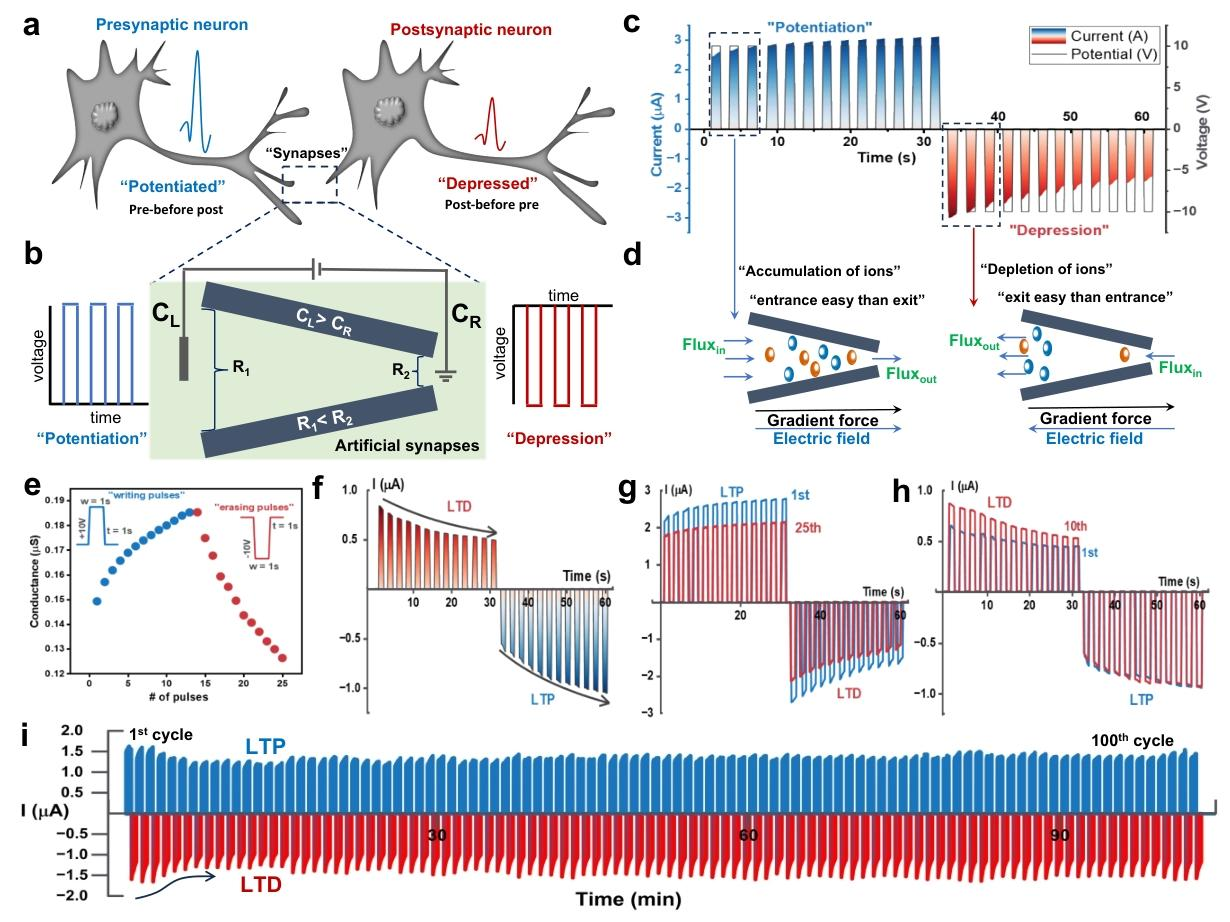
New Progress in Ion Dynamics Regulation in Nanofluidic Memristors by the Institute of Modern Physics, Chinese Academy of Sciences
Water-based nanofluidic ionic devices offer unique advantages in frontier fields such as brain-computer interfaces and biocompatible computing. Recently, the research team from the State Key Laboratory of Heavy Ion Science and Technology at the Institute of Modern Physics, Chinese Academy of Sciences, in collaboration with Lanzhou University, Hebei University of Geosciences, and other partners, successfully achieved stable ionic memristive effects in single-ion-track nanochannels. Through precise regulation, they realized programmable transitions between memristive and synaptic functions, providing a new technological pathway for the development of next-generation low-power neuromorphic computing hardware. The related results were published in the journal *Small* on July 22. Relying on the Heavy Ion Research Facility in Lanzhou (HIRFL), the researchers...
2026-08-04
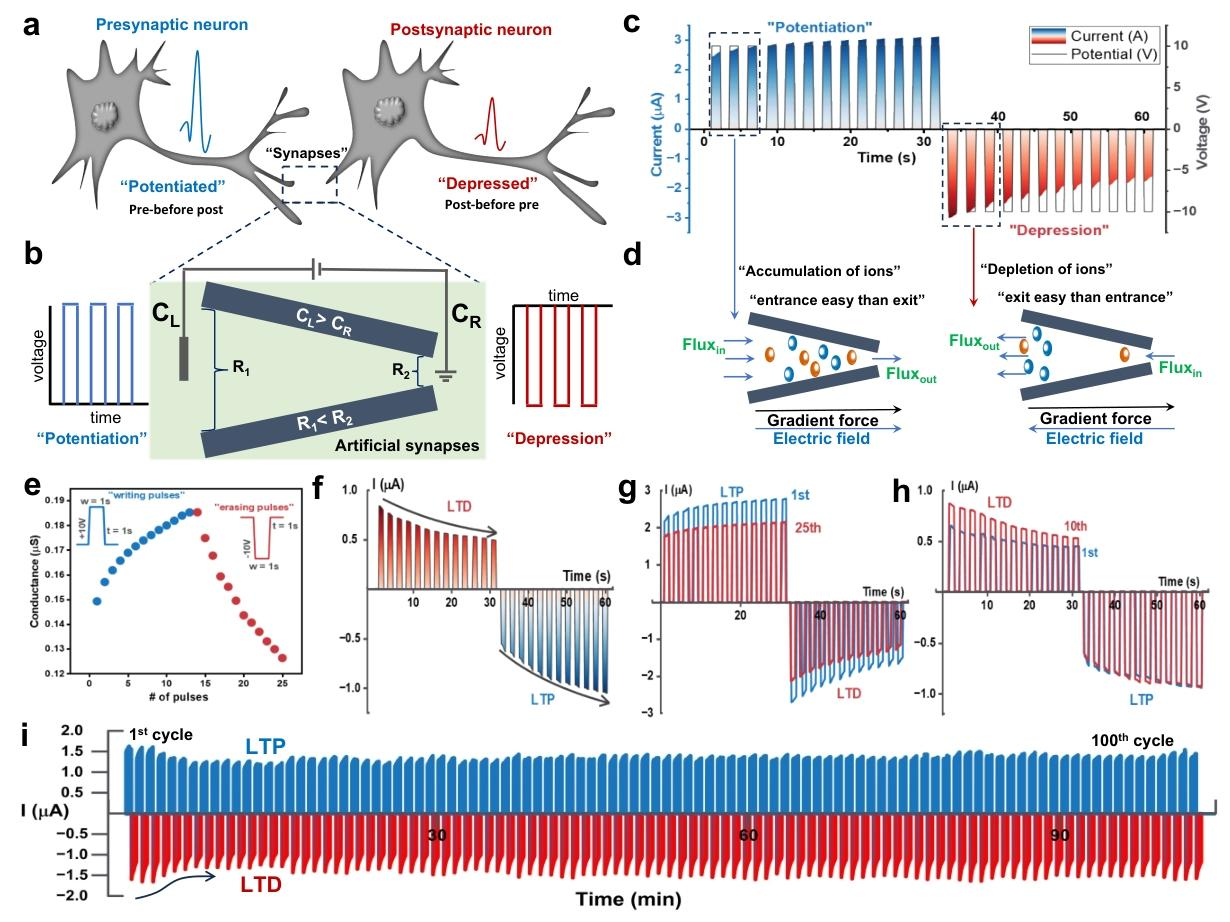
New Progress in Ion Dynamics Regulation in Nanofluidic Memristors by the Institute of Modern Physics, Chinese Academy of Sciences
Water-based nanofluidic ionic devices offer unique advantages in frontier fields such as brain-computer interfaces and biocompatible computing. Recently, the research team from the State Key Laboratory of Heavy Ion Science and Technology at the Institute of Modern Physics, Chinese Academy of Sciences, in collaboration with Lanzhou University, Hebei University of Geosciences, and other partners, successfully achieved stable ionic memristive effects in single-ion-track nanochannels. Through precise regulation, they realized programmable transitions in memristive and synaptic functions, providing a new technological pathway for the development of next-generation low-power neuromorphic computing hardware. The related results were published in the journal *Small* on July 22. Leveraging the Heavy Ion Research Facility in Lanzhou (HIRFL), the researchers...
2026-08-03
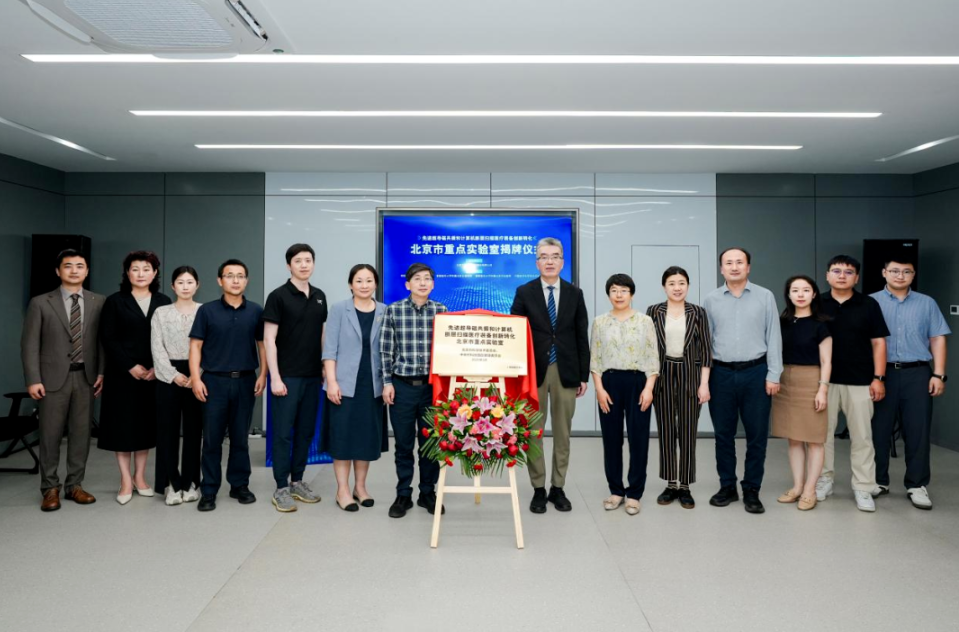
Beijing Key Laboratory Unveiled: Focusing on Domestic Production of Liquid-Helium-Free Superconducting MRI and X-ray CT Equipment
Recently, the "Beijing Key Laboratory for Innovation and Translation of Advanced Superconducting MRI and CT Medical Equipment," spearheaded by Wandong Medical, was officially inaugurated. Previously approved by the Beijing Municipal Science &
2026-07-27