
Search Results
Keyword:NI
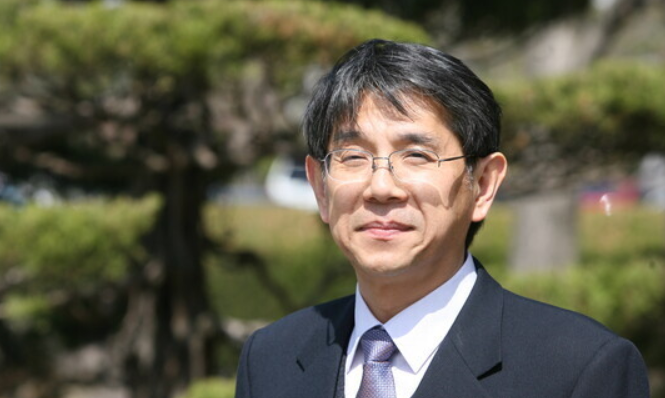
South Korean University Team Files Patent for Fusion Reactor Optimization Design Method
Professor Hong Bong-geun of the Department of Quantum System Engineering at the College of Engineering, Jeonbuk National University, South Korea, has recently filed a patent for a fusion reactor optimization design method. This method can determine device dimensions and key component structures while enabling customized performance design for fusion reactors based on different applications such as power generation, thermal energy utilization, and transmutation neutron sources. According to reports, this design technology targets the early-stage R&D phase of fusion devices and can be used to rapidly assess the technical and economic feasibility of proposals, thereby reducing trial-and-error, shortening development cycles, and lowering development costs, providing design support for fusion energy commercialization...
2026-07-31

IAEA Launches ATLAS Initiative: Building a New International Governance Framework for Maritime Nuclear Applications
As global shipping demand for alternative fuels continues to grow and small modular reactor technology matures, nuclear applications in the maritime sector are accelerating from concept to reality. However, offshore nuclear deployment involves a complex set of issues including safety, security, safeguards, legal liability, insurance, and jurisdiction. The existing international regulatory framework is fragmented and ill-suited to the deployment needs of modern reactor designs. Against this backdrop, the International Atomic Energy Agency (IAEA) has officially launched the Atomic Technologies Licensed for Applications at Sea (ATLAS) initiative, aiming to establish an integrated framework encompassing nuclear saf...
2026-07-31
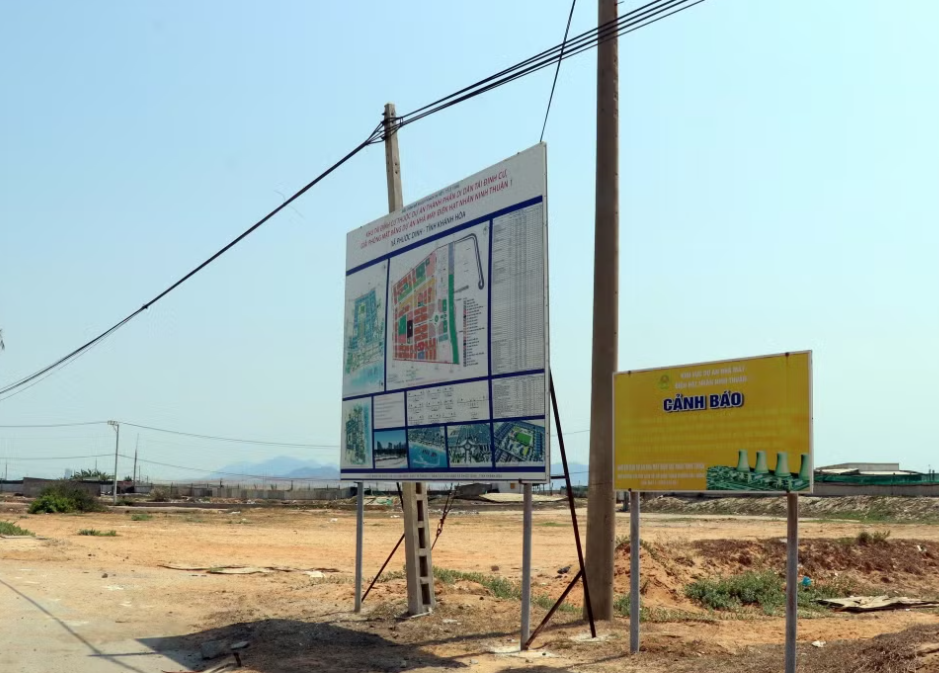
Vietnam's Ninh Thuan Nuclear Power Plant Phases 1 and 2 Accelerate: Resettlement and Land Clearance Take Priority
On July 31, 2026, the Vietnam News Agency reported that the People's Committee of Khanh Hoa Province is urgently implementing tasks assigned by the central government to advance Sub-projects No. 1 and No. 2 of the Ninh Thuan 1 Nuclear Power Plant (Phuoc Dinh Commune) and the Ninh Thuan 2 Nuclear Power Plant (Vinh Hai Commune) — namely, resettlement and land clearance works. The Khanh Hoa Provincial Investment and Construction Project Management Board has been designated by the Provincial People's Committee as the investor for the two sub-projects. Regarding Sub-project No. 1 (resettlement and land clearance) of the Ninh Thuan 1 Nuclear Power Plant, the Provincial Project Management Board has completed the approval of construction drawings and budgets and is currently selecting contractors for 6 construction and installation packages. Among them, Package No. 15 (technical infrastructure for the resettlement area) has completed contractor selection and signed the construction contract. The construction unit has received 34.7 hectares of land and coordinate markers out of the 65.12-hectare resettlement area, and the temporary camp and project headquarters have commenced construction. The remaining packages pending bidding include: Package No. 14 (water supply facilities for the resettlement area), Package No. 16 (social infrastructure for the resettlement area), Package No. 17 (fishing vessel berthing area and revetment embankment), Package No. 18 (cemetery facilities), and Package No. 33 (construction and renovation of medium-voltage power lines and substations).
2026-07-31
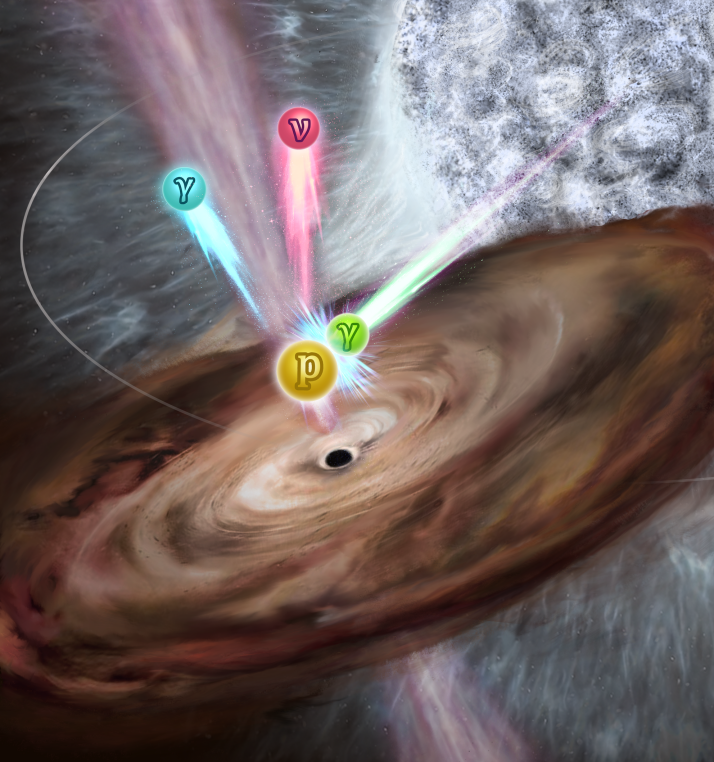
LHAASO "Sees" for the First Time How Black Holes Produce the Highest-Energy Particles in the Universe
How do black holes accelerate particles to the highest energies in the universe? The latest research provides the answer. On July 31, it was learned from the Institute of High Energy Physics of the Chinese Academy of Sciences that the Large High Altitude Air Shower Observatory (LHAASO, "Lasso"), a major national scientific and technological infrastructure, has for the first time clearly observed the process by which a black hole, while devouring material from its companion star, regularly produces the highest-energy particles in the universe like a metronome, and has identified the first PeV gamma-ray variable source. The related research results were published in the *National Science Review*. Cygnus X-3 is a binary system located in the constellation Cygnus, consisting of a black hole and a massive companion star. The gravitational pull there is extremely strong, and the black hole frantically accretes the stellar wind blown off by its companion. LHAASO detected...
2026-07-31
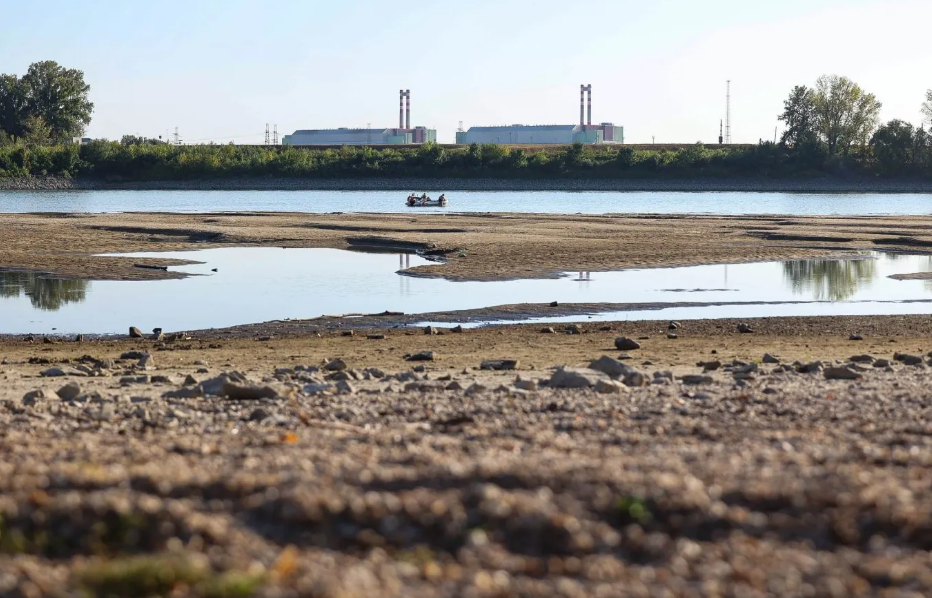
Hungary's Paks Nuclear Power Plant Faces Full Shutdown Due to Record Low Danube Water Level
Affected by persistent drought and high temperatures, the water level of the Danube River at the Budapest section dropped to 23 cm (fixed datum reading, a record low), restricting cooling water intake at the Paks Nuclear Power Plant. Starting Wednesday, July 29, Unit 3 was the first to be shut down; the operator, MVM Paks Nuclear Power Plant Ltd, subsequently stated on its official website that all four units would inevitably be disconnected within the next 24 to 72 hours, with power generation coming to a complete halt. MVM explained that the existing water volume of the Danube is still sufficient to cool the reactors, but the intake pumps can no longer draw water because the riverbed is exposed and the pump inlets are too far from the water surface—an equipment failure rather than an absolute shortfall in cooling water volume. To this end, the Hungarian side deployed 4 pumping barges and 2 floating cranes near the plant as an emergency measure, but with water levels expected to continue falling, a preventive full shutdown remains unavoidable.
2026-07-31
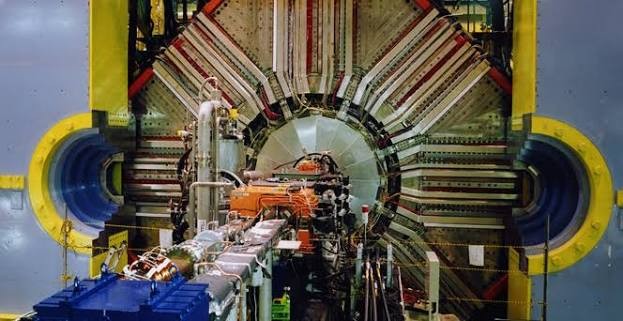
Russian researchers detect anomalous signs in bottomonium states using Belle II experiment data
The Budker Institute of Nuclear Physics of the Siberian Branch of the Russian Academy of Sciences recently announced that Russian researchers have detected anomalous phenomena in the analysis of data from the international Belle II experiment, indicating that the structure of certain excited states of bottomonium may be more complex than predicted by traditional models. Bottomonium is a class of unstable heavy particles composed of a bottom quark and an anti-bottom quark. Yevgeny Kovalenko, a young researcher at the Budker Institute of Nuclear Physics of the Siberian Branch of the Russian Academy of Sciences, stated that analysis of Belle II experiment data suggests that certain excited states of bottomonium may contain lighter quark components. In other words, these particles in specific states may not simply be plain bottom quark–anti-bottom quark combinations.
2026-07-31
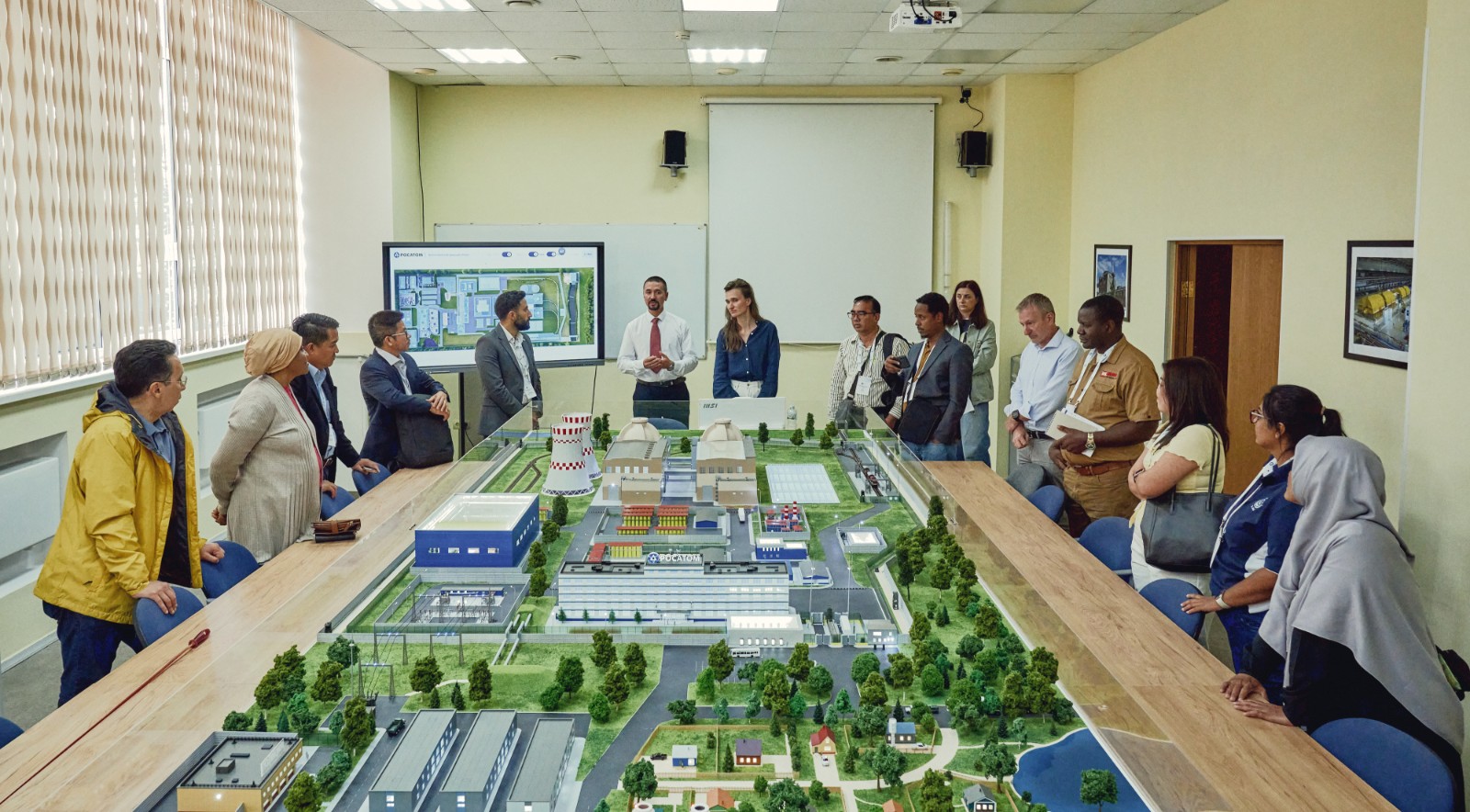
IAEA Training Course for Owner/Operator Organizations of New Nuclear Power Projects Concludes in Russia
On July 30, the Interregional Training Course on the Establishment of Owner/Operator Organizations for New Nuclear Power Projects, jointly organized by Rosatom and the International Atomic Energy Agency (IAEA), concluded at the Rosatom Technical Academy. Eighteen experts from 15 countries in Asia and Africa completed the five-day training. The participants were primarily from national nuclear energy institutions, regulatory bodies, and relevant competent authorities responsible for nuclear infrastructure development in their respective countries. The course focused on the establishment and capacity building of owner/operator organizations for new nuclear power projects, covering topics such as license applications, change management, feasibility study preparation, personnel competency development, organizational structure design, and contract management.
2026-07-31
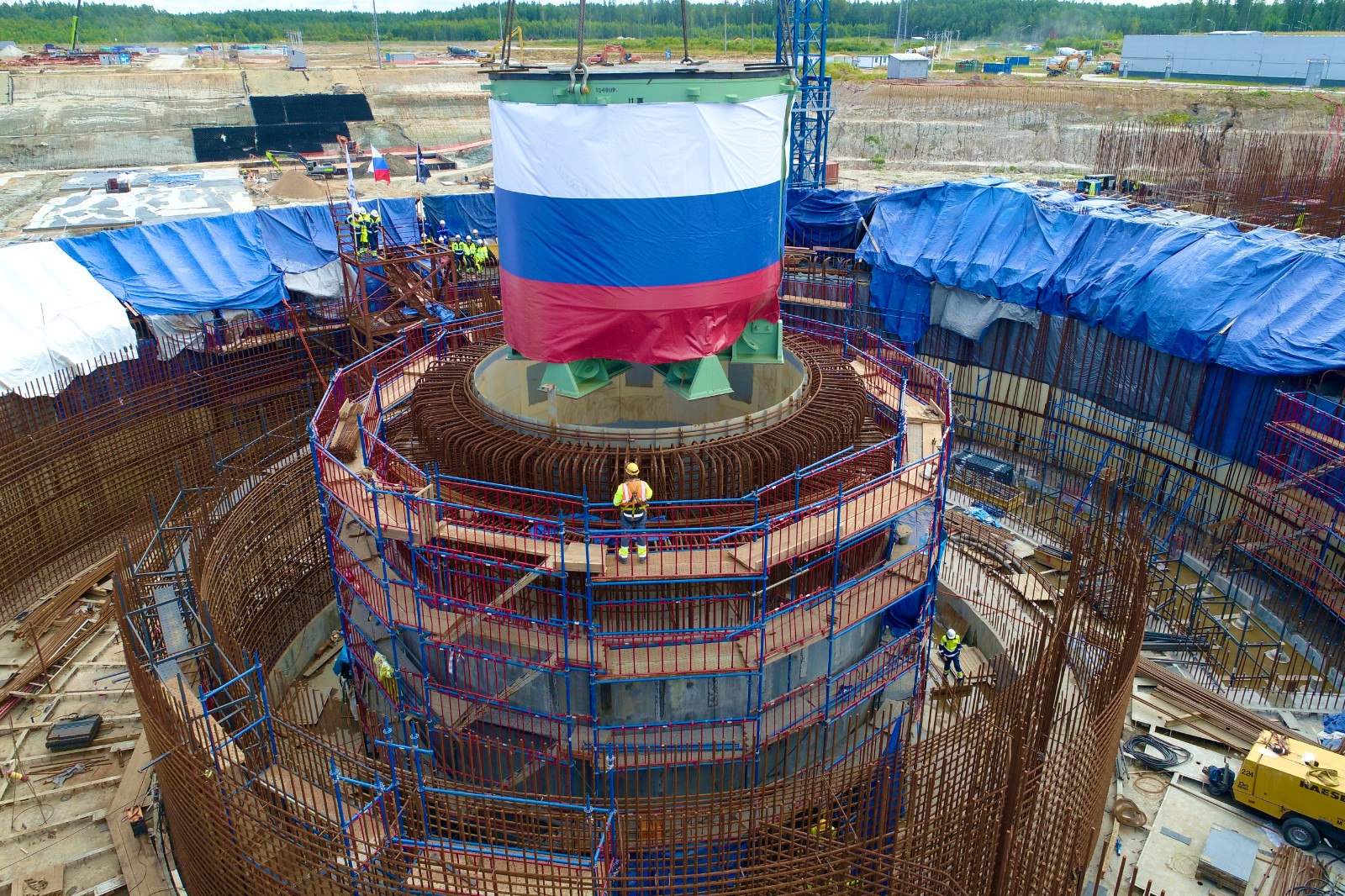
Unit 4 of Leningrad NPP Phase II completes installation of first major equipment
Unit 4 of Russia's Leningrad NPP Phase II recently completed the installation of the core melt catcher vessel. This is the first major equipment of the unit to enter the installation stage, and also the first passive safety system equipment to be installed. The steel structure weighs 157 tonnes, and the installation was carried out using a heavy crawler crane, taking about one work shift of approximately 8 hours, nearly 3 months ahead of the original schedule. Valery Zhemchugov, Acting Director of Leningrad NPP, stated that the installation of the core melt catcher vessel is a key milestone in the construction of Unit 4, a VVER-1200 pressurized water reactor unit, and that the relevant work was completed in accordance with quality requirements, providing more time for subsequent reactor building civil and installation works.
2026-07-31

South Korea Confirms Operating Nuclear Power Units Unaffected by Strong Earthquake in Kyushu, Japan
Following the strong earthquake in the Kyushu region of Japan, related aftershock signals have been detected in southern South Korea. The Nuclear Safety and Security Commission (NSSC) of South Korea stated that inspections confirmed all operating nuclear power units within the country remain unaffected. The NSSC noted that after the earthquake, inspections were conducted on all 27 operating nuclear power units, including the Kori Nuclear Power Plant in Busan and the Wolseong Nuclear Power Plant in Gyeongju, with no significant abnormalities or safety issues found. Korea Hydro & Nuclear Power (KHNP) also stated that no reports of damage to nuclear facilities have been received so far. The NSSC will continue to monitor the operational status of nuclear power plants to respond to potential subsequent aftershocks....
2026-07-31
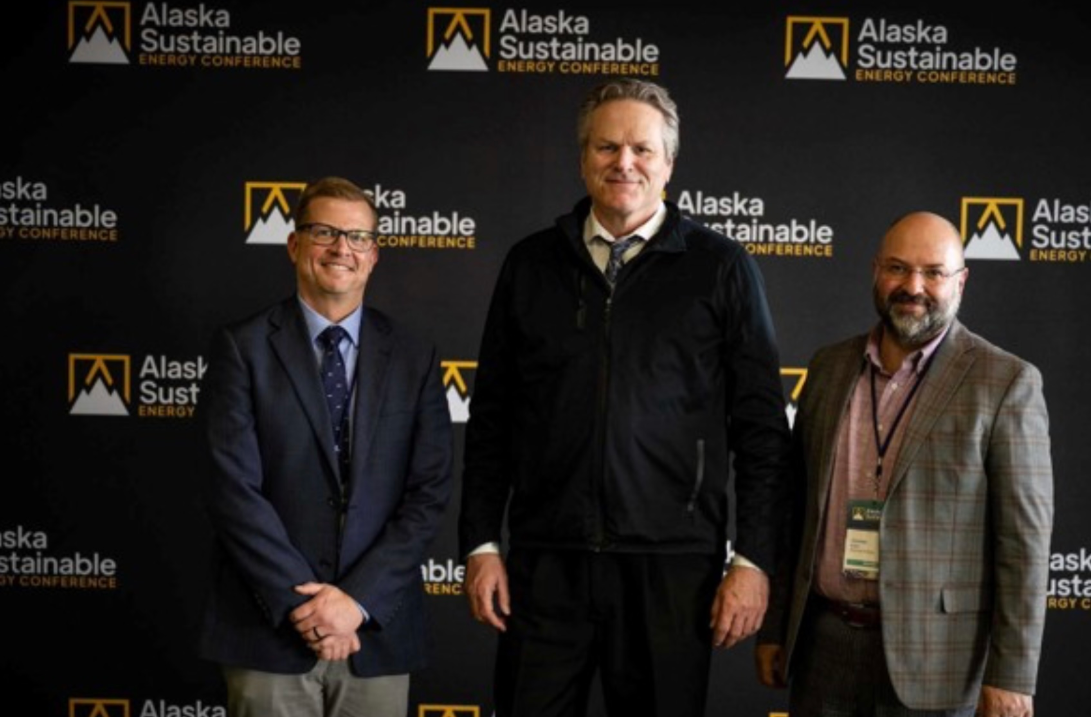
NuAlaska Initiative Launched: Long-Life Nuclear Microreactors Target Remote Alaskan Regions
An initiative in Alaska called NuAlaska is working to bring long-life nuclear microreactors to remote areas. This collaboration, co-launched by NuCube Energy Inc. and the Alaska Fund, aims to develop, finance, own, and operate advanced nuclear energy projects in Alaska. The plan combines NuCube's NuSun-1 micro-modular reactor technology with the Alaska Fund's mission to support projects that meet Alaska's unique energy and infrastructure needs. The initiative targets remote communities, mines, military installations, and other isolated locations where harsh weather, long transportation routes, and reliance on imported diesel fuel...
2026-07-31
Progress in Russia's Khilonduevskoye Uranium Deposit Development: 3 Kilometers of Mine Workings Completed Ahead of Schedule
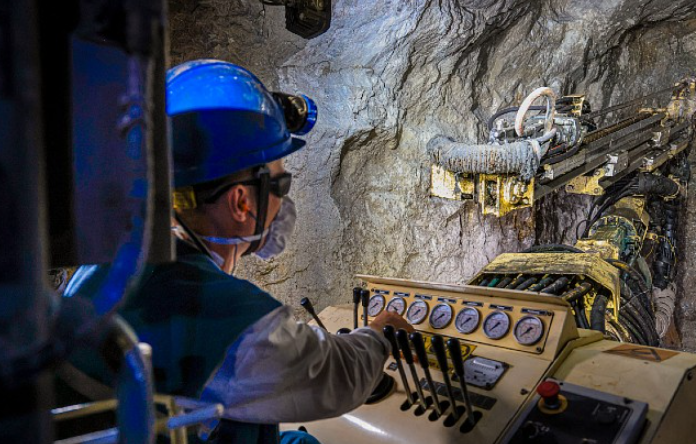
The mining division of Russia's Rosatom recently announced that underground mining crews completed three kilometers of mine workings ahead of schedule during the development of the Khilonduevskoye deposit. This milestone, originally planned for completion on August 10, was achieved by a team of workers from the Priargunsky Industrial Mining and Chemical Union (PIMCU), which is part of Rosatom Nedra. According to PIMCU, this mine connection will significantly optimize the ventilation system at the fourth level of the Khilonduevskoye deposit and improve the efficiency of rock block loading, laying the foundation for subsequent development work. The company's CEO, Ivan Kiselev, stated that this connection is of critical importance to the company, as it not only links two sections of the mine but also fundamentally transforms the logistics and safety of fourth-level operations.
2026-07-31
South Korean Presidential Office: Expanding Renewable Energy Does Not Mean Abandoning Nuclear Power; New Nuclear and SMR Projects Already Decided
On July 3, Kim Woo-chang, Secretary for National AI Policy at the South Korean Presidential Office, responded on a program to external concerns over the power supply capacity of the semiconductor cluster in the Honam region, stating that the southwestern region of South Korea already possesses sufficient renewable energy conditions, with further room for expansion in the future. Kim Woo-chang said that South Korea's power generation resources are generally concentrated in the southwestern region, the Busan–Ulsan–Gyeongnam area, and the vicinity of nuclear power plants in Gangwon-do; the Seoul metropolitan area and central regions such as Chungcheong-do rely primarily on transmission networks for electricity. Therefore, locating large-scale power-consuming projects near power sources is one of the realistic options. In response to whether renewable energy alone is sufficient to support the semiconductor industry...
2026-07-03
Chinese Jinshui River study reveals seasonal variations affect nitrogen removal capacity of forest streams
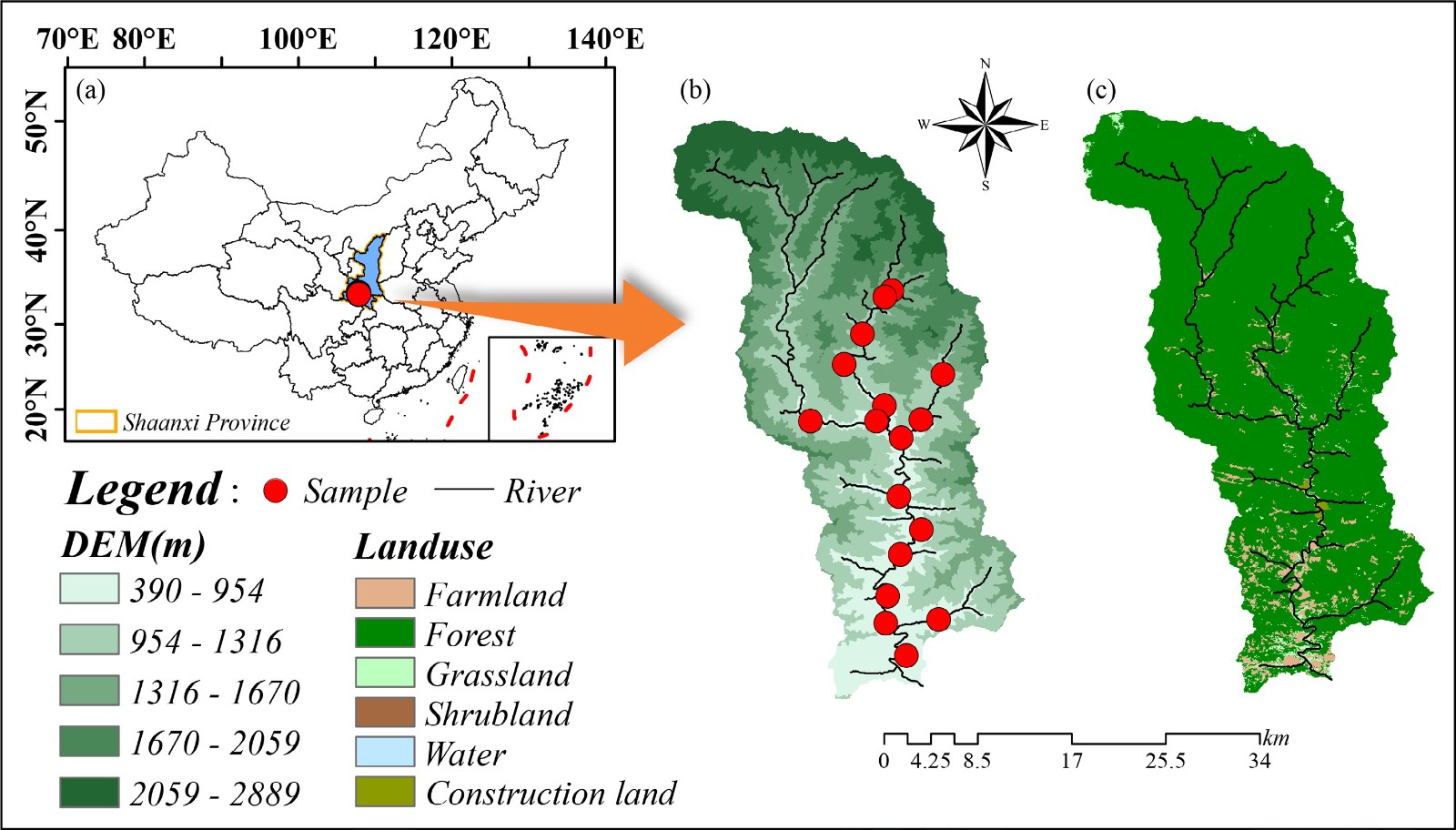
A new study shows that the capacity of forest streams to remove excess nitrogen varies with the seasons, influenced by different environmental factors in summer and winter respectively. This finding suggests that water quality management in forest watersheds needs to give greater consideration to seasonal differences. Figure 1. Location of study sites along the Jinshui River. (a) Watershed location; (b) Watershed topography and sampling point distribution; (c) Watershed land use types. Researchers focused on the Jinshui River in central China, analyzing water and surface sediment samples from 18 sites along forested riparian zones. The study combined nitrogen-15 isotope tracing, remote sensing monitoring, water and sediment chemical measurements, and microbial-based...
2026-07-31

U.S. Research Team Tracks Main Drivers of Global Methane Rise Using Stable Isotope Analysis
A research team from the U.S. National Oceanic and Atmospheric Administration Global Monitoring Laboratory and the University of Colorado has recently traced the sources of the rapid rise in global atmospheric methane since 2007 through high-precision methane concentration measurements and carbon and hydrogen stable isotope analysis. The findings show that over the past two decades, microbial emissions have been the primary factor driving the increase in methane concentrations, while fossil fuel-related methane emissions may have remained relatively stable overall. A methane molecule consists of one carbon atom and four hydrogen atoms, and methane from different sources differs in its carbon and hydrogen isotope composition. Researchers used this chemical fingerprint to distinguish methane sources: fossil fuel methane such as natural gas typically contains a relatively higher proportion of carbon-13, while methane produced by microbial processes in wetlands, landfills, livestock, and agricultural environments has a lower carbon-13 proportion, exhibiting a "lighter" isotopic signature. The proportion of deuterium in hydrogen isotopes also varies with the way methane is formed, providing a further basis for source identification.
2026-07-31

ITER Organization Director-General Attends Aix Economic Forum to Discuss Complexity Management of Pioneering Strongly-Coupled Mega-Projects
From July 2 to 4, the Aix Economic Forum (Les Rencontres Économiques d’Aix) was held in Provence, France, under the annual theme "Navigating a World of Uncertainty." Pietro Barabaschi, Director-General of the ITER Organization, was invited to attend the forum, where he presented the ITER Project and its pivotal role in addressing future energy challenges. His remarks centered on two core themes—climate change and the energy crisis—covering topics such as mega-project management experience and the development of the global fusion industry. As the world's first fusion verification experimental reactor, ITER's core mission is to validate the engineering feasibility of fusion power generation, paving the way for subsequent demonstration fusion power plants...
2026-07-15