
Search Results
Keyword:Nuclear Safety
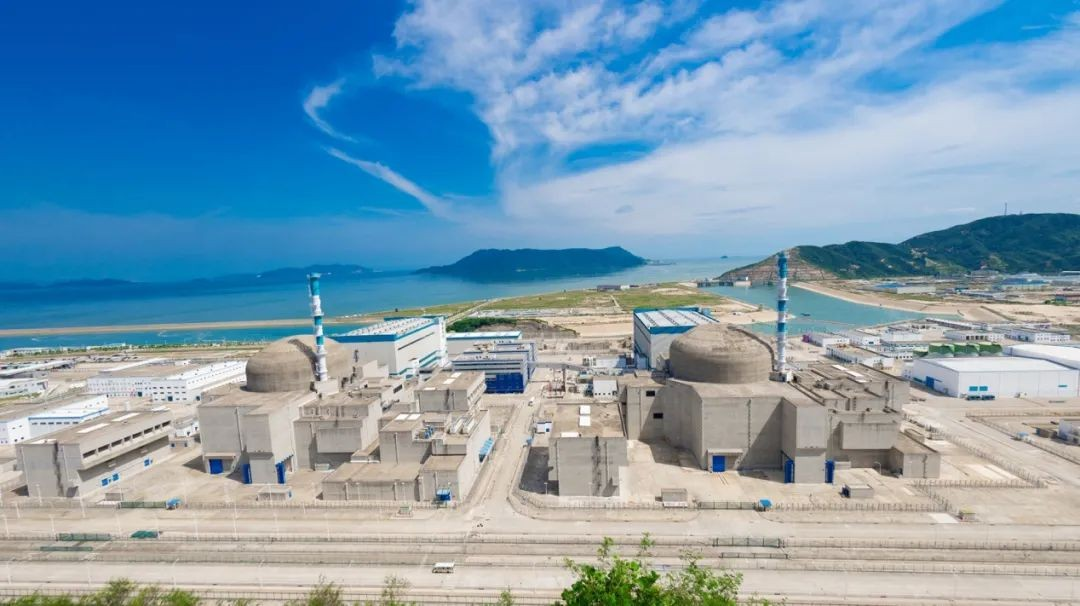
The Fifth Meeting of 2026 on the Construction of the Nuclear Power Safety and Health Archive System Convened
Recently, the Working Group on the Construction of the Nuclear Power Safety and Health Archive System held its fifth promotion meeting of 2026 and thematic subgroup meetings. Representatives from all member units of the working group and relevant organizations attended the meetings. The meetings discussed the progress of informatization construction, computing resource allocation, data governance and sharing, and R&D of digital and intelligent applications for the nuclear power safety and health archive system. Live demonstrations were conducted on the functional implementation of the health archive information systems on both the regulatory side and across various corporate groups. The achievements in system construction were summarized on a phased basis, existing issues were reviewed, and near-term work tasks were deployed. The meetings noted that the construction of the nuclear power safety and health archive system is an important endeavor in promoting the transformation of nuclear safety management and regulatory mechanisms. At present, data governance has achieved initial results, the data verification mechanism has been effectively implemented, and the development of application scenarios is being steadily advanced, creating conditions for the continued improvement of the system. The meetings required that: first, continue to adhere to a goal-oriented and problem-oriented approach, focus on the fundamental functions of the system, concentrate efforts on further addressing shortcomings in a targeted manner, and steadily advance system construction; second, in light of pilot application results, promptly conduct reviews and summaries, comprehensively identify difficulties, bottlenecks, and weak links, and improve the system's operational effectiveness across the entire process; third, continue to coordinate and advance various tasks including data benchmarking and warehousing, frontline demand research, and scenario development and implementation, making every effort to ensure the high-quality completion of the nuclear power safety and health archive system, thereby contributing to the continuous improvement of the operational safety and construction quality of nuclear power plants in China.
2026-09-04
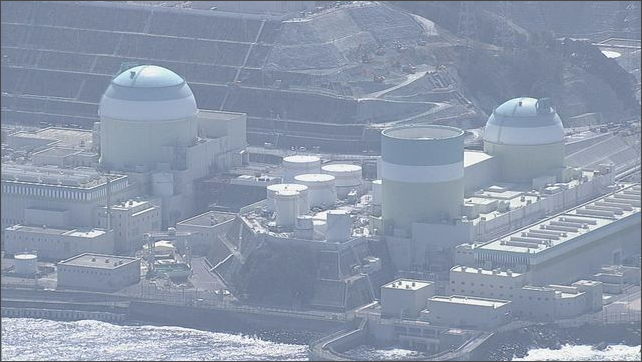
Second Phase of Decommissioning for Unit 1 of Japan's Ikata Nuclear Power Plant Approved by Prefectural Committee
The Environmental Safety Management Committee for the Ikata Nuclear Power Plant in Ehime Prefecture, Japan, held a meeting in Matsuyama City on September 2 to discuss plans by Shikoku Electric Power to proceed with the second phase of decommissioning for Unit 1 of the Ikata Nuclear Power Plant. The unit, located in Ikata-cho, Ehime Prefecture, is currently in the process of being decommissioned. The decommissioning of Unit 1 at the Ikata Nuclear Power Plant has been divided into four main phases. Shikoku Electric Power had previously conducted prior consultations with Ehime Prefecture and Ikata-cho regarding the transition to the next phase, obtained local consent, and submitted relevant applications to Japan's Nuclear Regulation Authority (NRA). In July of this year, the NRA approved the application...
2026-09-03
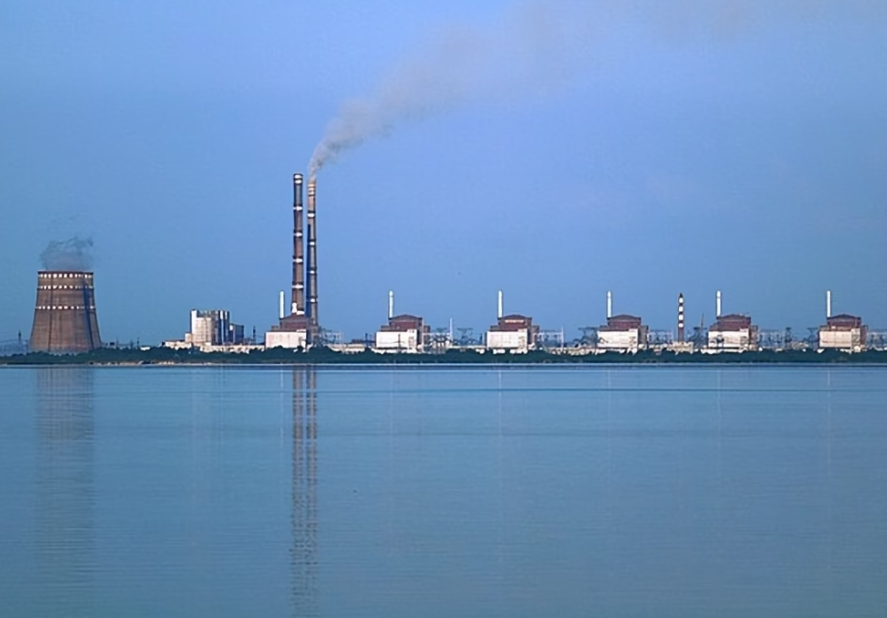
External power supply interruption at Zaporizhzhia Nuclear Power Plant has lasted for 14 days
Yashina, head of communications at the Zaporizhzhia Nuclear Power Plant, stated that the external power supply interruption at the plant has lasted for 14 days, with power currently provided by diesel generators, and that on-site personnel are still able to ensure the safe condition of the plant. According to an earlier statement from the plant, on August 20, the "Ferroalloy-1" power line was damaged, causing the external power supply interruption at the Zaporizhzhia Nuclear Power Plant. The damage site is located in an area where repair work cannot currently be carried out. After the loss of external power, the plant activated its backup power system. Fuel reserves remain available on site, but to conserve these reserves and maintain stable equipment operation, the operating mode of the diesel generators needs to be optimized. Yashina stated that the plant has been powered by diesel generators for 14 consecutive days...
2026-09-03

Declaration of the Council of Heads of State of the Shanghai Cooperation Organization Member States on Strengthening Multilateral Partnership for Nuclear Safety and Nuclear Security
The Member States of the Shanghai Cooperation Organization (hereinafter referred to as the SCO), bound by historical ties, centuries-old traditions of good-neighborliness and mutual respect, declare their commitment to the SCO Charter, the Charter of the United Nations and universally recognized principles and norms of international law, including respect for sovereignty, territorial integrity and non-interference in internal affairs, guided by the Shanghai Spirit of mutual trust, mutual benefit, equality, consultation, respect for diverse civilizations and pursuit of common development, affirming that responsibility for nuclear security rests entirely with the State, noting that responsibility for nuclear safety rests with the operating organizations of nuclear facilities and the States in which nuclear facilities are located, attaching great importance to nuclear safety and nuclear security issues, which are important elements of international security directly affecting the lives of the peoples of the SCO Member States, and expressing deep concern over illicit trafficking of nuclear materials and...
2026-09-02
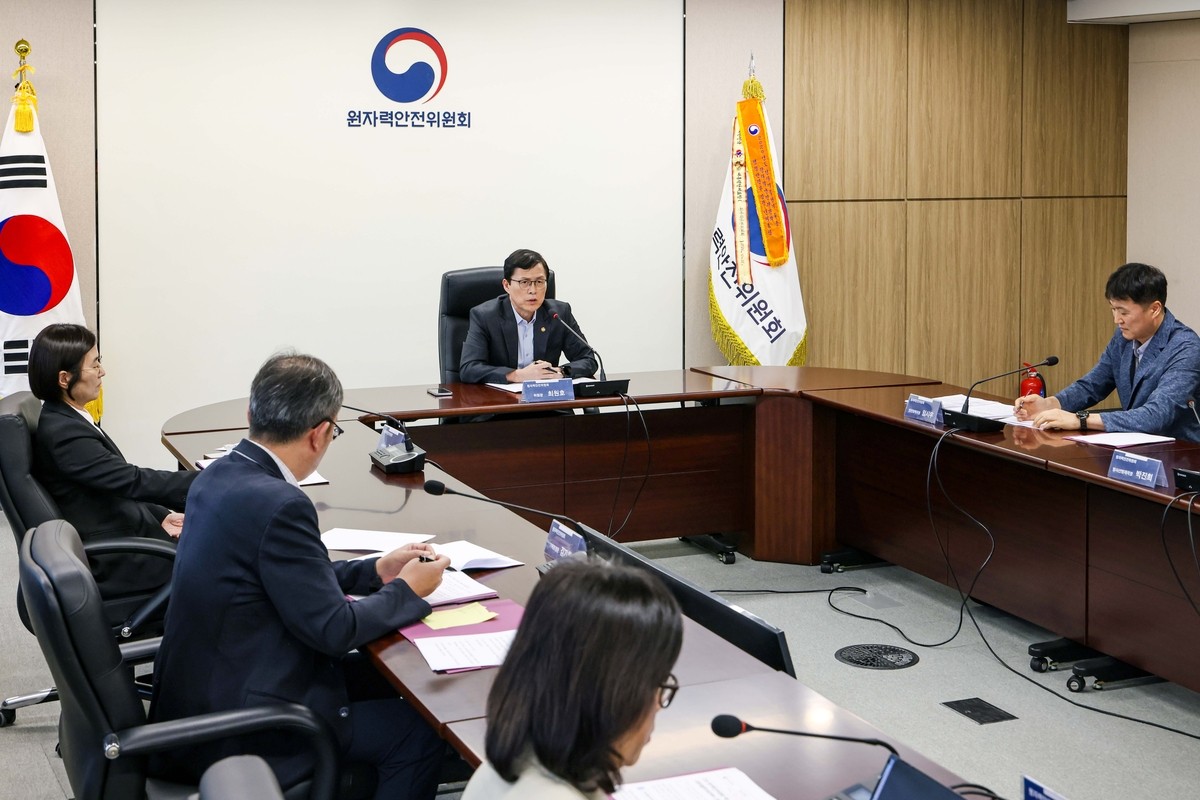
South Korea's Nuclear Safety Regulatory Budget for 2027 Rises to KRW 303 Billion
The Nuclear Safety and Security Commission (NSSC) of South Korea announced on September 1 that it has allocated KRW 303 billion for the 2027 budget, an increase of KRW 10.4 billion from this year. The new budget focuses on areas such as small modular reactor regulation, spent nuclear fuel safety, nuclear facility decommissioning review, environmental radiation monitoring, and nuclear safety information disclosure. Regarding small modular reactors, as non-light water reactor-type small modular reactor development projects aim to obtain licenses by the early 2030s, South Korea will invest KRW 8 billion in R&D to establish a new safety evaluation system. In addition, in line with the preliminary review system set to take effect in November this year, the government has allocated KRW 2.7 billion to conduct preliminary reviews of non-light water reactor-type small modular reactors expected to file applications next year. This system allows applicants to request regulatory review of reactor designs before formally submitting license applications.
2026-09-02
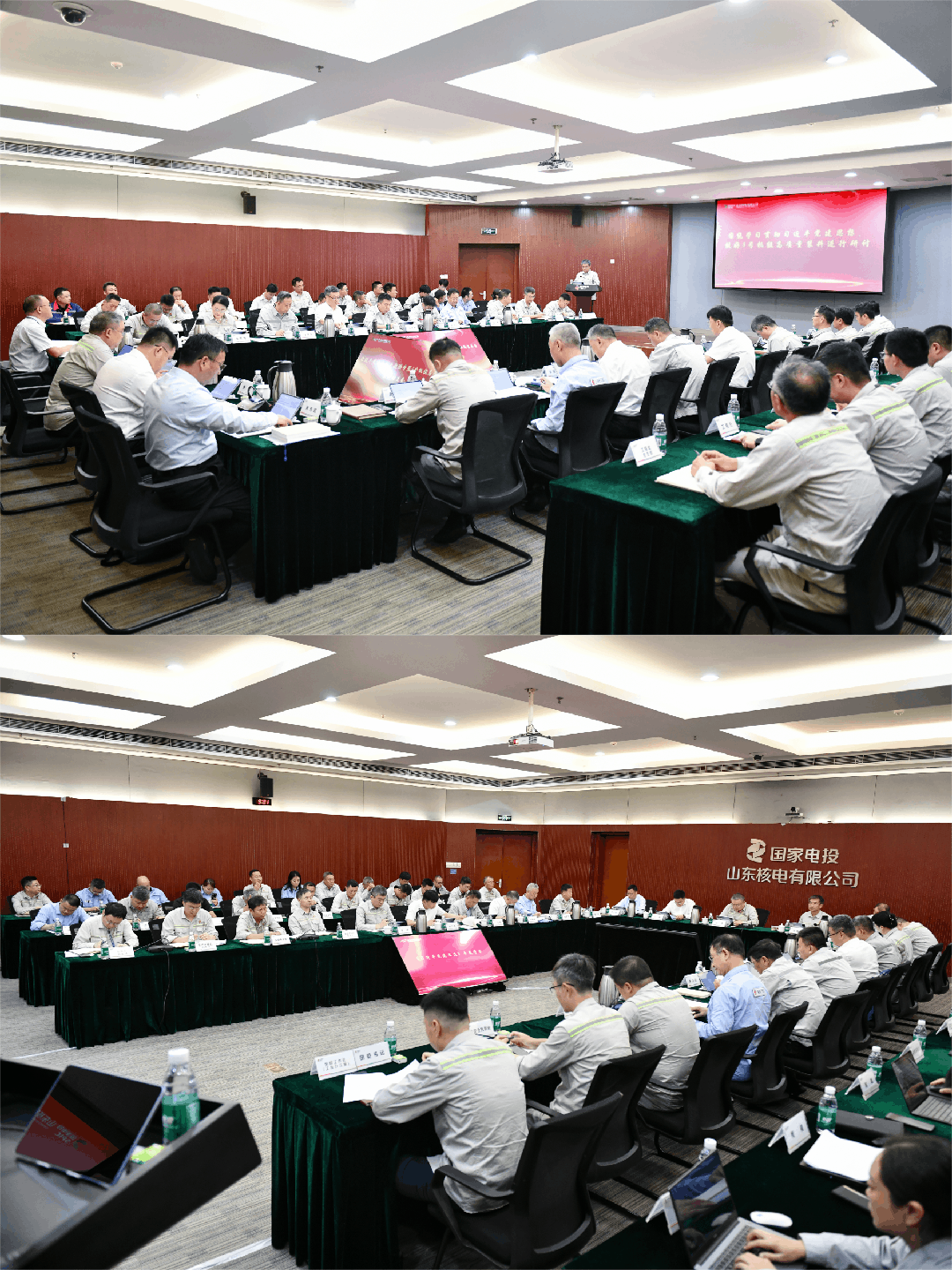
Mobilization Meeting for High-Quality Fuel Loading of Haiyang Nuclear Power Unit 3 Convened
On September 1, Shandong Nuclear Power organized a themed joint Party building learning session and the mobilization meeting for high-quality fuel loading of Haiyang Nuclear Power Unit 3. Centering on the goal of high-quality fuel loading for Unit 3, the meeting further unified understanding, clarified responsibilities, and promoted the safe, orderly, and high-quality implementation of fuel loading preparations, laying the foundation for the subsequent commissioning of the Phase II project of Haiyang Nuclear Power. The meeting conducted a themed joint Party building learning session. The Haiyang Project Department of Shanghai Nuclear Engineering Research and Design Institute (SNERDI), the Commissioning Center of SNERDI, China Nuclear Industry Fifth Construction Co., Ltd., and Jiangsu Electric Power Construction No. 3 Engineering Company respectively reported on the fuel loading preparation status of Unit 3. Participants discussed topics including Party building leading project breakthroughs and ensuring high-quality fuel loading of Unit 3. The meeting also commended...
2026-09-02
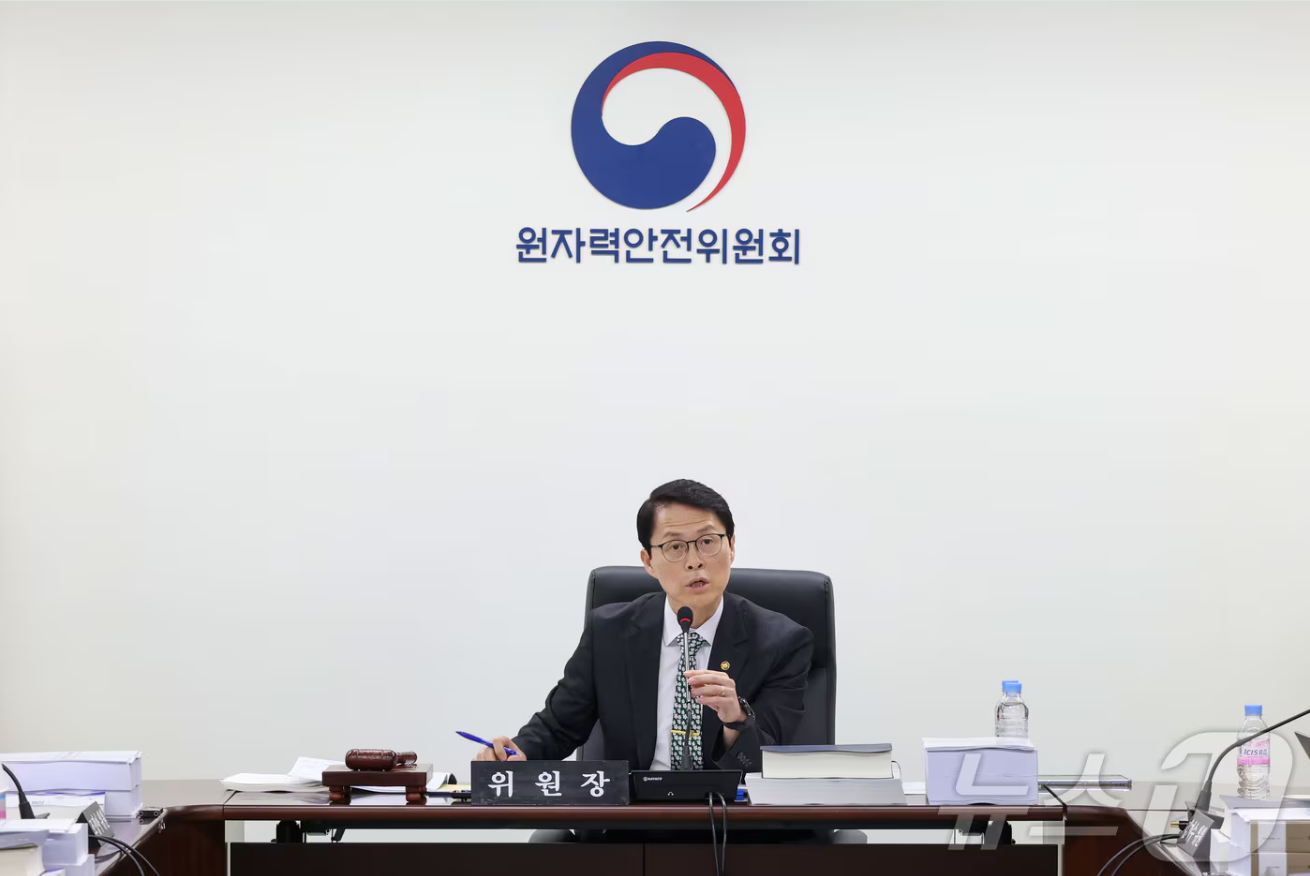
South Korea to Launch National Radiation Monitoring Center in 2027
The South Korean government reviewed and approved the "2027 Budget Plan" at a cabinet meeting on September 1. According to the budget arrangement, South Korea will launch the National Radiation Monitoring Center in 2027 to centrally collect and manage national environmental and marine radioactive information; simultaneously, it will expand the Nuclear Safety Information Sharing Center to strengthen direct communication with residents near nuclear power plants. The Nuclear Safety and Security Commission (NSSC) has allocated 1.4 billion KRW for the construction and operation of the National Radiation Monitoring Center. The project aims to strengthen the environmental radioactivity monitoring and analysis system to address regulatory demands arising from the expansion of domestic nuclear power utilization in South Korea and the increased operation and construction of nuclear facilities in neighboring countries. The National Radiation Monitoring Center is planned...
2026-09-01
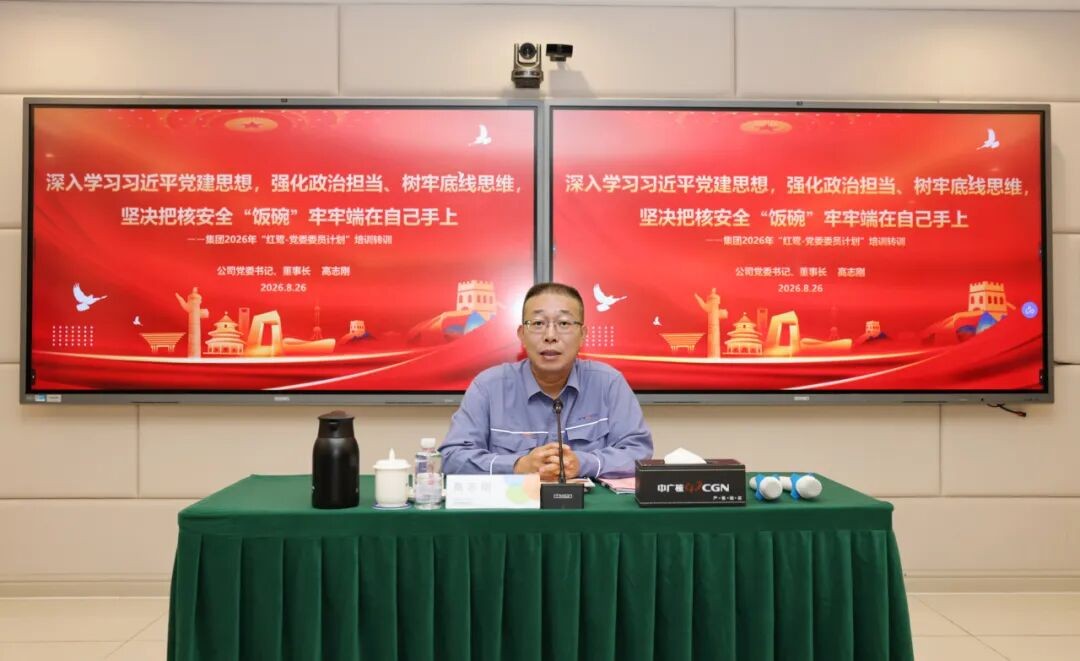
Fangchenggang Nuclear Power Holds Special Symposium on Nuclear Safety Management
Recently, Gao Zhigang, Secretary of the Party Committee and Chairman of Fangchenggang Nuclear Power, presided over a special symposium centered on the theme of "firmly holding the nuclear safety 'rice bowl' in our own hands," engaging in exchanges with departments including Operations Division I, Operations Division II, Nuclear Safety and Licensing Department, and Training Department, while also delivering relay training in accordance with the requirements of CGN's 2026 "Red Egret - Party Committee Member Plan" training program. At the symposium, department representatives shared work insights and best practices based on their job responsibilities and frontline work realities, focusing on role positioning, capability enhancement, value creation, and cognitive upgrading, while also offering suggestions on production safety management, risk prevention and control, and on-site execution. Gao Zhigang...
2026-09-01
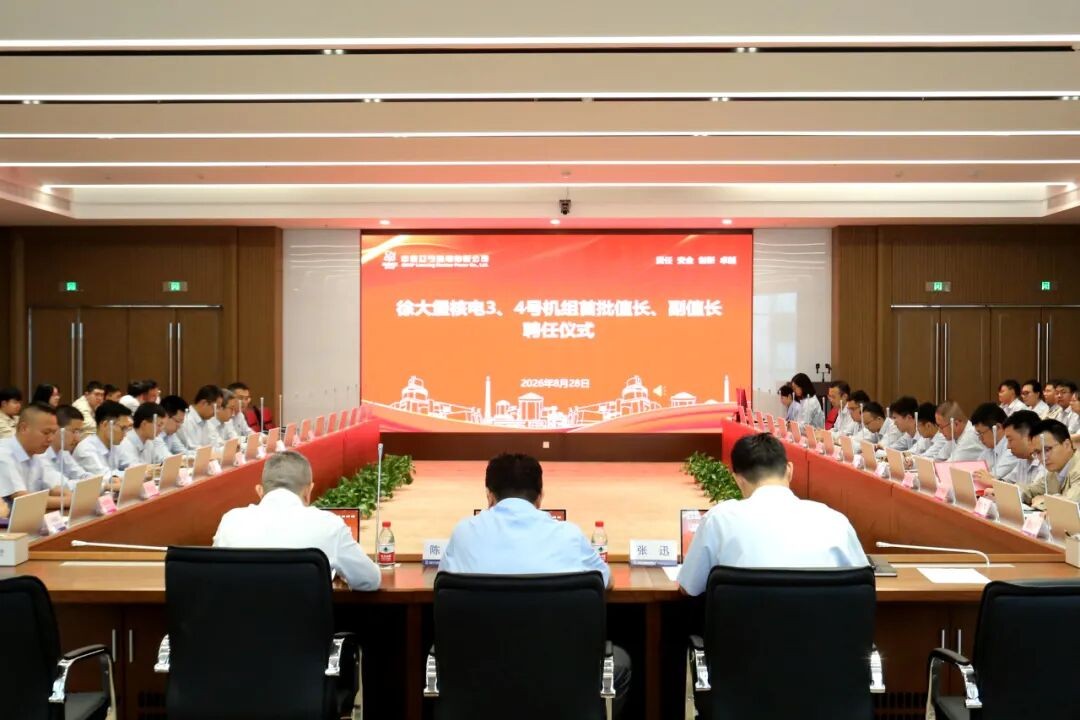
First Batch of Shift Supervisors and Deputy Shift Supervisors Assume Duties at Xudabao Nuclear Power Plant Units 3 & 4
On August 28, Liaoning Nuclear Power held the appointment ceremony for the first batch of shift supervisors and deputy shift supervisors for Units 3 & 4 of the Xudabao Nuclear Power Plant, with relevant company leaders in attendance. At the ceremony, Liaoning Nuclear Power announced the appointment decisions, officially marking the assumption of duties by the first batch of shift supervisors and deputy shift supervisors for Units 3 & 4. A documentary short film played at the event reviewed the growth journey of the operations team, from theoretical study and systematic training to on-site practical operations and on-the-job experience. Having undergone training, practice, selection, and assessment, the personnel have now entered key positions in plant operations. On the same day, the head of the Operations Department signed annual business performance responsibility agreements with representatives of the first batch of shift supervisors, clarifying their accountabilities for safe performance of duties. Subsequently, the first batch of shift supervisors and deputy shift supervisors collectively...
2026-09-01
Zaporizhzhia Nuclear Power Plant Relies on Emergency Diesel Generators to Maintain Operations
The International Atomic Energy Agency (IAEA) recently stated that the Zaporizhzhia Nuclear Power Plant (ZNPP) has been relying on emergency diesel generators to maintain critical safety systems for over a week following the interruption of its external power supply. After inspections by the agency's on-site expert team, it was confirmed that as of the 23rd local time, the plant's diesel reserves could support approximately 10 days of operation, approaching the minimum regulatory requirement. According to the IAEA, the Zaporizhzhia Nuclear Power Plant lost its connection to the only remaining 330 kV Peresopravna-1 external transmission line starting on the 20th. Subsequently, the plant activated multiple emergency diesel generators to power critical equipment, including the six reactors and pumps related to spent fuel cooling and storage. The IAEA...
2026-08-31
South Korea Launches Standard Design Approval Review for i-SMR
The Nuclear Safety and Security Commission (NSSC) of South Korea is set to initiate a safety review of the standard design approval application for the innovative Small Modular Reactor (i-SMR). This project is part of the small modular reactor research and development program led by the South Korean government. The NSSC stated on August 28 that, at its 13th meeting of 2026 held on August 27, the Korea Institute of Nuclear Safety (KINS) reported on the review plan for the i-SMR standard design approval application. KINS had previously conducted a suitability review of the standard design approval application documents submitted in February of this year and determined that the documents met the conditions for entering the safety review phase, thereby establishing a subsequent review plan. The standard design approval system is designed to...
2026-08-28
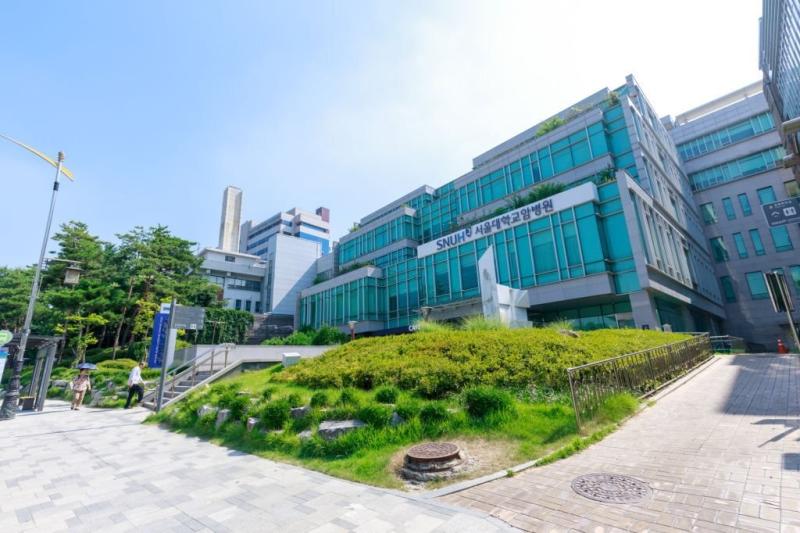
South Korean research team evaluates pipe rupture risk in nuclear power plants using probabilistic analysis
Researchers from Seoul National University of Science and Technology in South Korea have recently proposed a sensitivity analysis method based on probabilistic fracture mechanics to evaluate the rupture frequency of main coolant piping systems in nuclear power plants. This method can analyze the impact of uncertainties and modeling assumptions on prediction results, helping engineers distinguish extremely low-probability events from relatively more likely failure scenarios. In nuclear power plants, the main coolant piping system plays a critical role in maintaining structural integrity under normal reactor operating conditions. A pipe rupture could trigger a loss-of-coolant accident, and therefore this system has long been included in the key scope of nuclear power plant safety design and assessment.
2026-08-28
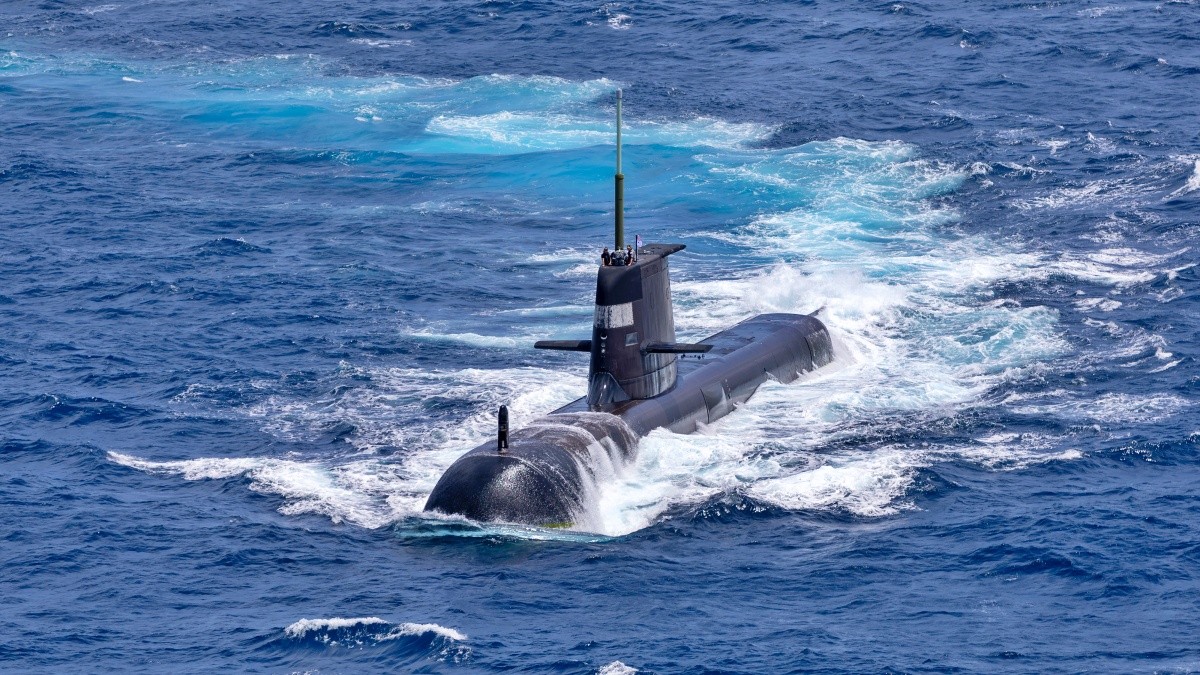
South Korean Lawmaker Proposes Special Act on Nuclear-Powered Submarines
Yoo Yong-won, a lawmaker from South Korea's People Power Party (PPP), proposed a draft of the Special Act on the Nuclear-Powered Submarine Project on August 27, aiming to establish a dedicated legal basis for introducing nuclear-powered submarines to South Korea. The South Korean government is currently advancing the nuclear-powered submarine project as a national strategic initiative. At a press conference held at the National Assembly that day, Yoo stated that the existing Defense Acquisition Program Act and Nuclear Safety Act have limitations in fully reflecting the unique characteristics of military nuclear propulsion systems, making it necessary to enact a special law. The draft proposes establishing a Nuclear-Powered Submarine Strategic Committee under the president's leadership to deliberate on major related matters...
2026-08-28
Japan to Allocate Funds to Accelerate Preparations for Next-Generation Nuclear Reactor Reviews
The Nuclear Regulation Authority (NRA) of Japan has decided to include funding in its budget request for the next fiscal year to investigate the effectiveness of safety measures for next-generation nuclear reactors and to make advance preparations for future review work. The Japanese government is promoting the development of next-generation nuclear reactors, including innovative light-water reactors that enhance safety design based on existing light-water reactor technology. Since November last year, Kansai Electric Power Co. has been conducting geological surveys at the Mihama Nuclear Power Station in Fukui Prefecture as part of preliminary preparations for potentially replacing existing units with next-generation reactors in the future. It has been reported that the NRA plans to include in its budget request for the next fiscal year...
2026-08-27
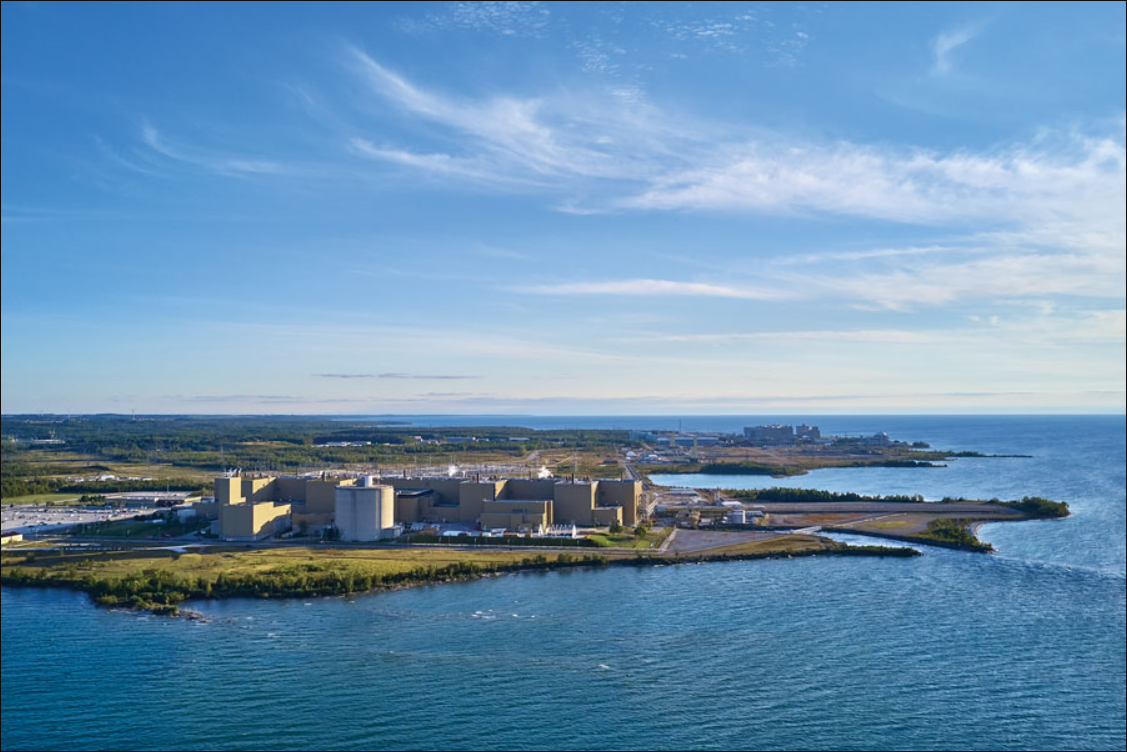
Canada Approves Power Uprate for Bruce A and B Nuclear Power Plants
The Canadian Nuclear Safety Commission (CNSC) announced on August 24 that it has decided to amend the licensing basis for the Bruce A and B nuclear power plants, approving an increase in the intermediate power operating levels of the two plants. The Bruce A and B nuclear power plants are located in Kincardine, Ontario, Canada, on the eastern shore of Lake Huron, and are operated by Bruce Power. Under the revised licensing basis, Bruce Power may increase the maximum operating power of the Bruce A plant to 95.5% of full power and the Bruce B plant to 96% of full power. Previously, the Bruce A plant was authorized to operate at a maximum power of...
2026-08-26