
Search Results
Keyword:OMI

Ukraine and IAEA to Strengthen Nuclear Safety Coordination
Ukrainian Energy Minister Denys Shmyhal and IAEA Director General Rafael Grossi held an online meeting, focusing on further strengthening nuclear and radiation safety cooperation amid the war. Ukraine hopes to achieve independent assessments of risks and operational status of critical energy infrastructure and develop more protective measures through closer international coordination. The talks come against the backdrop of sustained security pressures on Ukraine's energy facilities. The Ukrainian side emphasized that a stably operating power system is not only vital to public electricity supply but also directly affects the safety assurance of nuclear power plants and related facilities. The IAEA has previously conducted expert work at multiple energy facilities in Ukraine...
2026-08-12
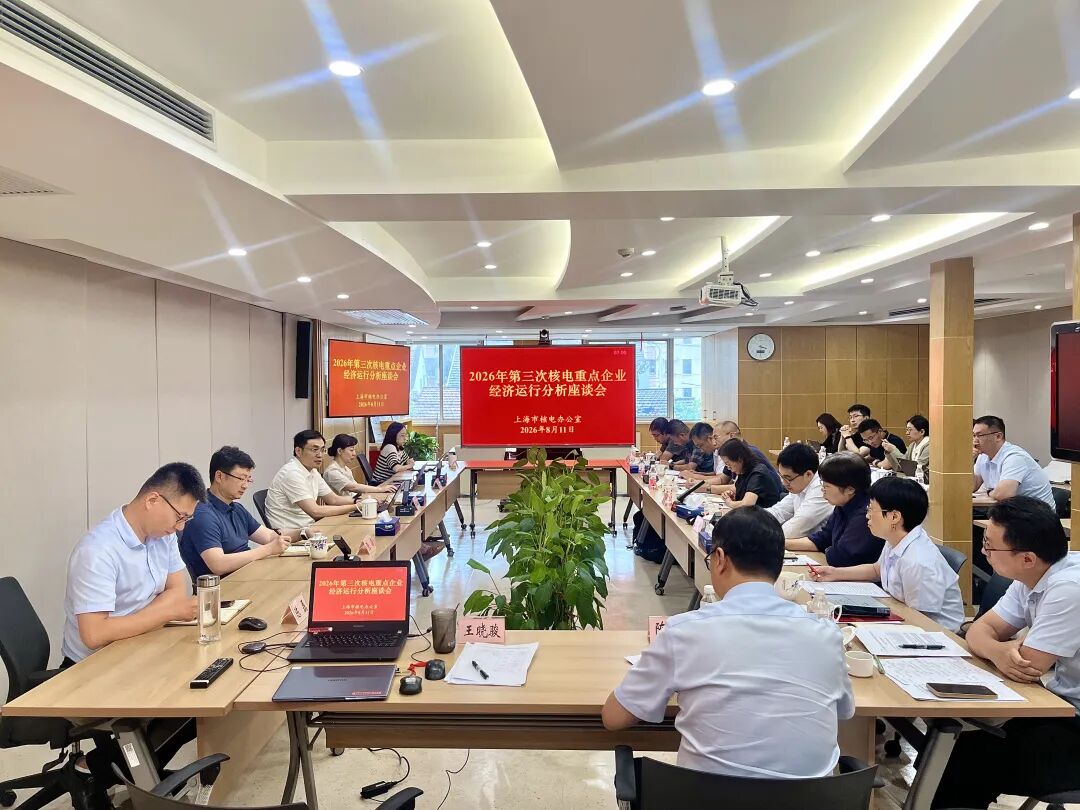
The Third Symposium on Economic Operation Analysis of Key Nuclear Power Enterprises in 2026 Convened
On the afternoon of August 11, the Shanghai Nuclear Power Office organized and convened the Third Symposium on Economic Operation Analysis of Key Nuclear Power Enterprises in 2026. Lu Haibin, Director of the Shanghai Nuclear Power Office, attended the meeting, and Zhou Ling, Deputy Director of the Shanghai Nuclear Power Office, presided over the meeting. Heads from 10 entities, including China Nuclear Engineering, Huaneng Nuclear Energy Research Institute, Shanghai Nuclear Engineering Research and Design Institute, State Nuclear Power Operation and Maintenance, State Nuclear Power Automation System Engineering, CGN Digital Technology, East China Electric Power Design Institute, Shanghai Electric Nuclear Power Group, Shanghai Electric Power Station Group, and Jianing New Materials, participated in the discussion. Lu Haibin noted that with the joint efforts of all units within the system, the overall development of the city's nuclear power industry in the first half of the year maintained a sound momentum, with economic operation characterized by "expanded scale and optimized structure." Each unit...
2026-08-12

UK Office for Nuclear Regulation Publishes New Safeguards Guidance
The UK Office for Nuclear Regulation (ONR) published updated guidance on 10 August to help nuclear facility operators meet new requirements under the Nuclear Safeguards (EU Exit and Fees) (Amendment) Regulations 2026. The amending regulations, which came into force in July this year, are regarded as a significant adjustment to the UK's nuclear safeguards regime. Safeguards measures are primarily used to verify whether a state complies with its international obligations, ensuring that nuclear materials in civil nuclear programmes are not diverted to non-peaceful purposes. The amendment modernises safeguards reporting requirements, with operators transitioning from the previous basic technical characteristics reports to the International Atomic Energy Agency (IAEA) standardized design information questionnaire. The new regulations also...
2026-08-11
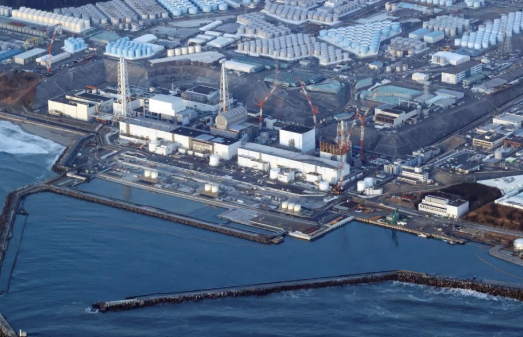
Japan's MEXT to Establish Industry-Academia-Government Collaboration Platform to Strengthen Nuclear Energy Human Resource Development
Japan's Ministry of Education, Culture, Sports, Science and Technology (MEXT) plans to launch a new initiative for nuclear energy human resource development, with the core approach being the establishment of an industry-academia-government collaborative organization within the Japan Atomic Energy Agency (JAEA). This organization will undertake coordination functions such as institutional design and budget allocation, and will promote closer cooperation mechanisms among universities, research institutions, and the industrial sector regarding nuclear energy education and practical training. Based on publicly available information, this arrangement is not merely about adding training courses, but rather an attempt to build a cross-sectoral human resource development platform. JAEA possesses research reactors, experimental facilities, and long-accumulated technical resources; incorporating these resources into the educational system will help bridge the gap between university classroom instruction and actual nuclear engineering field practice...
2026-08-11

MIT Research Proposes Framework for Assessing Economic Viability of Fusion Power Plants
Researchers at the Massachusetts Institute of Technology (MIT) have recently proposed an assessment framework aimed at addressing the core question that fusion energy must confront in transitioning from scientific feasibility to commercial profitability: how can a fusion power plant achieve economic viability in the energy market? The related open-access paper, titled "Criteria for the Economic Viability of Fusion Power Plants," has been published online in the Journal of Fusion Energy. The paper is authored by Dennis Whyte, Professor of Nuclear Science and Engineering at MIT, and Andrew W. Lo, Professor of Finance at the MIT Sloan School of Management, with contributions from researchers at Rutherford Energy Ventures and the MIT Plasma Science and Fusion Center.
2026-08-10
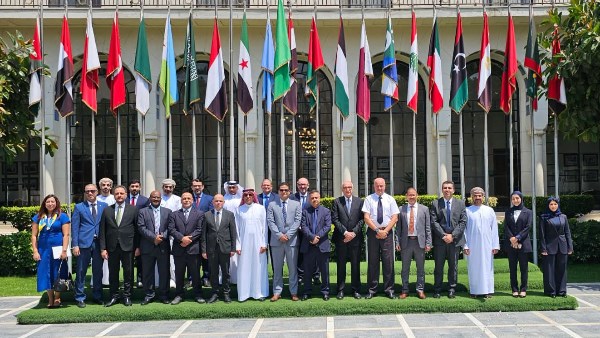
Arab League Holds Second Technical Committee Meeting on Nuclear and Radiation Emergency Preparedness Roadmap, Focusing on Cross-Border Coordination and Alignment with IAEA Obligations
The General Secretariat of the League of Arab States held its second open-ended technical committee meeting at its headquarters from August 9 to 10, focusing on following up on the implementation of the Arab cooperation roadmap for nuclear and radiation emergency preparedness and response. The meeting was attended by representatives of Arab member states, the Arab Atomic Energy Agency (AAEA), and relevant Arab and international organizations, indicating that this issue has risen from mere technical cooperation to an important component of regional security governance. The core objective of the meeting is to enhance the coordination capacity and response capability of Arab countries in the face of nuclear accidents and radiological emergencies. As nuclear technology continues to expand in energy, medical, industrial, and scientific research applications, nuclear...
2026-08-10
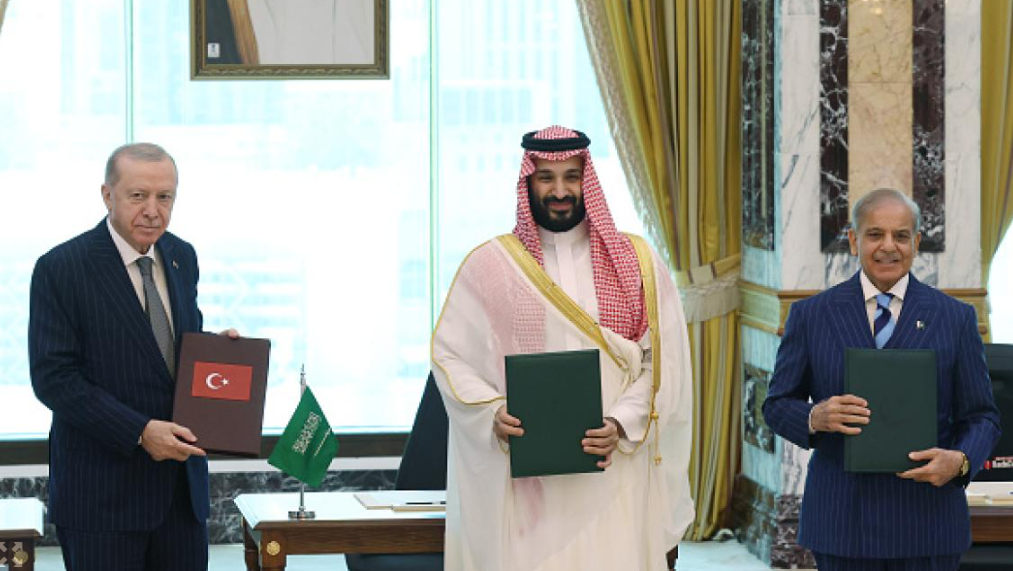
The Mecca Mutual Defense Agreement Opens a "Finance-Industry-Nuclear" Triad, with Nuclear Energy as an Energy Security Sub-route among Six Economic Pathways
On August 7, Saudi Arabia, Turkey, and Pakistan signed the Mutual Defense Agreement in Mecca, attended by Saudi Crown Prince Mohammed bin Salman, Turkish President Erdogan, and Pakistani Prime Minister Shehbaz Sharif. The agreement binds Saudi financial weight + Turkish defense industry and manufacturing base + Pakistani nuclear and military experience into a single framework for the first time, stipulating that an armed attack on any one country is considered an attack on all, and covers joint defense industry, technology exchange, and training planning coordination. Saudi officials clarified that the agreement does not point to a military axis, religious bloc, or nuclear arms race, but rather to building self-sustaining capabilities. The New Arab, citing IISS, Chatham House, and Reuters/AP analyses...
2026-08-10

DR Congo Government Responds to Research Allegations of "Uranium" in Cobalt Products, Announces Re-Testing and IAEA Consultations
The government of the Democratic Republic of the Congo (DRC) has recently responded to a study suggesting that its cobalt products may contain traces of uranium. The study, published in the journal *Nature Communications* on July 30, 2026, reported the presence of uranium traces in some exported cobalt hydroxide products from the DRC. As cobalt is a critical raw material in the global new energy battery supply chain, this claim quickly drew external attention to mineral product safety, environmental risks, and supply chain credibility. In an official statement released on August 7 by the Ministry of Communication and Media, the DRC government stated that the allegations should be understood within a scientific and geological context. The government emphasized that the natural co-occurrence of uranium in copper-cobalt deposits in Lualaba Province and Haut-Katanga Province is a geological phenomenon known for over a century, and is neither abnormal nor the result of artificial addition or deliberate manipulation. The government also noted that, under relevant International Atomic Energy Agency standards, if uranium exists only in trace amounts in ores or cobalt concentrates and is not specifically processed for uranium extraction, it should generally not be regarded as nuclear material.
2026-08-10

Russia Advances Rare Earth Extraction Technology Using Hyperaccumulator Plants, Plans Field Trials
August 7 news - Russian researchers have developed a technology for extracting rare earth metals using hyperaccumulator plants. The technology involves planting crops such as mustard, buckwheat, and sunflower at engineered landfill sites, allowing them to absorb metal elements from the soil and concentrate them in their biomass; after harvest, the plants are incinerated, and valuable elements are extracted from the ash. Mustard plantation. Photo: Pustovoit All-Russian Research Institute of Oil Crops. According to reports, under natural conditions in Russia, the relevant crops can be harvested two to three times per growing season. Estimates indicate that a single landfill site can yield up to 15 tons of rare earth metals annually. Currently, the laboratory has conducted tests using phosphogypsum waste from the Voskresensk and Balakovo areas, as well as loparite from the Lovozersky Mining and Processing Plant. The project plans to conduct field trials under real-world conditions this year, with pilot planting scheduled for next year.
2026-08-09
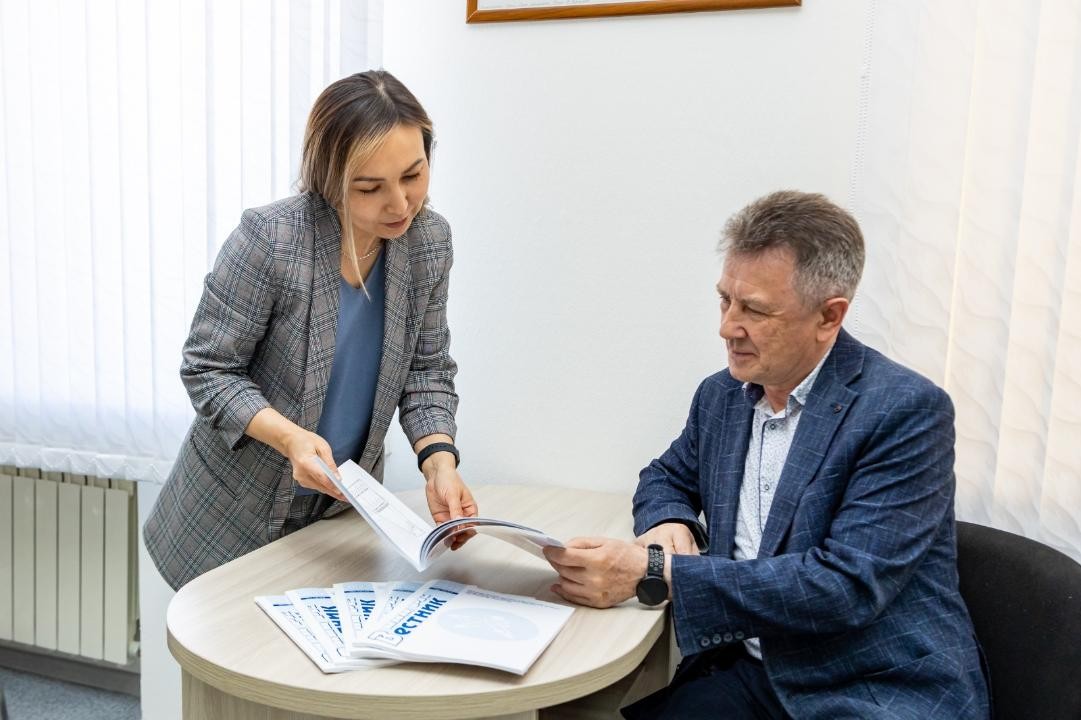
Kazakhstan's National Nuclear Center Advances Full-Chain Nuclear Talent Development
On August 7, the National Nuclear Center of the Republic of Kazakhstan (NNC RK) presented the status of its human resource development system in the field of atomic energy. Alua Mirzagazkyzy Kabdrakhova, scientific secretary of the center, stated that the modern nuclear energy industry is highly dependent on scientific research and engineering capabilities, and that talent development must begin with early career guidance and continue throughout higher education, research practice, and professional career development. According to the center's plan, nuclear talent development is first directed at secondary school students. The National Nuclear Center holds an annual summer school for young physicists and organizes student visits to research and technical facilities, helping high school students understand modern science,...
2026-08-09
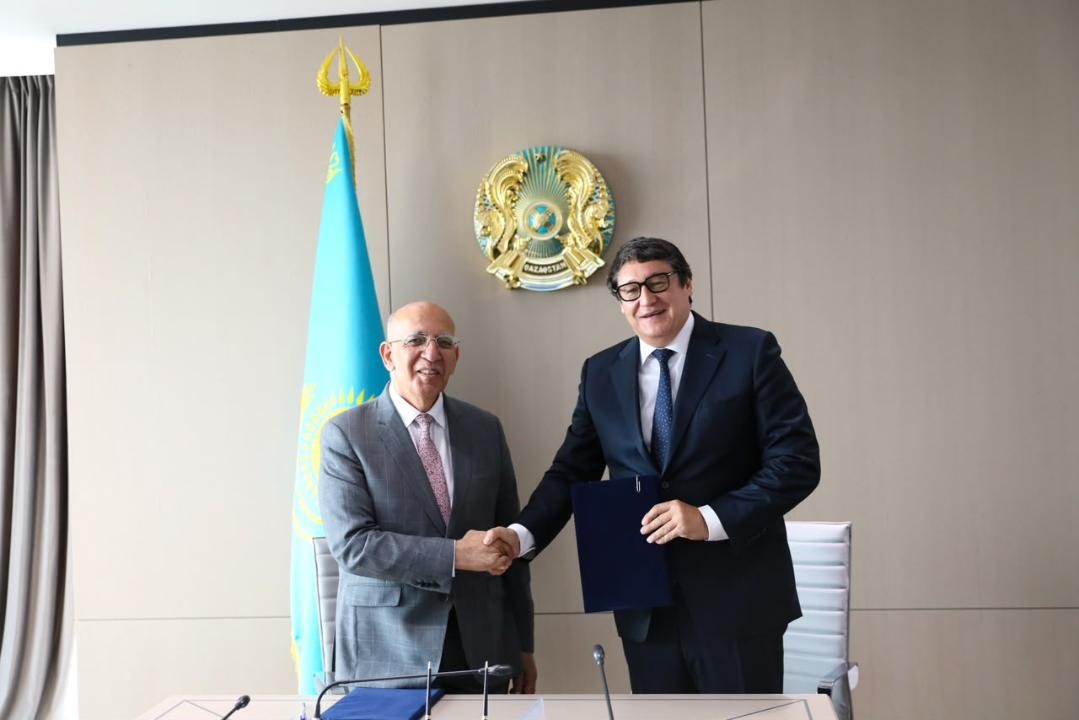
Kazakhstan Atomic Energy Agency and Nazarbayev University Sign Memorandum of Cooperation
On August 7, the head of Kazakhstan's atomic energy regulatory authority held formal talks with the President of Nazarbayev University, during which both parties exchanged views on the progress of existing cooperation and future directions for collaboration. During the talks, it was noted that representatives of Nazarbayev University have actively participated in the work of the agency's Scientific and Technical Committee, as well as in efforts to update forward-looking research in the nuclear energy field. Both sides agreed that research institutions and universities play a vital supporting role in the development of the nuclear energy industry, particularly in building research capacity and cultivating professional talent. Following the talks, the two parties signed a memorandum of cooperation. According to the document, the two sides will expand...
2026-08-08
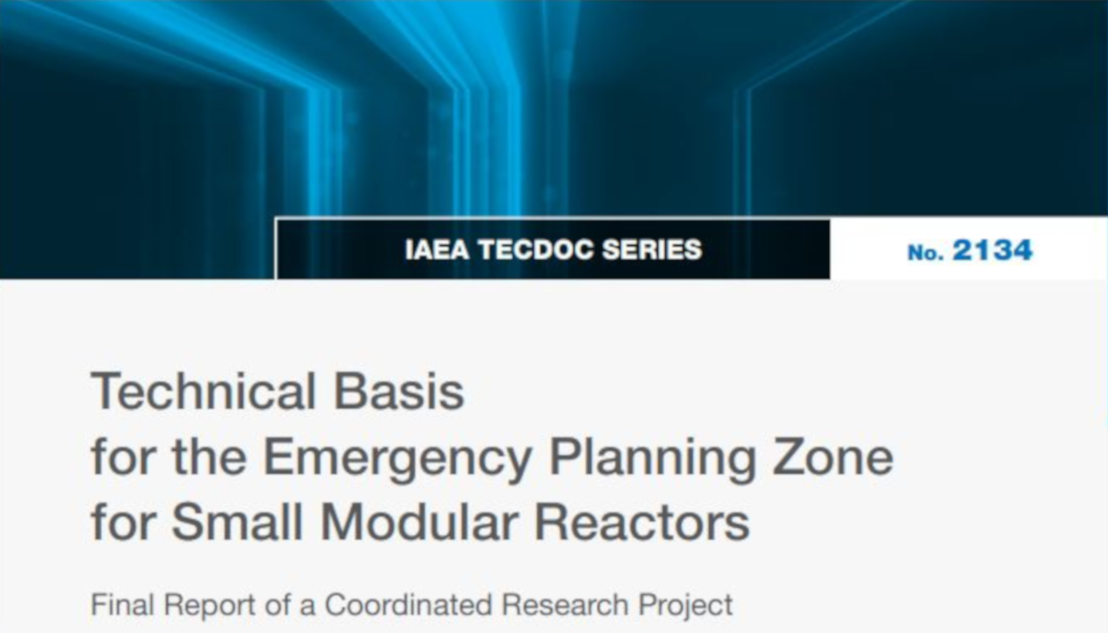
IAEA Publishes Technical Document on Emergency Planning Zones for Small Modular Reactors
The International Atomic Energy Agency (IAEA) recently released the technical document "Technical Basis for Emergency Planning Zones for Small Modular Reactors," designated as TECDOC-2134, published in Vienna in 2026. The document comprises 132 pages, includes 11 illustrations, is written in English, and is now available for download. This marks the first time the Agency has systematically documented, in publication form, the outcomes of a coordinated research project related to protective action planning zones in the deployment of small modular reactors. The document focuses on the technical basis for emergency preparedness and response for small modular reactors, with particular attention to determining the size of protective action planning zones. A protective action planning zone is an area surrounding a nuclear facility where protective measures are pre-planned in response to potential accidents...
2026-08-09
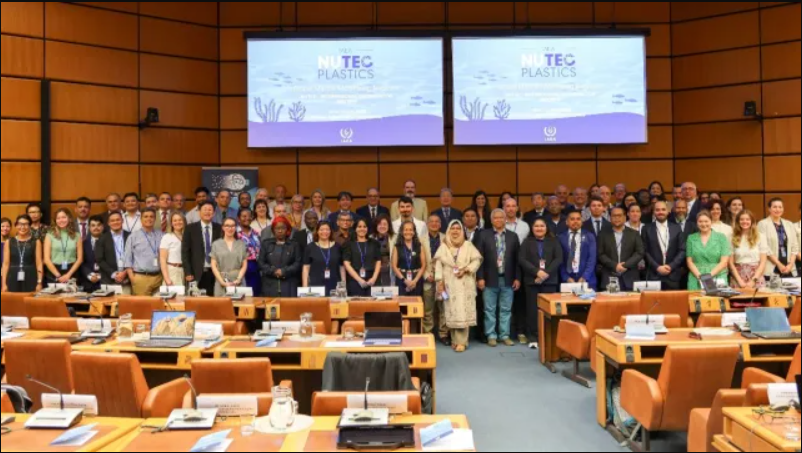
IAEA Launches Global Marine Microplastics Monitoring Platform
The International Atomic Energy Agency recently launched a global marine monitoring platform under the "Nuclear Techniques for Controlling Plastic Pollution" initiative, aiming to strengthen cooperation and data sharing among countries on the abundance, distribution, and trends of microplastics in marine and coastal areas. Scientific experts from 65 countries attended the platform launch event. The platform will serve as a repository of results from the network of marine monitoring laboratories supported by the initiative. Participating laboratories can enter monitoring data into the platform to compile global information on marine microplastic pollution; users can access relevant content after creating a free IAEA Nucleus account. Plastic pollution has become a global environmental issue. According to reports...
2026-08-09
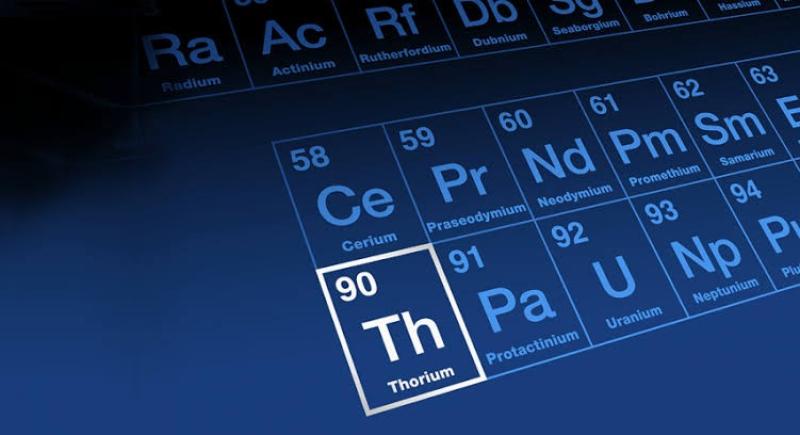
Thorium Atomics Initiates Pre-Application Regulatory Engagement with U.S. Regulators for Tesseract TGR Reactor
On August 7, Thorium Atomics announced that it has initiated pre-application regulatory engagement with the U.S. Nuclear Regulatory Commission (NRC) for its Tesseract TGR advanced reactor project. Prior to this, the company submitted a letter of intent to the NRC outlining the technical and licensing discussions it plans to conduct with regulators in the future. Thorium Atomics submitted the letter of intent on June 23, 2026. The NRC subsequently responded by letter on July 24, 2026, confirming the assignment of project number 99902174 for the Tesseract TGR project and designating a project manager from the Office of Advanced Reactors to coordinate pre-application activities. This number will be used for the administrative management and tracking of future correspondence, meetings, submissions...
2026-08-08
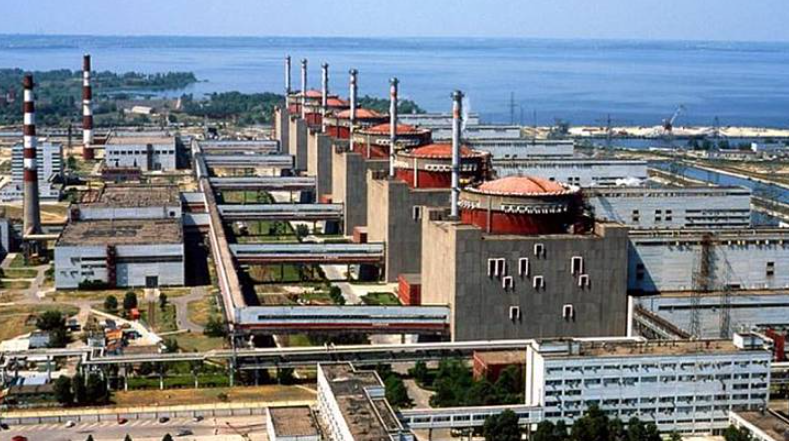
Zaporizhzhia Nuclear Power Plant to Raise Spent Fuel Pool Water Levels to Mitigate Power Outage Risks
The International Atomic Energy Agency (IAEA) stated that the operator of the Zaporizhzhia Nuclear Power Plant has decided to raise the water levels in the spent fuel pools on site to enhance safety buffer capacity in the event of a prolonged loss of external power. The primary purpose of raising the water levels is to extend the time before water in the spent fuel pools begins to boil and evaporate under extreme conditions where external power to the plant is interrupted for an extended period, diesel reserves are depleted, and emergency diesel generators can no longer supply power to the cooling systems. Spent fuel pools are used to store used nuclear fuel underwater, typically for at least five years, allowing its radioactivity and residual heat to gradually decay, making continuous cooling a critical element of nuclear safety. All six units at the Zaporizhzhia Nuclear Power Plant...
2026-08-08