
Search Results
Keyword:OMI
IAEA Publishes Technical Document on Emergency Planning Zones for Small Modular Reactors
The International Atomic Energy Agency (IAEA) has published TECDOC Series No. 2134, "Technical Basis for the Emergency Planning Zone for Small Modular Reactors." The document was published in Vienna in 2026, comprising 132 pages with 11 illustrations, in English. This document marks the first time the IAEA has published the results of a Coordinated Research Project (CRP) on the technical basis for emergency planning zones for Small Modular Reactor (SMR) deployment. The research project was conducted from 2018 to 2021, focusing on how to determine the technical basis for off-site emergency preparedness and response (EPR) arrangements in SMR deployment scenarios, particularly the requirements and scope for establishing emergency planning zones (EPZ).
2026-08-07

60th Anniversary of the Joint FAO/IAEA Centre: Nuclear Techniques Continue to Serve Global Agriculture and Food Safety
In 2024, the Joint FAO/IAEA Centre of Nuclear Techniques in Food and Agriculture marks its 60th anniversary. Established in 1964 through a partnership between the Food and Agriculture Organization of the United Nations and the International Atomic Energy Agency, the Centre primarily promotes the application of nuclear science and related technologies in food security, agricultural production, and sustainable environmental development. Over the past 60 years, the Joint Centre has carried out work in areas including pest control, plant breeding and genetics, soil and water management, animal production and health, and food safety and quality control. Its Agriculture and Biotechnology Laboratories have long undertaken tasks in technology development, capacity building, and technology transfer,...
2024-12-27
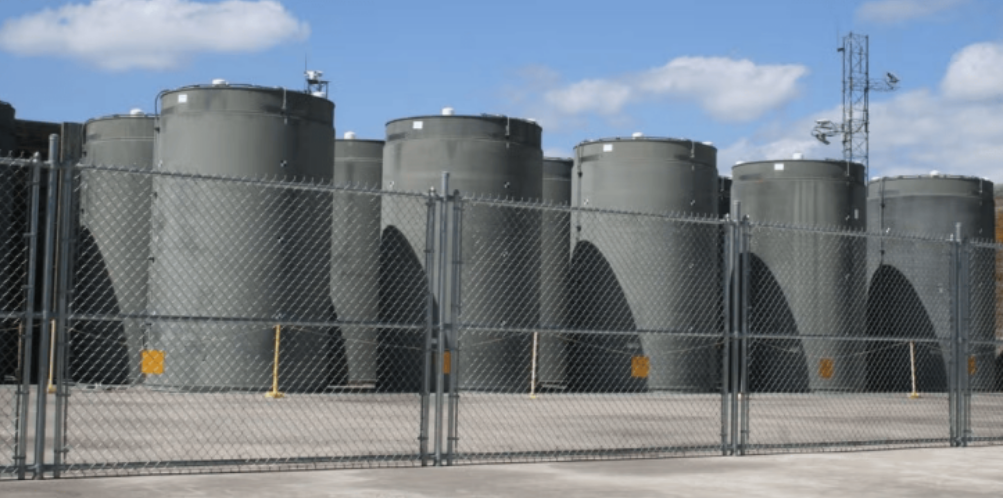
IAEA Publishes Report on Aging Management of Spent Fuel Dry Storage Systems
The International Atomic Energy Agency (IAEA) has published the findings of a decade-long study on aging management of spent fuel dry storage systems. According to IAEA estimates, by the end of 2024, spent fuel discharged from nuclear power plants worldwide had exceeded 400,000 tonnes of heavy metal (tHM). Of this, 106,000 tHM is in dry storage, a long-term storage method that is becoming increasingly common compared with wet storage. Most IAEA member states are still decades away from commissioning permanent spent fuel repositories, which means dry storage systems will likely need to continue operating safely beyond their design lifetimes. Wet storage has been in operation for decades, and the IAEA states that aging management of such facilities is generally well understood. Utilities choose dry storage for its passive safety features, and many dry storage facilities have already received license extensions. The IAEA expects demand for dry storage to continue growing, with service periods extending well beyond the original 20-to-40-year licensing terms, potentially exceeding 120 years. Aging management programs (AMPs) are therefore needed to verify continued safe operation.
2026-08-06
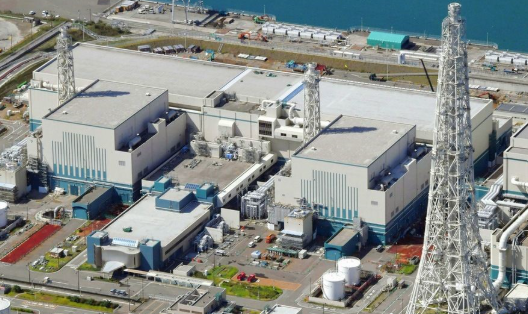
IAEA Director General to Inspect Kashiwazaki-Kariwa Nuclear Power Plant
Preparations are in the final stages for IAEA Director General Rafael Grossi's first inspection of Tokyo Electric Power Company's Kashiwazaki-Kariwa Nuclear Power Plant, expected to take place on August 18. Grossi has previously stated that there are "no obstacles to a swift restart," signaling a positive attitude toward the plant's reactivation. This inspection suggests that discussions surrounding the restart may accelerate. However, it is worth noting that local residents still harbor concerns, adopting a cautiously optimistic outlook on future developments. This marks Grossi's first visit to the Kashiwazaki-Kariwa plant, making it a significant event. Against the backdrop of growing attention to nuclear safety, the IAEA's...
2026-08-06

Clobot Signs MOU with Korea Atomic Energy Environment Corporation and Others to Demonstrate Multi-Robot System for Safe Radioactive Waste Management
Clobot, a specialized enterprise in intelligent robot services and integrated control of heterogeneous robots, announced on August 6 that it will apply its multi-robot integrated control system to radioactive waste safety management sites. On August 3, the company signed a business agreement at the headquarters of the Korea Atomic Energy Environment Corporation, with partners including T-Robotics, the Gyeongbuk ICT Convergence Industry Promotion Association, and the Korea Atomic Energy Environment Corporation, under the project name "Demonstration Project for Multi-Robot Operation in High-Risk Radioactive Waste Safety Management." The collaboration is based on the selection through the public call for proposals for the "Large-Scale Converged Robot Demonstration Project: Social Problem-Solving Type" hosted by the Korea Institute for Robot Industry Advancement in 2026, with Clobot serving as the lead organization.
2026-08-06

United States to Host IAEA ATLAS Initiative Ministerial Launch
The United States will host the ministerial launch of the International Atomic Energy Agency (IAEA) Atoms for Transport Licensing and Applications at Sea (ATLAS) Initiative in Washington, D.C., on August 26-27, 2026. The event will bring together ministers, policymakers, and industry representatives to discuss topics related to the safe and reliable application of nuclear technology in the maritime domain. The ATLAS Initiative aims to establish an international framework to harmonize legal and regulatory issues facing maritime nuclear energy applications and to support the deployment of related civilian nuclear technologies. Building on the IAEA's experience in nuclear safety, nuclear security, and safeguards, the Initiative emphasizes technology neutrality and places safety, security, and non-proliferation requirements as the foundation for advancing maritime nuclear applications...
2026-08-06
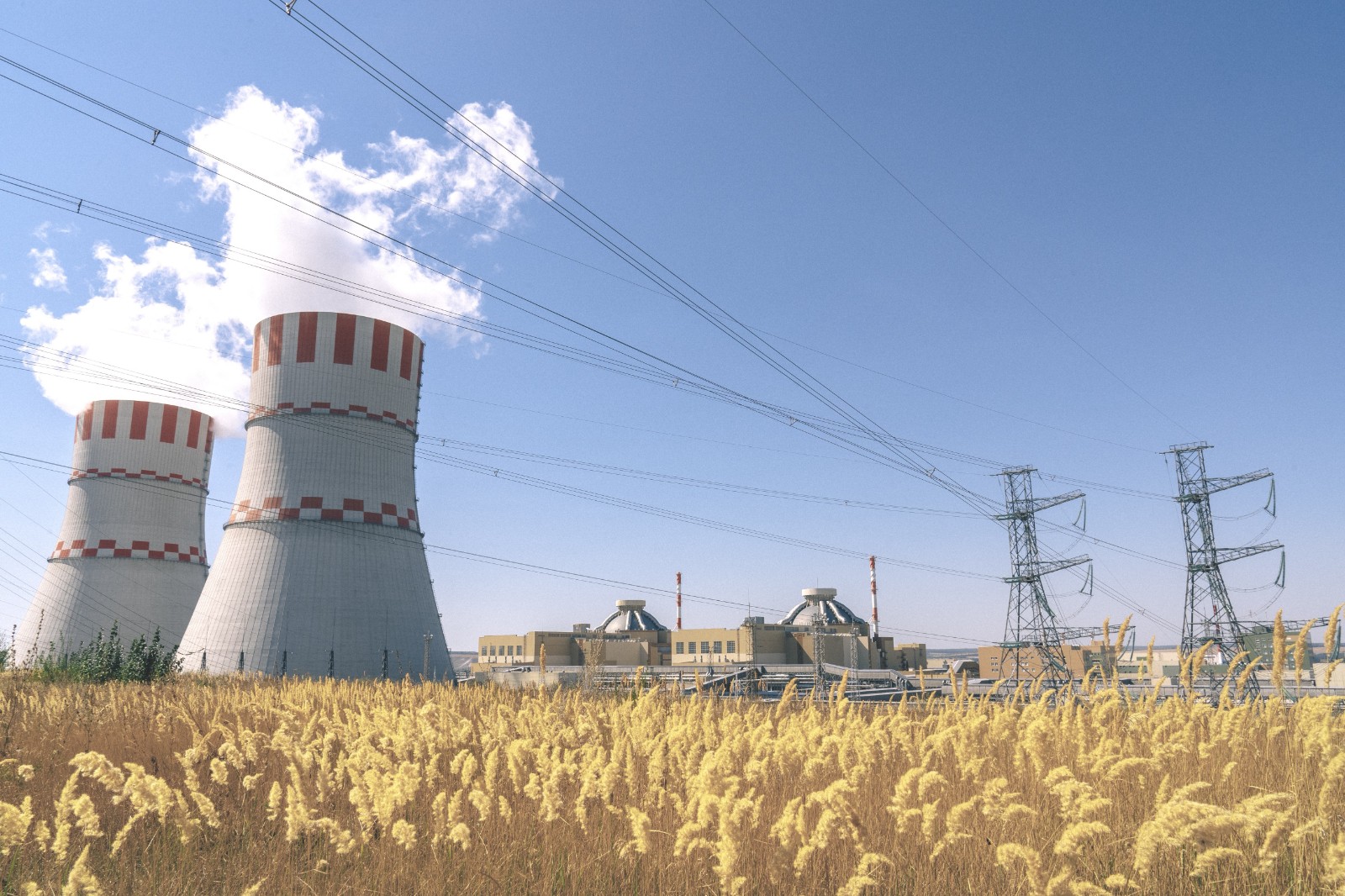
Novovoronezh NPP Unit 6 Exceeds 79 Billion kWh in a Decade of Operation
Since Unit 6 of Russia's Novovoronezh Nuclear Power Plant was first connected to the grid in 2016, it has delivered over 79 billion kWh of electricity to the Unified Energy System of Russia. The unit is the world's first Generation III+ nuclear power unit equipped with a VVER-1200 reactor, and also the first new nuclear unit built from scratch in Russia under the NPP-2006 project. The Novovoronezh NPP currently operates four units, namely Units 4, 5, 6, and 7. Unit 6 accounts for 31.2% of the plant's total electricity generation from operating units. The unit entered commercial operation in February 2017. Its construction began in 2007, with about 200 contracting organizations involved in the project. Russia...
2026-08-06
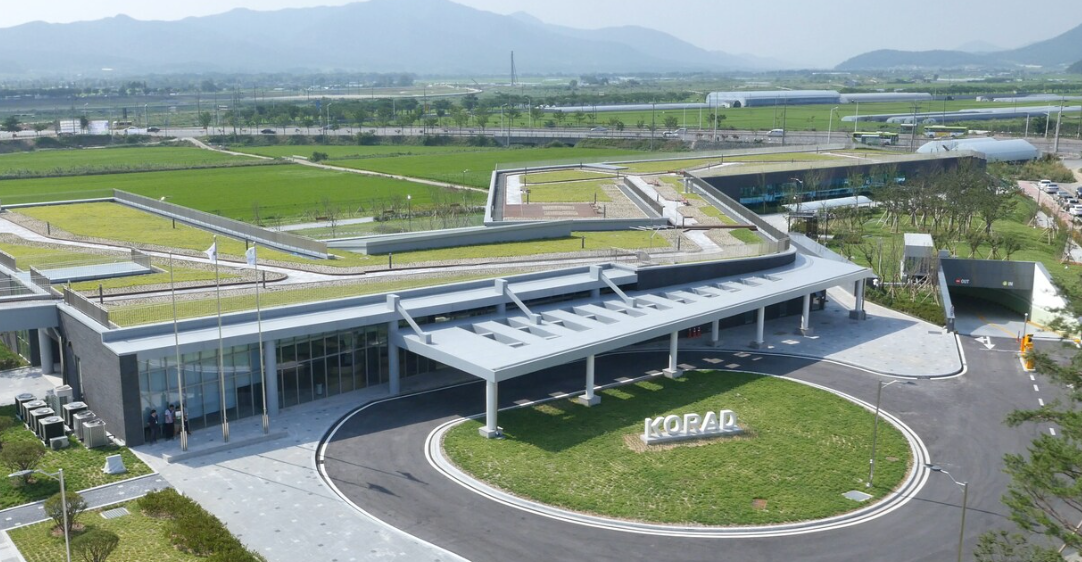
A batch of radioactive waste from the Korea Atomic Energy Research Institute deemed unsuitable for disposal due to documentation discrepancies
According to disclosures by relevant parties on August 5, a batch of radioactive waste shipped last year by the Korea Atomic Energy Research Institute (KAERI) to the low- and intermediate-level radioactive waste disposal facility (RWDF) in Gyeongju, North Gyeongsang Province, was deemed unsuitable for batch disposal due to inconsistencies between the declared documentation and actual contents. The Korea Radioactive Waste Agency (KORAD) conducted inspections after receiving the waste. KAERI shipped a total of 694 drums of radioactive waste to the disposal facility last year, of which 69 drums were inspected, and 32 were found to be non-compliant. The primary reason for non-compliance was discrepancies between the contents of the documents submitted by the institute and the actual inspection results after receipt. As a result, this batch of waste from the Korea Atomic Energy Research Institute...
2026-08-06

Uranium "Breakthrough" in Poland's Świętokrzyskie Mountains Falls Short, Industria Announces Canadian Lab Results and Halts Exploration
Poland's uranium exploration has recently yielded results, with Świętokrzyska Grupa Przemysłowa Industria announcing the conclusion of uranium exploration near Kielce. Although reports two years ago suggested a breakthrough uranium discovery that could potentially bring Poland into the nuclear fuel supply sector, subsequent studies revealed that uranium concentrations in the area are extremely low, close to natural background levels and far below the threshold for economically viable extraction. Laboratory analysis results indicated that uranium and thorium concentrations in the ore are too low for commercial mining, leading the company to terminate further exploration. According to data from the International Atomic Energy Agency, the world's major...
2026-08-05
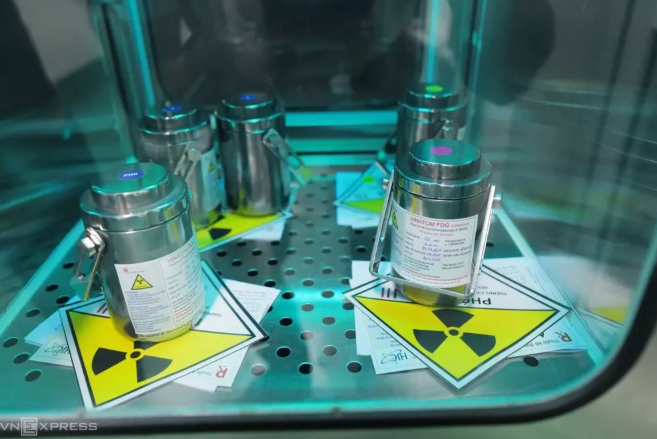
Vietnam to Develop 88 National Standards and 6 National Regulations Supporting Nuclear Power and Atomic Energy Applications from 2026–2030
Vietnam will develop standards and regulations for nuclear power development to support the construction of future nuclear power plants and advancements in atomic energy applications. To align with this goal, the country plans to establish 88 national standards and 6 national regulations during the period from 2026 to 2030, covering key areas such as nuclear power plant safety, radiation safety, environmental monitoring, and related equipment. These standards will reference existing practical experience from the International Atomic Energy Agency (IAEA), the International Organization for Standardization (ISO), and the International Electrotechnical Commission (IEC), and will be periodically reviewed and adjusted based on project progress and actual management needs. The development of these standards is carried out in four phases, each with clearly defined focal objectives...
2026-08-05
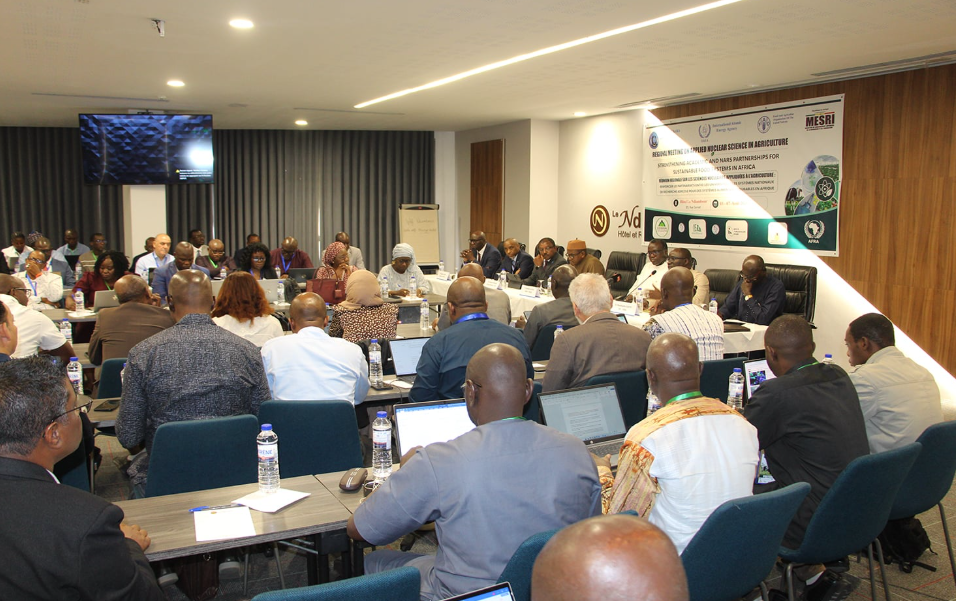
Senegal Seeks to Leverage Nuclear Energy to Boost Agricultural Productivity
Senegal is actively exploring the use of nuclear technology to enhance agricultural productivity. Facing numerous agricultural challenges, the country believes that nuclear science applications can effectively improve crop cultivation, soil health, and aquaculture, among other areas, with particular attention focused on the regional conference on nuclear science applications in agriculture held in Dakar from August 3 to 7. The event, organized by the Plant Biotechnology Laboratory led by Professor Diaga Diouf at UCAD University in collaboration with the International Atomic Energy Agency (IAEA), is part of the Atoms4Food initiative launched in 2023. The conference brought together university presidents, faculty deans, directors of national agricultural research centers, and other experts and scholars in related fields,...
2026-08-05
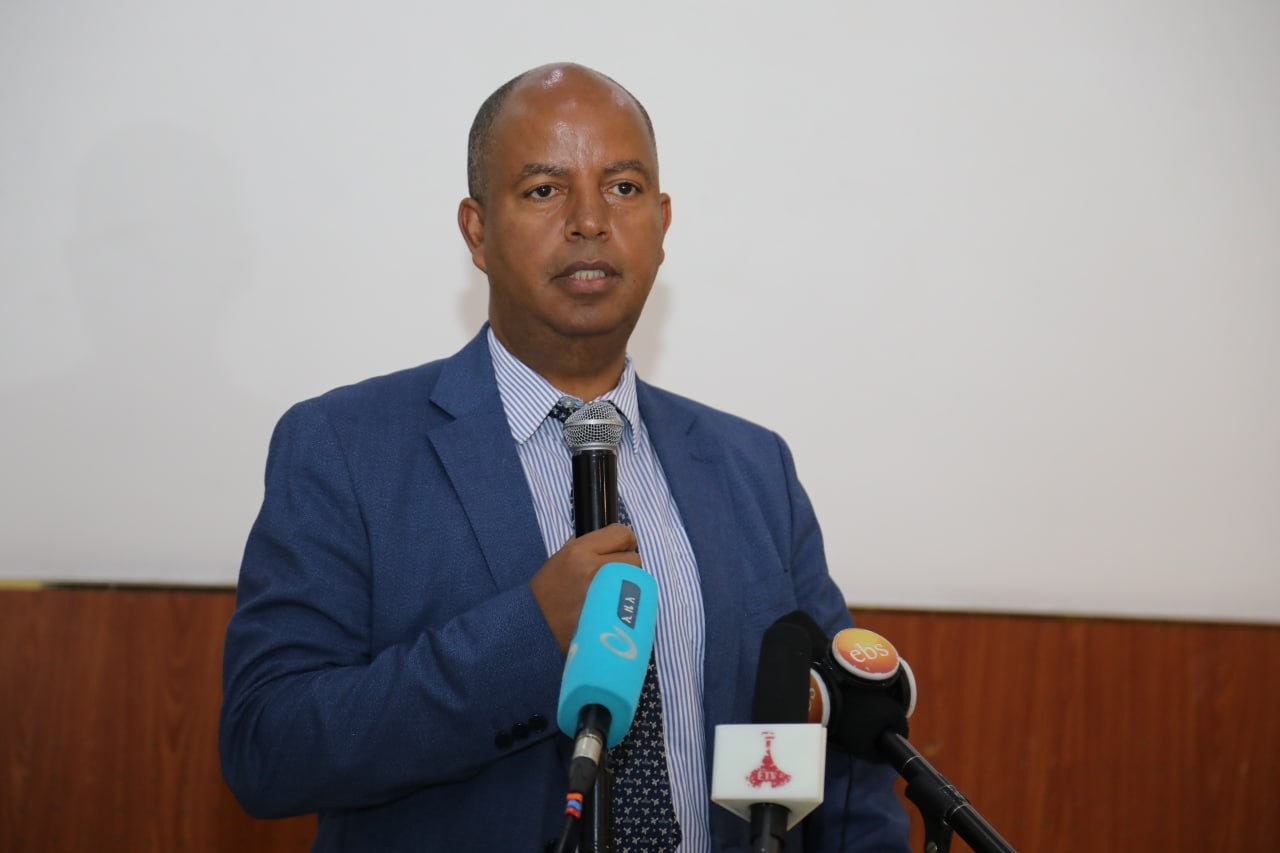
Ethiopia Advances Nuclear Power Regulatory Framework Development
The Ethiopian Technical Authority stated on August 4 that the country is strengthening its legal and regulatory framework in the nuclear energy sector, aligning with its strategic plan for future nuclear power generation and bringing relevant systems in line with international standards. As part of its nuclear power program, the Ethiopian Technical Authority has convened a stakeholder consultation forum bringing together government agencies, professional associations, and key partners to review the draft regulations for nuclear facility oversight. Solomon Getachew, Director General of the Ethiopian Technical Authority, stated at the forum that since the country formally notified the International Atomic Energy Agency (IAEA) of its intention to utilize peaceful nuclear technology for power generation, Ethiopia has undertaken various efforts in regulatory capacity building...
2026-08-05

UK Office for Nuclear Regulation contributes to IAEA regulatory cooperation toolkit for advanced reactors
The International Atomic Energy Agency (IAEA) recently published the Nuclear Harmonization and Standardization Initiative (NHSI) Regulatory Cooperation Toolkit. The UK Office for Nuclear Regulation (ONR) played a significant role in the development of this toolkit, which is designed to support cooperation among national nuclear regulators in the review of advanced reactor technologies. The toolkit is one of the key outputs of Phase 2 of the NHSI (2025–2026), developed jointly by multiple regulators participating in the NHSI Regulatory Track and the Small Modular Reactor (SMR) Regulators' Forum. The toolkit provides practical guidance, templates, and methodologies to help regulators conduct collaborative reviews, leverage existing regulatory assessment outcomes, and address...
2026-08-05
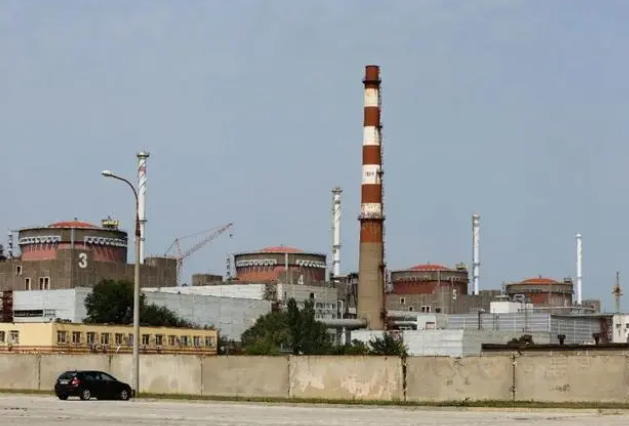
Zaporizhzhia Nuclear Power Plant Briefly Loses External Power, Restored via 330 kV Line
The International Atomic Energy Agency (IAEA) reported on August 4 that the Zaporizhzhia Nuclear Power Plant briefly lost external power supply that day. This marked the 24th occurrence of external power interruption at the plant since the outbreak of the related conflict. According to the report, the plant lost connection with the Ferrosplavnaya-1 transmission line, currently the only one still in service, in the afternoon, and emergency diesel generators provided backup power thereafter. The IAEA stated that the cause of the incident remains unclear. The plant management said the brief external power interruption was related to a technical fault in the automatic control system, and power supply was restored in less than an hour. Currently, the plant's auxiliary power is supplied by the 330 kV Fer...
2026-08-05
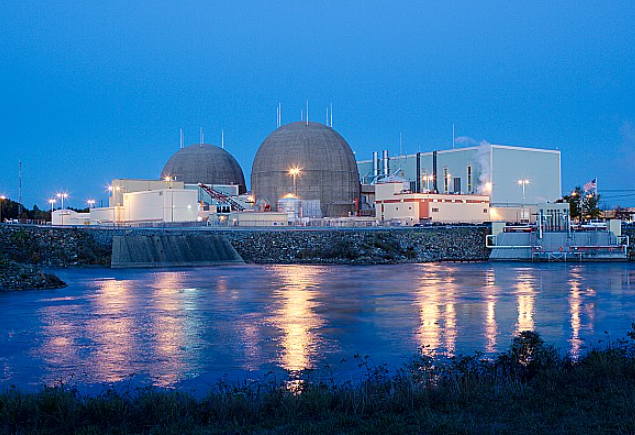
Dominion Energy Renews Early Site Permit for North Anna Nuclear Plant
Dominion Energy Virginia is taking steps to renew the early site permit for its North Anna nuclear power plant, originally issued in 2007. Located in Louisa County, the North Anna plant currently operates two reactors. The company submitted an application to the U.S. Nuclear Regulatory Commission (NRC) on July 14, seeking to extend the early site permit for a period of 20 years, or 20 years from the date of issuance, whichever is later. The NRC has formally acknowledged receipt of the request and is reviewing it for docketing acceptance. An early site permit is an optional process through which the NRC can confirm whether a site is suitable for a new nuclear power plant; obtaining such a permit can reduce risks of delays during the licensing and construction process...
2026-08-04