
Search Results
Keyword:One
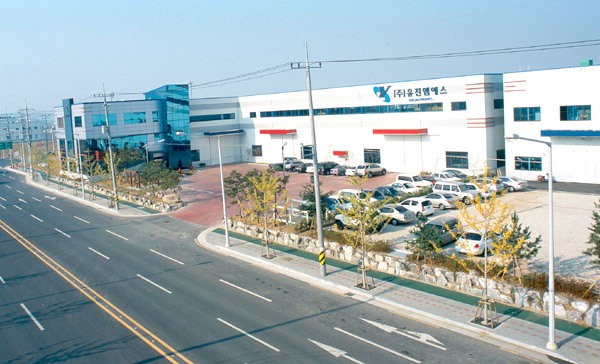
Korea's Eugene MS Wins KRW 11.4 Billion Order for ITER Core Components
Korea's Eugene MS announced on August 31 that it has signed a contract with the Korea Institute of Fusion Energy (KFE) to produce and supply the second batch of vacuum vessel port sealing flanges for the International Thermonuclear Experimental Reactor (ITER). The contract is valued at approximately KRW 11.4 billion, equivalent to about 44% of Eugene MS's 2025 revenue of KRW 25.9 billion. The contract period runs through December 2030. Under the arrangement, the sealing flanges will be delivered to the ITER Organization in three batches, with final inspection and related procedures scheduled for completion by June 30, 2031. The ITER vacuum vessel port sealing flanges consist of large fasteners and other components...
2026-08-31
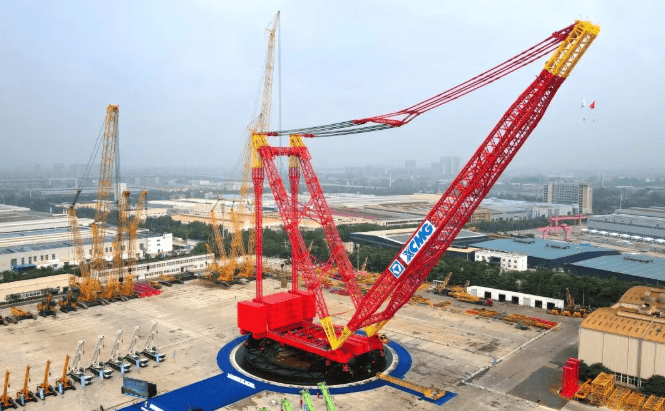
World's First 14,000-Ton-Class Ring Crane Rolls Off Production Line, Capable of Supporting Full-Module Lifting for HPR1000 2.0
Recently, XCMG's world's first 14,000-ton-class ring crane officially rolled off the production line. Su Zimeng, President of China Construction Machinery Association; Wang Guohua, Member of the Party Committee and Vice President of Sinopec Engineering (Group) Co., Ltd., as well as Party Secretary and General Manager of its Lifting and Transportation Company; and Yang Dongsheng, Chairman of XCMG Group and XCMG Machinery and Party Secretary, attended the launch ceremony. Xia Dechang, General Manager and Party Secretary of XCMG Crane Machinery Division, announced the successful rollout of the equipment. According to reports, the 14,000-ton-class ring crane was developed to meet the lifting needs of ultra-large and ultra-heavy equipment in major projects such as nuclear power, petrochemical, and marine engineering, with a focus on serving integrated lifting scenarios for large modules. The equipment achieves full-industry-chain...
2026-08-29
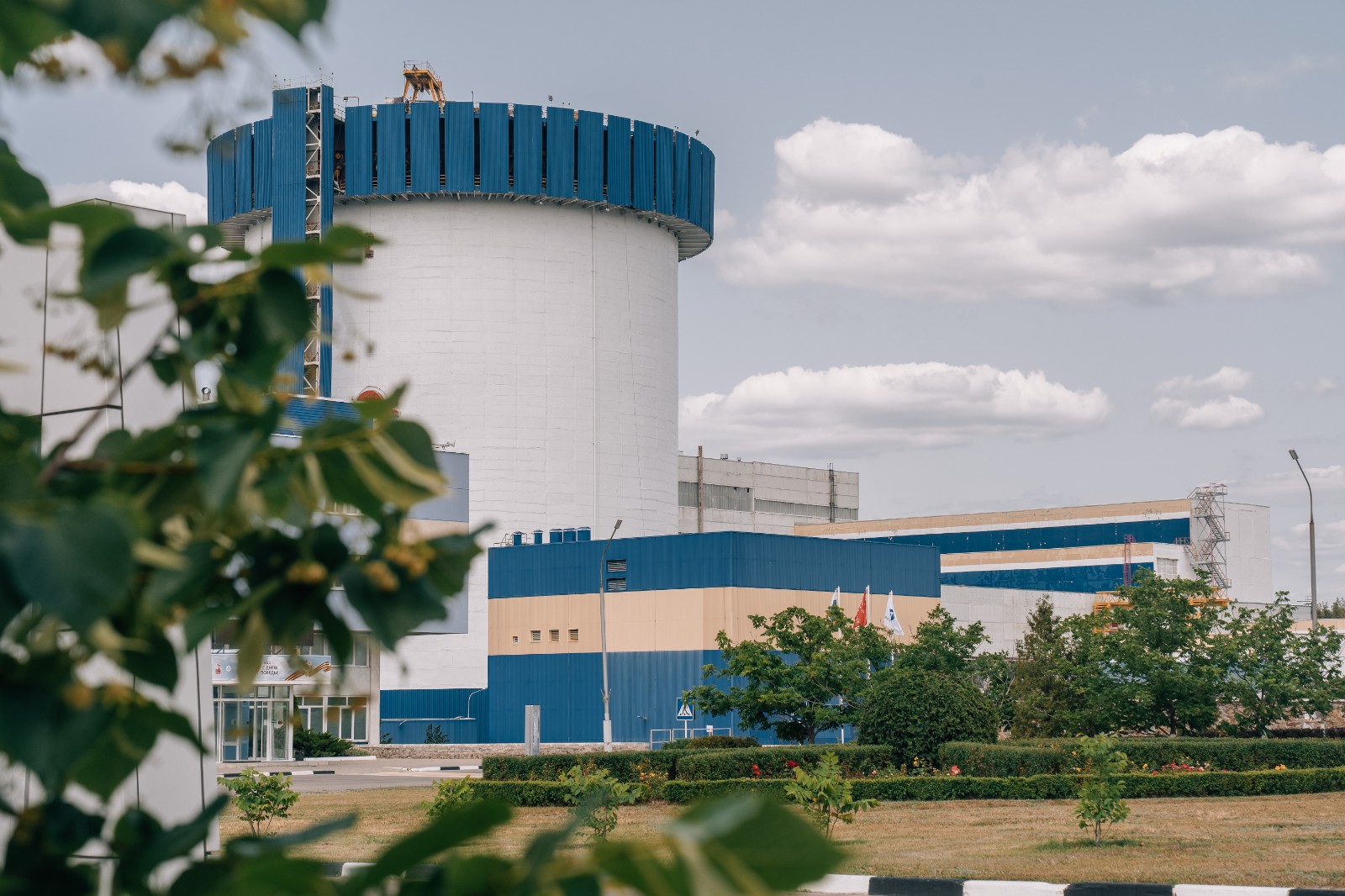
Unit 5 of Russia's Novovoronezh Nuclear Power Plant Enters Scheduled Maintenance
At 4:22 a.m. local time on August 28, Unit 5 of Russia's Novovoronezh Nuclear Power Plant was disconnected from the grid in accordance with the annual plan, entering scheduled preventive maintenance. The maintenance period is expected to last 35 days, after which the unit will be reconnected to the grid. Novovoronezh Nuclear Power Plant is a branch of Rosenergoatom, the Russian nuclear power plant operator, which is part of the Rosatom state corporation. During the maintenance period, the plant and the contractor Atomenergoremont will carry out minor, medium, and major repairs on main and auxiliary equipment, as well as implement modernization of some equipment. Key tasks of this maintenance include cleaning the turbine generator...
2026-08-29
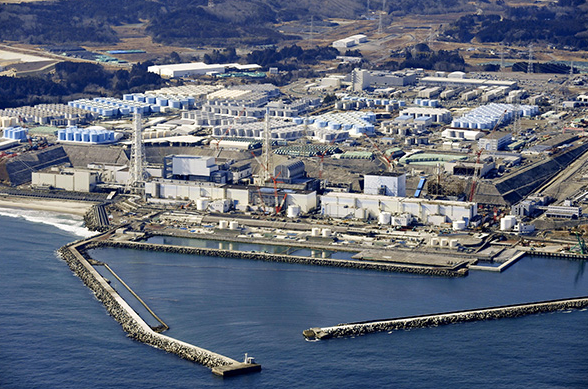
Japan to Establish New Decontamination Base in Okuma, Fukushima
Japan's Ministry of the Environment has decided to establish a new work base in Okuma Town, Fukushima Prefecture, in the next fiscal year to coordinate decontamination and house demolition work in difficult-to-return zones following the accident at Tokyo Electric Power Company (TEPCO)'s Fukushima Daiichi Nuclear Power Station, aiming to accelerate environmental recovery in the affected areas. Within seven municipalities surrounding the Fukushima Daiichi Nuclear Power Station, approximately 309 square kilometers have been designated as difficult-to-return zones. These areas remain under strict control, with restrictions on residential habitation and entry, and evacuation orders remain in effect. Within the difficult-to-return zones, the Japanese government has established "specified return residential areas" and plans to advance decontamination, house demolition, and other measures based on residents' intentions to return. The proposed new base in Okuma Town will be responsible for on-site management and project coordination, with approximately 30 staff members expected to be assigned, and the relevant branch office currently located in Hirono Town will be relocated to Okuma Town.
2026-08-30
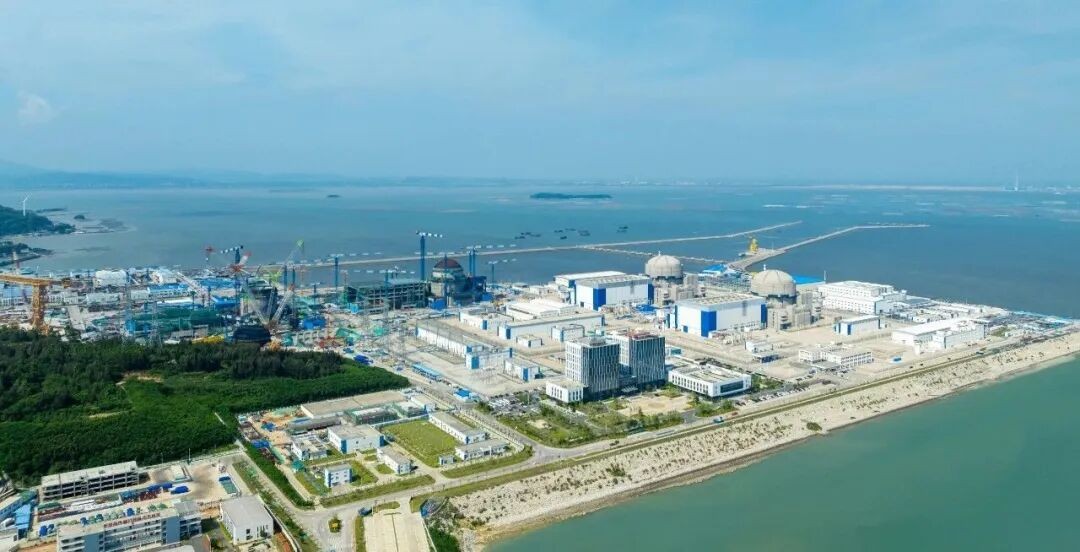
Zhangzhou Nuclear Power Units 3 and 4 Trench Civil Engineering Completes Milestone Phase
On August 27, with the final cubic meter of concrete poured into place, the B1 and B6 sections of the GS and GB trench civil engineering works for Zhangzhou Nuclear Power Units 3 and 4, undertaken by CNNC Huachen, along with the No. 4 overflow well, successfully completed their milestone phase. This phase involved multi-disciplinary cross-operations spanning civil works, installation, electrical, and piping, characterized by complex construction conditions and significant coordination challenges. Among these, Section B1, as the project's main critical path, featured narrow working areas, difficult access for large equipment, and intensive vertical and horizontal cross-operations among multiple units. Seven days before commencement, the project department established a dedicated planning team to verify site conditions, material routes, and cross-operation scopes drawing by drawing, identifying key difficulties such as foundation pouring, equipment positioning, and material supply, and conducting multiple rounds of discussions to optimize the construction plan. The construction period coincided with the rainy season, and Section B1, situated in a low-lying area, faced a high risk of rainwater backflow. The project department implemented measures including full-coverage rain shelters over the base slab, water-retaining curbs at passage openings, and round-the-clock pumping in two shifts, securing dry working areas amid accumulated water; simultaneously, discarded waterproof membranes were collected and reused to cover rebar cages and scaffolding, preventing corrosion and slippery conditions. On-site daily meetings were held, management personnel maintained 24-hour duty, and verbal confirmation with signed handovers was practiced, ensuring issues were resolved the same day, with no plan failures, rain-related stoppages, or process disconnections throughout the period. Facing the immense scheduling pressure from multi-process cross-operations, the project department established a dynamic scheduling system. In terms of manpower loading, fixed posts and personnel quotas were implemented, with zonal responsibility and flexible reinforcement; during peak periods, core work crews were consolidated and work areas were precisely delineated. For machinery, a dynamic scheduling ledger was established, with tower cranes, excavators, and lifting equipment staggered and cross-utilized. Material coordination was also optimized through advance stocking, zoned storage, dedicated management, and emergency replenishment. During the campaign, when the transport of main materials was obstructed, the project department organized management staff and labor crews to manually carry rebar, pipes, and auxiliary materials point-to-point to the working areas, effectively safeguarding project progress. Currently, the main structure construction of the GS and GB trenches by the Zhangzhou Nuclear Power Project Department has achieved phased results, with the GB trench completing 74 sections cumulatively, an 82% completion rate, and the GS trench exceeding 1,160 meters, accounting for 72% of the total length. The company will further strengthen construction organization, optimize construction logic, and continue to advance the remaining sections of the Zhangzhou Nuclear Power Project Department, fully ensuring high-quality performance of the contracted projects.
2026-08-29
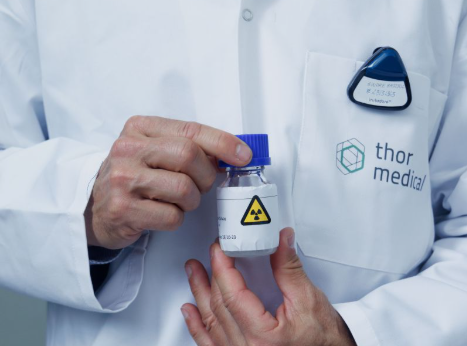
Thor Medical Advances AlphaOne Commercial Production in H1, Completes First Customer Deliveries of Lead-212 Isotope
Thor Medical ASA, a supplier of high-purity isotopes to the radiopharmaceutical industry, announced its H1 2026 results on August 28. The company stated that its AlphaOne facility has completed mechanical construction on time and on budget and has entered commercial production, marking the start of a new phase focused on scaling output, increasing customer deliveries, and growing revenue. Thor Medical CEO Jasper Kurth said that with the completion of the first customer product deliveries from AlphaOne, the company has established a solid commercial foundation in a rapidly growing market, and the next step is to advance the execution plan around capacity expansion, customer deliveries, and revenue growth to support the development of next-generation precision cancer therapies...
2026-08-28
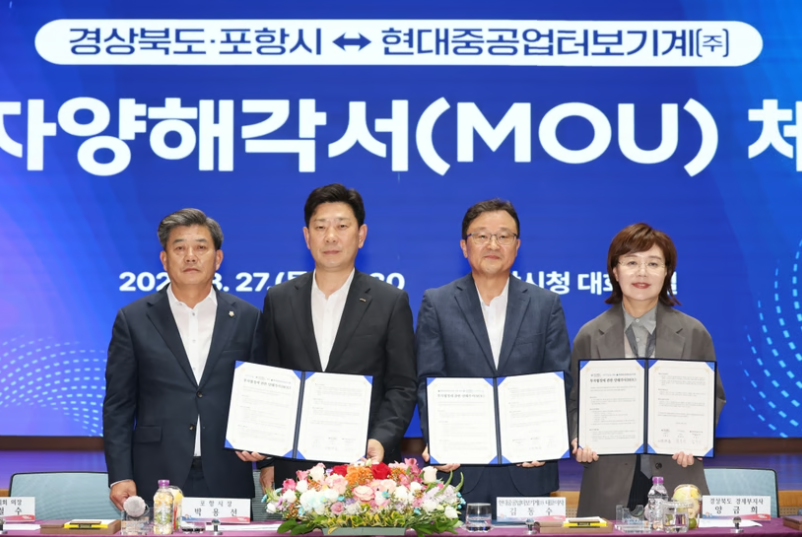
South Korea's Pohang to Build Core Component Factory for Small Modular Reactors
The city of Pohang and North Gyeongsang Province recently signed a memorandum of understanding with Hyundai Heavy Industries Turbomachinery Co., Ltd. to build a large-scale production plant for eco-friendly turbomachinery and core components for small modular reactors (SMRs) at the fourth comprehensive industrial complex in Pohang's Yeongil Bay, with an investment of approximately 100 billion KRW. Under the agreement, Hyundai Heavy Industries Turbomachinery plans to carry out the project between 2026 and 2029, constructing related production facilities on a 101,128-square-meter site within the complex. Upon completion, the project is expected to create approximately 100 new jobs and boost the local manufacturing sector...
2026-08-28
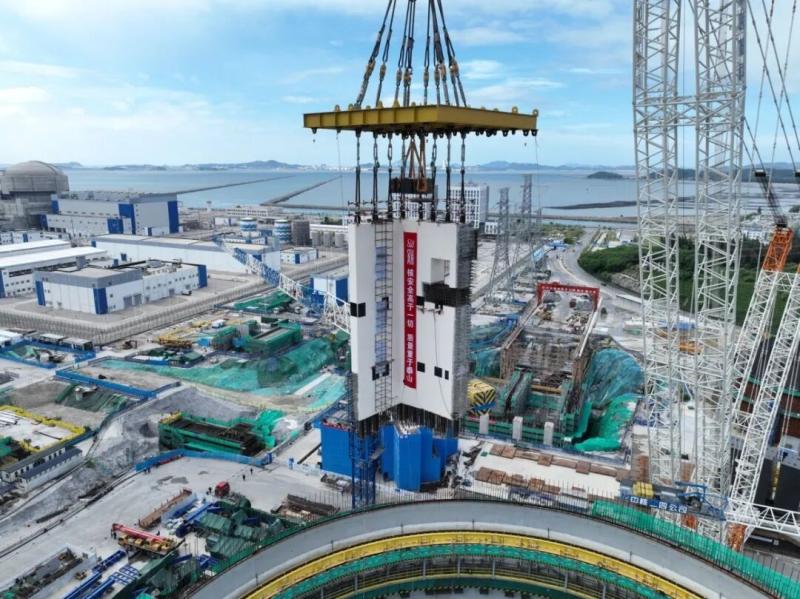
Zhangzhou Nuclear Power Unit 4 Completes Hoisting of Four Internal Structure Modules
From August 18 to 27, CNNC 24 completed the hoisting of four concrete modules for the internal structure of Zhangzhou Nuclear Power Unit 4 within 10 consecutive days, covering the evaporator compartments of Loops 3, 2, and 1 as well as the pressurizer compartment, creating conditions for subsequent loop installation and commissioning work. The evaporator and pressurizer are key equipment in the nuclear island loops. The corresponding compartment concrete modules serve both load-bearing fixation and protection functions, representing an important embodiment of the "Hualong One" defense-in-depth safety philosophy at the civil construction stage. The four modules hoisted this time are all irregularly shaped structures, all adopting the "off-site prefabrication + integral modular hoisting" process, with a total hoisting weight of approximately 2,400 tons. Compared with Unit 3, Unit 4 achieved 3...
2026-08-28
Sichuan Huadu Nuclear Energy Wins Control Rod Drive Mechanism Orders for 4 Nuclear Power Units
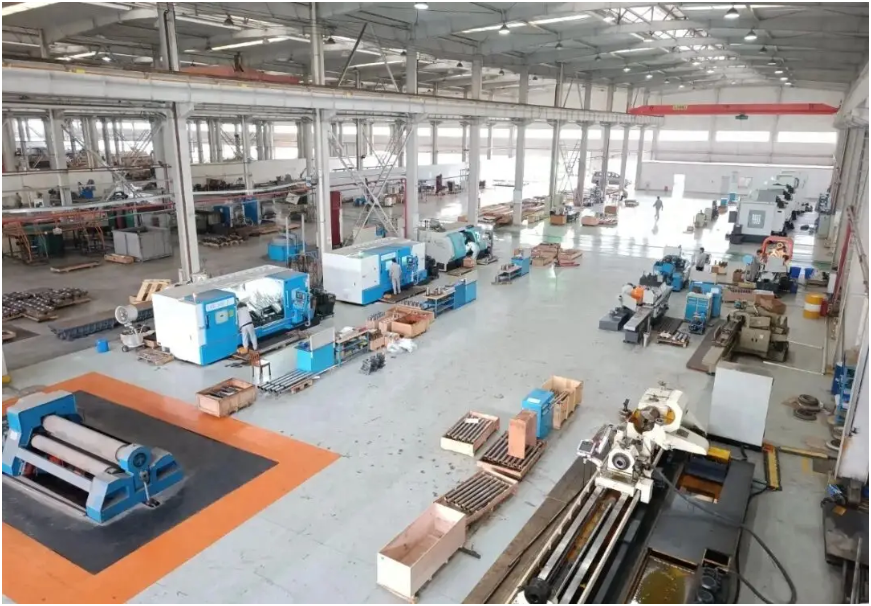
On August 24, news came from Sichuan Huadu Nuclear Equipment Manufacturing Co., Ltd., located in Dujiangyan, Chengdu, Sichuan, that the company has won the orders for control rod drive mechanisms for 4 units among the first batch of nuclear power units approved for construction during the 15th Five-Year Plan period in China, with a total new contract value of 504 million yuan. The winning projects include Units 3 and 4 of Zhejiang Jinqimen Nuclear Power Plant, as well as Units 1 and 2 of Phase I of Liaoning Zhuanghe Nuclear Power. According to the previous approval arrangement by the State Council Executive Meeting, the new batch of nuclear power projects involves a total of 4 projects and 8 units, including Phase II of Zhejiang Jinqimen Nuclear Power, Phase III of Guangdong Taipingling Nuclear Power, Phase I of Liaoning Zhuanghe Nuclear Power, and Phase I of Shandong Laiyang Nuclear Power, all adopting China's self-developed third-generation nuclear power technology...
2026-08-27
France's n-Floating Floating Nuclear Power Project Receives Nearly One Million Euros in Funding
newcleo announced on August 26 that a consortium led by the company has been selected for a call for projects managed by Bpifrance, the French public investment bank, supporting the decarbonization of France's maritime sector. The consortium will advance research on a floating nuclear power solution called n-Floating, with the project receiving nearly one million euros in funding and an expected duration of approximately 18 months. The n-Floating project aims to validate the relevance and technical feasibility of a new floating nuclear power solution. Under the proposed concept, a non-self-propelled floating unit would carry multiple LFR-AS-200 reactors, each with an electrical output of 200 megawatts. LFR-AS-200 is one of the lead-cooled fast reactor technology lines developed by newcleo.
2026-08-27
Hualong One Pressurizer Electric Heaters Achieve Coverage of Two Major Technical Routes
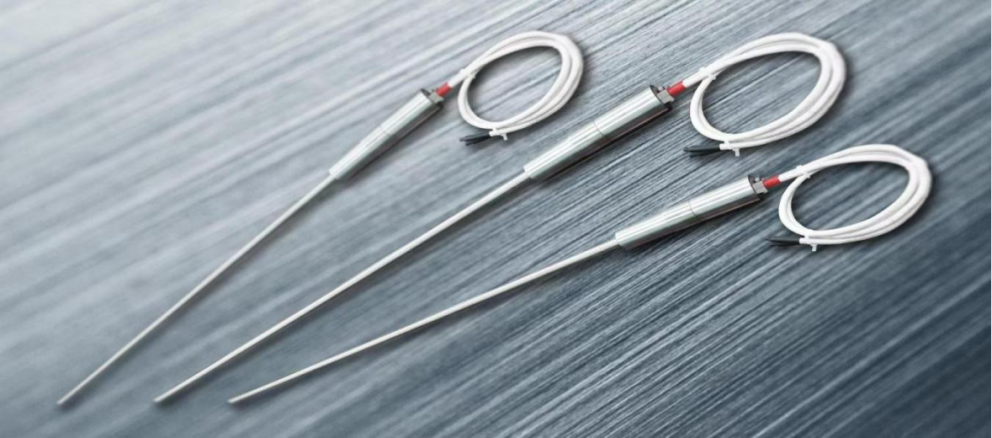
The pressurizer electric heater is an important safety-class component of the reactor coolant system (primary loop) in pressurized water reactor nuclear power plants, directly affecting unit pressure regulation and safe, stable operation. The localized pressurizer electric heater developed by Chuanyi Instrument Co., Ltd., a subsidiary of SINOMACH Instrumentation Group under SINOMACH Group, has been applied to China's self-developed Generation III nuclear power units such as "Hualong One." The photo shows the qualification prototype of the Hualong One pressurizer electric heater. With the batch construction of Hualong One units advancing, units adopting different technical routes have imposed new customized operating condition requirements on pressurizer electric heaters. In October 2019, Chuanyi Instrument, together with China General Nuclear Power Engineering Co., Ltd., initiated the development of the CGN-version Hualong One pressurizer electric heater...
2026-08-27
Construction of Access Tunnels Commences for Phase III of Taipingling Nuclear Power Project
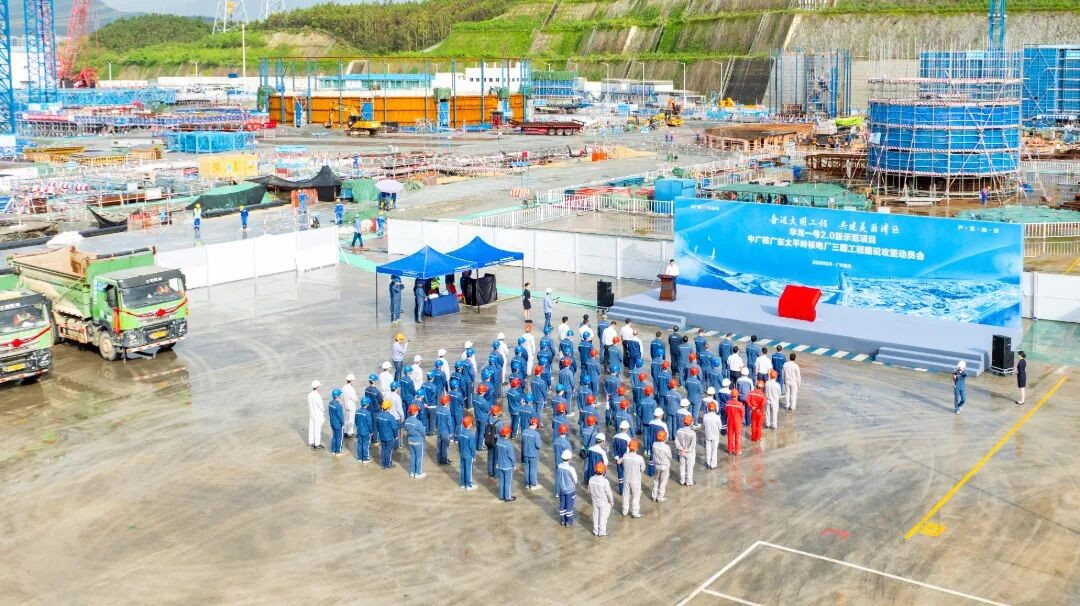
On August 26, 2026, CGN's Guangdong Taipingling Nuclear Power Plant held a mobilization meeting for the construction of its Phase III project. At the meeting, the "Safety and Quality Responsibility Agreement for the Construction and Operation of CGN Guangdong Taipingling Nuclear Power Plant Phase III Project" was unveiled, aiming to further consolidate safety and quality responsibilities in nuclear power engineering construction, strengthen project quality management, and ensure the safe and orderly progress of project construction. At the mobilization meeting, Zhang Guoqiang, Secretary of the Party Committee and Chairman of CGN Huizhou Nuclear Power Co., Ltd., announced the official commencement of access tunnel construction for the Phase III project. Upon completion of the access tunnel construction, it will help improve the organizational efficiency of project construction in areas such as material transportation and module hoisting, and create conditions for the subsequent pouring of the first batch of nuclear island concrete.
2026-08-27
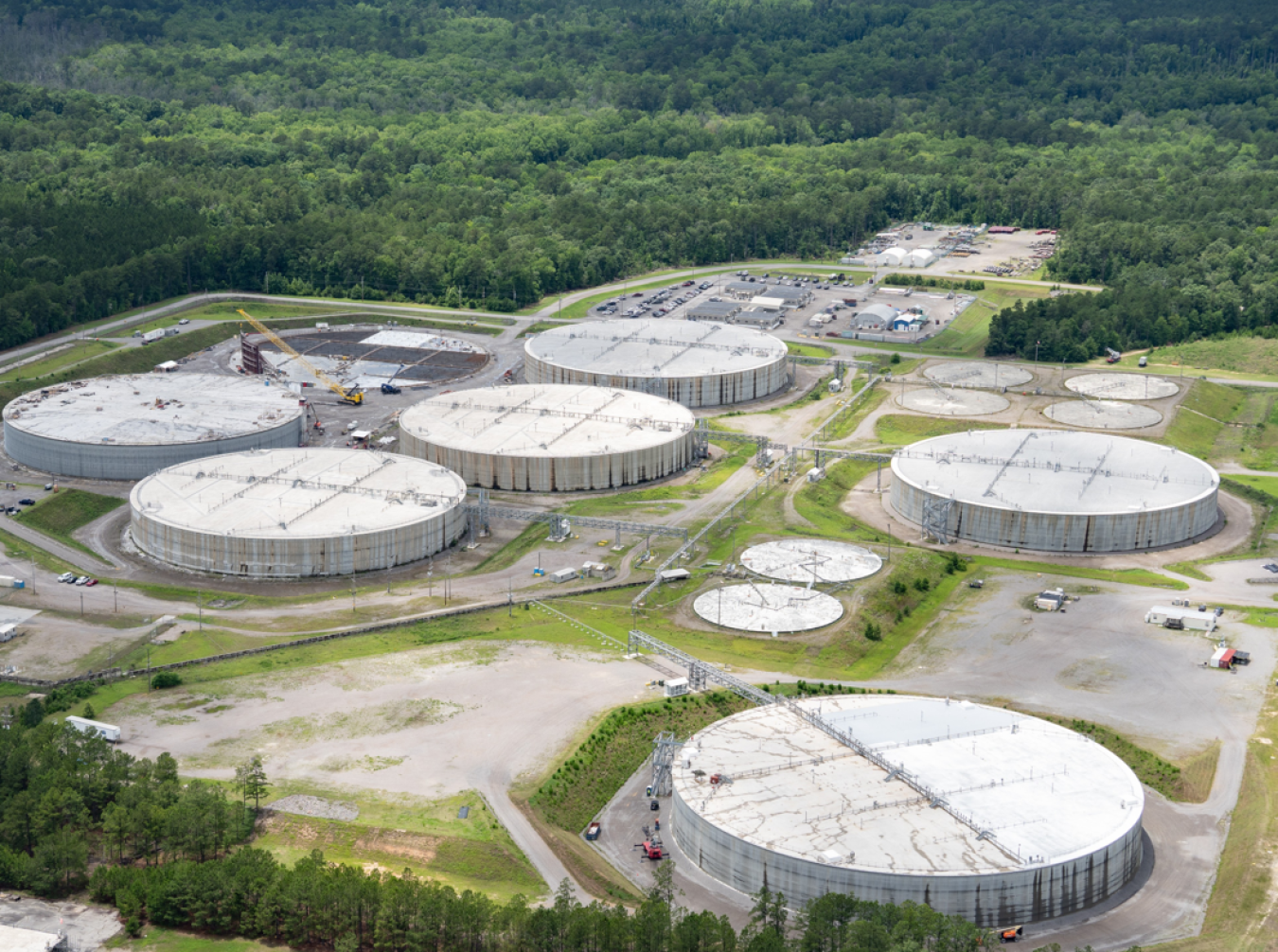
Fifth Mega Saltstone Disposal Unit Approved for Operation at U.S. Savannah River Site
The U.S. Department of Energy Office of Environmental Management announced on August 25 that it has approved the operation of the fifth mega saltstone disposal unit at the Savannah River Site in Aiken, South Carolina. Designated as SDU 10, the facility will receive purified material for final disposal, marking a new milestone in the site's cleanup program. According to reports, SDU 10 completed construction in June 2024, nearly 10 months ahead of schedule. Its leak-tightness testing was completed in December 2025, and the test results verified that the unit can safely store up to 33 million gallons of purified, solidified salt solution generated at the Savannah River Site. Saltstone disposal units are the end-stage facilities in the salt waste treatment process.
2026-08-26
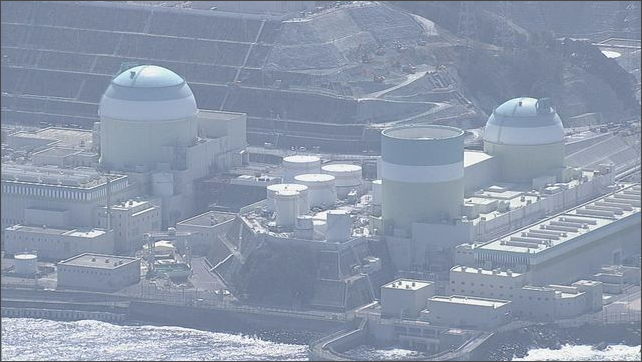
Bitumen Solidification Facility at Unit 2 of Japan's Ikata Nuclear Power Plant Returns to Normal
Shikoku Electric Power Co. reported on August 25, 2026, that the bitumen solidification facility at Unit 2 of Japan's Ikata Nuclear Power Plant, currently in a decommissioned state, had returned to normal operation at 10:45 a.m. that day. The gasket at the joint of the mixer top cover, where the earlier abnormality had been detected, had been replaced, and trial operation results showed no abnormalities. The incident occurred on April 28. On that day, when operators started the bitumen solidification facility in the controlled area of the reactor auxiliary building, they observed a steam-like phenomenon near the mixer thermometer, which subsequently disappeared on its own. Maintenance personnel later inspected and confirmed at 3:05 p.m. that the steam-like gas originated from inside the mixer and had escaped through the joint of the mixer top cover; at 5:06 p.m., the bitumen solidification facility was shut down.
2026-08-26
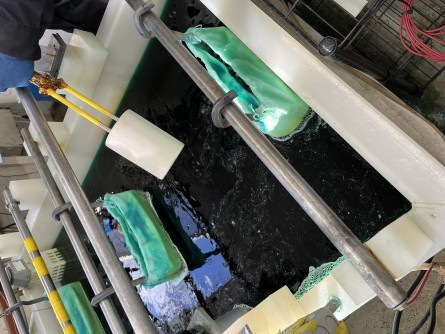
U.S. Develops Hybrid Process Combining Electroforming and 3D Printing for Critical Component Manufacturing in Advanced Nuclear Reactors
On August 24, local time, the U.S. Department of Energy's Oak Ridge National Laboratory (ORNL) announced that its scientists are collaborating with AJ Tuck Company (AJ Tuck) to develop a hybrid manufacturing process that combines 3D printing and electroforming to produce complex, leak-tight hot isostatic pressing canisters for powder metallurgy hot isostatic pressing processes. The process targets the manufacturing of critical metal components for advanced nuclear reactors and other energy and defense applications, with the goal of shortening production workflows and reducing reliance on traditional large-scale forging and casting supply chains. A hot isostatic pressing canister is a type of sealed container used to compact metal powders into high-performance metal components under high temperature and high pressure. Traditional hot...
2026-08-26