
Search Results
Keyword:RI

IAEA Confirms Undeclared Nuclear Facilities in Syria
A confidential report by a United Nations agency reveals that after IAEA inspectors visited multiple locations in Syria in August this year, they confirmed that the former Syrian authorities had failed to declare relevant nuclear materials, nuclear facilities, and nuclear activities as required by the safeguards agreement under the Treaty on the Non-Proliferation of Nuclear Weapons. The report states that the information includes a nuclear reactor that was under construction in Deir ez-Zor, a fuel fabrication facility, and another site used for fuel storage during the former government era. For a long time, there has been external suspicion that Syria had secretly pursued a nuclear program, with a facility in Deir ez-Zor province believed to be a nuclear reactor built with assistance from North Korea. The facility was destroyed by an Israeli airstrike in 2007...
2026-09-03
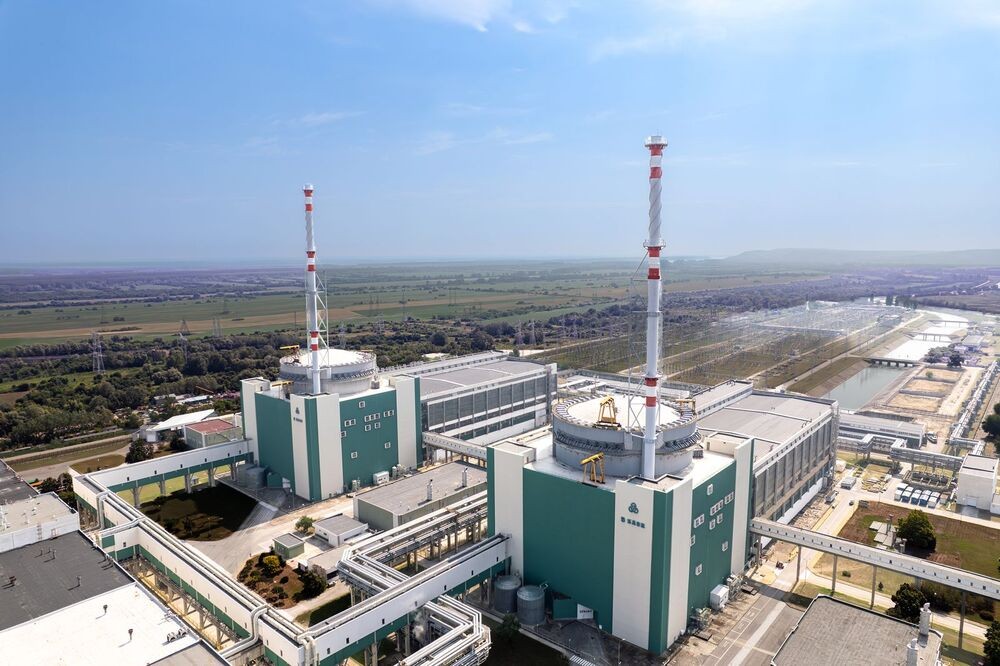
Bulgaria Approves Procurement of Russian-Made Equipment for Kozloduy NPP
Bulgaria's government press office reported on September 2 that the government has issued a special permit to Kozloduy NPP, allowing it to procure equipment and materials from Russia necessary for the continued safe operation of the plant. The Bulgarian government stated that ensuring nuclear safety and accident-free power generation requires regular procurement of spare parts from the designers, engineers, and manufacturers of the plant's equipment. Since most systems and equipment at Kozloduy NPP originate from Russia, multiple contracts concerning the supply of equipment needed for the reliable and safe operation of Units 5 and 6 have been or are about to be signed with Russian suppliers. The government also authorized Bulgaria's National Electric Company to...
2026-09-03

Russia says it has not yet received an invitation for negotiations on Hungary's Paks II nuclear power plant
On September 2, Alexey Likhachev, CEO of Russia's State Atomic Energy Corporation (Rosatom), said during the Eastern Economic Forum in Vladivostok that Rosatom has not yet received an invitation from the Hungarian government for negotiations on the construction project of the Paks II nuclear power plant. Likhachev stated that Rosatom has expressed its willingness to participate in discussions on project parameters in any civilized manner. He noted that the company has always placed the interests of its partners and clients in a position of priority and is prepared to provide explanations and justifications regarding the effectiveness of the project's technical solutions as well as related financial and economic impacts...
2026-09-03
Russia plans to launch main construction of Primorsky Krai NPP in 2027
Alexey Likhachev, Director General of Rosatom, said recently during the Eastern Economic Forum that the first concrete pour for the Primorsky Krai nuclear power plant is planned for 2027, with the first batch of electricity to be connected to the grid in 2032. Likhachev stated that relevant work is progressing toward these target timelines. Following conventional practice in nuclear power project construction, the first concrete pour is generally regarded as a key milestone marking the transition of a nuclear project into its main construction phase. During the same forum, Dmitry Demeshin, Governor of Khabarovsk Krai, proposed that consideration be given to building nuclear power plants in parallel in both Khabarovsk Krai and Primorsky Krai...
2026-09-03
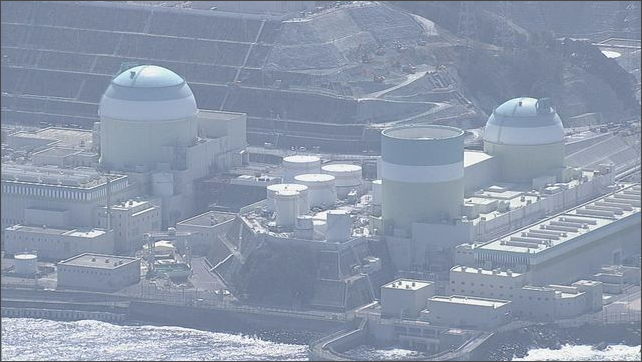
Second Phase of Decommissioning for Unit 1 of Japan's Ikata Nuclear Power Plant Approved by Prefectural Committee
The Environmental Safety Management Committee for the Ikata Nuclear Power Plant in Ehime Prefecture, Japan, held a meeting in Matsuyama City on September 2 to discuss plans by Shikoku Electric Power to proceed with the second phase of decommissioning for Unit 1 of the Ikata Nuclear Power Plant. The unit, located in Ikata-cho, Ehime Prefecture, is currently in the process of being decommissioned. The decommissioning of Unit 1 at the Ikata Nuclear Power Plant has been divided into four main phases. Shikoku Electric Power had previously conducted prior consultations with Ehime Prefecture and Ikata-cho regarding the transition to the next phase, obtained local consent, and submitted relevant applications to Japan's Nuclear Regulation Authority (NRA). In July of this year, the NRA approved the application...
2026-09-03
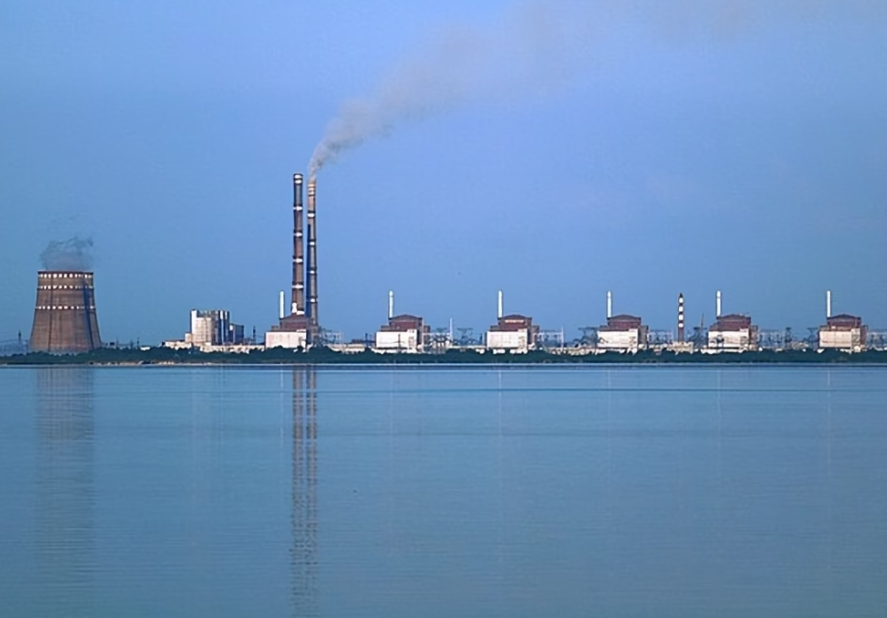
External power supply interruption at Zaporizhzhia Nuclear Power Plant has lasted for 14 days
Yashina, head of communications at the Zaporizhzhia Nuclear Power Plant, stated that the external power supply interruption at the plant has lasted for 14 days, with power currently provided by diesel generators, and that on-site personnel are still able to ensure the safe condition of the plant. According to an earlier statement from the plant, on August 20, the "Ferroalloy-1" power line was damaged, causing the external power supply interruption at the Zaporizhzhia Nuclear Power Plant. The damage site is located in an area where repair work cannot currently be carried out. After the loss of external power, the plant activated its backup power system. Fuel reserves remain available on site, but to conserve these reserves and maintain stable equipment operation, the operating mode of the diesel generators needs to be optimized. Yashina stated that the plant has been powered by diesel generators for 14 consecutive days...
2026-09-03

Qinshan Nuclear Power Completes Overhaul Validation of Grille Cleaning Robotic Arm
The grille cleaning robotic arm, an integrated system of UAV-based intelligent inspection and robotic arm automatic cleaning independently developed by the Mechanical Team of the Fourth Maintenance Division at Qinshan Nuclear Power, recently completed on-site validation during the Unit 2 312 overhaul at Qinshan Phase II. Designed for seawater system intake grille cleaning scenarios, this equipment transforms the original manual operation requiring entry into deep wells into an unmanned operation conducted under ground-based remote monitoring. The intake grille serves as a critical barrier for the cooling water system of a nuclear power plant, and its unobstructed condition is directly related to the stable operation of the unit. In traditional cleaning methods, workers were required to enter narrow shafts more than twenty meters underground to perform inspection and cleaning in confined spaces, which involved high labor intensity, low efficiency, and safety risks such as falls from height...
2026-09-03

Chinese Research Team Develops Novel Adsorbent Material for Uranium Extraction from Seawater
On September 2, it was learned from the Qingdao Institute of Bioenergy and Bioprocess Technology, Chinese Academy of Sciences (hereinafter referred to as "QIBEBT") that the research team has recently made a series of advances in the field of uranium extraction materials from seawater. The team introduced discrete molecular topological design into porous organic cage systems for the first time, synthesizing the phosphate-functionalized material PhosCage, and further compounded it with aramid nanofibers to prepare composite aerogel microspheres AC-POC possessing high selectivity, high capacity, and anti-biofouling capability. The relevant results were published in the international academic journals Journal of Hazardous Materials and Separation and Purification Technology. The deep ocean harbors a vast uranium reservoir, but how to economically and efficiently extract uranium from it remains...
2026-09-03

New Monitoring Well Characterizes Hexavalent Chromium Plume at Los Alamos National Laboratory
LOS ALAMOS, New Mexico — The U.S. Department of Energy Environmental Management Los Alamos Field Office continues to advance characterization efforts for the hexavalent chromium plume at Los Alamos National Laboratory to inform future remediation alternative selection. According to reports, its legacy cleanup contractor, Newport News Nuclear BWXT-Los Alamos LLC, has completed drilling of a new groundwater monitoring well. Designated R-80, the well reaches approximately 1,030 feet below ground surface and will be used to further characterize the northeastern extent of the hexavalent chromium plume and evaluate different remediation alternatives. Completion of this monitoring well also marks the achievement of a Fiscal Year 2026 consent order milestone for the hexavalent chromium remediation project...
2026-09-02

Demolition Begins on Contaminated Buildings in Isotope Area at Oak Ridge National Laboratory
The Oak Ridge Environmental Management Office in Tennessee recently initiated demolition of a group of highly contaminated buildings in the Isotope Area at Oak Ridge National Laboratory. Located in the laboratory's central campus, this area is considered one of the more challenging sites in the local cleanup effort. The Isotope Area comprises 10 facilities, constructed between the late 1940s and early 1960s, which once served the laboratory's isotope program. These facilities were used for decades in the production, processing, and research of chemical elements for medical, industrial, and scientific applications. As the laboratory evolved, the facilities were taken out of service in the early 1990s but remained standing. According to reports, the area retains contaminated...
2026-09-02

LUX-ZEPLIN Experiment Reports Anomalous Event in Dark Matter Search, More Data Needed for Verification
On September 1, the LUX-ZEPLIN (LZ) dark matter direct detection experiment released a new analysis result: researchers recorded a single-particle interaction event in the data whose characteristics could be interpreted as a Weakly Interacting Massive Particle (WIMP) signal, but the current evidence is insufficient to confirm a dark matter discovery. The LUX-ZEPLIN main detector is shown in a surface laboratory before being installed underground. (Matthew Kapust/Sanford Underground Research Facility) The LZ experiment involves approximately 250 scientists and engineers from 39 institutions, with the detector located nearly one mile underground at the Sanford Underground Research Facility in South Dakota, USA, and managed by the U.S. Department of Energy's Lawrence Berkeley National...
2026-09-02
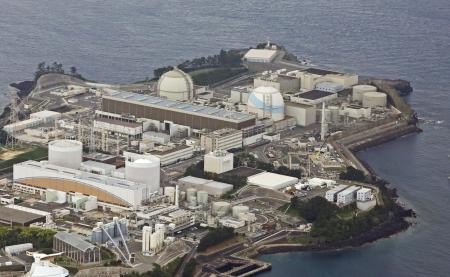
Unit 4 of Japan's Genkai Nuclear Power Plant Receives 72 New Fuel Assemblies
Kyushu Electric Power Co. announced on September 1, 2026, that Unit 4 of the Genkai Nuclear Power Plant has completed the receipt of a batch of new fuel. The new fuel was processed and shipped by Mitsubishi Nuclear Fuel Co., Ltd., with transportation carried out from August 27 to September 1, 2026. According to Kyushu Electric Power, the new fuel delivered to Unit 4 of the Genkai Nuclear Power Plant consists of 72 fuel assemblies, transported in 36 shipping containers via both land and sea routes. Two control rod assemblies were also transported along with this batch of fuel. Fuel used in nuclear power plants...
2026-09-02
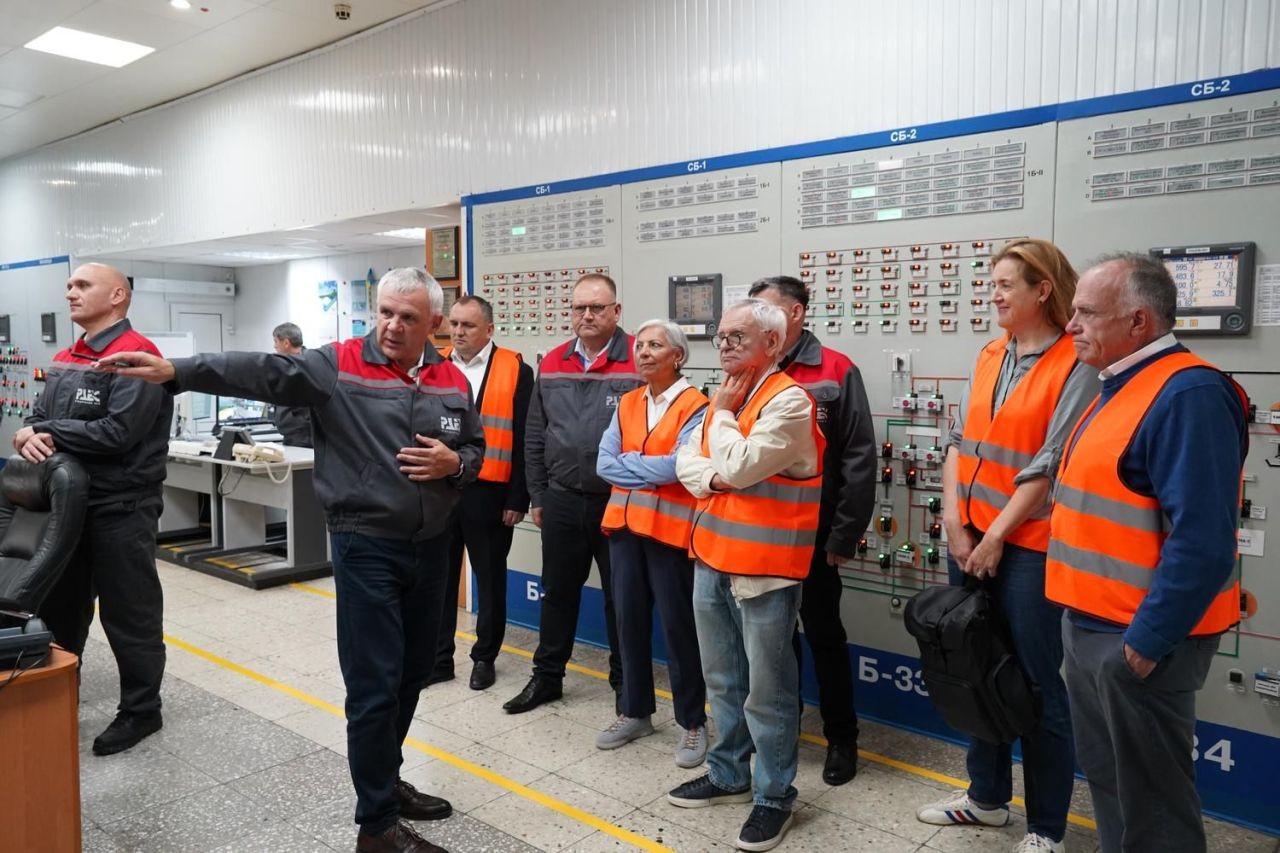
Ukraine's Energoatom Supervisory Board Visits Rivne Nuclear Power Plant
From August 25 to 28, the Supervisory Board of Ukraine's National Nuclear Energy Generating Company (Energoatom) conducted a four-day working visit in Ukraine and inspected the Rivne Nuclear Power Plant. During the visit, the Supervisory Board held meetings with Ukrainian government officials, parliament members, G7 ambassadors, and relevant stakeholders, focusing on the follow-up implementation of corporate governance reforms. The Energoatom Supervisory Board commended the company's preparations for winter operations. Supervisory Board Chair Luminita Vercell stated that Energoatom holds significant strategic importance both now and in the future. She noted that the company has developed a comprehensive winter response plan, with some planned outage maintenance work already completed; upon completion of relevant repairs, the company will be ready for autumn-winter operations. Energoatom has also procured critical spare parts and organized additional emergency preparedness training for its employees.
2026-09-02

U.S. to Conduct Underwater Neutrino Detection Tests in Lake Superior and Vermilion Lake
From October 2026 to approximately April 2027, a team of researchers from U.S. universities and government agencies will conduct underwater neutrino tests in Lake Superior and Vermilion Lake. The project, named the Experimental Neutrino Detector (END), aims to validate a baseline detection system in natural water bodies to identify the NuMI neutrino beam produced by Fermi National Accelerator Laboratory and distinguish it from cosmic-ray backgrounds and other noise in shallow-water environments. END will place underwater neutrino detectors on the lakebed of Lake Superior where the Fermilab neutrino beamline passes through—near Two Harbors, Minnesota. The beamline will continue toward...
2026-09-02
Japan Approves Adjusted Tsunami Height Assessment for Genkai Nuclear Power Plant
At its regular meeting held on September 2, Japan's Nuclear Regulation Authority (NRA) formally approved Kyushu Electric Power Co.'s assessment of the maximum potential tsunami height at the Genkai Nuclear Power Plant site in Saga Prefecture. Under this adjustment, the maximum tsunami height on the northwest side of the Genkai plant site has been raised to 14 meters; previously, the maximum tsunami height on the north side of the site was 6 meters. The NRA determined that the ground surface on the northwest side of the Genkai plant site is covered by bedrock with an elevation of 16 meters, and therefore no additional disaster prevention measures are required even under the new tsunami height assessment. In July, the NRA had already approved the review report draft submitted by Kyushu Electric Power...
2026-09-02