
Search Results
Keyword:RI

Netherlands advances front-end engineering design for two new nuclear power plants
The Netherlands Nuclear Organization (NEO NL) has awarded contracts to Électricité de France (EDF) and Westinghouse Electric Company (Westinghouse) to conduct design studies for two proposed new nuclear power plants in the Netherlands. The work is seen as the next step in the construction preparation phase, with both companies set to launch the first phase of studies after the summer. These design studies, internationally referred to as Front-End Engineering Design Phase 1 (FEED 1), will be implemented in two stages. The first stage, FEED 1a, is independent of specific plant site selection, allowing work to proceed while the Dutch government advances its siting process...
2026-08-26
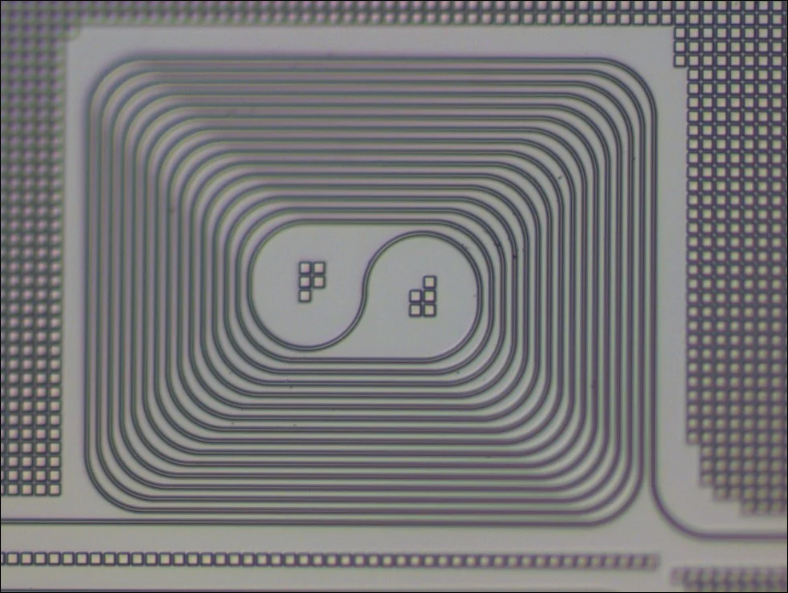
Singapore team develops deuterated silicon nitride waveguides for wafer-scale broadband light generation
A research team from the Singapore University of Technology and Design and the Institute of Microelectronics at the Agency for Science, Technology and Research (A*STAR) in Singapore has recently developed a low-loss deuterated silicon nitride waveguide capable of on-chip broadband light generation. By replacing hydrogen with its heavier isotope deuterium, the team fabricated silicon nitride waveguides at low temperatures, demonstrating potential for integration with CMOS-compatible semiconductor processes and wafer-scale mass production. The related paper, "Octave-spanning supercontinuum generation in wafer-scale low-loss deuterated silicon nitride waveguides," was published in *Optics Letters*. The study shows that this chip-scale waveguide can broaden infrared laser pulses to cover a spectral range from visible red light to deep infrared. Traditionally, silicon nitride thin films are grown from silane gas, and residual silicon-hydrogen bonds in the material absorb light in the telecommunications band, requiring high-temperature annealing that is incompatible with integrated electronic circuits.
2026-08-26
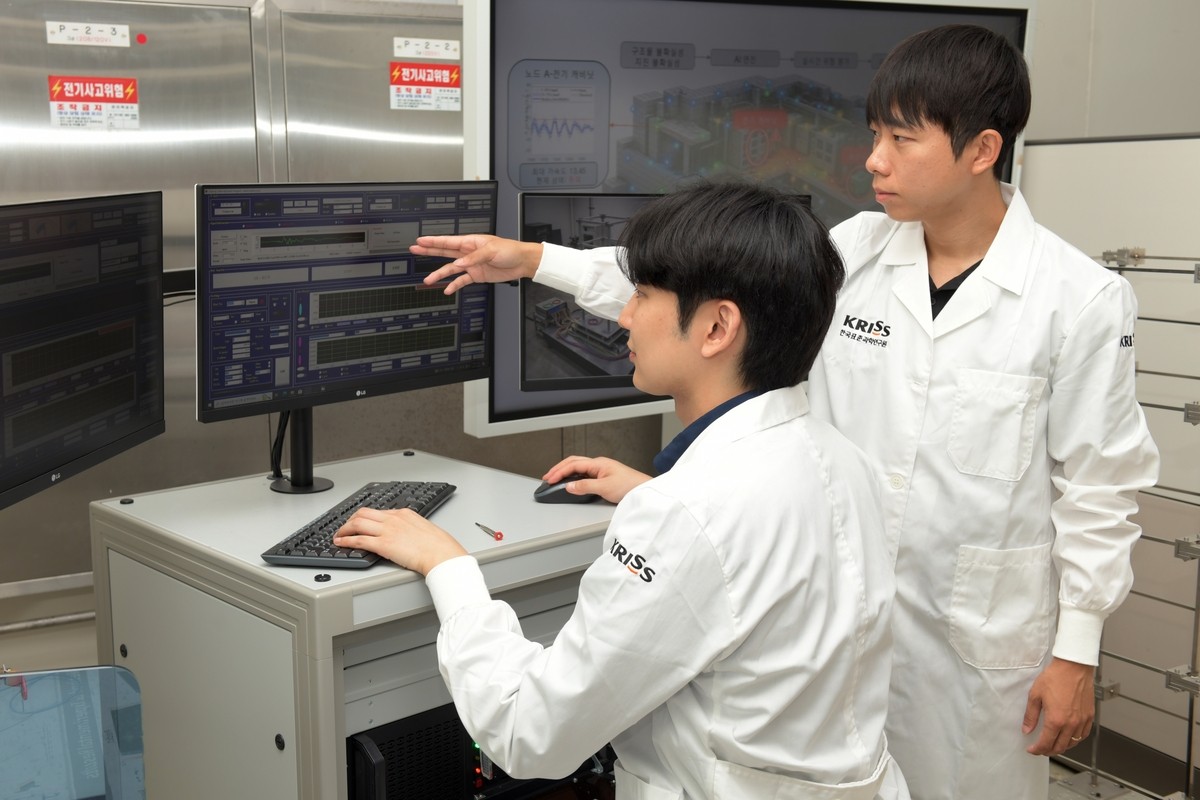
South Korea Develops AI Model for Prioritizing Post-Earthquake Inspections at Nuclear Facilities
A joint research team from the Korea Research Institute of Standards and Science (KRISS) and Ulsan National Institute of Science and Technology (UNIST) has developed a deep learning model that can assist nuclear facilities in rapidly identifying priority inspection areas after an earthquake. The model uses seismic wave signals collected from a single seismometer to predict in real time the vibration responses at multiple locations within a nuclear power plant and quantitatively ranks potential risks. The research was jointly conducted by the team of Jae-Beom Lee, senior researcher at KRISS, and Young-Ju Lee, professor at UNIST. The researchers stated that this technology can, without installing sensors at every critical location...
2026-08-26
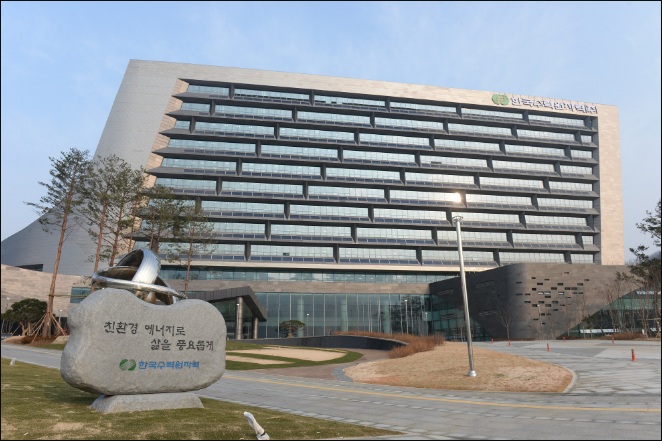
South Korean 3D-Printed Nuclear Power Plant Component Operates Continuously for 18 Months
Korea Hydro & Nuclear Power (KHNP) announced on August 26 that a nuclear power plant component manufactured using 3D printing technology has been in continuous operation for 18 months on a reactor unit. This marks the first time South Korea has completed long-term operational validation of a 3D-printed nuclear power plant component in actual service. The component is a multi-blade impeller used to cool the generator circuit breaker of a nuclear power plant. Traditional impellers typically consist of multiple blades mounted on a fixed plate, and the connection points between the fixed plate and blades are at risk of damage during long-term operation. KHNP completed the development of this impeller in 2024, switching to 3D printing to manufacture an integrated one-piece structure, thereby reducing weak connection points and improving component durability. Before being put into service, this 3D-printed impeller underwent...
2026-08-26
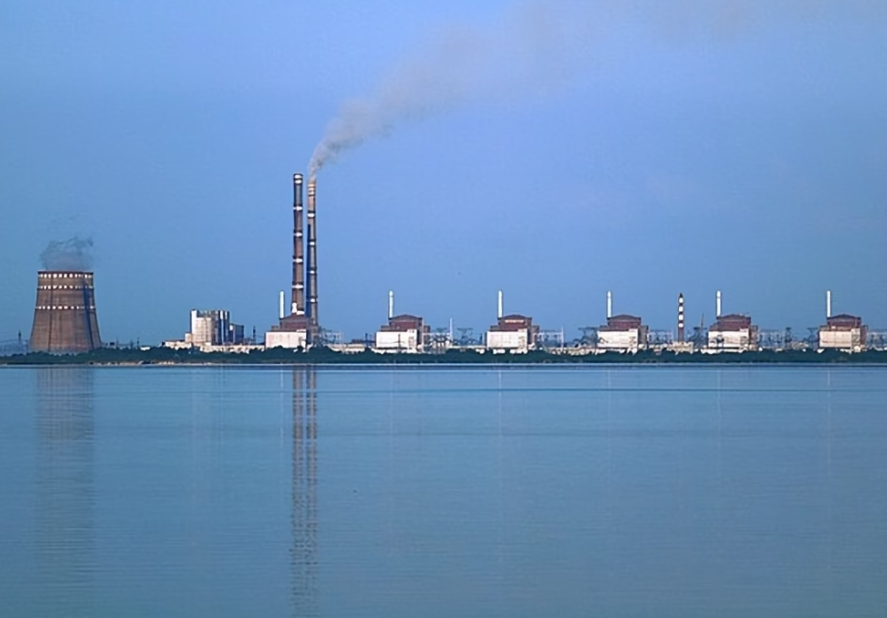
Zaporizhzhia Nuclear Power Plant Loses External Power for Six Days
On August 25 local time, the Zaporizhzhia Nuclear Power Plant (ZNPP) stated that it had lost external power since August 20 and had been relying on backup diesel generators to meet on-site electricity demand for six consecutive days. The plant's existing fuel reserves can still ensure operation, but difficulties in fuel resupply have not yet significantly eased. Yevgeniya Yashina, head of communications at ZNPP, stated that plant staff are monitoring nuclear safety parameters and the operation of backup diesel generator units around the clock. She noted that fuel transportation still faces difficulties due to shelling on roads leading to the plant; to improve the efficiency of existing reserve utilization, the plant has optimized the operation of diesel generators...
2026-08-26
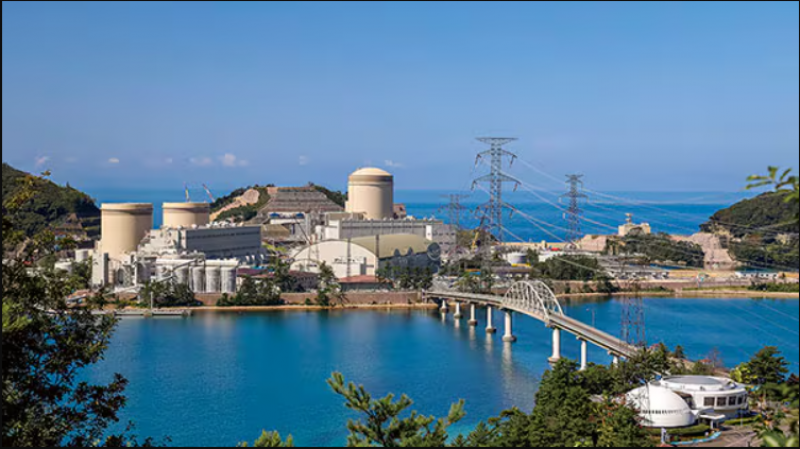
Japan's Mihama Nuclear Power Plant Unit 3 Receives Preliminary Approval for Operation Plan Beyond 50 Years
On August 25, Japan's Nuclear Regulation Authority (NRA) gave preliminary approval to Kansai Electric Power Co. (KEPCO) for the long-term facility management plan for Unit 3 of the Mihama Nuclear Power Plant. Located in Mihama Town, Fukui Prefecture, the unit will mark its 50th anniversary of commercial operation on December 1. In May of this year, the metal top cover of the high-pressure turbine at Mihama Unit 3 suffered damage, resulting in steam leakage. At the NRA meeting held that day, KEPCO explained that the cause of the incident was believed to be thinning of the inner wall of the top cover due to steam flow. The company stated that this phenomenon falls under previously anticipated aging and degradation management for turbine equipment, and that the existing plan already includes corresponding management measures. Visual inspection and other examination methods were also deemed applicable, thus no revision to the long-term facility management plan was required.
2026-08-26
Westinghouse eVinci Microreactor Completes Zero-Power Criticality Testing
Westinghouse Electric Company announced on August 25 that its eVinci microreactor has completed zero-power criticality testing, validating relevant models and key assumptions in the core design. The test was completed at 10:39 a.m. Pacific Time on August 24, 2026, at the National Criticality Experiments Research Center (NCERC) at the Nevada National Security Site (NNSS). The center is operated under the U.S. National Nuclear Security Administration (NNSA). The test was conducted by Westinghouse Electric in collaboration with Los Alamos National Laboratory (LANL) and Idaho National Laboratory (INL). Zero-power criticality is typically used to verify that a reactor core can achieve a self-sustaining chain fission state at extremely low power levels, serving as a critical step in reactor physics testing and design validation...
2026-08-26

NuCube Energy and Canadian Nuclear Laboratories Launch Microreactor R&D Collaboration
NuCube Energy, Inc. announced on August 25 that it has initiated research and development activities under an agreement signed with Canadian Nuclear Laboratories (CNL). The two parties will conduct research on the NuCube reactor design, focusing on advancing data identification, modeling, and analysis efforts to support the validation of its microreactor technology. Under this R&D program, Canadian Nuclear Laboratories will validate existing experimental data and benchmark computational models used to predict heat pipe performance in high-temperature environments exceeding 900 degrees Celsius. The qualified experimental data provided by Canadian Nuclear Laboratories will be used to expand the NuCube computational mo...
2026-08-26
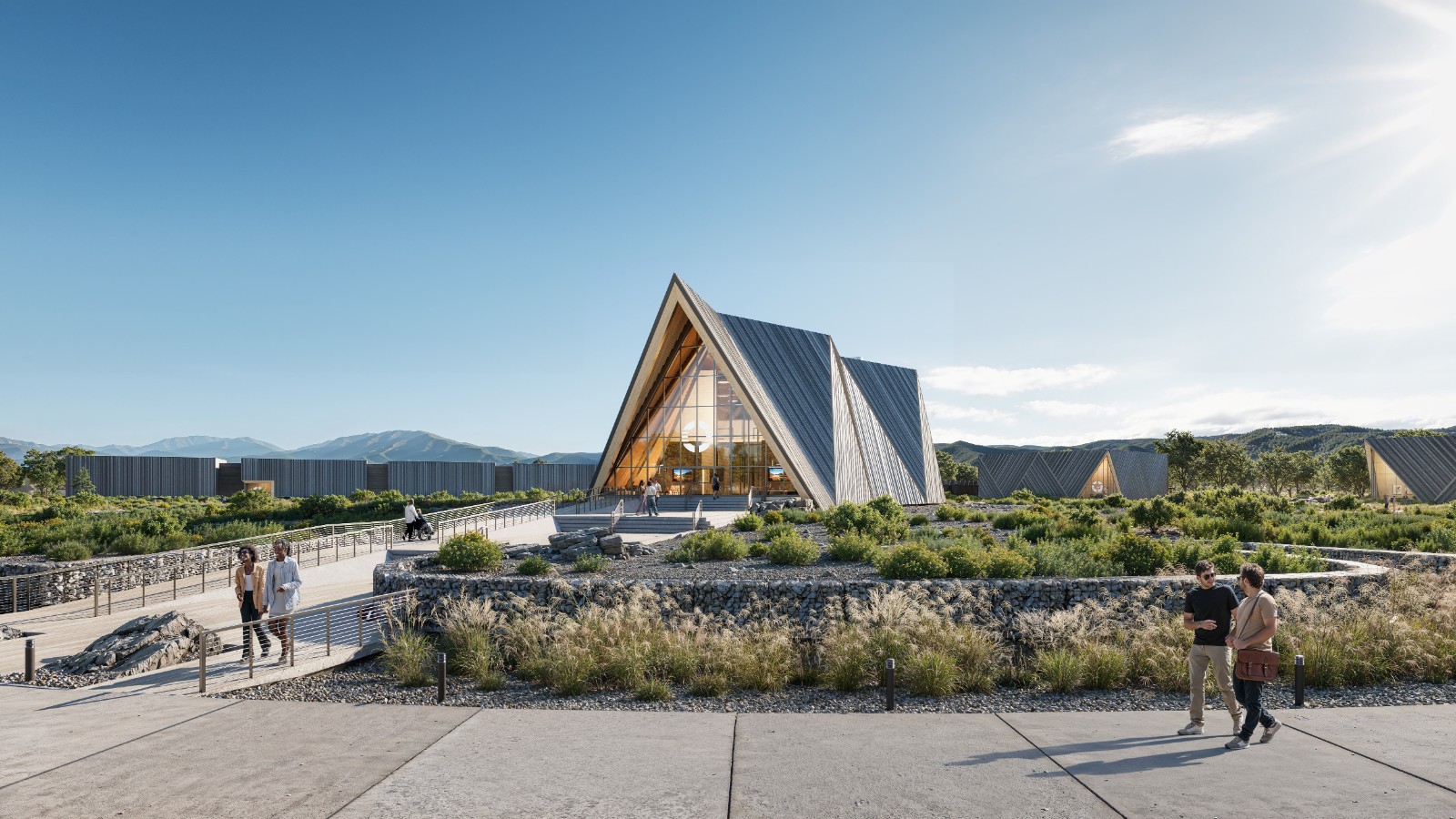
FSG to Provide Electrical and Control Systems Support for Oklo's Groves Isotope Test Reactor Project
American Facility Solutions Group, LLC (FSG) announced on August 25 that it will support Oklo's Groves Isotope Test Reactor project, providing electrical, instrumentation, control, testing, and verification-related work. According to reports, the Groves Isotope Test Reactor achieved first criticality on August 5, 2026, reaching a controlled, self-sustaining nuclear chain reaction. The reactor is the fifth reactor to achieve this milestone among projects authorized under the U.S. Department of Energy's Reactor Pilot Program, and the first to reach criticality on private land under the program. The low-power test reactor is designed to lay the foundation for domestic commercial isotope production...
2026-08-26
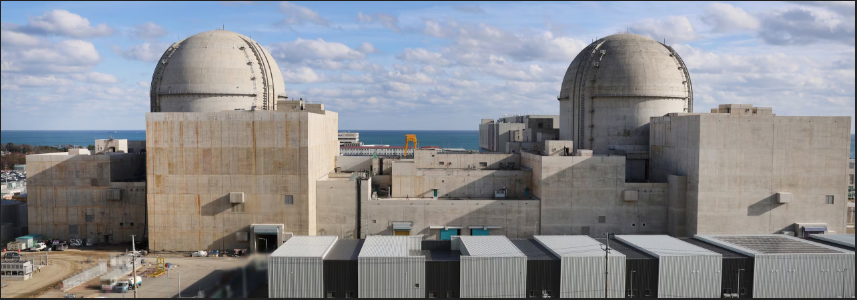
South Korea's Ulju County Seeks to Streamline Procedures for Support Projects Around Nuclear Power Plants
Ulju County, Ulsan Metropolitan City, South Korea, announced on August 26 that it will propose simplifying the procedures for implementing support projects in areas around power plants at the administrative meeting of local governments hosting nuclear power plants to be held next month, and will push for institutional adjustments to expand the scope of support for electricity bill subsidy projects. According to the Enforcement Decree of South Korea's Act on Support for Areas Around Power Plants, basic support projects for areas around power plants include profit-generating projects, public and social welfare projects, education projects, resident welfare support projects, investment attraction support projects, electricity bill subsidy projects, and other support projects. The first institutional improvement proposal put forward by Ulju County this time is to simplify the procedures for using basic support funds generated during the construction of small-capacity power plants.
2026-08-26
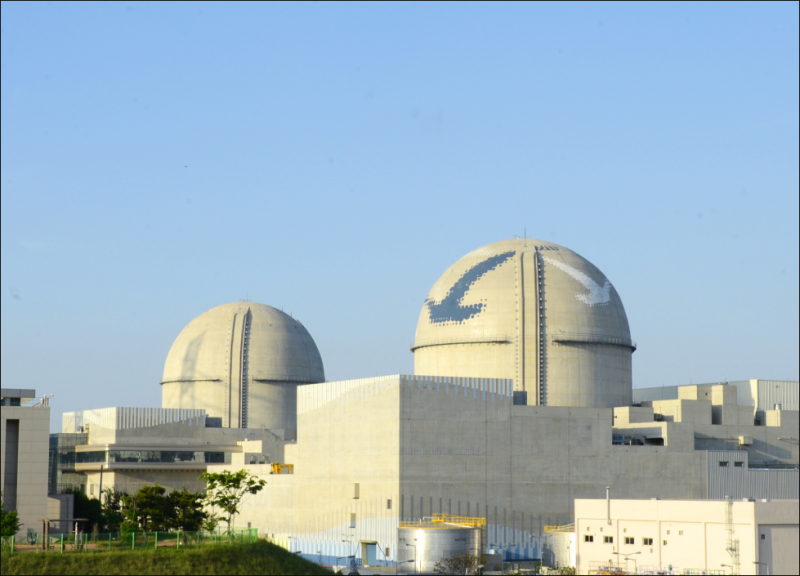
Korea's Shin-Kori Unit 1 Reaches Full Power After Scheduled Maintenance
Korea Hydro & Nuclear Power (KHNP) announced that Shin-Kori Unit 1 reached 100% rated power at approximately 3:07 a.m. on the 26th. The unit is a 1,400 MW-class pressurized water reactor. Shin-Kori Unit 1 began its sixth scheduled preventive maintenance on July 2 and resumed power generation on July 23. During the maintenance period, the unit underwent statutory inspections as required by Korea's Nuclear Safety Act. Shin-Kori nuclear power plant stated that this maintenance included nuclear fuel replacement, as well as maintenance and inspection of major equipment and facilities to enhance the safety and reliability of the power generation facility....
2026-08-26
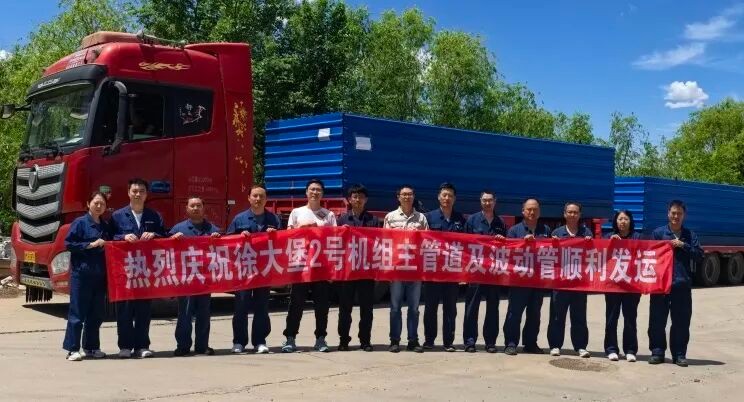
Main Piping and Surge Lines for Unit 2 of Xudabao Nuclear Power Plant Arrived at Site
On August 22, the main piping and surge lines for Unit 2 of Xudabao Nuclear Power Plant were successfully delivered to the site, laying a solid foundation for the commencement of main piping welding, a Level-1 milestone. The main piping serves as the aorta of the reactor coolant system. Together with the reactor pressure vessel, steam generators, and reactor coolant pumps, it forms a closed loop and pressure boundary. It is not only the core pipeline carrying the circulation and transfer of the reactor coolant but also a critical safety barrier for the nuclear island, making it an essential component of the nuclear island's core equipment. To ensure high-quality and on-time delivery of the equipment, Liaoning Nuclear Power took the lead in coordinating with the general contractor, procurement party, and equipment manufacturers, establishing a three-tier coordination mechanism of "daily reports + weekly meetings + monthly executive meetings" to fully streamline the information chain. Through measures such as optimizing production processes, mobilizing superior production capacity, and implementing continuous operations, all tasks were completed on schedule, ensuring the equipment was shipped and delivered to the site as planned.
2026-08-26
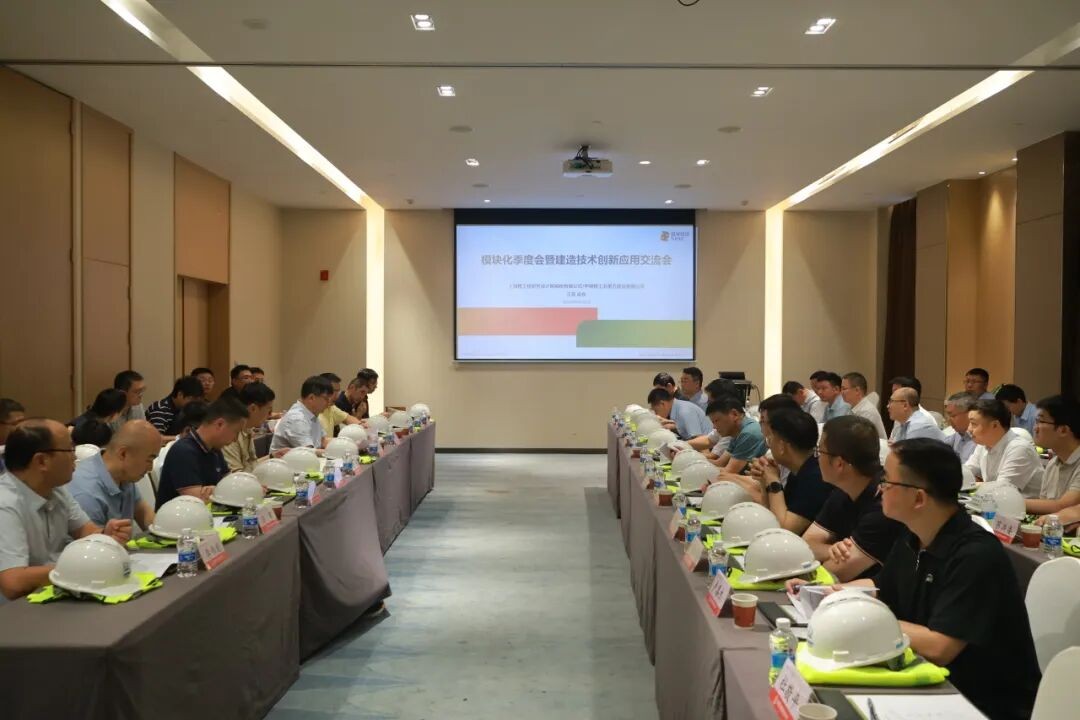
Guohe Series Nuclear Power Engineering Modular Quarterly Meeting and Construction Technology Innovation Application Exchange Conference Successfully Held in Qidong
On August 21, the Guohe Series Nuclear Power Engineering Modular Quarterly Meeting and Construction Technology Innovation Application Exchange Conference, hosted by Shanghai Nuclear Engineering Research and Design Institute (SNERDI) and organized by China Nuclear Industry Fifth Construction Co., Ltd. (CNF), was successfully held in Qidong, Jiangsu Province. Zhang Shoulong, Deputy General Manager and Safety Director of SNERDI, Li Jun, Deputy General Manager of China Nuclear Engineering Corporation (CNEC), and Liu Weihua, Chief Engineer of CNF, attended the meeting. More than 50 representatives from various nuclear power construction participating units gathered to discuss the innovation and practical application of nuclear power modular construction technology. At the meeting, the implementation of action items from the previous quarter was first reviewed, followed by progress reports on key work items including dry construction, plugging modularization, module design guidance manual, and multi-discipline shared rack design optimization. Each nuclear power project department then reported on quarterly work progress and subsequent work plans in turn; participating construction units including China Nuclear Industry 22nd Construction Co., Ltd., China Nuclear Industry 23rd Construction Co., Ltd., and CNF conducted thematic exchanges on modular construction, automatic welding technology, implementation of innovative technologies, and the "7050" plan (70% of all plant welding joints as prefabricated joints, and 50% of all plant prefabricated joints welded by automatic welding). Departments of SNERDI and participating partner units conducted in-depth discussions, exchanging views on key challenges in nuclear power modular construction and building consensus on technical breakthroughs. During the meeting, all attending representatives visited the Jiangsu Heneng Qidong Intelligent Manufacturing Base for on-site inspection, observing the intelligent manufacturing production line construction and gaining direct insight into the practical achievements of modular prefabrication and intelligent manufacturing processes. The meeting fully affirmed the phased achievements made by all participating units in the field of Guohe series nuclear power modular construction, pointed out that modular construction is a key driver for improving quality and efficiency in nuclear power engineering, and made arrangements for the next phase of work, emphasizing that all participating units should continue to deepen EC (Engineering-Construction) collaboration and integrated construction-installation development, and strengthen collaborative coordination to fully guarantee the high-quality construction of Guohe series nuclear power projects.
2026-08-26
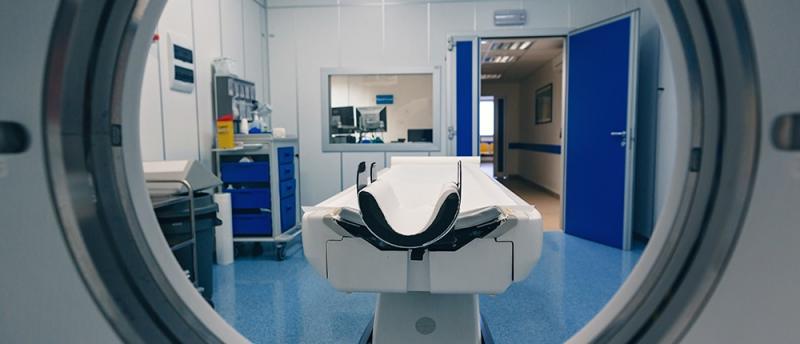
South Korea's SEC Joins National R&D Project for Active Dose Distribution Control Radiotherapy Equipment
South Korean electron beam source technology company SEC announced on August 25 that it has been selected as a joint research institution for the world's best active dose distribution control radiotherapy machine R&D project, and will participate in the development of core technologies related to next-generation radiotherapy equipment. The project is a newly established task under the Global Flagship Medical Device R&D Program of the South Korean government's medical device R&D fund, with a duration of 6 years and 6 months, starting from July this year and planned to continue until December 2032. The total project budget is 35.2 billion KRW, of which 28 billion KRW is government funding. Radexel serves as the lead institution, with SEC participating as a joint research institution. Other participating organizations include the Korea Atomic Energy Research Institute, Korea Testing Laboratory...
2026-08-25
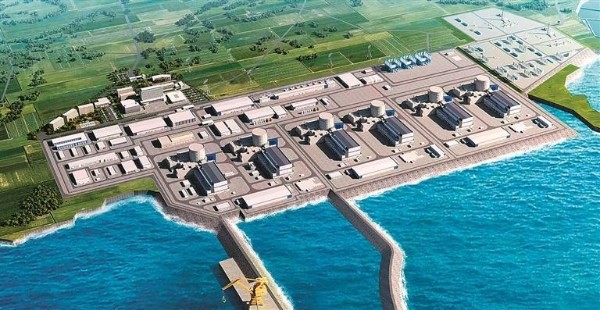
Liaoning Zhuanghe Nuclear Power Enters Construction Preparation Phase, Expected to Complete 2 Billion Yuan in Project Investment by Year-End
On August 22, 85 heavy and light engineering machinery units entered the site simultaneously to carry out topsoil clearing work on 179,000 square meters of land, marking the official entry of the Liaoning Zhuanghe nuclear power project into the construction preparation phase. Rendering of the Liaoning Zhuanghe nuclear power project. The Liaoning Zhuanghe nuclear power project is the first nuclear power project in Northeast China to adopt the Hualong One, China's self-developed third-generation nuclear power technology. The project plans to build six million-kilowatt-class nuclear power units in three phases, with a total investment of approximately 125 billion yuan. The first phase will construct two units with a total investment of approximately 44.56 billion yuan. It was approved at the executive meeting of the State Council on July 31, received formal approval from the National Development and Reform Commission on August 13, and obtained the advance land use approval from the Liaoning Provincial Department of Natural Resources on August 20, meeting the legal conditions for land construction.
2026-08-25