
Search Results
Keyword:RI
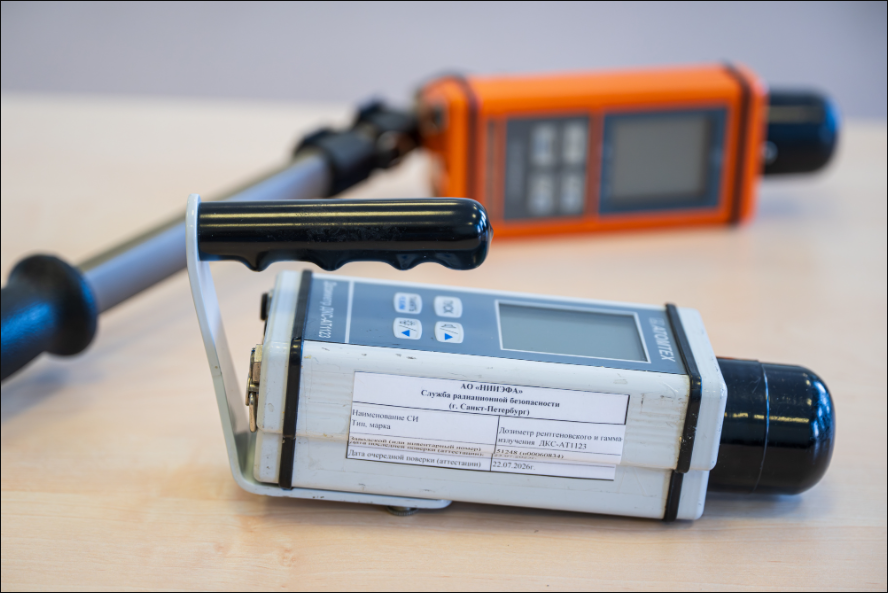
Russia to Conduct Comparative Measurements in Radiation Monitoring and Individual Dose Monitoring
In September, NIIEFA (D.V. Efremov Scientific Research Institute of Electrophysical Apparatus), a subsidiary of Rosatom, will jointly conduct comparative measurements in the fields of radiation monitoring (RM) and individual dose monitoring (IDM) with Ritverts JSC and the A.M. Nikiforov All-Russian Center for Emergency and Radiation Medicine. The work will be carried out under the supervision and support of experts from the D.I. Mendeleev All-Russian Research Institute for Metrology. The focus of these comparative measurements is to verify the accuracy, reliability, and consistency of measurement results obtained by different radiation safety monitoring methods and equipment. Through unified comparison, the performance of various instruments in workplace radiation level assessment, surface contamination monitoring, and individual exposure dose recording can be further confirmed, thereby enhancing the credibility of final radiation dose assessments.
2026-08-15

India Proposes Strict Approval System for Private Nuclear Power Projects
On August 14, India proposed a strict regulatory approval system for private nuclear power projects, aiming to create conditions for foreign reactor technologies with proven operating records to enter the Indian market while maintaining access and operational controls. Under the draft rules, companies could obtain in-principle approval before securing formal licenses, allowing them to hire suppliers, conduct preliminary development work, and acquire project land. Once projects enter the licensing phase, they would undergo phased regulatory reviews covering design, siting, construction, commissioning, and operation. The draft also seeks to grant regulators stronger oversight powers, including the authority to halt work at critical project stages. For a long time,...
2026-08-15
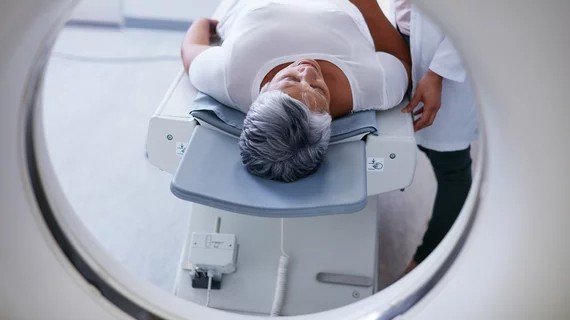
FDA Approves Tauklarify, a Tau PET Imaging Agent for Alzheimer's Disease
The U.S. Food and Drug Administration has approved Tauklarify, a new brain imaging agent for the evaluation of Alzheimer's disease. The drug, also known as MK-6240, is a radioactive diagnostic agent for positron emission tomography (PET) in adults, primarily indicated for adults with cognitive impairment who require physician assessment of abnormal tau protein accumulation in the brain. The twisted, insoluble fibrous deposits formed by tau protein are believed to be associated with neurodegenerative diseases such as Alzheimer's disease. The developer, Lantheus, stated that the safety of Tauklarify was evaluated in two clinical trials involving more than 1,700 subjects. Adverse reactions...
2026-08-16

Philippine Steel Plant in Davao Raided: Radioactive Isotopes Detected in Finished Rebar and Multiple Materials at the Facility
On August 14, Philippine authorities conducted a raid on Davao Mighty Steel Corp., a steel manufacturing plant located in Barangay Ilang, Bunawan District, Davao City. The operation followed an investigation launched by the National Bureau of Investigation (NBI) after receiving reports that the company was involved in the production and sale of substandard steel rebar, with the scope of the investigation subsequently expanding after radioactive isotopes were detected in commercially sold DMS rebar. The operation was led by the National Bureau of Investigation, with the participation of the Presidential Anti-Organized Crime Commission (PAOCC), and was supported by the Philippine Nuclear Research Institute (PNRI), the Philippine Air Force, the Philippine Coast Guard's Chemical, Biological, Radiological and Nuclear emergency response units, the Coast Guard Special Operations Group, and the Army's 10th Infantry Division.
2026-08-15
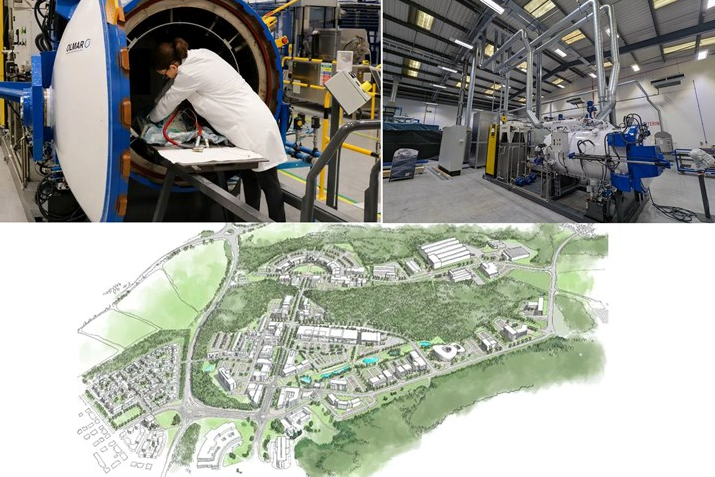
Lucideon Plans £500 Million UK CMC Manufacturing Facility to Strengthen Aerospace, Defense, and Nuclear Supply Chains
UK materials science consultancy Lucideon plans to build a manufacturing and R&D facility for ceramic matrix composites (CMCs) at Keele University Science Park, with total project investment expected to exceed £500 million over the next 7 to 10 years. The plan aims to address the UK's capability gap in high-temperature ceramics and industrial-scale CMC manufacturing, serving key industries such as aerospace, defense, and nuclear energy, while enhancing the UK's autonomy and competitiveness in the global advanced materials supply chain. Ceramic matrix composites, consisting of ceramic fibers reinforcing a ceramic matrix, can withstand ultra-high temperatures, thermal shock, and mechanical impact, while offering weight reduction advantages over metallic materials, driving growing demand in high-performance engines, thermal protection...
2026-08-16
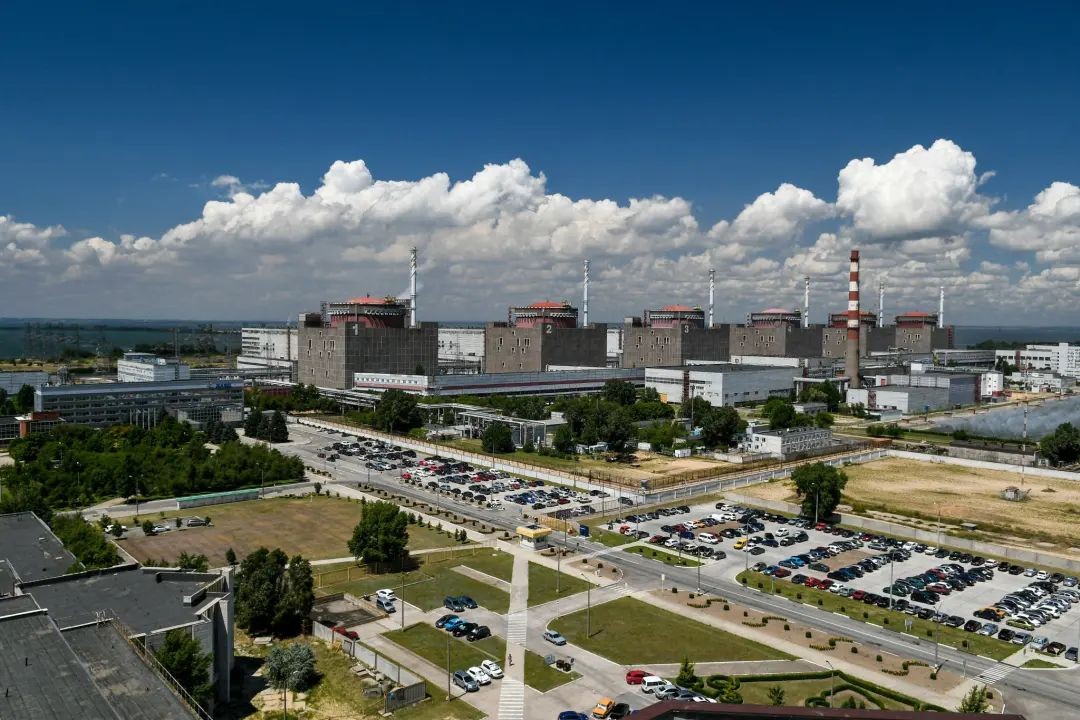
Zaporizhzhia Nuclear Power Plant Launches Major Overhaul of Damaged Diesel Generator
On August 14 local time, the Zaporizhzhia Nuclear Power Plant (ZNPP) stated that it has launched a major overhaul of a damaged diesel generator unit to ensure the plant's independent power supply capability in the event of an external power outage. The plant stated that maintenance work is currently progressing as planned, with a focus on the upkeep and repair of equipment related to safety systems. The diesel generator unit under repair is one of the independent power sources for the safety systems. Previously, during a complete interruption of external power supply, the backup diesel generator units provided power support for the plant to maintain essential safety functions. According to reports, experts on site have begun disassembling and inspecting the main components of the diesel generator unit to determine which parts need replacement or repair...
2026-08-15

Hungary Plans to Sink Two Barges Near Paks Nuclear Power Plant to Raise Danube Water Level
Hungarian authorities plan to conduct controlled sinking of two giant barges, each about 80 meters long, in the river section near the Paks Nuclear Power Plant on August 14, aiming to raise the local water level of the Danube and ensure cooling water supply for the nuclear power units. According to European sources, after the two barges are sunk, the water level in the relevant river section is expected to rise by about 20 centimeters. Recently, persistent high temperatures across many parts of Europe have driven the Danube's water level to a low point, putting pressure on water intake and power generation along the river. The Paks Nuclear Power Plant is the only operating nuclear power plant in Hungary. Due to the low water level of the Danube, the plant's power output has dropped to about 25% of its installed capacity. Earlier this week, Hungarian authorities also announced plans to build a riverbed weir on the Danube. Under current expectations, the project could raise the water level in the relevant river section by about 1 meter.
2026-08-15
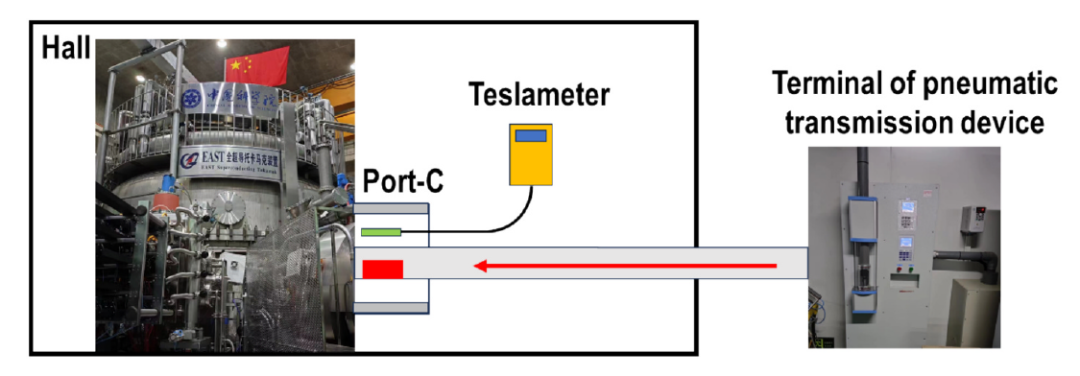
The Energy Research Institute of Hefei Comprehensive National Science Center Achieves a Series of New Progress in Safety Assessment of Activated Corrosion Products under Magnetic Field Environments in Fusion Reactors
Recently, the Radiation Protection and Safety Research Center of the Energy Research Institute of Hefei Comprehensive National Science Center has made a series of significant progress in the field of safety assessment of activated corrosion products under magnetic field environments in fusion reactors. The research team conducted systematic studies on the corrosion behavior of China's low-activation ferritic/martensitic steel CLF-1 in magnetic field environments, from three dimensions: water corrosion characteristics, migration patterns of corrosion products, and the influence of surface roughness. The relevant results have been published as three papers in the journal *Nuclear Materials and Energy*, which is ranked in Zone 1 of the emerging journal classification table. This series of research outcomes provides key scientific evidence for the radiological safety assessment of cooling water systems in fusion reactors...
2026-08-15
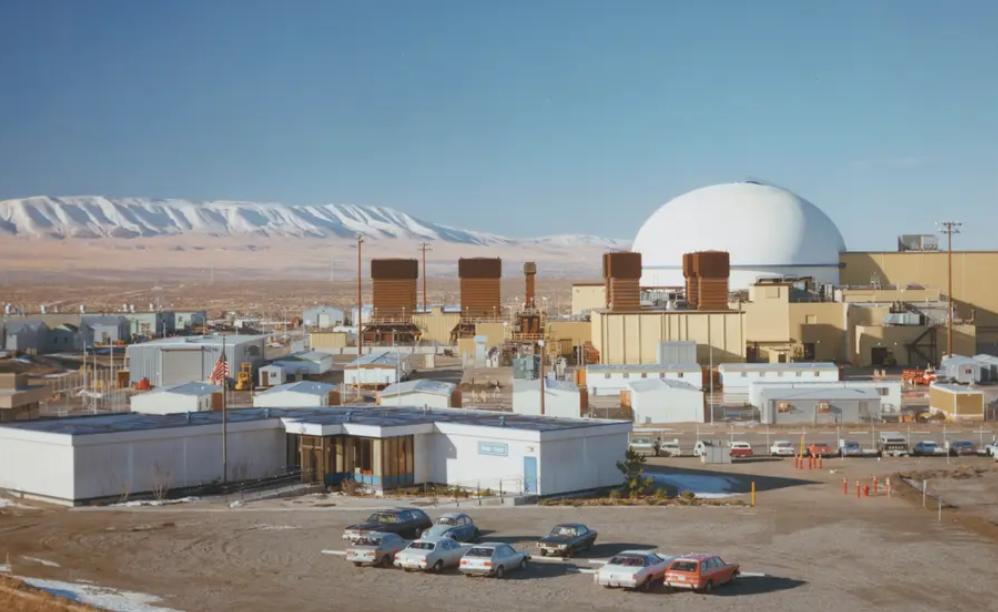
U.S. nuclear company TerraPower partners with Korean firms to advance Natrium advanced nuclear deployment in America
U.S. nuclear company TerraPower, backed by Bill Gates, is accelerating the commercialization of its advanced nuclear reactors. The company announced on August 14 that it has reached cooperation agreements with South Korea's Hyundai Engineering & Construction and SK Innovation, aiming to advance the deployment of up to eight 345 MW Natrium reactors in the U.S. nuclear expansion. The first plant is expected to be completed by 2030, a timeline that underscores the urgency of deploying next-generation nuclear technology in the United States. Under the agreement, Hyundai Engineering & Construction has been selected as the engineering, procurement, and construction contractor for up to eight future Natrium reactor projects. The cooperation arrangement also includes related financing guarantee mechanisms, intended to enhance project bankability and reduce uncertainties in the early stages of large-scale construction. TerraPower President and CEO Chris Levesque stated that this marks a new phase of international cooperation with leading Korean institutions, reflecting the growing reliance of advanced nuclear projects on cross-border supply chains and engineering capabilities.
2026-08-15
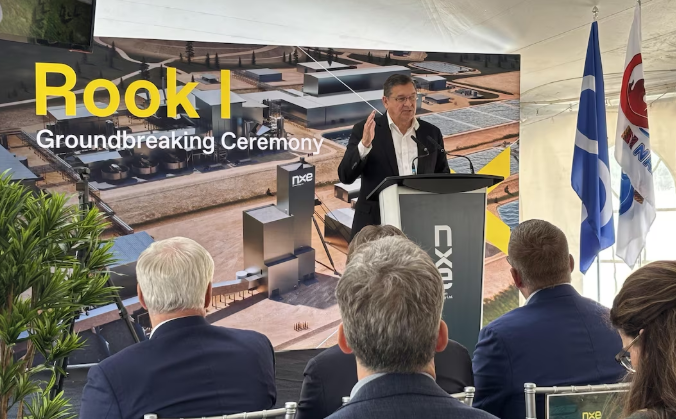
Canada's Rook 1 Uranium Mine Breaks Ground, Could Contribute One-Fifth of Global Uranium Production
The Rook 1 uranium mine project in northern Saskatchewan, Canada, has officially commenced construction. The project, advanced by NexGen Energy, is located south of the Athabasca Basin, approximately 130 kilometers north of La Loche. Saskatchewan Premier Scott Moe, former Canadian Prime Minister Stephen Harper, Secretary of State for Rural Development Buckley Belanger, and local Indigenous representatives attended the groundbreaking ceremony. The total project investment is approximately CAD 2.2 billion, with an expected construction period of four years. External infrastructure work has already begun, shaft sinking is planned for 2027, and the on-site runway will be expanded to 1,780 meters. Rook 1 is regarded as one of the world's largest uranium mine projects. NexGen estimates...
2026-08-14
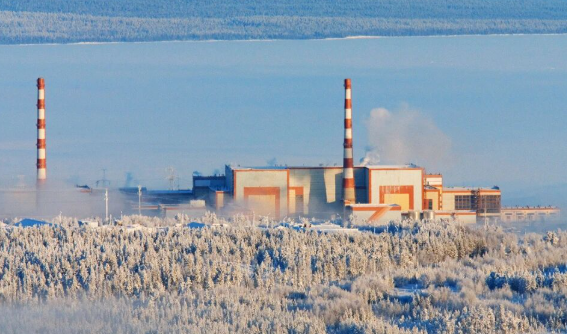
Long-term radiation environment at Kola NPP remains under control: gamma dose rates within natural background levels, 15 permanent observation stations operating since 1972
Long-term monitoring results from the external radiation monitoring group at Russia's Kola Nuclear Power Plant show that gamma radiation dose rates around the plant site have consistently remained within natural background radiation levels, with radionuclide concentrations matching background values, indicating a sound radiation environment with no differences from surrounding areas. The station's radiation safety department collects surface water samples from the discharge canal monthly, with monitoring coverage encompassing all elements including the atmosphere, snow cover, bottom sediments, food products, algae, berries, mushrooms, and caged fish. The monitoring architecture consists of two tiers: 15 permanent environmental observation stations have been in continuous operation since before the commissioning of the first reactor unit in 1972; 13 ASKRO automated radiation environment monitoring system stations provide real-time ground-level gamma dose rate data, which is transmitted directly to the Rosenergoatom crisis center and integrated into the national unified radiation monitoring network. Approximately 200,000 cubic meters of air are drawn weekly through air filtration units to capture radionuclides, with volumetric activity of radioactive iodine also measured. A mobile radiological laboratory performs on-site spectrometric analysis. Annually, about 1,200 environmental samples are collected from around the plant site and delivered to the Polyarnye Zori laboratory, where well water samples analyzed by Canberra spectrometers yield "zero nuclide" results, with samples retained for one year for potential re-analysis. Biological samples are processed using the ashing method, and instrument sensitivity is sometimes insufficient to even detect any signal from the plant's impact.
2026-08-14
ITER Tokamak Advances Assembly in France, Fusion Experiment Targets 150 Million Degree Celsius Plasma
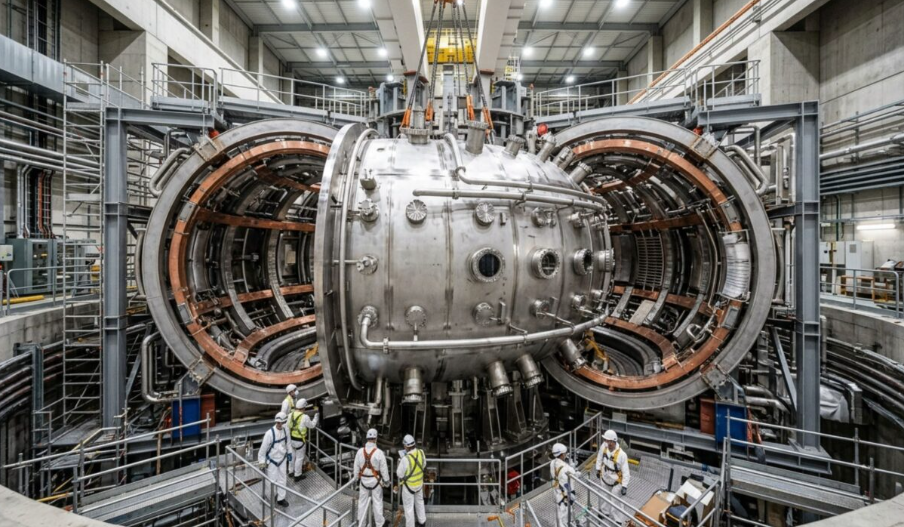
The ITER tokamak being assembled in southern France is one of the most closely watched large-scale experimental devices in global nuclear fusion research. The machine weighs approximately 23,000 tonnes in total and adopts a donut-shaped toroidal structure, using strong magnetic fields to confine high-temperature plasma, with the goal of replicating on Earth the conditions for fusion reactions that occur inside stars. Its plasma volume is approximately 830 cubic meters, far exceeding previous tokamak devices, and it is therefore expected to validate the key physics and engineering technologies required for future commercial fusion reactors. ITER adopts the toroidal tokamak structure because charged particles can move along toroidal paths under strong magnetic fields, thereby minimizing direct contact with the device's inner walls...
2026-08-14
Turkey's Nuclear Regulatory Authority (NDK) Relaxes Certification Requirements for Testing of Short-Cycle Equipment
Turkey's Nuclear Regulatory Authority (NDK) has recently adjusted testing requirements for equipment related to nuclear facilities, providing flexibility for equipment with a production cycle of less than 15 days. According to the decision published in the Official Gazette, under specific conditions, when such equipment undergoes certain tests, testing laboratories will no longer be required to hold specific accreditation for the corresponding test methods. This adjustment applies to the supply chain under the framework of the Regulation on Authorization of Nuclear Facilities. When the NDK, suppliers, or subcontractors are unable to provide a laboratory accredited for the relevant test methods, the original accreditation prerequisite may be waived for the testing of such equipment. This indicates that the regulatory authority, while ensuring quality control of nuclear facility equipment, has also left operational leeway for the testing process of short-cycle production equipment.
2026-08-14

Russia Plans to Build Small Nuclear Power Plant in Kyrgyzstan, Land-Based Icebreaker Reactor in Focus
Rosatom's plan to promote the construction of a small nuclear power plant in Kyrgyzstan is centered around discussions on the RITM-200N reactor design. With a power output of approximately 55 MW, this reactor is the land-based version of the RITM-200 reactor used in Russia's new generation of nuclear-powered icebreakers. Several Russian nuclear-powered icebreakers currently operate on the same technological platform, which serves as the primary basis for Russia to demonstrate its maturity and reliability. The project first entered public discussion in January 2022. At that time, Kyrgyzstan's energy authorities stated that if a nuclear power plant were to be built, its installed capacity should be no less than 300 MW, reflecting the country's practical concerns over power shortages and energy security...
2026-08-14

Polish President Signs Key Nuclear Power Bill, Allowing Early Construction Works to Start Ahead of Schedule
Polish President Karol Nawrocki signed an amendment to the Act on the Preparation and Implementation of Nuclear Energy Facilities and Associated Investments on August 14, aiming to accelerate the construction of nuclear power plants in the country. According to information released by the Presidential Chancellery, the core of this legal adjustment is to allow certain preliminary construction and preparation works to proceed before the final construction permit for the entire project is granted, thereby shortening the timeline for large-scale nuclear projects. The amendment concerns Polish laws related to the preparation and implementation of nuclear energy facilities and associated investments. The new regulations introduce a new type of permit, namely the permit for preliminary construction works of nuclear energy facilities. Once this permit is obtained, the investor can carry out some early-stage construction and preparation works before all complete project investment documents have been fully approved.
2026-08-14