
Search Results
Keyword:River
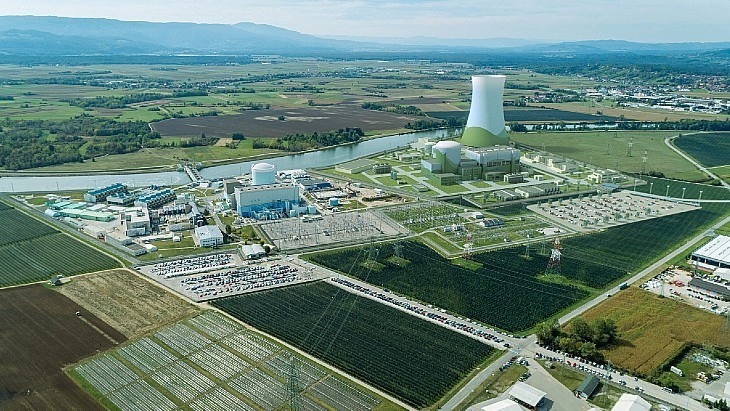
Krško Nuclear Power Plant Operates at Full Capacity; Low Sava River Water Level May Affect Unit Output
Slovenia's Krško Nuclear Power Plant continues to operate at full capacity, but due to low water levels and elevated water temperatures in the nearby Sava River, a reduction in reactor power cannot be ruled out in the future. The plant stated that it is utilizing its cooling tower system and operating in compliance with environmental restrictions related to the Sava River. Due to insufficient recent precipitation, the Sava River's water level remains low, and river water temperatures are also staying in a higher range. Plant management also noted that increased cooling demands have already had a certain impact on the unit's power generation efficiency. Krško Nuclear Power Plant has notified relevant authorities in Slovenia and Croatia that if environmental restrictions are further tightened, it may be necessary to...
2026-08-05
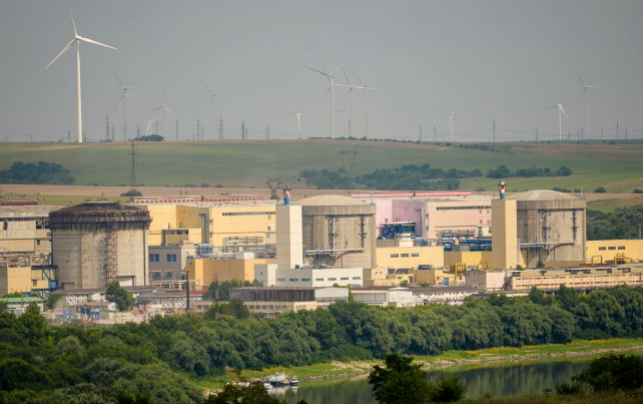
Unit 2 of Romania's Cernavoda Nuclear Power Plant can only operate for about 5 more days due to the continuously declining water level of the Danube River
Unit 2 of Romania's Cernavoda Nuclear Power Plant is expected to operate for only about five days due to the declining water level of the Danube River. Romeo Urjan, the plant's director, stated that if the Danube's water level continues to drop at a rate of 2 to 3 centimeters per day, Unit 2 will soon cease operation. Unit 1 has already been shut down due to insufficient water flow. Urjan emphasized that despite this, Unit 2 continues to operate within normal parameters, and nuclear safety is not under any threat. To alleviate the situation, relevant authorities are preparing to deploy four barges to divert more water to the plant, hoping to raise the water level by 7 to 8 centimeters, thereby extending the plant's operating time. Related...
2026-08-04
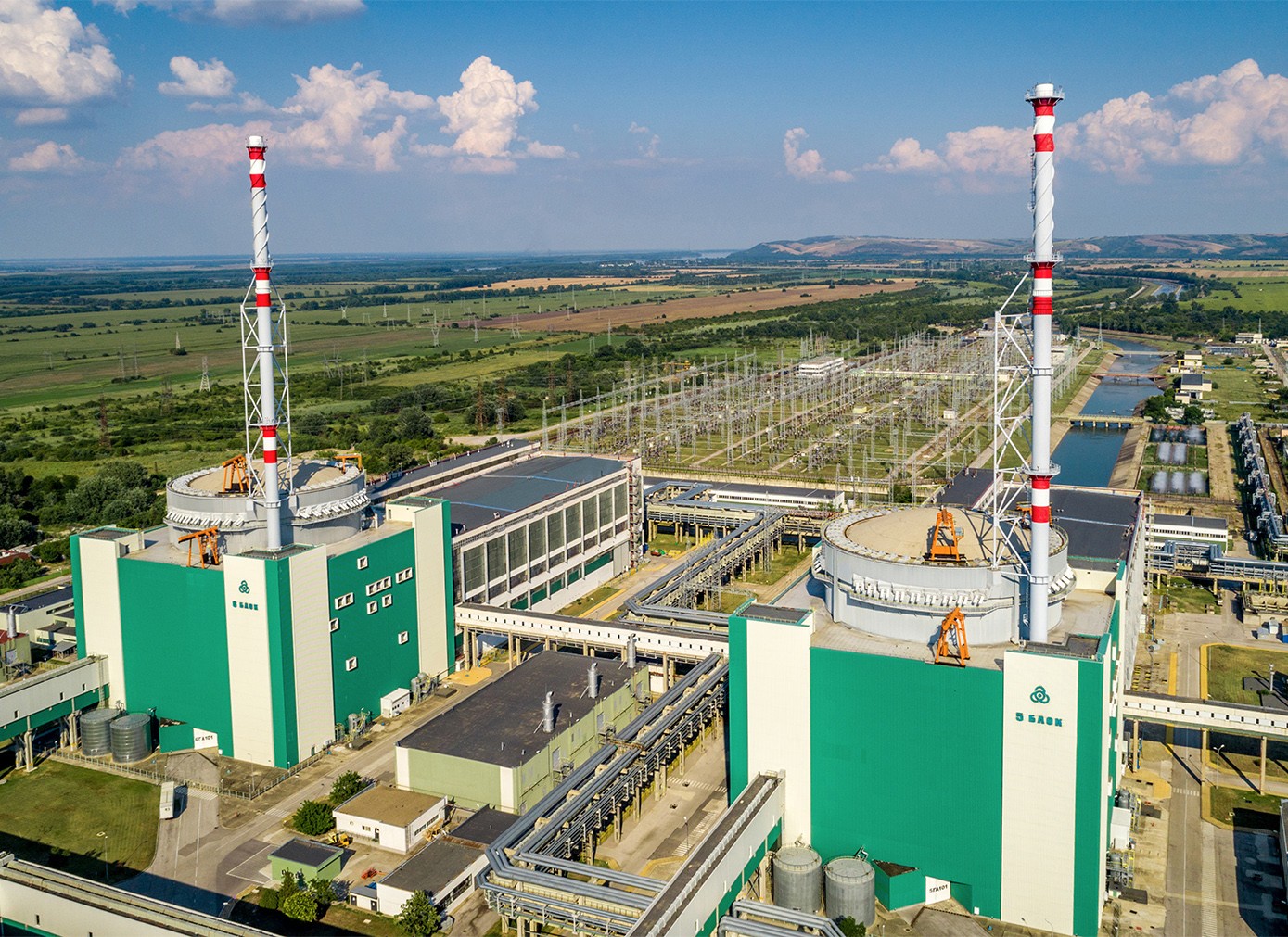
Bulgarian Energy Minister to Inspect Unit Operations at Kozloduy Nuclear Power Plant
Bulgaria's Ministry of Energy announced on August 3 that Energy Minister Iva Petrova will visit the Kozloduy Nuclear Power Plant on August 4. Experts from the Ministry of Energy, along with representatives of the management of Bulgarian Energy Holding (BEH) and the Electricity System Operator (ESO), will accompany her. According to the Bulgarian Ministry of Energy, the visit will focus on understanding the current operational status of Units 5 and 6 at the Kozloduy Nuclear Power Plant, assessing the impact of the abnormally low Danube River water level on plant operations, and reviewing measures taken by the Ministry to ensure the security of Bulgaria's electricity system. On August 2, the Bulgarian Ministry of Energy stated that despite the Danube River water level dropping to a historic low, the two nuclear units at the Kozloduy Nuclear Power Plant...
2026-08-04
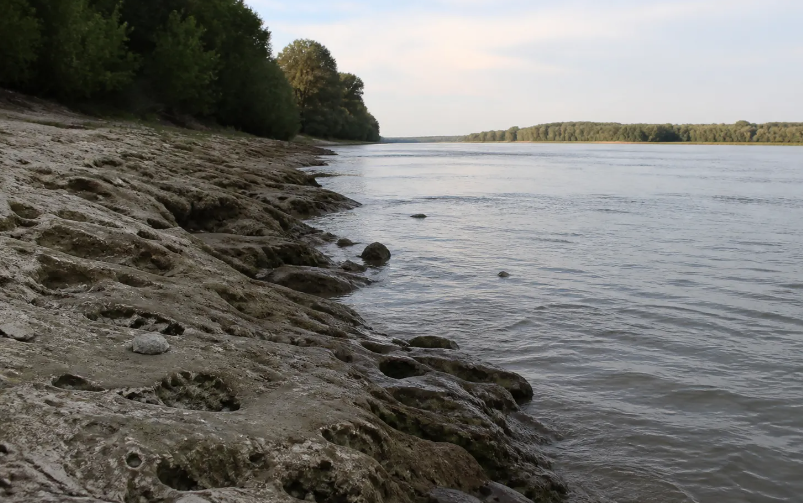
Romania Blasts Rocks in Danube to Secure Nuclear Power Plant Water Supply
Romania is conducting blasting operations on rocks in the Danube River to ensure the water supply for the Cernavodă Nuclear Power Plant. The Ministry of National Defense has launched related actions aimed at altering the river's flow, diverting part of the water from the Bala branch to the Old Danube branch. Initial blasting operations began on Sunday, involving over one hundred military personnel and sixteen pieces of military equipment. According to Navy Reserve Commander Marcel Neculae, the first two explosions failed to completely destroy the target rock, which proved harder than expected. Navy divers are currently assessing the blasting results, after which explosive charges will be gradually increased to continue the operation. Romania's water resources authority has also noted the complexity of the project and warned that it may not succeed.
2026-08-03
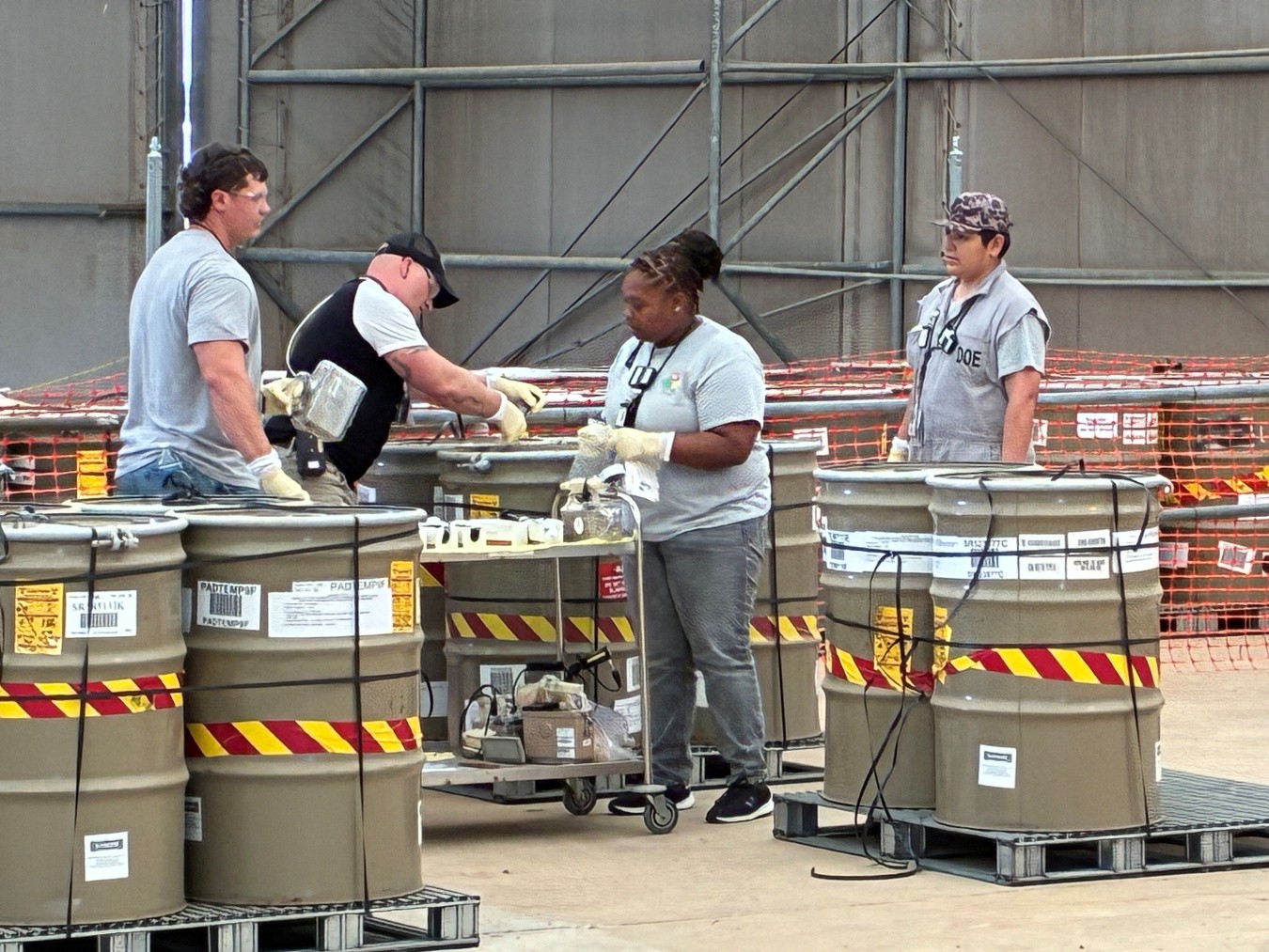
U.S. to Resume Shipping Transuranic Waste Drums from Savannah River Site to WIPP for Permanent Disposal
The U.S. Department of Energy Office of Environmental Management (EM) will resume shipping remote-handled transuranic waste drums from the Savannah River Site (SRS) in South Carolina to the Waste Isolation Pilot Plant (WIPP) in New Mexico for permanent disposal on July 28, 2026. Prior to resuming shipments, relevant teams have completed flammable gas analysis, confirming that these waste containers meet safety requirements for transport to the underground disposal facility. Flammable gas sampling is a critical safety step before transuranic waste transportation. Workers assess potential combustion risks inside containers by detecting gases such as hydrogen, methane, and volatile organic compounds, and confirm their safety during transport and disposal...
2026-08-03
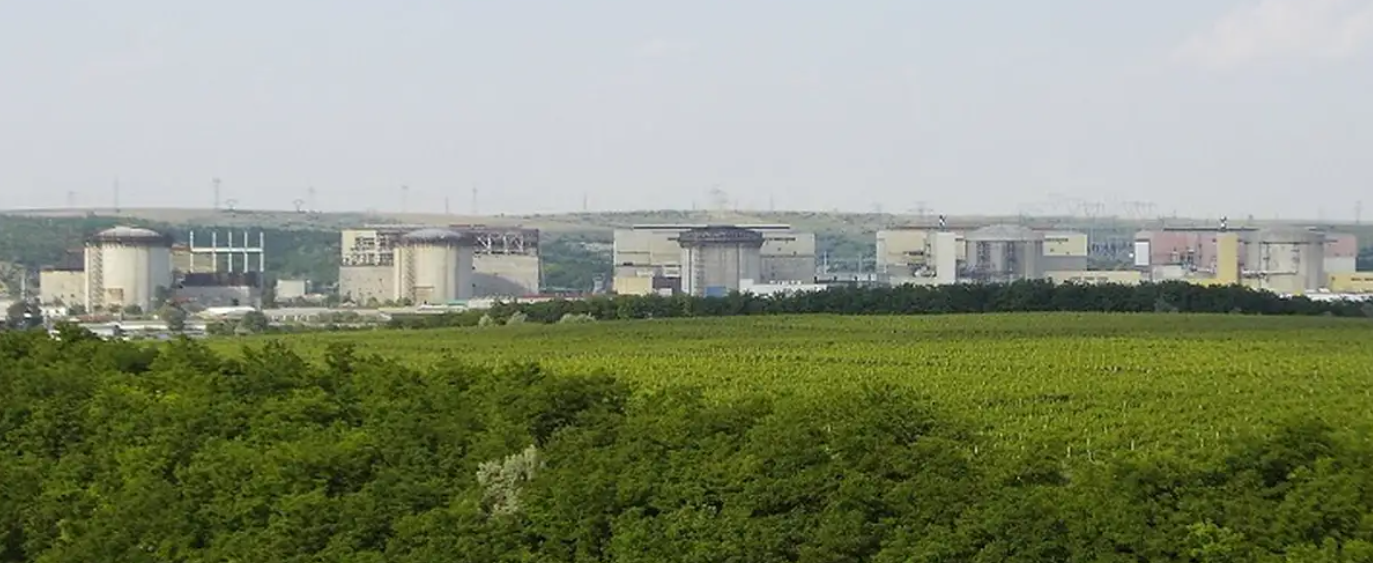
Romania Declares National State of Emergency for August Amid Decline in Power Generation
Romania's Acting Prime Minister and Energy Minister Ilie Bolojan announced on July 31 after a cabinet meeting that Romania would enter a national state of emergency in August due to a decline in power generation caused by drought. Bolojan stated that the drought has reduced water levels in rivers, with a notable decrease in the flow of the Danube River. The flow has dropped from over 4,000 cubic meters per second to 1,600 cubic meters per second. He said that as a result, the water level in the intake basin of the Cernavodă NPP has fallen, and Unit 1 of the plant had to be shut down recently. He also noted that Unit 2 of the Cernavodă NPP faces a high risk of shutdown. Should Unit 2 go offline, Romania's total...
2026-08-01
Two Units of Kozloduy NPP Operating at Full Capacity as Scheduled
On July 30, Kozloduy NPP stated that its two units are currently operating at full capacity in accordance with the power generation plan. Affected by the persistently low water level of the Danube River, the plant established a special working group in early July and activated relevant response measures to ensure the safe and reliable operation of the units under conditions of prolonged river water level decline. Kozloduy NPP is maintaining close communication with the Executive Agency for Exploration and Maintenance of the Danube River to continuously track water level trends. Monitoring data from recent days show that the Danube River water level has dropped to its lowest in recent decades...
2026-07-31
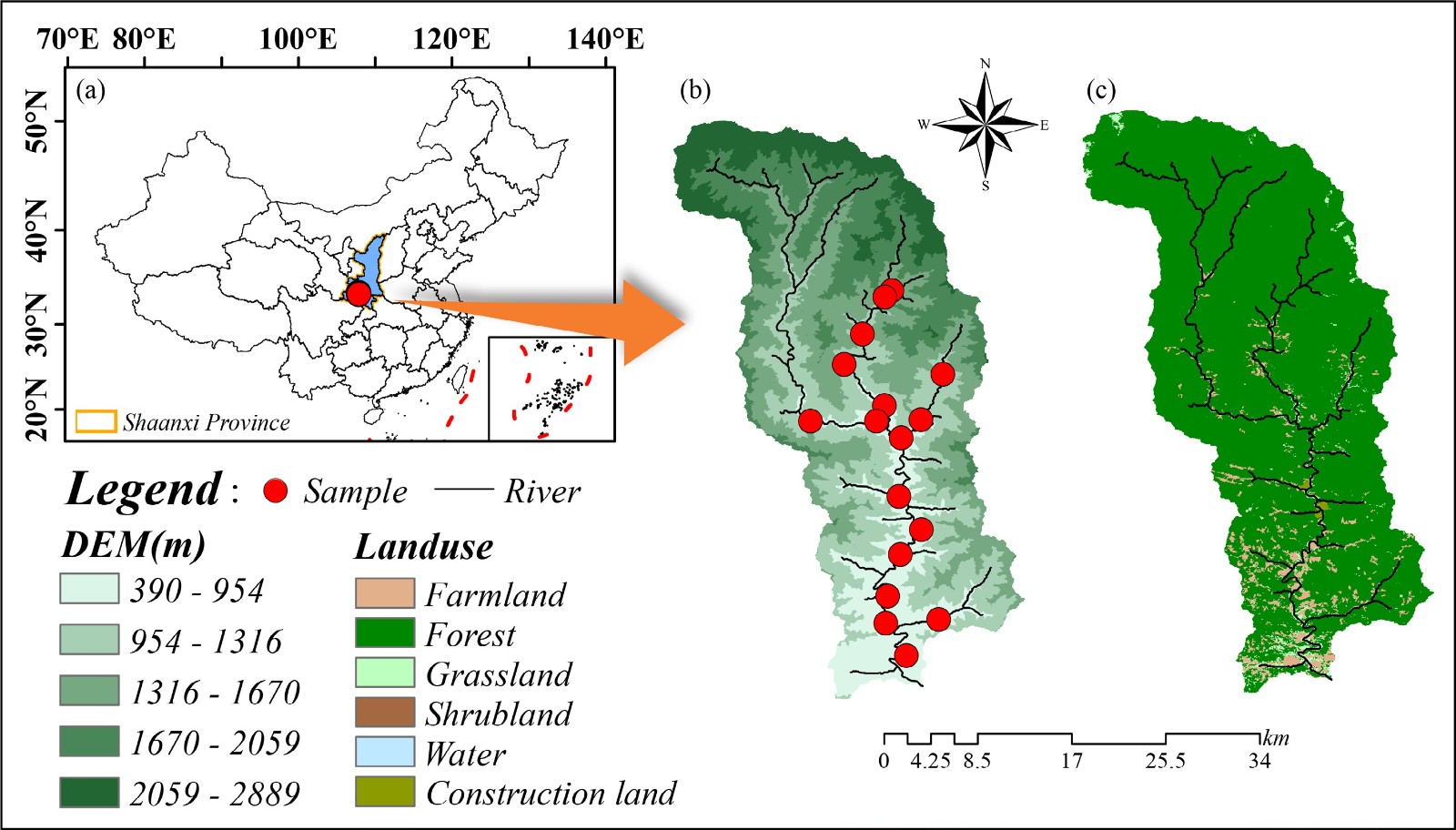
Chinese Jinshui River study reveals seasonal variations affect nitrogen removal capacity of forest streams
A new study shows that the capacity of forest streams to remove excess nitrogen varies with the seasons, influenced by different environmental factors in summer and winter respectively. This finding suggests that water quality management in forest watersheds needs to give greater consideration to seasonal differences. Figure 1. Location of study sites along the Jinshui River. (a) Watershed location; (b) Watershed topography and sampling point distribution; (c) Watershed land use types. Researchers focused on the Jinshui River in central China, analyzing water and surface sediment samples from 18 sites along forested riparian zones. The study combined nitrogen-15 isotope tracing, remote sensing monitoring, water and sediment chemical measurements, and microbial-based...
2026-07-31

U.S. Research Team Tracks Main Drivers of Global Methane Rise Using Stable Isotope Analysis
A research team from the U.S. National Oceanic and Atmospheric Administration Global Monitoring Laboratory and the University of Colorado has recently traced the sources of the rapid rise in global atmospheric methane since 2007 through high-precision methane concentration measurements and carbon and hydrogen stable isotope analysis. The findings show that over the past two decades, microbial emissions have been the primary factor driving the increase in methane concentrations, while fossil fuel-related methane emissions may have remained relatively stable overall. A methane molecule consists of one carbon atom and four hydrogen atoms, and methane from different sources differs in its carbon and hydrogen isotope composition. Researchers used this chemical fingerprint to distinguish methane sources: fossil fuel methane such as natural gas typically contains a relatively higher proportion of carbon-13, while methane produced by microbial processes in wetlands, landfills, livestock, and agricultural environments has a lower carbon-13 proportion, exhibiting a "lighter" isotopic signature. The proportion of deuterium in hydrogen isotopes also varies with the way methane is formed, providing a further basis for source identification.
2026-07-31
Danube River water levels continue to drop, Romania's only nuclear power plant to shut down completely
Affected by prolonged drought and high temperatures, the water level of the Danube River has been continuously declining, impacting the operation of multiple nuclear power plants along its banks. Romanian authorities have confirmed that both units of the country's only nuclear power plant, the Cernavodă Nuclear Power Plant, will be completely shut down to prevent damage to the cooling system. Romania's Acting Prime Minister Ilie Bolojan has called on residents and large industrial users to voluntarily reduce electricity consumption, especially by controlling the load between 8:00 PM and 11:00 PM. He stated that Romania often faces electricity shortage pressure during this period. Bolojan noted that the Danube River flow rate during the same period in previous years was typically 3,900 to 4,500 cubic meters per second, but it has now dropped to 1,600 cubic meters per second, and is expected to continue decreasing in the coming days.
2026-07-30

Denison Phoenix In-Situ Recovery Uranium Mine Enters Full Construction Phase
Denison Mines Corp. of Canada announced on July 28 that the Phoenix in-situ recovery uranium mine, part of the Wheeler River uranium project in northern Saskatchewan, Canada, has completed site preparation and transitioned from the preliminary engineering phase to full construction. Current project priorities include initiating the installation of the freeze wall around the Phase I mine. According to the company's disclosure, since site preparation and preliminary engineering began in March 2026, the project has substantially completed site clearing, advanced several time-critical civil works, and constructed construction management facilities. A temporary construction camp has also been installed and put into operation, increasing the on-site accommodation capacity of the Wheeler River project to nearly 400 people, providing conditions for the subsequent increase in construction personnel...
2026-07-29