
Search Results
Keyword:Safe
NuScale Completes First Manufacturing of Boron Carbide Pellets for SMR Safety Component in the U.S.
NuScale Power and MillenniTEK recently announced that they have successfully manufactured the first batch of boron carbide pellets for NuScale's passive emergency core cooling system (ECCS). This component will be used in NuScale's small modular reactor (SMR) technology and is one of the dedicated components in its reactor safety system. According to reports, in nuclear power plants employing NuScale technology, when the emergency core cooling system is activated, the boron carbide pellets dissolve into the reactor coolant, helping to control and maintain core reactivity at safe levels without operator intervention. This manufacturing effort is considered a key advancement in NuScale's preparation for commercial deployment, involving the validation of dedicated safety components and associated manufacturing processes.
2026-09-02
South Korea's Nuclear Safety Regulatory Budget for 2027 Rises to KRW 303 Billion
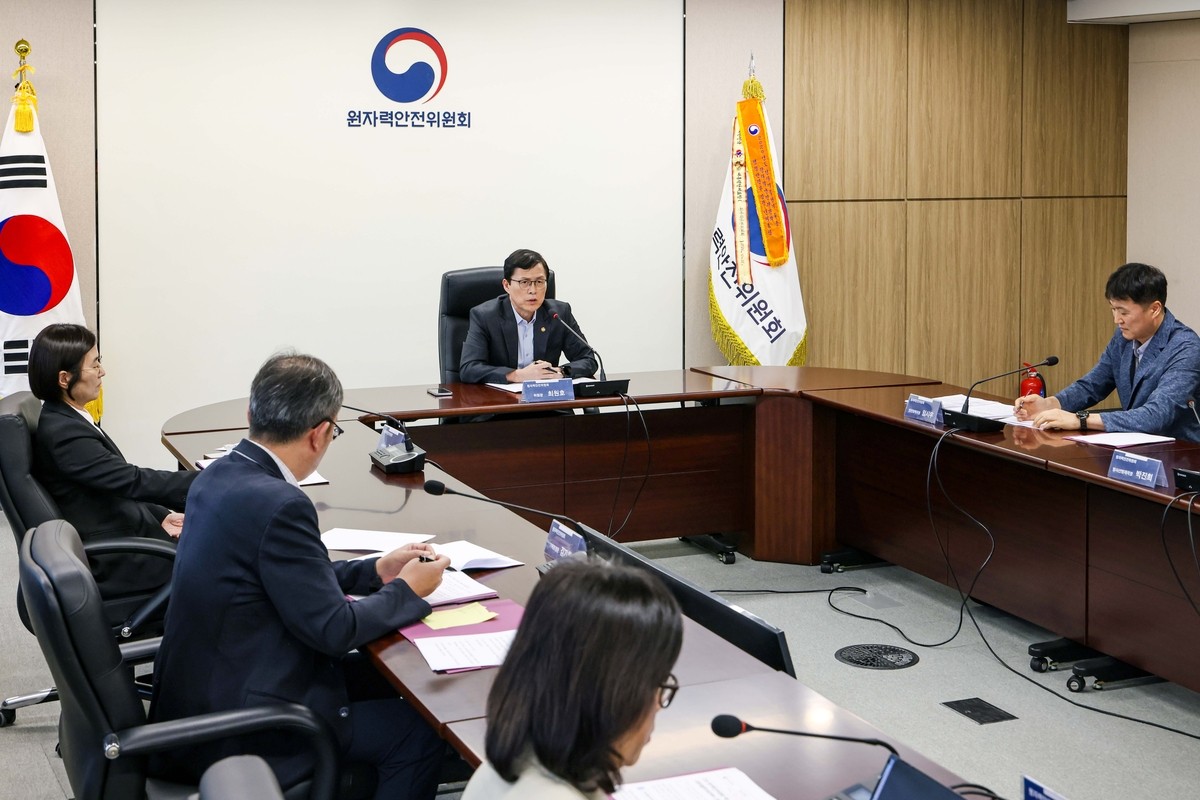
The Nuclear Safety and Security Commission (NSSC) of South Korea announced on September 1 that it has allocated KRW 303 billion for the 2027 budget, an increase of KRW 10.4 billion from this year. The new budget focuses on areas such as small modular reactor regulation, spent nuclear fuel safety, nuclear facility decommissioning review, environmental radiation monitoring, and nuclear safety information disclosure. Regarding small modular reactors, as non-light water reactor-type small modular reactor development projects aim to obtain licenses by the early 2030s, South Korea will invest KRW 8 billion in R&D to establish a new safety evaluation system. In addition, in line with the preliminary review system set to take effect in November this year, the government has allocated KRW 2.7 billion to conduct preliminary reviews of non-light water reactor-type small modular reactors expected to file applications next year. This system allows applicants to request regulatory review of reactor designs before formally submitting license applications.
2026-09-02
Mobilization Meeting for High-Quality Fuel Loading of Haiyang Nuclear Power Unit 3 Convened
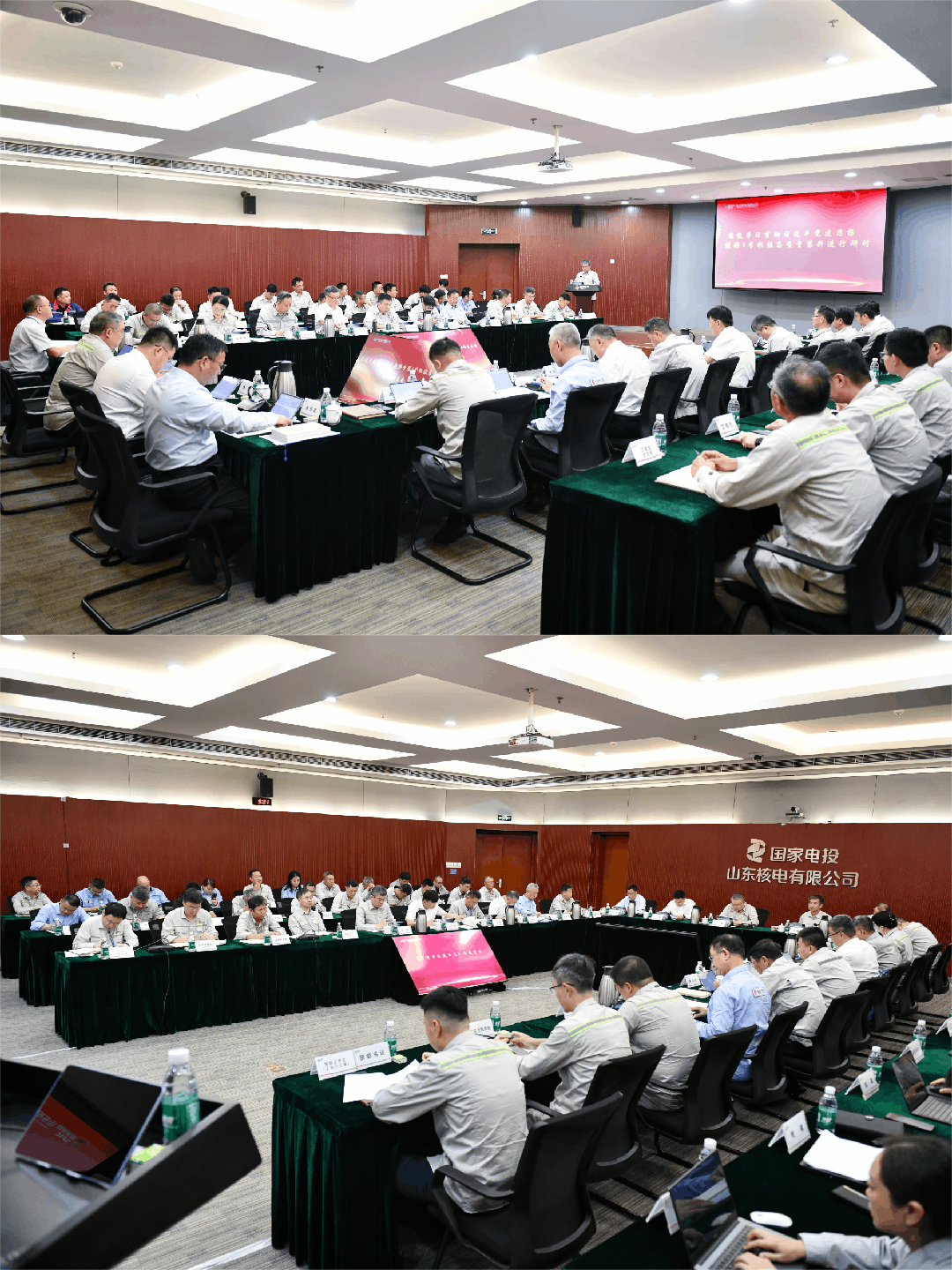
On September 1, Shandong Nuclear Power organized a themed joint Party building learning session and the mobilization meeting for high-quality fuel loading of Haiyang Nuclear Power Unit 3. Centering on the goal of high-quality fuel loading for Unit 3, the meeting further unified understanding, clarified responsibilities, and promoted the safe, orderly, and high-quality implementation of fuel loading preparations, laying the foundation for the subsequent commissioning of the Phase II project of Haiyang Nuclear Power. The meeting conducted a themed joint Party building learning session. The Haiyang Project Department of Shanghai Nuclear Engineering Research and Design Institute (SNERDI), the Commissioning Center of SNERDI, China Nuclear Industry Fifth Construction Co., Ltd., and Jiangsu Electric Power Construction No. 3 Engineering Company respectively reported on the fuel loading preparation status of Unit 3. Participants discussed topics including Party building leading project breakthroughs and ensuring high-quality fuel loading of Unit 3. The meeting also commended...
2026-09-02
South Korea to Launch National Radiation Monitoring Center in 2027
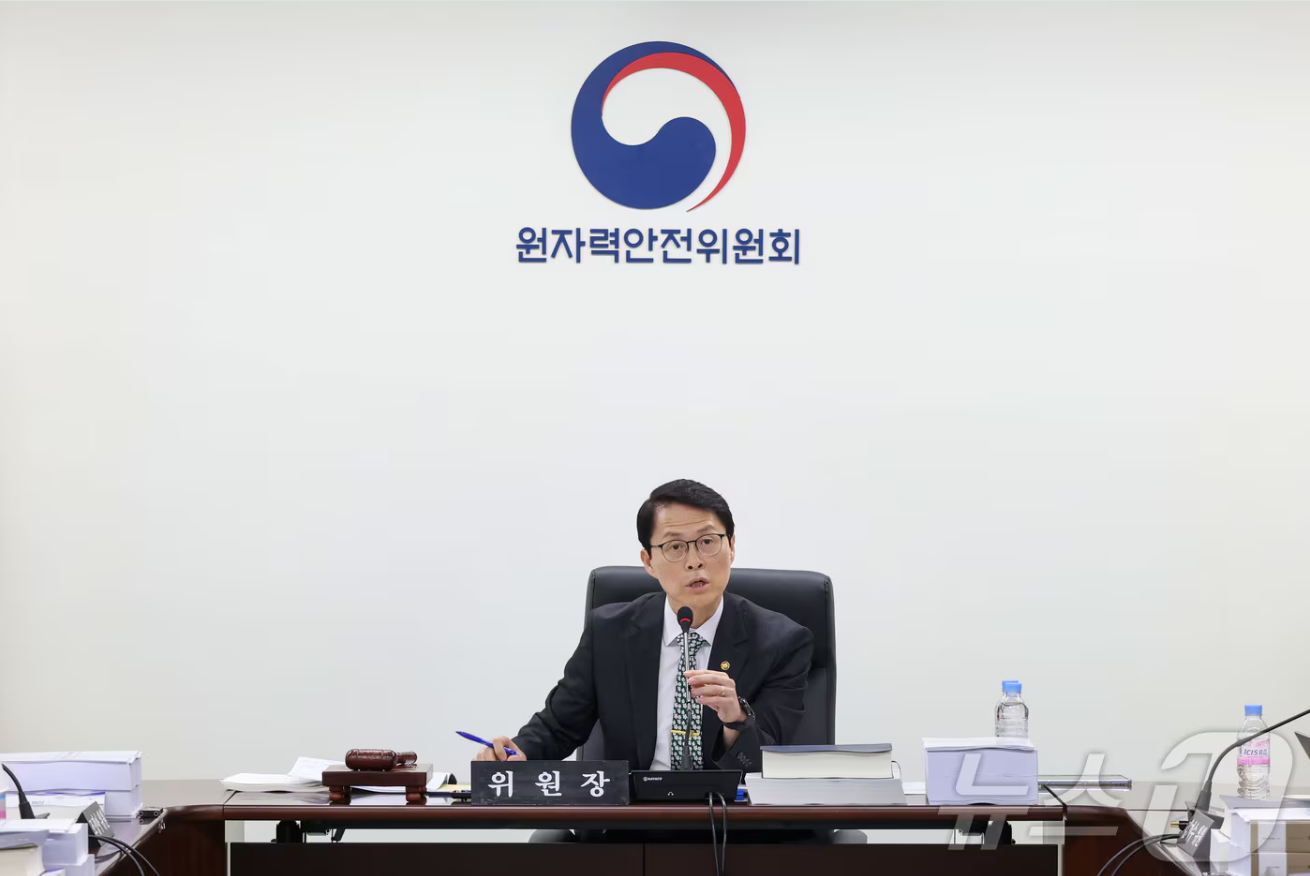
The South Korean government reviewed and approved the "2027 Budget Plan" at a cabinet meeting on September 1. According to the budget arrangement, South Korea will launch the National Radiation Monitoring Center in 2027 to centrally collect and manage national environmental and marine radioactive information; simultaneously, it will expand the Nuclear Safety Information Sharing Center to strengthen direct communication with residents near nuclear power plants. The Nuclear Safety and Security Commission (NSSC) has allocated 1.4 billion KRW for the construction and operation of the National Radiation Monitoring Center. The project aims to strengthen the environmental radioactivity monitoring and analysis system to address regulatory demands arising from the expansion of domestic nuclear power utilization in South Korea and the increased operation and construction of nuclear facilities in neighboring countries. The National Radiation Monitoring Center is planned...
2026-09-01
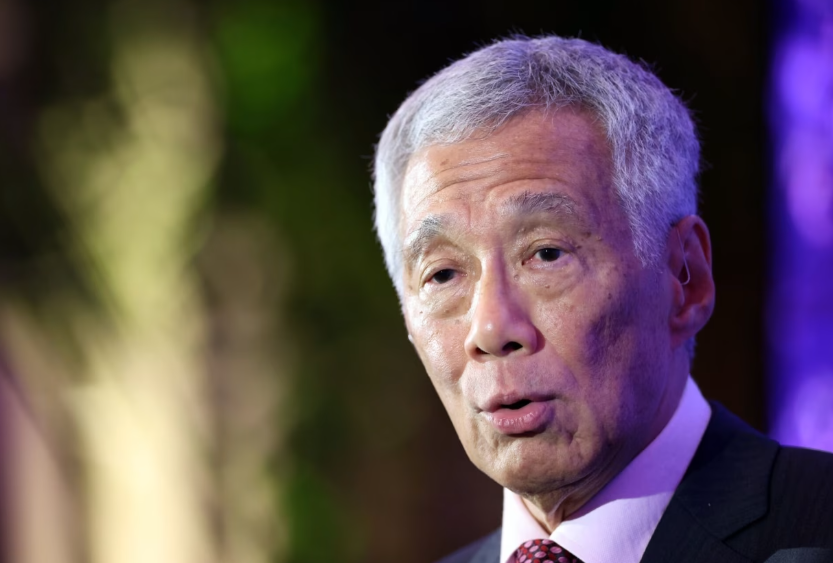
Singapore to Seriously Evaluate Nuclear Energy Options to Safeguard Energy Autonomy
Singapore's Senior Minister Lee Hsien Loong said on August 31, before concluding his official visits to Kazakhstan and Uzbekistan, that Singapore has not yet decided whether to adopt nuclear energy, but must seriously study whether nuclear energy is applicable to the country, preserving autonomous options for future energy supply and avoiding being constrained by external conditions during the energy transition. Both Kazakhstan and Uzbekistan are oil and gas producers and are also advancing nuclear power projects to enhance the resilience of their energy systems. Kazakhstan is currently building its first nuclear power plant in cooperation with Russia; Uzbekistan has held the groundbreaking ceremony for its first small modular reactor nuclear power plant and initiated design work...
2026-09-01
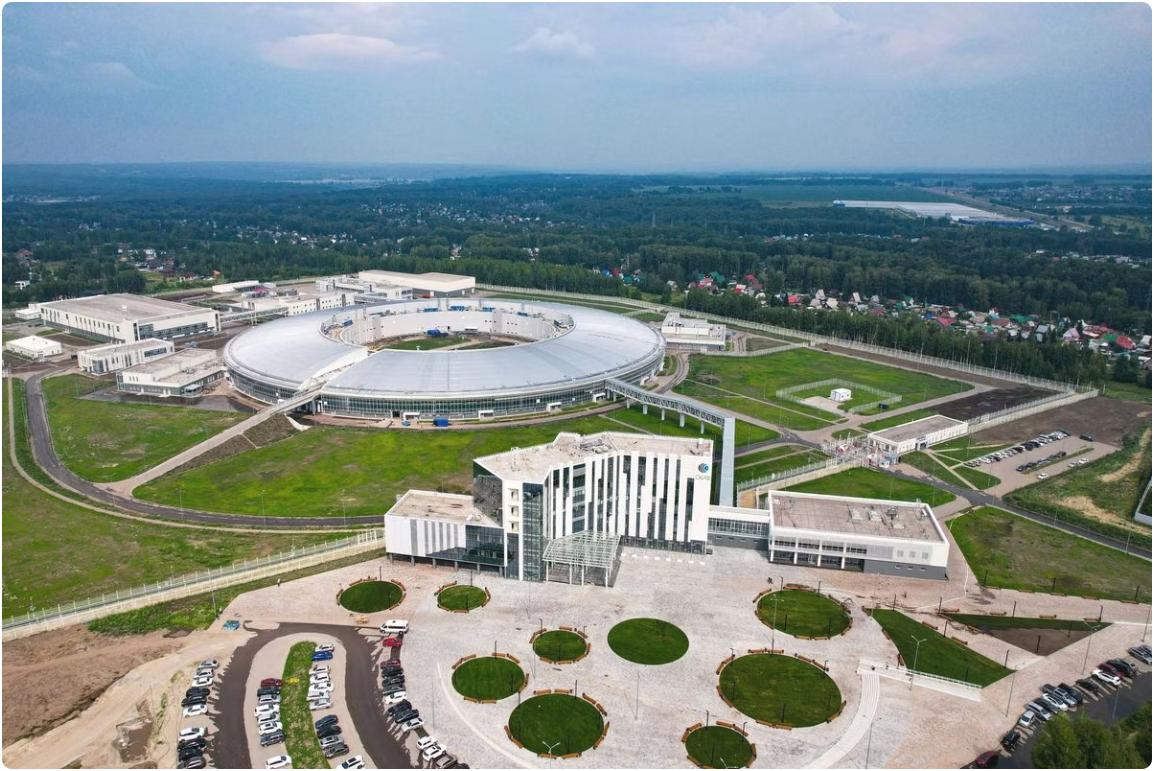
Russian Academician Says SKIF Synchrotron Light Source Will Not Produce Radionuclides, Safe and Controllable in Operation
Yevgeny Levichev, an academician of the Russian Academy of Sciences and director of the Collective Use Center of the Siberian Circular Photon Source (SKIF), recently stated that synchrotron light sources, including SKIF located near Novosibirsk, are electrophysical equipment with safe and controllable operation that poses no threat to personnel even in the event of a malfunction. Levichev said that unlike facilities such as nuclear power plants, synchrotron light sources do not generate isotopes or radionuclides in their systems. In the event of an anomaly, the beam is reset, and the facility's risk level is close to that of ordinary electrical equipment. According to reports, construction of the SKIF synchrotron was completed in June 2026, with an inauguration ceremony held in August. Once the facility is operational...
2026-09-01

Balakovo NPP Publishes 2025 Ecological Safety Report
Russia's Balakovo NPP released its 2025 ecological safety report on August 31, 2026. The report data show that the plant's operational activities comply with the requirements of sanitary, epidemiological, and environmental protection regulations. The report was presented in a roundtable format. Participants learned about the plant's ecological policy and the results of environmental monitoring studies, and exchanged views on relevant issues. Alexander Kurlov, head of the external radiation safety laboratory at Balakovo NPP, stated that before the plant's construction, the natural gamma background of the local area had to be measured and its upper and lower limits determined. Since the plant was put into operation, no exceedances of these limits have been recorded at the industrial site or in the surrounding areas.
2026-09-01
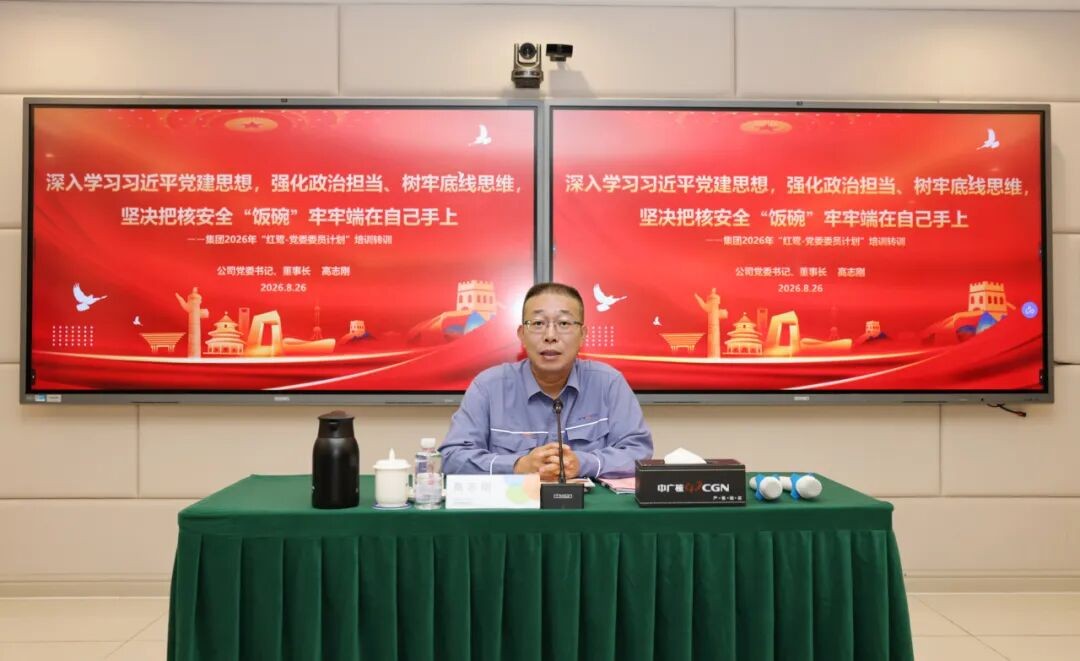
Fangchenggang Nuclear Power Holds Special Symposium on Nuclear Safety Management
Recently, Gao Zhigang, Secretary of the Party Committee and Chairman of Fangchenggang Nuclear Power, presided over a special symposium centered on the theme of "firmly holding the nuclear safety 'rice bowl' in our own hands," engaging in exchanges with departments including Operations Division I, Operations Division II, Nuclear Safety and Licensing Department, and Training Department, while also delivering relay training in accordance with the requirements of CGN's 2026 "Red Egret - Party Committee Member Plan" training program. At the symposium, department representatives shared work insights and best practices based on their job responsibilities and frontline work realities, focusing on role positioning, capability enhancement, value creation, and cognitive upgrading, while also offering suggestions on production safety management, risk prevention and control, and on-site execution. Gao Zhigang...
2026-09-01

Northeast Regional Office of the Ministry of Ecology and Environment Conducts Research on Radiation Risk Prevention and Control in the Scrap Metal Recycling and Smelting Industry
To strengthen radiation risk prevention and control across the entire chain of the scrap metal recycling and smelting industry and guide young cadres to conduct research and tackle challenges at the grassroots level, the Northeast Regional Office of Nuclear and Radiation Safety Supervision of the Ministry of Ecology and Environment (hereinafter referred to as the Northeast Regional Office) recently conducted special research at scrap metal resource recycling and steel smelting enterprises as well as customs ports. This research comprehensively mapped out the sources of scrap metal recycling, supply destinations, and the current status of radioactive monitoring management in the processing and sorting stages; focused on verifying the effectiveness of radiation monitoring requirements implementation at steel smelting enterprises, and meticulously examined the monitoring point deployment and control measures at key stages such as raw material entry, production process connection, and product shipment; further clarified the import and export radioactive monitoring management procedures, coordination and linkage working mechanisms, and the response and handling of abnormal events; and conducted in-depth exchanges and discussions with relevant units on some issues identified during the research.
2026-09-01
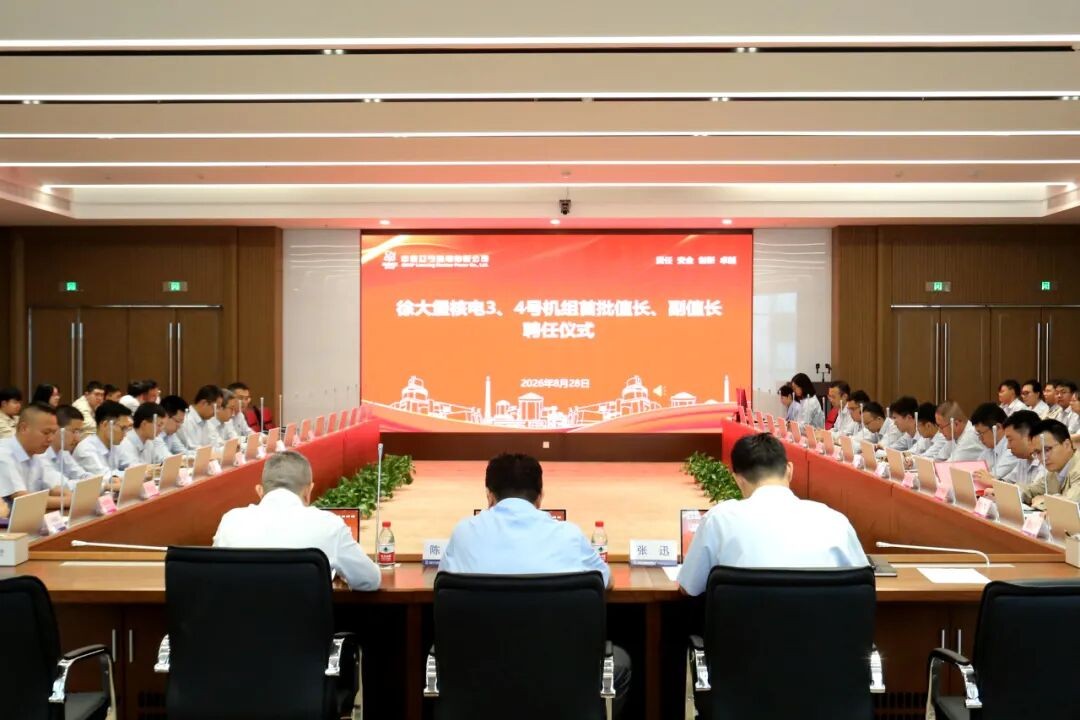
First Batch of Shift Supervisors and Deputy Shift Supervisors Assume Duties at Xudabao Nuclear Power Plant Units 3 & 4
On August 28, Liaoning Nuclear Power held the appointment ceremony for the first batch of shift supervisors and deputy shift supervisors for Units 3 & 4 of the Xudabao Nuclear Power Plant, with relevant company leaders in attendance. At the ceremony, Liaoning Nuclear Power announced the appointment decisions, officially marking the assumption of duties by the first batch of shift supervisors and deputy shift supervisors for Units 3 & 4. A documentary short film played at the event reviewed the growth journey of the operations team, from theoretical study and systematic training to on-site practical operations and on-the-job experience. Having undergone training, practice, selection, and assessment, the personnel have now entered key positions in plant operations. On the same day, the head of the Operations Department signed annual business performance responsibility agreements with representatives of the first batch of shift supervisors, clarifying their accountabilities for safe performance of duties. Subsequently, the first batch of shift supervisors and deputy shift supervisors collectively...
2026-09-01
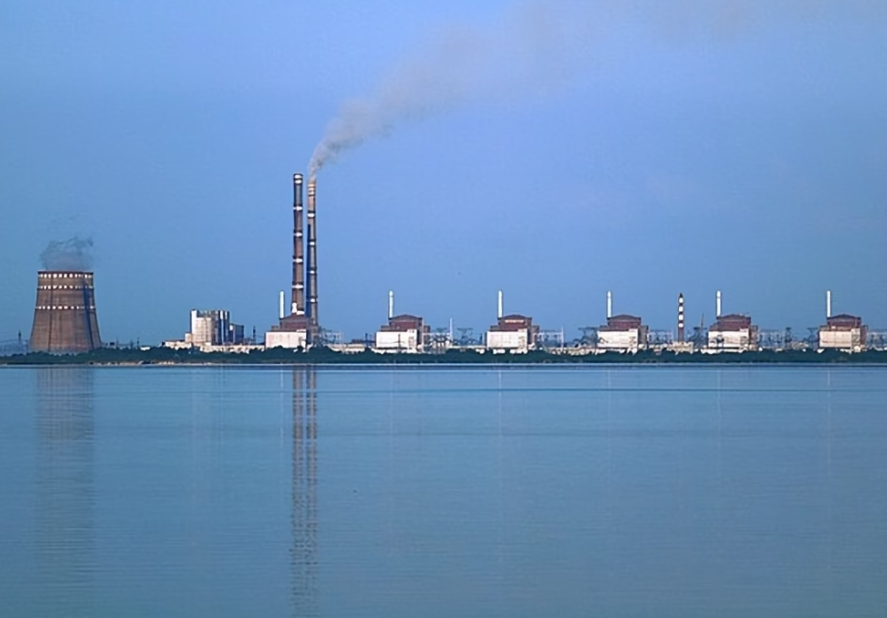
Zaporizhzhia Nuclear Power Plant Relies on Emergency Diesel Generators to Maintain Operations
The International Atomic Energy Agency (IAEA) recently stated that the Zaporizhzhia Nuclear Power Plant (ZNPP) has been relying on emergency diesel generators to maintain critical safety systems for over a week following the interruption of its external power supply. After inspections by the agency's on-site expert team, it was confirmed that as of the 23rd local time, the plant's diesel reserves could support approximately 10 days of operation, approaching the minimum regulatory requirement. According to the IAEA, the Zaporizhzhia Nuclear Power Plant lost its connection to the only remaining 330 kV Peresopravna-1 external transmission line starting on the 20th. Subsequently, the plant activated multiple emergency diesel generators to power critical equipment, including the six reactors and pumps related to spent fuel cooling and storage. The IAEA...
2026-08-31
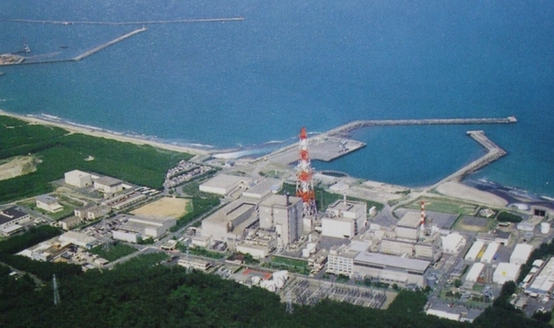
Further Delay in Completion of Safety Measures at Japan's Tokai Daini Nuclear Power Plant
Japan Atomic Power Company (JAPC) announced on August 28 that the safety measure works required for the restart of the Tokai Daini Nuclear Power Plant in Tokai Village, Ibaraki Prefecture, are now expected to be completed between October 2028 and March 2029 (the second half of fiscal 2028), delayed from the original target of December 2026. This marks the fourth postponement of the completion schedule for the plant's safety measures. One of the key projects among the safety measures at Tokai Daini is the construction of a seawall approximately 17 meters high to protect against tsunamis. In June 2023, defects including incomplete concrete filling and deformed rebar were discovered in the seawall's foundation works, and related construction was subsequently suspended. JAPC has since applied to the Nuclear Regulation Authority (NRA)...
2026-08-29
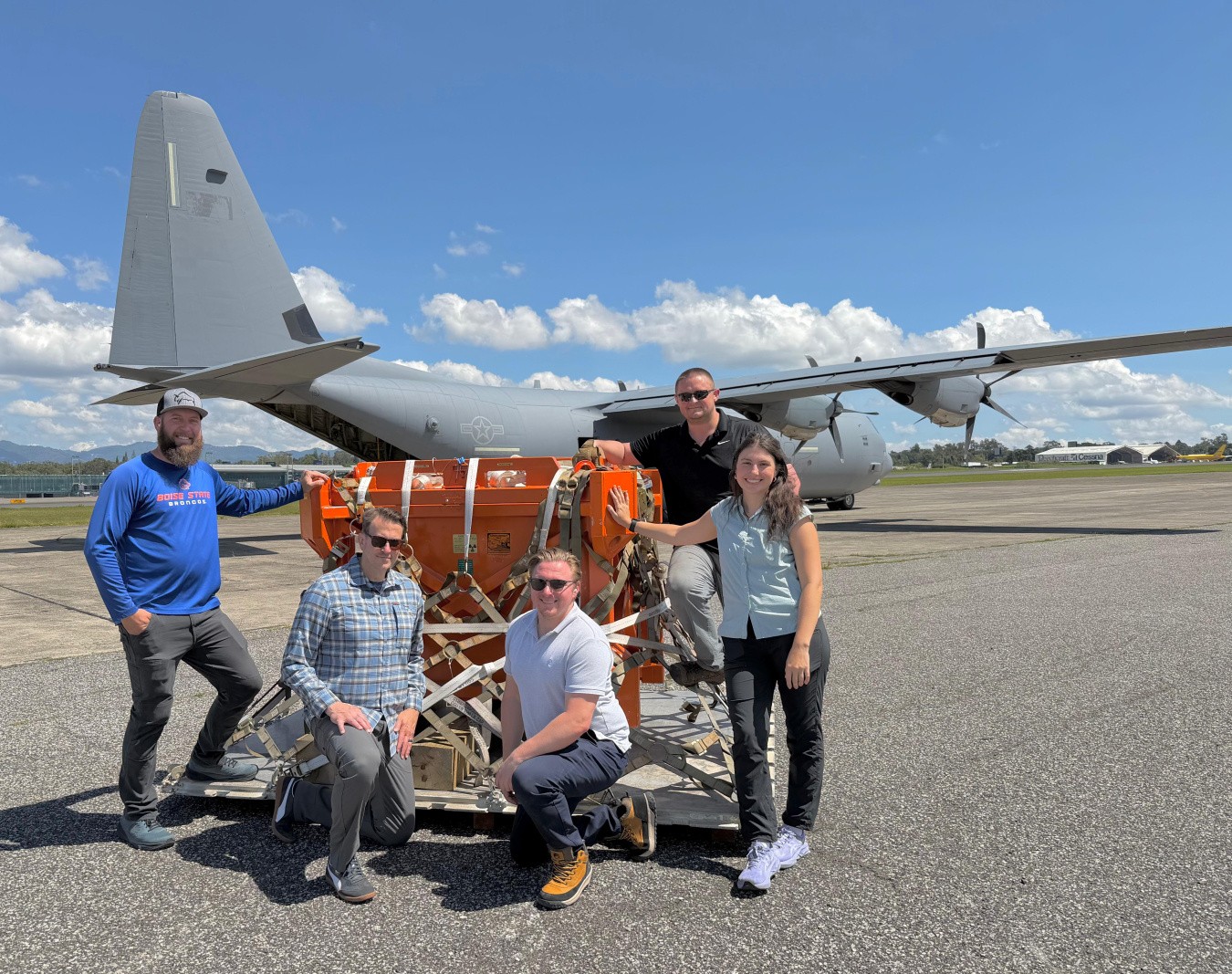
U.S. NNSA and DTRA Remove High-Risk Cobalt-60 Radioactive Source from Guatemala
The U.S. National Nuclear Security Administration (NNSA) announced on August 27 that, in cooperation with the U.S. Defense Threat Reduction Agency (DTRA), it has removed a high-risk cobalt-60 radioactive source from a facility in Guatemala and transported the associated components to a secure storage location in the United States. This operation aims to reduce security risks associated with radioactive materials and prevent high-activity radioactive substances from being illegally acquired or misused. According to reports, cobalt-60 can be used in medical equipment for cancer treatment, but high-activity radioactive sources, if improperly managed, may pose radiological safety hazards. In May of this year, an NNSA Los Alamos National Laboratory team, in cooperation with relevant Guatemalan agencies, worked on a decommissioned U.S.-manufactured cobalt-60 teletherapy...
2026-08-28
South Korea Launches Standard Design Approval Review for i-SMR
The Nuclear Safety and Security Commission (NSSC) of South Korea is set to initiate a safety review of the standard design approval application for the innovative Small Modular Reactor (i-SMR). This project is part of the small modular reactor research and development program led by the South Korean government. The NSSC stated on August 28 that, at its 13th meeting of 2026 held on August 27, the Korea Institute of Nuclear Safety (KINS) reported on the review plan for the i-SMR standard design approval application. KINS had previously conducted a suitability review of the standard design approval application documents submitted in February of this year and determined that the documents met the conditions for entering the safety review phase, thereby establishing a subsequent review plan. The standard design approval system is designed to...
2026-08-28
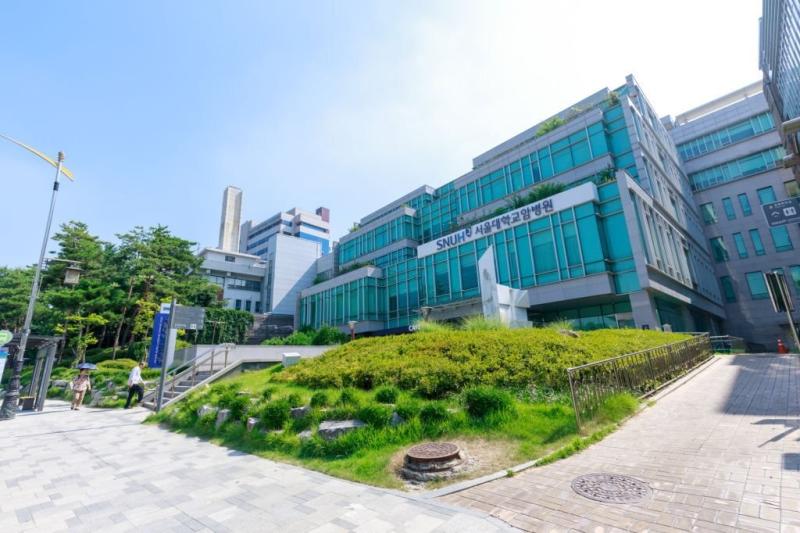
South Korean research team evaluates pipe rupture risk in nuclear power plants using probabilistic analysis
Researchers from Seoul National University of Science and Technology in South Korea have recently proposed a sensitivity analysis method based on probabilistic fracture mechanics to evaluate the rupture frequency of main coolant piping systems in nuclear power plants. This method can analyze the impact of uncertainties and modeling assumptions on prediction results, helping engineers distinguish extremely low-probability events from relatively more likely failure scenarios. In nuclear power plants, the main coolant piping system plays a critical role in maintaining structural integrity under normal reactor operating conditions. A pipe rupture could trigger a loss-of-coolant accident, and therefore this system has long been included in the key scope of nuclear power plant safety design and assessment.
2026-08-28