
Search Results
Keyword:South Korea
Busan, South Korea Secures 2027 Budget Support; Export-Oriented Research Reactor and Other Projects Included in Government Proposal
Busan Metropolitan City recently announced that multiple national projects aligned with its core development goals have been included in the South Korean government's 2027 budget proposal, including the Gadeok Island New Airport, a new export-oriented research reactor, a heavy ion accelerator, as well as industrial projects such as port artificial intelligence, naval vessel maintenance, repair and overhaul, and power semiconductors. Under the budget arrangement, the Gadeok Island New Airport construction project has secured 431.1 billion KRW in support. To enhance maritime and logistics competitiveness, the budget proposal also includes 7.35 billion KRW for a demonstration project on autonomous port cargo handling equipment, 36.4 billion KRW to support shipbuilding and shipping cooperation, 5 billion KRW to strengthen the global competitiveness of small and medium-sized shipbuilders in naval vessel maintenance, repair and overhaul, and an additional 24.9 billion KRW allocated for the development of a fishery products industrial cluster.
2026-09-02
South Korea's Uljin Pushes Forward with Nuclear Hydrogen Industrial Complex Development
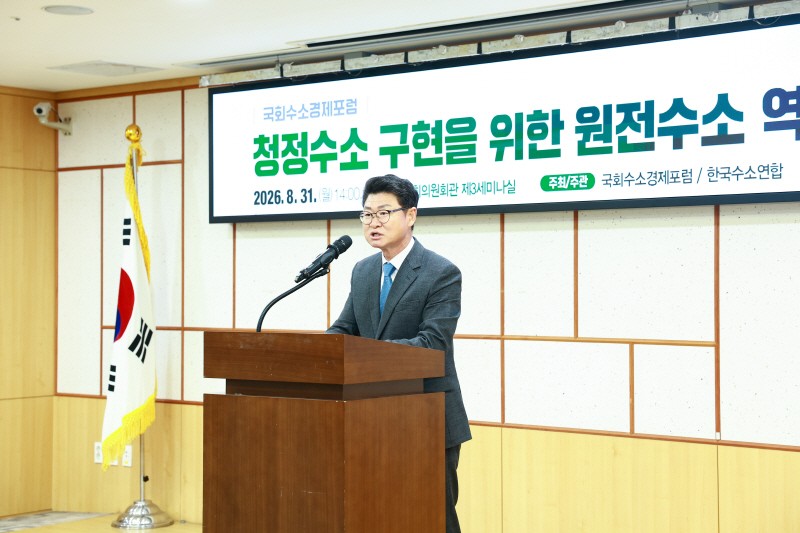
Uljin County in North Gyeongsang Province, South Korea, is seeking support from the National Assembly and the government to promote the construction of the Uljin Nuclear Hydrogen National Industrial Complex, with the goal of establishing the region as a clean hydrogen production hub through supporting policies such as stable power supply and hydrogen pipeline networks. On August 31, Uljin County Governor Hwang Ui-jo attended a nuclear hydrogen policy seminar held at the National Assembly Members' Office Building to present the progress of the Uljin Nuclear Hydrogen National Industrial Complex and the policy tasks required for developing the nuclear hydrogen industry. The seminar was hosted by the National Assembly Hydrogen Economy Forum, with participants from the National Assembly, government, local governments, industry, academia, and...
2026-09-02
South Korea's 2027 Budget Proposal Includes First-Ever Funding for Domestic Nuclear Submarine Development
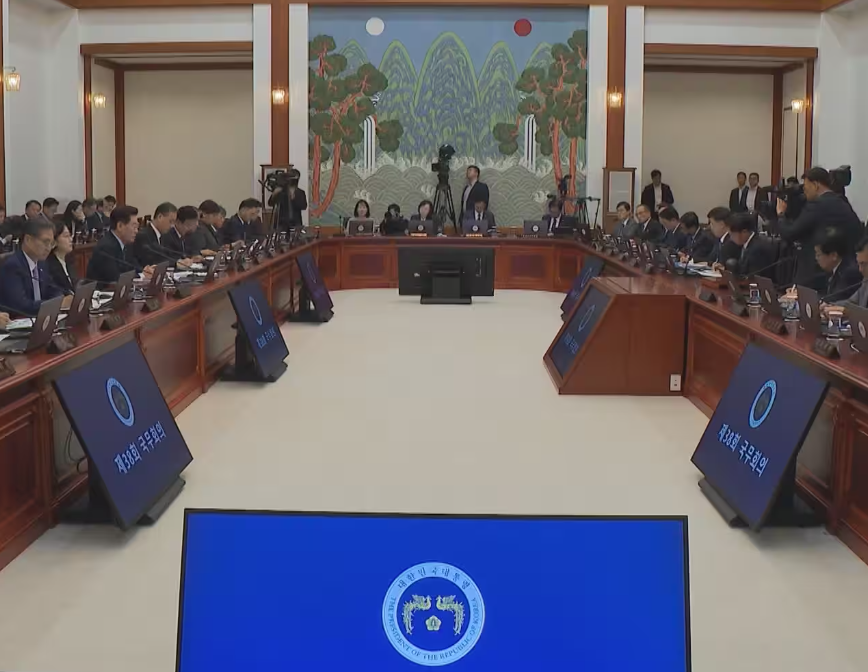
The South Korean government approved its 2027 budget proposal, with total government spending reaching 820.9 trillion won, approximately 95.6 trillion yen, marking a 12.8% increase from the previous year and setting a record high. The budget proposal has been submitted to the National Assembly for review. President Lee Jae-myung presided over a cabinet meeting at the presidential office on September 1, where the budget proposal was reviewed and approved. Under the plan, the South Korean government intends to increase investment in growth-oriented industries, with approximately 2.5 trillion yen allocated to infrastructure development related to semiconductor manufacturing and artificial intelligence, nearly doubling the scale of the previous year. On the revenue side, the South Korean government expects that as AI demand continues to grow and major semiconductor companies see improved performance, corporate income tax and personal income tax revenues will increase significantly.
2026-09-02
South Korea's Nuclear Safety Regulatory Budget for 2027 Rises to KRW 303 Billion
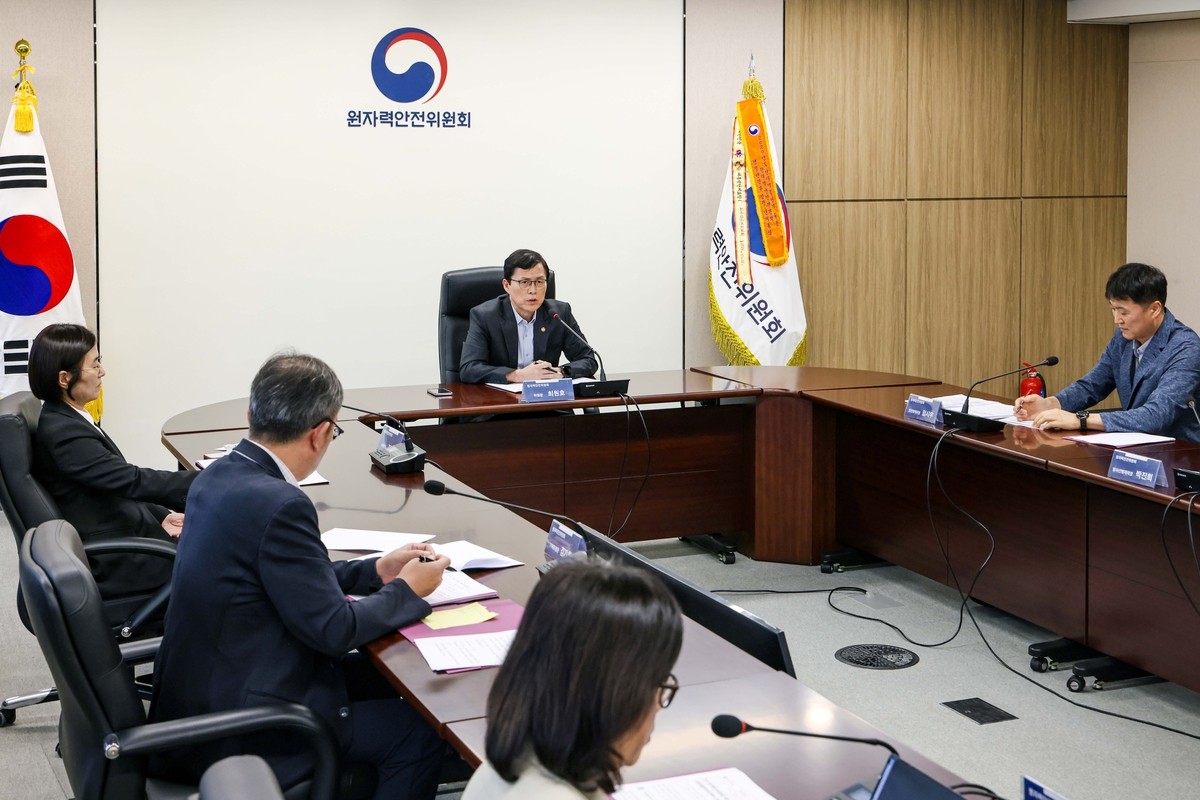
The Nuclear Safety and Security Commission (NSSC) of South Korea announced on September 1 that it has allocated KRW 303 billion for the 2027 budget, an increase of KRW 10.4 billion from this year. The new budget focuses on areas such as small modular reactor regulation, spent nuclear fuel safety, nuclear facility decommissioning review, environmental radiation monitoring, and nuclear safety information disclosure. Regarding small modular reactors, as non-light water reactor-type small modular reactor development projects aim to obtain licenses by the early 2030s, South Korea will invest KRW 8 billion in R&D to establish a new safety evaluation system. In addition, in line with the preliminary review system set to take effect in November this year, the government has allocated KRW 2.7 billion to conduct preliminary reviews of non-light water reactor-type small modular reactors expected to file applications next year. This system allows applicants to request regulatory review of reactor designs before formally submitting license applications.
2026-09-02
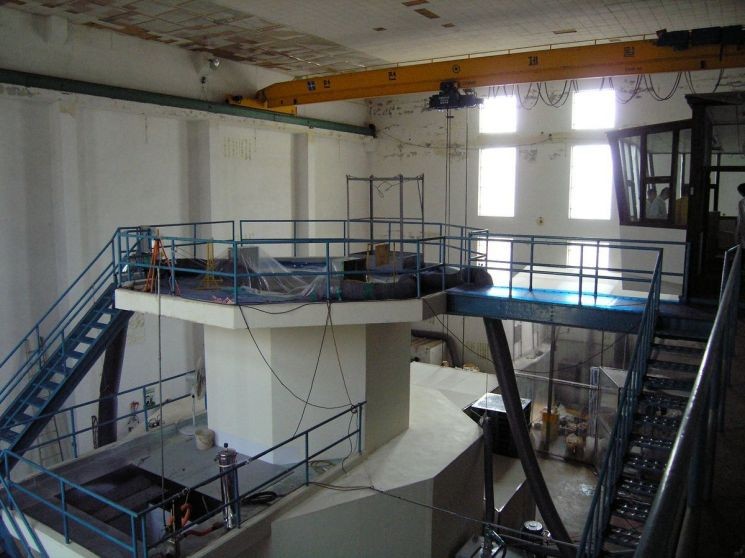
Fourteen academic societies in South Korea call for protection of KRR-1 research reactor auxiliary buildings
On September 1, fourteen academic societies and associations, including the Korean Nuclear Society, issued a statement welcoming the temporary registration of the reactor hall and auxiliary buildings of Research Reactor Unit 1 (KRR-1, TRIGA Mark-II) in Gongneung-dong, Nowon-gu, Seoul, as nationally registered cultural heritage, and urged Korea Electric Power Corporation (KEPCO), the owner of the site and buildings, to promptly submit a formal registration application. Panoramic view of KRR-1, South Korea's first research reactor. Korea National Heritage Administration The Korea National Heritage Administration had placed the KRR-1 reactor hall and auxiliary buildings on the temporary list of nationally registered cultural heritage on July 1 through the emergency measures system, suspending related demolition work. However, if a formal registration application is not submitted by the end of December this year, the temporary listing will lapse and demolition work may resume.
2026-09-01
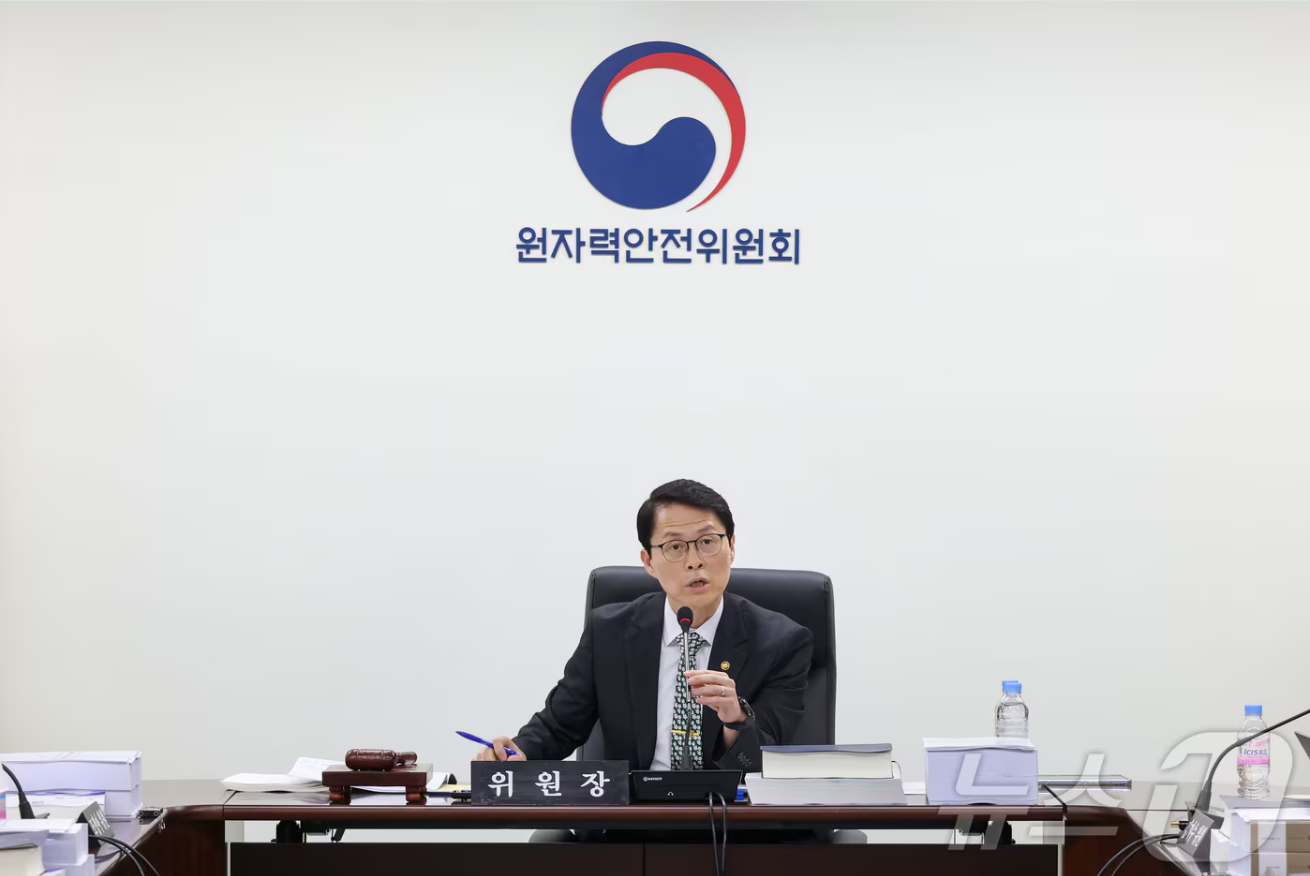
South Korea to Launch National Radiation Monitoring Center in 2027
The South Korean government reviewed and approved the "2027 Budget Plan" at a cabinet meeting on September 1. According to the budget arrangement, South Korea will launch the National Radiation Monitoring Center in 2027 to centrally collect and manage national environmental and marine radioactive information; simultaneously, it will expand the Nuclear Safety Information Sharing Center to strengthen direct communication with residents near nuclear power plants. The Nuclear Safety and Security Commission (NSSC) has allocated 1.4 billion KRW for the construction and operation of the National Radiation Monitoring Center. The project aims to strengthen the environmental radioactivity monitoring and analysis system to address regulatory demands arising from the expansion of domestic nuclear power utilization in South Korea and the increased operation and construction of nuclear facilities in neighboring countries. The National Radiation Monitoring Center is planned...
2026-09-01
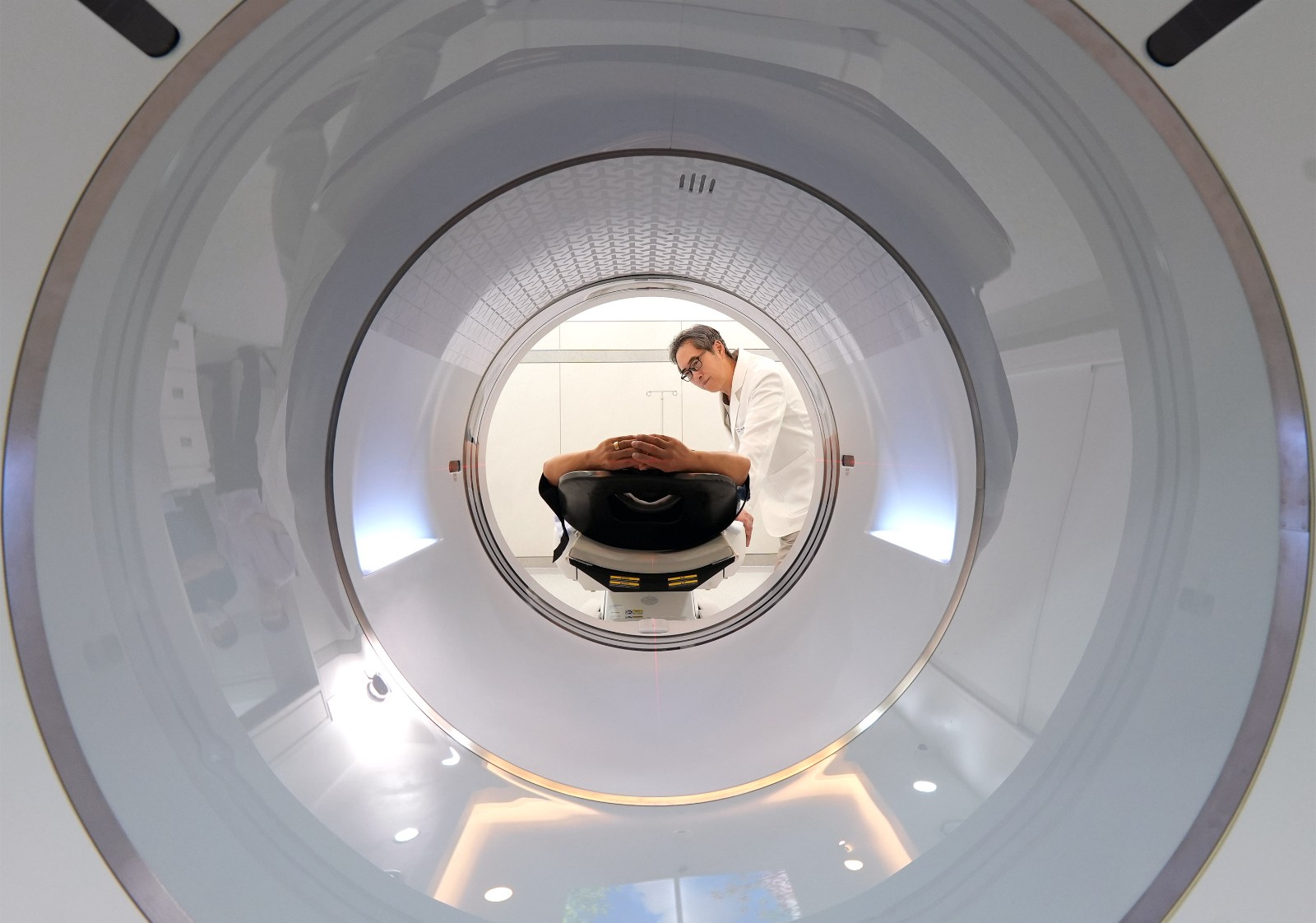
Dankook University Hospital Introduces Next-Generation Digital PET-CT System to Enhance Precision Diagnosis of Cancer and Other Diseases
Dankook University Hospital announced on September 1 that it has introduced GE HealthCare's next-generation digital PET-CT system, the OMNI Legend 32, to enhance precision diagnostic capabilities for a wide range of diseases, including cancer, brain disorders, and cardiac conditions. PET-CT is an important nuclear medicine diagnostic imaging modality. During the examination, a radiopharmaceutical is injected into the patient, and the system observes metabolic activity through positron emission tomography (PET) while simultaneously confirming anatomical structures via computed tomography (CT), thereby providing imaging evidence for clinical diagnosis. According to the hospital, the newly introduced OMNI Legend 32 employs AI-based image reconstruction technology to visualize small lesions with greater clarity, assisting physicians in making more accurate assessments...
2026-09-01
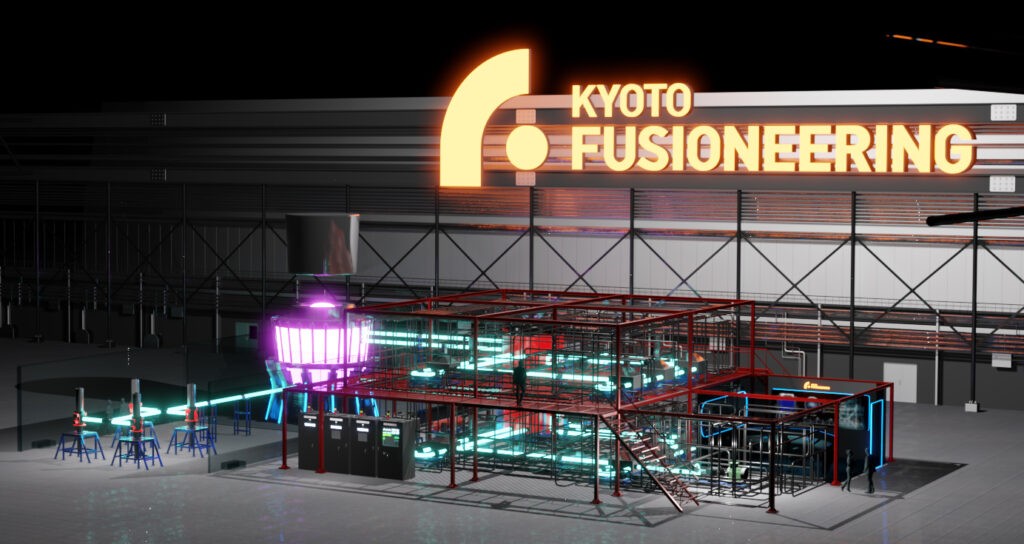
Japan's Kyoto Fusioneering Secures Series D Funding Led by Korea-Japan Fusion Fund
IMM Investment Japan (IMMJ) announced on September 1 that it has led the Series D funding round for Kyoto Fusioneering, a Japanese fusion energy company. The investment was made through the Korea-Japan Fusion Fund, established jointly by Korean and Japanese investors. The fund, initiated by IMMJ, is positioned as a cross-border project fund designed to connect the capital and industrial networks of major Korean corporations with Japan's cutting-edge technology companies. Investors participating in the fund include POSCO Holdings, POSCO International, Doosan, Hyundai Motor, and GS...
2026-09-01
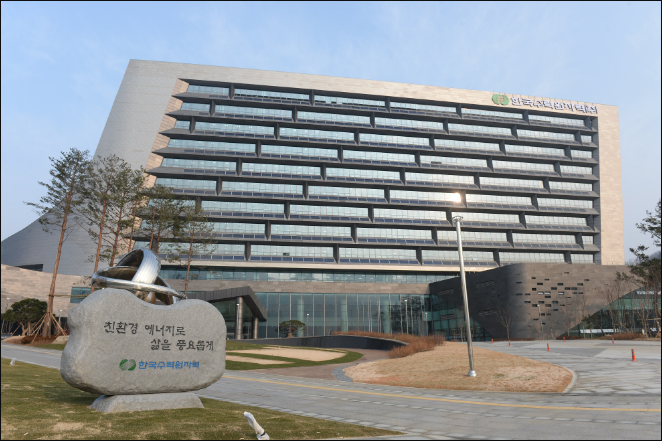
KHNP Holds Executive Forum to Discuss Future Nuclear Power Strategies
On August 31, Korea Hydro & Nuclear Power (KHNP) held an executive forum at its headquarters, with approximately 50 key executives in attendance to discuss the company's future vision and mid-to-long-term management direction. The meeting was designed to allow KHNP President Kim Hoi-tyun to share insights gained from his recent on-site management and inspections of domestic and international business operations, and to discuss the company's next-phase development priorities based on these findings. Agenda items included the application of artificial intelligence in the nuclear energy sector, enhancement of nuclear power plant operational capabilities, and strategic directions for the future small modular reactor (SMR) market. Participants assessed the company's existing business foundation and internal ca...
2026-09-01
Chonnam National University Hospital in Hwasun, South Korea, Adopts Deepnoid's Chest X-ray AI Interpretation Solution "M4CXR"
Deepnoid announced on August 31 that it has signed a supply contract with Chonnam National University Hospital in Hwasun, South Korea, to provide the hospital with its AI-based chest X-ray preliminary opinion generation solution, M4CXR. This contract is part of the "AI Medical System Support Project for Regional Responsible Medical Institutions" promoted by the Ministry of Health and Welfare of South Korea. Chonnam National University Hospital in Hwasun plans to improve the work efficiency of medical staff in interpreting chest X-ray images and further enhance the quality of medical services through the introduction of M4CXR. A representative from the Hwasun branch of Chonnam National University Hospital stated that introducing a generative AI-based image interpretation support system is of great significance for improving the quality of public medical services...
2026-08-31
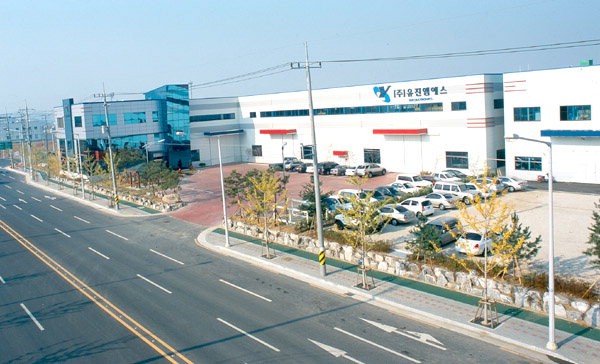
Korea's Eugene MS Wins KRW 11.4 Billion Order for ITER Core Components
Korea's Eugene MS announced on August 31 that it has signed a contract with the Korea Institute of Fusion Energy (KFE) to produce and supply the second batch of vacuum vessel port sealing flanges for the International Thermonuclear Experimental Reactor (ITER). The contract is valued at approximately KRW 11.4 billion, equivalent to about 44% of Eugene MS's 2025 revenue of KRW 25.9 billion. The contract period runs through December 2030. Under the arrangement, the sealing flanges will be delivered to the ITER Organization in three batches, with final inspection and related procedures scheduled for completion by June 30, 2031. The ITER vacuum vessel port sealing flanges consist of large fasteners and other components...
2026-08-31
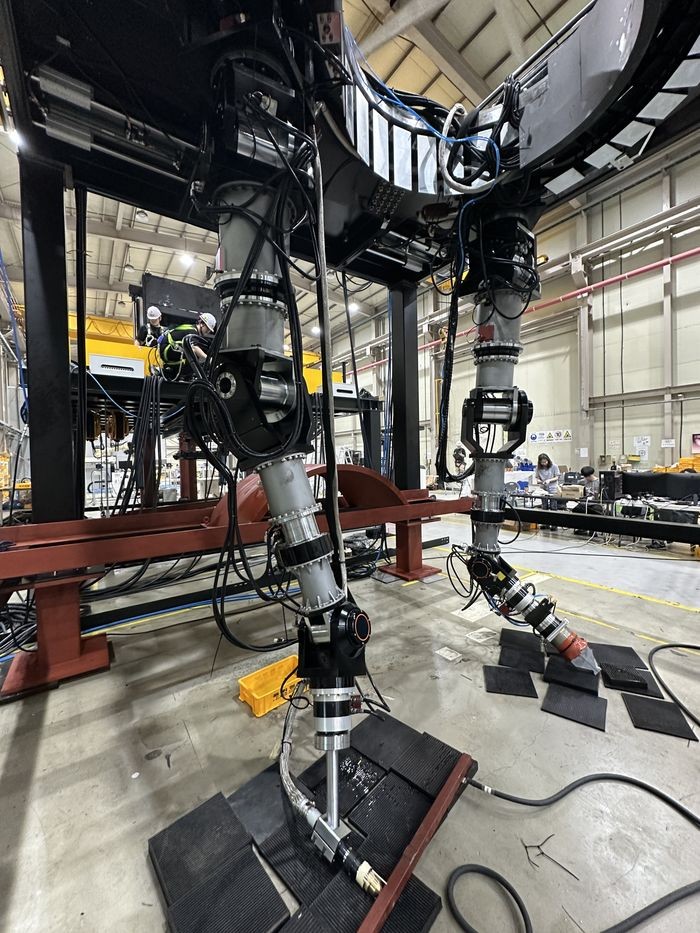
South Korea's KNR Systems Completes Development of Robotic System for PHWR Decommissioning
KNR Systems announced on August 31 that it has completed the development of a platform system for remote cutting and dismantling of radioactive structures in Pressurized Heavy Water Reactors (PHWR), with final delivery scheduled to commence in September this year. The system originates from a government-commissioned PHWR decommissioning demonstration project. The project, valued at approximately 2.8 billion KRW, was awarded in January last year, with a development period of about seven months. Upon delivery, the equipment will be installed at the Heavy Water Reactor Decommissioning Technology Center of the Korea Research Institute of Decommissioning (KRID) in Gyeongju, for use in PHWR decommissioning demonstrations. Compared with light water reactors, PHWRs have more complex internal structures and typically higher levels of radioactive contamination, making dismantling operations more challenging.
2026-08-31

Korea Hosts ROK-U.S. Nuclear Industry Cooperation Seminar in the United States
The Korea Nuclear Energy Export Industry Association (KNA) announced on August 30 that it held the ROK-U.S. Nuclear Industry Cooperation Seminar in Dallas, Texas, on August 27. The seminar was held in conjunction with NECX 2026, a major nuclear energy event in North America, with the primary purpose of consolidating the foundation for ROK-U.S. nuclear industry cooperation and creating networking opportunities for Korean companies to enter the U.S. market and participate in related nuclear projects. Approximately 70 representatives from the nuclear industry sectors of both countries attended the meeting. Participants included a Korean delegation comprising Korea Electric Power Corporation (KEPCO) and Korea Hydro & Nuclear Power (KHNP), representatives of Korean small and medium-sized enterprises, and officials from relevant U.S. state government agencies...
2026-08-31
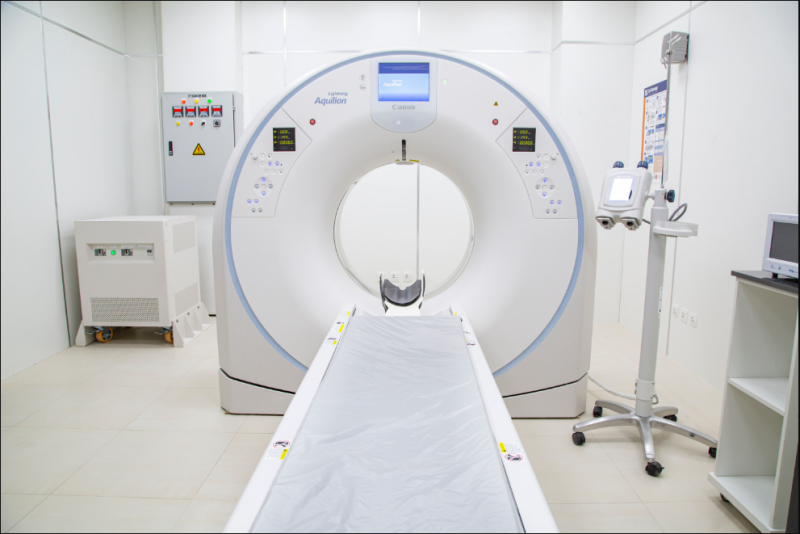
Blueprint for Proton Therapy Center in Southeastern Busan, South Korea Unveiled to Address Regional Gap in Cancer Treatment Resources
The blueprint for the proton therapy center at the Southeastern Regional Nuclear Medicine Center in Gijang-gun, Busan, South Korea, was recently unveiled. The project is expected to help bridge the gap in cancer treatment resources between the Seoul metropolitan area and non-capital regions, and to promote the application of proton accelerators in high-tech industries. According to information from Gijang-gun, Busan, and the Southeastern Regional Institute of Radiation Medicine on August 29, the Busan Institute of Science and Technology Higher Education recently published a service report titled "Establishment of Promotion Strategy and Implementation Plan for the Southeastern Proton Therapy Center," which includes the construction blueprint and feasibility analysis of the center. The Southeastern Regional Institute of Radiation Medicine is advancing related preparatory work in response to the research and development review by the Ministry of Science and ICT in the second half of this year...
2026-08-30

South Korean survey shows 80% of respondents support including new nuclear power plants in power planning
An energy public perception survey released by the Korea Energy Information Culture Foundation on August 28 showed that 82.9% of respondents believed it is necessary to include plans for new nuclear power plants in the 12th Basic Plan for Electricity Supply and Demand currently being formulated, in response to future growth in electricity demand. The survey was commissioned by the Korea Energy Information Culture Foundation and conducted by Korea Research International via telephone interviews from June 12 to 15, targeting 2,000 adults aged 18 and above. The response rate was 10.0%, with a sampling error of...
2026-08-30