
Search Results
Keyword:South Korea
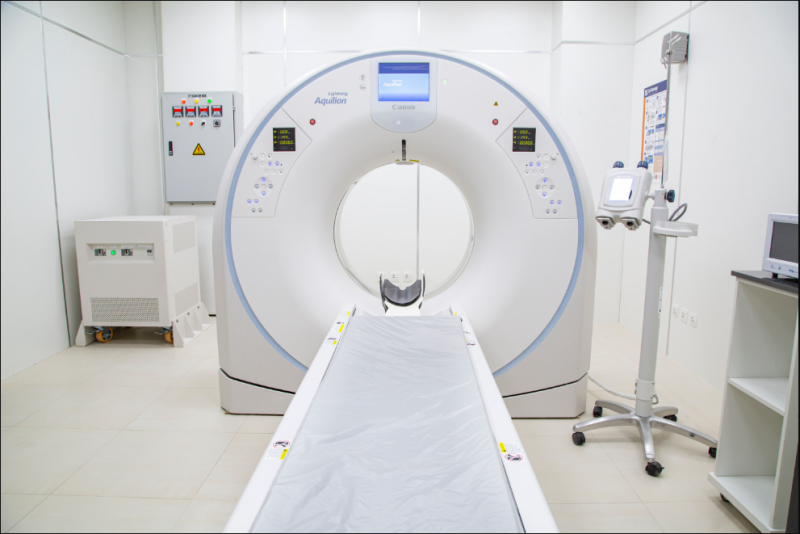
South Korea's Medical Radiation Examinations Exceed 430 Million Annually, with CT Scans Accounting for 67.1% of Radiation Dose
According to the "2025 National Medical Radiation Assessment Yearbook" released by the Korea Disease Control and Prevention Agency on August 28, South Koreans underwent a total of 431.59 million medical radiation examinations last year, averaging 8.4 examinations per person. Over the past five years, the number of medical radiation examinations in South Korea has continued to rise, with last year's figure increasing by 4.6% year-on-year and 29.6% compared to 2021. The report shows that the collective radiation dose from medical radiation examinations in South Korea increased from 136,804.73 person-sieverts in 2021 to 167,659.18 person-sieverts last year, an increase of 22.6%. On a per capita basis, the radiation dose rose from 2.64 millisieverts to 3.24 millisieverts. The Korea Disease Control and Prevention Agency stated that with advances in medical technology, an aging population, and growing demand for health checkups, the use of medical radiation examinations in public healthcare services continues to expand.
2026-08-28
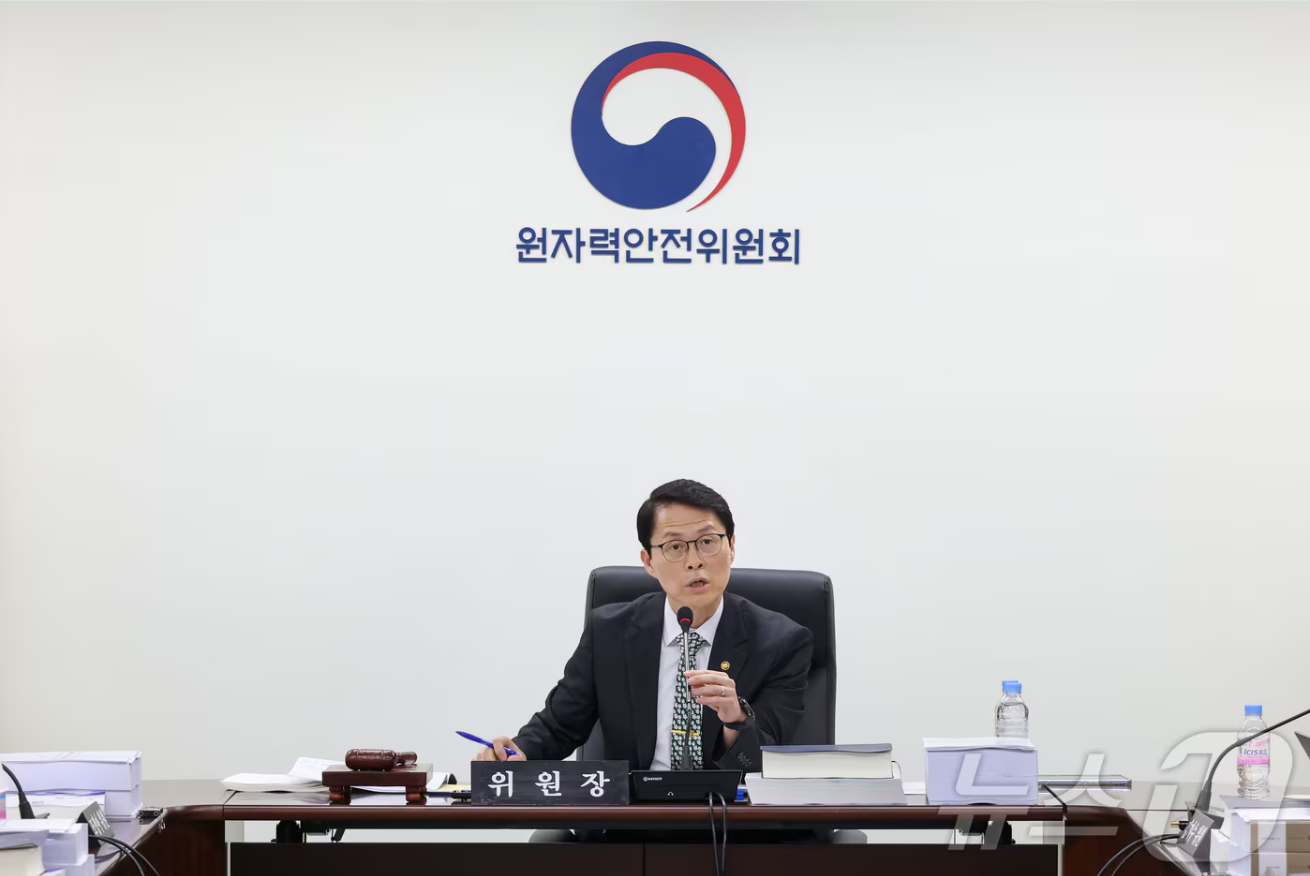
South Korea Launches Standard Design Approval Review for i-SMR
The Nuclear Safety and Security Commission (NSSC) of South Korea is set to initiate a safety review of the standard design approval application for the innovative Small Modular Reactor (i-SMR). This project is part of the small modular reactor research and development program led by the South Korean government. The NSSC stated on August 28 that, at its 13th meeting of 2026 held on August 27, the Korea Institute of Nuclear Safety (KINS) reported on the review plan for the i-SMR standard design approval application. KINS had previously conducted a suitability review of the standard design approval application documents submitted in February of this year and determined that the documents met the conditions for entering the safety review phase, thereby establishing a subsequent review plan. The standard design approval system is designed to...
2026-08-28
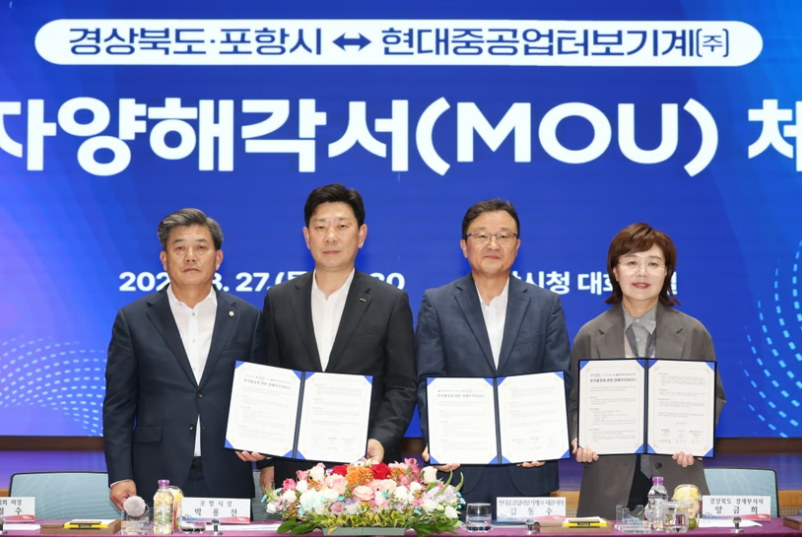
South Korea's Pohang to Build Core Component Factory for Small Modular Reactors
The city of Pohang and North Gyeongsang Province recently signed a memorandum of understanding with Hyundai Heavy Industries Turbomachinery Co., Ltd. to build a large-scale production plant for eco-friendly turbomachinery and core components for small modular reactors (SMRs) at the fourth comprehensive industrial complex in Pohang's Yeongil Bay, with an investment of approximately 100 billion KRW. Under the agreement, Hyundai Heavy Industries Turbomachinery plans to carry out the project between 2026 and 2029, constructing related production facilities on a 101,128-square-meter site within the complex. Upon completion, the project is expected to create approximately 100 new jobs and boost the local manufacturing sector...
2026-08-28
South Korean research team evaluates pipe rupture risk in nuclear power plants using probabilistic analysis
Researchers from Seoul National University of Science and Technology in South Korea have recently proposed a sensitivity analysis method based on probabilistic fracture mechanics to evaluate the rupture frequency of main coolant piping systems in nuclear power plants. This method can analyze the impact of uncertainties and modeling assumptions on prediction results, helping engineers distinguish extremely low-probability events from relatively more likely failure scenarios. In nuclear power plants, the main coolant piping system plays a critical role in maintaining structural integrity under normal reactor operating conditions. A pipe rupture could trigger a loss-of-coolant accident, and therefore this system has long been included in the key scope of nuclear power plant safety design and assessment.
2026-08-28
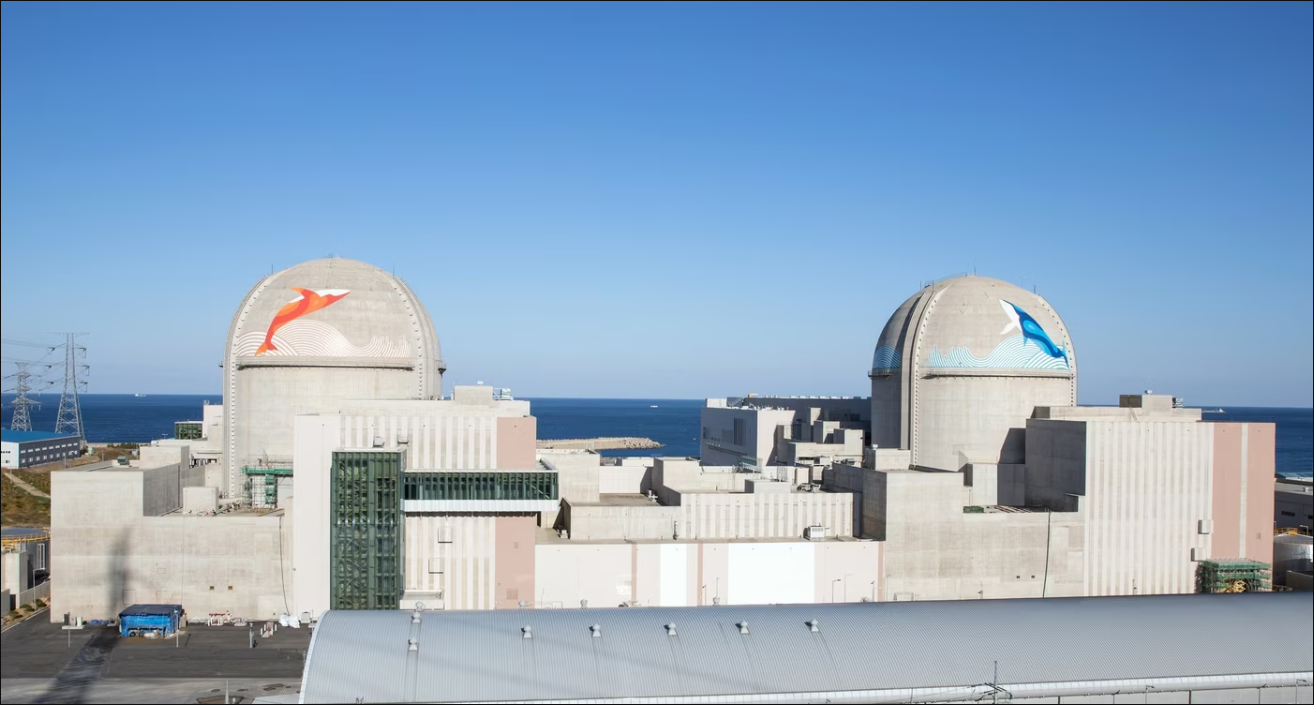
Boric Acid Leakage During Spent Fuel Transfer Preparation at South Korea's Hanul Nuclear Power Plant
Hanul Nuclear Power Plant in Uljin County, North Gyeongsang Province, South Korea, recently disclosed that at 10:16 a.m. on the 3rd, a boric acid solution leakage incident occurred in the auxiliary building of Unit 2 at Shin Hanul Nuclear Power Plant. The incident happened while workers were preparing to transfer spent fuel from a transport container in the spent fuel loading pool to the spent fuel storage pool, and the preliminary cause has been attributed to improper on-site operations. Boric acid solution is used in spent fuel storage-related operations. As the solution is associated with the spent fuel storage environment, it carries radioactive management attributes. Hanul Nuclear Power Plant stated that leakage containment measures were immediately taken after the leak occurred, and the leaked material was collected in the decontamination area and recovered to the controlled area...
2026-08-28
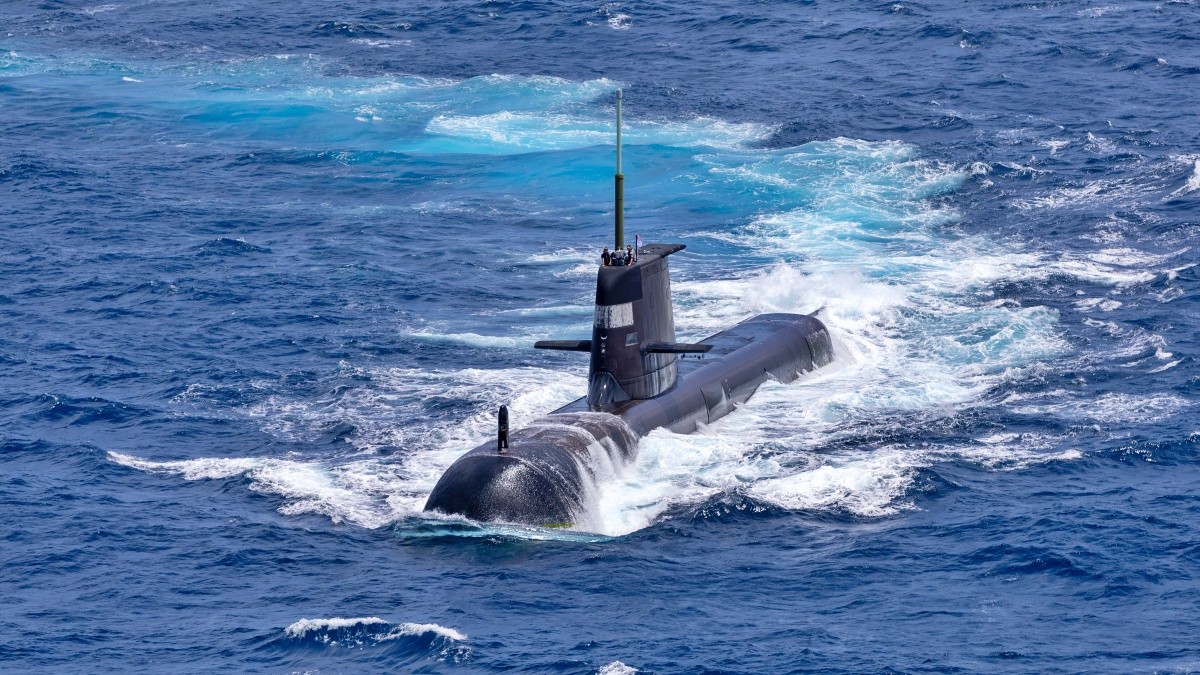
South Korean Lawmaker Proposes Special Act on Nuclear-Powered Submarines
Yoo Yong-won, a lawmaker from South Korea's People Power Party (PPP), proposed a draft of the Special Act on the Nuclear-Powered Submarine Project on August 27, aiming to establish a dedicated legal basis for introducing nuclear-powered submarines to South Korea. The South Korean government is currently advancing the nuclear-powered submarine project as a national strategic initiative. At a press conference held at the National Assembly that day, Yoo stated that the existing Defense Acquisition Program Act and Nuclear Safety Act have limitations in fully reflecting the unique characteristics of military nuclear propulsion systems, making it necessary to enact a special law. The draft proposes establishing a Nuclear-Powered Submarine Strategic Committee under the president's leadership to deliberate on major related matters...
2026-08-28

South Korea's Daewoong Pharmaceutical Partners with Promedius to Promote AI Osteoporosis Screening Solution Using Chest X-rays
Daewoong Pharmaceutical announced on August 27 that it has signed a sales, distribution, and joint promotion agreement with Promedius, a medical imaging AI company, to promote Osteo Signal, an AI-based osteoporosis risk screening solution using chest X-rays, in South Korea. This partnership also marks Daewoong Pharmaceutical's expansion from its existing osteoporosis treatment business into the AI-assisted diagnostics field. Under the agreement, Daewoong Pharmaceutical will leverage its business network covering medical institutions across South Korea, along with its sales and marketing capabilities, to bring the solution into more clinical settings. Promedius will provide medical imaging AI technical support to assist in its deployment in real-world medical environments.
2026-08-27
South Korea's POSCO Group Invests in Japanese Fusion Company Kyoto Fusion Engineering
South Korea's POSCO Group has invested in Japanese fusion energy company Kyoto Fusion Engineering (KF) to establish an early presence in the global fusion energy market and explore new business opportunities in future steel, specialty materials, and energy infrastructure. According to industry sources on the 27th, POSCO Group participated in Kyoto Fusion Engineering's Series D funding round. The investment was made through the Korea-Japan Fusion Fund, established by IMM Investment Japan (IMMJ) together with Korean and Japanese investors. POSCO Holdings and POSCO International also contributed to the fund...
2026-08-27
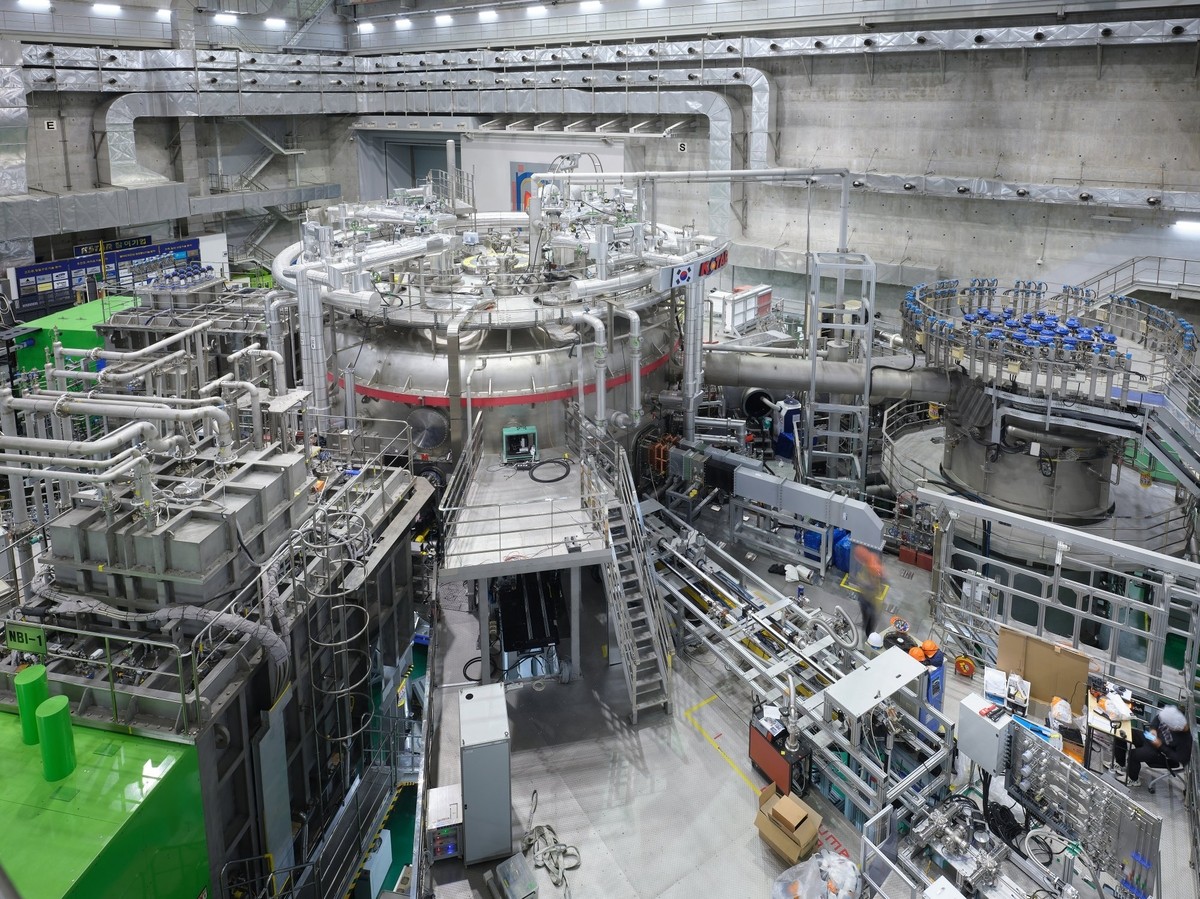
South Korea's KSTAR to Conduct Long-Pulse Fusion Research in Tungsten Environment with European Institutions
The Korea Institute of Fusion Energy (KFE) announced on August 27 that it has signed implementation agreements with multiple fusion research institutions in France, Italy, Germany, and Finland to conduct joint research on long-duration plasma operation in a tungsten environment using the Korea Superconducting Tokamak Advanced Research (KSTAR) device. Partner institutions include the French Alternative Energies and Atomic Energy Commission (CEA), the Italian National Agency for New Technologies, Energy and Sustainable Economic Development (ENEA), the Max Planck Institute for Plasma Physics (IPP) in Germany, and the VTT Technical Research Centre of Finland (VTT). The institutions will focus on key technologies required for long-pulse operation of future fusion reactors...
2026-08-27
South Korea's Woojin Entech Patents Diagnostic Device for APR1400 Control Rod Position Transmitter
South Korea's Woojin Entech announced on August 27 that it has completed the development of a precision diagnostic device for the Control Rod Position Transmitter (RSPT) applicable to APR1400 units and has completed the relevant patent registration. The Control Rod Position Transmitter is used to measure the position of control rods within the reactor and transmit related signals to the control system, making it a critical component for reactor control and monitoring. The patented diagnostic device is primarily designed to accurately assess the status of the control rod control system and to pre-check multiple types of fault conditions before unit operation. According to the company, existing RSPT precision diagnostic systems require the installation of multiple cables during testing, making preparation work relatively complex...
2026-08-27
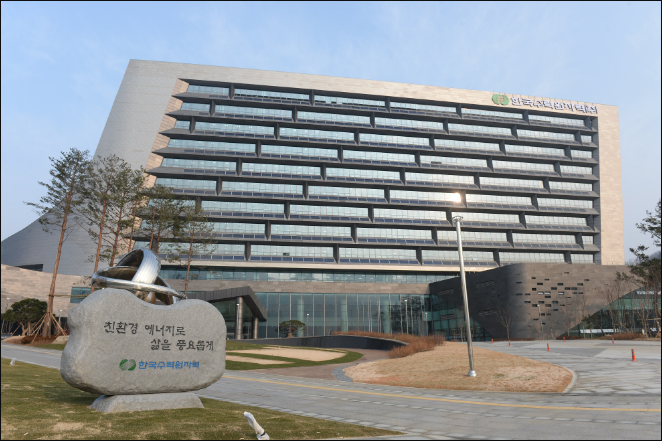
KHNP Advances Nuclear Process Heat-Based Hydrogen Production Ecosystem
Korea Hydro & Nuclear Power (KHNP) held a preparatory meeting in Daejeon on August 26 to establish an advisory body for building the Korean solid oxide cell industrial ecosystem, and discussed R&D strategic alliances and industry-academia-research cooperation frameworks. The collaboration will bring together industry, academia, and research institutions, including the Korea Institute of Ceramic Engineering and Technology (KICET). KHNP plans to use the advisory body as a platform to connect R&D, demonstration, and commercialization, promoting the self-reliance of Korean solid oxide cell (K-SOC) related technologies. According to the meeting agenda, KHNP will serve as the lead enterprise, proposing technology development directions needed for demonstration applications and commercialization; the Korea Institute of Ceramic Engineering and Technology will play a supporting role in supplying core industrial technologies.
2026-08-27
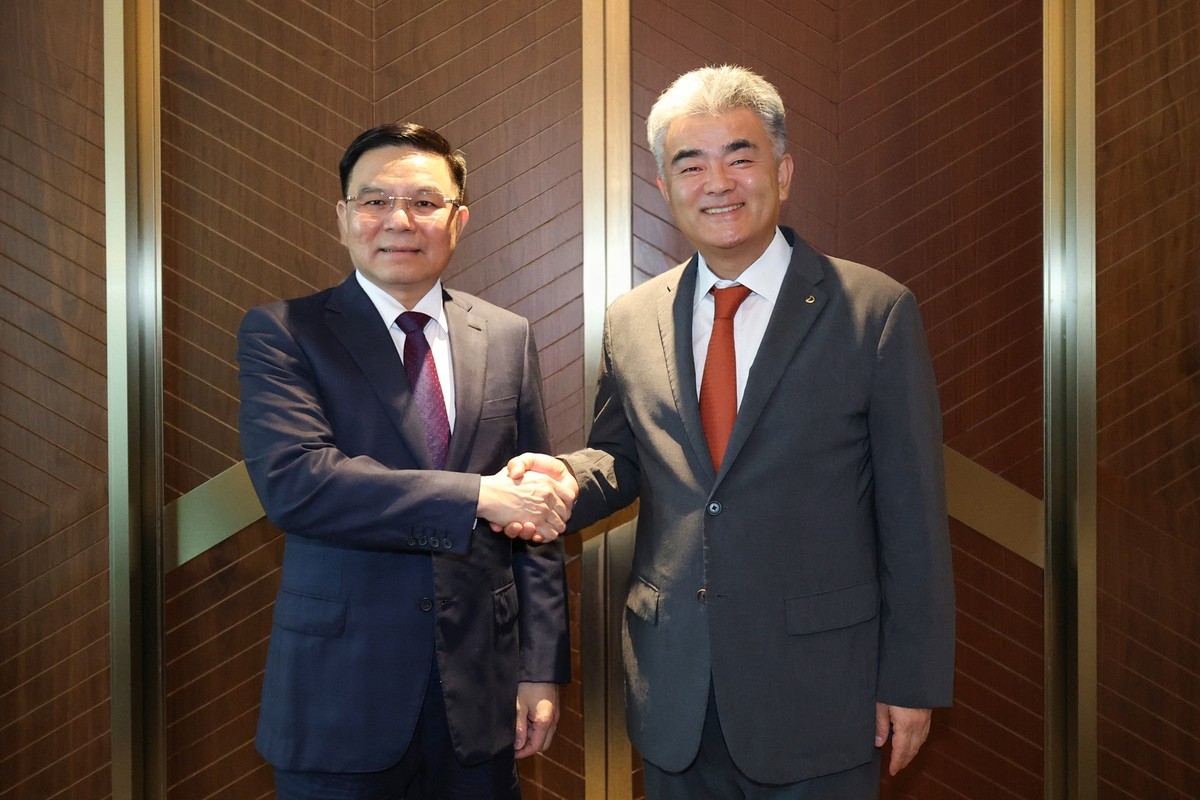
Korea's Daewoo E&C Discusses Nuclear Power Project Cooperation with Vietnam's Ministry of Industry and Trade
Daewoo Engineering & Construction (Daewoo E&C) said on August 27 that its Chairman Jung Won-ju met with Le Manh Hung, Minister of Industry and Trade of Vietnam, who was visiting South Korea. The two sides exchanged views on Daewoo E&C's participation in Vietnam's energy infrastructure projects, with topics including nuclear power plant construction and liquefied natural gas (LNG) receiving terminals. The meeting was held on August 26. Jung Won-ju stated that Daewoo E&C has been operating in Vietnam for over 30 years, participating in various types of projects and accumulating local project experience and...
2026-08-27
South Korea Joins IAEA-Facilitated International Framework ATLAS for Maritime Nuclear Energy Cooperation
The international cooperation framework for maritime nuclear energy, ATLAS, led by the International Atomic Energy Agency (IAEA), has recently been launched. The framework aims to promote international discussions on safety, security, safeguards, and legal and regulatory standards concerning nuclear applications in the maritime sector, including nuclear-powered ships and floating nuclear power plants. A South Korean government delegation attended the launch event held in Washington, D.C., on August 26-27 (local time). South Korea's Ministry of Science and ICT (MSIT) stated that with the development of next-generation nuclear technologies such as small modular reactors, the international shipping industry is increasingly focusing on utilizing nuclear energy for ship propulsion and offshore power supply, with a view to exploring new technological pathways toward carbon neutrality.
2026-08-27

South Korea launches next-generation nuclear energy research talent training program
South Korea's talent training program for postdoctoral researchers in the nuclear energy field has officially been launched, which will be based on university laboratories to promote future nuclear technology research, industry-academia-research cooperation, and employment linkage. On August 25, during the 2026 Climate and Energy Job Fair, the Ministry of Climate, Energy and Environment, the Korea Institute of Energy Technology Evaluation and Planning (KETEP), and the Korea Radiation Promotion Association held the next-generation energy leader training program in the nuclear energy field...
2026-08-26
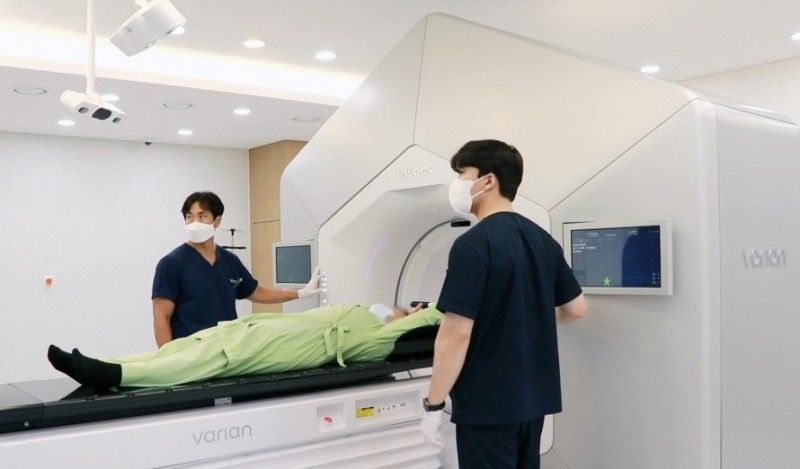
Korea's Gil Medical Center Expands Application of Markerless Surface-Guided Radiation Therapy
Gachon University Gil Medical Center in South Korea announced on August 26 that it is expanding the clinical application of markerless surface-guided radiation therapy (SGRT) to enhance the precision and comfort of radiation therapy for cancer patients. According to the hospital, the proportion of markerless SGRT in its radiation therapy procedures has increased from 28% in the first half of 2025 to 37% in the first half of 2026. This change indicates that this treatment-assistive technology, which reduces the burden of skin marking on patients, is gaining broader clinical adoption. Markerless SGRT is an advanced technique used for patient positioning and monitoring during radiation therapy. Unlike conventional methods, patients do not need to retain target line markings on their skin; the treatment system can assist in confirming patient positioning through surface guidance, enabling radiation to be delivered more accurately to the target area.
2026-08-26