
Search Results
Keyword:Tokyo Electric Power
Japan's TEPCO Receives 4.8 Billion Yen in Nuclear Damage Compensation Funds
Tokyo Electric Power Company Holdings (TEPCO Holdings) announced on August 24 that it received a fund disbursement of 4.8 billion yen from the Nuclear Damage Compensation and Decommissioning Facilitation Corporation (NDF) on the same day. The disbursement was made in accordance with the revised Special Business Plan approved on March 31, 2026. TEPCO stated that, to date, it has received 188.9 billion yen in compensation under the Act on Compensation for Nuclear Damage, and a cumulative total of 11.5524 trillion yen in fund disbursements from the NDF. As the total compensation payments expected by the end of September 2026 are projected to exceed the combined amount of the above funds, the company applied for the 172nd fund disbursement. TEPCO said that while receiving institutional financial support, it will continue to advance compensation efforts for nuclear accident victims and meet related compensation demands. Information on claims and payment status, changes in cumulative total payments, and agreement amounts by category is available through the company's public channels.
2026-08-24
Collective Radiation Dose of Workers at Japan's Fukushima Daiichi Nuclear Power Station Ranks Highest Nationwide
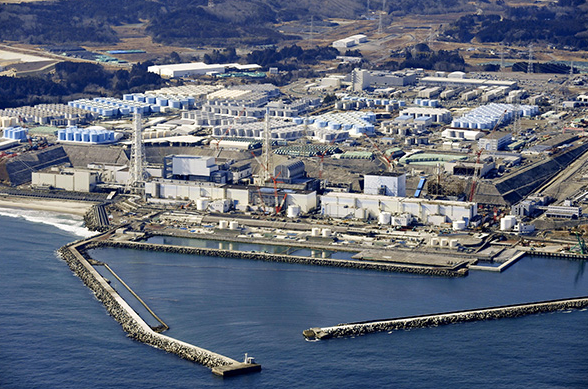
Japanese nuclear power plant operators are required to submit radiation management reports to the Nuclear Regulation Authority (NRA) annually, detailing the exposure status of plant workers. According to the relevant 2025 reports, the collective radiation dose of workers at Tokyo Electric Power Company (TEPCO)'s Fukushima Daiichi Nuclear Power Station remains significantly higher than at other Japanese nuclear plants, indicating that the radiological impact from post-accident on-site decommissioning and management work is still ongoing. By collective dose per plant, Fukushima Daiichi recorded 20.97 person-sieverts, the highest in Japan. This figure is nine times the 2.22 person-sieverts reported at Kansai Electric Power's Takahama Nuclear Power Station...
2026-08-24
Removal of Highly Radioactive Spent Fuel Begins at Unit 2 of Fukushima Daiichi Nuclear Power Station
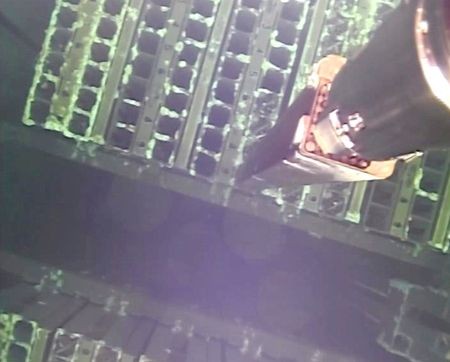
Tokyo Electric Power Company Holdings (TEPCO) said on August 17 that it has begun removing spent fuel assemblies with high radiation levels from the spent fuel pool of Unit 2 at the Fukushima Daiichi Nuclear Power Station in northeastern Japan, the site of a severe nuclear accident. Last month, TEPCO removed 28 unused nuclear fuel assemblies from the Unit 2 spent fuel pool. Compared with spent fuel, these unused fuel assemblies pose relatively lower risks. The company plans to complete the removal of spent fuel from Unit 2 by the end of fiscal year 2028. To date, the Unit 2 spent fuel pool contains a total of 587 spent fuel assemblies, of which TEPCO has completed the removal of...
2026-08-18
Multiple regions in Japan demand nuclear power operators strengthen safety management and information disclosure
On August 17, Keisuke Yokoo, the new chairman of Tokyo Electric Power Company (TEPCO), visited the Niigata Prefectural Government and met with Niigata Governor Hideyo Hanazumi. Yokoo assumed his post in June, becoming the first chairman of TEPCO to come from a financial institution. The meeting is seen as an arrangement for the new TEPCO management, following its official launch, to communicate with local governments on nuclear safety and trust rebuilding. Yokoo stated that, as the party responsible for the Fukushima Daiichi nuclear accident, TEPCO will always bear in mind that there is no end to safety and will continuously improve the safety level of its nuclear power plants. He also expressed his commitment to ensuring the safe operation of the Kashiwazaki-Kariwa Nuclear Power Plant. Hanazumi said at the meeting...
2026-08-18
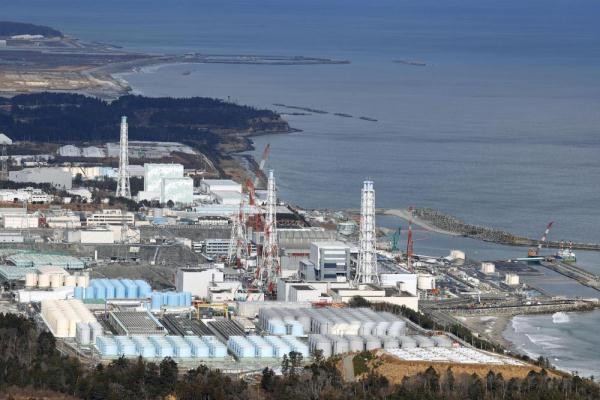
Fire alarm triggered for fifth time at Fukushima Daiichi Nuclear Power Station in August; no fire confirmed on site
At 7:14 a.m. on August 18, a fire alarm was triggered on the first basement floor of the turbine building of Unit 5 at the Fukushima Daiichi Nuclear Power Station. Tokyo Electric Power Company (TEPCO) stated that after fire department personnel arrived and conducted inspections, no fire was confirmed on site at 7:55 a.m. Readings from radiation monitoring stations around the plant showed no significant fluctuations. This was the fifth time a fire alarm had been triggered at the Fukushima Daiichi Nuclear Power Station since the beginning of August. Previously, related alarms had occurred on August 8 at the maintenance building for Units 5 and 6, on August 12 at the emergency diesel generator room for the high-pressure core spray system of Unit 6, on August 13 at the main administration building, and on August 15 at the southwest stairwell of the turbine building of Unit 5. After each of the above alarms was triggered, the fire department confirmed that no fire had occurred...
2026-08-18
22nd Round of Fukushima Daiichi Nuclear Power Station ALPS Treated Water Discharge Completed
Tokyo Electric Power Company (TEPCO) stated on August 17 that the 22nd round of ALPS treated water discharge from the Fukushima Daiichi Nuclear Power Station had been completed by the afternoon of the same day (local time). This round of discharge began on July 30, with a total of 7,888 tonnes of ALPS treated water released. According to information released by TEPCO, the total amount of radioactive tritium contained in the water discharged in this round was approximately 1.3 trillion becquerels. This is the 4th round of ALPS treated water discharge from the Fukushima Daiichi Nuclear Power Station in Japan's fiscal year 2026. Japan began discharging ALPS treated water from the Fukushima Daiichi Nuclear Power Station in August 2023. To date, 22 rounds of discharge have been carried out, with a cumulative discharge volume of approximately 173,000 tonnes...
2026-08-18
TEPCO and JAPC invite eight power companies to participate in spent fuel transport
August 12 news, Tokyo Electric Power Company (TEPCO) and Japan Atomic Power Company (JAPC) invited eight other Japanese power companies that own nuclear power plants on the 10th to consider participating in the transport of spent fuel to the Mutsu City interim storage facility in Aomori Prefecture. Mutsu City has agreed to expand the scope of operating entities involved in the transport. The interim storage facility is operated by Recyclable-Fuel Storage Company (RFS), jointly established by TEPCO and JAPC, and is primarily used for temporary storage of spent fuel generated from nuclear power plants before reprocessing. The eight invited companies are Hokkaido Electric Power Company (Hokkai...
2026-08-13
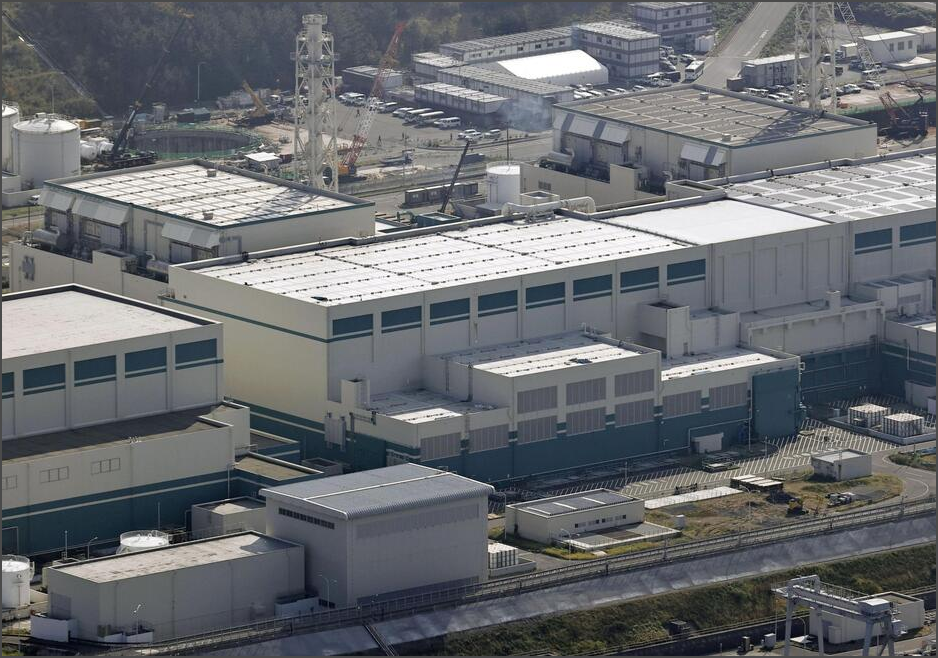
Another access control irregularity at Kashiwazaki-Kariwa Nuclear Power Station: exit gate fails to intercept unauthorized passage
Tokyo Electric Power Company (TEPCO) announced on August 7 that an irregularity related to access control occurred at the Kashiwazaki-Kariwa Nuclear Power Station. An operator improperly used his own ID card to allow a colleague who had left his ID card in the central control room to pass through the gate and exit. TEPCO stated that the access control system failed to display an error message at the time and was unable to prevent this unauthorized passage. According to disclosed information, the incident occurred during the exit process and involves management matters related to nuclear material protection. TEPCO has not yet publicly disclosed the specific date of the incident, the identities of the personnel involved, the detailed reasons why the system failed to trigger an alarm, or subsequent disciplinary actions and preventive measures. Kashiwazaki-Kariwa...
2026-08-08
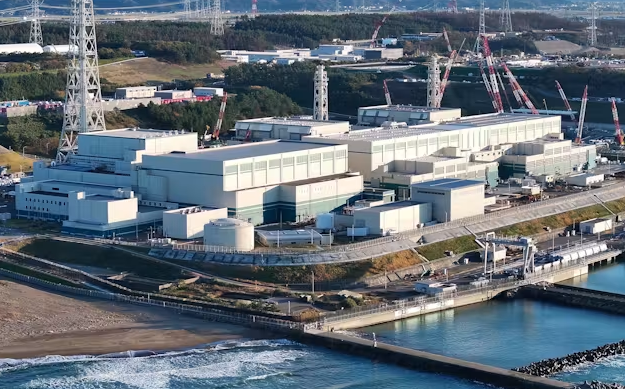
Rising Seawater Temperatures Prompt New Nuclear Safety Rules: TEPCO Sets Temporary Shutdown Criteria for Kashiwazaki-Kariwa Plant
Tokyo Electric Power Company Holdings announced on August 7 that it has established a set of self-determined criteria for evaluating whether to temporarily halt nuclear reactor operations at the Kashiwazaki-Kariwa Nuclear Power Plant in Niigata Prefecture, in response to rising seawater temperatures in the surrounding area. These criteria are not mandatory requirements directly imposed by external regulatory authorities, but rather proactive measures voluntarily implemented by TEPCO based on safe operational needs. According to the conditions announced by TEPCO, the company will consider temporarily shutting down the relevant nuclear facilities when the 7-day average seawater temperature in the waters surrounding the plant exceeds 31 degrees Celsius, when water temperatures above 34 degrees Celsius are observed, or when water temperatures above 33 degrees Celsius persist for 12 hours. These numerical thresholds indicate that seawater temperature has been incorporated as a key variable in nuclear power plant operational risk management.
2026-08-08
Nitrogen Supply Unit at Fukushima Daiichi Nuclear Power Station Resumes Operation After Malfunction
Tokyo Electric Power Company (TEPCO) reported on August 1 that a reactor nitrogen supply unit at the Fukushima Daiichi Nuclear Power Station malfunctioned that day, but was subsequently repaired and resumed gas supply. The company stated that during the malfunction, no significant fluctuations were observed in hydrogen concentrations inside the reactors of Units 1 to 3 or in surrounding radiation monitoring data, and no risk of hydrogen explosion was confirmed. The reactor containments and pressure vessels of Units 1 to 3 at the Fukushima Daiichi Nuclear Power Station require continuous nitrogen injection to suppress hydrogen accumulation resulting from radiolysis of water. If hydrogen concentrations exceed a certain level, the risk of hydrogen explosion may increase. According to TEPCO, at 11:14 a.m. on August 1, a worker...
2026-08-03
Third fuel debris retrieval test at Fukushima Daiichi Unit 2 postponed due to robotic arm malfunction
The robot used by Tokyo Electric Power Company (TEPCO) for the third experimental fuel debris retrieval at Fukushima Daiichi Nuclear Power Station Unit 2 malfunctioned during an on-site operational test, forcing the cancellation of the plan originally scheduled to start after July 2026 if all went well. The company stated it will reassess the relevant procedures. The malfunction occurred in part of the large robotic arm equipment used to collect fuel debris. During an operational test in the reactor building of Unit 2, TEPCO found an abnormality in one of the motors driving the robotic arm, causing the brake to fail to release and the arm to be unable to extend. The company is currently studying the replacement of the faulty motor. The third experimental retrieval plan was to use a large robotic arm...
2026-07-31
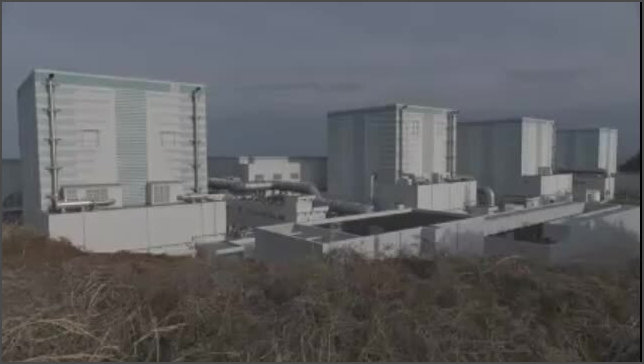
TEPCO says cooling interruption of spent fuel pool at Fukushima Daini Unit 1 due to human error
Tokyo Electric Power Company (TEPCO) announced on July 29 that the event in April 2026, where the spent fuel pool cooling system at Unit 1 of the Fukushima Daini Nuclear Power Plant was shut down for approximately 32 hours, was determined to be caused by human error. At the time of the incident, the plant was in the decommissioning phase. On April 5, a fault alarm was triggered by the cooling water circulation pump of Unit 1 at Fukushima Daini. After on-site personnel confirmed smoke from the equipment, the pump was stopped, resulting in an interruption of the spent fuel pool cooling system for about 32 hours. TEPCO previously stated that the cause was damage to the cable connecting the pump motor. According to TEPCO's latest explanation, the cable melting may be related to the installation method when the cable was replaced in 2012...
2026-07-30