
Search Results
Keyword:Type
Russian MEPhI Successfully Develops Prototype Instrument for Aurora Research, to Be Launched Aboard CubeSat
Recently, the Geospace Research Laboratory of the National Research Nuclear University MEPhI (Moscow Engineering Physics Institute, abbreviated as MEPhI) in Russia announced the successful development of a prototype instrument for detecting high-energy electrons in Earth's outer radiation belt. This device is a key scientific payload for investigating the causes of auroras and will in the future be launched into orbit as part of a CubeSat 3U space platform from Geoscan LLC. In terms of technical architecture and core parameters, the detector is specifically designed for small spacecraft, overcoming strict size and power consumption constraints. Its core component uses a thallium-doped cesium iodide (CsI(Tl)) scintillation crystal, capable of highly...
2026-10-16

The neutral beam injection system prototype independently developed by Shuyan Juchuang has been officially completed and completed its first plasma discharge.
Recently, the neutral beam injection (NBI) system prototype independently developed by Shuyan Juchuang, a domestic upstream commercialization company in controlled nuclear fusion, was officially completed, and on September 30, 2026, it successfully completed the first neutral beam plasma discharge verification. This marks the landing of China's first neutral beam engineering verification prototype fully independently developed along the entire chain by an upstream fusion commercialization company, achieving a technical closed loop from system design to productization verification. It is expected that the relevant capabilities of the system will reach an engineering state ready for direct commercial procurement in December this year. With the smooth completion and successful discharge of this prototype, the company's 2026 annual strategic goals set at the beginning of the year have all...
2026-10-08
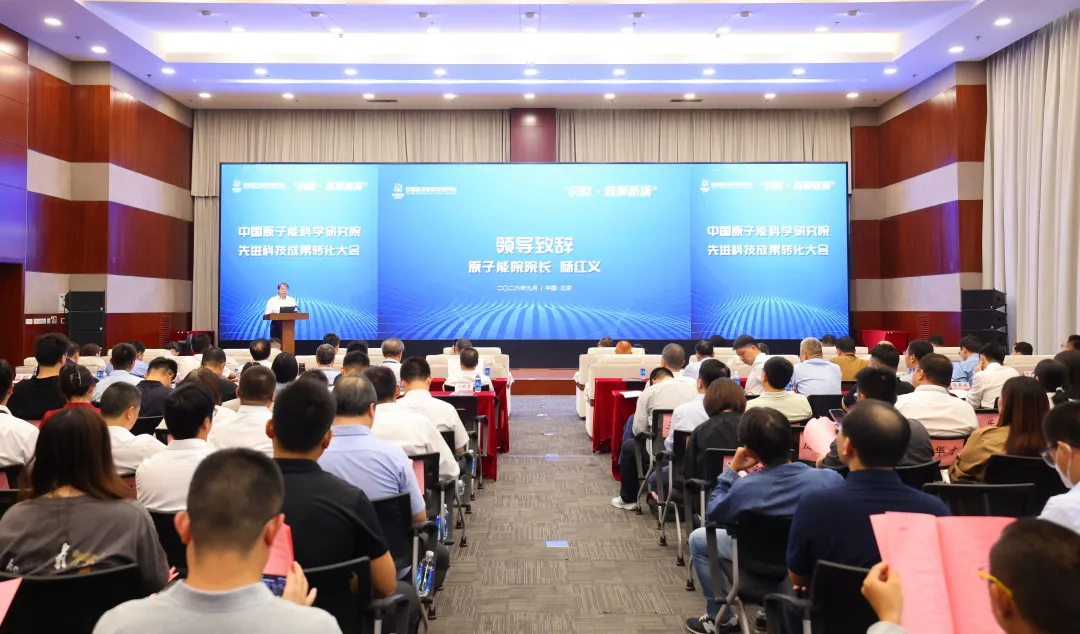
China Institute of Atomic Energy Holds Advanced Scientific and Technological Achievements Transformation Conference: Releases Small Reactor 9-Type Product Matrix, Signs Agreements on Curie-Level Terbium-161 Preparation and SMR Overall Scheme Design
On September 29, the China Institute of Atomic Energy (abbreviated as CIAE) held in Beijing an Advanced Scientific and Technological Achievements Transformation Conference themed "Innovation · Nuclear Fusion of New Quality." The conference showcased CIAE's practical breakthroughs in deepening scientific and technological system reform, advancing the pilot program for empowering scientific and technological achievements from job-related inventions, and integrated institute-enterprise operations, and officially released multiple major scientific research achievements covering advanced reactors, nuclear medical equipment, and isotope preparation, vigorously promoting the acceleration of nuclear technology from the laboratory to the production line. In the report on reform experience and benchmark incubation platforms, the conference systematically summarized three landmark reform achievements: SASAC Pilot Reform for Empowering Scientific and Technological Achievements from Job-Related Inventions: CIAE used...
2026-09-30
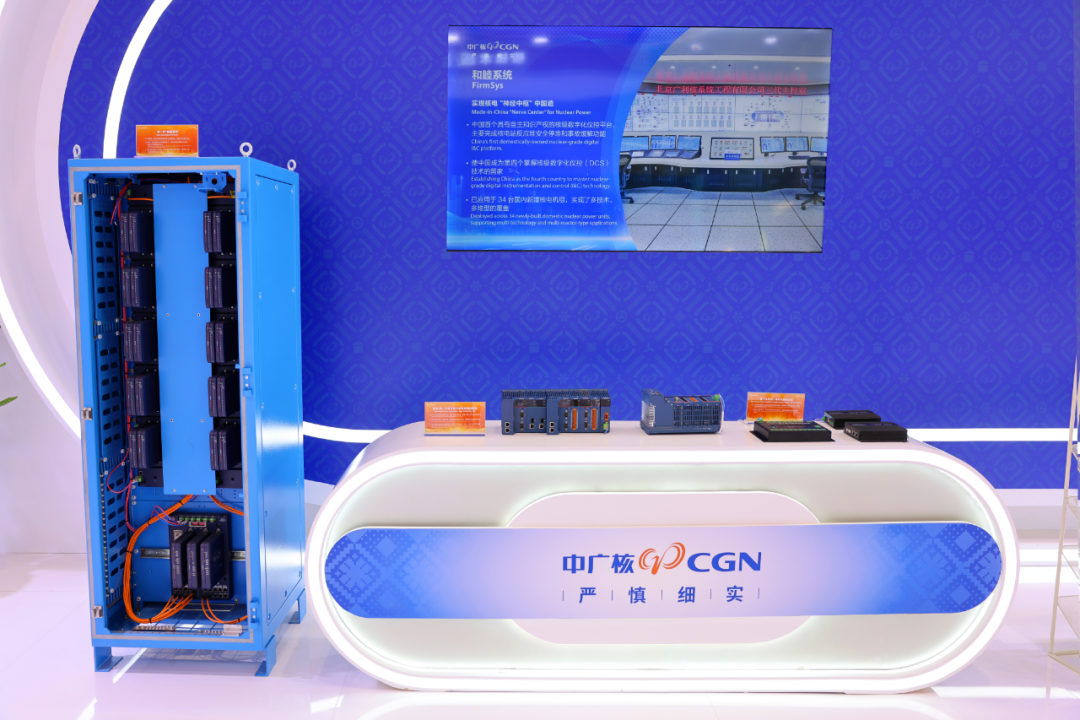
New Generation "Harmony System" and Other Technological Achievements Debut at the 23rd China-ASEAN Expo
At the five-day 23rd China-ASEAN Expo and China-ASEAN Business and Investment Summit, CGN showcased its innovative achievements in nuclear power, new energy, and digitalization under the theme "Smart Nuclear Powers Free Trade, Green Electricity Connects ASEAN." At the exhibition, CGN Digital Technology highlighted its independently developed Harmony System series products and their applications in the new energy sector, and used virtual reality technology to give visitors the opportunity to tour nuclear power plants. The Harmony System is hailed as the "nerve center" and "brain" of nuclear power plants. It is China's independently developed nuclear safety-class digital instrumentation and control system, and has now been widely applied to 34 nuclear power units nationwide, covering second- to fourth-generation nuclear power reactor types and technologies. Through the comprehensive iterative upgrading of the Harmony System, CGN Digital Technology has equipped it with a smarter, safer, and more economical "super intelligent brain," aiming to provide digital and intelligent empowerment for the full-cycle production and operation of nuclear power plants.
2026-09-22
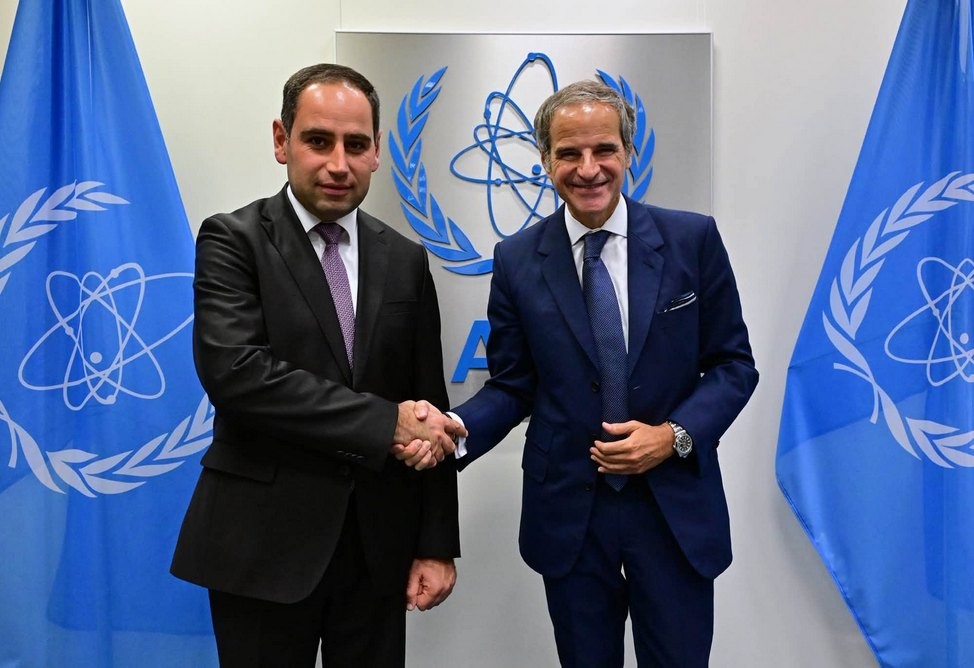
Armenia and the IAEA discuss the extension of the Metsamor Nuclear Power Plant and the selection of the reactor type for a new nuclear power plant
On September 15, Armenian Minister of Territorial Administration and Infrastructure David Khudatyan and International Atomic Energy Agency (IAEA) Director General Rafael Mariano Grossi held talks in Vienna, during which the two sides held in-depth discussions on the progress of the life extension project for Unit 2 of the Armenian Nuclear Power Plant (ANPP) and the selection of the reactor type for a new nuclear power plant. According to a message posted by Khudatyan on social media, the talks were held during the 70th IAEA General Conference. We discussed with Rafael Grossi the ongoing and planned projects under the framework of industry cooperation with the IAEA...
2026-09-16

Yanchaojuneng Completes VPI of Stainless Steel-Jacketed Superconducting Prototype Coil for Stellarator
Recently, Yanchaojuneng (Shanghai) Technology Co., Ltd. completed vacuum pressure impregnation (VPI) of a next-generation stellarator stainless steel-jacketed three-dimensional shaped superconducting prototype coil. Previously, the prototype coil had completed two core processes: three-dimensional precision winding and ground insulation wrapping. The completion of VPI signifies that the company has established an autonomous process chain from coil winding and forming, insulation wrapping, to integrated insulation curing. The stellarator is an important device type for steady-state operation in the field of controlled nuclear fusion, capable of reducing the risk of major plasma disruptions. Three-dimensional shaped superconducting coils are the core components for building the magnetic field that confines plasma in a stellarator. Public information shows that Germany's W7-X stellarator uses aluminum alloy jackets...
2026-09-10
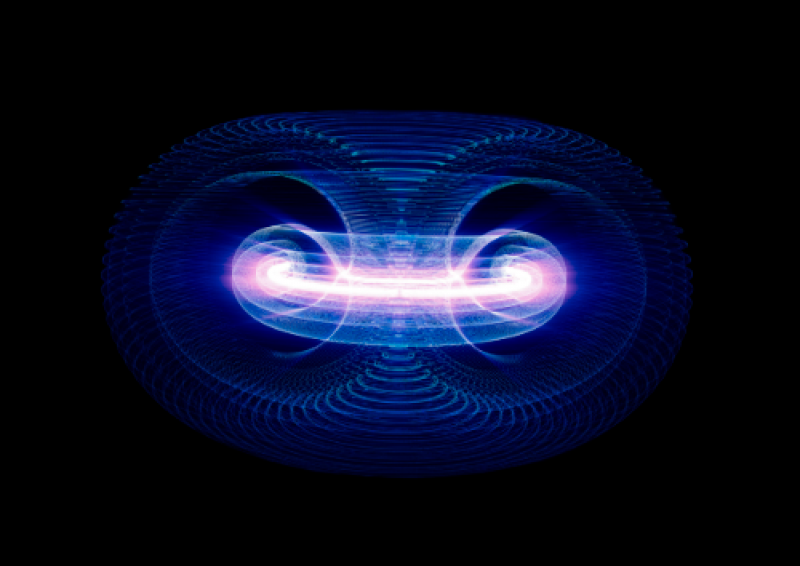
U.S. ZC Institute Unveils "Kardashev One" Fusion Prototype Reactor Plan to Independently Test Neutron Recovery Concept
ZC Institute, a fusion energy company headquartered in Atlanta, USA, announced on September 4 the launch of the Kardashev One program, aiming to develop a fusion prototype reactor to explore recovering energy lost to radiation and neutron escape during fusion reactions. As an early validation step of the program, ZC Institute has commissioned Professor Jason Cassibry and his team at the University of Alabama in Huntsville (UAH) to conduct independent testing of the related field distortion technology. According to ZC Institute, existing fusion approaches, including inertial confinement fusion and magnetic confinement fusion, lose energy in forms such as electromagnetic radiation and neutron escape. Magnetic fields can confine charged...
2026-09-05
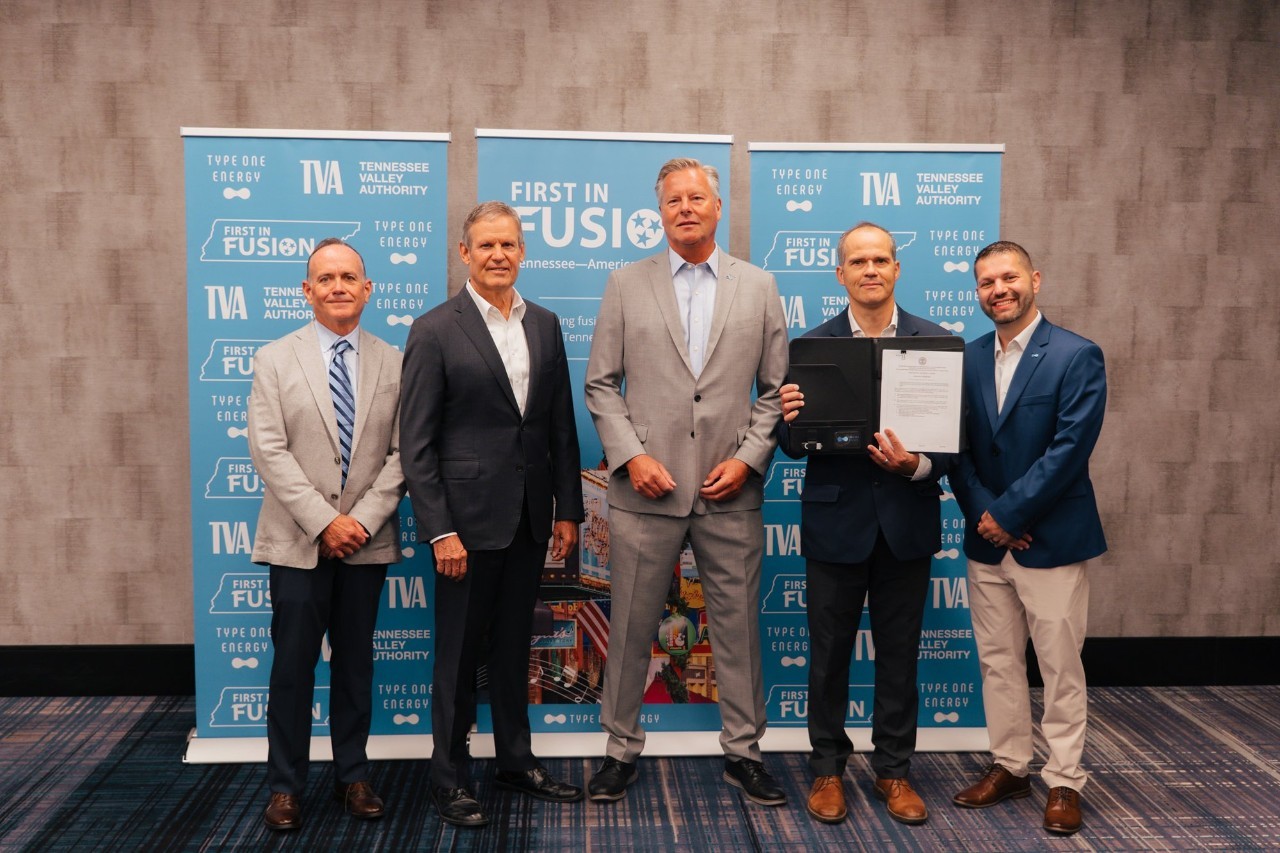
Tennessee Issues First-Ever Commercial Fusion-Specific Permit in the U.S. to Type One Energy
The Tennessee Department of Environment and Conservation (TDEC) has issued Type One Energy the state's first permit specifically for a fusion energy facility, allowing the company to advance fusion-related projects at the Tennessee Valley Authority's (TVA) Bull Run Energy Complex in Clinton. Tennessee officials stated this is the first permit of its kind in the United States issued under a new state-level fusion regulatory framework. Tennessee Governor Bill Lee, alongside fusion energy partners, presented the first U.S. permit specifically for a commercial fusion facility on Monday at the Organization of American States (OAS) annual meeting in Nashville. (LR) TVA Interim...
2026-09-01
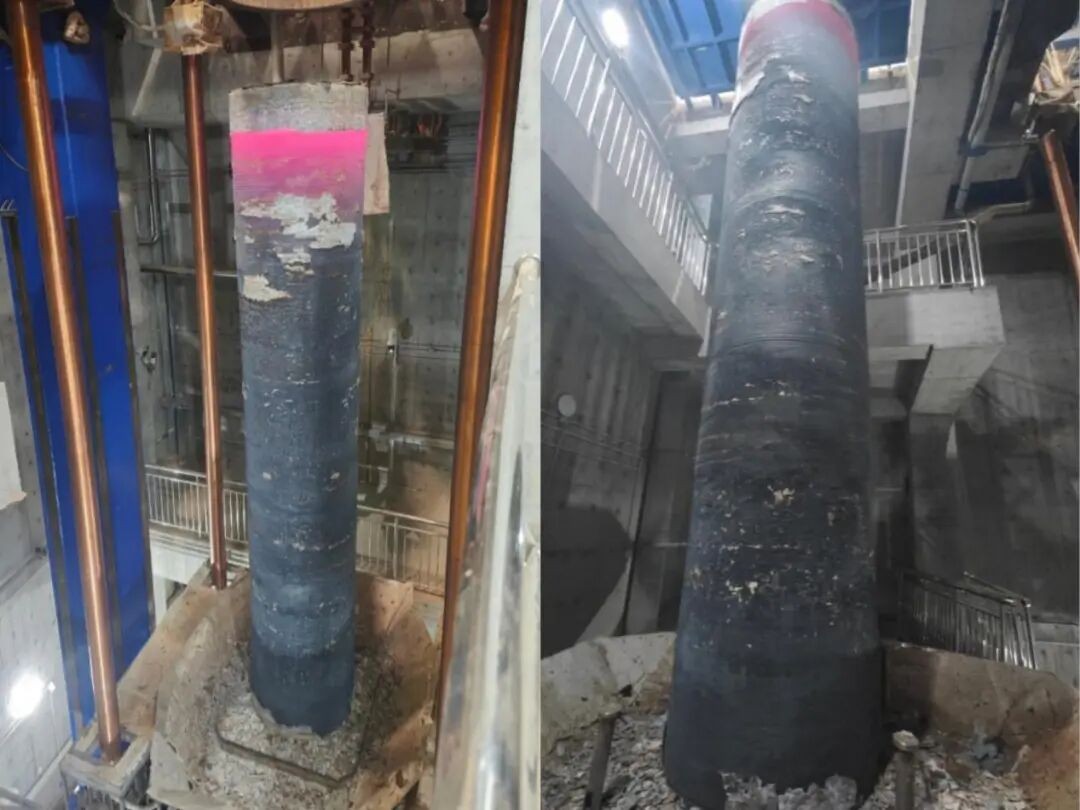
Manur Nuclear Power Produces Domestically Heaviest Slender Withdrawal-Type ESR Ingot
On August 30, 2026, the 60t withdrawal station of the 150-ton-class atmosphere-protected electroslag remelting (ESR) furnace at Yantai Taihai Manur Nuclear Power Equipment Co., Ltd. successfully produced a slender ESR ingot with a diameter of approximately 1270 mm and a weight of 61.2 tons, setting a new record for domestically manufactured special metallurgy equipment and consolidating the equipment foundation for the supply of high-end nuclear power forgings. The 61.2-ton slender withdrawal-type ESR ingot produced this time features a regular appearance and excellent surface quality. During the smelting process, equipment and operations including atmosphere protection, melt rate control, precise molten metal level control, fully automatic electrode exchange, and the complete withdrawal process remained stable and controllable. This ingot is currently the heaviest slender withdrawal-type ESR ingot produced in China, representing another critical leap in domestically manufactured large-tonnage withdrawal-type ESR equipment...
2026-08-31
Rock Fusion Completes Key Processes for Stellarator 3D Non-Planar Superconducting Prototype Coil
Recently, the stellarator high-strength stainless steel armored 3D non-planar superconducting prototype coil developed by Rock Fusion (Shanghai) Technology Co., Ltd. has completed two key processes: 3D precision winding and ground insulation wrapping. The overall 3D geometric error of the coil is consistently controlled at the millimeter level, indicating that the company has preliminarily established key manufacturing processes including material adaptation, 3D precision forming, and insulation wrapping for high-field steady-state stellarator superconducting magnets. The stellarator is an important device for steady-state controlled nuclear fusion research, and 3D superconducting coils are used to generate the complex magnetic fields required to confine plasma. Unlike conventional planar coils, stellarator coils typically feature non-planar spatial structures with continuously varying curvature...
2026-08-25
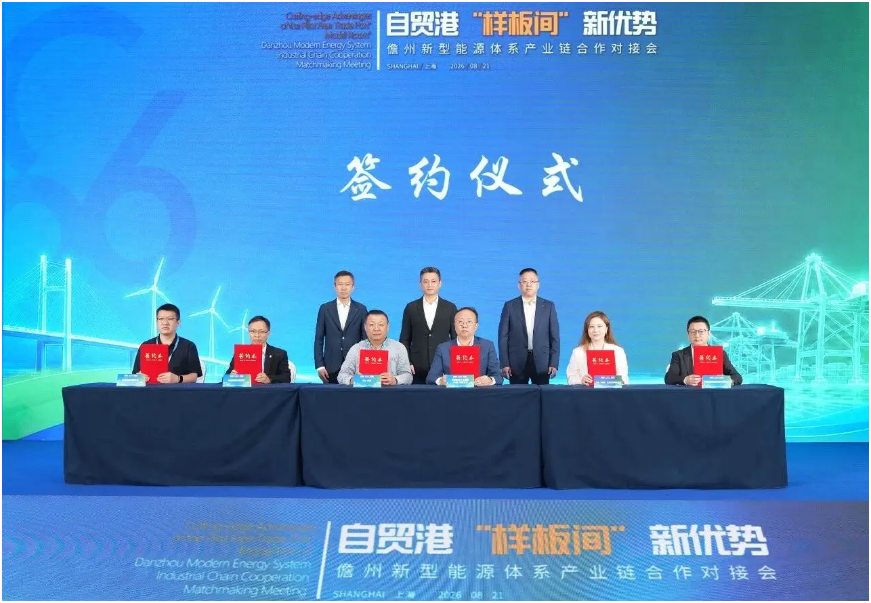
Hainan Danzhou Plans to Integrate Nuclear Power into Yangpu 220kV Power Grid
On August 21, the "New Advantages of the Free Trade Port 'Showcase' — Danzhou New Energy System Industrial Chain Cooperation Matchmaking Conference" was held in Shanghai. Representatives from nearly a hundred enterprises, investment and financing institutions, industry associations, and professional service organizations attended the event to exchange views on topics such as new energy system development and green, low-carbon industrial transformation, and signed a batch of cooperation agreements on site. Regarding nuclear power-related planning, Hainan Power Grid Co., Ltd. stated that it is accelerating the construction of a new-type power system featuring zoned power supply and tiered operation in Danzhou. According to the plan, by 2030, a relatively independent new-type power grid will take shape across Danzhou, with nuclear power directly connected to the 220kV power grid in the Danzhou-Yangpu area. By then...
2026-08-24
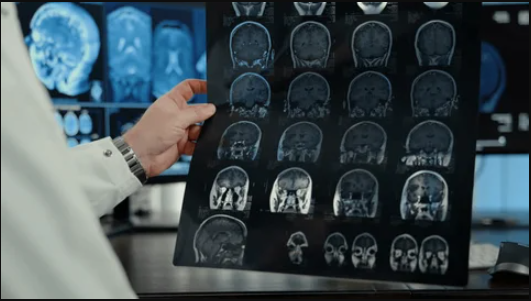
Decoding the Clinical-Radiological Paradox: Brain Network Mechanisms in Spinocerebellar Ataxia Type 3 Revealed
On August 17, the team of Professor Liu Chen and Professor Wang Jian from the Department of Radiology at Southwest Hospital of Army Medical University, in collaboration with Professor Long Zhiliang's team from the Faculty of Psychology at Southwest University, systematically revealed for the first time the micro-level molecular pathological mechanisms underlying macroscopic brain network decoupling in patients with spinocerebellar ataxia type 3 (SCA3) by integrating multimodal magnetic resonance imaging technology with high-resolution micro-biological atlases. This provides a novel perspective and objective imaging targets for resolving the clinical-radiological dissociation challenge in clinical diagnosis and treatment. The findings were published in the internationally leading journal in the field of movement disorders under the title "Putaminal Structure-Function Decoupling as an Early Candidate Imaging Biomarker for Motor Severity in Spinocerebellar Ataxia Type 3."
2026-08-18
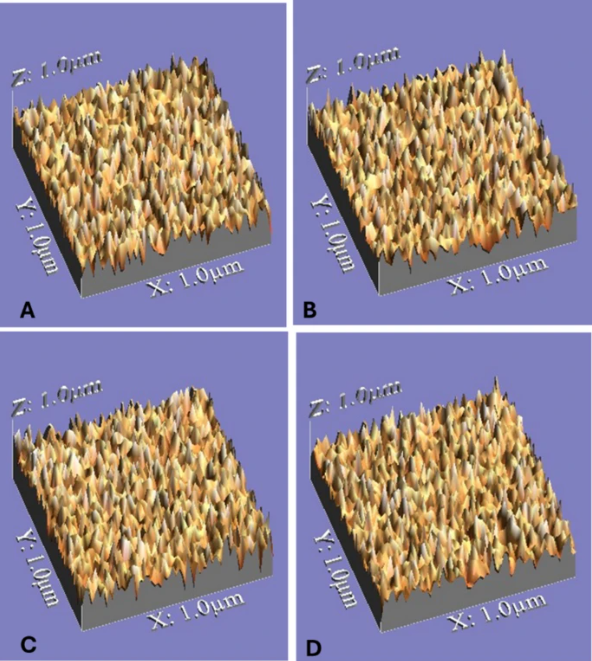
Fractionated radiotherapy did not significantly alter surface properties of two types of dental restorative composites
On August 5, a recently published in vitro study showed that under a simulated clinical head and neck cancer radiotherapy regimen, the surface microhardness and roughness of two modern dental restorative composites did not change significantly. The study focused on the effects of therapeutic ionizing radiation on the durability of dental restorative materials. After head and neck cancer patients receive radiotherapy, the oral environment may change, including reduced saliva secretion, mucositis, radiation caries, and other issues, which may affect the surface condition and long-term performance of restorations. To this end, the research team selected Giomer resin composite based on glass ionomer technology and Or...
2026-08-10
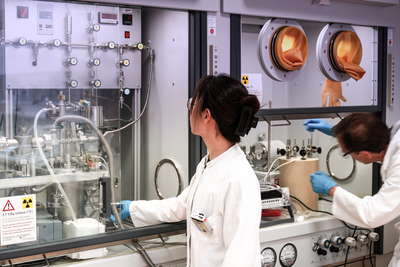
German team achieves first separation of tritium-containing hydrogen isotope mixtures using silver-exchanged zeolites
A team at the Helmholtz-Zentrum Dresden-Rossendorf (HZDR) and partners recently demonstrated a new method for separating hydrogen isotopes using silver-containing zeolites, successfully separating hydrogen isotope mixtures containing radioactive tritium through a porous solid material for the first time. The research findings were published in Nature Communications. Future fusion power plants will require not only high-temperature plasma and strong magnetic fields during operation, but also a stable fuel cycle system for recovering, separating, and reusing deuterium and tritium. Inside a fusion reactor, deuterium and tritium participate in reactions and release energy, but the fuel is not completely consumed, and the residual gas may also contain ordinary hydrogen (protium), forming a mixture of protium, deuterium, and tritium...
2026-08-07
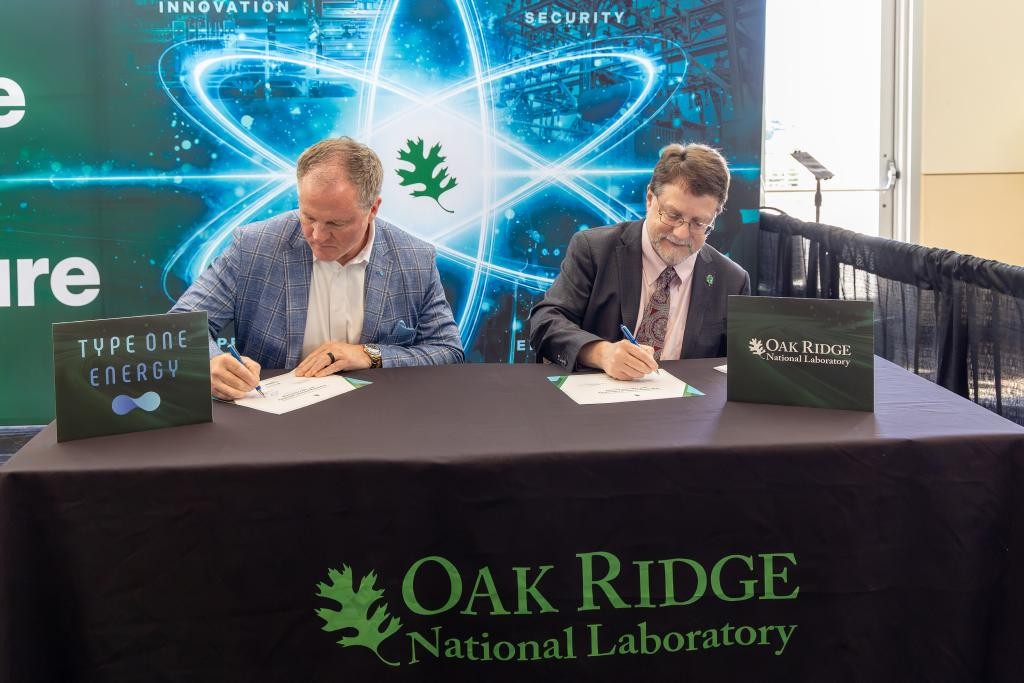
Oak Ridge National Laboratory Licenses Cryogenic Fuel Pellet Technology to Type One Energy
The U.S. Department of Energy's Oak Ridge National Laboratory (ORNL) has licensed a suite of cryogenic fuel pellet injection technologies to Type One Energy to advance fuel supply capabilities needed for high-performance fusion plasma operations. The two parties signed the licensing agreement on August 5 in Knoxville, Tennessee, USA. The license covers four ORNL inventions, primarily related to the design and operation of cryogenic fuel pellet injection systems. The technology forms solid hydrogen isotope fuel pellets at cryogenic temperatures near absolute zero and injects them into fusion plasma at high speeds. Compared with methods such as gas injection, pellet injection is more effective at delivering fuel deeper into the plasma...
2026-08-06