
Search Results
Keyword:accelerator
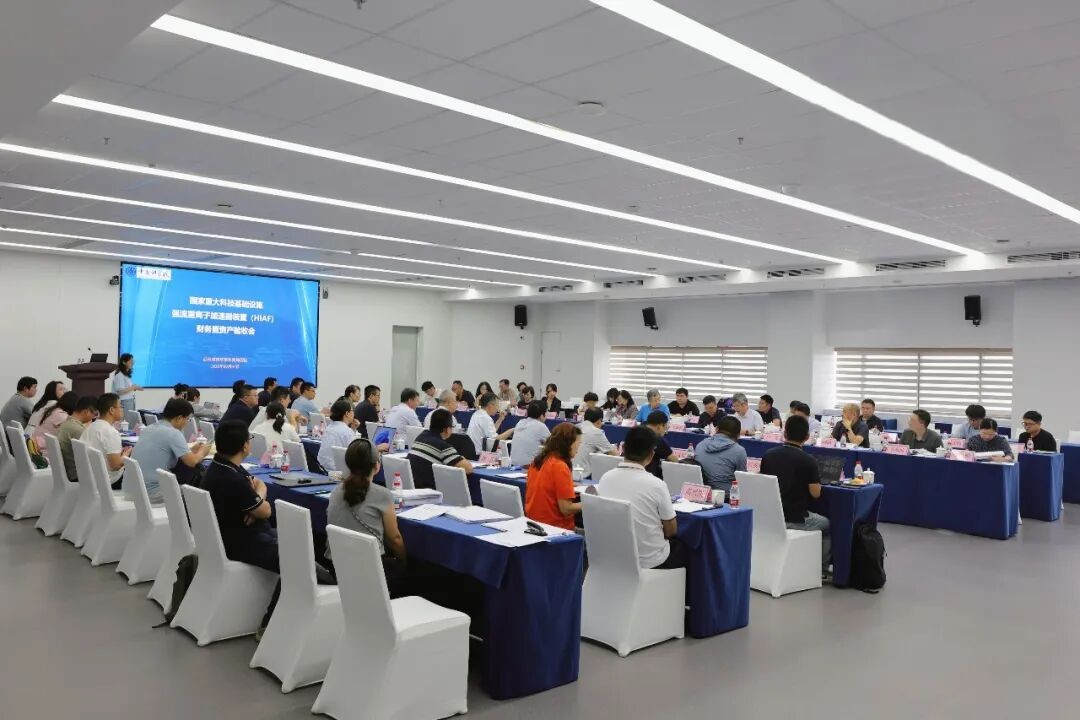
National Major Science and Technology Infrastructure Project "High-Intensity Heavy-Ion Accelerator Facility" Passes Special Financial and Asset Acceptance
From September 6 to 7, the Bureau of Finance and Assets and the Bureau of Science and Technology Basic Capacity of the Chinese Academy of Sciences organized a financial expert group and an asset expert group to carry out special financial and asset acceptance work on the National Major Science and Technology Infrastructure—the High-Intensity Heavy-Ion Accelerator Facility (HIAF) project. The expert group consisted of 13 experts from the Chinese Academy of Sciences, research institutes, and universities. Figure: Acceptance meeting site. The expert group listened to reports on the project's construction, financial asset management, and investment completion. The financial acceptance expert group reviewed materials such as the financial summary report and the completion financial final accounts audit report, conducted on-site inspections of final account statements and account books, and spot-checked contracts and accounting vouchers, followed by on-site inquiries and discussions on the financial investment completion status. The asset acceptance expert group reviewed materials including the asset summary report and procurement ledgers, conducted on-site spot checks of process equipment for the High-Intensity Heavy-Ion Accelerator, experimental terminal systems, facility auxiliary equipment, and public supporting systems, and held on-site inquiries and discussions on asset delivery status.
2026-09-09
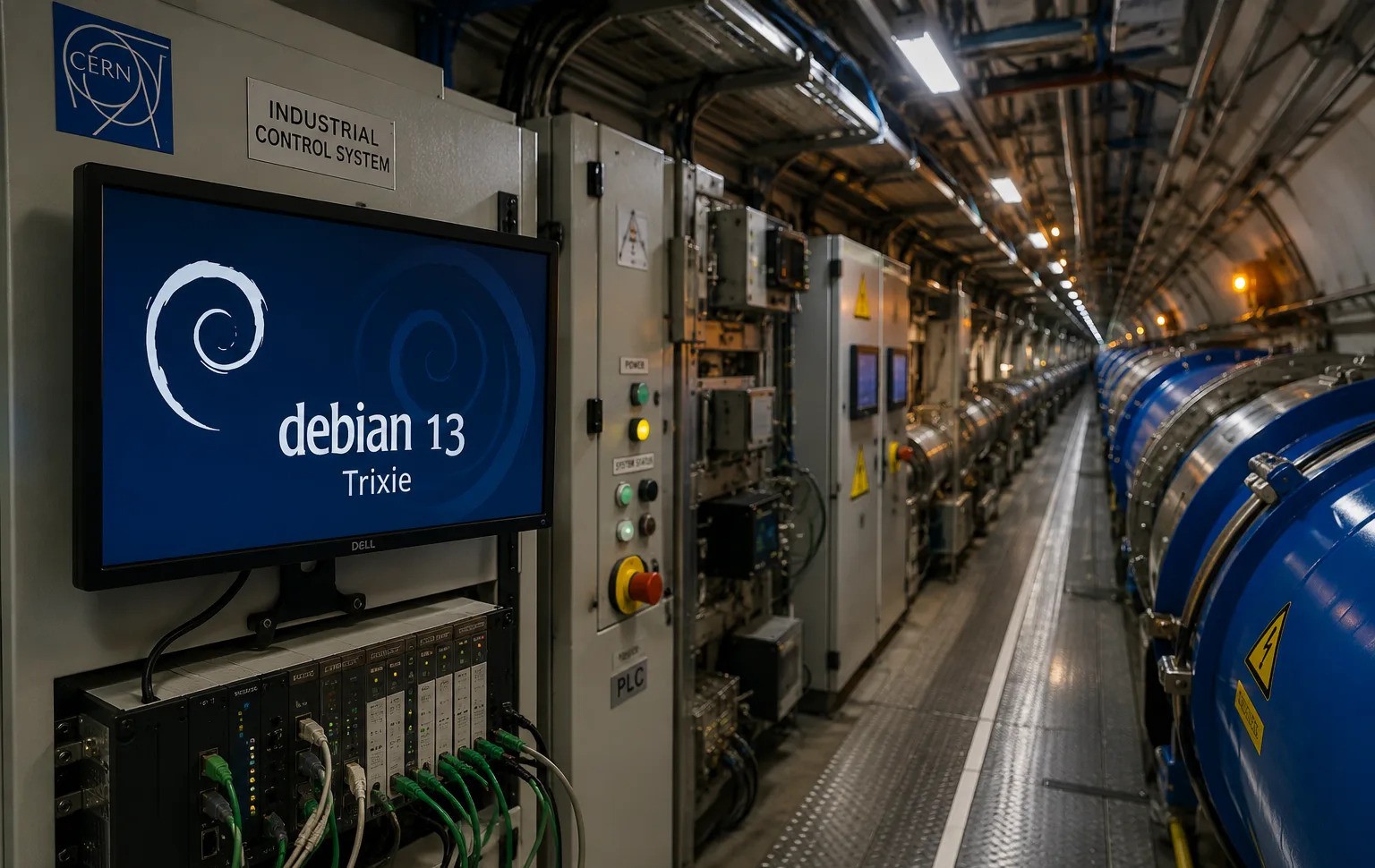
CERN Accelerator Control Systems to Migrate to Debian 13
Representatives from the European Organization for Nuclear Research (CERN) stated at the MiniDebConf conference that they plan to migrate over 2,200 industrial and embedded computers used to control their accelerator complex from RHEL to Debian 13 by the end of 2026. The systems involved include control computers for the Large Hadron Collider as well as several independent experimental facilities. CERN also clarified that this migration applies only to accelerator control-related equipment and will not affect data centers or experimental systems. Those data centers and experimental systems will continue to use RHEL/AlmaLinux. According to reports, CERN engineers had previously considered migrating the relevant systems to CentOS Stream, but...
2026-09-08
Japanese research team accelerates muons to 0.3 MeV, taking a step toward the world's only muon accelerator
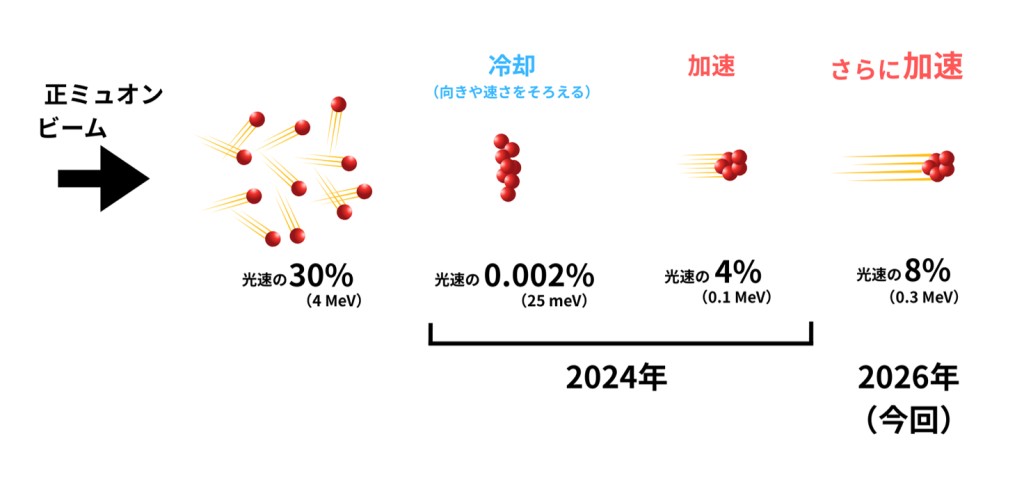
A research team comprising the J-PARC Center, High Energy Accelerator Research Organization (KEK), the University of Tokyo, Tokai National Higher Education and Research System, Nagoya University, and RIKEN recently completed muon cooling and radio-frequency acceleration experiments in the newly constructed muon acceleration experimental area at the J-PARC Materials and Life Science Experimental Facility, successfully accelerating muons to a kinetic energy of 0.3 MeV, corresponding to approximately 8% of the speed of light. Conceptual diagram of cooling and accelerating positive muon beams. By cooling positive muons with non-uniform direction and velocity, efficient high-frequency acceleration can be achieved. Muons are elementary particles similar to electrons that can be artificially produced by accelerators and are widely used in materials science, particle physics research...
2026-09-07
State Nuclear Uranium Industry Achieves 100% Localization of Electron Linear Accelerator Development
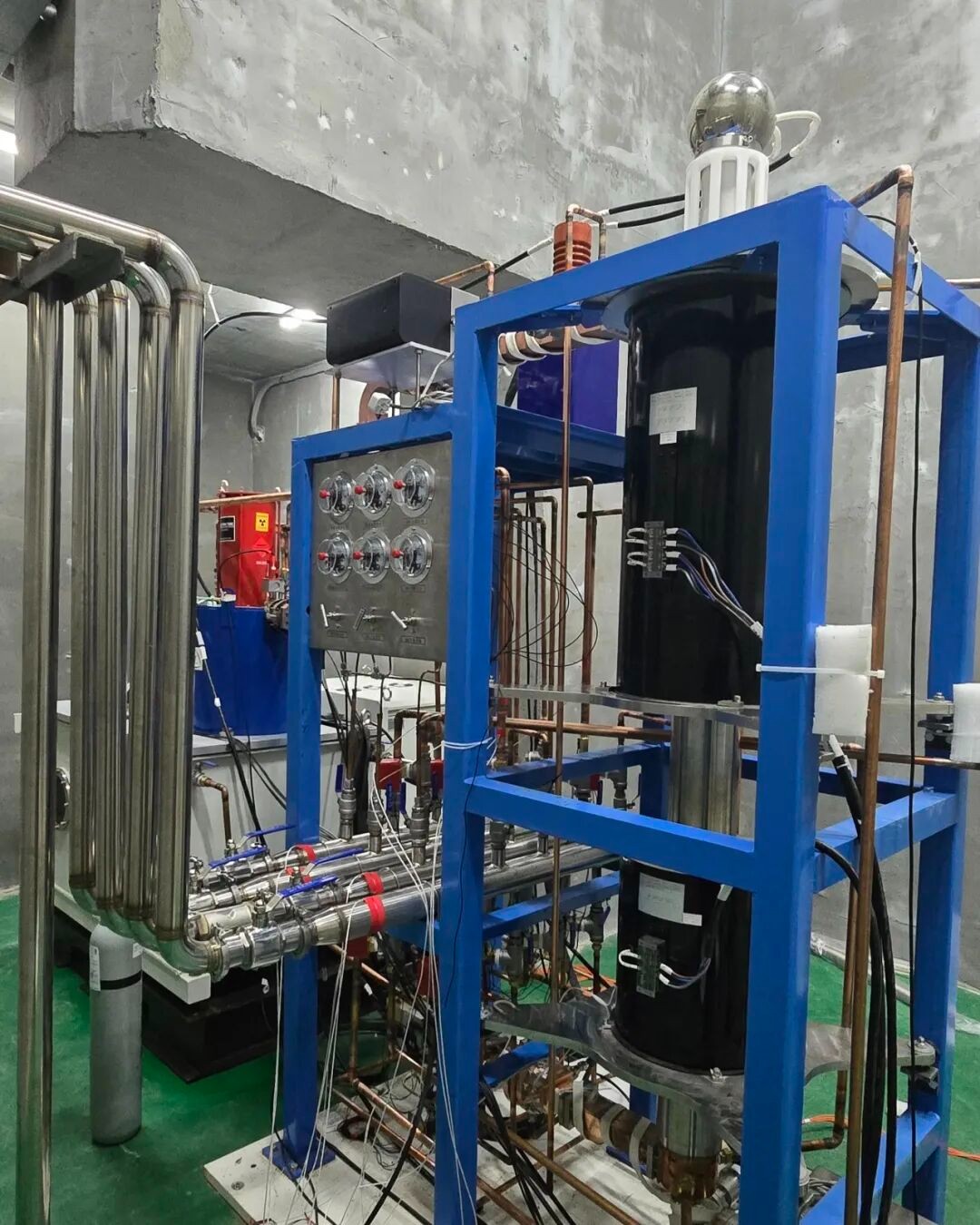
Recently, the first fully domestically produced 10 MeV/20 kW electron linear accelerator developed by the Technology Center of State Nuclear Uranium Industry (Nuclear Power Tongchuang) completed its 20 kW beam extraction test, with performance meeting design specifications. This marks a significant breakthrough for State Nuclear Uranium Industry in the field of electron accelerator development and elevates its capability in developing nuclear technology application equipment to a new level. Main unit of the 10MeV/20kW electron irradiation accelerator As a versatile high-energy electron linear accelerator, the 10MeV/20kW electron linear accelerator is widely used in multiple sectors of the national economy, including medical device sterilization, traditional Chinese medicine pest control, food preservation, and polymer material modification. During the current process of engineering application and industrial promotion, its core components such as klystrons, waveguide windows, and water loads have a relatively low localization rate, with some models still relying on imports, facing challenges such as long procurement cycles, high costs, and difficulties in spare parts support. The R&D team of State Nuclear Uranium Industry has focused on industry pain points, adhered to a problem-oriented approach, overcome difficulties, efficiently resolved various technical challenges, and successfully achieved 100% localization of this model of electron linear accelerator with significantly reduced overall machine costs, breaking the reliance on imported core components. As a key R&D project for differentiated layout in the nuclear technology industry, State Nuclear Uranium Industry will continue to improve its processes and standards systems, accelerate the application of research achievements in typical scenarios, bridge the chain from R&D to industrial application, and promote the steady development of the nuclear technology industry.
2026-09-05
CERN removes first giant beam absorbers from LHC, making room for High-Luminosity Large Hadron Collider upgrade
CERN recently completed a complex transport operation, moving the first two giant components from the Large Hadron Collider (LHC) tunnel to the surface, making room for the operation and upgrade of the future High-Luminosity Large Hadron Collider (HiLumi LHC). The equipment removed this time consists of two beam absorbers, also known as TAN absorbers. Each absorber is about 5 meters long and weighs about 30 tons, made of iron, copper, and marble, primarily used to protect accelerator magnets from damage caused by neutral particles generated along the beam direction during collisions. A relevant official stated that this type of equipment is among the heaviest and largest devices that need to be removed from the LHC during this shutdown period...
2026-09-03

Busan, South Korea Secures 2027 Budget Support; Export-Oriented Research Reactor and Other Projects Included in Government Proposal
Busan Metropolitan City recently announced that multiple national projects aligned with its core development goals have been included in the South Korean government's 2027 budget proposal, including the Gadeok Island New Airport, a new export-oriented research reactor, a heavy ion accelerator, as well as industrial projects such as port artificial intelligence, naval vessel maintenance, repair and overhaul, and power semiconductors. Under the budget arrangement, the Gadeok Island New Airport construction project has secured 431.1 billion KRW in support. To enhance maritime and logistics competitiveness, the budget proposal also includes 7.35 billion KRW for a demonstration project on autonomous port cargo handling equipment, 36.4 billion KRW to support shipbuilding and shipping cooperation, 5 billion KRW to strengthen the global competitiveness of small and medium-sized shipbuilders in naval vessel maintenance, repair and overhaul, and an additional 24.9 billion KRW allocated for the development of a fishery products industrial cluster.
2026-09-02
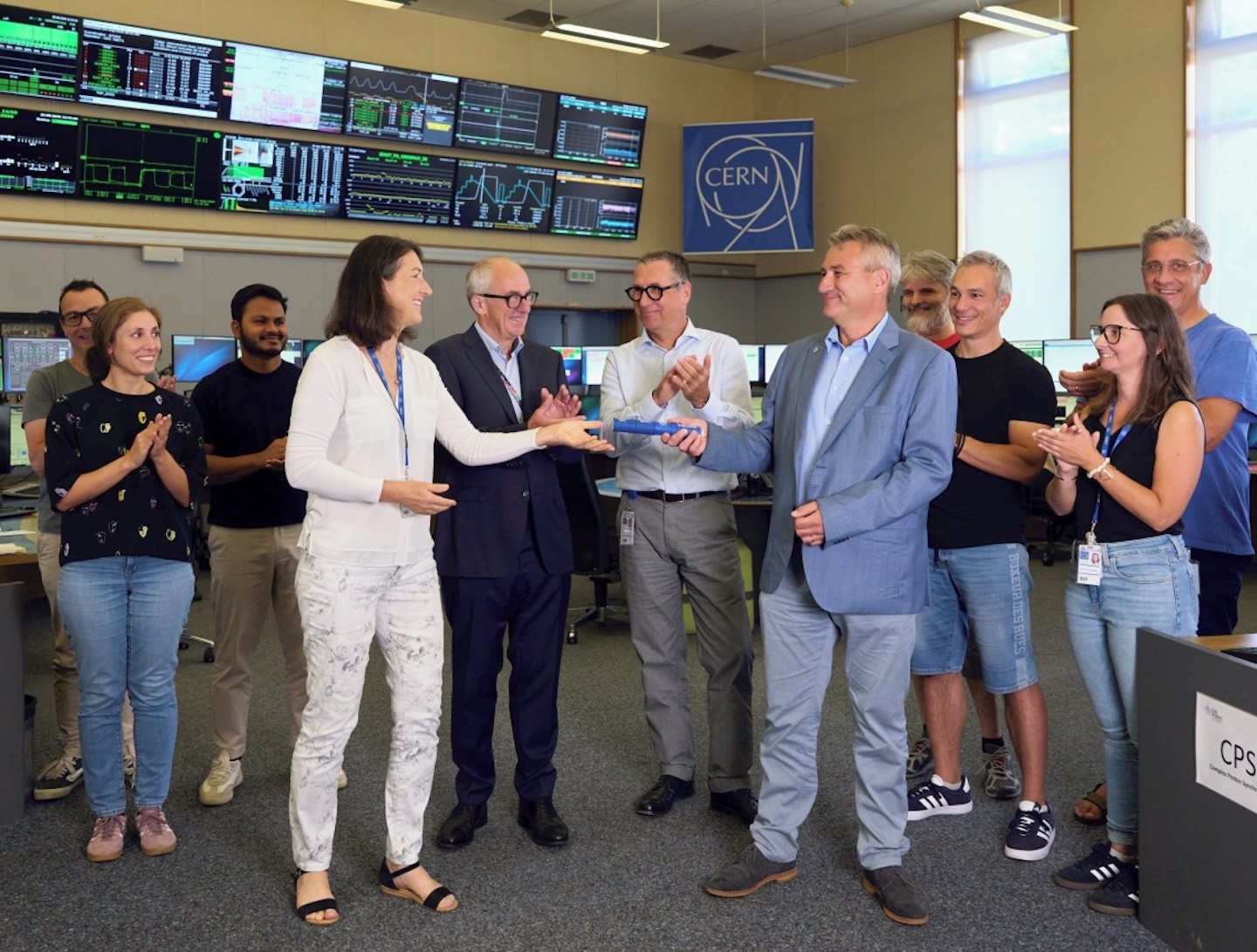
CERN Accelerator Complex Enters Full LS3 Shutdown for Upgrades, Paving the Way for the High-Luminosity LHC Era
On the morning of August 31 local time, the injector complex and the Antimatter Factory at the European Organization for Nuclear Research (CERN) ceased operation after completing their final beam deliveries, officially entering the third Long Shutdown (LS3) phase. Earlier, the Large Hadron Collider (LHC) had been closed in June, marking the flagship accelerator as the first to kick off LS3 upgrade work at the center. Bettina Mikulec (left), head of the Operations Group at CERN, handed a symbolic baton—a miniature superconducting magnet from the LHC—to Jean-Philippe Tock (right), head of the LS3 Coordination Group, with CERN Director-General Mark Thomson (second from left) and Oliver Brüning (third from left), head of Accelerators and Technology, in attendance.
2026-09-01
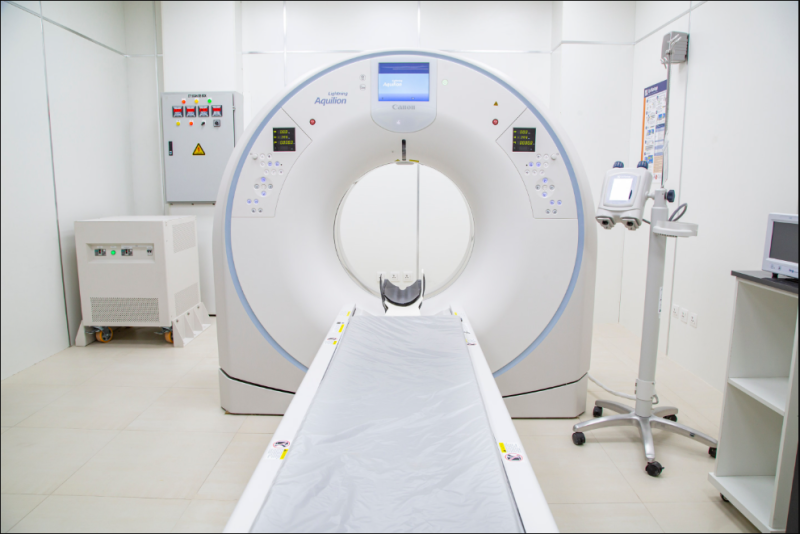
Blueprint for Proton Therapy Center in Southeastern Busan, South Korea Unveiled to Address Regional Gap in Cancer Treatment Resources
The blueprint for the proton therapy center at the Southeastern Regional Nuclear Medicine Center in Gijang-gun, Busan, South Korea, was recently unveiled. The project is expected to help bridge the gap in cancer treatment resources between the Seoul metropolitan area and non-capital regions, and to promote the application of proton accelerators in high-tech industries. According to information from Gijang-gun, Busan, and the Southeastern Regional Institute of Radiation Medicine on August 29, the Busan Institute of Science and Technology Higher Education recently published a service report titled "Establishment of Promotion Strategy and Implementation Plan for the Southeastern Proton Therapy Center," which includes the construction blueprint and feasibility analysis of the center. The Southeastern Regional Institute of Radiation Medicine is advancing related preparatory work in response to the research and development review by the Ministry of Science and ICT in the second half of this year...
2026-08-30
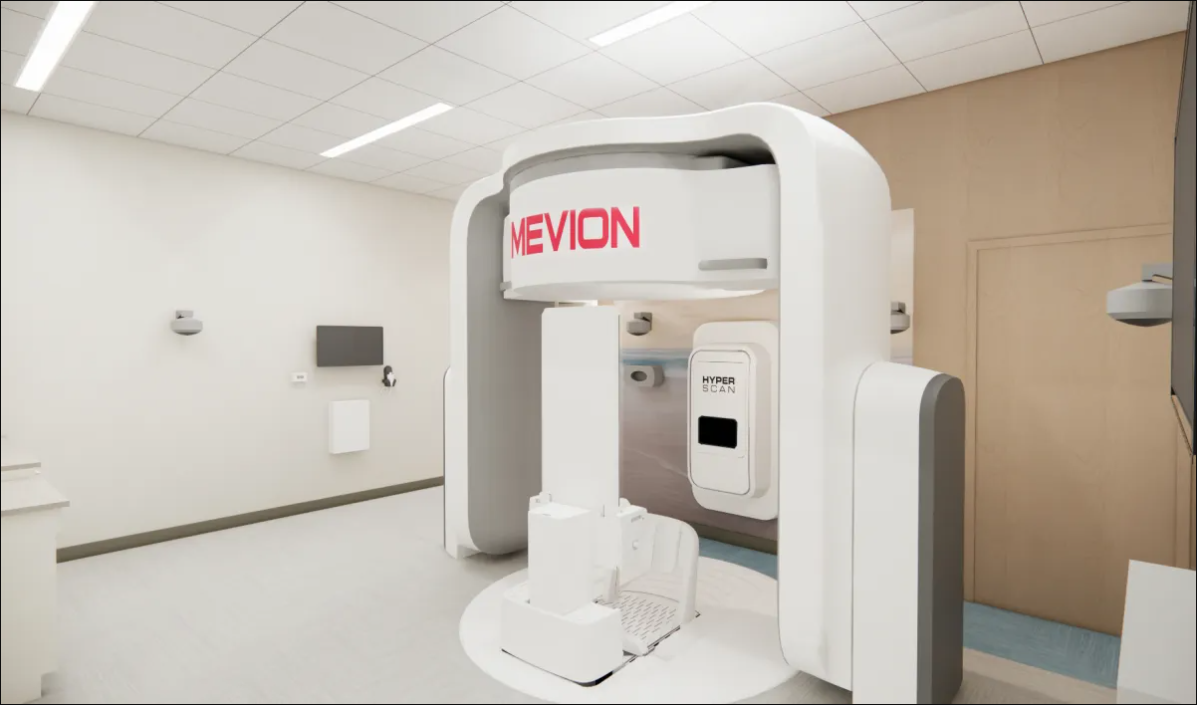
Auburn University Installs 200 MeV Superconducting Proton Accelerator to Build First University-Led Space Electronics Radiation Testing Facility in the U.S.
Auburn University's Applied Research Institute has announced the installation of a new 200 MeV superconducting proton accelerator, advancing the construction of the nation's first university-led proton testing facility dedicated to space electronics qualification. The system, a RAD-FX-200 superconducting synchrocyclotron manufactured and installed by Mevion Medical Systems, serves as the core component of Auburn University's new radiation-hardening facility. According to reports, the facility will help address gaps in U.S. space qualification testing capacity, providing radiation testing services for microelectronics to government agencies, aerospace, and defense-related industries. Systems such as satellites, missile defense interceptors, spacecraft, and launch vehicles rely on microelectronics, which may be affected by proton radiation in orbital environments. A single radiation-induced failure can cause system loss, and such failures are typically difficult to repair once in orbit...
2026-08-28

CNNC Fuyuan (Beijing) Technology Co., Ltd. officially established, focusing on accelerator and radiation technology equipment
On August 26, 2026, CNNC Fuyuan (Beijing) Technology Co., Ltd. (abbreviated as: CNNC Fuyuan) was officially established. CNNC Fuyuan is a joint venture between China Isotope & Radiation Corporation (CIRC) and CNNC Atomic Energy Institute Technology Co., Ltd., with nuclear technology equipment as its core business and radiation technology empowering industrial upgrading. Leveraging the Atomic Energy Institute's profound accumulation in accelerator technology over more than 70 years, as well as CIRC's market-oriented industrialization capabilities, the company builds a deeply integrated industry closed loop encompassing research, education, application, and utilization, strengthening and complementing the nuclear technology equipment industry chain. Looking ahead, CNNC Fuyuan will adhere to the dual-drive approach of independent innovation and achievement transformation, starting with accelerators, breaking through the boundaries of single products, and extending toward full-spectrum radiation technology,...
2026-08-28
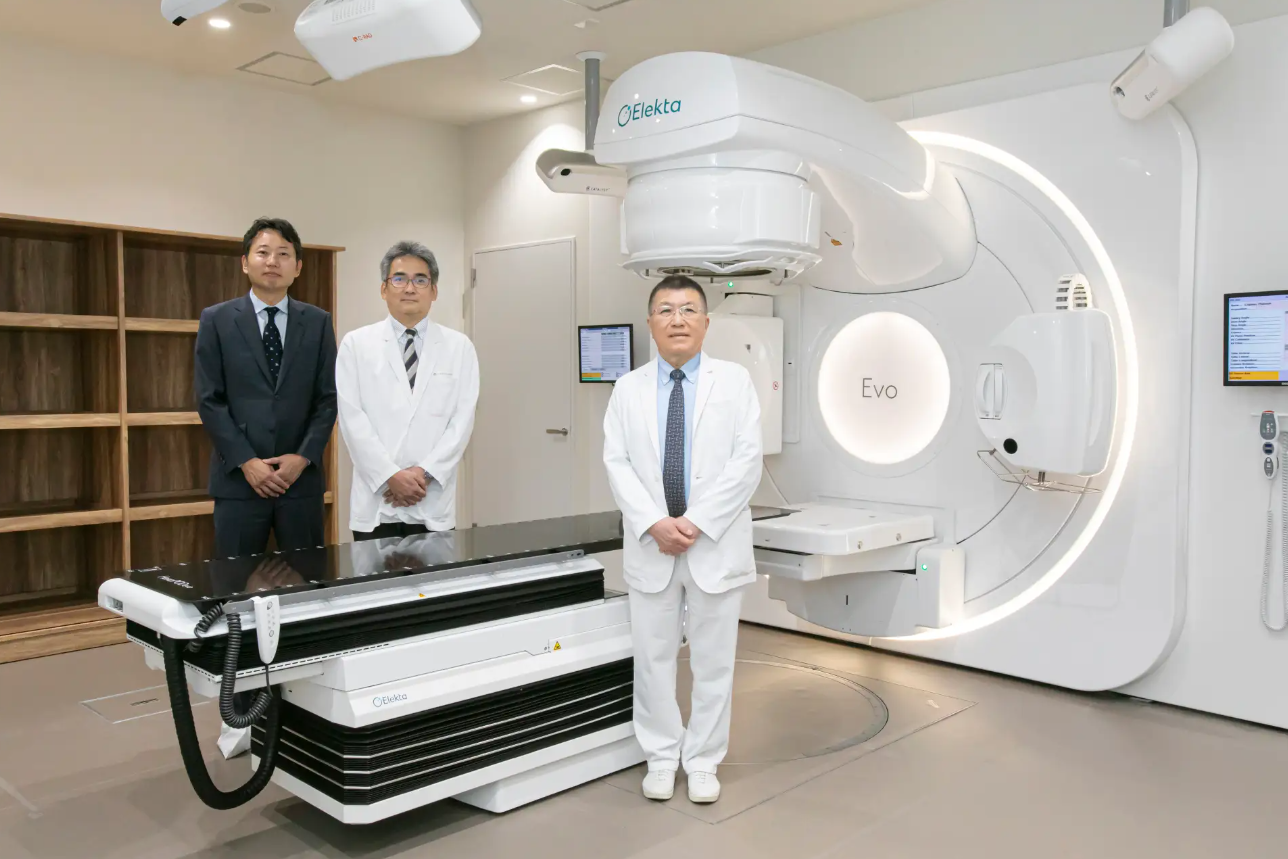
Hyogo Medical University Hospital to Launch Japan's First Elekta Evo Linear Accelerator System Treatments
Elekta K.K. announced on August 27 that its high-precision radiation therapy device, the Elekta Evo linear accelerator system, will be installed for the first time in Japan at Hyogo Medical University Hospital, with the first treatment scheduled to commence on September 24, 2026. This marks the entry of this next-generation radiation therapy system into clinical application in Japan. As the number of cancer patients increases, the demand for personalized and precise treatment in the field of radiation therapy continues to rise. The Elekta Evo is positioned as a next-generation radiation therapy system capable of covering both routine and more complex cancer treatment scenarios. The system is equipped with Iris, an AI-driven high-definition imaging technology, which enables clearer visualization of the positional relationships between organs in the patient's body...
2026-08-27
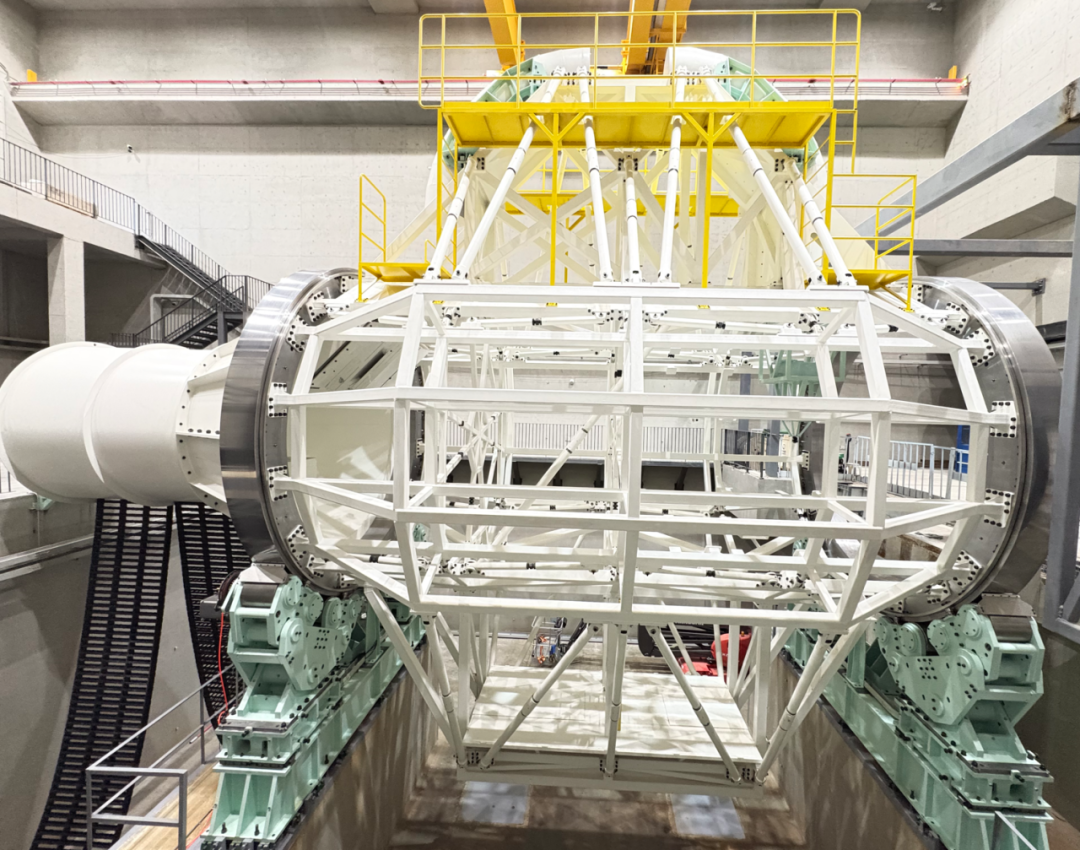
Lanzhou Taiji Completes Key Commissioning of First Domestic Multi-Ion Therapy Device HiTS400
The first domestically produced multi-ion therapy device HiTS400, independently developed by Lanzhou Taiji and installed at Shandong Cancer Hospital, recently completed phased joint commissioning. After one week of operational testing, all beam parameters of the device met or exceeded contractual requirements, laying the foundation for subsequent clinical registration work. According to reports, HiTS400 is a medical ion accelerator independently developed by Lanzhou Taiji with full intellectual property rights. It can stably deliver four ion species: C^6+, H^+, He^2+, and O^8+, and is equipped with multi-angle fixed treatment nozzles and a lightweight superconducting heavy-ion rotating gantry, integrating modulated scanning technology to advance the development and application of multi-ion combined therapy devices. On August 14, 2026, the device obtained an amendment to its Radiation Safety License from the Ministry of Ecology and Environment, granting qualification for commissioning and operation. In the early morning of August 20, the equipment achieved stable acceleration and precise extraction of carbon ion beams. Measured data show that the particle number after synchrotron acceleration reached 3.26E9 ppp, the terminal particle number reached 3.02E9 ppp, the extraction efficiency was 92%, and beam stability was no less than 95%.
2026-08-26
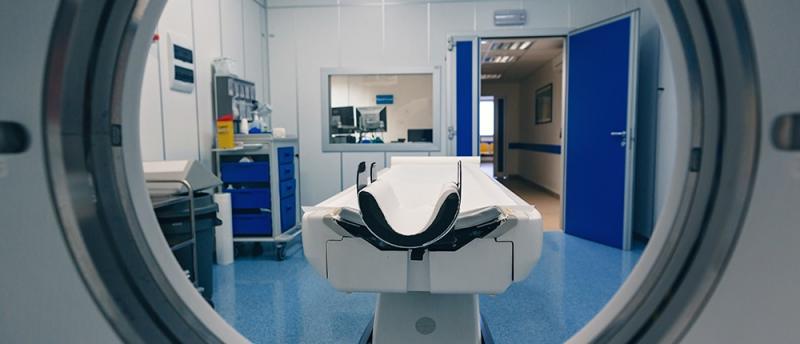
South Korea's SEC Joins National R&D Project for Active Dose Distribution Control Radiotherapy Equipment
South Korean electron beam source technology company SEC announced on August 25 that it has been selected as a joint research institution for the world's best active dose distribution control radiotherapy machine R&D project, and will participate in the development of core technologies related to next-generation radiotherapy equipment. The project is a newly established task under the Global Flagship Medical Device R&D Program of the South Korean government's medical device R&D fund, with a duration of 6 years and 6 months, starting from July this year and planned to continue until December 2032. The total project budget is 35.2 billion KRW, of which 28 billion KRW is government funding. Radexel serves as the lead institution, with SEC participating as a joint research institution. Other participating organizations include the Korea Atomic Energy Research Institute, Korea Testing Laboratory...
2026-08-25
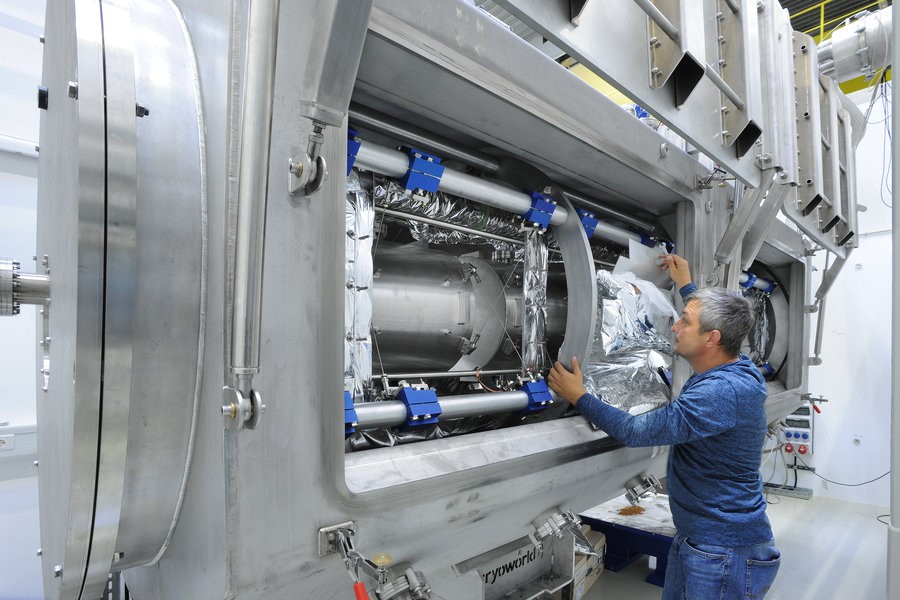
German SIBAF Project Receives €9.7 Million to Support Fusion Materials Research
On August 20, 2026, with funding from the German Federal Ministry of Research, Technology and Space (BMFTR), the SIBAF project will launch the construction of an accelerator infrastructure for fusion materials research. The project, whose full name is Superconducting Ion Accelerator as a Foundational Technology for Fusion Research, will receive €9.7 million over three years, of which €8.1 million is allocated to the GSI Helmholtz Centre for Heavy Ion Research (GSI) and its Facility for Antiproton and Ion Research (FAIR), currently under construction. Goethe University Frankfurt will also participate in the project. SIBAF is part of the funding program "Fusion Foundational Technologies — Toward the Fusion Power Plant." Project objectives...
2026-08-21
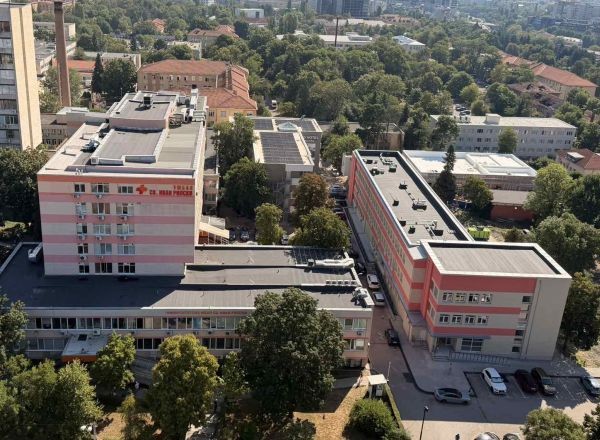
Construction of Radiotherapy and Radiosurgery Center Completed at Bulgaria's St. Ivan Rilski University Hospital
All construction and repair work for the new Radiotherapy and Radiosurgery Center at Bulgaria's St. Ivan Rilski University Hospital has been fully completed. According to the hospital, a latest-generation medical linear accelerator has been installed in the center, capable of sub-millimeter patient positioning accuracy. The equipment was delivered by the Ministry of Health under the National Recovery and Resilience Plan, as part of the investment project for the modernization of the national system for diagnosis and treatment of oncological diseases, funded by the European Commission's Recovery and Resilience Facility. The device is a TrueBeam-EDGE linear accelerator manufactured by Varian Medical Systems, equipped with BrainLab's ExactTrac Dynamic system, valued at 5.1 million...
2026-08-21