
Search Results
Keyword:accelerator
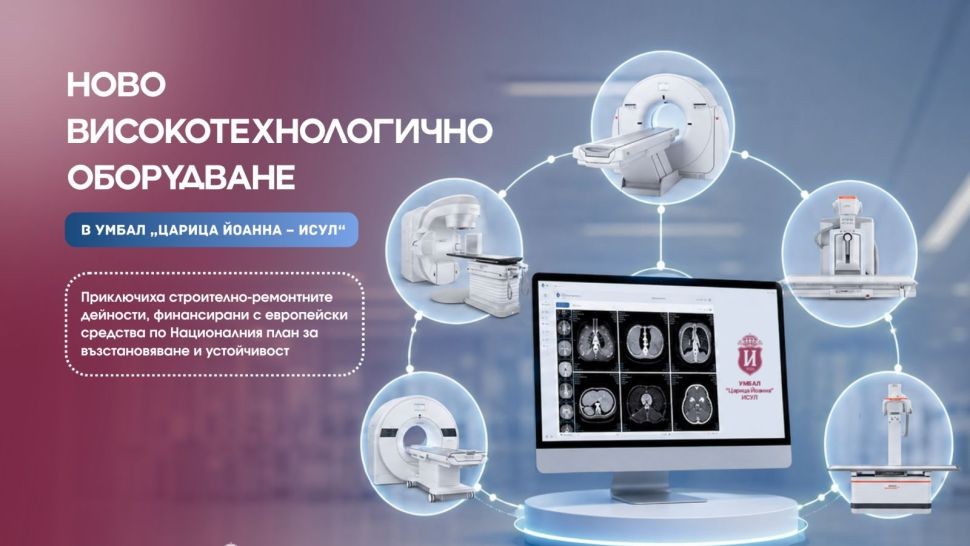
Five New Oncology Diagnostic and Treatment Devices at Bulgaria's ISUL Hospital Expected to Launch This Autumn
Queen Joanna - ISUL University Hospital in Bulgaria expects to begin operating five new devices for imaging diagnosis and treatment of oncological diseases starting early this autumn. The hospital stated that patients will be able to use these high-tech devices after the relevant licensing and approval procedures are completed. Source: Queen Joanna University Hospital - ISULThe newly added equipment is deployed in the imaging diagnostics department and the radiation oncology department. Among them, the radiation therapy department will be equipped with a TrueBeam v4.1 medical linear accelerator, primarily used for radiotherapy and radiosurgery. This device can deliver high-energy radiation to tumor tissue with greater precision, supporting high-precision dose planning to achieve the required therapeutic effect while minimizing radiation exposure to healthy tissues and organs surrounding the tumor.
2026-08-21
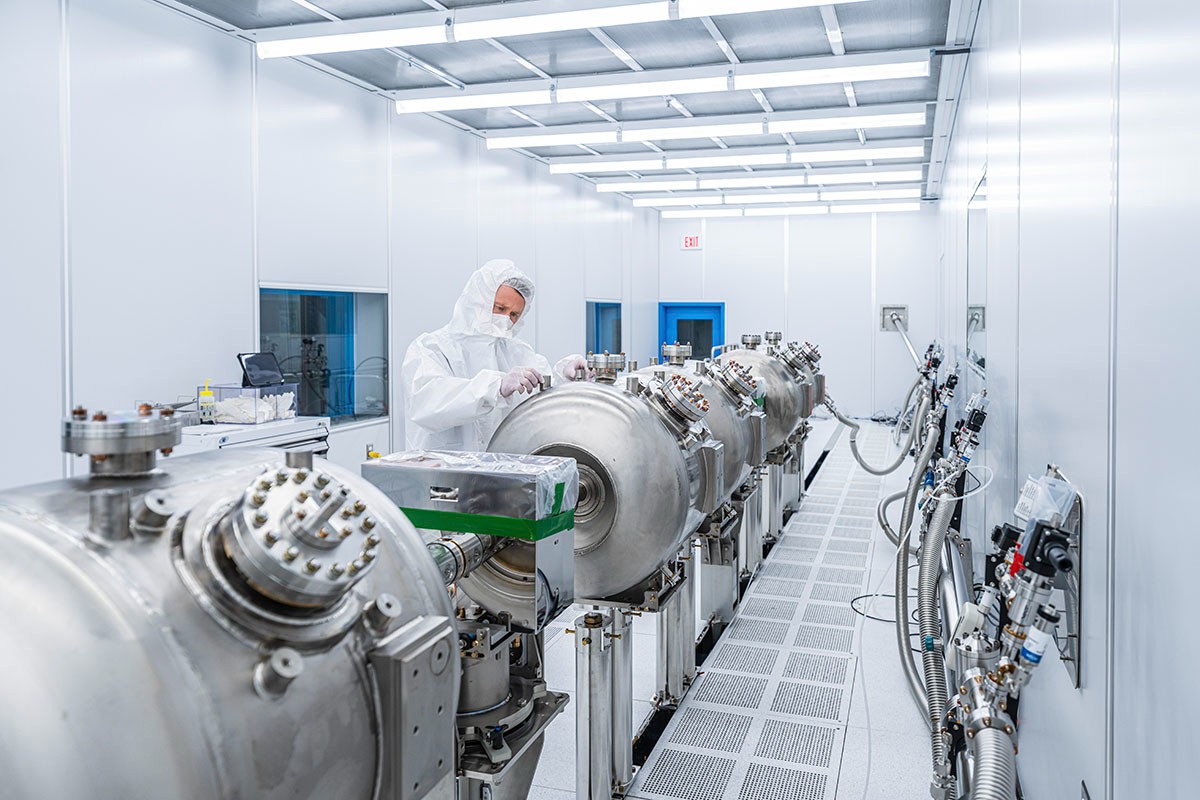
U.S. Department of Energy Selects Fermilab to Lead AI Project to Enhance Superconducting Radio-Frequency Cavity Control in Particle Accelerators
The U.S. Department of Energy's Genesis Program recently selected an artificial intelligence project led by Fermi National Accelerator Laboratory, supporting its collaboration with national laboratories, universities, and industry to use AI and machine learning technologies to improve resonance control in particle accelerators. The project aims to enhance accelerator operational performance and beam stability while reducing energy consumption and operating costs. Superconducting radio-frequency cavities are being assembled and tested, ready for installation on the Proton Improvement Plan-II at the Fermilab Accelerator Complex. By finely tuning the resonant frequency of the cavities, scientists can optimize acc...
2026-08-21
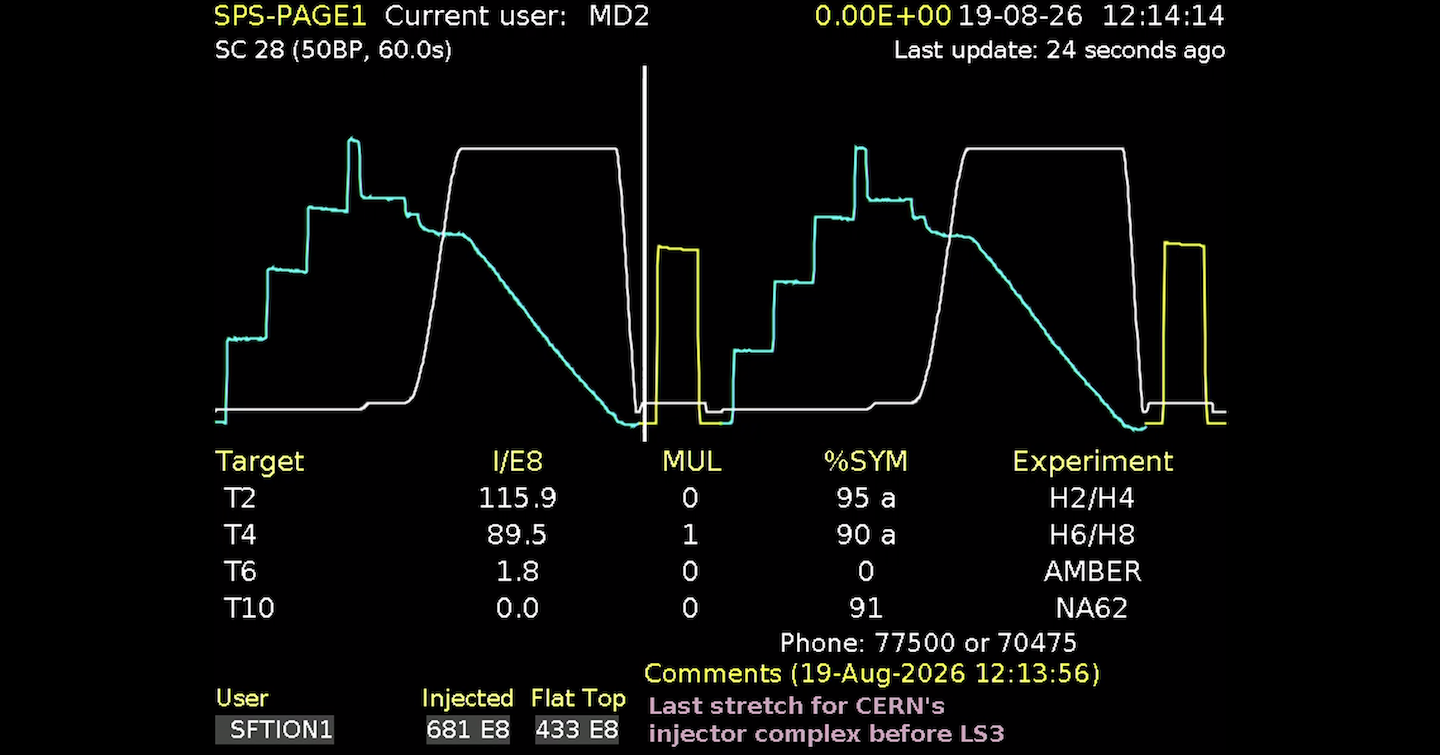
CERN Injector Complex Enters Final Beam Run Phase Before LS3
The CERN accelerator complex is entering its final operational phase before the third Long Shutdown (LS3). With the Large Hadron Collider (LHC) having already entered LS3, the injector complex and associated facilities will continue high-intensity beam operations until 6:00 a.m. on Monday, August 31, after which the operations team will hand over control to the LS3 coordination team, marking the formal transition of the entire accelerator complex into the shutdown maintenance phase. August 19, 2026, page one of the SPS. The third run of the injector complex is drawing to a close. (Image: CERN) During the final week-plus of operations, CERN will continue delivering proton and ion beams to physics experiments.
2026-08-21

Full-Life Technologies Completes Construction of Belgian Radiopharmaceutical Production Facility and Initiates Accelerator Commissioning
Full-Life Technologies (hereinafter referred to as "Full-Life"), a privately held, fully integrated, clinical-stage international radiopharmaceutical therapy company, announced on August 20 that its radiopharmaceutical production facility in Gembloux, Belgium, has completed construction and received authorization to commence accelerator commissioning and enter the initial ramp-up phase. (Full-Life Technologies Belgium Radiopharmaceutical Production Facility) This milestone marks a significant step forward in Full-Life's vertically integrated radioisotope production capabilities moving toward formal operational status. With the completion of facility construction, the company has entered the next phase of operational preparation, including accelerator installation, phased commissioning, and validation of critical safety and operational systems.
2026-08-20
Berkeley Lab Leads Development of Portable Active-Source Muon Imager
The U.S. Department of Energy's Lawrence Berkeley National Laboratory and Ideon Technologies have received funding from the DOE's Advanced Research Projects Agency-Energy (ARPA-E) to jointly develop a field-deployable active-source muon imaging technology through the Reliable Ore Characterization Using Cornerstone Sensing Technologies (ROCKS) program. The three-year project aims to enhance the detection and characterization of underground critical mineral resources. Image credit: Lawrence Berkeley National Laboratory. Muons are subatomic particles with strong penetrating capability. Previously, Ideon Technologies has used passive muons produced by cosmic rays in the atmosphere for ore body imaging in the mining sector, mapping mineral deposits and analyzing subsurface structures. However, passive muons primarily arrive from above, limiting detection angles; additionally, the natural flux is low—approximately one per square centimeter per minute—and imaging often requires days, weeks, or even months.
2026-08-20
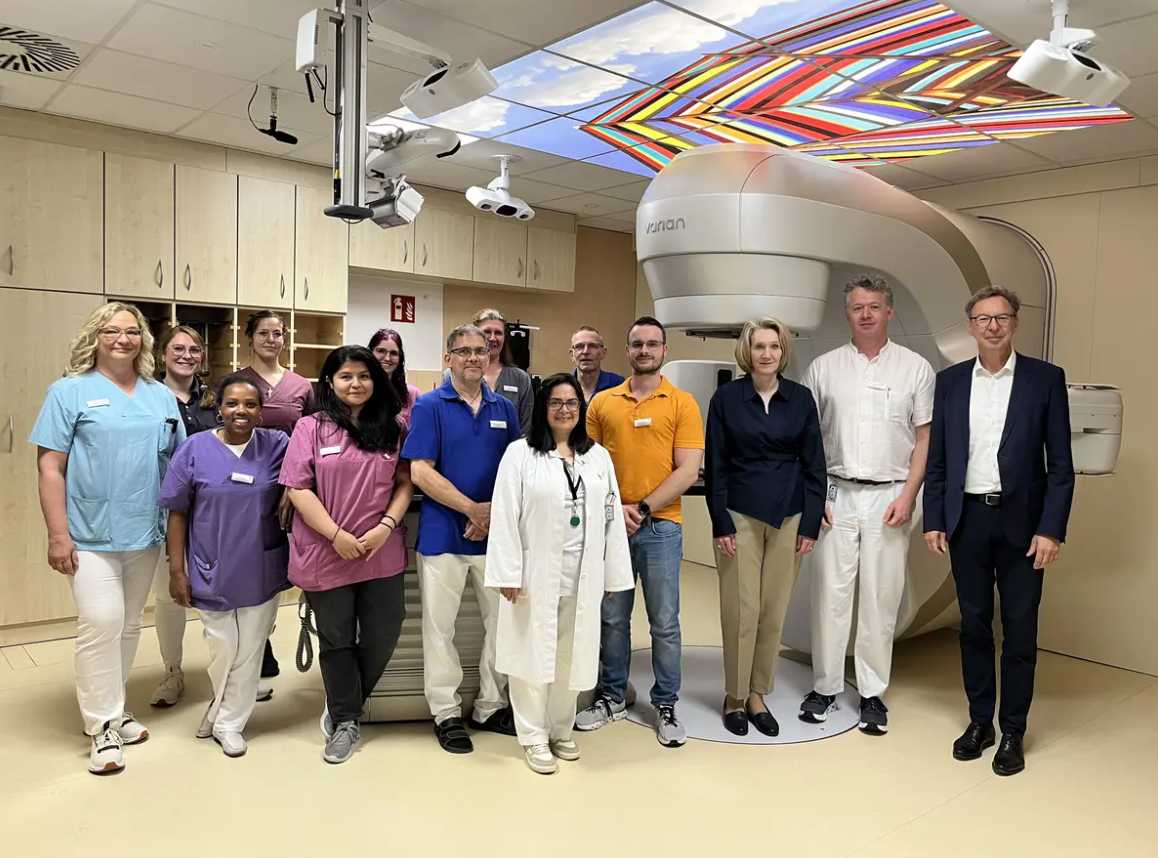
Second Radiotherapy Linear Accelerator Commissioned at Buchholz Hospital in Germany
The second medical linear accelerator for cancer radiotherapy at Buchholz Hospital in the North Heath region of Germany has been commissioned. The device was activated by the hospital's radiotherapy department under the direction of Chief Physician Dr. Günter Bohlen, marking a further enhancement of local oncological radiotherapy capabilities. The management of Buchholz Hospital and Winsen Hospital, Dr. Franziska von Brunnig (third from right) and Dr. Martin Meyer (first from right), together with Chief Physician Dr. Günter Bohlen (second from right) and the radiotherapy team, posed for a photo at the official commissioning ceremony of the second linear accelerator at Buchholz Hospital. Photo: Buchholz-Winsen Hospital. According to available information, Buchholz Hospital...
2026-08-20
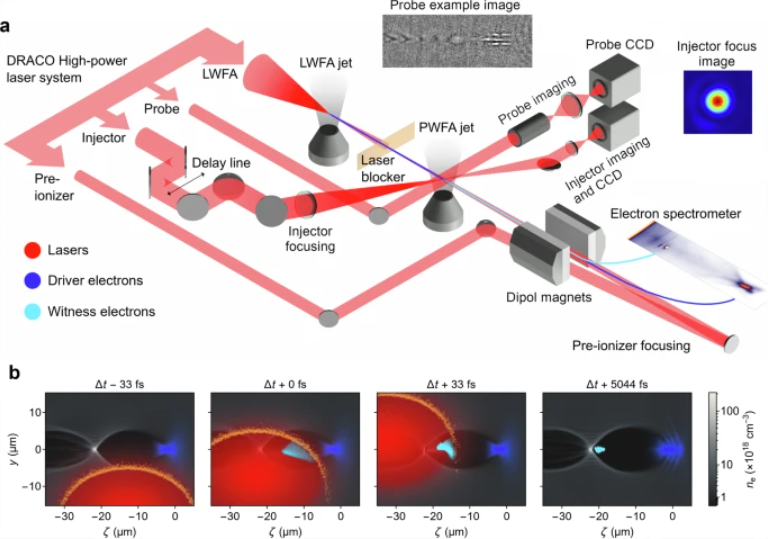
German research team achieves ultra-compact plasma photocathode injection
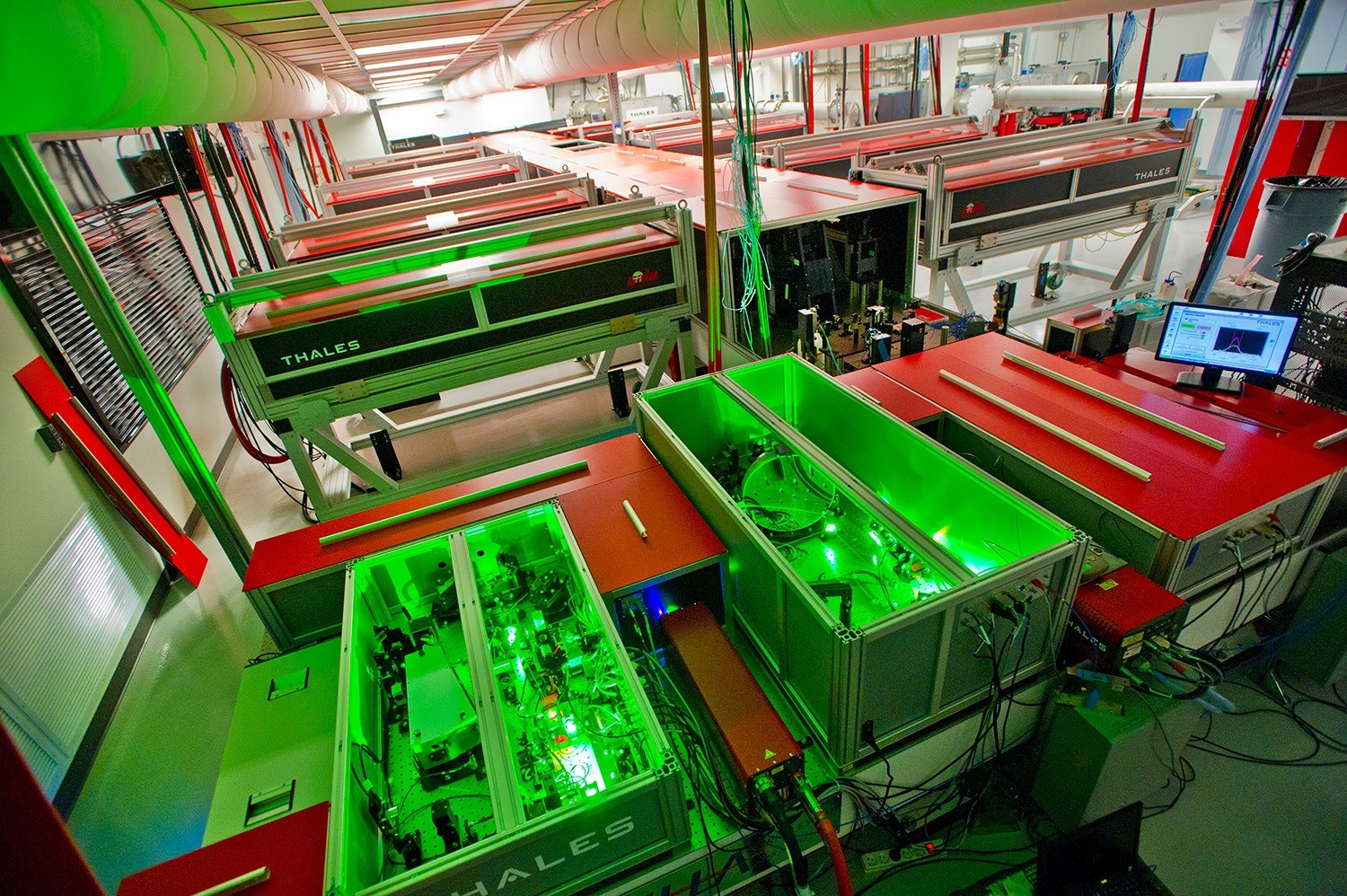
A research team from institutions including the Helmholtz-Zentrum Dresden-Rossendorf in Germany has demonstrated an ultra-compact plasma photocathode injection scheme integrated into a hybrid plasma wakefield accelerator on the DRACO laser facility. The study utilized a 150 TW-class laser system to drive a laser wakefield accelerator (LWFA), generating high-peak-current electron beams, which in turn drove a subsequent particle beam wakefield accelerator (PWFA), completing the generation and acceleration of witness electron beams within millimeter-scale plasma structures. Plasma wakefield accelerators can produce accelerating fields far exceeding those of conventional radiofrequency linear accelerators, but how to obtain high-quality, high-brightness electron beams in compact devices...
2026-08-18

Korea's COSMAX Partners with Pohang Accelerator Laboratory to Use Synchrotron Radiation Accelerator for Cosmetics R&D
COSMAX, a global cosmetics ODM company, announced on the 18th that it has signed a memorandum of understanding with the Pohang Accelerator Laboratory (PAL) in Korea to conduct cosmetics R&D using advanced scientific and technological infrastructure such as the synchrotron radiation accelerator. At the MOU signing ceremony held at the Pohang Accelerator Laboratory, COSMAX Group Chairman Lee Kyung-soo (left) poses with PAL Director Kim Jae-young. / Photo provided by COSMAX. According to reports, the Pohang Synchrotron Radiation Accelerator (PLS-II) operated by the Pohang Accelerator Laboratory generates light more than 10 billion times brighter than sunlight, enabling atomic-scale analysis of nanoscale material structures. Currently, the facility has been used for microstructural research across multiple industrial fields, including new drugs, semiconductors, and new materials.
2026-08-18
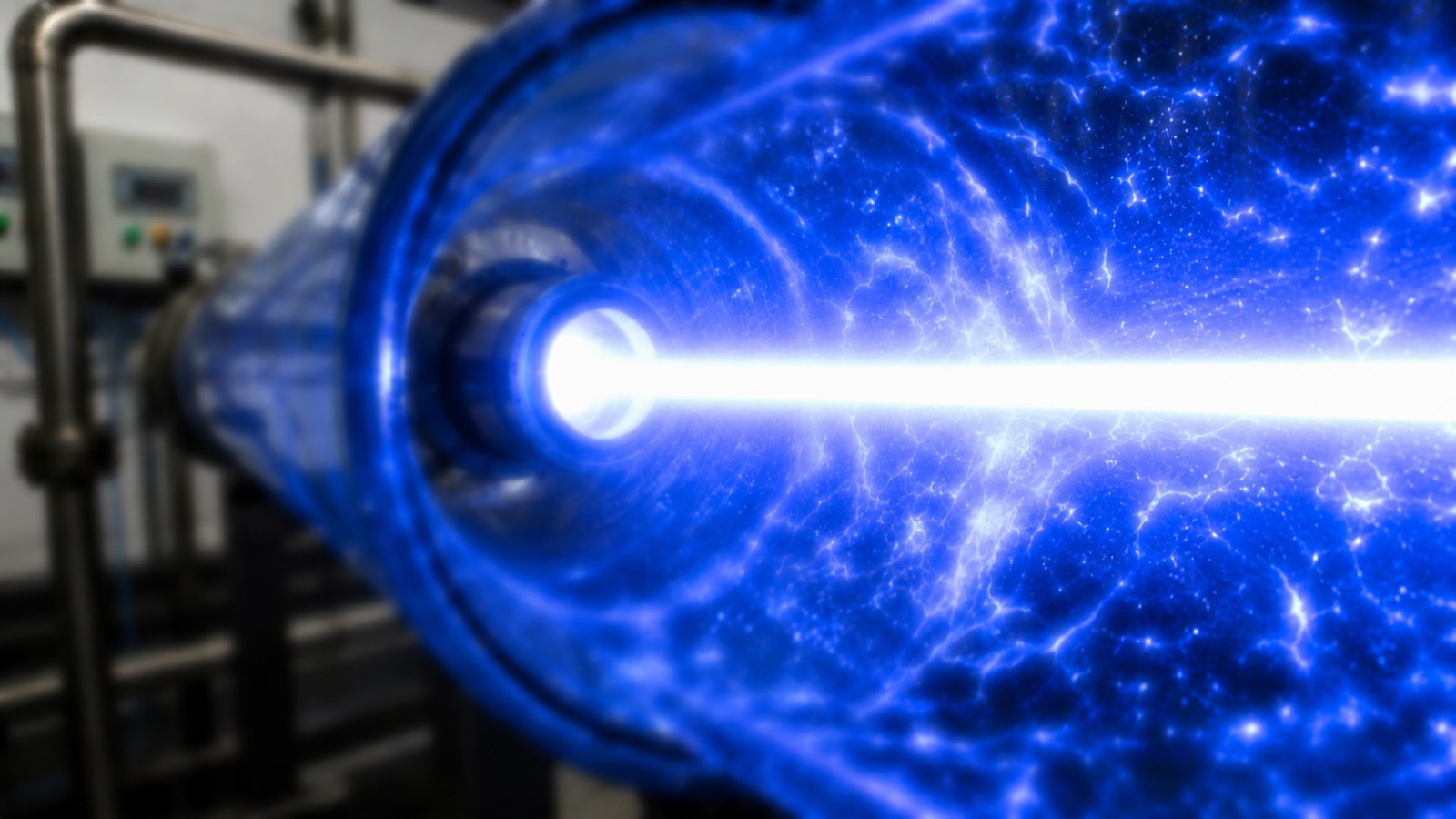
World's first laser plasma accelerator-driven high-resolution muon imaging experiment to launch in Romania
Ideon Technologies, a global subsurface detection muon tomography company, is participating in an international research consortium to conduct the world's first high-resolution muon imaging experiment driven entirely by a laser plasma accelerator. The experiment aims to use a compact accelerator to produce muon beams on demand for non-destructive high-resolution imaging, with applications targeting mineral production, critical infrastructure, cargo inspection, medical imaging, semiconductors, nuclear security, and space radiation testing. Consortium members include the University of Texas at Austin, the Extreme Light Infrastructure - Nuclear Physics (ELI-NP) facility team, Heinrich Heine University Düsseldorf, Helmholtz-Zentrum Dresden-Rossendorf, ELI-Beamlines, and Tau Systems.
2026-08-18
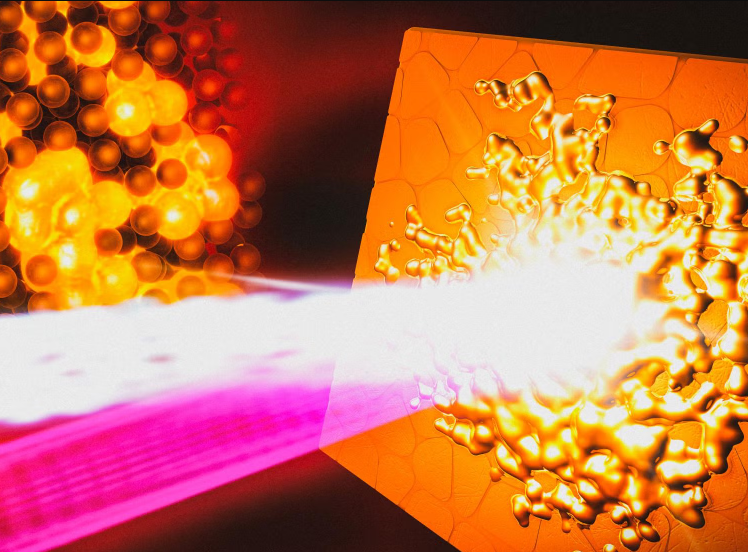
SLAC team observes progressive melting of copper under extreme heat in real time
Researchers at the SLAC National Accelerator Laboratory, under the U.S. Department of Energy, and their collaborators used the Mega-electron-volt Ultrafast Electron Diffraction (MeV-UED) facility to observe in real time the melting process of copper atoms under extreme temperatures. The study was published in Nature Communications. Future fusion power plants will need to replicate fusion reactions that occur inside stars here on Earth. The core plasma can reach temperatures of hundreds of millions of degrees Celsius, while surrounding structural materials must withstand sudden, intense thermal shocks. Copper and its alloys, owing to their excellent thermal conductivity, are considered capable of serving as "heat sinks" in fusion systems...
2026-08-15

Kazakhstan Enters a New Era of Atomic Energy, with the Institute of Nuclear Physics Viewed as a Key Pillar of the National Nuclear Industry
Kazakhstan is entering a new stage of nuclear energy development. The construction of a nuclear power plant means not only the addition of a major energy project, but also the need for the country to simultaneously establish a complete nuclear industry system, including research support, personnel training, experimental infrastructure, nuclear and radiation safety systems, and indigenous technological capabilities. The article points out that a nuclear power plant can be built using foreign project designs, but true scientific and technological capability cannot be purchased along with the equipment; it is gradually formed through the long-term operation of nuclear facilities, conducting research, training engineering teams, and passing on experience. Against this backdrop, the Institute of Nuclear Physics of Kazakhstan is regarded as an important pillar of the future nuclear energy industry. The institution...
2026-08-14
Maistop Completes Pre-A Round Financing to Advance Medical Radionuclide Industrialization via Electron Accelerator Method
August 12 news, Xi'an Maistop Technology Co., Ltd. recently completed its Pre-A round of financing, with investors including the Central Enterprise Strategic Emerging Fund and Guoxin Venture Capital Fund, both under China Reform Holdings Corporation. The proceeds from this round will primarily be used for site construction, equipment procurement, technology R&D, and daily operations. Founded in 2019, Maistop is a technology enterprise engaged in the R&D and production of medical radionuclides as well as nuclear medicine technical services. The company focuses on the preparation of medical radionuclides via the electron accelerator photonuclear reaction method, with core products including Actinium-225, Lead-212, Copper-67, and Molybdenum-99. Among these, Actinium-225 is a scarce radionuclide of significant interest in alpha-emitting nuclide targeted therapy, with relatively strong global clinical demand...
2026-08-13
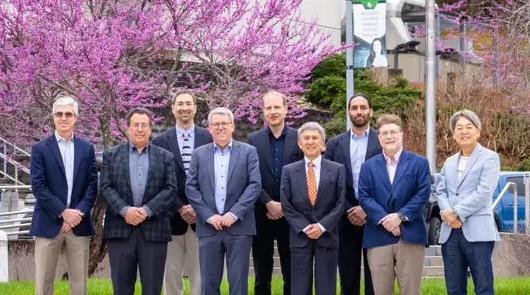
Kyoto Fusioneering and Oak Ridge to Build World's First Fusion Blanket Verification Facility UNITY-3
Kyoto Fusioneering (KF), a Japanese fusion energy engineering company, announced that it will jointly build a facility named UNITY-3 with the U.S. Oak Ridge National Laboratory (ORNL) to verify the breeding blanket technology required for commercial fusion power plants. The project is described as the world's first facility dedicated to breeding blanket demonstration, and KF will also relocate its U.S. business base to Oak Ridge, Tennessee. The project has received support from the U.S. Department of Energy's relevant roadmap, Tennessee's nuclear energy supply chain investment fund, and the DOE, indicating that the fusion industry is shifting from purely plasma physics breakthroughs toward engineering, system integration, and supply chain development. The breeding blanket is a critical component for deuterium-tritium fusion power...
2026-08-12
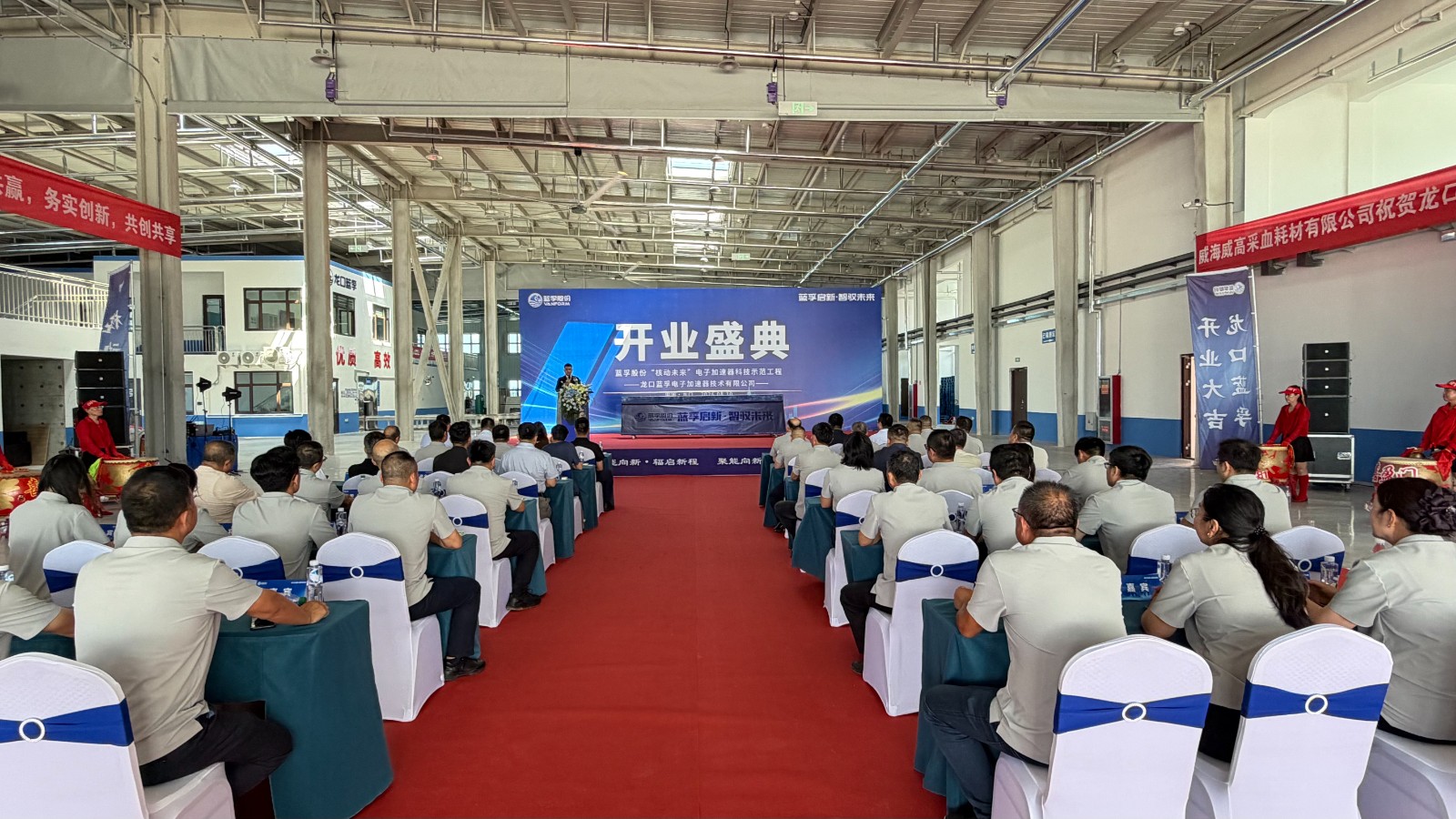
Longkou Lanfu Electron Accelerator Technology Co., Ltd. Commences Operations, Deploying High-Energy Electron Beam Irradiation Processing
On August 10, 2026, Longkou Lanfu Electron Accelerator Technology Co., Ltd. held its opening ceremony. Government officials, industry experts, university scholars, partners, and the management team of Lanfu Co., Ltd. attended the event to jointly witness the launch of the Longkou Irradiation Center. At the ceremony, Liu Zhongli, Dean of the School of Nuclear Engineering at Yantai University, recognized Lanfu's development in related technology fields from the perspectives of industrial cooperation and industry-academia-research integration. Customer representatives noted that Lanfu has built a solid reputation in technical services and corporate commitment fulfillment. Miao Cuibo, Chairman of Lanfu Co., Ltd., stated in his address that the company has long been deeply engaged in the field of high-energy electron beam irradiation technology, with a service network covering multiple core regions nationwide, and continues to drive industrial quality improvement and efficiency enhancement through technological innovation.
2026-08-11
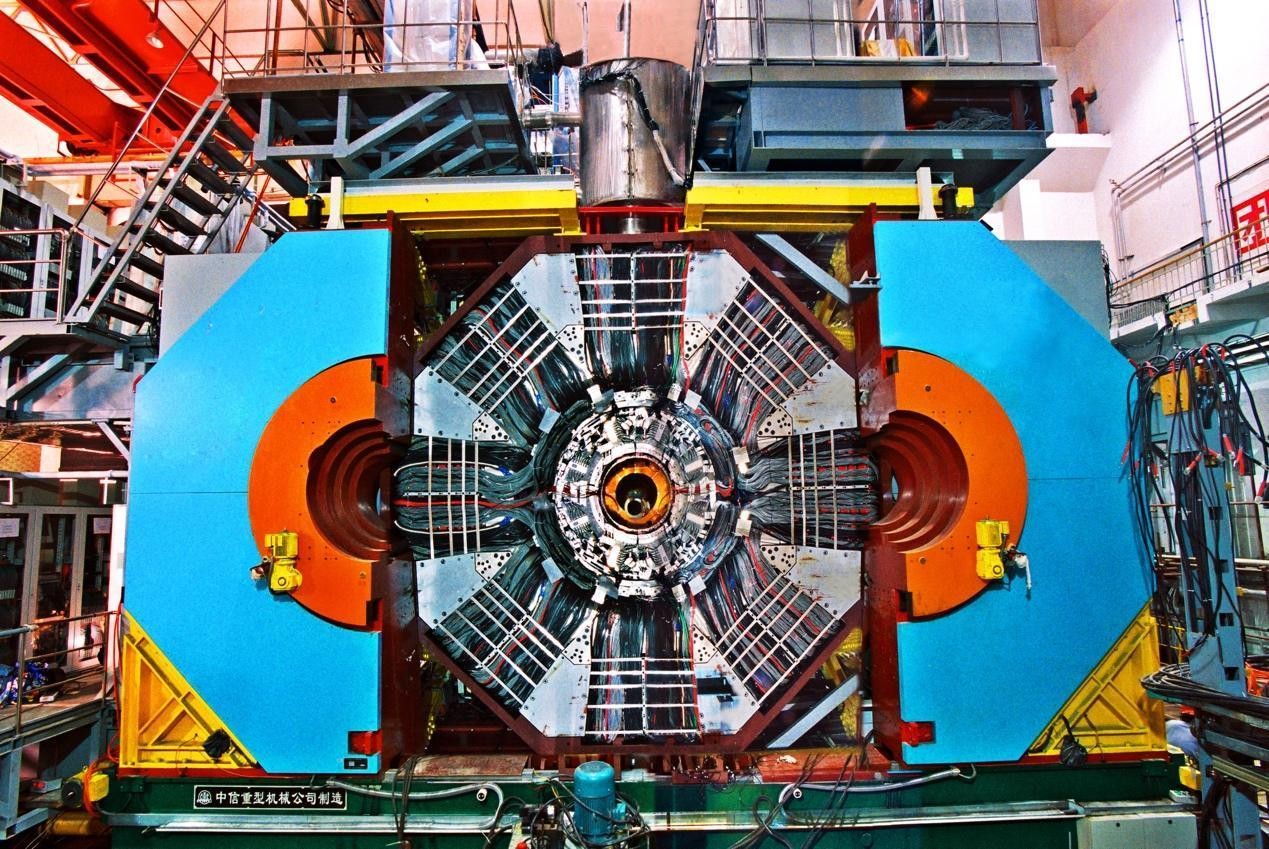
"Smashing Out" More New Particles Unknown to Humanity — Exploring the Upgraded Beijing Electron-Positron Collider After Its Second Renovation
Beside Yuquan Road in Beijing, beneath an ancient courtyard surrounded by lush greenery, lies a giant scientific facility shaped like a badminton racket — the Beijing Electron-Positron Collider. Inside this 240-meter-circumference ring-shaped device, electrons and positrons can be accelerated to near the speed of light and smashed head-on into each other. By studying the microscopic particles produced in these collisions, scientists explore the fundamental laws governing the microscopic world, verify existing physical theories, and search for unknown new particles. Recently, a reporter visited this facility to uncover the secrets of this national heavyweight that has just completed its second major upgrade. After this renovation, key indicators such as collision energy and collision luminosity have been significantly improved, achieving a historic breakthrough in core performance. Since its completion...
2026-08-11