
Search Results
Keyword:heavy water
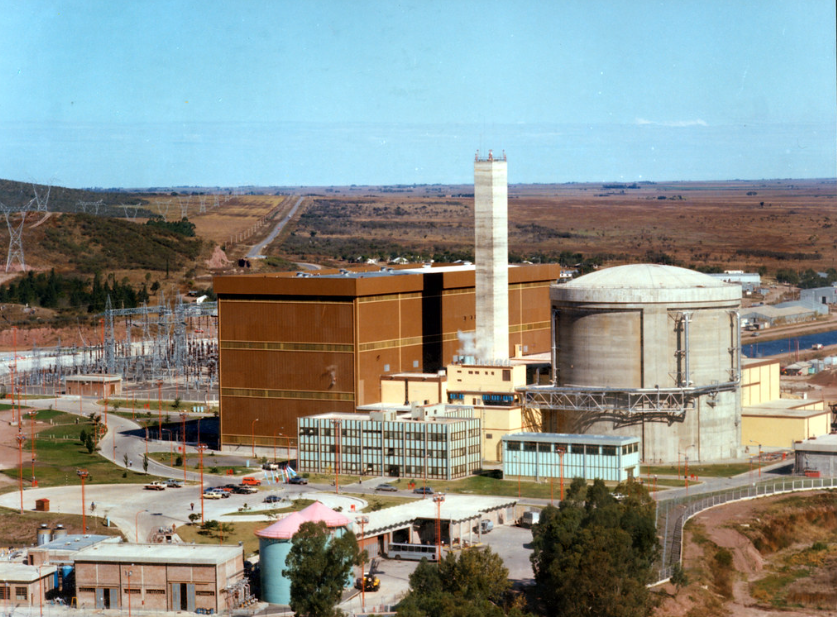
Romania and Argentina Nuclear Power Companies Sign Memorandum of Understanding to Deepen CANDU 6 Heavy Water Reactor Technology Cooperation
Romania's National Nuclear Power Company (SNN) and Argentina's Nuclear Power Company (NASA) signed a non-binding memorandum of understanding on Thursday. According to a press release issued by the Romanian company, the two parties will engage in in-depth cooperation in the operation and development of CANDU 6 heavy water reactor technology. Both companies possess strong technical strength and rich practical experience in the engineering design, daily operation, equipment maintenance, large-scale project management, life extension, nuclear safety analysis, and reactor operation of CANDU 6 technology nuclear reactors. Argentina's Nuclear Power Company had previously successfully completed the refurbishment and upgrade of the Embalse Nuclear Power Plant, which uses CANDU technology...
2026-09-18
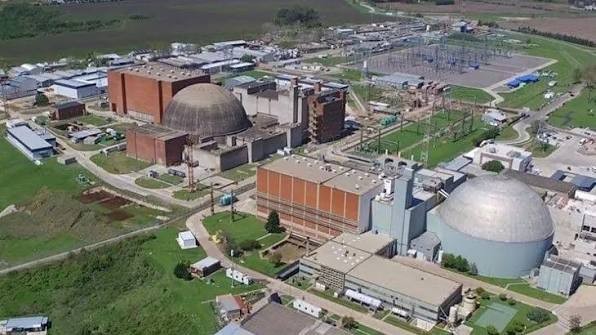
Argentina's Atucha II Nuclear Power Plant Ranks First in National Installed Capacity
Atucha II Nuclear Power Plant is located in Lima, Buenos Aires Province, Argentina, and is part of the Atucha nuclear power plant complex, adjacent to Atucha I, the first nuclear power plant in Latin America. The unit has an installed capacity of 745 megawatts, making it the largest nuclear power unit in Argentina by installed capacity. The recent phase of the Atucha II project's construction process began in 2006, when relevant parties initiated engineering completion work. Unit installation was completed in 2011, followed by a pre-commissioning testing phase during which systems were verified item by item. On June 3, 2014, the Atucha II reactor was first started up. Several weeks later, the plant supplied electricity to Argentina's national grid for the first time, and obtained its commercial operation license in May 2016...
2026-09-02
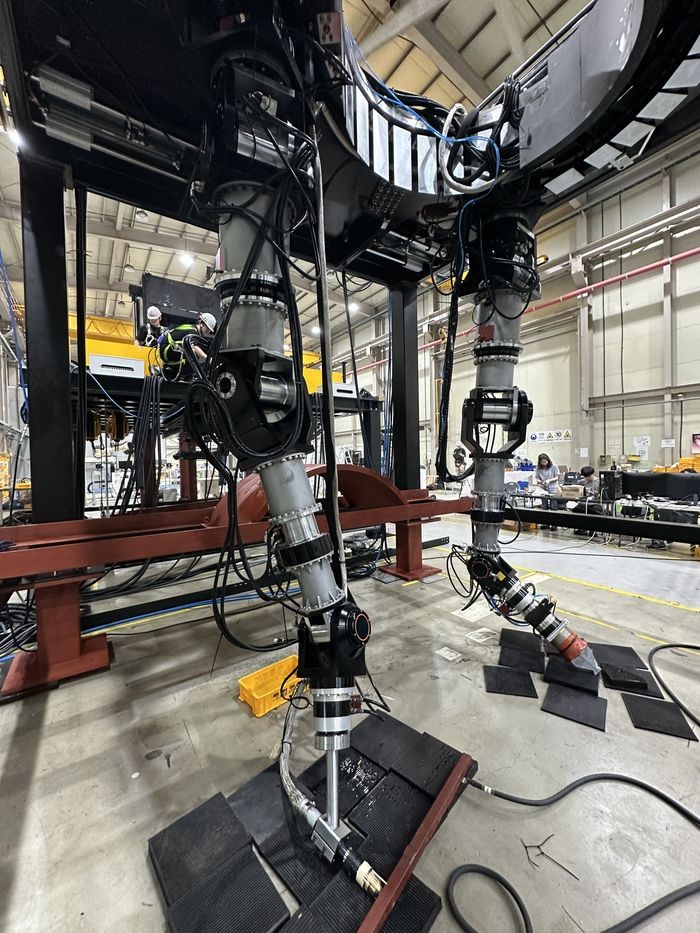
South Korea's KNR Systems Completes Development of Robotic System for PHWR Decommissioning
KNR Systems announced on August 31 that it has completed the development of a platform system for remote cutting and dismantling of radioactive structures in Pressurized Heavy Water Reactors (PHWR), with final delivery scheduled to commence in September this year. The system originates from a government-commissioned PHWR decommissioning demonstration project. The project, valued at approximately 2.8 billion KRW, was awarded in January last year, with a development period of about seven months. Upon delivery, the equipment will be installed at the Heavy Water Reactor Decommissioning Technology Center of the Korea Research Institute of Decommissioning (KRID) in Gyeongju, for use in PHWR decommissioning demonstrations. Compared with light water reactors, PHWRs have more complex internal structures and typically higher levels of radioactive contamination, making dismantling operations more challenging.
2026-08-31
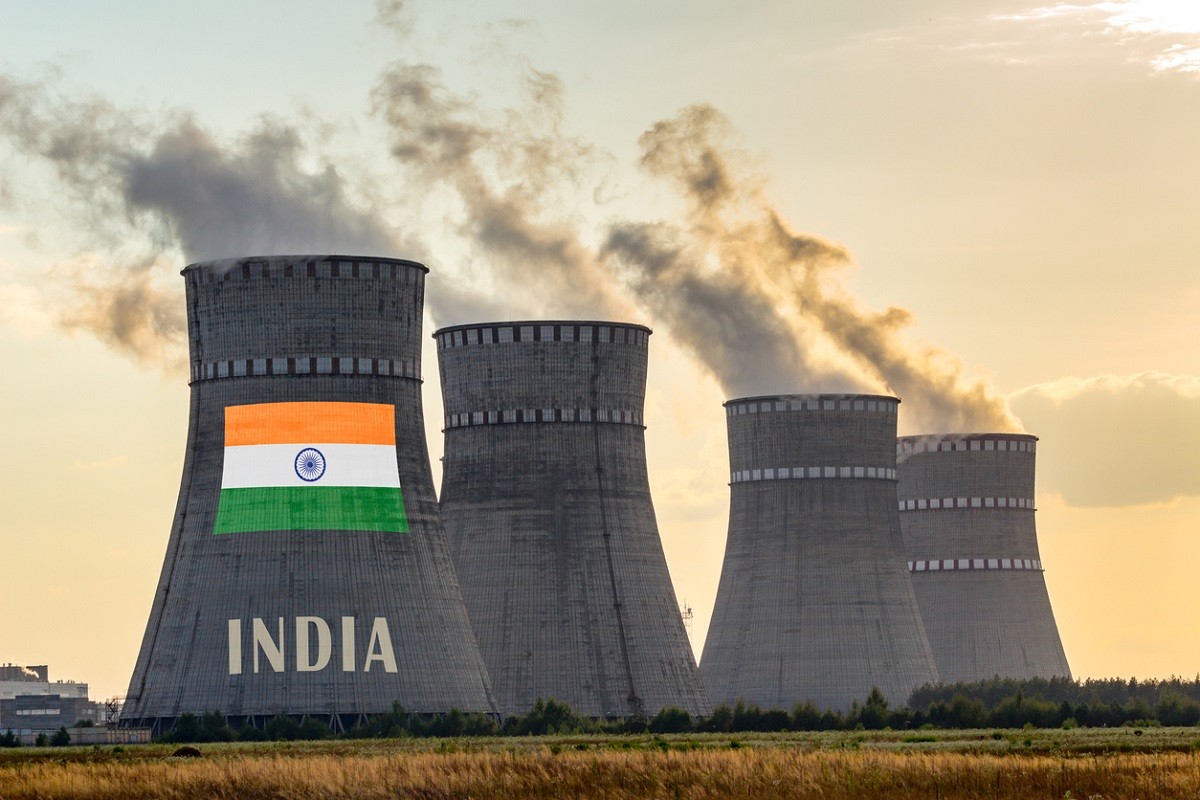
Indian private enterprises lean toward 700 MWe pressurized heavy water reactors to enter nuclear power market
As India plans to significantly expand its nuclear power capacity, the domestically developed 700 MWe pressurized heavy water reactor (PHWR) is emerging as the primary choice for new entrants in the country's civilian nuclear power sector. Industry players believe this reactor type has established a relatively mature design, supply chain, and engineering service system, making it more suitable as a starting point for private enterprises to enter the nuclear power field. India has proposed increasing its domestic civilian nuclear power capacity to 100 GWe by 2047. Recently, India released the draft rules for the SHANTI Act, establishing a regulatory framework for a broader nuclear power ecosystem, covering private participation, captive power generation, licensing management, safety oversight, and nuclear liability. At an energy summit held in New Delhi...
2026-08-23
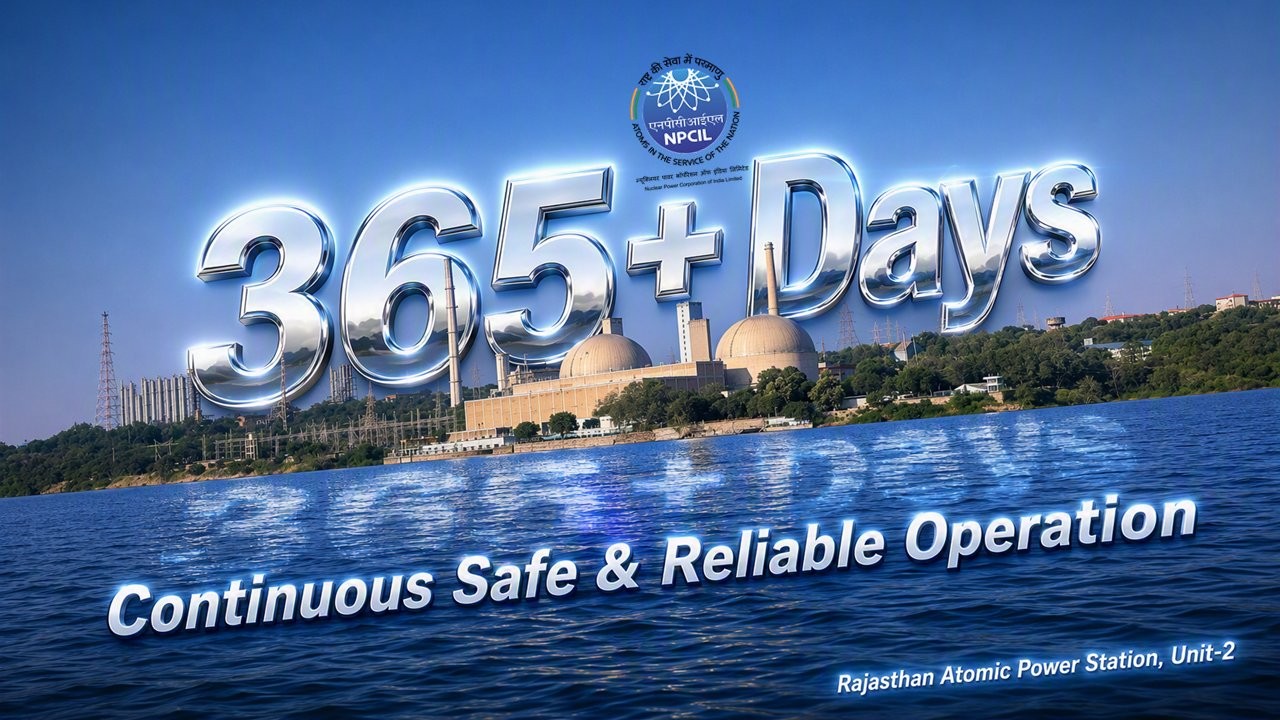
Rajasthan Atomic Power Station Unit 2 Achieves First Full Year of Continuous Operation
Rajasthan Atomic Power Station Unit 2 (RAPS-2) achieved one full year of continuous operation on August 15, 2026. This marks the first time the unit has completed a full year of uninterrupted operation since it was commissioned, coinciding with India's 80th Independence Day. RAPS-2 is operated by the Nuclear Power Corporation of India Limited (NPCIL) and is one of the oldest pressurized heavy water reactor (PHWR) units still in operation by the company. This milestone of one full year of continuous operation is regarded as a significant reflection of the unit's operational management and equipment maintenance standards. Relevant information indicates that this operational record reflects the sustained commitment of Units 1 and 2 at the Rajasthan Atomic Power Station in safety culture, aging management, technical support, and operational organization, and also demonstrates the collaborative efforts of the on-site operations, maintenance, engineering, and support teams in ensuring stable unit operation.
2026-08-19
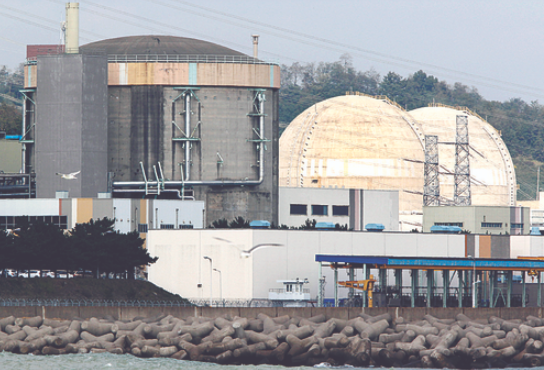
South Korea's Wolsong Nuclear Power Plant Units 2, 3, and 4 Pressure Tube Procurement Pushed for Preliminary Feasibility Study Exemption, Sparking Controversy
The lifetime extension issue for South Korea's Wolsong Nuclear Power Plant Units 2, 3, and 4 has not yet been finalized, yet the procurement of pressure tubes—the core equipment—is being pushed to be excluded from the preliminary feasibility study, triggering a direct confrontation between industry circles and environmental groups. The Korea Hydro & Nuclear Power labor union recently submitted a proposal to Democratic Party lawmaker Song Young-gil, requesting that the government grant a preliminary feasibility study exemption for the relevant procurement and initiate ordering at the earliest opportunity. Song subsequently forwarded the opinion to the Office for Government Policy Coordination. It is understood that the government is internally considering submitting the matter as an exemption case for deliberation at the September State Council meeting. Supporters argue that Wolsong Units 2, 3, and 4 are pressurized heavy water reactors, and pressure tubes are critical equipment determining unit operation, from order placement...
2026-08-13
South Korea Advances First Domestic Commercial Production of Lu-177 Using Wolsong Heavy Water Reactors
Korea Hydro & Nuclear Power (KHNP) plans to use the heavy water reactors at the Wolsong Nuclear Power Plant to produce, for the first time domestically, the radioisotope lutetium-177 (Lu-177) for cancer treatment. Currently, South Korea relies entirely on imports for this material, which imposes cost pressures and supply instability on local radiopharmaceutical companies such as Cellbion and FutureChem. Industry experts generally believe that domestic production will help build a diversified supply chain and shorten transportation times. The primary goal of this plan is to achieve commercial production of Lu-177, with pilot production expected in 2028 and full-scale production commencing in 2031. Subsequently, KHNP will expand production to include cobalt...
2026-08-06
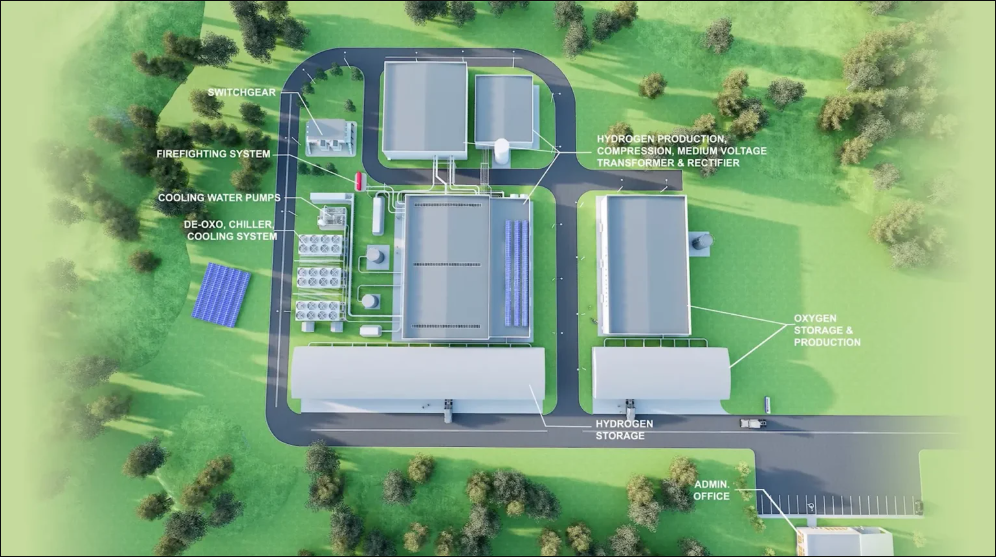
Aternium to Build First U.S. Heavy Water and High-Purity Hydrogen Production Facility in Delaware
Aternium announced on August 4 that it has selected Dover, Delaware, as the site for its first commercial heavy water and electrolytic hydrogen production facility. The company has reached a definitive sales agreement for a parcel within Garrison Oak Technical Park, with the transaction expected to close by mid-Q4 2026. The project will serve as Aternium's flagship production initiative in the United States, planned to produce heavy water (deuterium oxide) and high-purity hydrogen. According to company disclosures, the project is expected to bring at least $226 million in capital investment to Dover, create dozens of direct and supporting jobs, and generate hundreds of construction jobs during the build-out phase...
2026-08-05
NPCIL launches engineering design tender for 220 MWe Bharat Small Reactor
Nuclear Power Corporation of India Limited (NPCIL) has issued a tender notice inviting bids for plant engineering design and 3D modeling services for its 220 MWe-class Bharat Small Reactor (BSR) project. The reactor design is based on India's existing 220 MWe pressurized heavy water reactor (PHWR) technology, with a bid submission deadline of August 10. The scope of this tender covers general design and engineering services for civil, process, mechanical, piping, electrical, control and instrumentation systems, as well as heating, ventilation and air conditioning systems, pipe stress analysis, and 3D computer modeling. NPCIL aims to select a supplier capable of delivering an integrated engineering solution and providing support for subsequent detailed design verification, construction and commissioning documentation. The project requires suppliers to prioritize quality assurance and comply with relevant regulatory and technical standards.
2026-08-04
South Korea Plans to Establish Radioisotope Commercialization Company, Targeting Trial Production in 2028
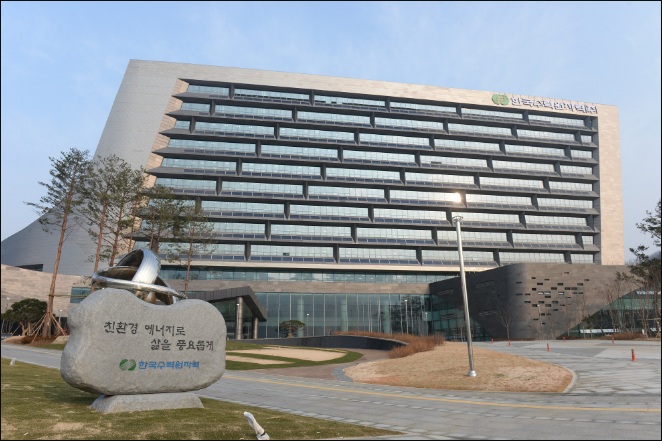
According to sources inside and outside the South Korean government on July 31, Korea Hydro & Nuclear Power (KHNP) and relevant departments including the Ministry of Economy and Finance plan to discuss the establishment of a special purpose company (SPC) for radioisotope commercialization. The company is proposed to be set up as a subsidiary of KHNP, with domestic private enterprises, including pharmaceutical companies, expected to participate in investment. Under the current plan, the South Korean government will determine the specific investment structure and business plan through inter-departmental consultations this year, and strive to complete the company's establishment by 2027. Subsequently, the relevant parties will push forward facility construction to produce radioisotopes using nuclear power plants, with the goal of commencing trial production in 2028. Radioisot...
2026-08-01
Heavy water leak at Wolseong Nuclear Power Plant Unit 2 in South Korea found to be far larger than initially reported
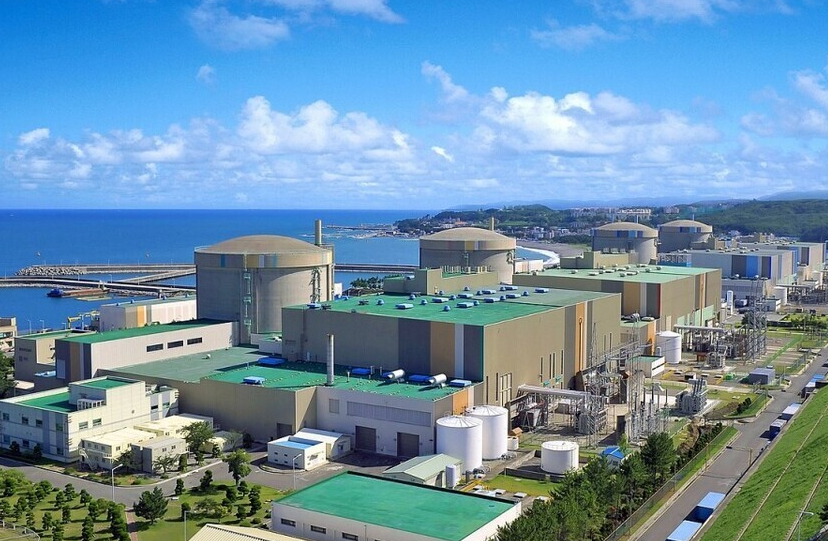
The actual scale of the heavy water leak that occurred at Wolseong Nuclear Power Plant Unit 2 in Gyeongju, North Gyeongsang Province, South Korea, in September last year, is reported to be far larger than the initially disclosed figure. The Gyeongju Environmental Movement Alliance disclosed on the 30th that a detailed internal report obtained from Korea Hydro & Nuclear Power (KHNP) shows the total amount of heavy water leaked was 1,311.15 kg, approximately five times the initially reported 256 kg, of which 5.14 kg was recorded as having leaked outdoors. After the incident, Korea Electric Power Corporation (KEPCO) had reported a heavy water leak of 256 kg and stated that no external leakage occurred. The detailed report now made public reveals...
2026-07-30