
Search Results
Keyword:nuclear
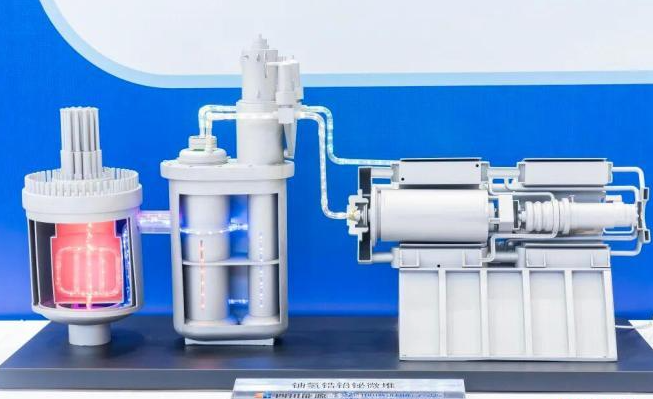
Sichuan Establishes Nuclear Industry Platform, Advanced Microreactor Enters Engineering Phase
Recently, the Microreactor Industry Co-construction Conference and the unveiling ceremony of Sichuan Energy Nuclear Industry Co., Ltd. were held in Chengdu, marking that China's independently developed advanced microreactor technology has officially moved from the laboratory R&D stage into a critical period of engineering demonstration and industrialization. As an important vehicle for the central-local coordinated deployment of advanced nuclear energy, the platform will connect technology, capital, and application scenarios, and shore up shortcomings in the development of distributed nuclear energy. It is reported that Sichuan Energy Nuclear Industry Co., Ltd. was jointly initiated and established by Sichuan Energy Development Group and the Nuclear Power Institute of China (NPIC), while simultaneously introducing the Guangdong-Hong Kong-Macao Greater Bay Area Venture Capital Guidance Fund, Chengdu Future Industry Venture Capital Fund, and other multi-level capital empowerment, with initial registered capital of 1 billion yuan.
2026-10-22
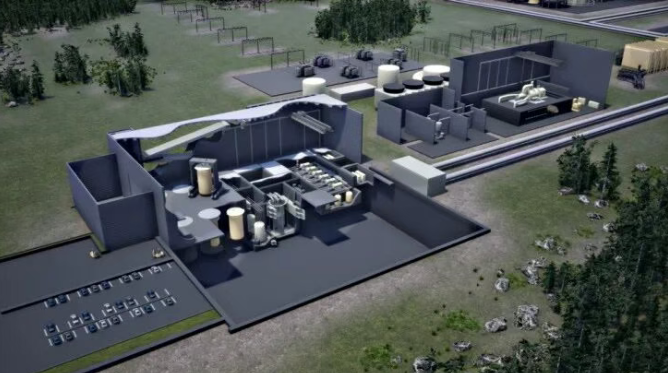
Canada's Terrestrial Energy Plans to Split IMSR Licensing to Accelerate Conventional Facility Construction and Financing
Recently, Canadian nuclear innovation company Terrestrial Energy announced that it has submitted a key topical report to the U.S. Nuclear Regulatory Commission (NRC). The company plans to license its Integral Molten Salt Reactor (IMSR) power plant as two separate parts—the nuclear facility and the Thermal and Electric Facility (TEF)—allowing the non-nuclear portion to be built and operated as a conventional industrial project before obtaining nuclear licensing. It is understood that the IMSR, as a Generation IV small modular reactor, uses molten salt as both fuel and coolant, and can directly supply heat to industrial facilities or be used for power generation. If the topical report is approved, the site-customizable TEF facilities will not be classified as nuclear facilities, thereby allowing developers to...
2026-10-22

The Philippines Advances Nuclear Power Planning, Aims for 1.2 GW by 2032
Recently, at the World Nuclear Supply Chain Conference held in Manila, the Philippine Department of Energy (DOE) announced that it is fully committed to establishing the policy, regulatory, and commercial foundations for the country's first nuclear power project. The Philippine energy roadmap sets a target of achieving 1.2 gigawatts (GW) of nuclear power installed capacity by 2032, with plans to further expand nuclear power scale to 4.8 GW by 2050. It is understood that with domestic electricity demand growing at an average annual rate of 3.6% and primary energy dependence on imports reaching as high as 51.5%, the Philippine government has positioned nuclear energy as a strategic choice for ensuring national energy security and promoting low-carbon transition. Energy Secretary Sharon Garin (...
2026-10-21
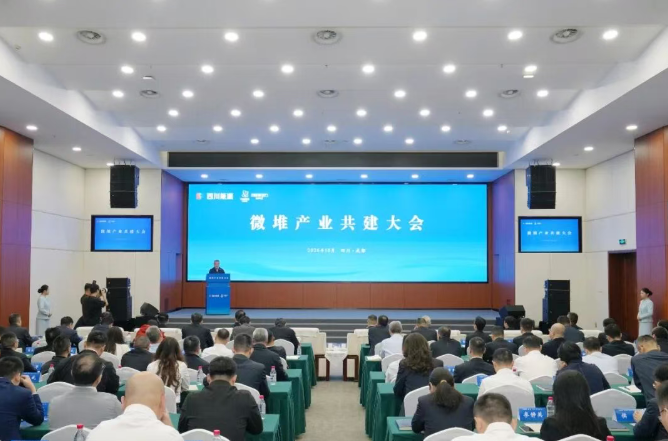
Sichuan Energy Nuclear Industry Company Unveiled in Chengdu, Accelerating Layout in the Microreactor New Track
On October 20, 2026, the Microreactor Industry Co-construction Conference and the Unveiling Ceremony of Sichuan Energy Nuclear Industry Co., Ltd. were held in Chengdu. The nuclear industry company was jointly established by Sichuan Energy Development Group and China Nuclear Power Research and Design Institute, with initial registered capital of 1 billion yuan. Positioned as a tier-2 platform of the group, it focuses on three major segments—advanced microreactors, green energy technologies, and nuclear technology applications—to build a comprehensive nuclear energy industry platform. It is understood that the newly established company adopts a central-local collaborative model of "technology sourcing + industrial undertaking." The Nuclear Power Institute, as one of the few organizations globally that possesses uranium-zirconium hydride fuel design and manufacturing technology, has achieved comprehensive breakthroughs in key technologies for lead-bismuth reactors after more than a decade of research; Sichuan Energy Development...
2026-10-21
Zhejiang Ziming Cryogenics Secures Investment from Two Major Central Energy SOEs to Scale Up Fusion Cryogenic Systems
Recently, Zhejiang Ziming Cryogenics Technology Co., Ltd. announced the completion of a new round of financing. This round brought together multiple institutions including the CNNC Science and Technology Innovation Fund under China National Nuclear Corporation and the Oriental Zhongying High-end Energy Equipment Fund managed by Dongfang Electric Group in partnership with Bank of China Asset Management, marking the capital market's strong recognition of the company's breakthroughs in bottleneck cryogenic technologies and engineering applications. Founded in 2022, Ziming Cryogenics has long been dedicated to the research and development of ultra-low temperature technologies and core equipment, specializing in complete cryogenic system solutions, high-capacity Stirling cryocoolers, ultra-low temperature precision control valves, and cryogenic pumps and fans. Currently, its kilowatt-class Stirling cryocoolers, covering...
2026-10-21
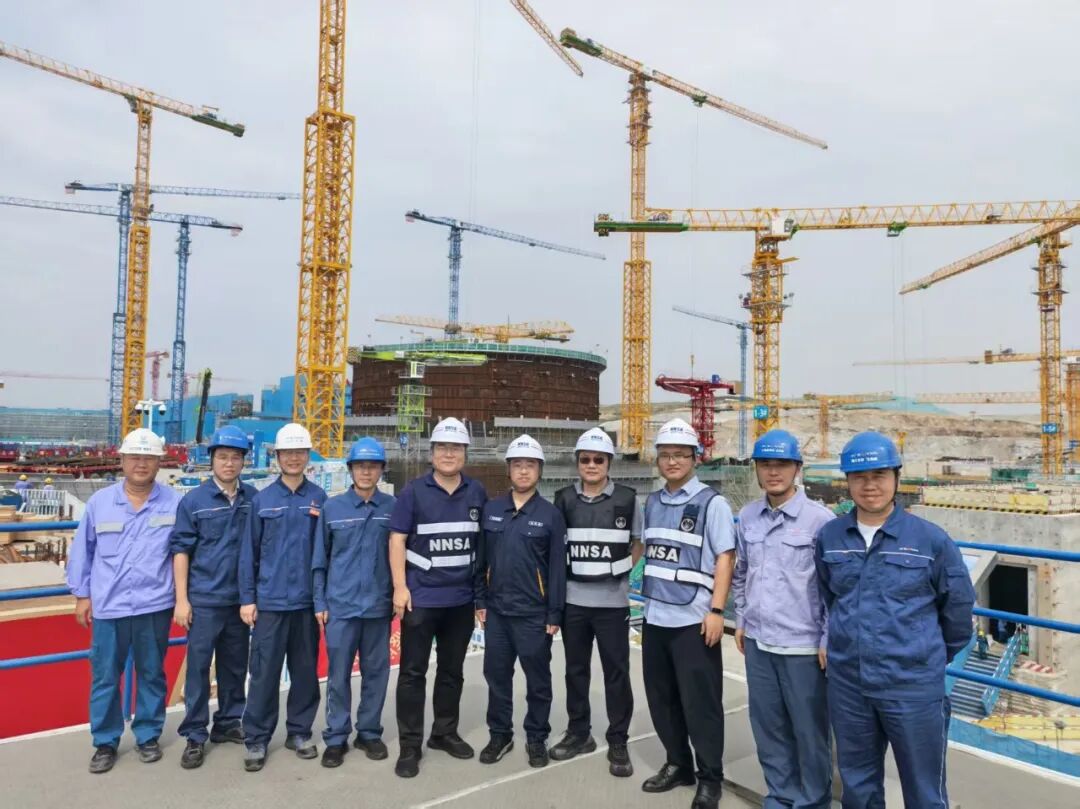
Nuclear safety starts from "one foundation"
The most important building of a nuclear power plant is the nuclear island. The weight of the containment, reactor core, and main equipment of the nuclear island all rests on a single concrete raft foundation. This foundation must withstand the static weight of the nuclear island and also resist extreme loads under earthquake and accident conditions. It is the first safety foundation of a nuclear power plant. Therefore, the mass concrete pouring requirements for the nuclear island foundation are stricter than those for any civil building: it cannot stop, cannot crack, and cannot have seams. Thousands of cubic meters are formed in a single continuous pour. Once pouring begins, it cannot stop for dozens of hours, with people resting but machines not stopping. The Ministry of Ecology and Environment (National Nuclear Safety Administration) attaches great importance to the quality of the nuclear island foundation and has always regarded the first concrete pouring (FCD) of the nuclear island as the first important node in the construction phase of a nuclear power plant...
2026-10-21

Bahrain and France Sign Nuclear Energy Cooperation Memorandum to Advance Civil Nuclear Power Program
On October 20, 2026, Bahrain and France formally signed a memorandum of understanding on cooperation in the peaceful uses of nuclear energy in Manama, aimed at cultivating key professional talent and skills for the development of Bahrain's civil nuclear power program. The agreement was reportedly signed during a visit by French President Emmanuel Macron to Bahrain and his talks with Bahraini King Hamad bin Isa Al Khalifa. The two leaders jointly witnessed the signing of the memorandum by Bahrain's Ministry of Foreign Affairs and France's Ministry for Europe and Foreign Affairs. The agreement will focus on specialized training programs to help Bahrain build and sustain capabilities in the civil nuclear energy field...
2026-10-21
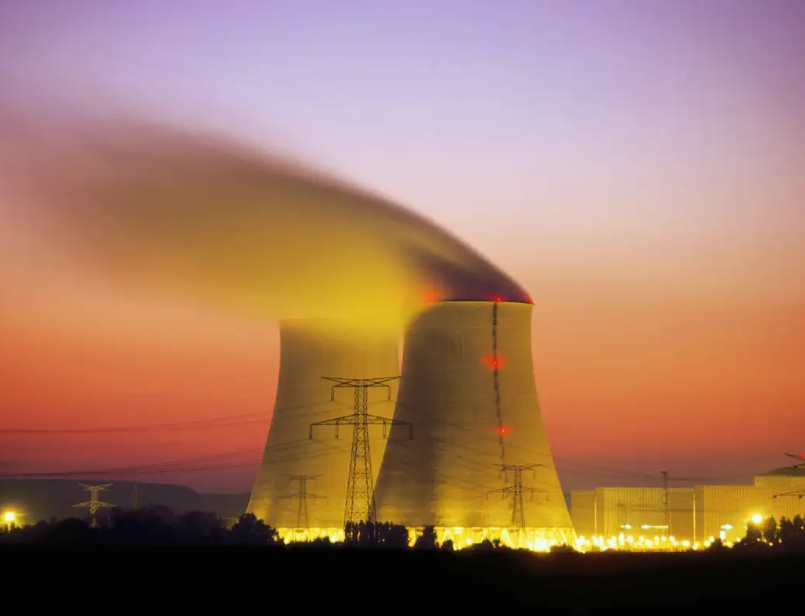
Amazon Funds 12 Small Reactors at Retired Coal Plant in Indiana
Recently, Amazon announced it will fund the construction of a small modular reactor (SMR) nuclear power plant with a capacity of 960 megawatts (MW) at the site of a demolished coal-fired power plant south of Terre Haute, Indiana, and will serve as its first electricity customer. The project will be operated by American Electric Power (AEP) and will use 12 Xe-100 small modular reactors supplied by X-energy. It is understood that this is the second commercial agreement between Amazon and X-energy, which went public in April this year, and its development scale has reached three times that of the first-phase agreement two years ago. As a major investor in X-energy...
2026-10-20

Three Top U.S. Universities Form Academic Consortium to Bridge Nuclear Workforce Gap
Recently, the University of Tennessee, Knoxville, Arizona State University, and Purdue University jointly established the New Nuclear Academic Consortium (NNAC), aiming to build a national collaborative network to address the growing workforce shortage in the U.S. nuclear energy sector. With surging U.S. electricity demand and the accelerated deployment of small modular reactors (SMRs) and microreactors, the industry's demand for interdisciplinary talent with backgrounds in systems engineering, supply chain management, thermodynamics, and nuclear safety regulation...
2026-10-20

US NuCube Advances NuSun Microreactor Testing and Autonomous Operation Layout
Recently, US nuclear energy startup NuCube Energy launched high-temperature hardware testing of the NuSun microreactor at the Utah Energy Laboratory in the United States, marking new progress in the commercial deployment of its solid-state fission microreactor. NuCube, in collaboration with Brigham Young University (BYU), is using a dedicated induction furnace to simulate ultra-high-temperature thermal environments, focusing on verifying core thermal environments up to 1,100°C, energy conversion performance, and integrated industrial heat supply applications. It is understood that NuSun adopts tri-structural isotropic (TRISO) particle fuel and supercritical carbon dioxide Brayton cycle technology, capable of covering more than 90% of the industrial process heat market, and plans to launch...
2026-10-20
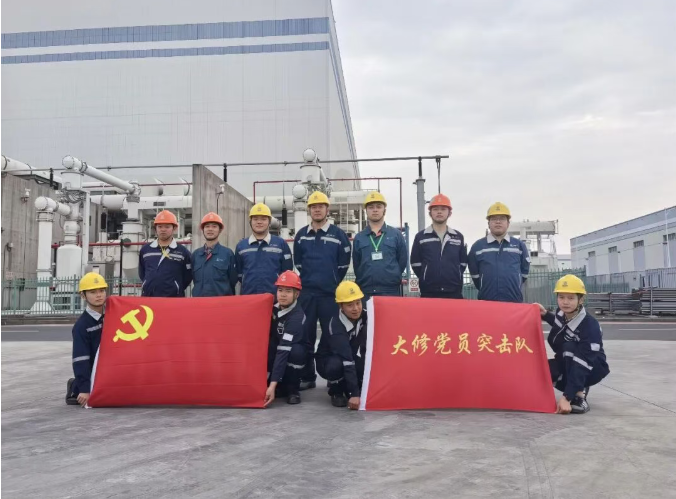
Fangjiashan Nuclear Power Unit 109 Overhaul Successfully Concluded, Technology Empowers a Solid Safety Foundation
Recently, the Fangjiashan Nuclear Power Unit 109 overhaul was successfully concluded. During this overhaul, the maintenance project team of China Nuclear Industry 22nd Construction Co., Ltd. cumulatively executed 173 work orders (including 34 high-risk work orders), simultaneously covering two major areas—civil maintenance and pipeline anti-corrosion—spanning the National Day holiday, and fully ensuring the steady progress of all tasks with a professional team, laying a solid foundation for the safe operation of the plant. It is understood that civil maintenance and pipeline anti-corrosion, as important invisible defense lines for ensuring the integrity of structures, are the fundamental guarantee for the safe operation of the unit. In this overhaul, the confined space operation of the underwater culvert of the PX pump house and the anti-corrosion lining repair of the ATE wastewater neutralization tank were key high-risk concealed works. Facing...
2026-10-20

Princeton team launches Borealis Fusion, focusing on the magnetic mirror pB11 pathway
Recently, Borealis Fusion, a startup co-founded with the participation of the research team at the Princeton Plasma Physics Laboratory (PPPL) in the United States, announced its establishment. The company has chosen the magnetic mirror pathway, focusing on proton-boron-11 (pB11) neutron-free nuclear fusion technology, aiming to provide cost-competitive clean electricity. It is understood that Borealis Fusion was jointly founded by five doctoral scholars with backgrounds in physics and engineering from Princeton University: Damien Scott, Ian Ochs, Elijah Kolmes, Tal Rubin, and Alex Glasser. Its core technology originates from the pB11 frontier research led by Princeton University professor Nat Fisch, and the technology...
2026-10-20

European Nuclear Medicine Congress Focuses on PET Nuclear Technology: Where Is the Boundary of Early Diagnosis
On October 19, 2026, at the plenary session of the European Association of Nuclear Medicine Congress (EANM 2026) held in Vienna, Austria, Professor Paola Anna Erba, President of the European Association of Nuclear Medicine, raised the major issue of when prevention is early enough. The conference held in-depth discussions on whether positron emission tomography (PET), a core nuclear medicine imaging technology, can detect cancer, cardiovascular disease, and Alzheimer's disease before symptoms appear. Regarding PET-based cancer screening in asymptomatic populations, Dr. Ken Herrmann of the University Hospital Essen in Germany clearly stated that currently, promoting fluorodeoxyglucose (FDG-PET)-based cancer screening in the general population is premature.
2026-10-20
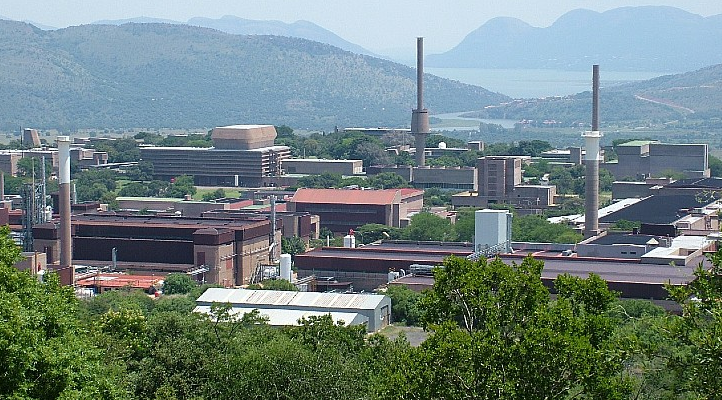
South Africa Advances High-Purity Low-Enriched Uranium Cooperation as Quantum Leap Energy Partners with Necsa to Build Facility
On October 19, 2026, Quantum Leap Energy, a subsidiary of U.S. advanced isotope technology company ASP Isotopes, and South Africa's state-owned nuclear energy company (Necsa) formally signed a binding letter of intent to establish a joint venture at the Pelindaba site in South Africa to jointly develop, finance, build and operate a test bench and commercial facility for high-assay low-enriched uranium (HALEU). It is understood that in the joint venture, Quantum Leap Energy will hold approximately 80% equity and be responsible for overall operations and fundraising, while Necsa will hold approximately 20% equity and provide site access, nuclear safety and regulatory support. The two parties also plan to sign an engineering, procurement and construction (EPC)...
2026-10-20

NASA's SR-1 Freedom deep-space nuclear reactor progresses smoothly, planned to set sail in 2028
Recently, the National Aeronautics and Space Administration (NASA) announced that its Space Reactor-1 (SR-1) Freedom has achieved a key breakthrough in the development of nuclear power modules and has reached an important contract consensus with partners. The reactor will become the first spacecraft to demonstrate nuclear fission power beyond Earth orbit, with launch planned for late 2028 en route to Mars. It is understood that Sierra Lobo will provide the closed Brayton cycle power conversion system for SR-1 Freedom, responsible for converting the thermal energy generated by the fission reactor into electricity to drive the nuclear electric propulsion system. The power conversion system will be deeply integrated with the fission reactor designed and developed by the U.S. Department of Energy (DOE) Idaho National Laboratory (Idaho National Lab...
2026-10-21