
Search Results
Keyword:nuclear industry
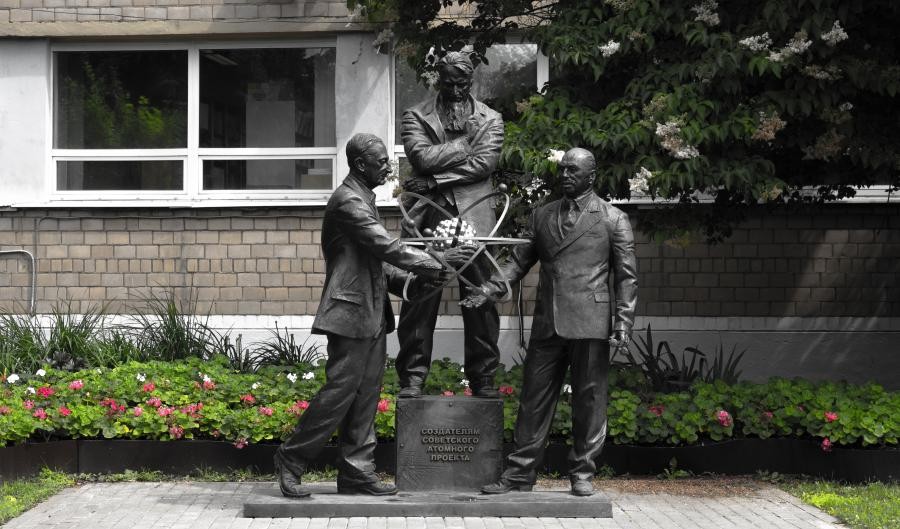
Russia Marks 81 Years Since the Birth of Its Nuclear Industry: From the Soviet Nuclear Program to Modern Nuclear Talent Development
On August 20, 1945, the founding documents establishing the Special Committee and the First Main Directorate under the Council of People's Commissars of the USSR were officially signed, generally regarded as the starting point of the Soviet nuclear industry system. Eighty-one years later, Russia's nuclear energy community once again looks back at this historical milestone, linking it to nuclear science and technology development and talent cultivation. In August of that year, after the United States used atomic bombs on Hiroshima and Nagasaki, the Soviet Union accelerated the establishment of its own nuclear research and industrial system. On August 29, 1949, the Soviet Union completed the RDS-1 nuclear test. Thereafter, Soviet nuclear science gradually extended from military applications to peaceful uses, building the world's first grid-connected nuclear power plant and developing a fleet of nuclear-powered icebreakers. The establishment of the nuclear industry system also drove...
2026-08-21
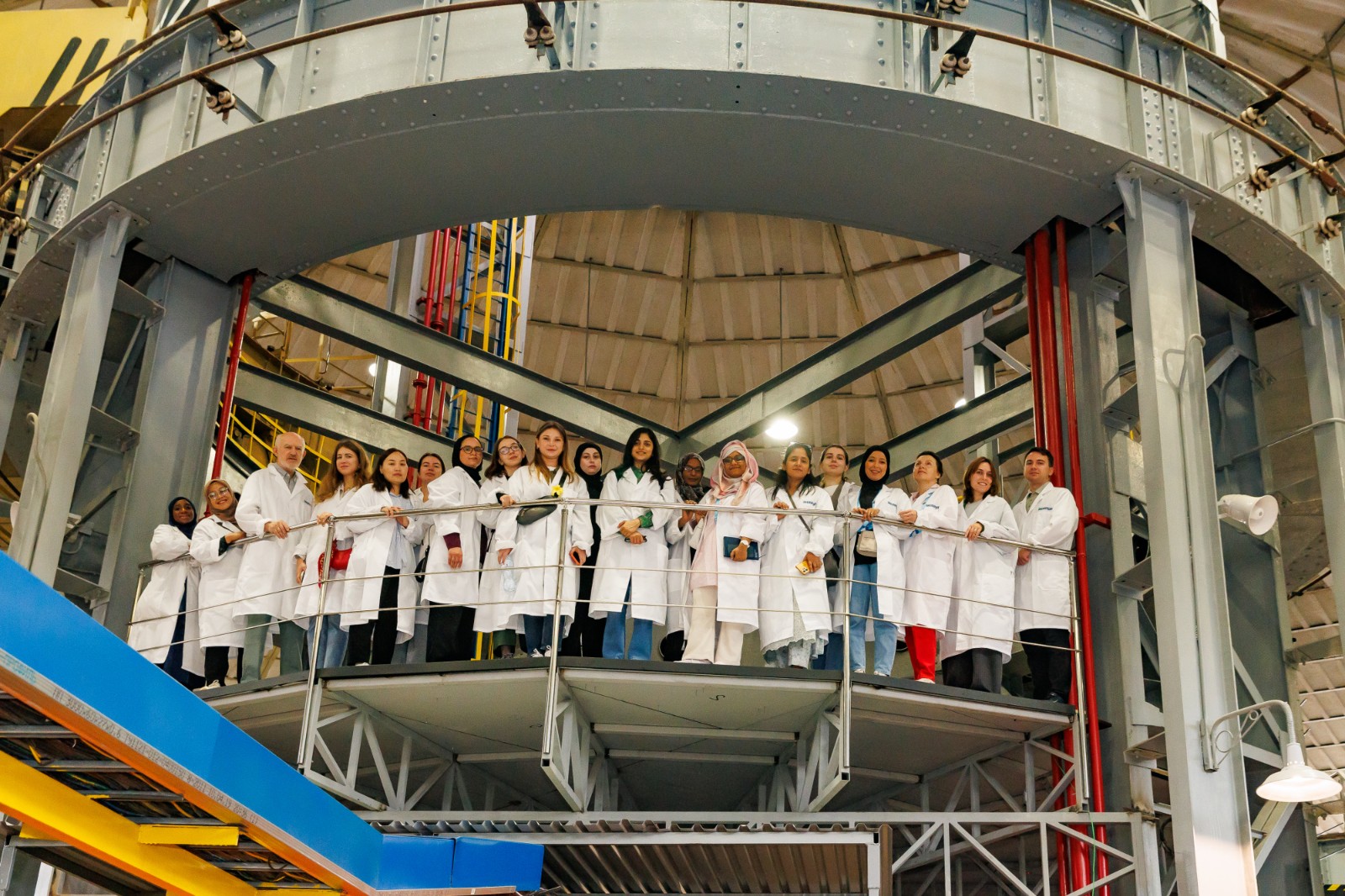
IAEA Lise Meitner Programme Concludes First Visit to Russia
The first visit to Russia under the International Atomic Energy Agency (IAEA) Lise Meitner Programme recently concluded in Moscow. The two-week visit brought together 14 female nuclear industry professionals from 14 countries, focusing on Russia's nuclear technology, nuclear facilities, and research platform operations, along with training and exchanges on professional competence and leadership. During the visit, the delegation toured the Kalinin Nuclear Power Plant, the Rosatom Technical Academy in Obninsk, the Joint Institute for Nuclear Research (JINR), and the Machine-Building Plant under Rosatom's fuel division. Participants also learned virtually about...
2026-08-19
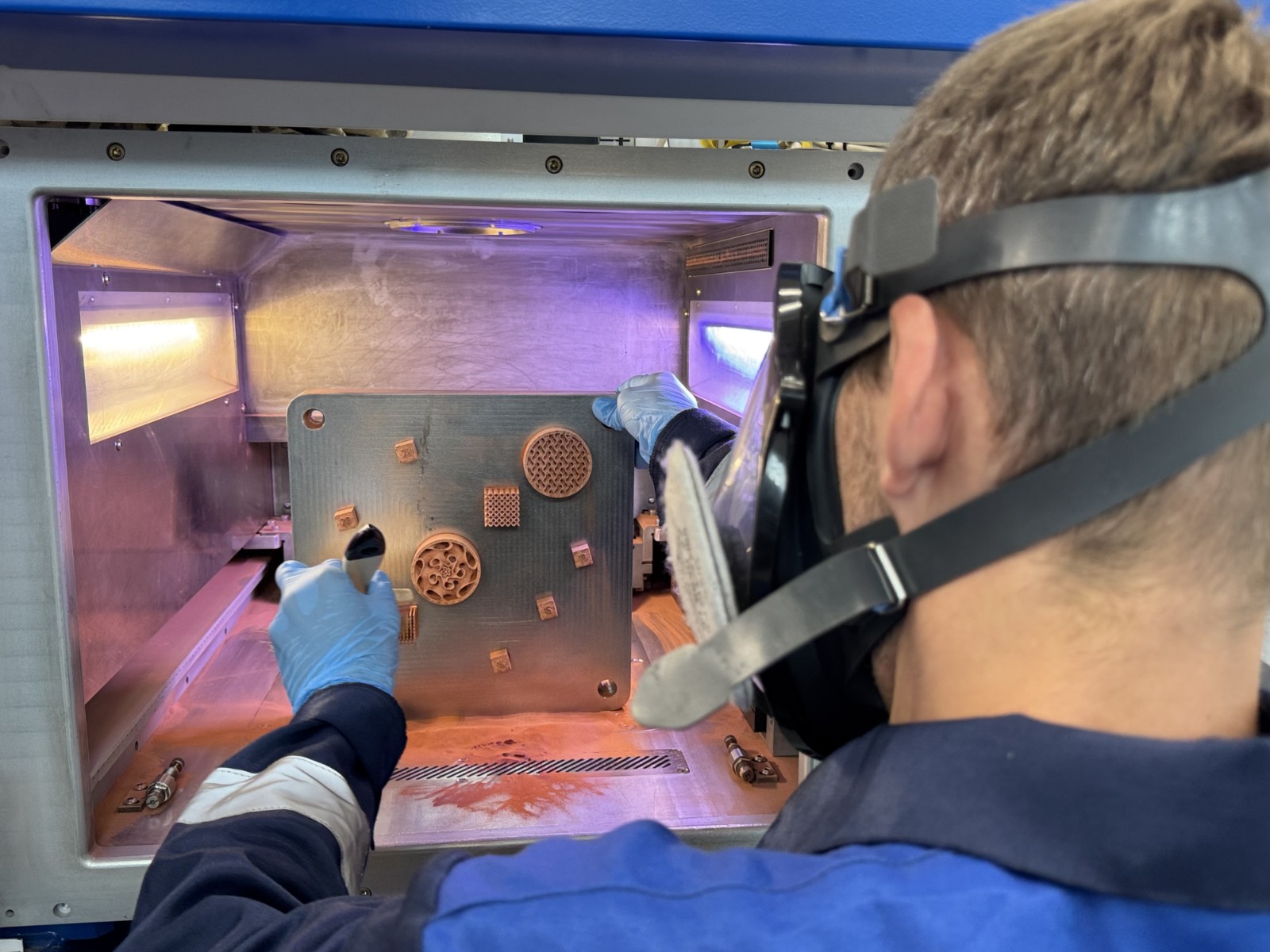
Rosatom masters 3D printing technology for copper and copper alloys
The additive manufacturing technology business division of Rosatom's Fuel Division recently announced that its experts have successfully manufactured products from copper and copper alloys using the RusMelt industrial 3D printer, marking progress in additive manufacturing with copper materials. According to reports, Rosatom had previously used selective laser melting (SLM) technology to produce metal 3D-printed equipment of various sizes, with commonly used materials including stainless steel, heat-resistant materials, and titanium. Due to copper's physical properties such as high thermal conductivity and high electrical conductivity, which also pose technical challenges for laser melting, its application in metal 3D printing has long been limited. The company's additive manufacturing technology center in Moscow...
2026-08-19
Atomic Canyon, in partnership with EPRI, INPO, and NEI, Launches NIVA, a Virtual Assistant for the North American Nuclear Industry
Atomic Canyon, a company developing artificial intelligence tools for the nuclear energy industry, announced on August 18 that the Nuclear Industry Virtual Assistant (NIVA) has transitioned from the pilot phase to full deployment and will be rolled out to nuclear power plants across North America. The platform was developed by Atomic Canyon in collaboration with the Institute of Nuclear Power Operations (INPO), the Electric Power Research Institute (EPRI), and the Nuclear Energy Institute (NEI), and is available to commercial nuclear power plants that are members of these organizations. NIVA is positioned as an AI platform dedicated to the nuclear power industry, primarily designed to help nuclear professionals find, integrate, and apply industry knowledge more quickly across complex workflows involving technical, regulatory, and operational management tasks.
2026-08-19
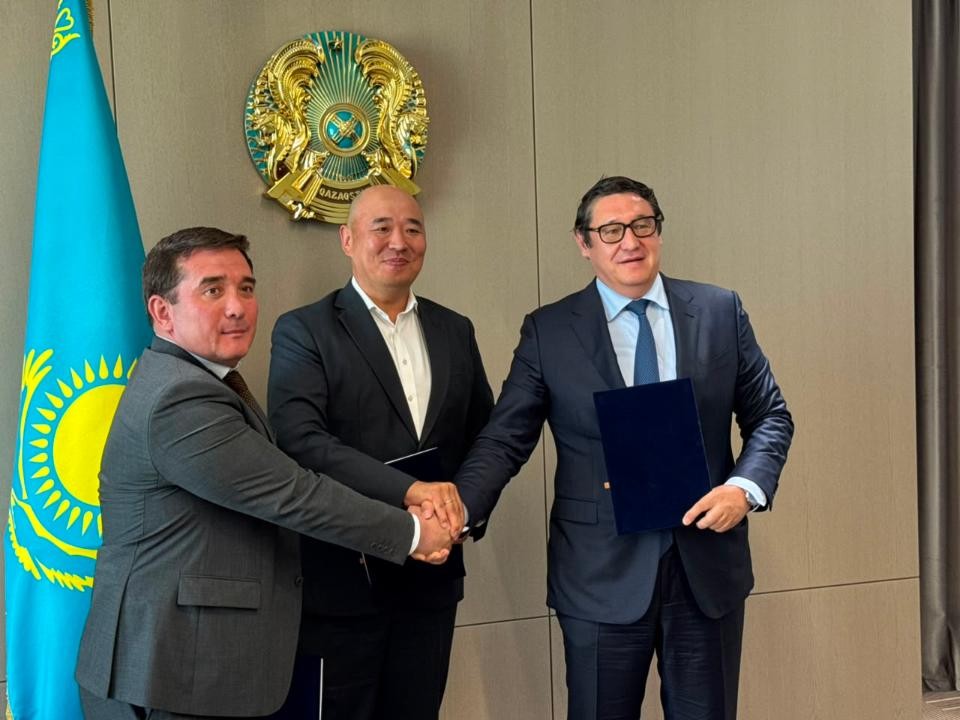
Kazakhstan Signs Memorandum of Cooperation on Atomic Industry Development
The Atomic Energy Agency of the Republic of Kazakhstan, Atameken National Chamber of Entrepreneurs of Kazakhstan, and the Atomic Industry Development Association (AIDA) have signed a Memorandum of Understanding and Cooperation, planning to jointly promote the development of the national atomic energy industry, expand industrial collaboration, and attract local enterprises to participate in major infrastructure projects. The memorandum was signed by Almasadam Satkaliyev, Chairman of the Atomic Energy Agency of the Republic of Kazakhstan, and the Chairman of the Presidium of the Atameken National Chamber of Entrepreneurs...
2026-08-18
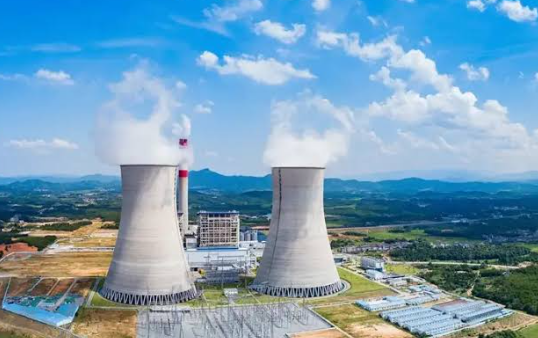
Kazakhstan Enters a New Era of Atomic Energy, with the Institute of Nuclear Physics Viewed as a Key Pillar of the National Nuclear Industry
Kazakhstan is entering a new stage of nuclear energy development. The construction of a nuclear power plant means not only the addition of a major energy project, but also the need for the country to simultaneously establish a complete nuclear industry system, including research support, personnel training, experimental infrastructure, nuclear and radiation safety systems, and indigenous technological capabilities. The article points out that a nuclear power plant can be built using foreign project designs, but true scientific and technological capability cannot be purchased along with the equipment; it is gradually formed through the long-term operation of nuclear facilities, conducting research, training engineering teams, and passing on experience. Against this backdrop, the Institute of Nuclear Physics of Kazakhstan is regarded as an important pillar of the future nuclear energy industry. The institution...
2026-08-14
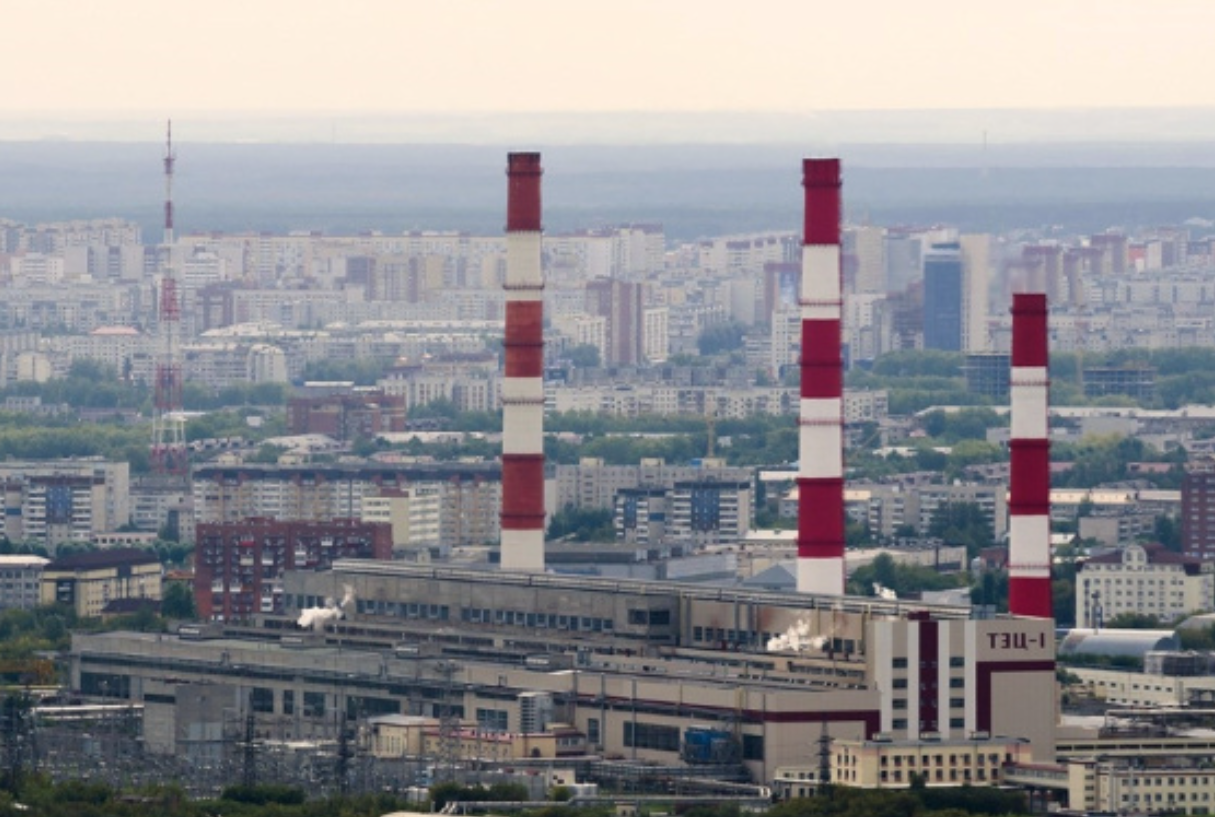
Russia's National Anti-Terrorism Committee Demands Enhanced Security for Energy and Nuclear Facilities
On August 12, Russia's National Anti-Terrorism Committee (NAK) held a meeting chaired by Alexander Bortnikov, Director of the Federal Security Service, to discuss security issues at transportation, fuel-energy complex, and nuclear energy industrial facilities. The Committee emphasized the need to strengthen comprehensive security safeguards and respond more effectively to sabotage and terrorist threats. The meeting proposed that protecting energy and nuclear industrial facilities should not remain at the institutional level alone, but rather should develop more targeted priority tasks based on evolving actual risks. Damage to fuel-energy systems and nuclear industrial facilities could affect the stability of energy supply and trigger broader security risks, which is why their level of protection is regarded as...
2026-08-13
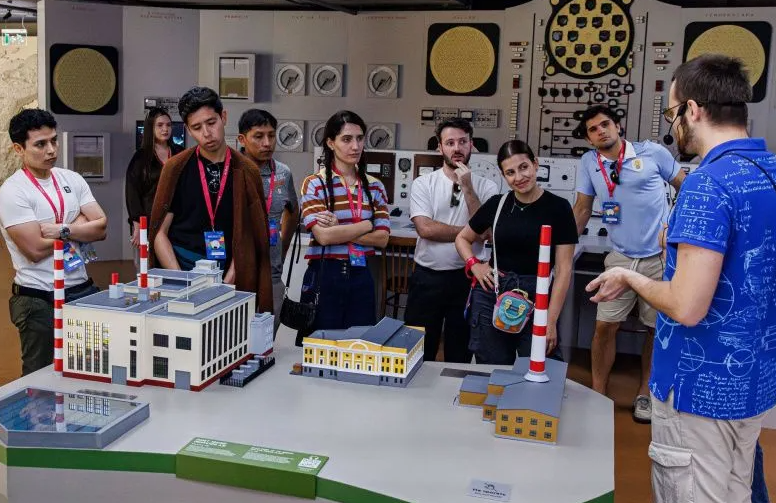
Latin American Energy Experts Learn About Russia's Nuclear Industry Development and Peaceful Use Prospects in Russia
Energy experts from several Latin American countries recently visited the ATOM Museum at VDNKh in Moscow to gain a systematic understanding of the history of Russia's nuclear industry, key technological solutions, and future directions for the peaceful use of nuclear energy. The visit spanned from early scientific research to modern nuclear technology applications, with a focus on the operating principles of nuclear power plants, the structure of water-water power reactors, and the fundamentals of how nuclear energy is converted into electricity. The exchange not only focused on traditional nuclear power but also showcased future-oriented technologies such as small nuclear power plants. A power transmission network planning expert from Peru noted that he had previously been unfamiliar with the development path of Russia's nuclear industry, and this...
2026-08-12
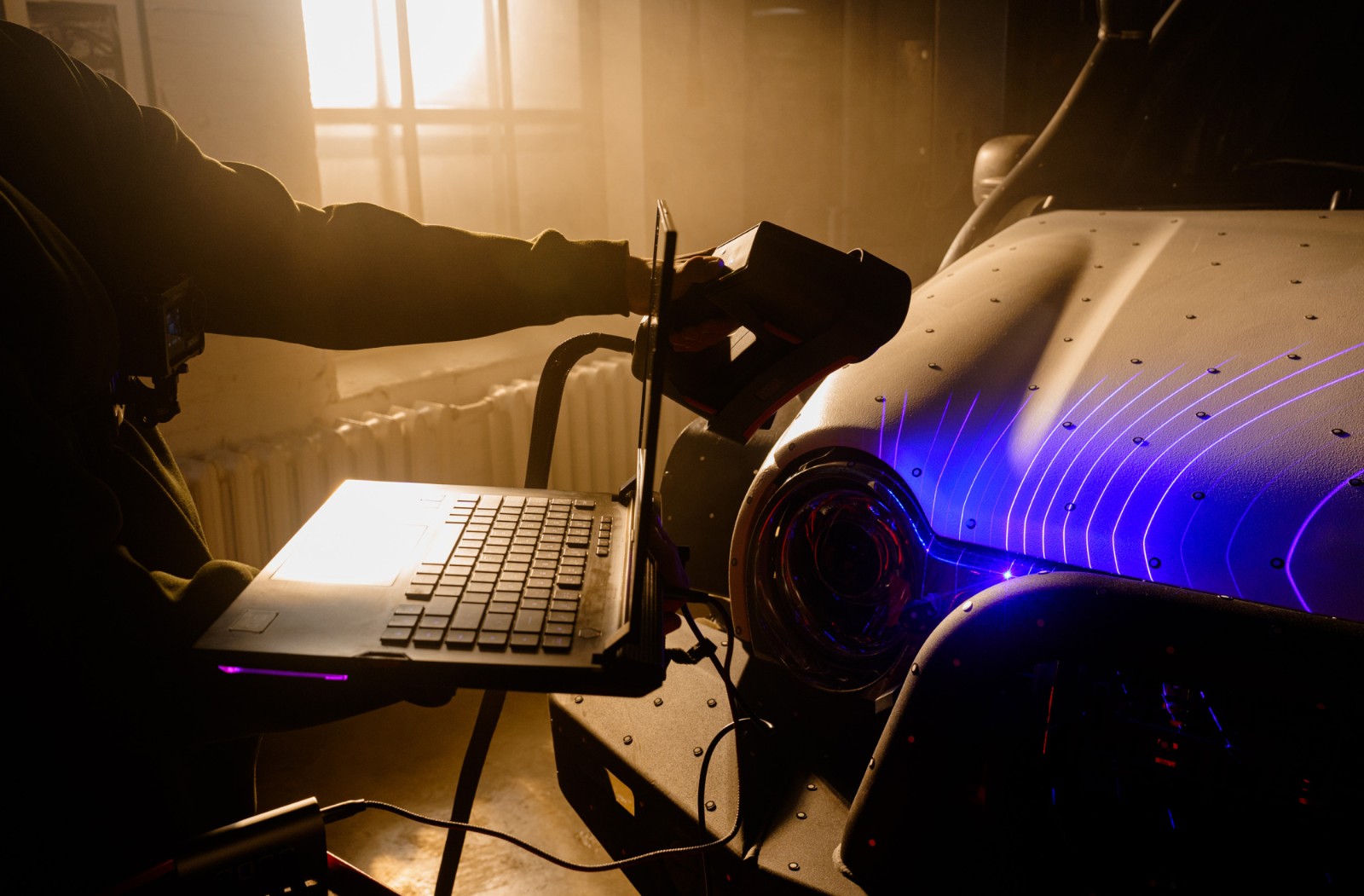
Russia's First Domestic 3D Scanner Helix Included in National Product Registry, Rosatom Completes Additive Manufacturing Technology Chain
The Russian Ministry of Industry and Trade has included the first domestically produced 3D scanner, the RangeVision Helix, in the Unified Register of Russian Electronic Products and the confirmed register of Russian-made industrial products. The registration was carried out in accordance with Russian Government Resolutions No. 878 and No. 719. Thus, the Helix has become the first and currently the only 3D scanner in Russia to be included in the aforementioned national registers. The RangeVision Helix was developed and manufactured by RangeVision, an additive manufacturing partner of Rosatom. Since 2025, the company has become the only Russian 3D scanner manufacturer included in Rosatom's additive manufacturing ecosystem...
2026-08-08
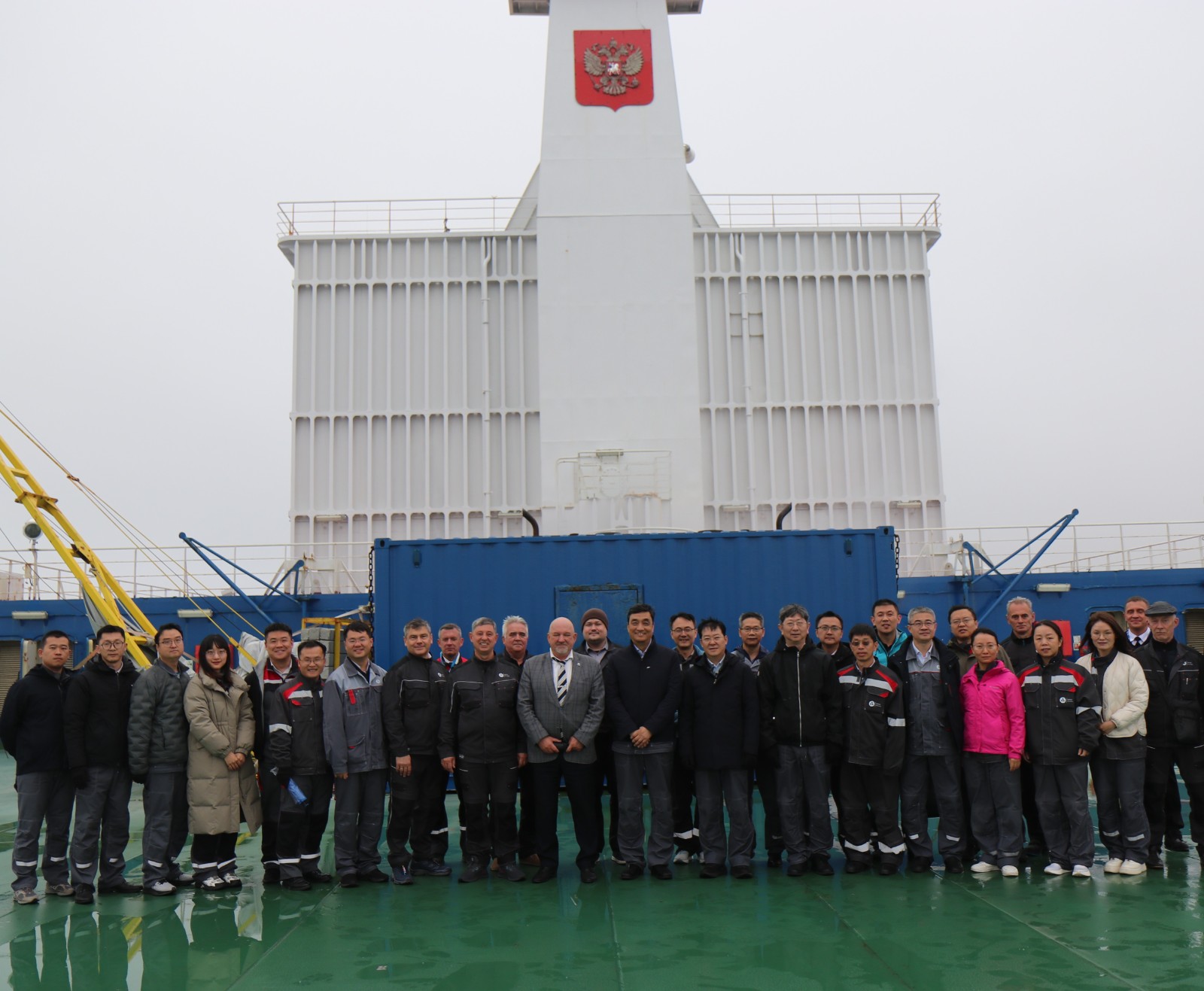
Chinese Nuclear Safety and Nuclear Industry Delegation Visits Russian Floating Nuclear Thermal Power Plant
From July 28 to 30, representatives from China's National Nuclear Safety Administration, China National Nuclear Corporation (CNNC), and the Chinese Embassy in Russia, together with officials from the Federal Service for Environmental, Technological and Nuclear Supervision of the Russian Federation (Rostechnadzor), jointly visited the floating nuclear thermal power plant located in Pevek, Chukotka Autonomous Okrug. The plant is operated by Rosenergoatom, the power generation division of Rosatom. During the visit, the delegation inspected the floating power unit and onshore facilities, and learned about the operation of key equipment. Chinese experts focused on spent fuel storage, refueling procedures, and related equipment configurations...
2026-08-07
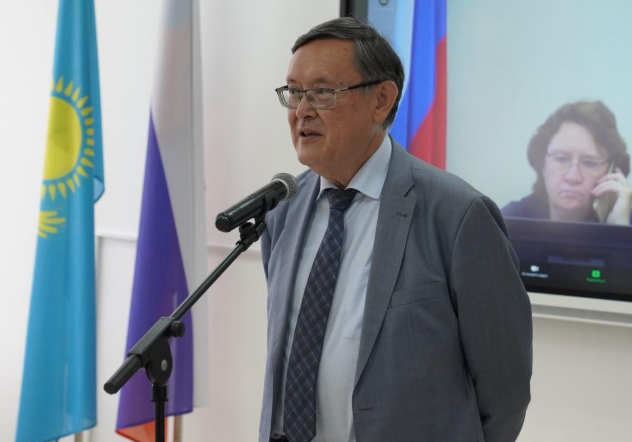
Kazakhstan Welcomes Its First Cohort of Nuclear Industry Specialists
On August 5, the inaugural graduation ceremony was held in Almaty for the first cohort of students at the Kazakhstan branch campus of the National Research Nuclear University MEPhI (НИЯУ МИФИ). Timur Zhantikin, Vice Chairman of the Atomic Energy Agency of Kazakhstan, attended the ceremony and presented diplomas to the graduates. In his address, he noted that as Kazakhstan's atomic energy industry enters a new phase of development, the demand for specialized professionals continues to grow, and the targeted training programs offered by the branch campus are crucial to filling this gap. The graduation of this first cohort marks the beginning of Kazakhstan's establishment of an independent domestic nuclear talent cultivation system. For a long time, Kazakhstan's nuclear industry has relied on overseas education or on-the-job training to supplement its engineering workforce...
2026-08-06
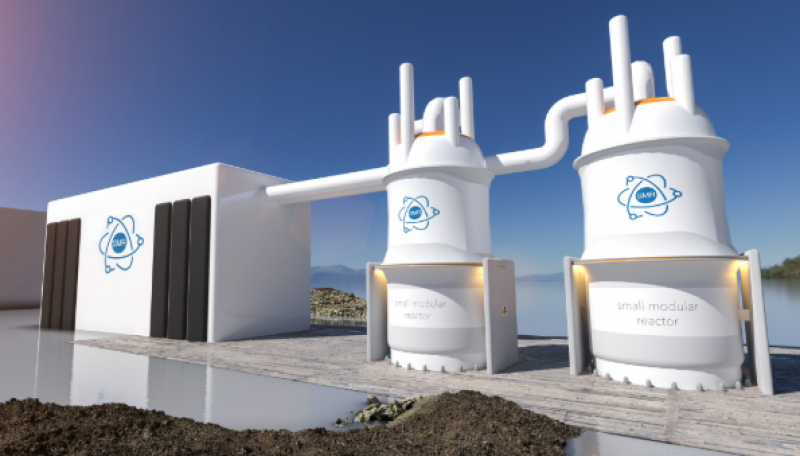
Changwon City Advances SMR Industry Support System
Changwon City in South Gyeongsang Province, South Korea, is advancing a local nuclear industry support system centered on Small Modular Reactors (SMRs), and will formulate its first mid-to-long-term nuclear industry plan. Changwon City announced on August 5 that it plans to conduct consulting services for the "Changwon City Nuclear Industry Development Plan (2027–2030)" from October this year to April next year. The project, with a budget of 45 million KRW, will be entrusted to the Changwon Industry Promotion Agency, focusing on systematically supporting the local nuclear industry and improving the relevant institutional framework. The "Changwon City Nuclear Industry Promotion and Support Ordinance," which underpins this effort, was enacted in 2023. South Korea has recently designated SMRs as one of its national strategic directions. In February of last year, the South Korean government proposed in the "11th Basic Plan for Power Supply and Demand" to achieve commercialization of a 0.7 GW-class SMR demonstration unit by 2035. Meanwhile, the "Special Act on SMRs," passed by the National Assembly, is expected to take effect next month. On the 4th, the government also revised the "Special Tax Limitation Act" and its enforcement decree, designating SMRs with an output of 300 MW or less, as well as Micro Modular Reactors (MMRs) of 20–30 MW class and below, as national strategic technologies. In addition to existing projects, Changwon City also plans to conduct research on "Strategy Formulation for an SMR R&D Special Zone" in cooperation with relevant agencies. The city hopes to create synergies with the "Changwon Second National Industrial Complex," which is currently attracting investment, and to promote the establishment of an SMR industry manufacturing hub. Changwon City is home to Doosan Enerbility and its cluster of partner companies, with Doosan Enerbility being one of South Korea's major manufacturers of nuclear power plant key components. In terms of infrastructure, the "Gyeongnam Nuclear Industry Comprehensive Support Center," which provides office space for businesses, broke ground in February of last year and is scheduled for completion in September next year; the "Small Modular Reactor Robot Manufacturing Support Center," which will handle R&D support and workforce training, is planned for completion by December 2028; and the "Small Modular Reactor Manufacturing Parts Testing and Inspection Support Center," which received national funding in April of last year with a budget of 27.4 billion KRW, is currently undergoing conceptual architectural design and is scheduled for completion by December 2029.
2026-08-06
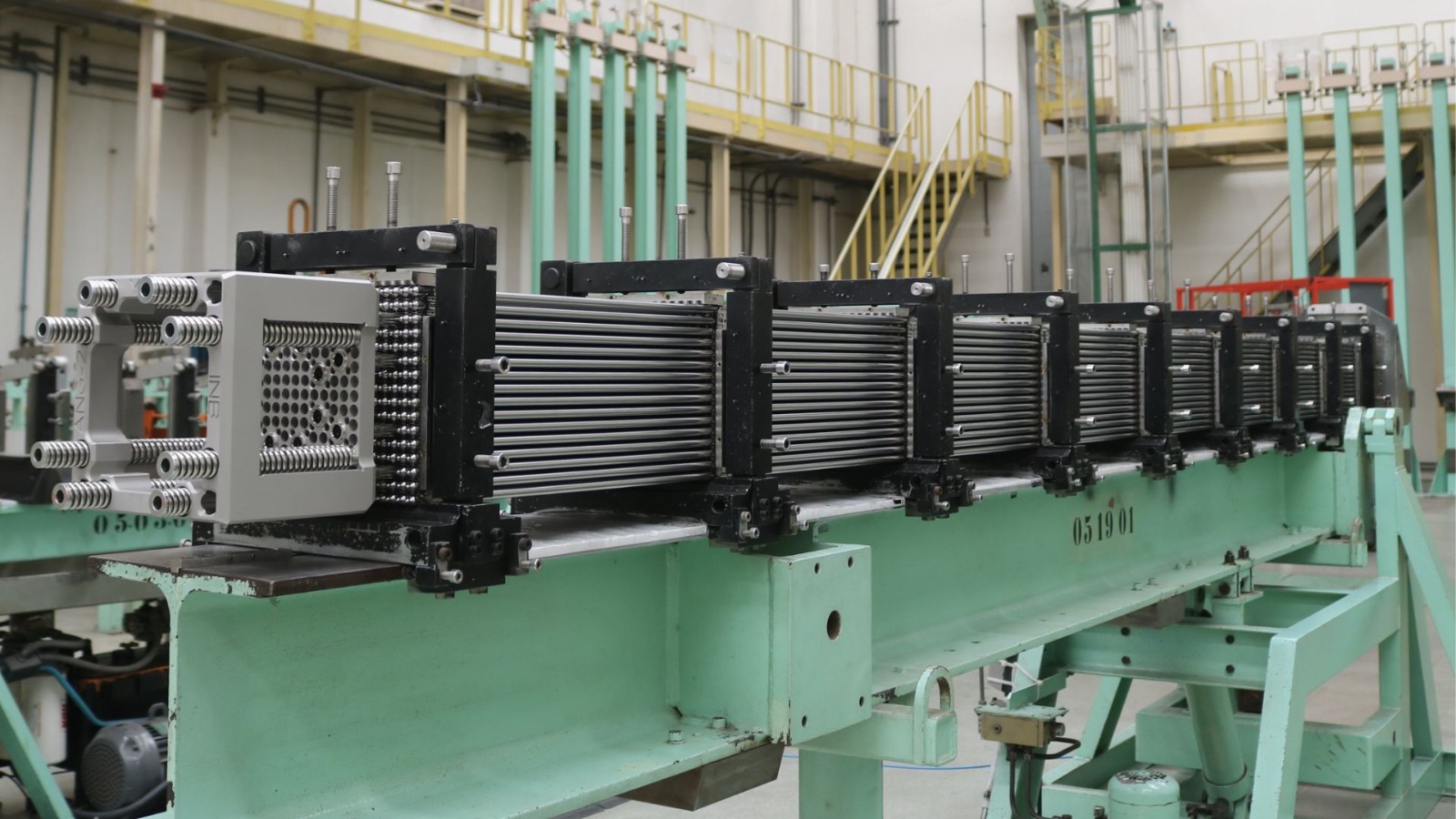
Brazilian nuclear industry company starts fuel production for Angra 2's 22nd refueling
Brazilian Nuclear Industries (INB) has started production of nuclear fuel required for the 22nd refueling of Unit 2 at the Angra Nuclear Power Plant (Angra 2). On July 28, INB completed the assembly of the first fuel assembly at the Nuclear Fuel Factory (FCN) in Resende, Rio de Janeiro State; on July 30, the fuel assembly passed all established quality inspections in the production process and was certified. According to the plan, INB will manufacture a total of 52 fuel assemblies for this refueling. The assembly work is expected to be completed in December 2026 and delivered to Eletronuclear in March 2027. Recently, INB has made progress in several key stages of the nuclear fuel manufacturing chain. On July 28, approximately 240 tons of enriched...
2026-08-05
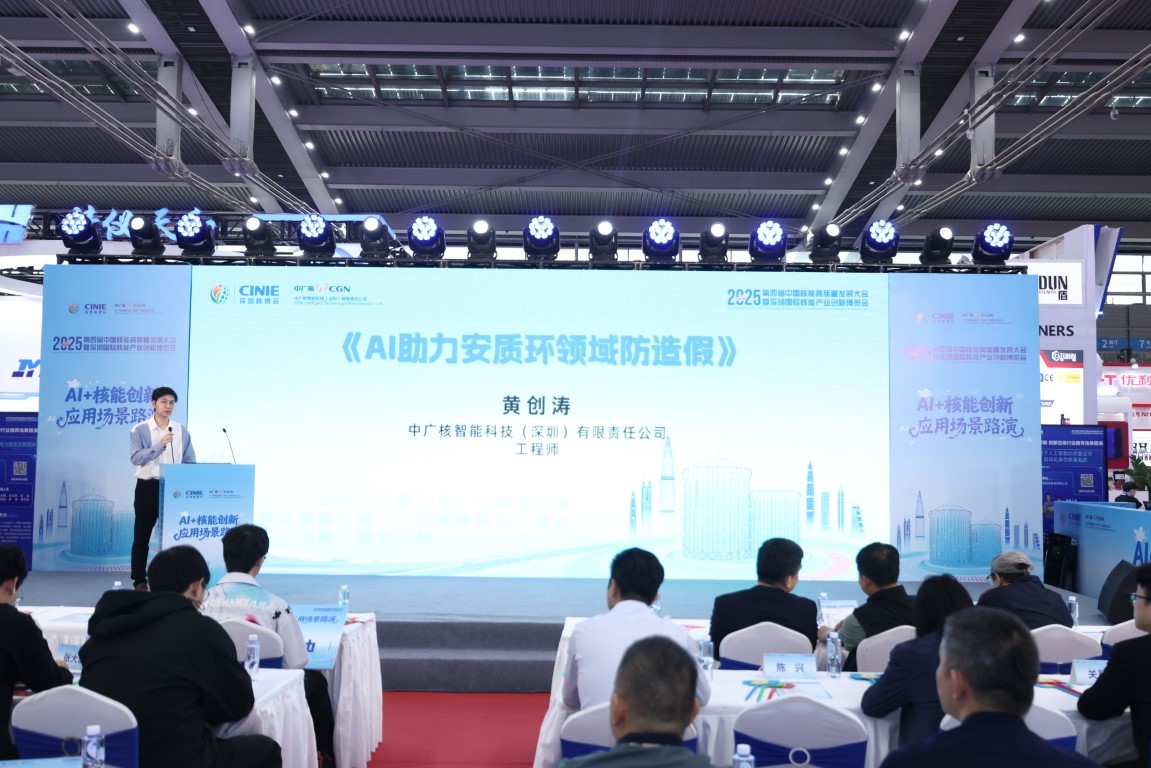
"AI Empowers Anti-Counterfeiting in Safety, Quality, and Environment Fields" — Huang Chuangtao, Engineer, CGN Intelligent Technology (Shenzhen) Co., Ltd.
On November 14, 2025, Huang Chuangtao, an engineer from CGN Intelligent Technology (Shenzhen) Co., Ltd., delivered a keynote report titled "AI Empowers Anti-Counterfeiting in Safety, Quality, and Environment Fields" at the AI + Nuclear Energy Innovation Application Industry-Economy Roadshow of the Shenzhen Nuclear Industry Expo. The report introduced the application achievements of using AI to enhance anti-counterfeiting for certificates, qualifications, and quality certification documents in the nuclear power industry. The system employs a layered architecture, multimodal recognition, collaboration between large and small models, and dual verification via QR code links to identify deep counterfeiting, such as simultaneous forgery of certificate content and websites. This solution has completed the verification of over 7,000 certificates, intercepted 17 cases of counterfeiting, and plans to build a traceable quality trust system combined with blockchain. Key points: 1. ...
2026-07-29