
Search Results
Keyword:nuclear power
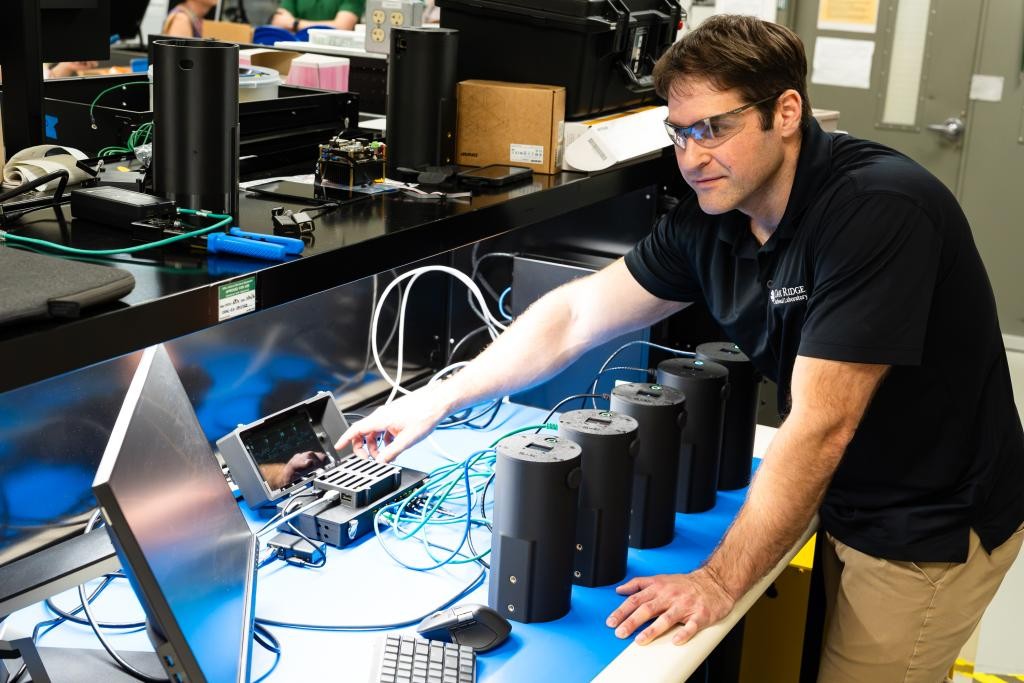
ORNL Develops Duct Radiation Monitoring System to Enhance Fuel Cycle Facility Safety and Protection
Recently, a research team at Oak Ridge National Laboratory (ORNL), led by embedded systems hardware and software engineer Brett Witherspoon, successfully developed a new type of radiation monitoring system. The system can continuously assess the accumulation of radioactive materials inside ventilation ducts at facilities that manufacture nuclear fuel or process nuclear waste. The system can be powered by battery or Ethernet, with a core cylindrical device approximately 12 inches tall. The device is installed inside the duct, and ORNL states that it can provide unprecedented monitoring frequency and accuracy at a lower cost than existing detection systems, thereby effectively protecting people...
2026-09-18
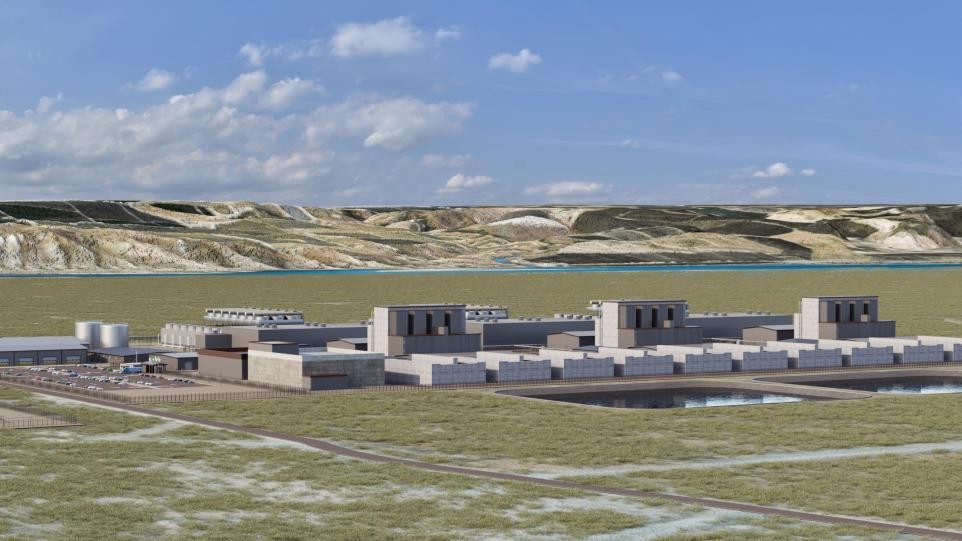
X-energy and Centrica Partner to Launch the UK's First Xe-100 Advanced Modular Nuclear Power Plant Project
The UK government has approved the regulatory assessment phase for advanced reactors, marking an important step forward for the construction of a new generation of nuclear power plants. X-energy and Centrica are collaborating to build a new generation of nuclear power plants in the UK using the Xe-100 advanced modular reactor, with the first project sited at Hartlepool. This collaboration is of great significance, marking substantial progress on the UK's nuclear energy development path and laying the foundation for broader nuclear power plant construction in the future. Alistair Black, Vice President and UK Market Lead at X-energy, emphasized that since signing the cooperation agreement with Centrica, both parties have been working together on the first project at Hartlepool...
2026-09-18
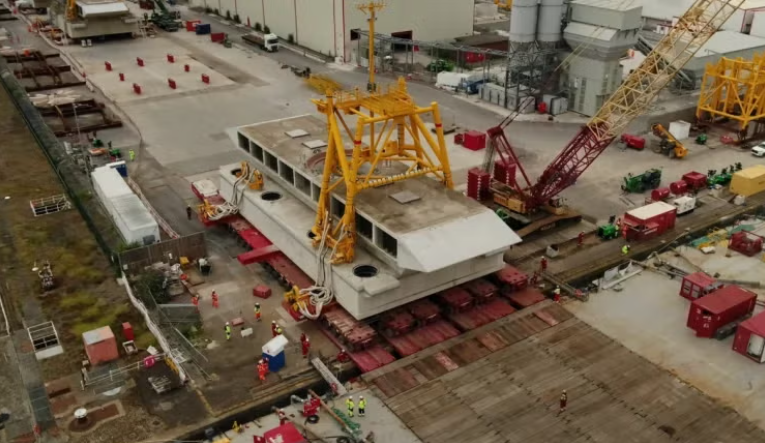
Planning permission granted for tunnel component production facility for Sizewell C nuclear power station in the UK
The Sizewell C nuclear power station project in the UK has successfully obtained planning permission to build a dedicated tunnel component production facility at Avonmouth in Bristol. The factory will be responsible for producing 38,000 precast concrete segments as well as tunnel head pieces for the three subsea tunnels of Sizewell C. All finished components will be transported by rail and water to the Sizewell C construction site in Suffolk, which directly supports the project's environmental commitment that at least 60% of construction materials will be transported by rail and sea. Subject to the relevant preconditions being met, the facility is expected to officially begin production in 2028....
2026-09-18
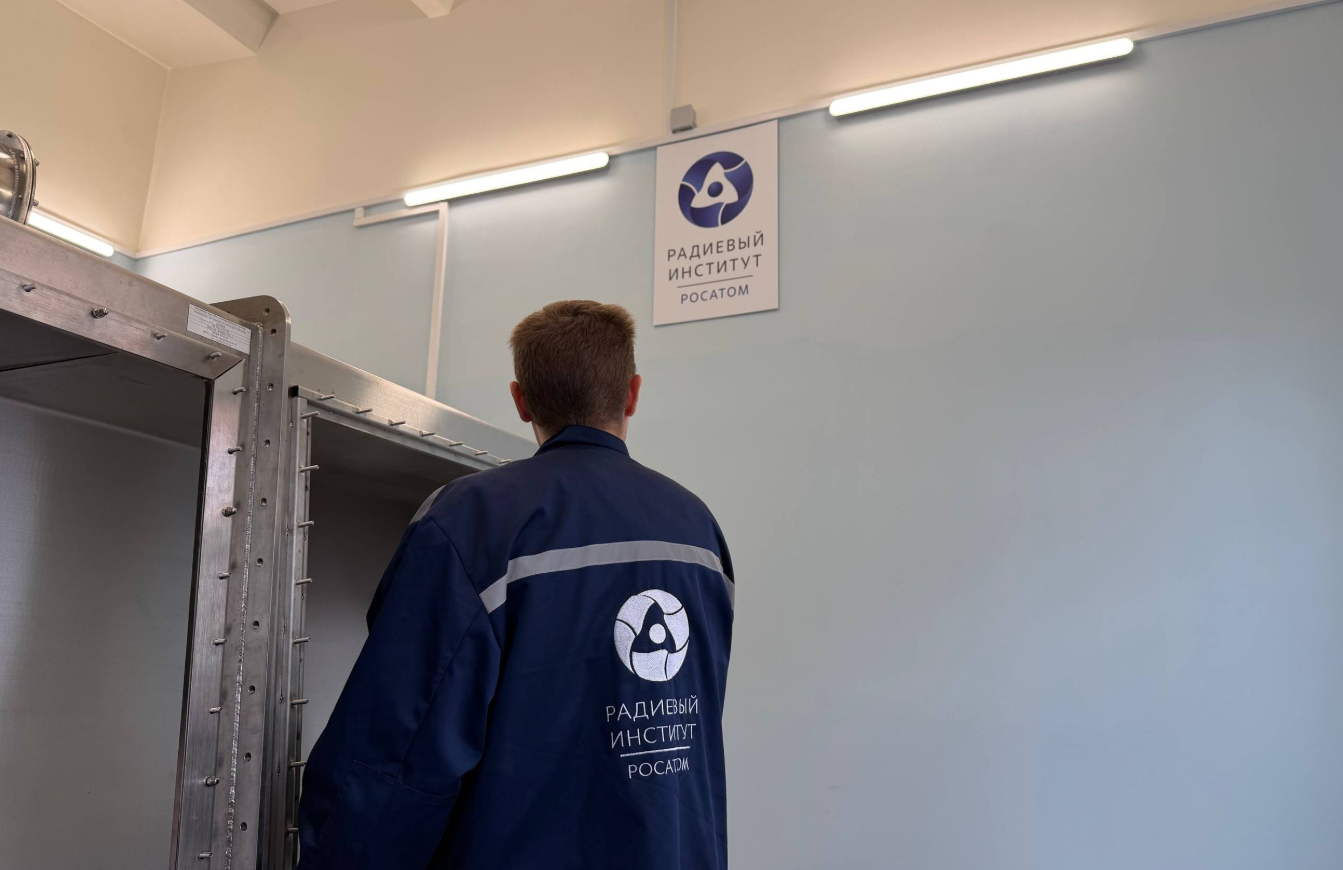
Rosatom Establishes New Laboratory to Test Molten Salt Reactor Spent Fuel Reprocessing Technology
The first production site of the Khlopin Radium Institute, part of Rosatom's research division, is completing the construction of a new laboratory that will be dedicated to testing the processing and reprocessing technology for spent nuclear fuel (SNF) from molten salt reactors (JSR/MSR). In the first phase of facility testing, it is planned to synthesize simulated fuel compositions based on lithium fluoride and beryllium fluoride, with added simulants of fission products and plutonium; subsequently, the technology will be validated on models, and ultimately practical application will be carried out on the basis of the research molten salt reactor (IZHSR) being built in Zheleznogorsk. The related construction, installation, and commissioning work is planned for completion by the end of 2026, and to prepare for...
2026-09-18
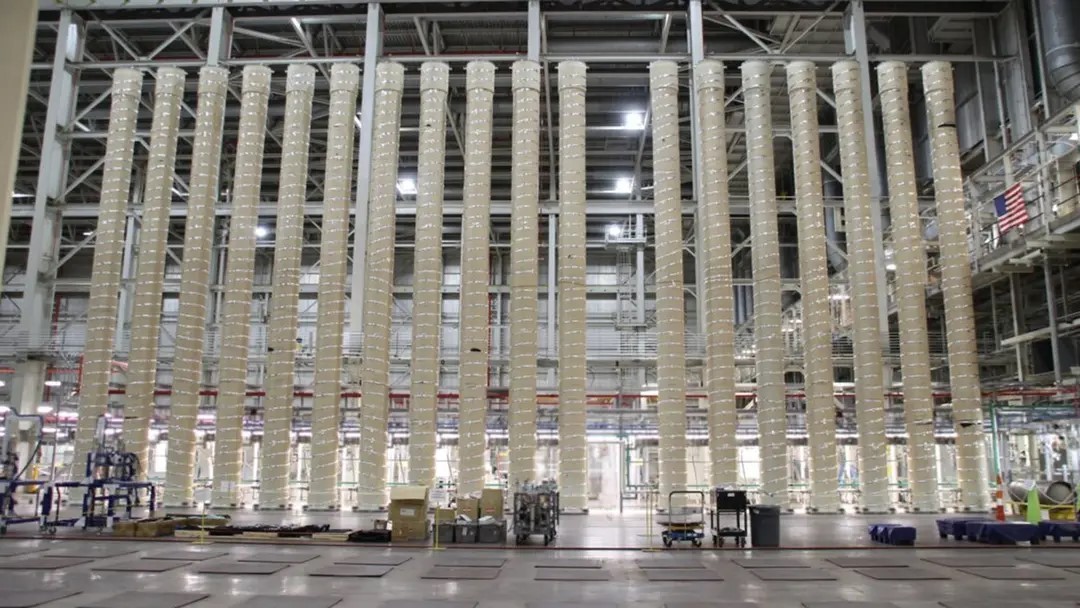
Centrus Energy to Supply HALEU Fuel to Antares Nuclear, Enabling Micro Nuclear Reactor Applications for Military and Space
U.S. nuclear fuel supplier Centrus Energy has signed a multi-year contract with advanced microreactor developer Antares Nuclear, under which Centrus will supply high-assay low-enriched uranium (HALEU) to Antares. This agreement is expected to expand the application scenarios of micro nuclear reactors to locations where traditional power sources are difficult to use, such as military facilities and space environments. As part of the agreement, Antares Nuclear will make advance payments to support Centrus in expanding HALEU production capacity in the United States. Compared with conventional low-enriched uranium, HALEU contains more uranium-235, with an enrichment level above 5% but below 20%. This new type of fuel can support smaller, higher-energy-density reac...
2026-09-18
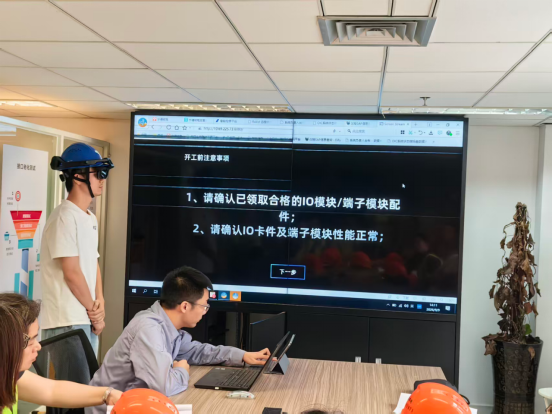
Ningde Nuclear Power adopts AR maintenance solution, greatly boosting the efficiency of frontline operation and maintenance personnel
On September 9, at the production command center of Ningde Nuclear Power Plant, staff members only need to put on lightweight AR smart helmets and can obtain the required work information through voice commands. Equipment temperature and vibration data are automatically entered into the system, greatly shortening the time for inspection data entry. This AR smart helmet is an important benchmark project of Ningde Nuclear Power as a pilot enterprise for digital transformation under SASAC. It integrates information such as operation data, equipment drawings, work packages, and training materials, changing the traditional model in which nuclear power personnel rely on paper documents for on-site operations. This AR maintenance platform relies on technologies such as diffractive optical waveguides, 5G real-time transmission, and cross-system data interoperability, and integrates temperature measurement, vibration measurement...
2026-09-18
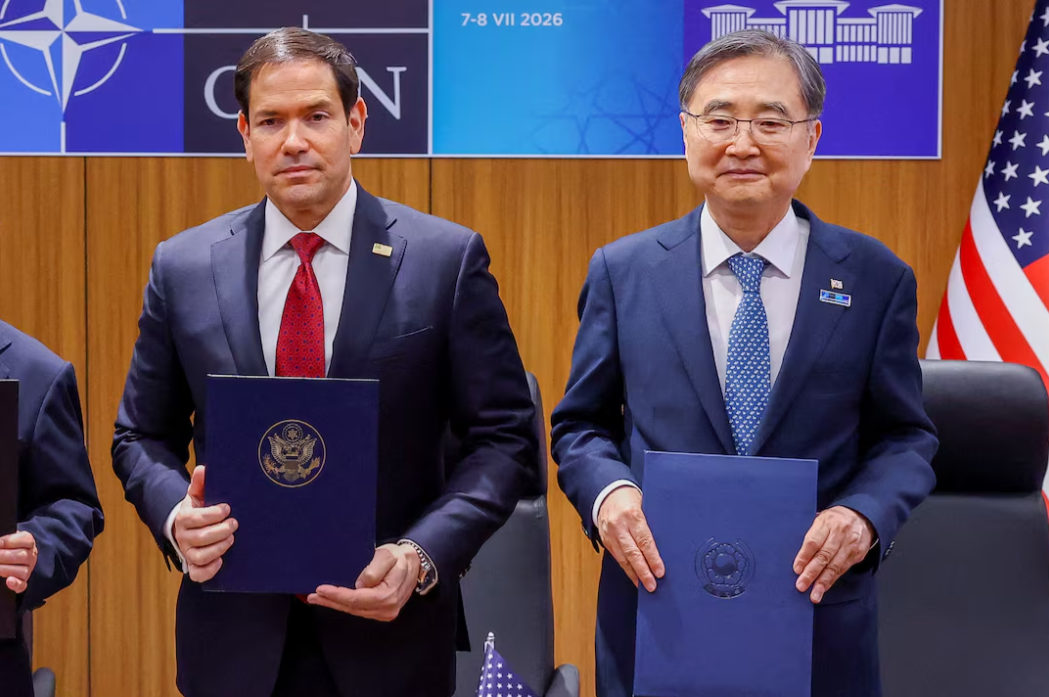
Announcement of South Korea's U.S. investment plan delayed due to need to clarify related procedural issues
South Korean Foreign Minister Cho Hyun said on Thursday that the announcement of South Korea's U.S. investment plan under the South Korea-U.S. trade agreement has been delayed due to the need to clarify related procedural issues, but he did not disclose further specific details. Cho made the remarks at the airport before departing for the United States, where he is scheduled to hold talks with U.S. Secretary of State Marco Rubio on Friday. According to officials familiar with the matter and media reports, the South Korean government this week postponed the briefing on the investment plan originally scheduled to be submitted to a congressional committee, and tentatively rescheduled it to September 22. South Korean lawmakers said that a dedicated briefing to the National Assembly is a core step before the two countries finalize the details of South Korea's massive investment commitment to the United States...
2026-09-18
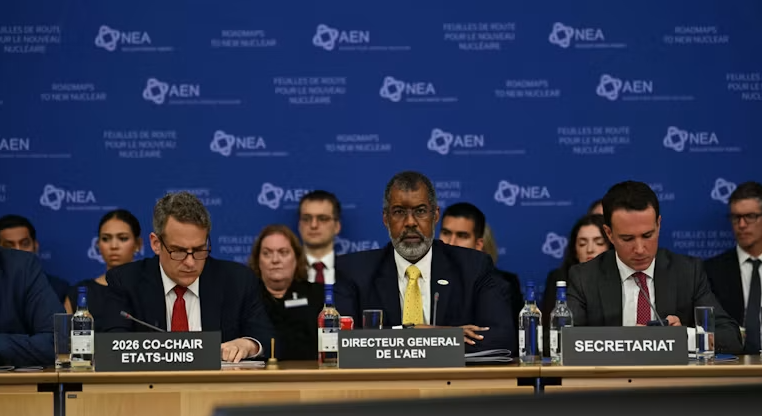
US and OECD Nuclear Energy Agency Call for Unified Regulatory Standards to Break the Vicious Cycle of Cost Overruns and Delays in New Nuclear Power Plants
The U.S. Department of Energy stated that it is engaged in close communication with partner countries, aiming to promote the unification of global nuclear power regulatory standards, thereby accelerating nuclear power capacity expansion and reducing construction costs. During the New Nuclear Roadmap conference organized by the OECD Nuclear Energy Agency (NEA) in Paris, U.S. Department of Energy Deputy Secretary James Danly emphasized to the media that countries should establish a unified regulatory mechanism. He pointed out that many countries have decades of mature experience in nuclear power regulation, and it would be very regrettable if unnecessary obstacles were placed on nuclear power development due to a lack of consistency in regulatory systems. The United States is currently actively promoting greater regulatory consensus among countries. The OECD Nuclear Energy Agency...
2026-09-18
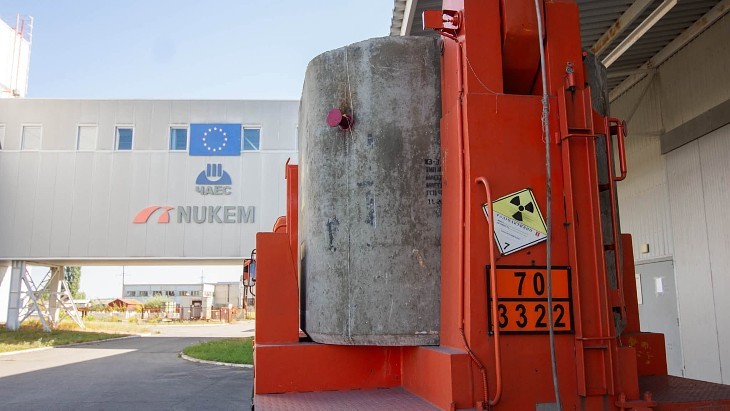
First Batch of Radioactive Waste Transported from New Chernobyl Waste Processing Facility
The Industrial Complex for Solid Radwaste Management (ICSRM) at the Chernobyl Nuclear Power Plant has officially shipped out seven containers of low- and intermediate-level radioactive waste after completing waste processing. This batch of waste has been transferred to the specially equipped Near-Surface Disposal Facility for Solid Radioactive Waste (ENDSF) for final disposal. The Industrial Complex for Solid Radwaste Management officially began operations in May this year after obtaining a license from the State Nuclear Regulatory Inspectorate of Ukraine. The new complex is primarily used to process solid radioactive waste accumulated during the operation of the Chernobyl Nuclear Power Plant, which has been stored in the solid radioactive waste storage facility since 1978. Chernobyl...
2026-09-18
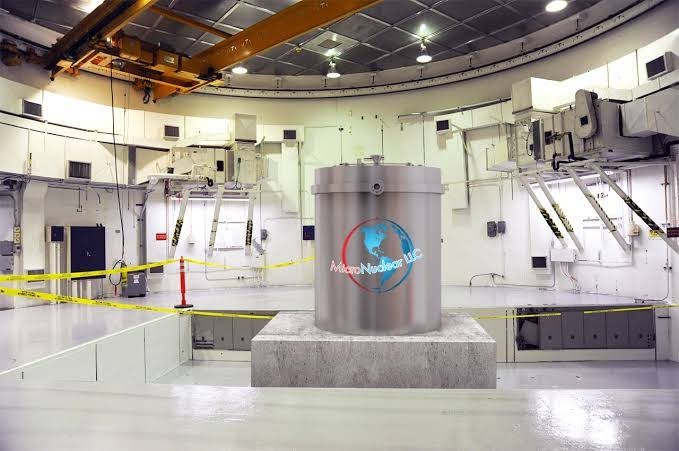
Idaho National Laboratory (INL) Foundation and MicroNuclear Collaborate to Advance Molten Salt Nuclear Battery Technology
The Idaho National Laboratory (INL) Foundation and MicroNuclear, LLC today announced a collaboration agreement to jointly advance the development of MicroNuclear's Molten Salt Nuclear Battery© (MsNB). The MsNB is a compact molten salt microreactor concept designed to provide stable power and process heat. This collaboration will support the next phase of MsNB development, including detailed engineering design, safety and licensing approval, prototype manufacturing, first fission testing, and the development of a reusable model for future deployment and commercialization. The agreement brings together complementary expertise in engineering, reactor technology, manufacturing, quality assurance, training, operations, and commercialization...
2026-09-18
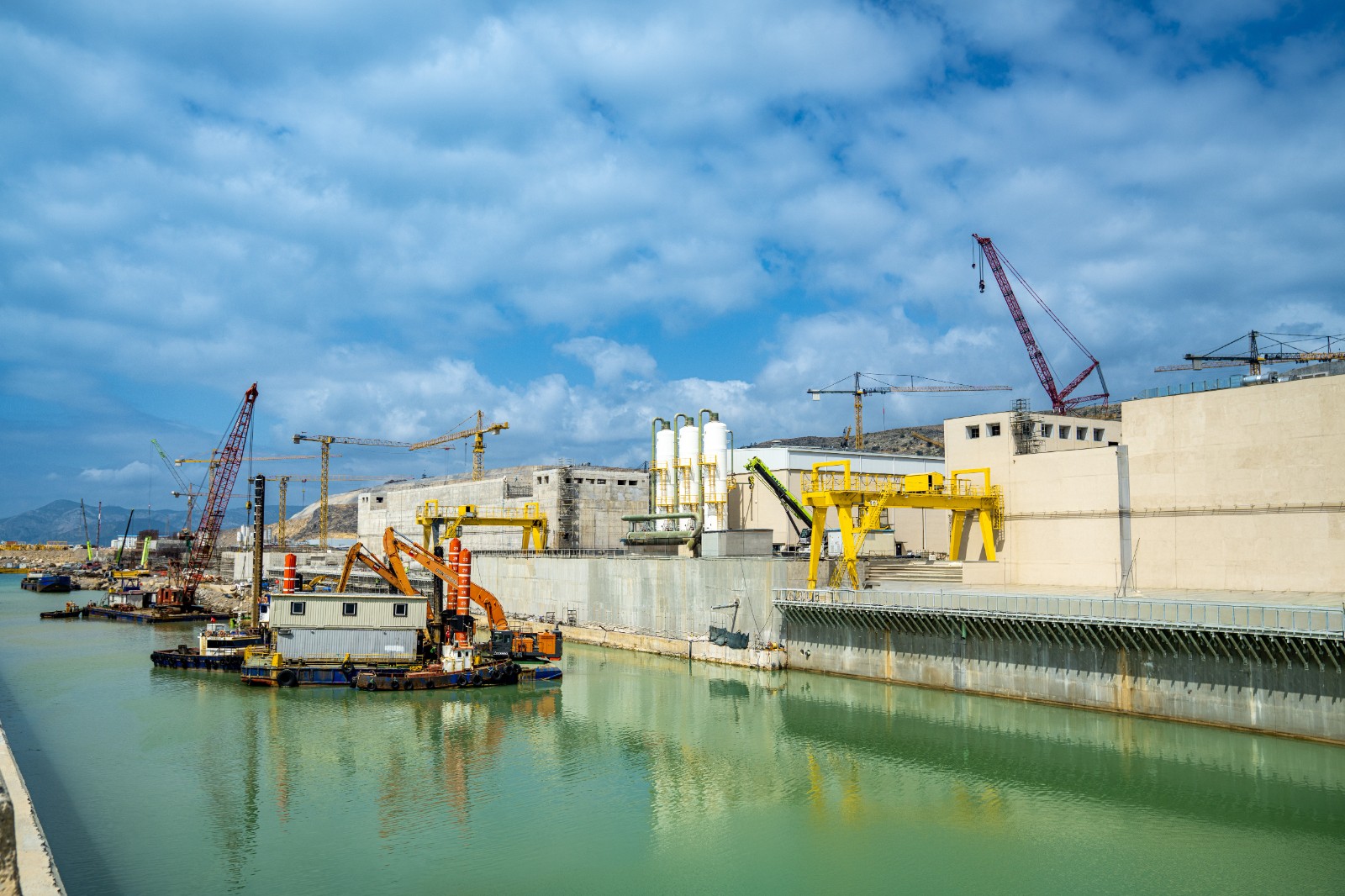
Commissioning Preparation Work Begins for the Control System of Akkuyu NPP Unit 1 in Turkey
The process automation control system of Akkuyu NPP Unit 1 in Turkey has begun preparations for pre-commissioning signal testing, which will be carried out before the physical start-up of the reactor. The process automation control system is the core hub of a nuclear power plant, enabling plant operating personnel to monitor and manage all process systems that support power generation. Akkuyu Nuclear Company noted in its announcement that the control systems used in the units of Akkuyu NPP possess the extremely high reliability characteristic of Russian-designed units. The control safety system responsible for automatic start-up and management of active safety systems has excellent fault tolerance, with a failure rate indicator reaching only one possible error per 1...
2026-09-18
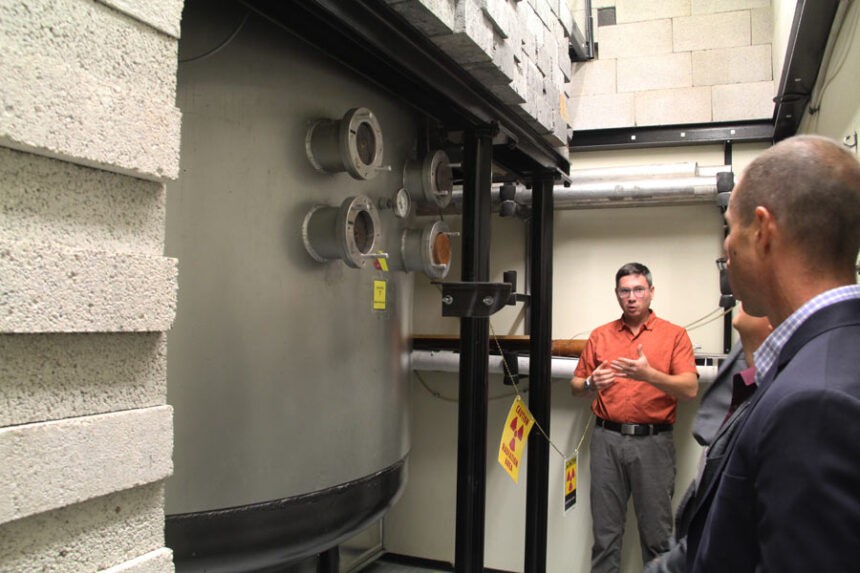
Idaho State University to Build Second Nuclear Reactor
Idaho State University will add a second nuclear reactor, injecting new momentum into the local energy future. On September 17, local and state leaders gathered on the Idaho State University campus to officially announce an upcoming new project. It is reported that the project will give the university a second nuclear reactor, marking another important step in the university's nuclear power research and education. On the morning of the ceremony, participants gathered along Alvin Ricken Drive to listen to the presentation. The 275-acre research park is adjacent to the planned reactor site and is officially called an "advanced nuclear microreactor," with the formal name "Advanced Research and Test Reactor." If the project proceeds smoothly, the new reactor will, together with the...
2026-09-18
Two UK nuclear companies sign memorandum of understanding to jointly develop nuclear microreactor
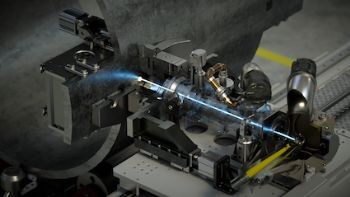
Cambridge Vacuum Engineering (CVE) and Cambridge Atomworks have signed a memorandum of understanding (MoU) under which the two companies will engage in deep collaboration on a UK-built nuclear microreactor. Cambridge Atomworks is an ambitious and vibrant nuclear engineering startup whose core goal is to build a nuclear microreactor in the UK for off-grid applications. The signing of this memorandum of understanding marks that the two companies will jointly explore how to maximize CVE's deep expertise in electron beam welding, including the company's Ebflow technology, which has been proven to significantly accelerate the production process of key nuclear power components such as reactor vessels...
2026-09-18
Deep Fission Discloses Safety Design Agreement for Kansas Nuclear Pilot Project
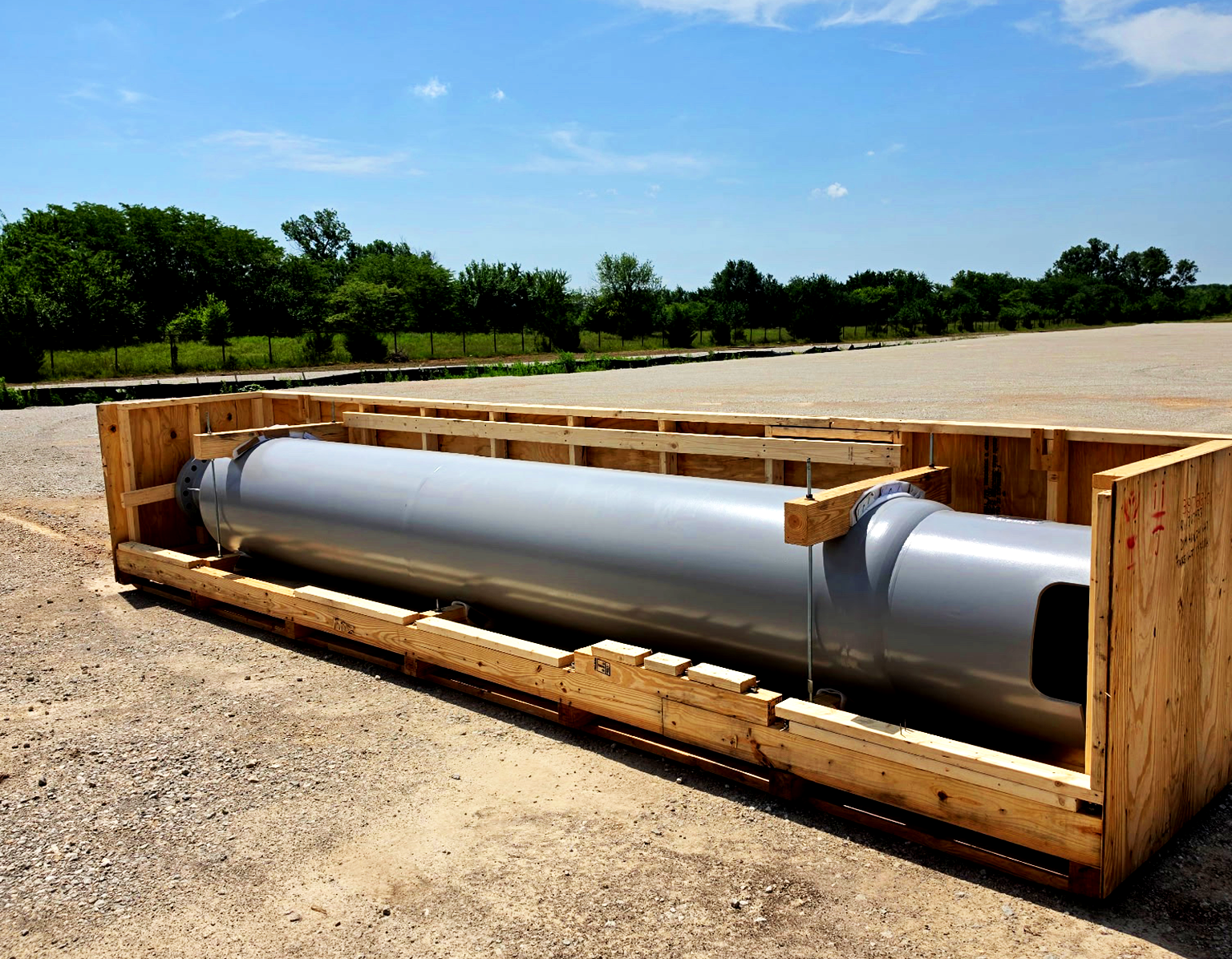
Deep Fission, the company building a nuclear reactor one mile underground in Parsons, Kansas, made its federally approved safety report public on Monday. The U.S. Department of Energy approved the company's safety design for its Gravity nuclear reactor in July of this year. A press release stated that the company publicly released the report, with only a very small number of details involving safety privacy redacted. Liz Muller, co-founder and CEO of Deep Fission, said in the press release that the company disclosed the complete Nuclear Safety Design Agreement because they believe the public has the right to see the true safety...
2026-09-18
The SM-1 Nuclear Power Plant at Fort Belvoir, United States, Has Completed All On-Site Decommissioning and Dismantlement Work
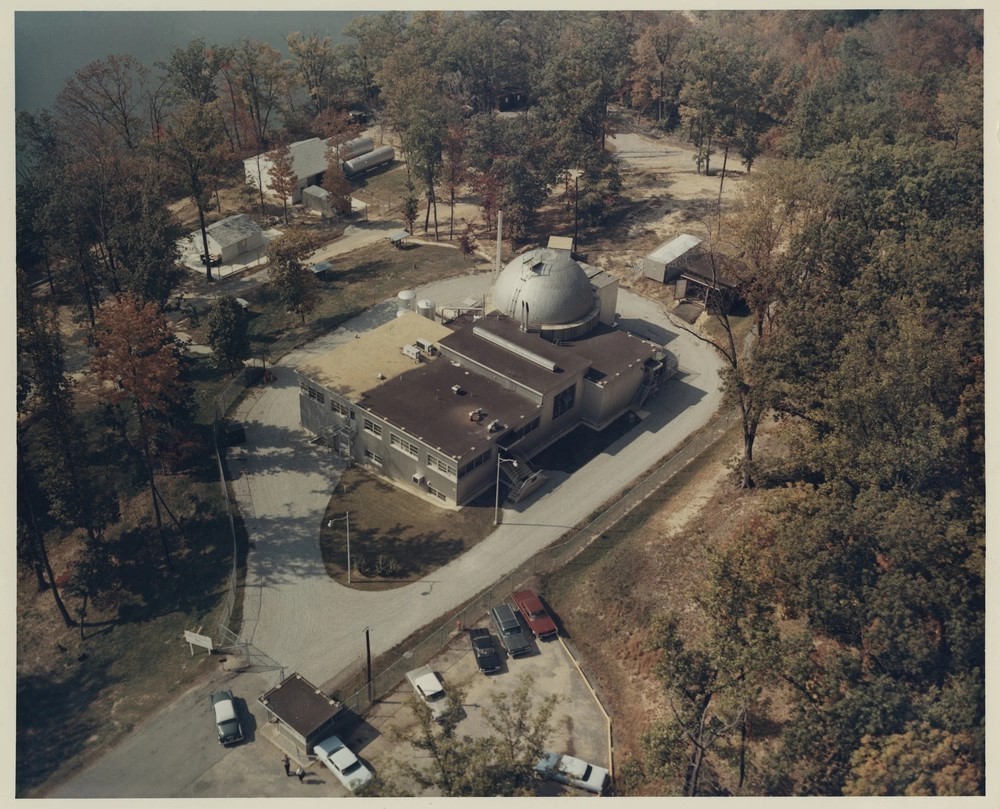
The Baltimore District of the U.S. Army Corps of Engineers recently announced that the SM-1 nuclear power plant at Fort Belvoir, Virginia, has completed all on-site decommissioning and dismantlement work. On September 9, 2026, at the closing ceremony of the SM-1 nuclear power plant decommissioning and dismantlement project held at Fort Belvoir, Virginia, leaders from the U.S. Army, the U.S. Army Corps of Engineers, the Fort Belvoir Garrison, and the project contractor posed for a photo with the original 1957 building sign of the SM-1 nuclear power plant. The ceremony marked the successful completion of all on-site work related to the decommissioning and dismantlement of the nuclear power plant. The U.S. Army's SM-1 (Stationary Medium Power Reactor Prototype No. 1) is a 2-megawatt experimental small...
2026-09-17