
Search Results
Keyword:nuclear power

India Launches "DARSHAN" Centre to Accelerate Small Modular Reactor Technology Development
Nuclear Power Corporation of India Limited (NPCIL) has recently officially launched the DARSHAN Centre, aimed at advancing the development of India's domestic Small Modular Reactor (SMR) technology. The centre will provide high-performance computing, digital simulation, and advanced engineering support for the indigenous SMR jointly developed by NPCIL and the Bhabha Atomic Research Centre (BARC). The DARSHAN Centre is an important milestone in India's advanced nuclear technology programme. The centre was established to strengthen India's autonomous capabilities in advanced reactor technology and to provide high-level engineering and analysis support for the indigenous SMR. The centre is equipped with high-performance computing infrastructure and advanced simulation capabilities, enabling engineers and research...
2026-09-20
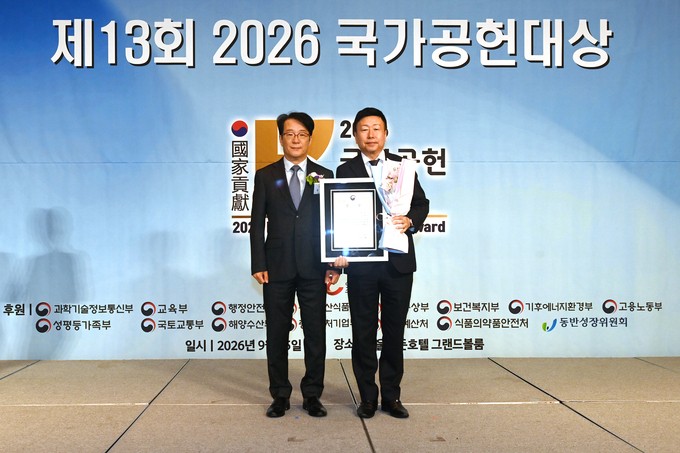
South Korea Deeply Integrates 50 Years of Nuclear Power Design Experience with Artificial Intelligence
KEPCO E&C has deeply integrated its 50 years of accumulated technology and data in the nuclear power design field with artificial intelligence (AI), and its digital transformation strategy is being comprehensively accelerated. At the 2026 National Contribution Awards ceremony, KEPCO E&C received the Minister of Trade, Industry and Energy Award in the AI innovation category. This award aims to recognize the company's outstanding achievements in organically combining nuclear power design experience with technical materials and successfully applying them to business innovation and safety management technology R&D in the power generation and energy sectors. Among the most notable achievements is NEXA, an autonomous generative AI platform developed specifically for power plant design. The platform ensures...
2026-09-20
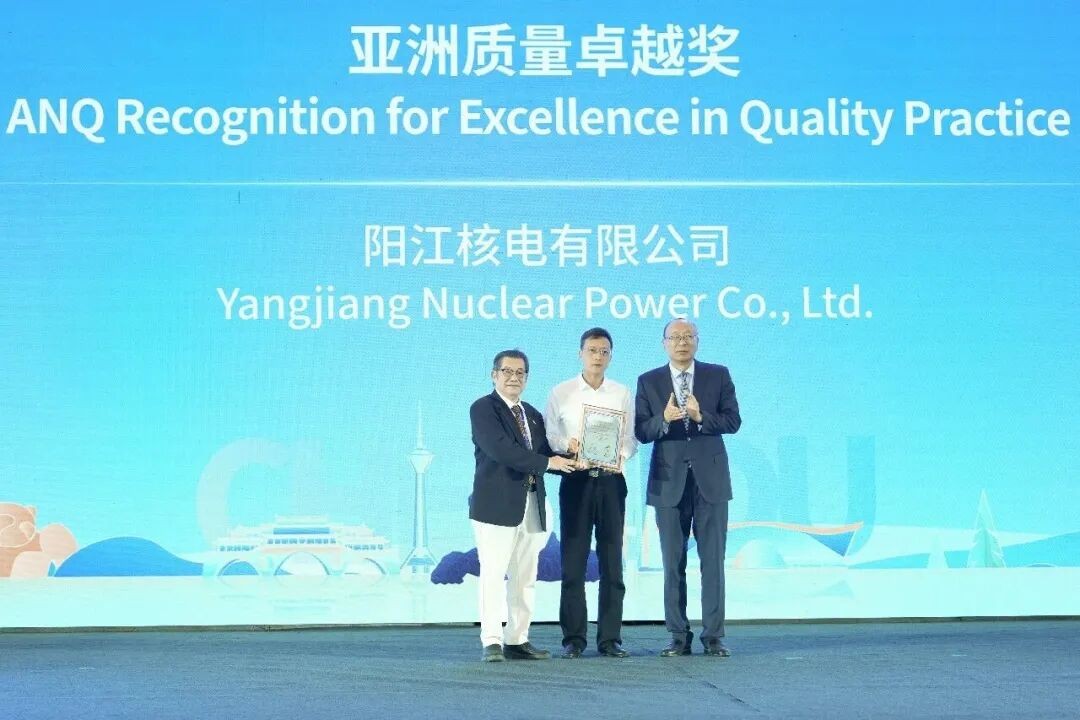
Yangjiang Nuclear Power Co., Ltd. Wins Asian Quality Excellence Award
Recently, the closing ceremony of the 24th Asian Network for Quality Conference was held in Chengdu. Yangjiang Nuclear Power Co., Ltd. won the 24th Asian Quality Excellence Award for its good practices in continuously implementing the performance excellence model over the years. The theme of this conference was "Bridging Asia and the World: Quality Illuminates a Sustainable New Future," with more than 1,000 quality experts, scholars, quality practitioners, and enterprise representatives from 17 countries and regions, including China, Singapore, Russia, and Finland, participating in the conference. During the conference, Zhang Zhengyi, Deputy General Manager of Yangjiang Nuclear Power, gave a keynote sharing, systematically introducing Yangjiang Nuclear Power's "management-organization-technology" three-dimensional penetrating management model, full-chain quality management system, and other practices...
2026-09-20

Italy may restart nuclear power generation by 2035
Italian Minister of Environment and Energy Security Gilberto Pichetto Fratin stated that the Italian government does not rule out the possibility of restarting domestic nuclear power generation by 2035. If mass production of nuclear reactors begins by the end of this decade, their construction time could be shortened to three to four years. This might allow Italy to begin generating electricity in 2034 or 2035. The bill aims to establish the legal framework needed for Italy to build new nuclear reactors. Since the referendum held after the 1987 Chernobyl nuclear accident and the closure of the last nuclear power plants in 1990, Italy has consistently prohibited nuclear energy. However, geopolitical uncertain...
2026-09-20
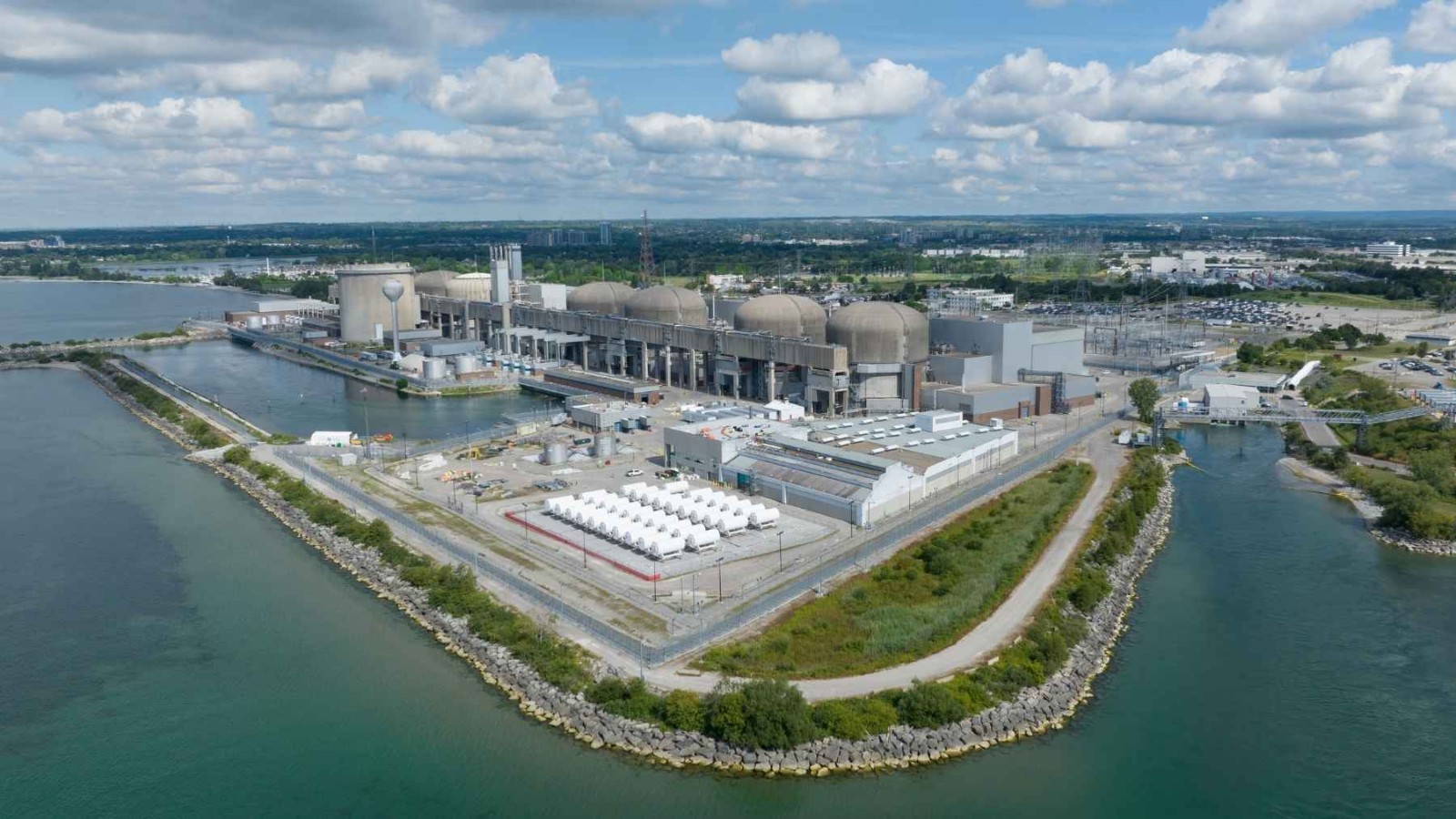
Canada's Pickering Nuclear Power Station in Toronto is about to shut down for refurbishment
Nicole Butcher, CEO of Ontario Power Generation (OPG), announced at the Canada Investment Summit that the four units at Pickering Nuclear Power Station's B plant, namely Units 5 through 8, will be gradually taken out of service and enter a comprehensive refurbishment phase lasting five to seven years. Since these four units began operation in the mid-1980s, they have consistently provided about one-tenth of Ontario's electricity supply. With the shutdown of these units, all eight reactors at Pickering Nuclear Power Station will cease generating electricity. According to OPG's financial plan, the refurbishment project will begin first with Unit 5, which is expected to be reconnected to the grid in 2031, while the entire project is planned to be fully completed by 2034. This pr...
2026-09-20
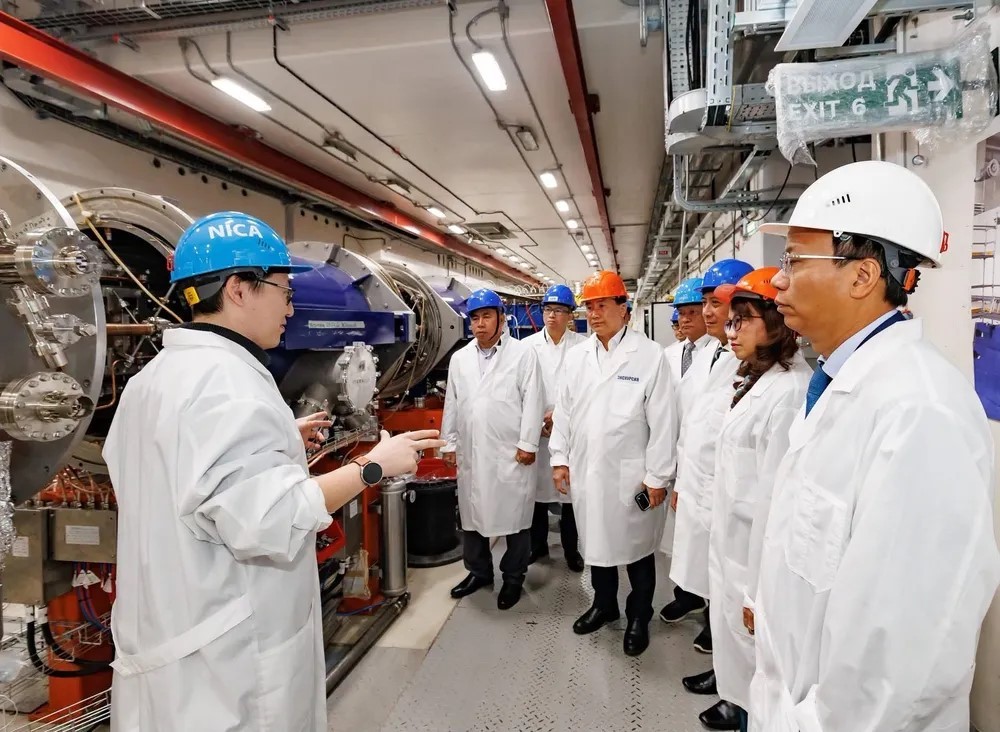
A delegation from Vietnam National University Ho Chi Minh City visited the Joint Institute for Nuclear Research to deepen cooperation in research and talent development
A working delegation from Vietnam National University Ho Chi Minh City recently visited the Joint Institute for Nuclear Research (JINR) in Dubna, Russian Federation, and held a working meeting. The two sides had in-depth exchanges of views on cooperation directions in talent cultivation, scientific research, and human resource development. In terms of talent cultivation and human resource development, the two sides discussed cooperation in fields such as nuclear physics, particle physics, heavy ion physics, quantum physics, advanced materials, nanotechnology, applied mathematics, radiation biology, and data science. Specific forms of cooperation include exchanging master's students, doctoral students, lecturers, and scientists, as well as jointly supervising doctoral students. Vietnam National University Ho Chi Minh City...
2026-09-20
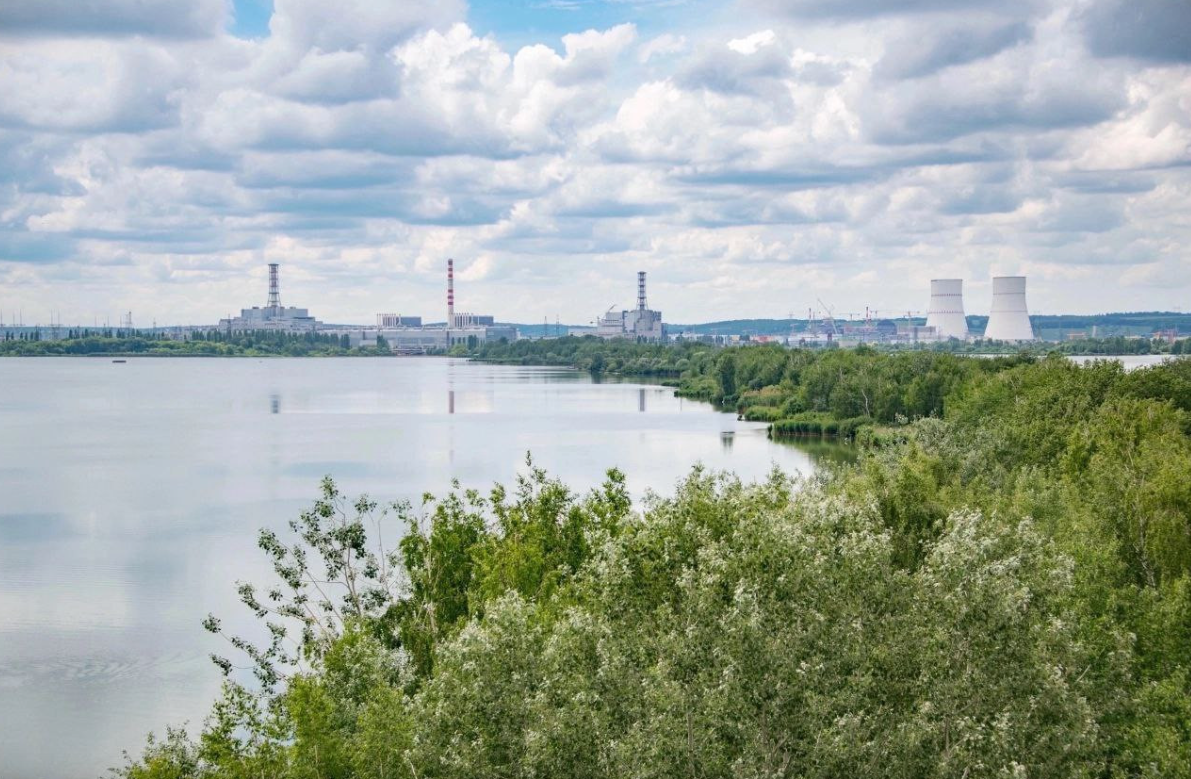
Drone Attack on Cooling Tower at Russia's Kursk Nuclear Power Plant
The International Atomic Energy Agency (IAEA) announced on Friday that it has confirmed a drone attack on a cooling tower at the Kursk Nuclear Power Plant in western Russia. The incident occurred on September 18, when the reactor was operating, but no fire broke out and the operational status was unaffected. Rosatom, Russia's state nuclear energy corporation, stated in a statement that the attack caused minor damage to the plant's Reactor No. 1, but operations were not affected. The IAEA has received relevant information and is investigating the incident. Based on the investigation results, the agency will take necessary measures to ensure the safe operation of the nuclear power plant....
2026-09-20
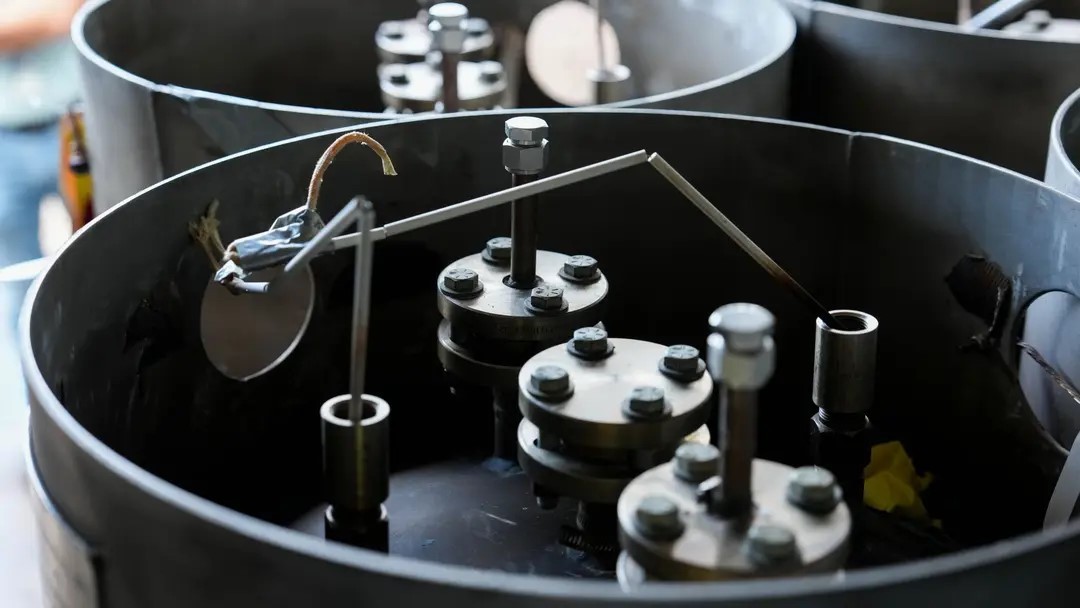
US Delivers Cold War-Era Reactor Molten Salt Coolant to Texas Nuclear Innovation Project
The U.S. nuclear energy sector has recently seen a landmark cross-generational collaboration. The U.S. Department of Energy (DOE)'s Oak Ridge National Laboratory (ORNL) has formally delivered over 2 metric tons of FLiBe molten salt to Natura Resources, a nuclear startup headquartered in Abilene, Texas. This batch of molten salt once served as the coolant for the historic Molten Salt Reactor Experiment (MSRE) during the Cold War, and after decades in storage, it has been reactivated to support the research, development, and deployment of fourth-generation nuclear reactor technology. The delivered FLiBe molten salt is a mixture of lithium fluoride and beryllium fluoride, and its distinctive feature is that the lithium-7 (Li-7) isotope abundance within it reaches as high as 99.99%...
2026-09-20

ACRA Rating Agency Confirms Rosatom's ESG Rating at ESG-2 (AA+) Level
On September 18, 2026, according to the latest assessment results, ACRA Rating Agency confirmed that the ESG rating of Rosatom State Atomic Energy Corporation (Rosatom) remains at the ESG-2 (AA+) level, which represents the company's exceptionally high evaluation in the areas of environmental protection, social responsibility, and corporate governance. This also marks the fourth consecutive year that the agency has confirmed this exceptionally high rating for Rosatom. At the same time, the rating agency assigned a stable outlook to the group, meaning that its ESG rating is highly likely to remain stable over the next 12 to 18 months. To carry out the data collection work for this ESG rating, six core divisions under Rosatom actively participated, including the mining division, the power division, ...
2026-09-20

Russia's Kalinin Nuclear Power Plant Unit 2 begins scheduled comprehensive overhaul, equipment upgrades to be carried out
On September 19, 2026, Kalinin Nuclear Power Plant Unit 2 officially entered a period of scheduled maintenance according to plan. The unit belongs to Rosenergoatom, a branch of the Electric Power Division of Rosatom State Atomic Energy Corporation. The maintenance will involve nuclear fuel replacement, routine inspection and repair of the reactor and turbine generator set, as well as a comprehensive assessment of the technical condition of the metal materials of core equipment. During the maintenance period, technical personnel from the Kalinin Nuclear Power Plant will work closely with experts from Atomenergoremont Company. While carrying out routine maintenance, they will also implement nine upgrade and modification projects on some key nodes and process systems of Unit 2. The entire overhaul process requires...
2026-09-20
Uzbekistan and the United States Sign Memorandum of Understanding on Radiation and Nuclear Safety Cooperation
Uzbekistan and the United States have signed a memorandum of understanding aimed at strengthening cooperation between the two sides in the field of radiation and nuclear safety. The Committee for Industrial, Radiation and Nuclear Safety of Uzbekistan disclosed this in a statement released. According to relevant information, the memorandum was signed on the sidelines of the 70th General Conference of the International Atomic Energy Agency (IAEA), which the Uzbek delegation is currently attending. The agreement was signed jointly by A. Rafigov, Chairman of the Committee for Industrial, Radiation and Nuclear Safety of Uzbekistan, and Ho Nieh, Chairman of the United States Nuclear Regulatory Commission. The memorandum provides a framework for cooperation between the nuclear and radiation regulatory bodies of the two countries in multiple...
2026-09-20
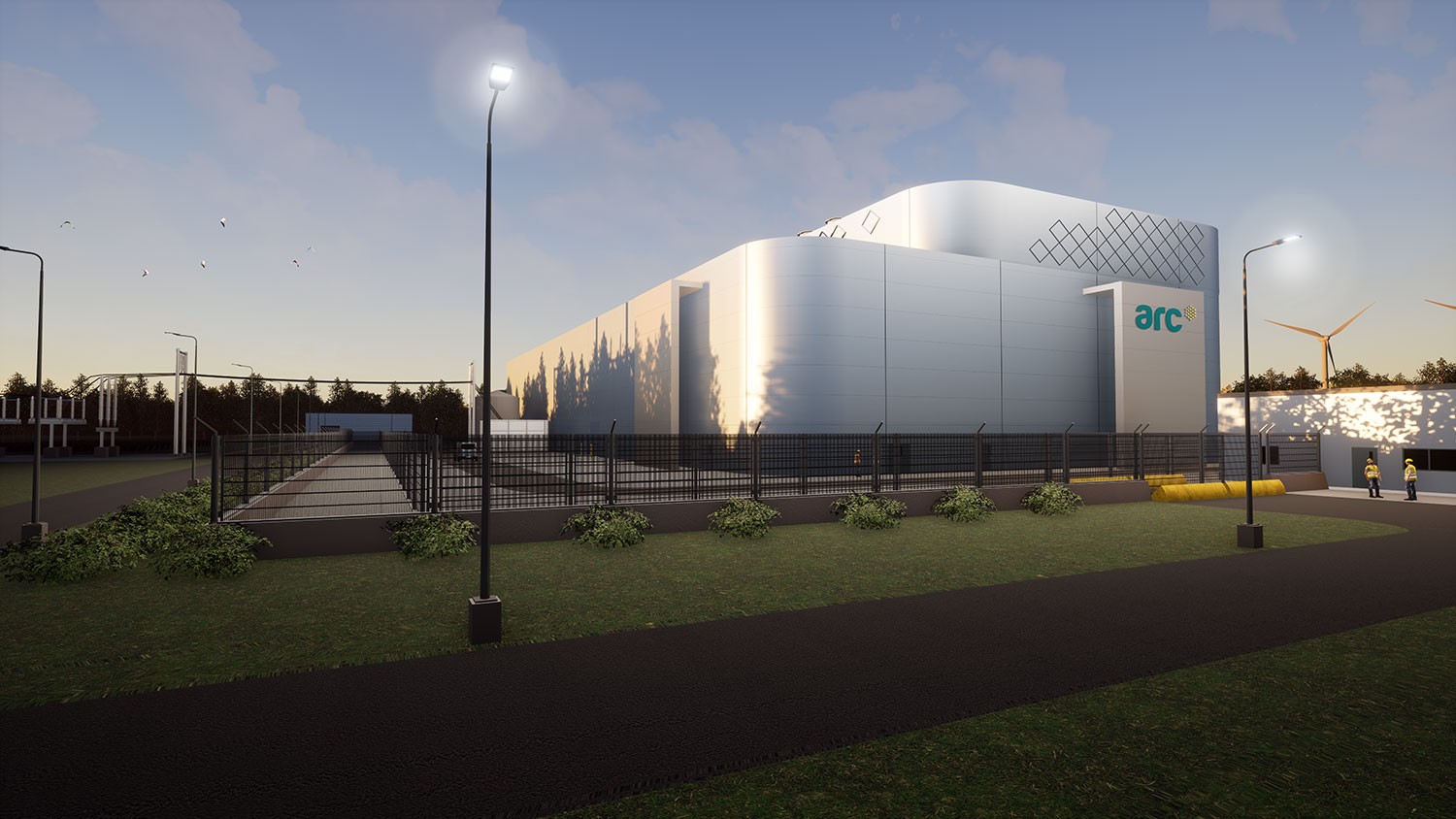
ARC and Idaho National Laboratory Forge Strategic Partnership to Advance First Reactor Deployment
ARC Clean Technology announced earlier this week that it has signed a Strategic Partnership Project agreement with Battelle Energy Alliance, the operating and management contractor for Idaho National Laboratory (INL). The agreement establishes a multi-year collaboration framework aimed at advancing in-depth cooperation between ARC and INL on the design, demonstration, and first project deployment of the ARC-100, a 100 MWe sodium-cooled fast reactor. Among the many emerging nuclear reactor startups, Washington, D.C.-based ARC stands as one of the oldest members. The company was founded in 2006, even earlier than well-known industry players such as TerraPower (...
2026-09-20
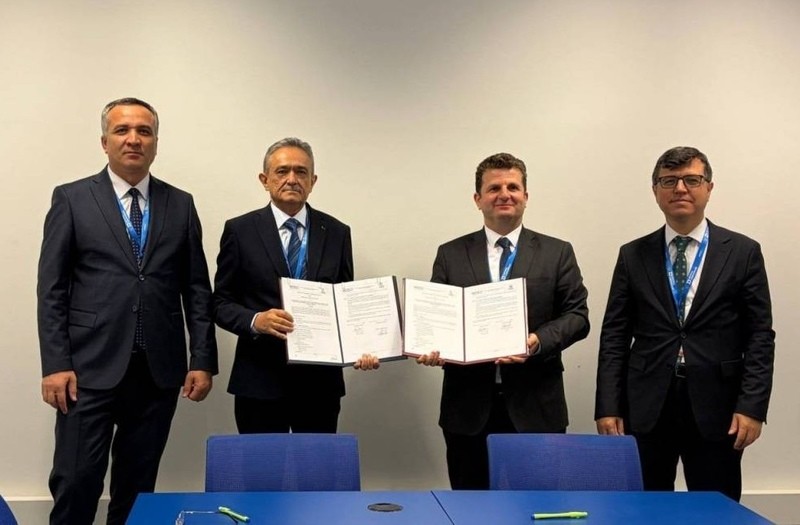
Uzbekistan and Turkey to Strengthen Cooperation in the Field of Radiation and Nuclear Safety
Uzbekistan and Turkey reached an important agreement at the 70th General Conference of the International Atomic Energy Agency, aimed at strengthening cooperation between the two countries in the field of radiation and nuclear safety. The Scientific and Technical Center for Radiation and Nuclear Safety under the Committee for Industrial, Radiation and Nuclear Safety of Uzbekistan and the Turkish Nuclear Technical Support Joint Stock Company (NÜTED) signed the relevant documents, marking concrete steps forward in information exchange and technical collaboration between the two sides. The focus of cooperation lies in effectively utilizing their respective scientific and technological resources, sharing valuable experience, and applying modern safety methods in practical operations. Both sides recognize that in the field of nuclear safety, the exchange of experience and tech...
2026-09-18
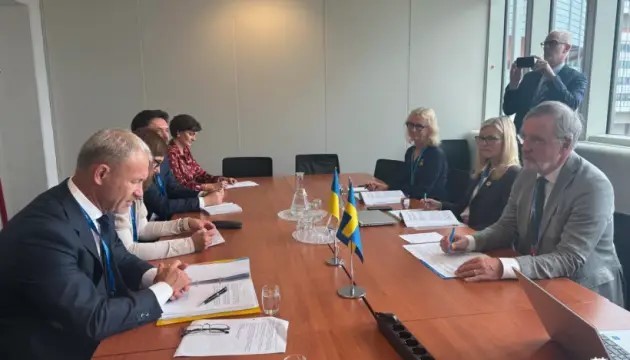
Ukraine and Sweden Extend Nuclear and Radiation Safety Cooperation Agreement
On September 17, 2026, during the 70th General Conference of the International Atomic Energy Agency (IAEA) held in Vienna, Ukraine and Sweden officially extended their cooperation agreement in the field of nuclear and radiation safety for five years. The heads of the State Nuclear Regulatory Inspectorate of Ukraine and the Swedish Radiation Safety Authority jointly signed the extension document. The State Nuclear Regulatory Inspectorate of Ukraine confirmed this outcome in an official statement, noting that the heads of the two countries' national nuclear regulatory bodies had reached agreement on continued cooperation for the next five years, laying the foundation for further deepening bilateral nuclear safety technical collaboration. During the meeting, representatives of Ukraine and Sweden held in-depth discussions on the specific implementation of joint projects. The two sides' future cooperation...
2026-09-18
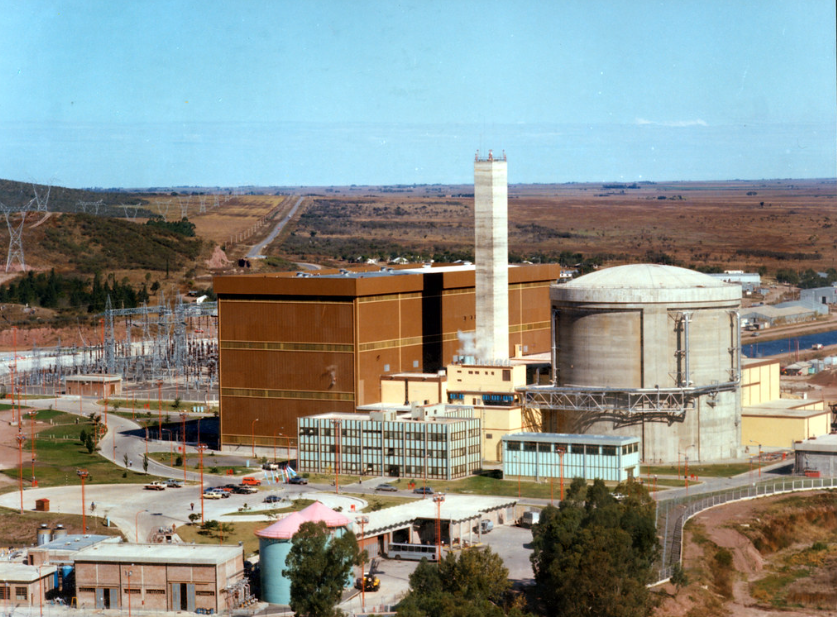
Romania and Argentina Nuclear Power Companies Sign Memorandum of Understanding to Deepen CANDU 6 Heavy Water Reactor Technology Cooperation
Romania's National Nuclear Power Company (SNN) and Argentina's Nuclear Power Company (NASA) signed a non-binding memorandum of understanding on Thursday. According to a press release issued by the Romanian company, the two parties will engage in in-depth cooperation in the operation and development of CANDU 6 heavy water reactor technology. Both companies possess strong technical strength and rich practical experience in the engineering design, daily operation, equipment maintenance, large-scale project management, life extension, nuclear safety analysis, and reactor operation of CANDU 6 technology nuclear reactors. Argentina's Nuclear Power Company had previously successfully completed the refurbishment and upgrade of the Embalse Nuclear Power Plant, which uses CANDU technology...
2026-09-18