
Search Results
Keyword:nuclear power

KHNP Hanul Nuclear Power Plant Conducts High-Intensity Comprehensive Drill to Address Safety Threats Including Earthquakes, Wildfires, and Drones
On the 14th, Korea Hydro & Nuclear Power (KHNP) Hanul Nuclear Power Plant conducted a high-intensity comprehensive emergency drill aimed at responding to compound disasters such as earthquakes, wildfires, and radioactive material leaks, as well as new safety challenges including information system failures and drone threats. The Hanul Nuclear Power Plant announced that it jointly held the "2026 Disaster Response Safety Korea Drill" with multiple relevant departments at Hanul Unit 1. The Safety Korea Drill is a nationwide comprehensive emergency exercise designed to establish a disaster management system and cross-departmental coordination mechanism involving South Korea's central ministries, local governments, and public institutions, ensuring efficient joint response capabilities during major emergencies. This drill was...
2026-09-14
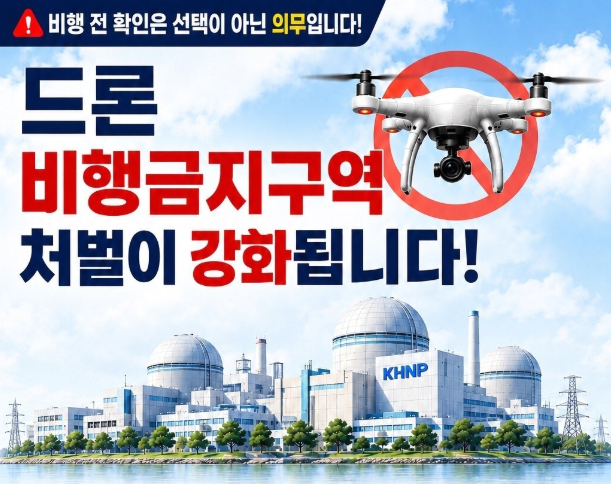
South Korea Strengthens Drone Control Around Nuclear Power Plants, Illegal Flights to Trigger Criminal Law
Korea Hydro & Nuclear Power (KHNP) stated on September 14 that it will further strengthen its response to unauthorized drone flights within no-fly zones around nuclear power plants. It is understood that under the revised Aviation Safety Act, the penalty for unauthorized operation of ultralight flying devices (drones, etc.) within no-fly zones has been significantly raised from the previous "fine of up to 3 million won (administrative fine)" to "imprisonment of up to 1 year or a fine of up to 10 million won." According to statistics from the Nuclear Safety and Security Commission of South Korea, from 2021 to August of last year, a total of 699 illegal drone incidents were detected near nuclear power plants across South Korea, of which 284 cases could not identify the operators...
2026-09-14
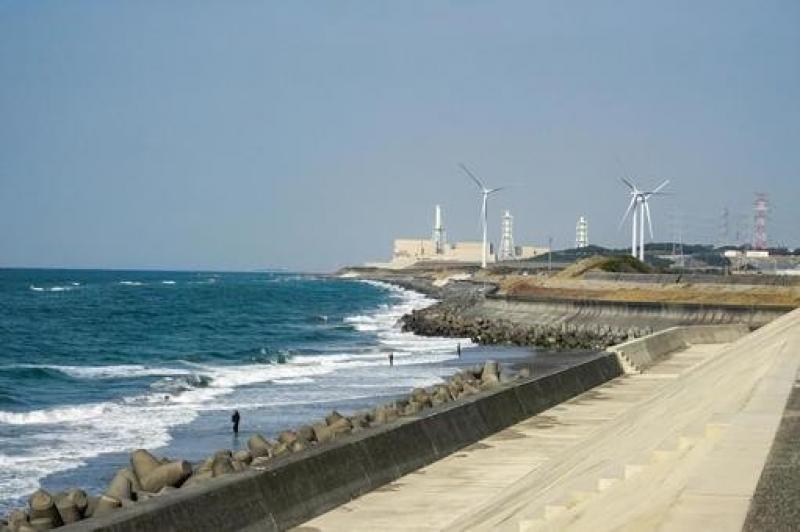
Chubu Electric Power Company withdraws regulatory review application for Hamaoka Nuclear Power Plant reactors
Chubu Electric Power Company said on Monday that it will withdraw its regulatory review application to restart reactors at the Hamaoka Nuclear Power Plant in Shizuoka Prefecture in central Japan. The company also announced the resignation of President Kingo Hayashi and Chairman Satoru Katsuno, who will take responsibility for the company's tampering with seismic data during the restart screening of the plant's Units 3 and 4 reactors.
2026-09-14

Korea Nuclear Safety Foundation Signs MRA with IEEE of the United States to Enhance International Credibility of Nuclear Power Equipment Performance Verification
The Korea Nuclear Safety Foundation (Chairman Kim Sung-jin) formally signed a Mutual Recognition Agreement (MRA) in the field of nuclear power equipment performance verification with the Institute of Electrical and Electronics Engineers, Incorporated (IEEE) on the 14th in Seongnam City, Gyeonggi Province. The core of this MRA lies in: both parties mutually recognizing that their respective performance verification certification systems possess equivalent levels of professional competence and quality management capability. Under the agreement, the Korea Nuclear Safety Foundation and IEEE will mutually confirm that each other's performance verification systems continuously maintain the same...
2026-09-14
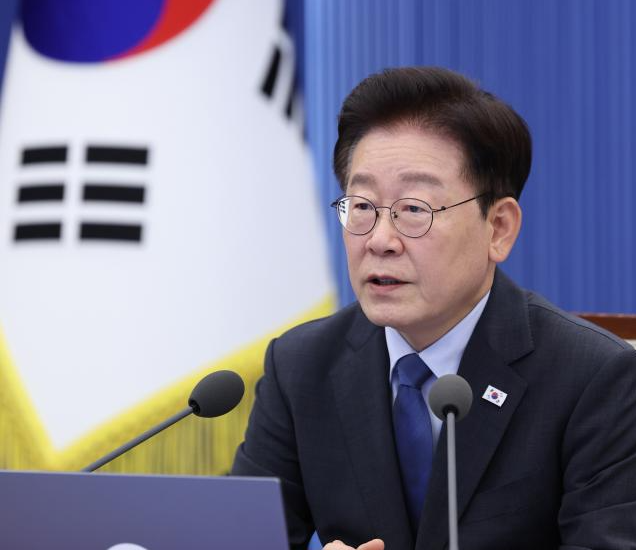
South Korean President Lee Jae-myung Meets with Asian Development Bank President, Plans to Expand Cooperation in Critical Minerals, AI, and Nuclear Power
Recently, South Korean President Lee Jae-myung met with Asian Development Bank (ADB) President Masato Kanda, and the two sides reached multiple consensus points on deepening cooperation. This meeting was prompted by diplomatic interactions between South Korea and Central Asian leaders, and both sides proposed combining South Korea's technological strengths with the ADB's financial instruments to jointly expand cooperation space in the Asia-Pacific region. On the day of the meeting, President Lee Jae-myung received President Kanda at his office at 11 a.m. This visit coincided with Kanda's attendance at the South Korea-Uzbekistan summit and the first South Korea-Central Asia summit. Kang Yoo-jung, Chief Spokesperson of the Blue House, stated in a written briefing that this meeting served as an important exchange between South Korea and the ADB in the fields of energy and technology.
2026-09-14

Kairos Power Establishes Advanced Nuclear Manufacturing and Prefabrication Center in Tennessee
Recently, Kairos Power announced in Oak Ridge, Tennessee the launch of an initiative called the "Advanced Manufacturing and Prefabrication Nuclear Center" (abbreviated as NuCAMP), aimed at advancing new manufacturing processes and construction technologies toward maturity in the nuclear power sector, while also cultivating a skilled industrial workforce in East Tennessee. The core goal of NuCAMP is to support the future large-scale deployment of advanced nuclear reactors. According to a signed memorandum of understanding, Kairos Power will lead this initiative and collaborate with Oak Ridge National Laboratory, the University of Tennessee, Knoxville, the Institute for Advanced Composites Manufacturing Innovation (IACMI), Barnard Construction...
2026-09-14

Canada Promotes Uranium Resources and Nuclear Industry to the UK
Recently, Scott Moe, Premier of the Canadian province of Saskatchewan, led a trade and investment delegation to the United Kingdom, focusing on promoting the province's abundant uranium resources and its expertise and experience in the nuclear energy sector. The visit aimed to demonstrate to the UK side that Saskatchewan possesses the resource reserves, research and development infrastructure, and complete industrial chain conditions to advance nuclear energy development, and to create opportunities for local enterprises to expand into overseas markets. Scott Moe stated in an official statement that the province has abundant uranium resources, well-established nuclear energy research infrastructure, and mature supply chain capabilities, and is fully equipped to become a world leader in nuclear energy development....
2026-09-14

US Fusion Company Commonwealth Fusion Systems Secures $1 Billion Investment from South Korea's Hyundai
Recently, the US nuclear fusion company Commonwealth Fusion Systems, backed by Bill Gates, has secured a $1 billion investment from South Korea's Hyundai Motor Group to build its commercial fusion power plant. Chung Ho-eun, Executive Vice President of Hyundai Motor Group, stated that the plan will enable both parties to explore engineering collaboration on a commercial fusion power plant project called ARC. Fusion energy is expected to play an important role in meeting growing global energy demand while supporting a more sustainable future. As of June this year, this hardware solution has received formal academic confirmation of its physical feasibility. Following a peer-reviewed study, CFS validated the ARC des...
2026-09-14

Russia to Increase Number of Technical Personnel at Iran's Bushehr Nuclear Power Plant
Russia's state nuclear power company Rosatom is about to significantly strengthen its technical force at Iran's Bushehr Nuclear Power Plant. According to reports, the company plans to expand the scale of specialized technical personnel stationed at the facility to 150 within the next few months. The Bushehr power plant is an important component of Iran's national energy strategy and can supply electricity to the regional power grid. For many years, cooperation with Rosatom has been indispensable to the normal operation of the nuclear power plant, with the Russian side responsible for overseeing various technical upgrades and safety assessment work. This planned increase in personnel comes after a period of continued reliance on Russian nuclear experts, with the aim of...
2026-09-14
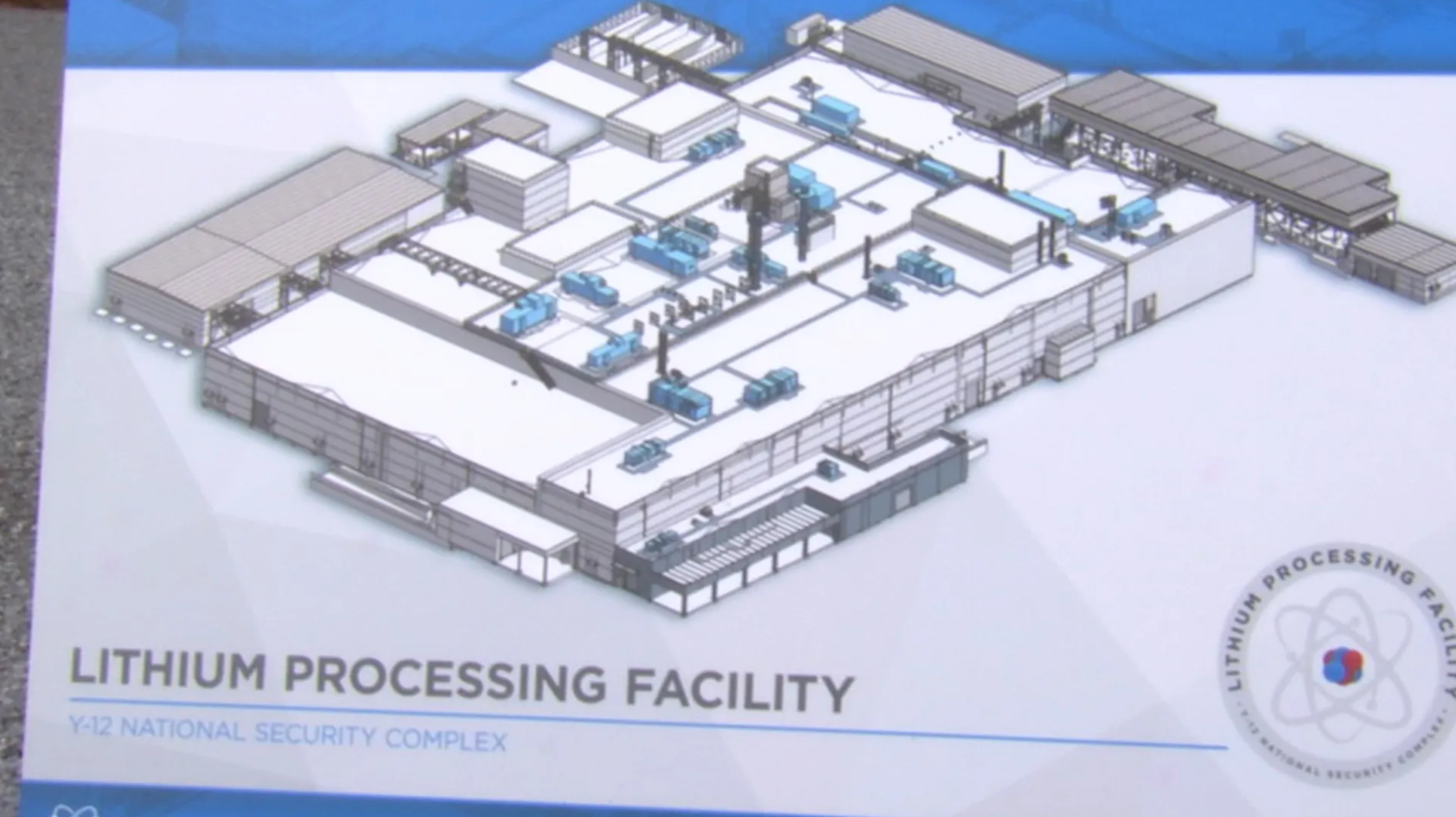
BWXT Awarded $4 Million Conceptual Design Contract for Y-12 Lithium Processing Facility
Recently, BWX Technologies, Inc. (BWXT), a nuclear technology, nuclear components, and nuclear fuel manufacturing company headquartered in Lynchburg, Virginia, USA, announced that it has been awarded the conceptual design contract for the first module of the first lithium processing facility at the Y-12 National Security Complex by the U.S. Department of Energy National Nuclear Security Administration (DOE/NNSA). It is understood that the Y-12 National Security Complex, located in Oak Ridge, Tennessee, USA, is managed by the National Nuclear Security Administration (NNSA) under the U.S. Department of Energy. Its core business...
2026-09-14
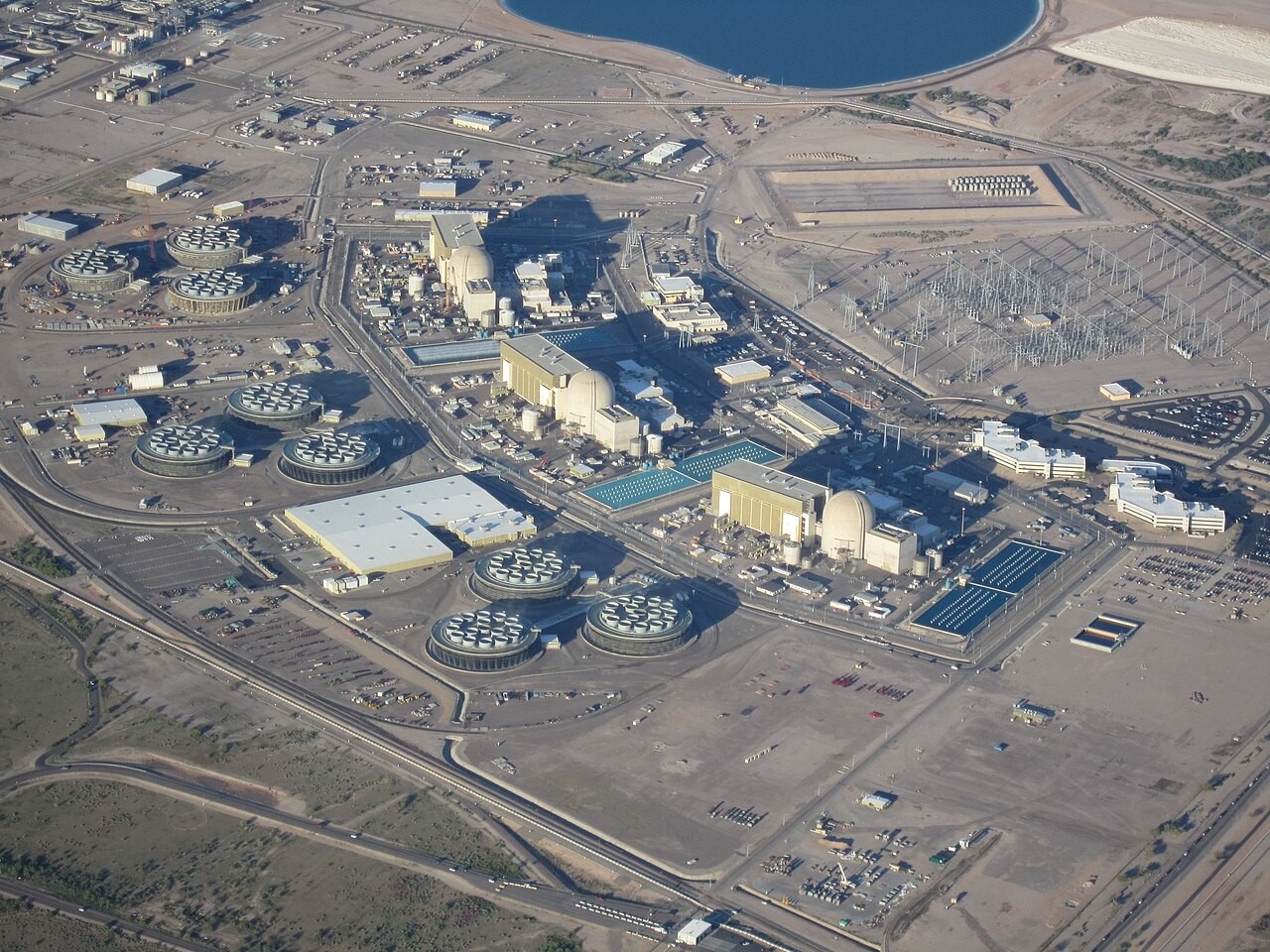
U.S. Department of Energy Plans to Invest Up to $2 Billion in Iowa Nuclear Energy Facility
The U.S. Department of Energy stated that it plans to provide up to $2 billion in funding support to nuclear facilities in the Palo area of Iowa to formally launch the nuclear energy project. This commitment was formally proposed after the nuclear energy research working group led by Iowa Governor Kim Reynolds completed its related work, marking a substantive step forward for the state in advancing nuclear energy development. It is understood that the main nuclear facility in the Palo area is the Palo Verde Generating Station located in Arizona, United States, situated in Maricopa County, Arizona, approximately 5...
2026-09-14

Vietnam Seeks French CEA Support to Restart Nuclear Power Program
On the morning of September 11 local time, To Lam, General Secretary of the Central Committee of the Communist Party of Vietnam and President of Vietnam, who is on an official visit to France, led a high-level Vietnamese delegation to visit the French Alternative Energies and Atomic Energy Commission (Commissariat à l'énergie atomique et aux énergies alternatives, CEA). During the visit, the CEA briefed To Lam and the high-level Vietnamese delegation on France's core technology development. The CEA focuses on research in strategic fields such as nuclear energy, semiconductors, quantum technology, and artificial intelligence. To Lam stated that Vietnam is restarting its national nuclear power program, including the Ninh Thuan nuclear power project and the nuclear science and technology research center...
2026-09-12
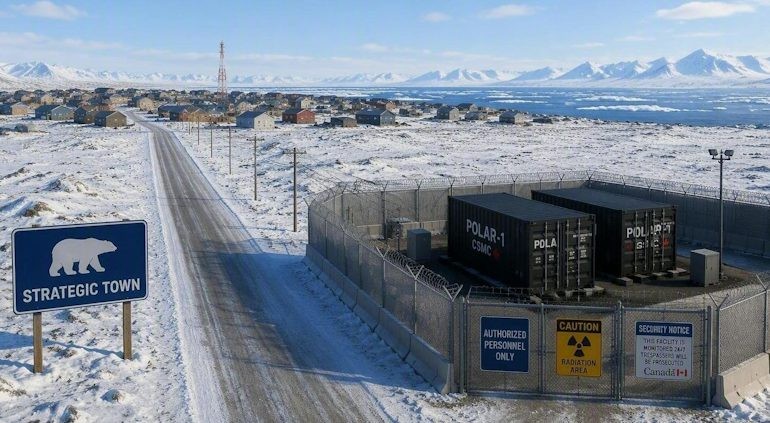
Canada's CSMC Releases Three Advanced Nuclear Reactor Designs
On September 10, 2026, Canadian aerospace and defense company Canadian Strategic Missions Corporation (CSMC) released three advanced nuclear reactor platforms, namely Polar-1, Jay-1, and Orca-1. The company said these three reactors target different application scenarios including remote communities, military operations, space infrastructure, scientific research, testing, and personnel training. CSMC was founded in 2020. The company stated that the three platforms constitute its advanced nuclear technology portfolio, aiming to provide reliable and deployment-flexible nuclear energy solutions in environments where conventional energy solutions struggle to meet demand, with application areas including Arctic communities...
2026-09-13
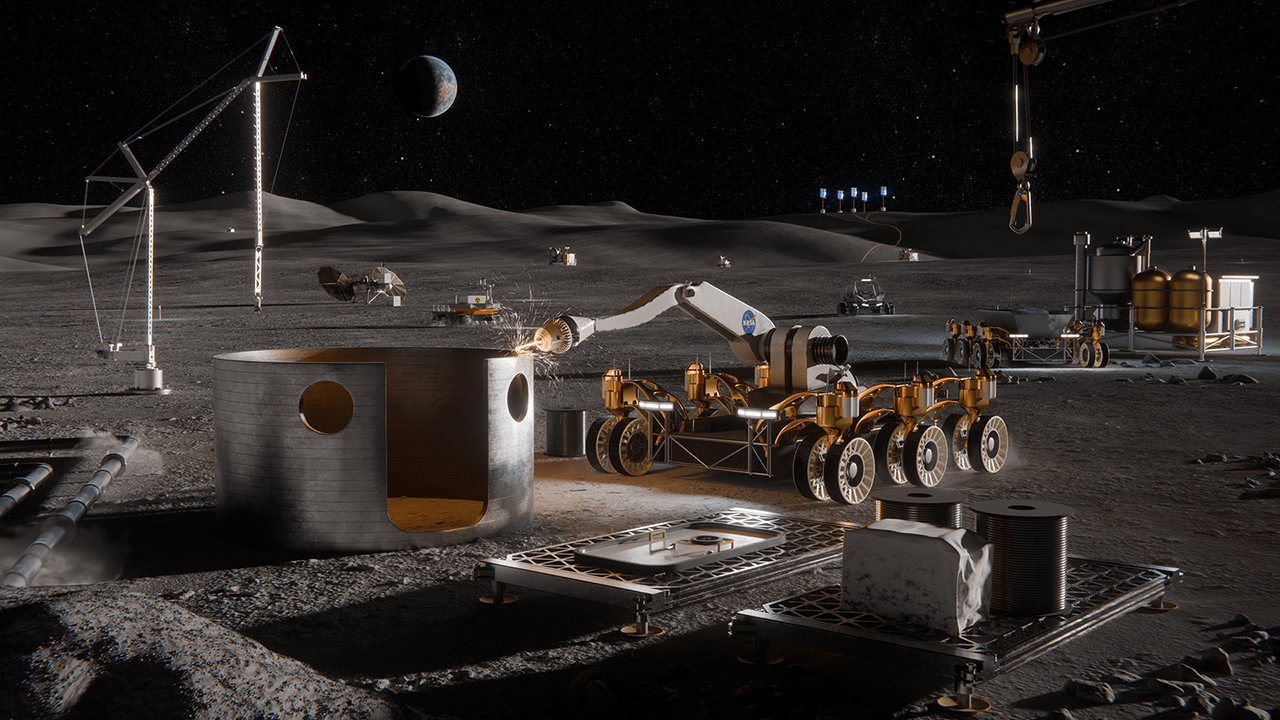
NASA Seeks Proposals for Radioisotope Power and Other Technologies for Lunar Missions
On September 8, 2026, the National Aeronautics and Space Administration (NASA) issued a solicitation seeking proposals for critical technologies and infrastructure for lunar exploration, with near-term focus on supporting the construction of a lunar base in the lunar south pole region. This solicitation is included under Appendix A of the NextSTEP-3 Broad Agency Announcement, the Lunar Enabling Infrastructure Accelerator framework, and covers five technology areas: vertical solar arrays, lunar regolith oxygen extraction, radioisotope power, advanced space manufacturing, and innovative nanomaterial production. NASA stated that these capabilities will be used to address the power generation, resource utilization, materials...
2026-09-13

Hualong One Version 2.0 Independent Innovation Achievements Presented in Beijing
On September 11, the "Road of Independent Innovation for Hualong One" media tour was launched in Beijing, focusing on presenting the independent innovation achievements and technical advantages of Hualong One Version 2.0. According to reports, Hualong One Version 2.0 adopts Chinese standards and has the capability for 100% domestic production of key equipment, with its safety performance indicators ranking in the first tier among large pressurized water reactors globally. Hualong One is a million-kilowatt-class Generation III pressurized water reactor nuclear power technology developed on the basis of China's more than 40 years of experience in nuclear power research and development, design, manufacturing, construction, and operation, and possesses fully independent intellectual property rights. Hualong One Version 2.0, building on the summary of engineering construction and operational experience of Hualong One, has been launched through independent innovation and overall coordination...
2026-09-12