
Search Results
Keyword:nuclear power

Princeton University and PPPL Launch Collaborative Graduate Program in Plasma Science and Technology
The Princeton Plasma Physics Laboratory (PPPL), a U.S. Department of Energy (DOE) facility, and Princeton University recently launched the Collaborative Research Program in Plasma Science and Technology (CRPST). This two-year program, which began on July 1, 2026, aims to establish a more formal joint mentorship mechanism and expand opportunities for Princeton University graduate students in engineering, physics, and related disciplines to participate in research at PPPL. Under the program, selected students will be jointly mentored by a PPPL scientist and a Princeton University faculty member. Students will work at PPPL at least one day per week, participate in relevant research groups, and use laboratory facilities to advance their projects...
2026-07-30

SuperCritical Obtains Exclusive License for Uranium Extraction from Seawater Technology, Plans Industrial Deployment in the United States
SuperCritical Materials Corp., a U.S. developer of nuclear fuel and critical materials infrastructure, announced on July 24 that it has obtained an exclusive license from Battelle Memorial Institute for a patented uranium adsorbent technology used to extract uranium from seawater. The technology was originally developed by Pacific Northwest National Laboratory (PNNL) and its research partners. Battelle Memorial Institute currently manages eight national laboratories for the U.S. federal government. SuperCritical stated that the technology has been verified to extract uranium from seawater...
2026-07-30

Superyacht Industry Explores Nuclear Power Transition, Calls for Early Safety and Regulatory Preparation
During the 2026 Monaco Energy Boat Challenge, the application prospects of nuclear propulsion technology in the superyacht sector became a focal point of industry discussion. Experts attending the event believe that although nuclear-powered superyachts still have a long way to go before commercial application, the relevant discussions are no longer confined to the conceptual stage. The industry needs to start preparing early on issues such as design, safety, operation, and regulation. Engel-Jan de Boer, Global Yacht Business Manager at the UK-based maritime professional services organization Lloyd's Register, stated during the conference that with the rapid development of maritime nuclear technology...
2026-07-30

U.S. Department of Energy Selects Five States to Explore Building Nuclear Lifecycle Innovation Hubs
The U.S. Department of Energy (DOE) announced on July 28 that it has selected Utah, Tennessee, Oklahoma, Louisiana, and Idaho as potential host states for Nuclear Lifecycle Innovation Hubs. The DOE has signed memorandums of understanding with these five states and will continue to evaluate the conditions and plans for hosting the hubs in each state. On January 28 of this year, the DOE issued a Request for Information, inviting states to express interest in building Nuclear Lifecycle Innovation Hubs. The proposed hubs are intended to support full lifecycle activities for nuclear fuel, including fuel fabrication, uranium enrichment, spent nuclear fuel reprocessing, and waste disposal. Depending on state priorities and regional capabilities, the hubs may also accommodate...
2026-07-30
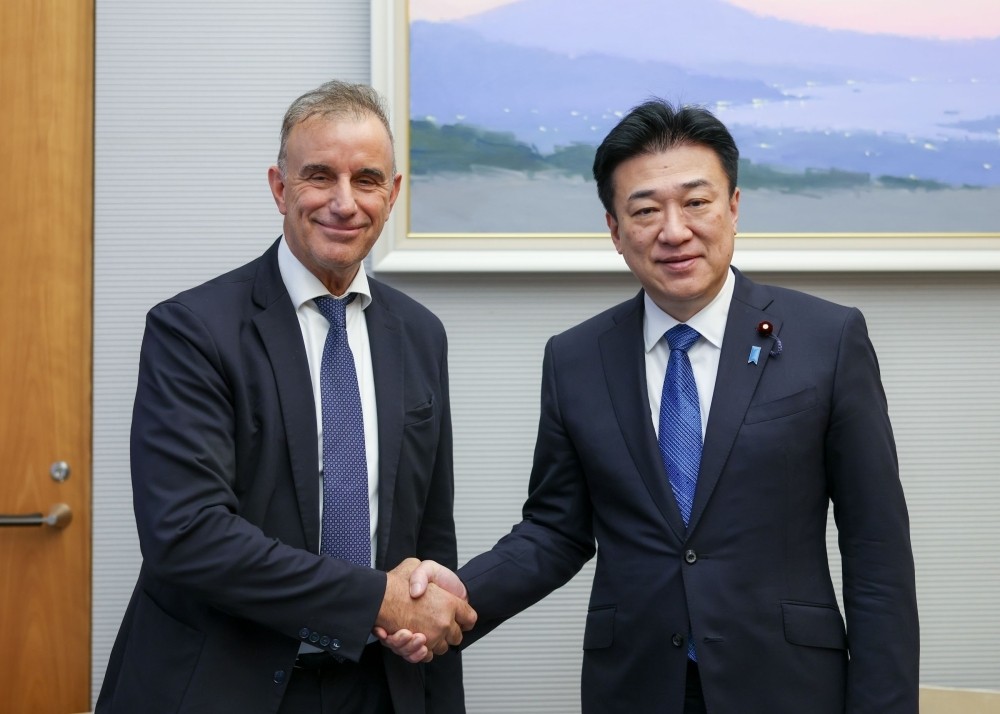
Japan's Chief Cabinet Secretary Meets ITER Organization Director-General
Starting at 4:50 p.m. on July 29, Japan's Chief Cabinet Secretary Yoshimasa Hayashi met with Pietro Barabaschi, Director-General of the International Thermonuclear Experimental Reactor (ITER) Organization, who was visiting Japan. The meeting lasted approximately 15 minutes. (Photo source: Japan Cabinet Public Affairs Office) Hayashi welcomed Barabaschi's visit to Japan. He stated that fusion energy has been listed as one of the 17 strategic areas in Japan's growth strategy. Japan looks forward to progress in the ITER project and believes it will play a significant role in advancing the realization of fusion energy and enhancing energy security. Hayashi...
2026-07-30
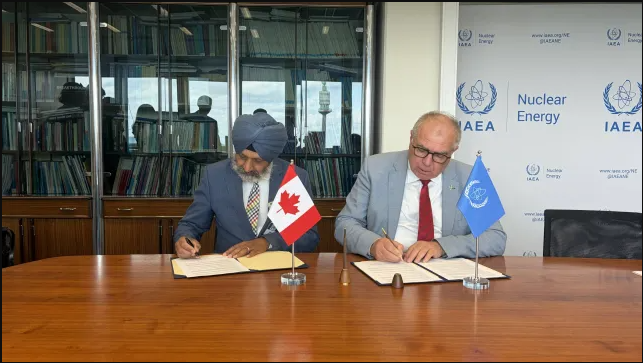
IAEA and University of Saskatchewan Sign Agreement to Strengthen Nuclear Talent Development
The International Atomic Energy Agency (IAEA) and the University of Saskatchewan recently signed a "Practical Arrangement" to enhance cooperation in nuclear knowledge management, nuclear energy education, research support, and talent development. The agreement was signed on July 24 at IAEA headquarters. Baljit Singh, Vice-President of the University of Saskatchewan, and Mikhail Chudakov, IAEA Deputy Director General and Head of the Department of Nuclear Energy, signed the "Practical Arrangement" on July 24 at IAEA headquarters. (Photo: IAEA) Under the agreement, the two parties will collaborate through training workshops, expert missions, and educational material development...
2026-07-30

American Fusion Company Launches Texatron Test Program at Texas Tech University
American Fusion Company announced on July 29 that, after completing preliminary laboratory preparations and verifying the remote ignition system, the company has launched the Texatron test program at Texas Tech University. The company is the developer of proprietary technologies related to the Texatron fusion engine. According to the company, a total of seven members of the American Fusion engineering and scientific team conducted a one-day preparation session at the research facilities of the Department of Physics and Astronomy at Texas Tech University. The activities included laboratory environment setup, inspection of instrumentation and supporting systems, system interface verification, and preparation for Texatron platform operation...
2026-07-30
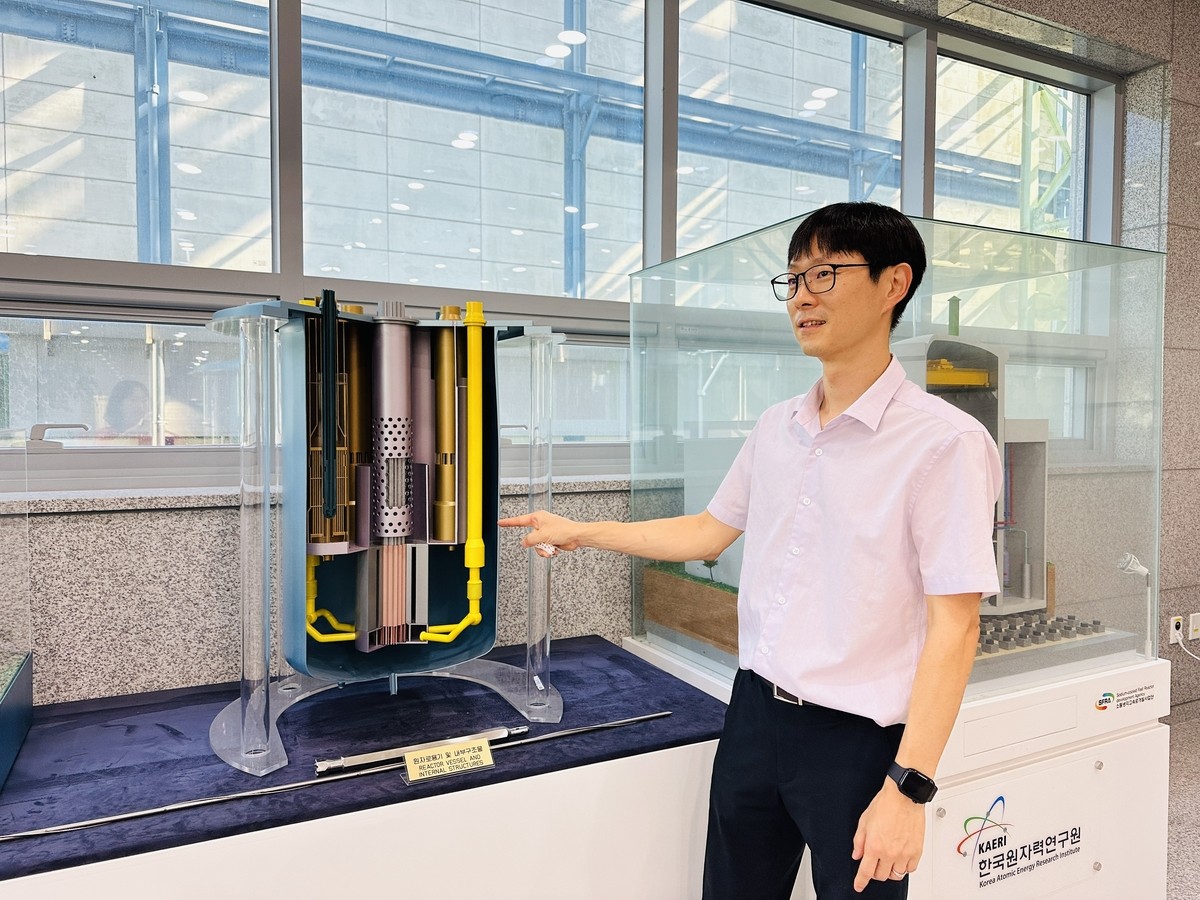
South Korea launches design of 250 MWe sodium-cooled fast reactor Helios
The Korea Atomic Energy Research Institute (KAERI), in collaboration with Hyundai Engineering & Construction and KEPCO E&C, has initiated the design of the next-generation sodium-cooled fast reactor Helios. The reactor is planned to have an electrical output of 250 MWe, based on the existing 100 MWe-class sodium-cooled fast reactor Salus-100 design, targeting large-scale power consumption applications such as AI data centers and industrial parks. Lee Je-hwan, head of the Fourth Generation Reactor Technology Development Department at KAERI, stated that future demand for large-scale carbon-free electricity around AI data centers and industrial parks...
2026-07-30
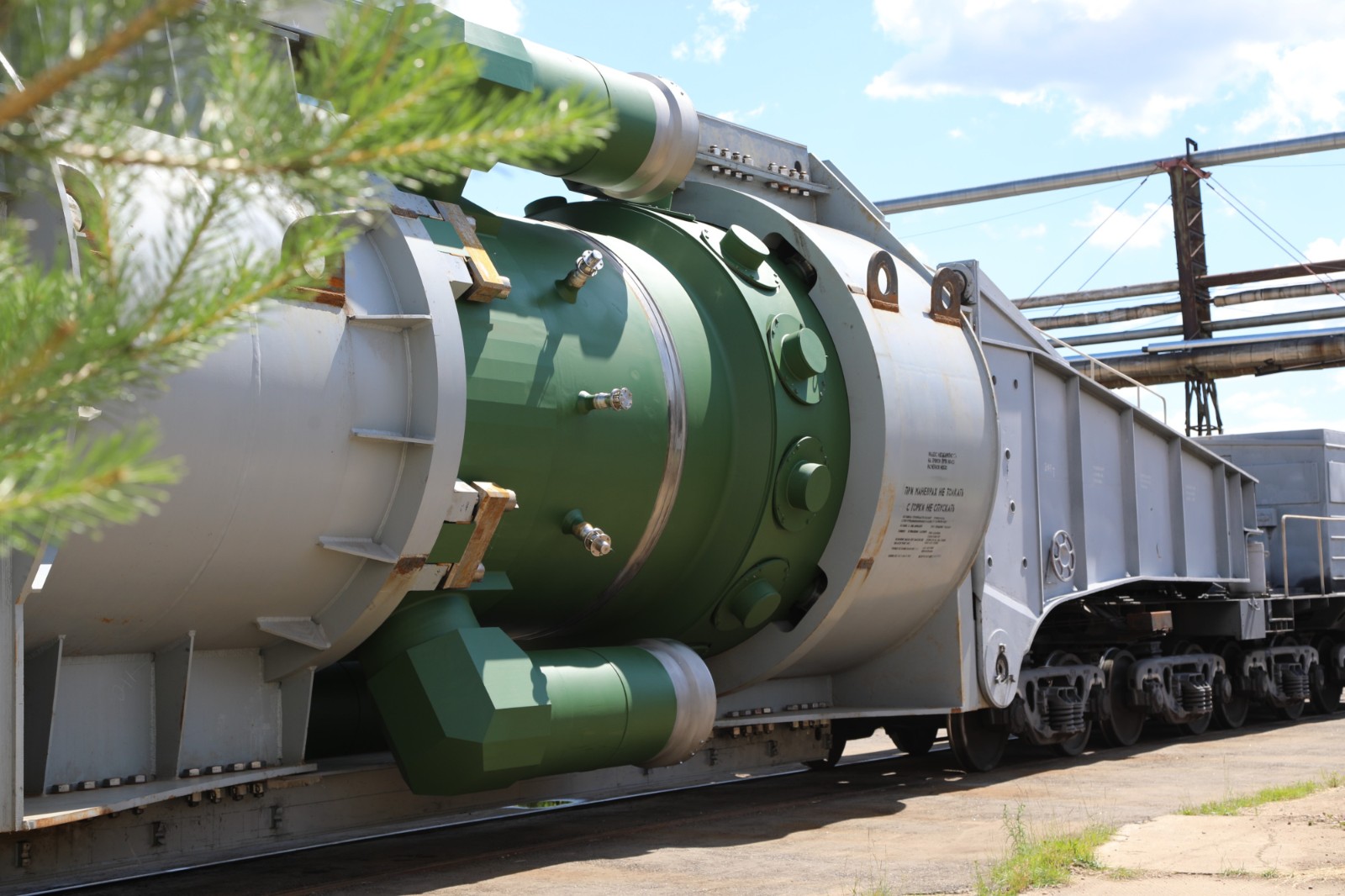
Russia Completes Manufacturing of Second RITM-200 Reactor Unit for Leningrad Nuclear-Powered Icebreaker
On July 29, Rosatom's ZiO-Podolsk Mechanical Plant in the Moscow Region completed the manufacturing of the second RITM-200 reactor unit for the Leningrad nuclear-powered icebreaker. With this, the manufacturing of all major equipment for the reactor compartment of this under-construction 22220-type universal nuclear-powered icebreaker has been fully completed. The Leningrad nuclear-powered icebreaker began construction in January 2024. The naming of the vessel is linked to the 80th anniversary of the lifting of the Siege of Leningrad, with veterans and survivors of the siege proposing that this new-generation nuclear-powered icebreaker be named Leningrad. Following Rosatom's tradition of naming reactor units, the two completed reactor units of the Leningrad have been named "Iskra" and "Grom," commemorating the operations that broke and ultimately lifted the Siege of Leningrad between 1943 and 1944.
2026-07-30
World Nuclear Association expects global large-scale nuclear power construction spending to peak between 2041 and 2045
The World Nuclear Association (WNA) expects global nuclear power industry spending to reach a phased peak between 2041 and 2045. At 2025 prices, approximately $1 trillion will be directed toward the construction of large nuclear power plants during this period. Sama Bilbao y León, Director General of the World Nuclear Association, stated that investment interest in the nuclear energy sector has significantly increased, with 50 countries having formulated relatively specific nuclear energy development plans. She believes that implementing these plans will require substantial financial support, with the required investment scale far exceeding current levels. According to the Association's estimates, in addition to large nuclear power plant construction, approximately $450 billion will be allocated globally to small modular reactor projects between 2041 and 2045, along with $84 billion for extending the operational lifetimes of existing reactors.
2026-07-30
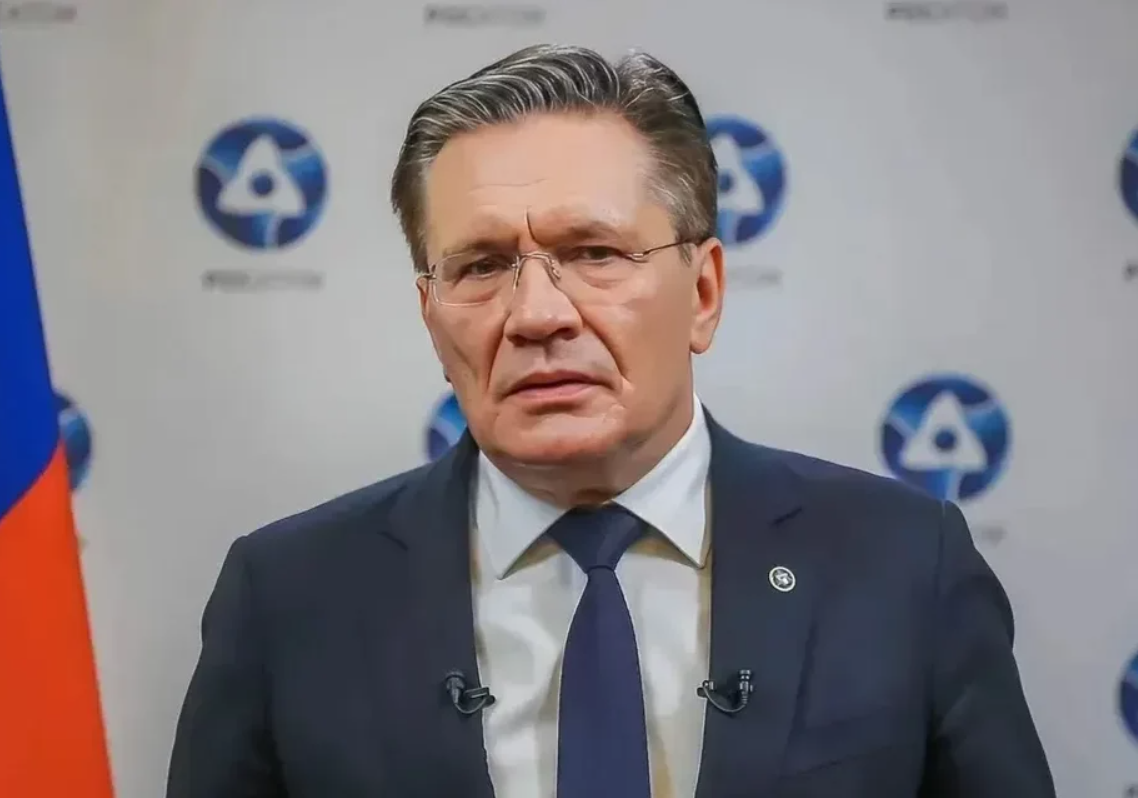
Rosatom says 13 small reactor pressure vessels at various production stages
Rosatom Director General Alexey Likhachev recently stated that 13 small reactor pressure vessels are currently at various production stages, and the equipment will be used for nuclear-powered icebreakers and small nuclear power plant projects. Likhachev noted that the batch includes reactor pressure vessels for the Uzbekistan nuclear power plant, which is planned to start construction in 2026. He said that the simultaneous manufacturing of 13 small reactor pressure vessels is unprecedented in the history of Russia's nuclear industry. The reactor pressure vessel is one of the core components of the primary circuit of a nuclear reactor, used to house the core and related internal structures, and withstand high temperatures and pressures during operation.
2026-07-30
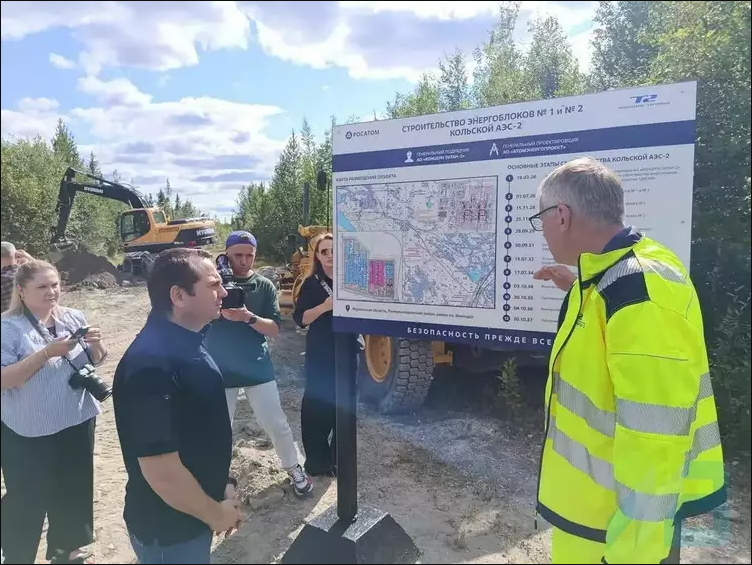
Construction of Kola Nuclear Power Plant Phase II Starts in Murmansk Region
On July 29, Murmansk Region Governor Andrey Chibis announced the start of construction of the Kola Nuclear Power Plant Phase II, located near the town of Polyarnye Zori in the region. Chibis stated that the Kola NPP is the most powerful nuclear power plant north of the Arctic Circle, having supplied energy to the Arctic region for over half a century. The newly launched Phase II project is situated adjacent to the existing plant, with a planned installed capacity of 1,200 megawatts. He noted that the Kola NPP Phase II is the second major energy facility built in the Murmansk Region in the past seven years, and will provide energy support for key regional projects over the coming decades, including the construction of new production facilities, mining projects, and the development of the trans-Arctic transport corridor and the resource base of the Northern Sea Route.
2026-07-30
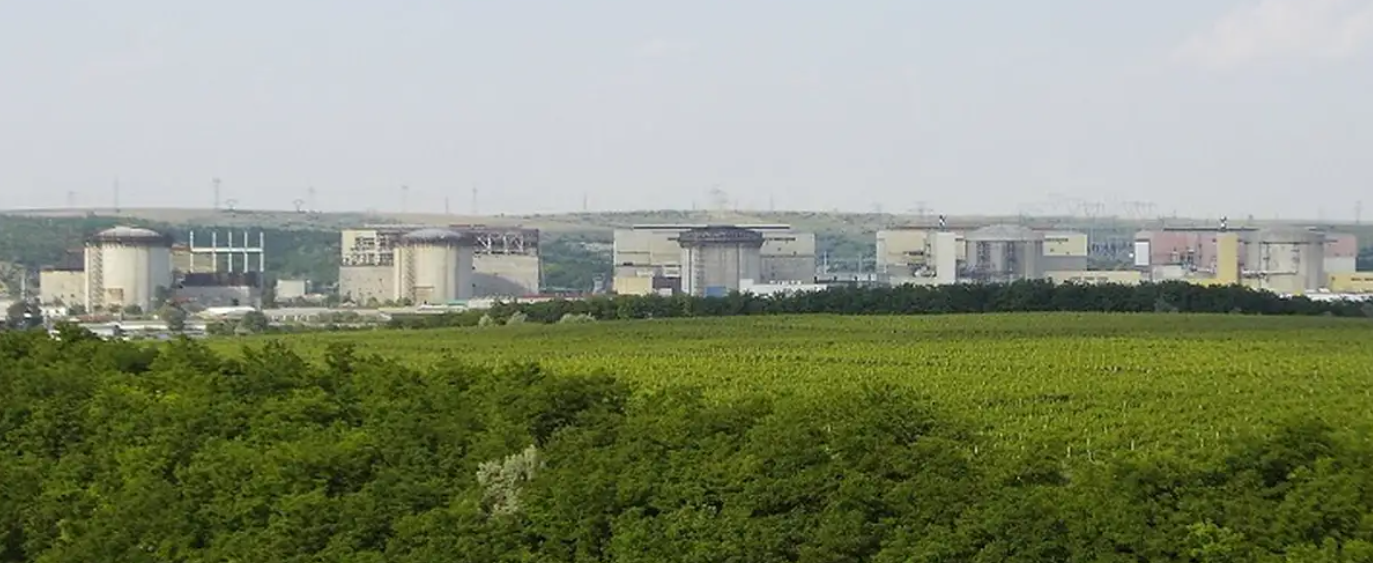
Danube River water levels continue to drop, Romania's only nuclear power plant to shut down completely
Affected by prolonged drought and high temperatures, the water level of the Danube River has been continuously declining, impacting the operation of multiple nuclear power plants along its banks. Romanian authorities have confirmed that both units of the country's only nuclear power plant, the Cernavodă Nuclear Power Plant, will be completely shut down to prevent damage to the cooling system. Romania's Acting Prime Minister Ilie Bolojan has called on residents and large industrial users to voluntarily reduce electricity consumption, especially by controlling the load between 8:00 PM and 11:00 PM. He stated that Romania often faces electricity shortage pressure during this period. Bolojan noted that the Danube River flow rate during the same period in previous years was typically 3,900 to 4,500 cubic meters per second, but it has now dropped to 1,600 cubic meters per second, and is expected to continue decreasing in the coming days.
2026-07-30

Japan Nuclear Fuel Company Says It Will Propose New Schedule for Rokkasho Reprocessing Plant as Soon as Possible
Naohiro Masuda, President of Japan Nuclear Fuel Company (JNFL), stated at a regular press conference on July 29 that the spent nuclear fuel reprocessing plant in Rokkasho Village, Aomori Prefecture, may be difficult to complete within the current fiscal year. The company will propose a new overall schedule as soon as possible after continuing consultations with regulatory authorities on the treatment of liquid waste within the facility. Masuda said that earlier this month, when an official from the Agency for Natural Resources and Energy of the Ministry of Economy, Trade and Industry met with Aomori Governor Soichiro Miyashita, Miyashita had informed the official that completing construction of the reprocessing plant within the current fiscal year would be challenging. Masuda stated that the company needs to make every effort to avoid the risk of schedule delays becoming a reality, and will manage the project construction progress from multiple aspects...
2026-07-30

Japan's Nuclear Regulation Authority to Revise Seismic Review Guidelines for Nuclear Power Plants
Following the exposure of Chubu Electric Power Co., Inc.'s alleged tampering with data related to earthquake assumptions at the Hamaoka Nuclear Power Plant in Shizuoka Prefecture, Japan's Nuclear Regulation Authority (NRA) has decided to revise certain seismic review guidelines for nuclear power plants to strengthen prevention of similar misconduct. At a regular meeting held on July 29, the NRA decided to proceed with revisions to the guidelines concerning seismic assumption reviews. Previously, the review process primarily focused on the calculation results submitted by nuclear power plant operators. The revision will extend the scope of verification to include the calculation process and the data used therein, in order to prevent companies from intentionally selecting, adjusting, or manipulating data.
2026-07-30